

Ready to turn your podcasting passion into a real profession?
Landing a sponsorship can make your dream come true. Aside from financial rewards, sponsorships can open doors for you and skyrocket your reach.
But how do you even get there? How do you craft podcast sponsorship packages that brands will say yes to?
That’s where this guide comes in.
I’ll take you through what podcast sponsorships are, how they work and how to create your own sponsorship package. You’ll learn how to structure offers and what pricing models to use.
Whether you’re a new podcaster learning the ropes or a seasoned host ready to boost your visibility, learning about such partnerships is important for your growth.
Let’s dive into the world of podcast sponsorship.
What Is a Podcast Sponsorship?
A podcast sponsorship is when a brand or business pays you to promote their products and services on your show.
You offer them spots during different parts of the show for either their pre-recorded or host-read ads. Many sponsors prefer this so they can reach a specific niche that fits their market.
Unlike generic ads for the general public, this kind of advertising is more effective since you’d be speaking directly to your listeners. Like a trusted friend, you’re giving your community trusted recommendations.
6 Different Podcast Sponsorship Packages
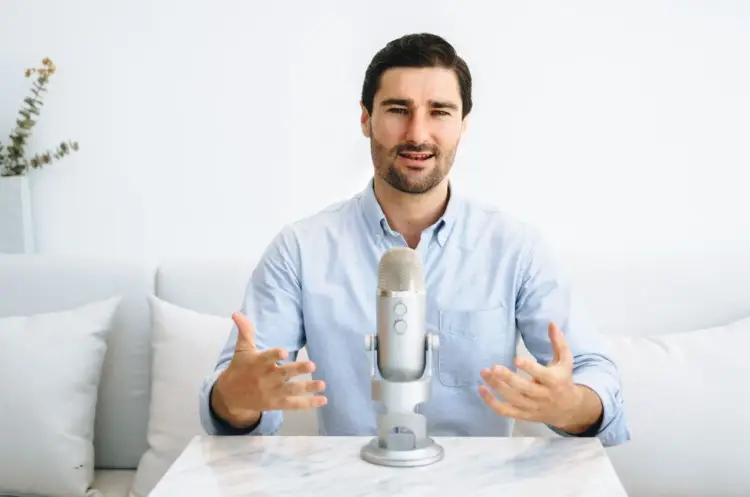
When it comes to sponsorship packages, there are several common types that podcasters use to monetize their show. Understanding these will help you either create appealing offers or choose the best way to sponsor a podcast.
Here are the different podcast sponsorship packages you can offer:
1. Pre-roll ads
This type of ad plays at the very beginning of a podcast episode, usually lasting about 60 seconds or less.
- Higher listenership: Only a few people tend to skip the start of an episode.
- Duration: Pre-roll ads are typically shorter and less expensive.
- Straightforward messaging: They are great for brief brand messages or quick promotions.
Because it’s the first thing the listeners hear, the message must be clear and hook your audience right away.
2. Mid-roll ads
These are ads that kick in during the middle of the episode.
- Highest engagement: Mid-roll spots are effective since they’re aired when listeners are already invested in the content.
- Duration: They usually last between 30 seconds and 90 seconds.
- Style: This is where many podcasters place host-read sponsorships because they sound more natural and trustworthy.
Because of this stronger connection, sponsors pay more for mid-roll ads compared to pre-roll.
3. Post-roll ads
These promotions play at the end of the episode.
- Highly-engaged audience: Post-roll ads reach listeners who stay until the show closes.
- Price: They are usually the least expensive sponsorship option, since many listeners skip outros.
- Messaging: They work well for reinforcing a brand or including an additional call to action.
While not as heard as mid-roll or pre-roll, post-roll ads still offer opportunity for businesses to reach an engaged audience.
4. Bundle sponsorship packages
Many podcasts offer bundles combining these ad slots for better value. For example, a package might include one pre-roll, one mid-roll, and one post-roll ad per episode.
Bundles can also come with a discount or added perks, like social media shoutouts. They create a stronger sponsorship revenue stream for podcasters while also offering sponsors more exposure.
5. Affiliate and product placement sponsorships
Some podcasters also promote brands through affiliate links. With this approach, you can earn income with commissions.
It’s another way to give personal recommendations to your listeners, sharing your experience with the product. This can work well alongside traditional podcast ad deals.
6. Customized sponsorship packages
You can also create a specific sponsorship package depending on your sponsor’s needs. This can include live reads, interviews or exclusive content.
Granting them flexibility shows your willingness to collaborate and can lead to a long-term partnership. Just make sure you think about what you can actually offer based on your podcast’s style and audience.
How Much Do Sponsors Pay for Podcasts?
The final amount depends on what you agree on and your credibility as a platform.
That’s why it’s important to understand the financial aspect that comes with sponsorships. You need to have a realistic image of what to expect from sponsors.
You also need to understand how much you can charge. Most podcasters charge based on download numbers, but others also base it on the value they provide.
How much does it cost to sponsor a podcast?
Here are the average industry rates for podcast sponsorships:
| Sponsorship type | Average CPM | Cost of 60-second ad per episode |
|---|---|---|
| Pre-roll | $15-$25 | $150-$250 for 10,000 downloads |
| Mid-roll | $25-$50 | $250-$500 for 10,000 downloads |
| Post-roll | $10-$20 | $100-$200 for 10,000 downloads |
These figures can vary depending on how established your show is:
- Smaller podcasts may be priced lower or have additional perks in exchange for advertising.
- Popular podcasts can command higher rates due to the greater number of listeners and engagement.
Podcast sponsorship pricing models
Getting paid based on the number of downloads is only one way to monetize your show. Here’s a list of podcast sponsorship pricing models you can try:
- Cost per Mille (CPM): This means paying a rate per 1,000 downloads or listens. It’s the most common pricing for podcast advertising.
- Flat fee per episode: Some podcasts offer a fixed price not based on downloads. Typically, you price based on the value you offer.
- Sponsorship packages: Offering multiple spots or additional services at a set price.
You can also explore podcast platforms for monetization and podcast advertising to learn more about earning from your show.
Example Podcast Sponsors List
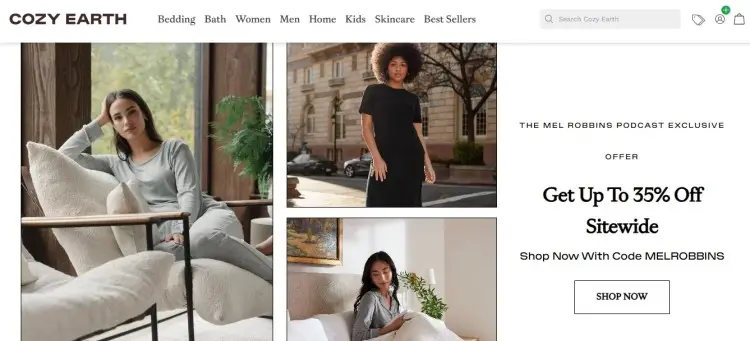
Many successful podcasts have strong sponsors supporting their shows.
These examples from different types of podcasts can inspire you with ideas for structuring your proposals or finding sponsors.
- The Joe Rogan Experience: Joe has long-standing partnerships with brands in health, fitness and apparel, aligned with his audience’s interests.
- The Mel Robbins Podcast: Mel partners with companies targeting personal development and lifestyle niches, like BetterHelp, Cozy Earth and Rocket Money.
- Business-focused podcasts: They typically land sponsorships from software companies, coaching programs, and educational tools.
- Fitness podcasts: They attract supplement brands, workout gear, and health apps as sponsors.
Podcast sponsorship packages PDF template
Creating a clear and professional proposal package is key to attracting sponsors. Use this podcast sponsorship package template to get started:
I. Podcast overview
- Niche:
- Type of podcast:
- Audience demographics:
II. Listener statistics
- Downloads per episode:
- Average number of listeners:
III. Sponsorship options with pricing
(e.g., pre-roll, mid-roll, post-roll, bundles)
IV. Examples of past success
- Other sponsors:
- Testimonials:
V. Other details
- Additional notes on ad placement and delivery:
- Next steps:
You can also find examples of podcast sponsorship packages and samples online and customize them to reflect your show’s strengths and audience.
How to Get a Podcast Sponsorship
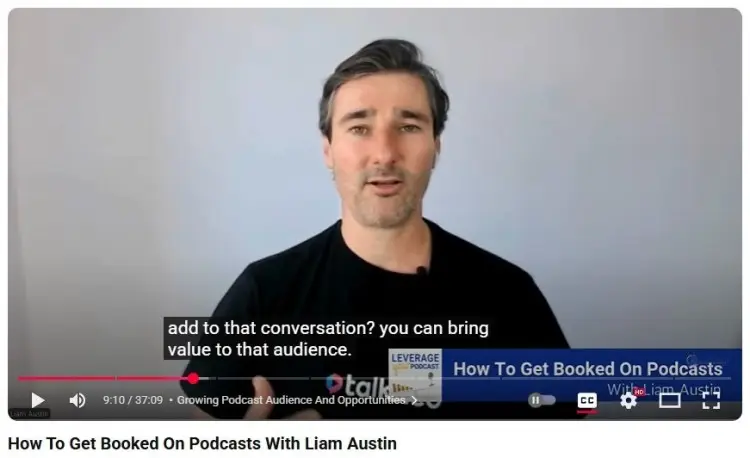
Finding and securing sponsors for your podcast doesn’t have to be intimidating. The key is understanding who your audience is and then connecting with brands that want to reach those listeners.
Here’s a detailed step-by-step guide to help you get podcast sponsorships effectively:
1. Know your audience
Before reaching out to potential sponsors, gather as much data as you can on your podcast’s performance. This includes:
- Downloads per episode: How many people listen to each episode on average. Sponsors care about this number because it shows your reach.
- Listener demographics: Age, location, interests, and purchasing behavior are valuable to sponsors looking for a specific niche.
- Engagement stats: How long listeners stay, and if they interact with your content on social media.
This data proves to potential advertisers that your audience matches their target market. Use platforms like Apple Podcasts or Spotify analytics to collect this information.
2. Identify potential sponsors
Look for brands that offer products and services relevant to your listeners. This way, the sponsorship feels natural and is likely to bring value to everyone involved.
- Start with companies whose values align with your podcast’s message.
- Consider small to midsize businesses that may be more willing to invest in podcast ads.
- Research competitors of companies you like. They might also want to sponsor.
- Check out other podcasts in your industry and note who sponsors them.
3. Create a compelling sponsorship package
Show them why it’s a win-win, highlighting your audience’s qualities and marketing potential. Your package should include:
- Podcast description and audience overview
- Analytics, like the number of downloads and listener engagement
- Breakdown of sponsorship options
- Pricing models and CPM rates
- Your unique value proposition
- Testimonials from past sponsors or listeners if available
4. Reach out to brands professionally
Send personalized emails introducing yourself and your podcast. Instead of a generic pitch, explain why their brand fits your audience.
- Use subject lines that grab attention without sounding spammy.
- Show awareness of the sponsor’s brand and needs.
- Offer to arrange a call or meeting to discuss details.
5. Follow up and build relationships
After your initial contact, stay in touch without being pushy. Long-term relationships with sponsors can lead to recurring deals and stable income.
- Share any new download milestones or positive feedback from listeners.
- Provide sponsors with ad performance reports during the campaign.
- Be ready to adjust packages based on what sponsors want and what works best for your audience.
How to Negotiate a Podcast Sponsorship
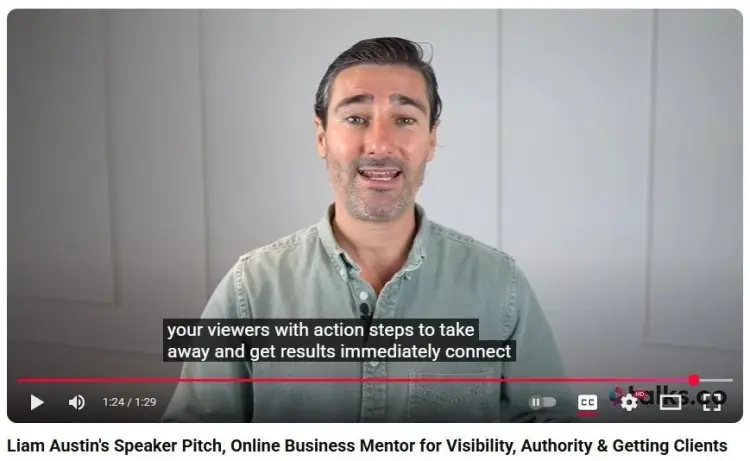
Too many podcasters undervalue themselves because they think they need tens of thousands of downloads to get a “yes.” But sponsors also care about alignment and audience quality, not just size.
Here’s how you can approach a negotiation:
- Research the sponsor: Always ask about their goals and what a win is for them. Personalize so you stand out from anyone else offering just another “30-second mid-roll.”
- Know your worth: Use your download numbers and listener engagement to justify your rates.
- Be clear about what you offer: Explain the placement, number of episodes, and type of ad.
- Listen to the sponsor’s budget and expectations: Consider their ask and what they’re willing to pay. You can create custom deals to meet their needs.
- Frame your proposal: Instead of saying you have just a thousand downloads, say “I speak to 1,000 highly engaged [niche] listeners every month who trust my recommendations, and many are decision-makers or buyers in [industry].”
- Package your offer: Don’t just sell a mention. Include things like newsletter shoutouts, social posts, episode links, or giveaways. Give them a bundle that gives them visibility in multiple ways.
- Put the agreement in writing: Detail deliverables, timelines, cancellation terms, and payment schedules.
- Keep improving: Send them reports and adjust future sponsorship deals based on insights.
8 Tips for successful podcast sponsorships
Follow these best practices when you start a podcast and plan for sponsorships:
- Your audience comes first: Always make sure the product or service matches your listeners’ interests.
- Keep it natural: Use host-read ads to build trust between the podcast host and listeners.
- Track analytics: Have your numbers ready so you can show sponsors the return on their investment.
- Hone your storytelling: Offer sponsored content that feels like part of the story, not intrusive sales pitches.
- Grow your show: Continuously create great content and use marketing techniques (e.g., SEO, email and social media promos) to increase your audience and attract bigger sponsors.
- Maintain transparency: Let your listeners know when a segment is sponsored to build trust.
- Offer multiple ad placements: Create bundled offers to give advertisers wider exposure and better ROI.
- Deliver on promises: Deliver your sponsorship ads timely and keep brands updated on the campaign progress. Constant communication keeps your relationship with sponsors smooth and professional.
8 Common podcast sponsorship mistakes
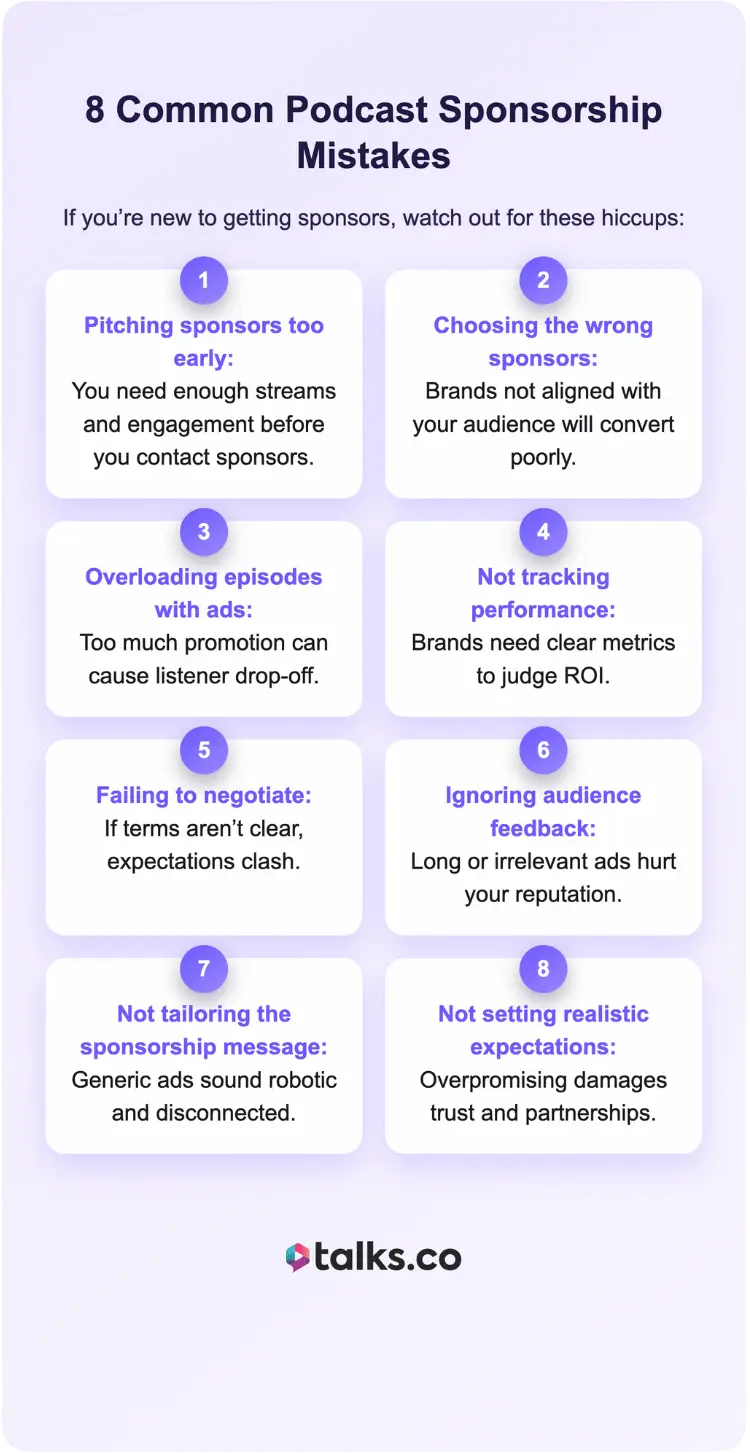
If you’re new to getting sponsors, watch out for these hiccups:
- Pitching sponsors too early: You need to grow your podcast with enough streams and engagement before you contact sponsors.
- Choosing the wrong sponsors: Partnering with brands not aligned with your audience’s interests can feel forced and lead to low conversions.
- Overloading episodes with ads: Too much promotion can be off-putting and cause listener drop-off.
- Not tracking performance: Without metrics, it’s hard to tell if the campaign actually worked. Brands need feedback to see if their investment was actually worth it.
- Failing to negotiate: If you don’t clarify the terms of your agreement, both parties may have different expectations and this results in poor partnerships.
- Ignoring audience feedback: If the people who listen to podcasts complain that ads are too long, repetitive, or irrelevant, don’t ignore it. Negative feedback can hurt your podcast’s reputation and growth.
- Not tailoring the sponsorship message: Using generic or scripted ads that don’t match your podcast’s tone or style can feel robotic. Personalize the message to sound authentic and still connected to your content.
- Not setting realistic expectations: Overpromising results or audience numbers can damage relationships. Be honest about what your podcast can deliver and focus on building trust.
Get Support Your Podcast Needs
Podcast sponsorship packages can get you started on monetizing your podcast. That’s why knowing how they work, what sponsors look for and how to set prices gives you a solid foundation for success.
If you’re getting ready to secure sponsors, start by strengthening your numbers. Create a great podcast by making your content more engaging.
Invite guests over and add more flavor and perspective to your show. Think of the impact having an expert or a personality over will have on your episodes.
The chemistry, banter and new ideas… They make for great entertainment.
Get matched with the right guest for you. Start today with a free Talks Creator profile.
Talks streamlines the guest matching process. Just input everything about you and your show and begin sending invitations.
Register For Free and Create Your Talks Profile Now.


