

Most speakers tell stories.
The best ones create tension you can feel in your gut.
Dramatic irony is how you do it.
It’s when your audience knows the truth… and the character in your story doesn’t. They see the mistake forming. They see the deal about to collapse. They see the betrayal coming.
And they can’t look away.
That gap between what’s known and what’s believed creates pressure. Pressure keeps people locked in. It turns a simple story into a moment.
If you want listeners leaning forward instead of checking their phones, you need to master this.
Here are 20 dramatic irony examples you can study, borrow from, and use to make your next podcast episode or keynote hit harder than anything you’ve delivered before.
What Are Dramatic Irony Examples?
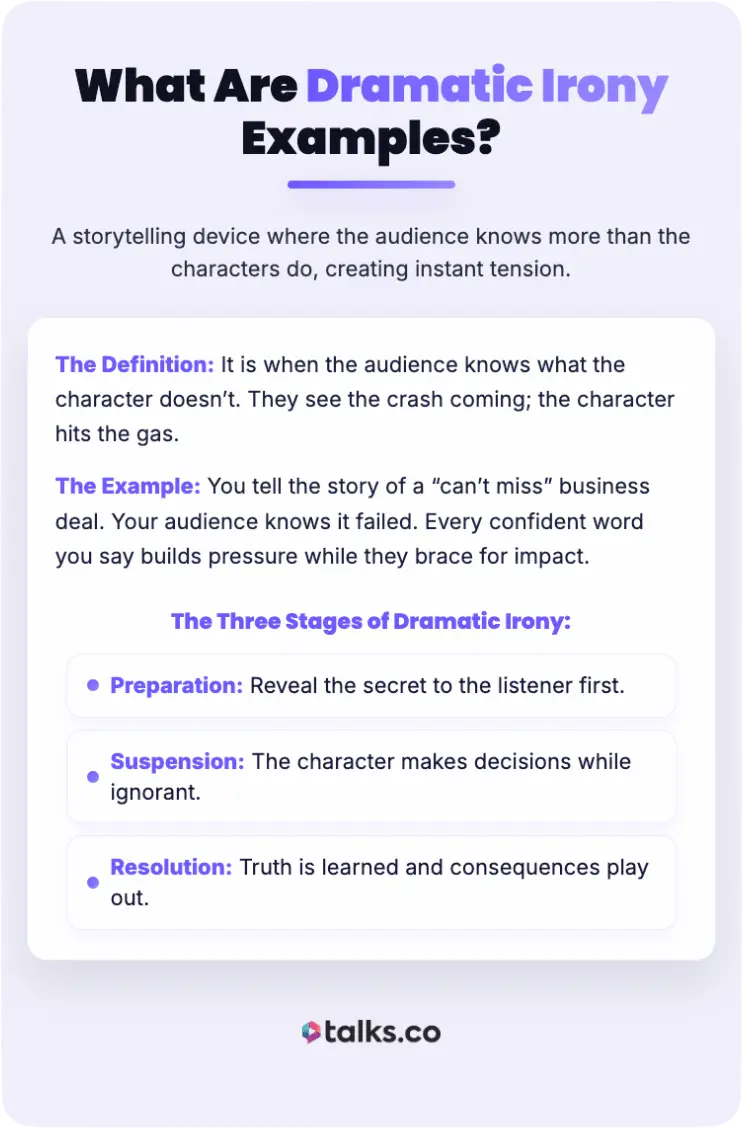
Dramatic irony is a storytelling device where the audience knows more than the characters do. This works well whenever you want to create tension and excitement because:
- The gap in knowledge drives the story forward.
- It holds your audience’s attention, so they don’t tune you out.
- When the audience knows information that the characters miss, it creates a unique emotional connection.
- Your listeners feel like an active participant in the narrative.
Dramatic irony meaning and example
Dramatic irony is when the audience knows what the character doesn’t. That gap creates tension.
They see the crash coming. The character hits the gas.
Example: You tell the story of the “can’t miss” business deal you were proud to sign. Your audience already knows it failed. Every confident word you say builds pressure. They’re bracing for impact.
That’s dramatic irony.
Let your audience see what your past self couldn’t.
Now your story has bite. Now people lean in.
Dramatic irony examples sentences
There are three specific stages of dramatic irony that make it effective in storytelling.
- Preparation: The audience is aware of information that the character isn’t. You set the scene and reveal the secret to the listener first.
- Suspension: The character remains ignorant and makes “bad” decisions, while the audience waits for the reveal. This is the most thrilling part.
- Resolution: The character finally learns the truth. The element of suspense is resolved, and the consequences play out.
Verbal, situational and dramatic irony examples
Dramatic irony is just one of the three main types of irony. While dramatic irony creates tension through knowledge gaps, other types work differently.
- Verbal irony happens when a speaker says one thing but means another, typically known as sarcasm.
- Situational irony happens when the outcome is the opposite of what was expected to play out.
Verbal and situational irony are great for quick jokes. But if you’re producing long-form content like a film or narrative podcast, it’d be best to explore dramatic irony instead.
What Are 20 Dramatic Irony Examples?
Dramatic irony is used in literature, movies, and modern media to capture attention. If you want to truly stand out as a professional, you need to adopt this speaking technique.
Whether you’re a podcast host planning your next project or a creative writer looking for fresh inspiration, this list of examples can help you achieve the effect you want. (Spoiler alerts, of course!)
Dramatic irony examples in poetry
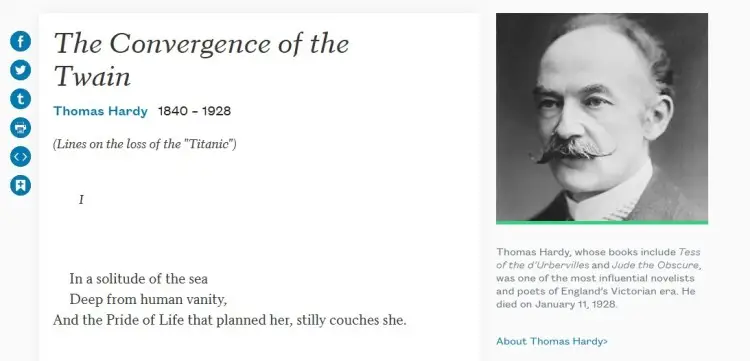
Poetry uses dramatic irony to highlight the tragic or inevitable challenges in life.
- “The Convergence of the Twain” by Thomas Hardy: The poem describes the Titanic and the iceberg as two forces destined to meet. The audience knows the ship will sink, but the passengers are celebrating, unaware of their fate.
- “The Rime of the Ancient Mariner” by Samuel Taylor Coleridge: The audience is aware of the curse a mariner brought upon himself, while his shipmates are initially confused by their misfortune.
If you’re looking for ways to structure your own stories like a poet, review different podcast genres to see which style fits your brand. Finding the right format helps you deliver these literary devices effectively.
Dramatic irony examples in movies
Dramatic irony examples in film shows audience things characters can’t see. This visual storytelling technique has been used for decades.
- Toy Story: In this Disney movie, the dramatic irony occurs when Buzz Lightyear thinks he is a real space ranger. Both the audience and fellow toys like Woody know he’s a toy, so his seriousness and attempts to contact Star Command seem funny instead of heroic.
- The Truman Show: the audience knows that Truman is living inside a TV show. Truman believes his life is real when everything’s actually scripted, and all the people surrounding him are actors. His journey to discover the truth drives the whole plot.
When you’re learning how to become a content creator, studying films like these can teach you how to pace your reveals. It helps you keep your audience watching or listening longer.
Dramatic irony examples in horror movies
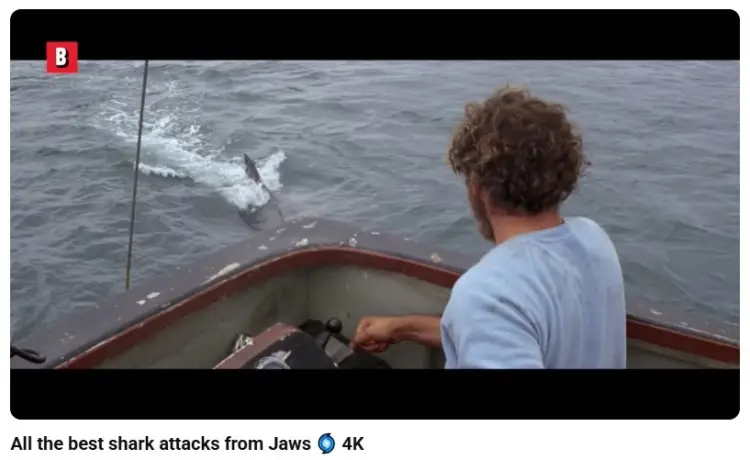
Dramatic irony examples in horror movies are used to build intense fear and anticipation.
- Halloween: The audience sees the killer lurking in the background, while the victim doesn’t. The creeping danger keeps audiences glued and builds the desire to scream at the screen.
- Jaws: The camera shows the shark swimming beneath the swimmers. The audience knows something terrible is about to happen while the characters enjoy the beach.
Using this kind of tension is a great way to improve your speech when you’re on stage. You can tell a story where the audience knows the risk your client was taking before the client realized it.
Dramatic irony examples in books
Books dive deeply into internal monologues, so readers know exactly what characters overlook.
- Harry Potter: The reader spends years believing Severus Snape is a villain. You see his harsh actions through Harry’s eyes, but later learn the truth about his loyalty.
- A Series of Unfortunate Events: The narrator constantly warns the reader of impending doom. The orphans are often hopeful, but readers know that things will go wrong.
Dramatic irony examples in literature
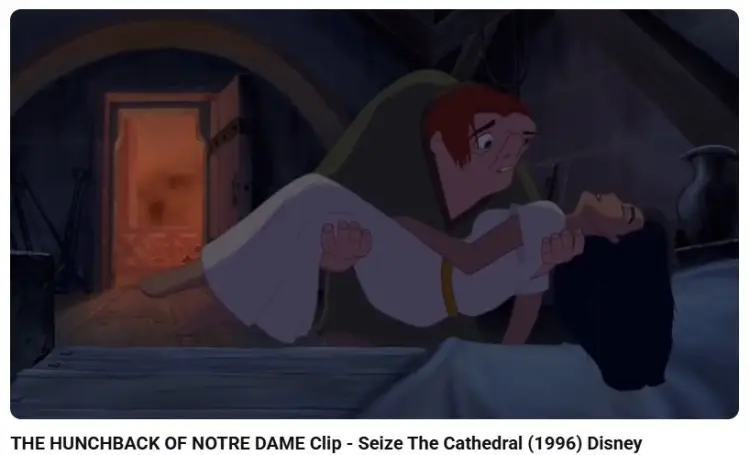
Dramatic irony examples in classic literature involve hidden identities and misunderstood intentions.
- The Hunchback of Notre Dame: Quasimodo believes the gypsies are hurting Esmeralda. The reader knows they’re actually trying to save her. This misunderstanding drives the tragedy of the scene and highlights Quasimodo’s isolation.
- Great Expectations by Charles Dickens: Pip believes his benefactor is Miss Havisham when it’s not true. Readers then watch him chase the wrong dream based on false information.
Dramatic irony definition literature example
Here are more definitions and examples of dramatic irony in literature:
- Shakespeare’s Othello: The villain Iago tells the audience his plan to destroy Othello. While the audience watches him lie and manipulate everyone, Othello trusts him fully. It’s almost painful as you watch the hero destroy his own life because he trusts the wrong person.
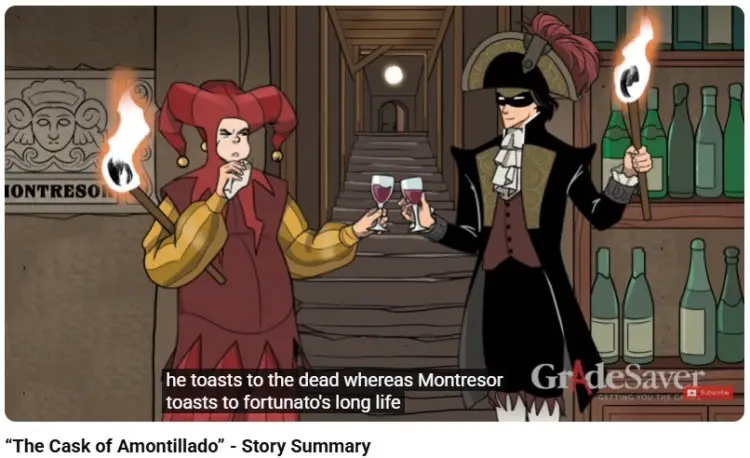
- The Cask of Amontillado by Edgar Allan Poe: Montresor tells the reader he plans to kill Fortunato. Fortunato, whose name implies luck, follows Montresor into the catacombs willingly. The audience knows the killer is leading him to his death, but the victim is oblivious.
Tragic irony examples in literature
Tragic irony leads to a catastrophic end. But it’s not about telling a sob story. It’s about creating lasting impressions that get stories told over and over.
- Romeo and Juliet: The audience knows that Juliet is merely sleeping from a potion. Romeo believes she’s passed and tries to join her in the afterlife. If Romeo had waited just a few minutes, the tragedy would have been avoided.
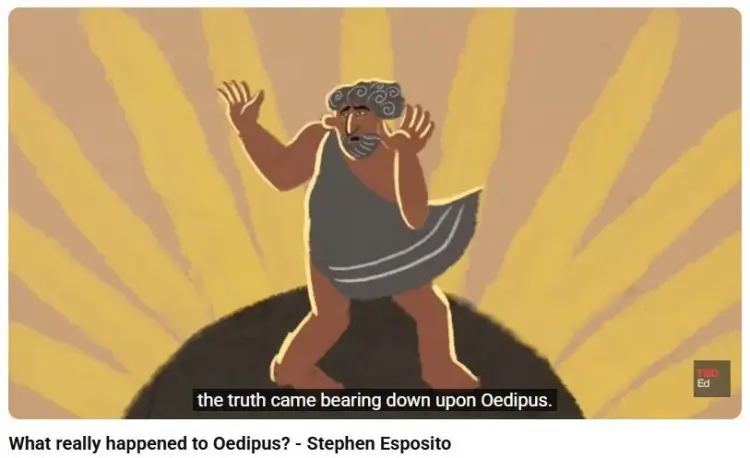
- Oedipus Rex by Sophocles: Oedipus is oblivious that he killed his own father, King Laius, and married his mother. Cosmic irony delivers a tragic blow when all these facts are revealed.
Stories full of historical irony like these are why some shows become the most popular podcasts.
If you’re writing a podcast script, the use of dramatic irony often becomes the moment that keeps listeners coming back.
Short dramatic irony examples
When starting your podcast, use these short dramatic irony examples to hook an audience instantly.
- Job interview gone wrong on a business podcast: Start your podcast episode with an anecdote about an ironic mistake during an interview. For example, an applicant meets a stranger and rants about their day, only to learn later that they’re talking to the CEO. This catches your listeners’ attention and gives a bit of comedic relief.
- Early failures by top startups: Invite a famous entrepreneur or founder and ask them to share their struggles when starting. Ask them about a moment they thought was their lowest. Audiences know they overcame it, but would still be hooked by the vulnerable moment.
Dramatic irony examples pictures
In narrative podcasts, you can create dramatic irony without visuals. For example, in a true-crime podcast, reveal the killer at the start.
- As the investigation plays out and police chase the wrong suspect, listeners grow more tense and frustrated.
- This way, dramatic irony shifts the focus from “whodunit” to “when will they catch him.”
These suspenseful effects of dramatic irony are essential when learning how to do a podcast interview. Giving context that your audience understands but the guest doesn’t have changes the energy of the conversation.
Funny dramatic irony examples
Funny dramatic irony examples happen in interviews when context is missing for one party.
- A celebrity attends an interview, not knowing that the host is their biggest fan. If the audience is aware, they know that a simple compliment is more meaningful than the host lets on.
- A host can ask a very specific, funny question that surprises the guest. Think back to Taylor Swift being asked by Jimmy Fallon about her Lasik surgery, something that hasn’t been made public. Only to realize that her mom shared the silly anecdote of her post-surgery freaking out over a banana.
Which Situation Is the Best Example of Dramatic Irony?
The best example of dramatic irony is one you can use in your business. These literary devices aren’t just reserved for the library. When used right, they can become superpowers to achieve authority and boost your visibility.
That said, let’s look at how you can use shocking reveals, plot twists, and drama to add flair to your podcast recordings and speeches.
Which situation is an example of dramatic irony?
Want to win attention? Create a gap that only you can fill. Here are some dramatic irony strategies to try out:
- The “Big Reveal”: In your business storytelling, you can reveal a market truth to your audience that your competitors are oblivious to. This positions you as the guide who knows the truth.
- The “Secret Identity”: In branding, you can show the hidden value of your product that the general market hasn’t realized yet. You let your customers in on the “secret,” creating a community of insiders who understand the true value while the rest of the world is oblivious.
You can see more about structuring these narratives in these speech examples.
Lean Into the Drama
Dramatic irony examples don’t just show you a cute storytelling trick. It’s leverage.
When your audience sees the mistake before your past self does, they lean in. When they know the deal will explode and you’re still celebrating it, they brace for impact. That tension keeps them locked on you.
Most speakers rush to the lesson. The sharp ones build pressure first. They let the audience feel the gap. Then they deliver the resolution.
That’s how stories stick. That’s how authority grows.
Now imagine bringing that level of storytelling to every podcast interview you book.
Talks helps you get in front of the right shows. Your stories do the rest.
Build your free Talks profile, start matching, and give your audience something they won’t forget.


