

Could you use these 238 public speaking topics to find a strong speech idea for an informative, persuasive, humorous, impromptu, student, beginner, or 1-minute speech?
I’ve had plenty of moments where the hardest part wasn’t getting on stage but figuring out what deserved the stage in the first place. Sitting over a coffee, I’d ask myself, “Would I actually sit through someone talking about this?”
That question can save you hours.
So, what could make a topic worth hearing?
Could your own experience give a familiar subject a fresh angle? And could that idea become a memorable talk, workshop, keynote, or podcast conversation?
Let’s explore 238 public speaking topics like social issues, leadership skills and building strong fluency, body language and current events, plus examples and simple ways to choose one based on your audience and purpose in today’s world.
List Of Public Speaking Topics

The right topic makes a five-minute classroom speech feel easier, a conference session feels sharper, or a podcast interview gives people something worth remembering.
The 238 ideas below cover different audiences, speaking styles, and levels of experience, with plenty you can adapt to your own expertise.
Public speaking good topics
Good public speaking topics give you enough substance to tell a story, make a point, or teach something useful without needing a PhD in the subject.
- Why surfers check swell forecasts before sunrise
- How Spotify changed the way we discover new music
- What makes a great coffee shop work
- Why people abandon New Year’s resolutions by February
- The hidden psychology behind supermarket layouts
- How Airbnb changed the way people travel
- Why local soccer clubs matter to their communities
- What makes a memorable customer experience
- How sleep affects decision-making
- Why people procrastinate on important work
- The rise of remote work in Bali
- What traveling alone can teach you about confidence
- How LEGO keeps adults interested in its products
- Why live events create stronger memories than online content
- How Patagonia built a recognizable brand around environmental values
- Why people trust recommendations from strangers online
- What makes a podcast interview genuinely interesting
- How small daily habits shape long-term results
Public speaking best topics
These ideas give you room to bring personal experience, research, stories, or professional expertise into the conversation.
- How AI is changing creative work
- Why four-day workweeks keep attracting attention
- What entrepreneurs can learn from elite athletes
- How burnout changes workplace performance
- Why personal branding matters for independent consultants
- The future of online education
- How creators can build audiences without relying on viral content
- Why companies should invest in employee development
- How coaches can turn expertise into a signature workshop
- What makes a keynote speech memorable
- How podcast guesting can build professional visibility
- Why people buy expertise before they buy products
- How remote businesses create location freedom
- What founders can learn from failed product launches
- Why customer stories can be stronger than sales pitches
- How authors can turn one book into a speaking platform
- The business case for hosting virtual events
- How niche expertise can create premium opportunities
Ideas for public speaking topics
These angles work especially well when you want to turn everyday experiences or professional knowledge into a memorable podcast episode.
- What a failed surfboard purchase taught me about decision-making
- Why your first $100 online can matter more than your first $10,000
- What a World Cup crowd teaches us about belonging
- Why boring presentations lose good ideas
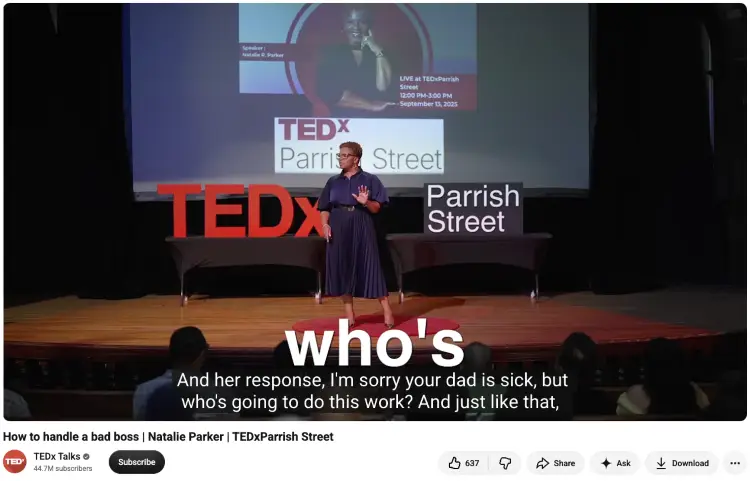
- How a bad boss can teach you what kind of leader to become
- What moving countries teaches you about starting again
- Why your calendar might reveal more about your priorities than your goals
- What a packed restaurant can teach entrepreneurs about demand
- How one great mentor can change a career
- Why people remember stories longer than statistics
- What missing a flight teaches you about controlling the controllable
- How a podcast question can reveal a new public speaking opportunity
- Why your most embarrassing professional mistake might make your best story
- What IKEA can teach us about customer experience
- Why consistency beats waiting for motivation
- How a personal hobby can become a professional advantage
- What coaching youth soccer teaches us about leadership
- Why saying no can improve creative work
- How a $5 coffee can become a lesson in perceived value
- What traveling with one backpack teaches you about priorities
Cool public speaking topics
These are the topics that make people curious before you’ve even started speaking. These ideas lean into culture, technology, business, travel, and everyday things people already have an opinion about.
- What Formula 1 can teach us about building a global audience
- Why Gen Z is changing the meaning of a career
- How Spotify Wrapped became an annual cultural event
- What MrBeast understands about attention
- Why Apple Stores feel different from ordinary retail shops
- How Netflix changed the way we talk about television
- Why pickleball exploded across the United States
- What Taylor Swift’s Eras Tour can teach us about live experiences
- How Duolingo turned language learning into entertainment
- Why people are obsessed with productivity apps
- What surfing teaches us about patience and timing
- How Airbnb changed the idea of home when we travel
- Why people still line up for limited-edition sneakers
- What Twitch tells us about the future of entertainment
- How creators are turning niche hobbies into businesses
Examples of public speaking topics
These examples show how a coach, author, consultant, or entrepreneur could connect a familiar subject to a specific audience.
- A health coach: How meal prepping on Sunday can reduce weekday decision fatigue
- A business coach: What a failed $20,000 launch taught me about customer research
- A career coach: How to negotiate a raise without making the conversation awkward
- A fitness coach: What marathon training teaches us about sustainable progress
- An author: Five lessons I learned while writing my first book
- A consultant: Why companies lose customers during the first five minutes of onboarding
- A podcast host: How to ask better questions and get better stories
- A speaker: What 400 podcast interviews taught me about memorable conversations
- A startup founder: What launching in Austin taught me about finding your first customers
- A leadership coach: What a youth soccer captain can teach managers about accountability
- A productivity expert: How to plan a realistic workweek when every task feels urgent
- A marketing consultant: Why a small audience can become your best source of business
- A travel entrepreneur: How remote work changed the way I think about where a business can operate
General topics for public speaking
These broader subjects give you plenty of room to add personal stories, examples, research, or professional experience.
- The importance of communication
- How to build confidence
- The value of lifelong learning
- Why teamwork matters
- How technology affects daily life
- The importance of setting goals
- How social media influences relationships
- Why people struggle with time management
- The benefits of regular exercise
- How travel changes perspective
- Why financial literacy matters
- The role of education in career development
- How volunteering strengthens communities
- The importance of workplace culture
- How to handle failure
- Why creativity matters at work
- The value of mentorship
- How reading can improve critical thinking
- Why healthy habits matter
- How to become a better listener
Public Speaking Speech Topics
The type of speech you’re giving should shape the topic you choose.
An informative speech needs something worth explaining, a persuasive speech needs a position worth defending, and humorous speeches need an observation people can recognize, and ideas for students may not be the best for 2-minute speech topics in a room full of PhDs.
Public speaking informative speech topics
Informative speech topics give the audience useful knowledge they can understand and remember. Pick a subject you can explain with specific examples, clear context, and a few details people are unlikely to know already.
- How the Tour de France actually works
- How sourdough starter works
- How Formula 1 teams use data during a race weekend
- How solar panels generate electricity
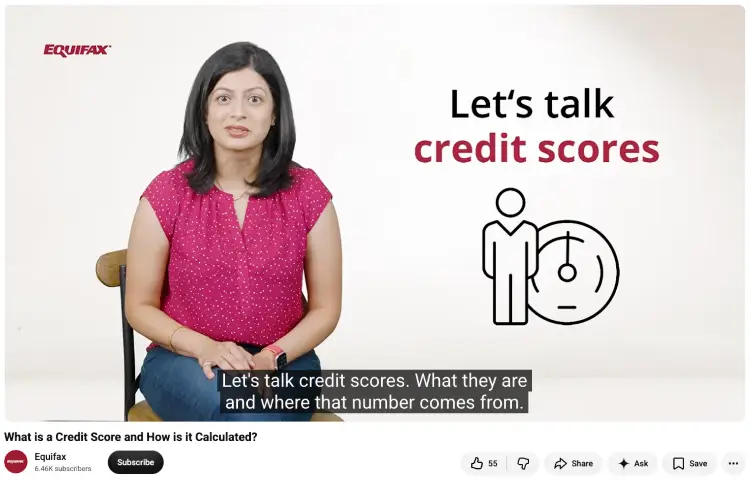
- How credit scores are calculated
- How professional podcast editing works
- How Airbnb reviews affect booking decisions
- How coffee beans go from farm to cafe
- How remote teams collaborate across time zones
- How Olympic athletes structure their training
- How sleep affects memory and learning
- How a book becomes an audiobook
- How venture capital funding works
- Global issues like how coral reefs help build and support marine ecosystems
- How Spotify recommends new music
Public speaking topics persuasive
Persuasive speech topics give you a position to defend confidently and a reason for the audience to care about your key points, stay informed, and brainstorm afterwards.
The strongest public speaking topics and ideas leave room for evidence, examples, thought-provoking counterarguments, and a clear recommendation using their effective public speaking and communication skills regardless of age group.
- Companies should offer four-day workweeks
- Schools should teach financial literacy
- Employers should allow more remote work
- Students should complete internships before graduating
- Businesses should invest in employee coaching
- Social media platforms should make age verification easier
- Companies should publish salary ranges in job listings
- Parents should delay smartphones for younger children
- Universities should teach public speaking as a core skill
- Small businesses should collect customer testimonials
- Entrepreneurs should build an email list before relying on social media
- Employers should measure results rather than hours worked
- More companies should offer paid professional development
- Creators should diversify beyond a single social platform
- Coaches should specialize in a clearly defined audience
Humorous public speaking topics
Humorous speech topic ideas often start with an everyday annoyance or oddly specific observation. Give yourself enough room to tell a story and exaggerate the situation without forcing a positive thinking or motivational punchline into every sentence.
- Why assembling IKEA furniture requires a second person and a minor miracle
- The emotional stages of waiting for an Uber Eats order
- Why airport security turns adults into confused children
- What your coffee order says about your personality
- Why group chats become impossible after 11 pm
- The unspoken rules of sharing a hotel bathroom
- Why everyone becomes an expert during a family barbecue
- What happens when you accidentally send a message to the wrong group chat
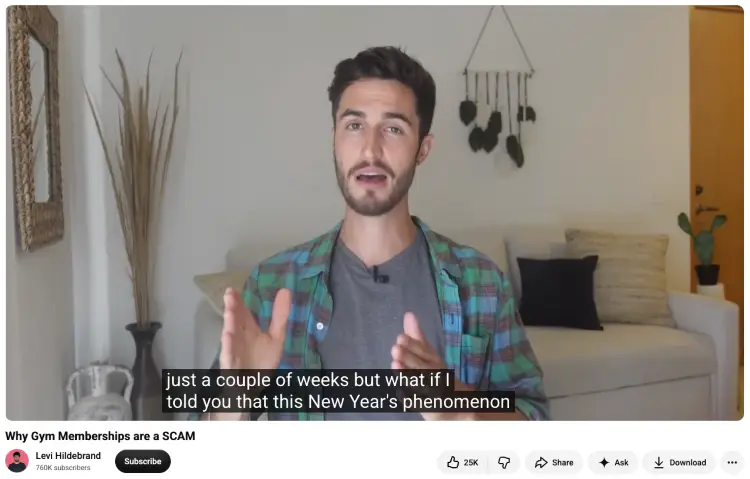
- Why gym memberships are easiest to buy in January
- The strange confidence people develop after watching two YouTube tutorials
- Why packing for a three-day trip somehow requires 17 outfits
- The drama of choosing a restaurant with six friends
- Why assembling a standing desk feels like a character test
- What airport boarding groups reveal about human behavior
Public speaking topics funny
Fun speech topics during a public speech give you an easy way to show personality, especially at casual events or when you’re still getting comfortable on stage.
Look for situations almost everyone recognizes, then add your own impactful experience or a ridiculous detail to boost and create engaging topics and get better at public speaking.
- Why autocorrect has ruined perfectly innocent texts
- The struggle of pretending to understand wine
- Why people say “I’m five minutes away” while still at home
- How one episode of a TV show becomes an accidental six-hour binge
- Why socks disappear in the laundry
- The weird pressure of choosing a LinkedIn profile photo
- Why everyone suddenly becomes productive before a vacation
- What your browser history says about your weekend
- Why hotel pillows are either bricks or clouds
- The awkwardness of running into someone you barely know
- Why people rehearse phone calls before making them
- The universal panic of forgetting someone’s name
- Why grocery shopping while hungry is a terrible business decision
- The strange rules of office kitchen etiquette
- Why your alarm clock becomes your enemy on Monday morning
Public Speaking Topics For Different Audiences
The audience changes what makes a topic work.
A college class needs something students can research and explain, while a first-time speaker may need a subject they already know well enough to discuss without a pile of notes.
These public speaking ideas give you a starting point for both.
Public speaking topics for students
Students have plenty of material around them already. Classes, social media, campus life, technology, money, work, and pop culture can all turn into solid speeches when you give the topic a clear angle.
- Should college students be required to complete internships?
- How social media affects student concentration
- Why financial literacy should be taught in high school
- The effect of part-time jobs on academic performance
- How AI is changing the way students study
- Why students procrastinate before major exams
- The rise of online college courses
- How sleep affects academic performance
- Should schools ban phones during class?
- Why learning public speaking helps students beyond school
- How student athletes balance training and academics
- The effect of student debt on career choices
- Why group projects cause so much frustration
- How volunteering can help students build career experience
- Should schools teach students how to use AI responsibly?
Public speaking topics for beginners
Your first speech doesn’t need to tackle quantum physics or explain the global economy. Start with something familiar enough that you can focus on speaking clearly, telling a story, and connecting with the room.
- What I learned from my first job
- How to make a great cup of coffee
- Why I started exercising
- What traveling alone taught me
- How I learned to manage my time
- My biggest career mistake
- Why I love my favorite hobby
- How to prepare for a job interview
- What makes a great friendship
- How to stay productive while working from home
- What I learned from moving to a new city
- Why everyone should learn basic financial skills
- How to build a morning routine
- What makes a great restaurant experience
- Why learning a new skill is worth the effort
Easy public speaking topics
Easy topics give you plenty of familiar examples to work with. Pick something where you can explain the idea in plain English, add a personal story, and keep the audience involved without needing hours of research.
- Why people love coffee
- How to make your favorite meal
- The benefits of walking every day
- Why people enjoy traveling
- How music affects mood
- Why pets make good companions
- How to save money on groceries
- Why people enjoy watching sports
- How to choose a good book
- The importance of getting enough sleep
- Why people love watching movies
- How to plan a weekend trip
- The benefits of learning a hobby
- Why people use social media
- How to become a better listener
Public speaking impromptu topics
Impromptu speaking gets easier when the question gives you something concrete to react to. These prompts work well for classroom exercises, networking events, speaker training, or a quick round of audience participation.
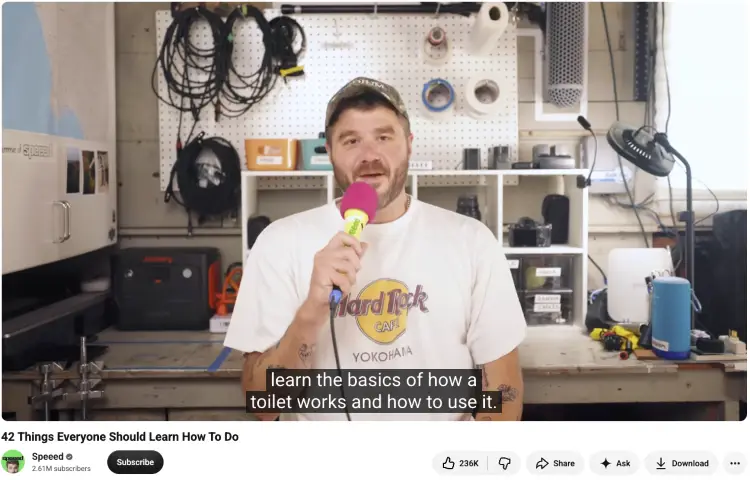
- What’s one skill everyone should learn?
- What’s the best advice you’ve ever received?
- What’s one habit you’d like to change?
- What’s the best place you’ve ever traveled to?
- What’s one technology you couldn’t live without?
- What’s your favorite way to spend a Sunday?
- What’s one book everyone should read?
- What’s the biggest lesson you’ve learned from failure?
- What’s one thing schools should teach differently?
- What’s the best purchase you’ve ever made?
- What’s one thing people spend too much money on?
- What’s one career you’d try for a day?
- What’s one food you could eat every week?
- What’s one rule you’d remove from everyday life?
- What’s one thing you wish you’d learned earlier?
Impromptu public speaking topics
For a tougher impromptu challenge, use topics that force you to form an opinion, tell a story, or argue a position with very little preparation. They’re especially useful when you want to practice thinking on your feet.
- Is working from home better than working in an office?
- Should everyone learn how to cook?
- Is social media making friendships better or worse?
- What’s more valuable: talent or persistence?
- Should college be free?
- Is it better to specialize or learn many skills?
- Are four-day workweeks realistic for most businesses?
- Should children have smartphones?
- Is traveling alone better than traveling with friends?
- Does money buy happiness?
- Should employers care about how many hours people work?
- Is failure necessary for success?
- Are podcasts replacing traditional radio?
- Should people turn their hobbies into businesses?
- Is artificial intelligence making creativity easier or harder?
Public Speaking Outline Examples
Use this fill-in-the-blank version to turn any public speaking topic into a clear, audience-friendly talk.
Opening
- Hook: “Have you ever [describe a relatable problem, surprising moment, or question]?”
- Personal connection: “I started thinking about [topic] when [specific experience, place, person, or event].”
- Why it matters: “If you’ve ever [audience problem or goal], this matters because [reason].”
- Main point: “Today, I want to show you [specific idea, lesson, argument, or takeaway].”
Main point #1: [First key idea]
- Point: “The first thing to understand about [topic] is [main idea].”
- Example: “For example, [specific story, statistic, case study, product, person, or place].”
- Lesson: “What this shows us is [lesson or insight].”
Main point #2: [Second key idea]
- Point: “The next piece is [main idea].”
- Example: “Consider [specific example, personal experience, client story, or real-world situation].”
- Lesson: “This matters because [practical takeaway].”
Main point #3: [Third key idea]
- Point: “The part people often overlook is [main idea].”
- Example: “I saw this firsthand when [specific situation].”
- Lesson: “The bigger lesson is [lesson].”
Closing
- Recap: “So, if you remember three things about [topic], remember [point 1], [point 2], and [point 3].”
- Final thought: “The next time you [relevant action or situation], ask yourself [memorable question].”
- Call to action: “Take [specific action] this week and see what changes.”
How to Choose a Public Speaking Topic (Checklist)
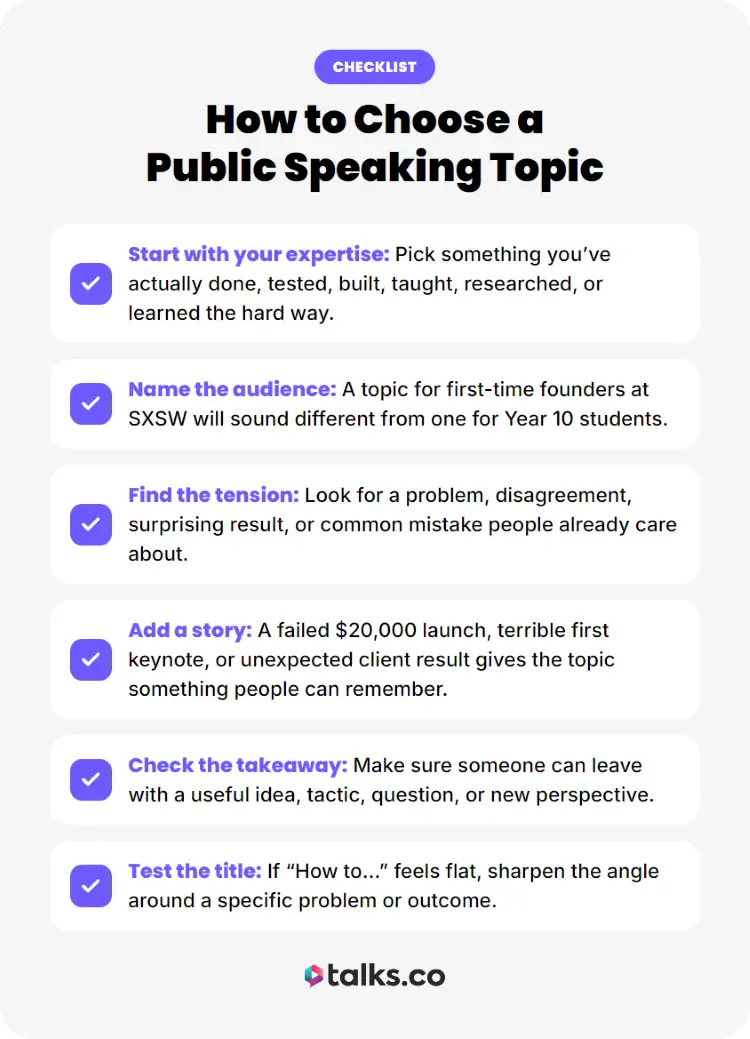
The best public speaking topic usually sits where your expertise, the audience’s curiosity, and a useful takeaway overlap. Run your idea through this quick checklist before you commit to the stage or become a content creator.
☐ Start with your expertise: Pick something you’ve actually done, tested, built, taught, researched, or learned the hard way.
☐ Name the audience: A topic for first-time founders at SXSW will sound different from one for Year 10 students.
☐ Find the tension: Look for a problem, disagreement, surprising result, or common mistake people already care about.
☐ Add a story: A failed $20,000 launch, terrible first keynote, or unexpected client result gives the topic something people can remember.
☐ Check the takeaway: Make sure someone can leave with a useful idea, tactic, question, or new perspective.
☐ Test the title: If “How to…” feels flat, sharpen the angle around a specific problem or outcome.
What are the best tips to find interesting public speaking topics?
Interesting topics usually have a familiar starting point with an angle people haven’t heard 50 times already. Look for the detail that makes your experience worth borrowing if you want to become a public speaker.
- Mine your mistakes: A failed webinar launch can become “Why 200 Registrants Still Produced Zero Sales.”
- Use real questions: Turn recurring client questions into talks, such as “Why Your LinkedIn Profile Gets Views but No Podcast Invitations.”
- Spot weird patterns: If every founder you coach checks Slack before breakfast, there’s probably a conversation hiding there.
- Pair two worlds: A youth soccer coach could speak on what Saturday matches taught them about managing remote teams.
- Use a specific place: “What 30 Days Working From a Café in Lisbon Taught Me About Focus” beats “Productivity Tips.”
- Look at recent shifts: AI tools like ChatGPT, changing workplace policies, or new creator platforms can give familiar expertise a timely angle.
- Ask the audience: Find out what people at your next mastermind, conference, or virtual event actually want answered.
How to choose a public speaking topic
Once you have a pile of ideas to stir up engaging discussions and audience engagement, narrow them down by checking which one gives you the strongest combination of relevance, credibility, and stories.
You want a topic you can speak confidently on and relates to real-world problems without padding it with filler.
☐ Score audience relevance: Ask if your specific audience would care enough to spend 30 minutes hearing about it.
☐ Check your credibility: Choose the subject where you have firsthand experience, useful data, or a genuinely earned perspective.
☐ Pick one clear problem: “How entrepreneurs can get podcast interviews” gives you a cleaner talk than “Personal Branding.”
☐ Find three strong stories: If you can immediately name three real examples, the topic probably has legs.
☐ Test the takeaway: Can attendees do something differently on Monday morning?
☐ Match the format: A 10-minute Ignite Talk needs a tighter idea than a 60-minute workshop at HubSpot INBOUND.
☐ Say the title aloud: If you can’t explain the topic naturally over coffee, tighten the idea before putting it on a conference submission form.
Put Your Expertise Up On Stage
The right public speaking topics can open the door to better conversations, podcast interviews, workshops, and speaking opportunities. So don’t leave your best idea sitting in a notes app.
Create your free Talks profile and put your expertise in front of hosts looking for people like you.
Talks matches you with relevant podcast opportunities, helps you connect with hosts, and gives you a profile you can send when someone asks, “What do you talk about?”
Ready to get booked?
Create your free Talks profile and start turning your next topic into real visibility.


