

You know your stuff, and you have the voice to back you up. It’s natural to see yourself up on a stage, eager to share what you know.
All that’s left is getting eyes on you.
The key to making that dream come true? A public speaking opportunity.
Whenever I appear in front of an audience, sometimes as a podcast guest or a speaker at a virtual summit, the experience is always life-changing. I make authentic connections and meet people who want to work with me.
If you’re ready to take the first step, this guide will list the steps to finding different types of public speaking jobs. I’ll also walk you through how to become a great public speaker and how you can improve your skills.
Now is your time to shine.
What Is a Public Speaking Opportunity?
A public speaking opportunity is an invitation or an open slot for you to speak or present your ideas and stories in front of people. It doesn’t always mean a big stage, and can be a:
- Small workshop
- Local seminar
- Podcast episode guesting
- Online platform webinar
- Conferences and events in your industry
These chances to share your insights can help build your speaking career, connect you with key industry leaders, and establish your reputation.
It’s a win-win situation where you gain both experience and visibility.
Public speaking job description

Becoming a public speaker means fulfilling these expectations:
- Presenting topics clearly
- Engaging a group
- Facilitating discussions
- Answering audience questions
If you want to get public speaking opportunities, look to those who have already done it for inspiration:
- Brene Brown: Started small by sharing research with students before speaking at TEDx and scaling up.
- Mel Robbins: Addressed small groups before landing paid keynote and conference slots.
Their journeys show it’s possible to move from modest beginnings to major speaking engagements by building up experience and having a strong bio with testimonials to back them up.
8 Types of public speaking job opportunities
There are many types of public speaking opportunities you can explore:
- Keynote speaker: Delivers the main address at a conference or seminar, often representing the highlight of an event.
- Panel discussions: Participate and share ideas with other experts, perfect for building relationships and expanding your reach.
- Workshops: Lead more interactive, practical sessions to teach skills or strategies.
- Webinars and seminars: Virtual or in-person speaking gigs that are perfect for reaching people from anywhere.
- Podcast guest: Share your story on shows looking for experts in your niche.
- Industry events and meetups: Smaller settings meant for sharing best practices and networking.
- Corporate training: Paid or volunteer sessions for companies.
- Educational events: Teach and inspire students in schools or universities.
There are many ways to find these speaking gigs locally or online. Just study up on public speaking resources and submit to calls for speakers.
How to Find Public Speaking Opportunities
Interested in starting a career in public speaking? Getting the spotlight on you has a lot of benefits.
Whether you want to get in front of new audiences or build your authority, the right opportunity can help you grow professionally.
Thankfully, getting started is easy with focus, discipline and proactive networking. Let’s dive into the simple steps to book public speaking jobs and become a public speaker.
How to get public speaking opportunities
If you’re looking to find speaking opportunities, consider a mix of these strategies:
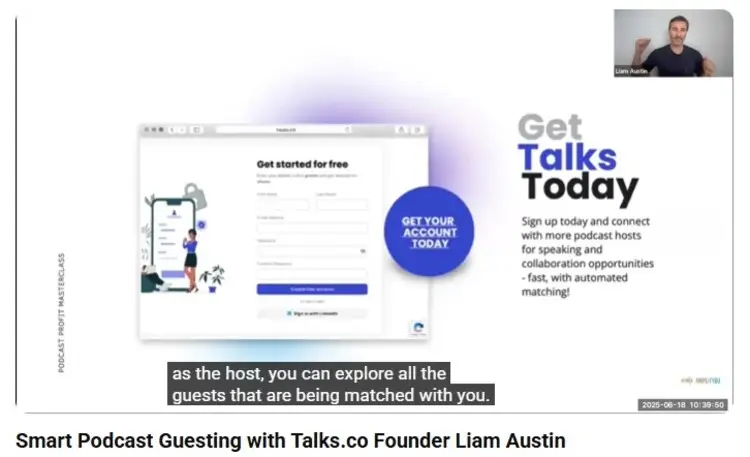
- Use podcast matching platforms: Online tools like Talks streamlines the process for podcast guest application. With AI tools, you can get in front of relevant hosts actively finding podcast guests.
- Check social media for speaker applications: LinkedIn often features calls from industry leaders and conference organizers.
- Do a quick search engine scan: Look up “calls for speakers” for your industry on Google. Specifically search for webinars or online forums requesting speakers.
- Attend industry events in person: Introduce yourself to people on conference teams.
- Subscribe to email lists: Sign up for newsletters or alerts from conference and event publications in case of open slots.
- Leverage your network: Ask friends, colleagues, or mentors for referrals to events and conferences where they’ve spoken.
- Pitch yourself: Reach out to local and regional networking groups for local events, seminars, or meetups.
How to become a public speaker
Becoming a public speaker doesn’t happen overnight, but the steps are straightforward:
- Choose your niche: Decide what topics or issues you can speak about with knowledge and passion.
- Build your portfolio: Collect documentation like photos, short video clips, and screen recordings. Compile slides and testimonials, and craft your own speaker bio.
- Gain experience: Offer talks at local events, volunteer, or organize small workshops to practice.
- Boost your visibility: List yourself on speaker platforms and podcast guest directories.
- Announce online: Promote your speaking services on your website and social media platforms with a link to your calendar for easy scheduling.
- Actively connect: Reach out to organizers to get booked on podcasts, conferences, and events, with a compelling intro and examples of your work.
- Always ask for referrals: Reaching out to past clients is a simple but effective way to land more gigs.
Want to know the power of public speaking? Check out these public speaking statistics to see how much this industry thrives.
How to get paid for public speaking
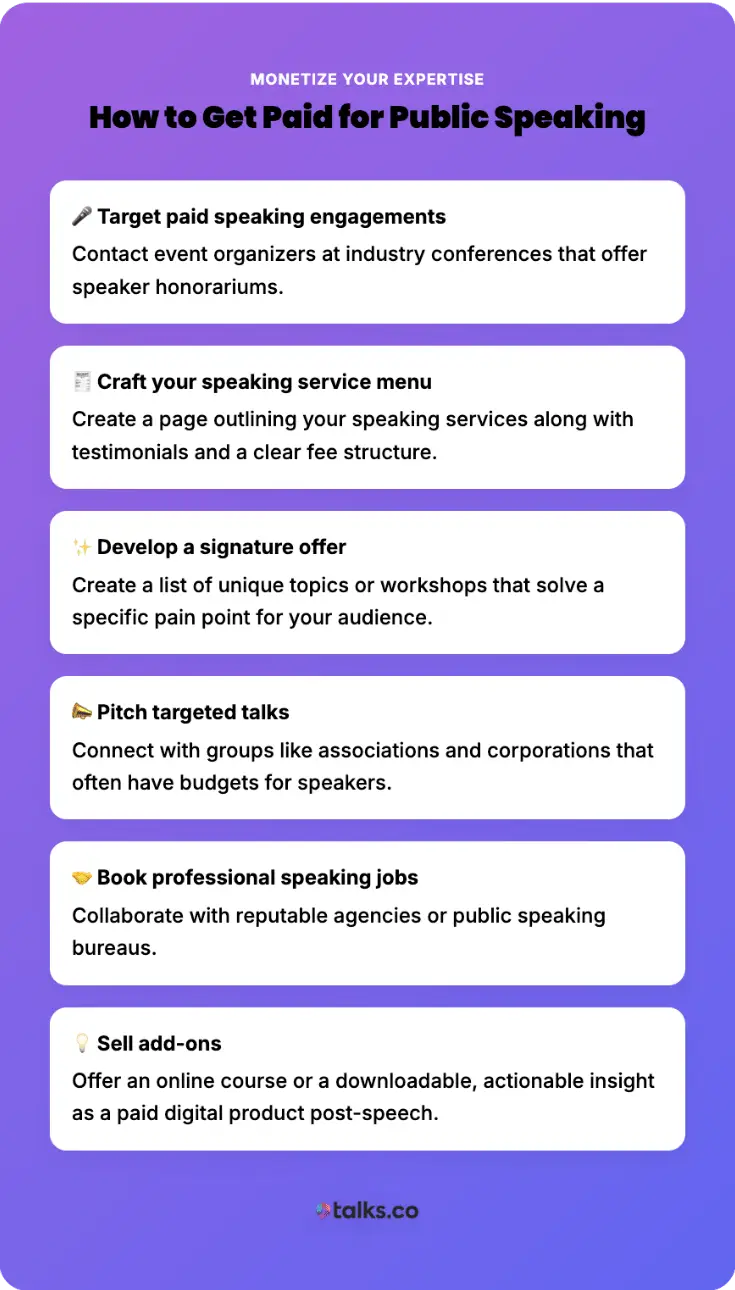
Earning money from public speaking takes more than just showing up. Try these methods:
- Target paid speaking engagements: Contact event organizers at industry conferences that offer speaker honorariums.
- Craft your speaking service menu: Create a page outlining your speaking services along with testimonials and a clear fee structure.
- Develop a signature offer: Create a list of unique topics or workshops that solve a specific pain point for your audience.
- Pitch targeted talks: Connect with groups like associations and corporations that often have budgets for speakers.
- Book professional speaking jobs: Collaborate with reputable agencies or public speaking bureaus.
- Sell add-ons: Offer an online course or a downloadable, actionable insight as a paid digital product post-speech.
How to get public speaking jobs
Being organized, responsive, and adjusting your pitch for every opportunity increases your odds of getting booked. Follow these best practices to land public speaking jobs:
- Research your target event: Know who attends, what the event theme is, and what kind of speaker they’re looking for.
- Identify the right contact: Find the contact information for the person directly managing speakers.
- Draft a concise and personalized email: Introduce yourself and your proposed topics. Include references to past speaking engagements or relevant experience.
- Share a compelling speaker outline: Explain why you would be the perfect fit for the role and why your topic is timely and valuable.
- Attach relevant documents: Include a link to your bio, a professional photo, and a brief video clip or testimonial.
- Follow up gently: Contact them again a week or two later. If they declined, ask to be considered for future events and conferences, and get feedback (if possible).
How to Get Public Speaking Experience
Getting real experience helps you refine your speaking skills and build your portfolio. It also helps you land future public speaking opportunities.
There are many ways to find these chances, whether you’re a student or just breaking in. Let’s get into different avenues for you to get started.
Public speaking opportunities for students
For students, speaking opportunities can be easy to find if you look in the right places. Many schools and universities organize:
- Debate clubs and public speaking societies.
- Student government events, where you present to peers and faculty.
- Campus workshops, seminars, or “Lunch and Learn” sessions.
- Local youth organizations or student-run conferences.
- Academic conferences looking for presentations from students, even at undergraduate levels.
Many professional speakers launched their careers this way.
Volunteer to lead, share your insights, or represent your class because each chance helps you practice and grow your confidence.
6 Public speaking volunteer opportunities
Volunteering for public speaking gigs is a great way to get started, especially when you don’t have much of a track record. Here’s where to look:
- Nonprofits and charities: They usually need speakers for fundraising or awareness events.
- Community centers and local clubs: Groups like the Rotary and Toastmasters regularly organize public events.
- Academe: Schools and libraries may have recurring slots for workshops and talks.
- Virtual webinars or online panel discussions: There’s a high demand for virtual events and training.
- Industry meetups and online forums: They typically welcome new speakers for special interest talks.
- Open calls on event pages: You won’t be paid at first, but you’ll gain insights, practice, and testimonials that will help you find bigger speaking opportunities later.
How to Be a Good Public Speaker
No matter where you are in your journey, becoming a good public speaker is a valuable skill that isn’t out of reach.
With the right qualities and steps, you can impress any audience and open doors in your speaking career.
How to improve speaking in public
Want to be a successful public speaker? Great speakers, whether seasoned or new, share some common qualities:
- Confidence: You deliver their message without hesitation and stand by your insights.
- Clarity: Words are not wasted, and ideas are easy to follow.
- Authenticity: Real stories, genuine emotion, and personal experiences help build trust with the audience.
- Preparation: You should know your stuff, anticipate audience questions, and be ready for surprises.
- Connection: Listening and responding to the audience helps build relationships and encourages engagement.
- Adaptability: Tweak your tone or approach based on audience feedback.
- Strong presentation skills: You can use slides and other visual materials effectively.
How to improve public speaking skills
Improving as a speaker takes time, but these tips can help:
- Practice regularly: Run through your material by yourself or with small groups. Record yourself and review.
- Seek feedback: Ask for comments and points to improve from trusted friends or mentors after every engagement.
- Analyze past speaking engagements: Identify what worked and what didn’t.
- Get on that stage: Take every chance to speak, even if it’s just a short introduction at a meeting.
- Join groups: Communities like Toastmasters can give you peer support and structure.
- Watch professional speakers: Attend TEDx talks or webinars to study how other speakers deliver their speeches.
- Refine your message: Emphasize your main points and keep things concise to be memorable.
- Study public speaking: Read books or listen to podcasts focused on public speaking improvement.
Public speaking tips and tricks
Here are a few tips and tricks to increase your chances of getting booked and boosting your skills:
- Be proactive: Don’t wait for an invitation. Seek out calls for speakers and introduce yourself to event organizers.
- Keep your calendar up to date: Make it easy for organizers to see your availability.
- Have a media kit: Include your bio, headshot, talk topics, and any press mentions.
- Follow industry news: Hot topics make for compelling speaker pitches.
- Respond quickly to organizer emails: Strike while it’s hot. Provide all required information up front.
- Always be clear about your expectations: Do you want a fee, travel covered, or a table at the event?
- Share clips from your past engagements: Upload them to your website or social media.
Public speaking topics
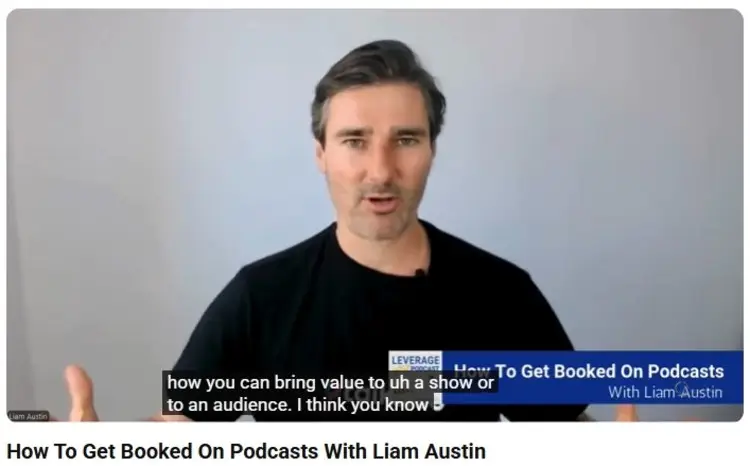
Choose topics that excite you and that match your audience’s needs, so you deliver authentic and valuable insight. You can also do a quick Google search and look up top keywords for your niche.
If you’re unsure what to talk about, here are some of the most popular public speaking topics:
- Leadership in changing times.
- Well-being and health for busy professionals.
- The future of work and remote collaboration.
- Women’s empowerment or diversity in leadership.
- Solving common industry challenges or emerging trends.
- Personal branding and building online influence.
- Using AI and technology for productivity.
- Overcoming fear and imposter syndrome.
- Mental health or burnout recovery.
You Look Good Up On That Stage
Seize every public speaking opportunity that comes your way. It’s a creative way to grow your influence, build your brand, and tap into new opportunities.
Want to grow your reputation in the digital space? Hop on podcasts with Talks.
Simple process. Meaningful connections. All without the hassle of going through a traditional pitch.
You can create a FREE Creators Profile and even get a personalized link that’s easy to share everywhere.
Get matches as quickly as 5 minutes.
Join the Talks Network and Book Public Speaking Opportunities Today.


