
Did your latest audience just clap, nod, then drift right back to their phones like you didn’t just deliver the strategy to inspire effectiveness and make a change in their craft so they can amplify their reach and get their own target audience to take a specific action?
I’ve been in the public speaking business for over a decade and even I still get hit with those thoughts of “If the public speaking topic was that good, why did nobody do anything about it? Why was there no sense of urgency to take a specific action right after my tip?”
Call to action speeches answer that with one effective and specific ask or phrase your listener can take action on before dinner: book the call, join the course, send the intro on social media.
Steal one of these 21 call-to-action examples, drop in your own topic, and use it to encourage, motivate and inspire action that appeals to your audience from your next action-oriented CTAs.
What Is a Call to Action in a Persuasive Speech?
A call to action in a persuasive speech is the one step you ask listeners to take once your argument has them convinced. Your room is nodding at your best point, so hand that nod a job: a Calendly slot to book, a Google Form to fill, a hand to raise.
What is a call to action in a speech?
In a speech, podcast interview, keynote, or presentation, a call to action or CTA is the direct, doable request you introduce at the end that ensures you close your talk with an impactful objective.
- Keynote: A coach at SXSW sends the room to her Eventbrite waitlist.
- Podcast interview: A guest on a Spotify show asks listeners to text one question.
- Webinar: A consultant ends a Zoom webinar with an Acuity link for free audits.
- Team meeting: A product lead asks for pilot approval in Asana by Friday.
5 Common types of call to action in a speech
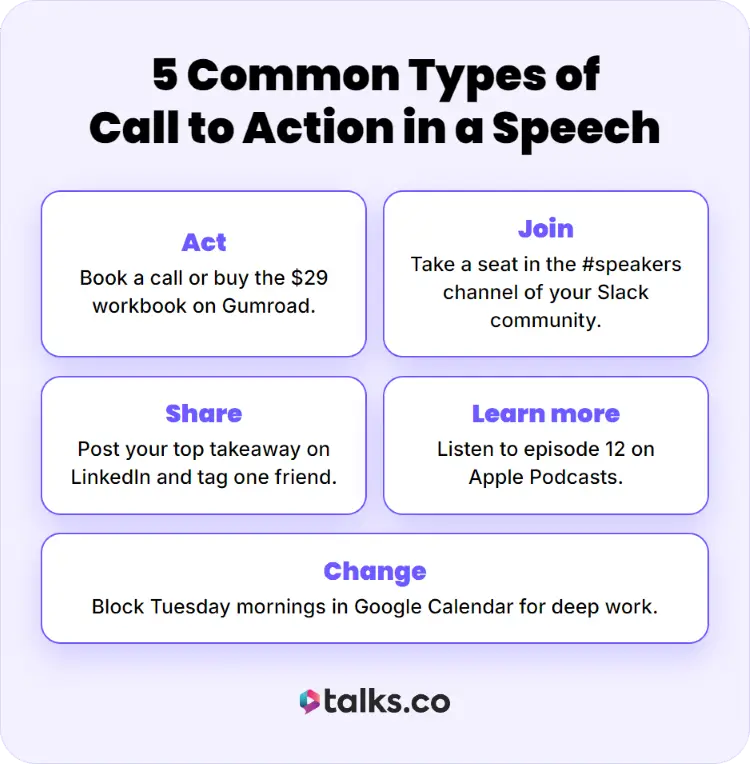
Most calls to action fall into five types, and all of them are designed to get your audience emotionally invested enough to take meaningful action.
- Act: Book a call or buy the $29 workbook on Gumroad.
- Join: Take a seat in the #speakers channel of your Slack community.
- Share: Post your top takeaway on LinkedIn and tag one friend.
- Learn more: Listen to episode 12 on Apple Podcasts.
- Change: Block Tuesday mornings in Google Calendar for deep work.
How a call to action turns a talk into reach
A strong call to action turns a talk into reach by giving every listener a next move that carries your message past the room.
- Replays: An attendee forwards your YouTube replay to her whole team.
- Bookings: A host hears your closing ask and invites you onto her podcast.
- Followers: One Instagram Reel tagging you sends a new audience your way.
- Referrals: A consultant in the back row sends you her next client.
What Makes a Call to Action Specific and Compelling?
A call to action is specific and compelling when listeners know exactly what to do, why it matters, and how little effort it takes.
- One action: Ask for the 15-minute intro call and stop there.
- A named next step: Say, “Click the Typeform link pinned in the chat.”
- Why now: Tie it to the problem you just solved, like tomorrow’s client quote.
- A low barrier: Keep it to one tap on a phone and under 60 seconds.
Weak vs. strong call to action examples
Strong calls to action name who does what by when, as these pairs show.
| Situation | Weak | Strong |
|---|---|---|
| Volunteering | “Please consider helping.” | “Sign up for one Saturday food bank shift.” |
| Newsletter | “Stay in touch.” | “Subscribe on Substack before you close this tab.” |
| Rehearsal | “Practice more.” | “Rehearse the opening out loud three times tonight.” |
| Feedback | “Tell me what you think.” | “Type one word about this talk in the chat.” |
| Fundraiser | “Support our cause.” | “Give $10 on GoFundMe before the next speaker.” |
4 Call to action formulas you can adapt
Pick a formula, swap in your topic, and say it.
- Action + payoff + deadline: “Duplicate my Notion template so your launch plan is done by Sunday night.”
- Problem + step + result: “Your list has stalled, so send one Mailchimp email tonight and ask for three replies.”
- If + then: “If you freeze at the mic, visit one Toastmasters meeting this month.”
- Small yes + big yes: “Reply ‘ready’ in the chat and I’ll send the Trello board.”
Examples of Call to Action Speeches
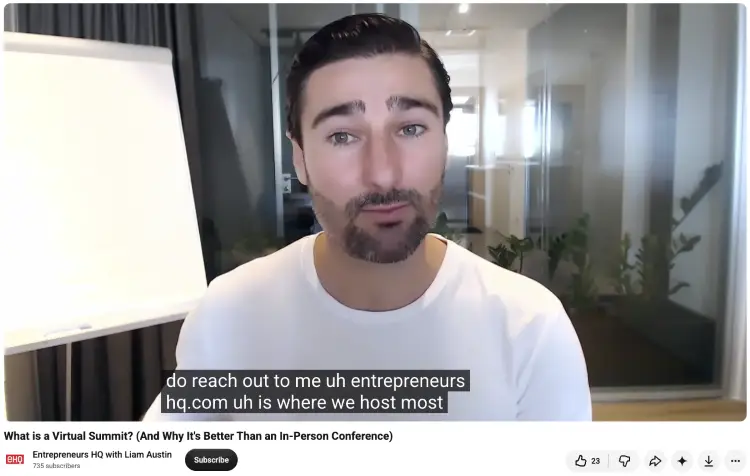
Call to action speeches close with one ask matched to one goal. These 21 examples mix real closings from my own interviews with hypothetical speakers, so you can borrow the wording that fits your next talk.
Call to action speech examples for speaking engagements
A live room gives you a few minutes of goodwill at the end, so the ask should be physical and fast: a clipboard, a seat, a handshake.
- Conference close: A Denver sales coach ends her 20-minute breakout by asking attendees to write their email on the sheet by the door and claim a seat at her next workshop.
- Webinar to workshop: A Melbourne bookkeeper wraps a free webinar by inviting everyone to a 90-minute paid workshop next week, the same quick-win format I teach.
- Panel finale: At a Brooklyn founders’ night, a panelist closes with, “Find me at the coffee station and tell me your launch date.”
Call to Action examples for podcast appearances
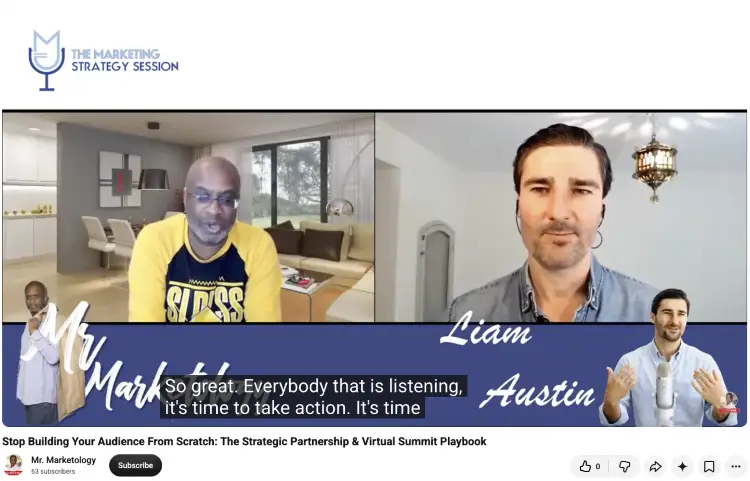
Podcast listeners are driving, folding laundry, or walking the dog, so the ask has to be easy to remember and easy to do later.
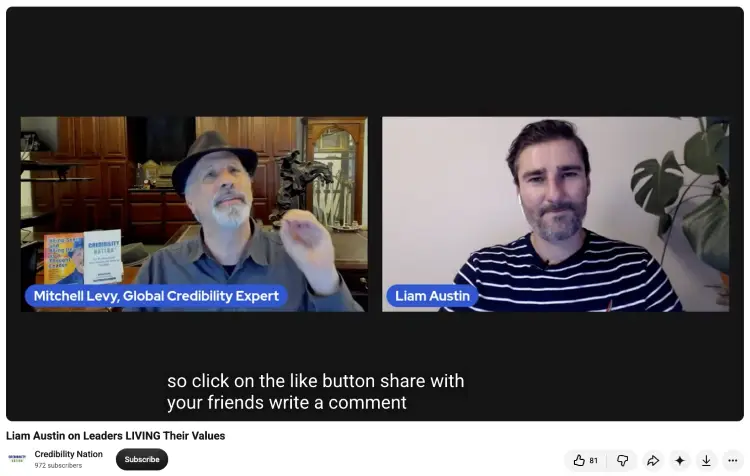
- Guest close: On Leaders LIVING Their Values, I answer the host’s closing question by sending listeners to quickworkshopwin.com for a free checklist on running a 90-minute workshop.
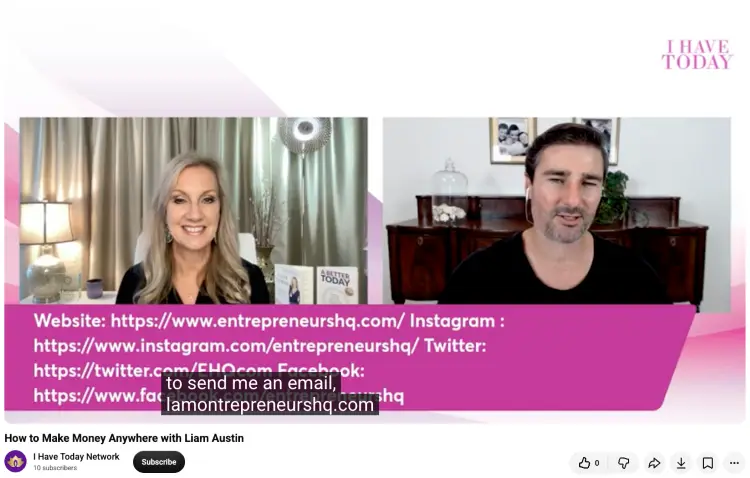
- Host tease: Diane Forster tells her I Have Today audience to stay till the end, because I have a free gift waiting.
- Listener question: A Portland sleep coach tells her podcast audience to leave a voice memo with their biggest question at the link in the show notes.
Call to Action examples for growing an audience
Audience-growth asks work when they cost one tap, so give listeners a tiny action and a reason to come back.
- Like, share, comment: Mitchell Levy closes his show by asking viewers to like, share with friends, and comment on their biggest aha moment.
- Follow for more: A Chicago food photographer ends her Meetup talk with, “Follow my Pinterest board for the lighting setups I just showed you.”
Call to Action examples for promoting a book
Book promotion needs two asks at two different moments: a sample for people who haven’t read it yet, and a review for people who have.
- Sample chapter: A debut author on a San Francisco bookstore panel invites the audience to join her email list by the register, so chapter one hits their inbox before they leave.
- Review ask: A first-time author closes a podcast interview with, “If chapter three helped you, leave one honest sentence on Goodreads tonight.”
Call to Action examples for generating leads
Lead generation trades something free for an email, a reply, or a booked call, and the trade works best when the free thing solves one small problem.
- Workshop close: I close my 90-minute workshops by naming the next step and sharing a link to jump on a call, then make that link obvious, as I explained on the Garlic Marketing Show.
- Free checklist: A Seattle nutrition coach ends her talk with, “Grab the one-page grocery checklist from the link in my Linktree.”
- Free teardown: A Sydney conversion consultant asks her audience to reply to her follow-up email with their biggest drop-off page, and she’ll record a free three-minute Loom teardown.
Call to Action examples for connecting or learning more
Connection asks open a two-way conversation, so they sound like an invitation and come with a clear place to reply or join.
- Success-story invite: I ask Diane Forster to email me a progress update after her workshop, and invite anyone running one to do the same so I can feature their story.
- Community invite: I point listeners to Entrepreneurs HQ’s LinkedIn community, the Small Business Network, where monthly JV mixers connect people hunting for referrals and speaking gigs.
Call to action persuasive speech examples
Call to action persuasive speech examples end a speech built to change a mind with one move the audience can make right away.
- Protect your sleep: “Set a 10 p.m. phone alarm tonight and charge the phone across the room.”
- Back the bike lane: “Email the Minneapolis city council before the vote with three sentences and one story about your commute.”
- Say yes to podcast interviews: “Pick one show in your niche and send your pitch this week.”
- Run a workshop: I close my I Have Today interview by inviting viewers to download my checklist and run their own 90-minute workshop within seven days.
- Make your intention visible: Diane Forster asks I Have Today viewers to screenshot the weekly intention graphic and use it as their screen saver for the week.
- Write the book: “Block four Saturday mornings this month and finish chapter one.”
How to Write a Call to Action Speech (Checklist)
Write a call to action speech by choosing the ask first and building every other part of the talk to earn it. Run these five micro steps in one 30-minute sitting:
☐ Name your goal: Type one sentence in Google Docs, like “Fill 20 seats at my March workshop.”
☐ Pick one verb: Circle book, join, share, or download, and cross out the other three.
☐ Draft the ask in 15 words: Fill a formula from the last section, like “Download the checklist tonight and email me one question by Friday.”
☐ Say it out loud: Record it in iPhone Voice Memos and cut every word you stumble on.
☐ Test it on one person: Text a colleague the ask, then see if she can repeat it back without scrolling up.
Call to action speech outline
A call to action speech outline has five parts, and the ask gets written first even though it’s spoken fourth. Fill in the Ask row first on your speech outline, then complete the rest from top to bottom.
Hook: “Right now, ________ (your audience) is ________ (the problem they face). Last ________ (day or month), I watched ________ (a moment that proves it).”
Proof: “________ (name) had ________ (starting point). After ________ (the step from your ask), ________ (result with a number).”
Bridge: “That took ________ (time). Your turn.”
Ask: “________ (action verb) ________ (one specific thing) at ________ (tool or link) by ________ (deadline).”
Close: “Once more: ________ (your ask in 10 words or fewer). Find it at ________ (where the link lives).”
Where to place a call to action in a speech
Place the call to action in your final 30 seconds, after your strongest proof and before any Q&A. A bridge sentence ties it to your argument, so it sounds like where the story was already headed.
- After your best proof: Ask while the story is fresh, like a Philadelphia chef who ends her cooking demo with, “Join Saturday’s class.”
- Before the Q&A: Make the ask first, then open the floor, so questions can’t crowd out your request.
- On the last slide: Leave the ask and the link on screen through Q&A, like a Canva slide with one clear line.
- In the follow-up email: Repeat the same ask and link within a day, so attendees see it twice.
10 Call to Action Speech Mistakes to Avoid
The mistakes that sink call to action speeches are vague requests and asks that demand too much, and each one sends listeners home with nothing done.
- Vague ask: “Check out my work” gives nobody a next step, so name the exact page and button.
- Too many asks: Three links on one slide splits attention three ways, so pick one.
- Too big a leap: Asking a cold room for a $2,000 coaching package skips the small yes, so offer a free sample first.
- Buried ask: A request tucked between two thank-yous gets missed, so give it its own sentence.
- No path: “Reach out” has no destination, so name the platform and the handle.
- Hedged wording: “Maybe think about signing up” sounds optional, so use a direct verb like “Sign up.”
- No deadline: “Sometime soon” gives no reason to act today, so attach a day and a time.
- Off-topic ask: Closing a talk on time management with a plea to buy merch confuses the room, so match the ask to your argument.
- Long link: A 40-character URL gets mistyped by the second row, so shorten it with Bitly.
- Slide-only ask: Reading the ask off the screen with your back to the room drops eye contact, so memorize it and say it facing people.
10 Call to Action Speech Topics
Call to action speech topics work best when you care about the change and your audience can start it this week. Browse these ten, then read more persuasive speech examples to see finished closings.
- Volunteering: Why a Saturday dog-walking shift at your local shelter changes your week.
- Voting: How checking your registration at vote.gov takes two minutes.
- Blood donation: Why a first Red Cross appointment is easier than you think.
- Composting: How a countertop bin turns apartment scraps into soil.
- Safety: Why every office needs one person trained in CPR.
- Mindfulness: The case for five minutes of Headspace before email.
- Local business: Why a monthly farmers market run keeps neighbors in business.
- Digital habits: How one notification-free Sunday resets your attention.
- Career growth: Why one informational interview a month opens doors.
- Reading: How 20 pages a night finishes a 300-page book in 15 days.
10 Call to action speech ideas
Pick the idea closest to your audience’s week, then build your ask around it with the template above.
- Workplace: Why every team needs a Friday 4 p.m. no-meeting hour.
- Health: The case for a 20-minute walk after lunch, tracked on Strava.
- Community: Why your street needs a Little Free Library.
- Money: How a $25 monthly auto-transfer builds a safety net.
- Learning: Why 15 minutes a day on Khan Academy makes statistics click.
- Environment: How one Saturday cleanup with Surfrider turns neighbors into regulars.
- Tech: Why a Bitwarden password manager takes one afternoon to set up.
- Family: Why a phone-free dinner table gets teenagers talking.
- Creativity: Why one daily sketch in a Moleskine rebuilds your confidence.
- Speaking: Why every beginner should sign up for one open mic night.
Right At the End
Your speech got their attention. Now, what happens after the applause?
The best call to action speeches give people a reason to take the next step, and that includes giving your message a bigger audience.
Imagine turning one podcast interview into five more speaking opportunities, new connections, and potential clients. That’s the kind of reach you can start building with Talks.
Get matched with relevant podcast hosts, connect with potential collaborators, and start getting your message in front of people who need to hear it.
Grab Your Free Talks Profile Now!


