

What if refusing to stand for the national anthem made you one of the most controversial athletes in America?
That’s what happened to NFL quarterback Colin Kaepernick in 2016 when he knelt during the anthem to protest racial injustice. One deliberate and expressive gesture triggered a national debate about patriotism, protest, and the right to speak out using symbolic speech under the First Amendment.
You’ve probably seen symbolic speech in non-verbal action, too.
A raised fist at a rally. A T-shirt with a political message. A flag set on fire in protest. Each sends a message without saying a word compared to traditional forms of speech.
These types of symbolic speech examples show how people use nonwritten or nonverbal communication and symbols to express beliefs, challenge authority, and demand change through free speech.
But how far does the right to express yourself through the form of symbolic speech extend, and when can the law step in to uphold justice?
Let’s look at the examples and the legal limits that matter when it comes to freedom of speech before you engage in symbolic speech cases.
What Is Symbolic Speech?
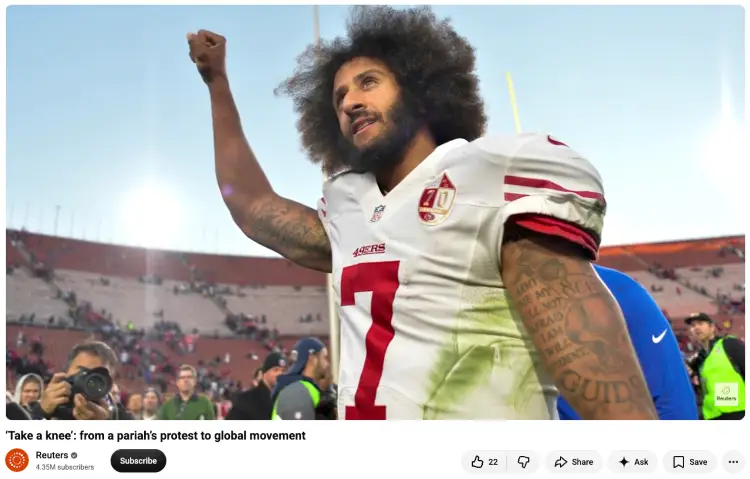
Symbolic speech is when you use an action, gesture, object, or display to communicate an idea without relying on spoken or written words.
If you kneel during the national anthem to protest racial injustice, wear a black armband to honor victims of violence, or burn a flag to criticize government policy, your actions can convey a political message and signal your government interest through pure speech.
Symbolic speech uses
Depending on the message you want to send, symbolic speech can help you express beliefs, challenge authority, or show solidarity with a cause through expressive conduct.
- Political protest: Burning a U.S. flag at a demonstration to criticize government policy, a form of expression protected in many circumstances under the First Amendment.
- Public solidarity: Wearing a red AIDS awareness ribbon to show support for people living with HIV and AIDS.
- Memorials and remembrance: Leaving flowers at the National September 11 Memorial in New York City to honor victims of the 2001 attacks.
- Peaceful resistance: Joining the 1960 Greensboro sit-ins, when Black college students occupied segregated lunch counters to challenge racial discrimination.
- Personal values: Wearing a Patagonia jacket with an environmental campaign patch to signal support for conservation and climate action.
Symbolic speech effects
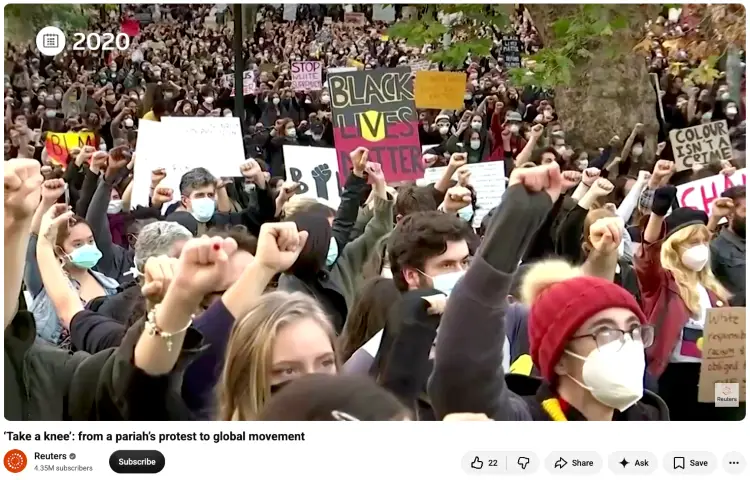
A symbolic act can change how people interpret an issue, bring attention to a cause, or trigger public debate. The reaction often depends on the audience, the setting, and the meaning attached to the gesture.
- Public awareness: When Pussy Riot staged its 2012 protest performance inside Moscow’s Cathedral of Christ the Saviour, the group drew international attention to political dissent and the relationship between church and state.
- Group solidarity: Wearing a red AIDS awareness ribbon during World AIDS Day events can show support for people affected by HIV and AIDS.
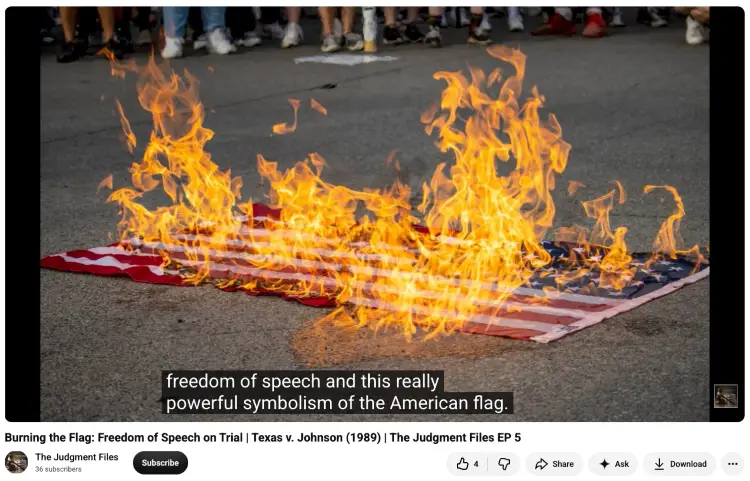
- Political controversy: Burning an American flag during a demonstration can provoke heated debate about patriotism, government criticism, and free expression.
- Social pressure: Students wearing black armbands to protest a school policy can bring an issue to the attention of classmates and administrators.
- Policy discussions: Residents placing empty shoes outside city hall to represent people affected by homelessness can make the scale of a local housing crisis more visible.
Symbolic Speech Examples
People have found creative ways to make their beliefs visible, from wearing campaign colors to changing their social media profiles to support a cause.
These real-world symbolic types of speech examples show how people use shared symbols and public actions to communicate what they stand for.
- Blackout Tuesday: On June 2, 2020, people and brands posted black squares on Instagram to show solidarity with Black communities amid protests against racial injustice.
- #BringBackOurGirls: Supporters held signs bearing the hashtag and shared campaign images to call for the return of schoolgirls kidnapped by Boko Haram in Nigeria in 2014.
- The ALS Ice Bucket Challenge: Participants filmed themselves pouring ice water over their heads, challenging others to take part and raising awareness and donations for ALS research.
- Fridays for Future: Students skipped school to join climate strikes, turning their absence from classrooms into a visible demand for climate action.
- #MeToo: Survivors and supporters used the hashtag to share experiences of sexual harassment and assault, making the scale of the issue more visible.
Symbolic communication examples
An action or object can carry a message people recognize without needing an explanation. Here are a few clear examples:
- The rainbow flag: Represents LGBTQ+ pride, visibility, and equal rights.
- The red poppy: Is worn in many countries to remember military personnel who died in war.
- The pink ribbon: Represents breast cancer awareness and support for people affected by the disease.
- The peace symbol: The circular design created for the nuclear disarmament movement in 1958 became a widely recognized emblem of peace and opposition to war.
Flag burning as symbolic speech
Burning a flag can express anger toward a government, opposition to its policies, or rejection of what the flag represents. In the United States, flag burning as political protest is protected by the First Amendment under Texas v. Johnson (1989).
- Burning the American flag: Protesters use the act to criticize government actions or express political dissent.
- Burning a national flag during a demonstration: The act can communicate opposition to a government or political system.
Wearing armbands as symbolic speech
Clothing and accessories can communicate political beliefs without a word being spoken. A famous U.S. Supreme Court case established that students could wear black armbands to school to protest the Vietnam War and signal anti-war beliefs.
- Black armbands: Students at a Des Moines school wore them in 1965 to protest the Vietnam War. The Supreme Court later ruled in Tinker v. Des Moines (1969) that the school’s punishment violated their First Amendment rights.
- Colored ribbons: People wear ribbons to show support for causes, remember victims, or raise awareness.
Protests as symbolic speech
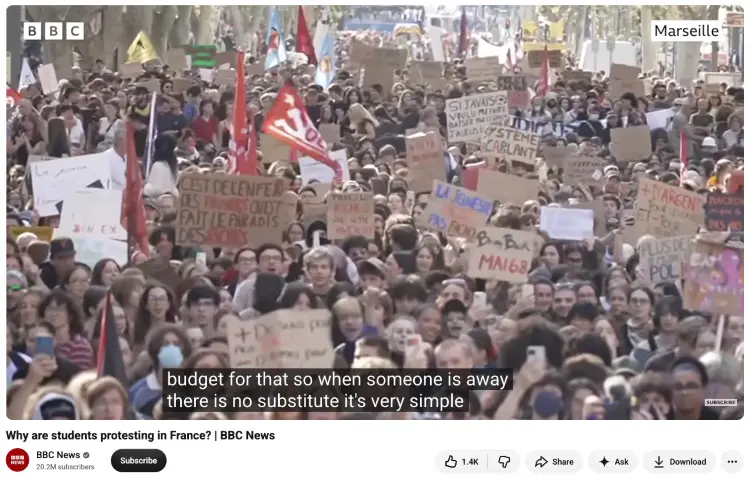
During a protest, an ordinary object or peaceful action can take on political meaning. The context helps people understand what the demonstrators are communicating.
- Flowers offered to soldiers during the 1986 EDSA People Power Revolution: Filipinos offered flowers to military personnel during protests against Ferdinand Marcos’s rule. The gesture communicated a peaceful appeal to the soldiers rather than a threat.
- Nuns praying in front of military forces during EDSA: Their presence in front of tanks and troops became a powerful image of peaceful resistance during the Philippine revolution.
- Umbrellas during Hong Kong’s 2014 protests: Demonstrators used umbrellas for protection against pepper spray and tear gas. The umbrellas became a recognizable symbol of the pro-democracy movement.
Clothing as symbolic speech
What you wear can communicate an opinion or show where you stand on an issue. The message becomes especially clear when people choose the same item to make a collective statement.
- Pink pussyhats at the 2017 Women’s March: Participants wore pink knitted hats as a visible symbol of solidarity and opposition to policies they viewed as threatening women’s rights.
- Political slogan T-shirts: Wearing a shirt with a message about a policy, candidate, or social issue can express support or dissent in public.
- Free the Nipple movement: Activists used topless protests and images of the female body to challenge unequal standards around public nudity and social media censorship. The exposed body became part of the political message.
Gestures as symbolic speech
A gesture can communicate defiance, solidarity, respect, or protest without spoken words. Its meaning depends on the context and how people understand the action.
- The peace sign: Raising two fingers in a V shape can express peace or opposition to war.
- A silent salute or raised hand: Participants may use a coordinated gesture to honor someone, show solidarity, or signal support for a cause.
Everyday examples of symbolic speech
Symbolic speech also appears in daily life. People use familiar objects and visible actions to express values, commemorate events, or show affiliation.
- Wearing a remembrance poppy: Signals respect for people who died in military service. Similar gestures appear in special occasion speech examples, where speakers honor people and mark meaningful events.
- Displaying a national flag: Can express patriotism, national identity, or support for a country. The message behind a symbol can also strengthen a speaker’s appeal through ethos, pathos, and logos.
- Wearing a cause-related wristband: Shows support for a charitable organization or public awareness campaign and helps anyone becoming a content creator communicate their values.
- Observing a moment of silence: Honors people who have died or draws attention to a tragedy without a spoken statement. Event hosts and emcees often use silence to give audiences a moment to reflect.
- Using a familiar symbol in a story: A red rose might represent love, while a storm might suggest conflict. These are examples of figures of speech that give ordinary words a deeper meaning.
Is Symbolic Speech Protected?
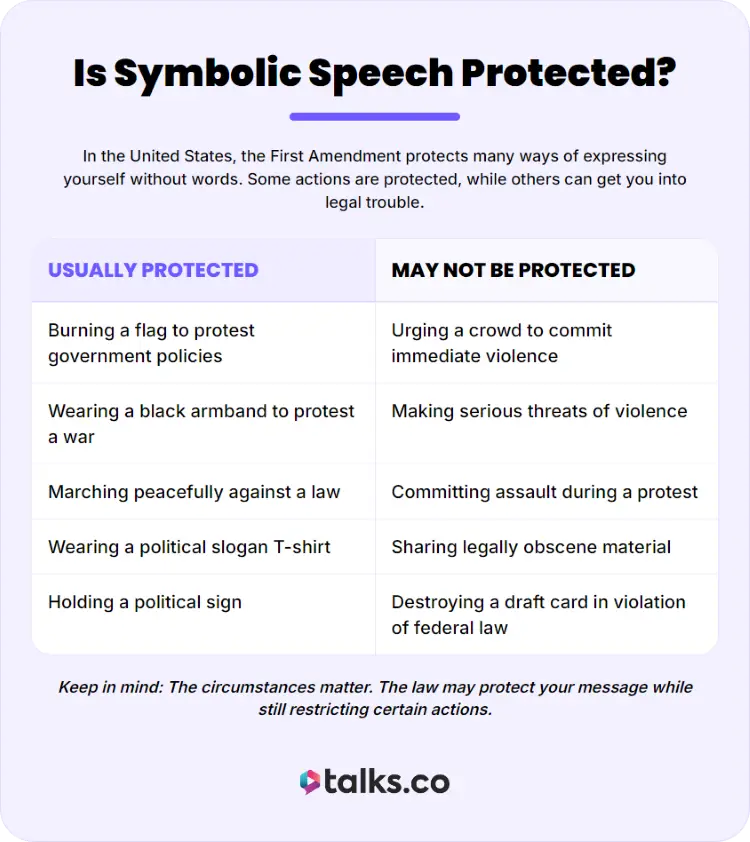
In the United States, the First Amendment protects many ways of expressing yourself without words. Some actions are protected, while others can get you into legal trouble.
| Usually protected | May not be protected |
|---|---|
| Burning a flag to protest government policies | Urging a crowd to commit immediate violence |
| Wearing a black armband to protest a war | Making serious threats of violence |
| Marching peacefully against a law | Committing assault during a protest |
| Wearing a political slogan T-shirt | Sharing legally obscene material |
| Holding a political sign | Destroying a draft card in violation of federal law |
Keep in mind: The circumstances matter. The law may protect your message while still restricting certain actions.
10 Limitations on symbolic speech
Symbolic speech can be protected by the First Amendment, but the circumstances matter. These are ten limitations to understand:
- Incitement: Encouraging imminent lawless action can fall outside First Amendment protection.
- True threats: Threatening a specific person with serious violence can carry legal consequences.
- Disruption at school: Schools can restrict student expression that substantially disrupts classes, as established in Tinker v. Des Moines.
- Workplace rules: Employers may enforce certain dress codes and conduct policies, subject to applicable law.
- Time, place, and manner rules: Cities can impose content-neutral limits on protest locations, noise, and timing.
- Public safety: Authorities can intervene when conduct creates a genuine danger, such as blocking an active ambulance entrance.
- Property rights: Protesters generally cannot occupy private property without permission simply to make a political statement.
- Obscenity: Legally obscene material receives no First Amendment protection.
- Threatening or violent conduct: Assaulting someone during a demonstration can be prosecuted even when the act is politically motivated.
- Regulation of conduct: The government can sometimes regulate actions for reasons unrelated to suppressing their message, as illustrated by United States v. O’Brien and its ruling on draft-card burning.
Symbolism Examples Figures of Speech
Symbolism gives an object, person, or action a deeper meaning beyond its literal definition. You’ll spot it in books, movies, everyday conversations, and even the way people describe their experiences.
- A heart symbolizes love: “She gave him her heart” means she fell in love, not that she handed over an organ.
- A light symbolizes hope: “There was a light at the end of the tunnel” suggests a difficult situation is finally improving.
- A storm symbolizes conflict: “A storm was brewing at home” hints that an argument or serious disagreement is coming.
- A journey symbolizes personal growth: “He began a new chapter in life” means he’s entering a new phase, not opening a book.
- Chains symbolize oppression: “They broke the chains of injustice” represents freedom from unfair control or treatment.
- A rose symbolizes love or beauty: Giving someone a red rose often communicates romantic affection.
- Winter symbolizes hardship or endings: “She went through a long winter” can describe a painful or lonely period.
- A phoenix symbolizes rebirth: “She rose from the ashes” describes recovering and starting again after a major setback.
Your Actions Are Worth A Thousand Words
The symbolic speech examples in this article show how one small act can say something people remember for years.
Now, think about what you want people to remember you for.
If you’ve got expertise worth sharing, Talks can help you connect with podcast hosts who want to hear your perspective.
Create your free Talks Creator Profile, find shows in your niche, and start getting your ideas in front of people who need to hear them.
Yes! Sign Me Up for Talks Now!


