

Why are podcasts so popular? One big reason why podcasts are the new thing is primarily because they fit into the parts of your day when your hands and eyes are busy, they put a trusted voice right in your ear, and niche shows plus short video clips make it easy to find the ones made for you.
For hosts and guests, that trust opens doors: clients, partnerships, and credibility, often from a 25-minute conversation that feels like a chat with a friend.
This guide shows what’s behind the pull every time someone listens to a podcast, what the numbers say about content creators, and how you can use the right content marketing format to grow your podcast listeners.
Why Are Podcasts So Popular in 2027?
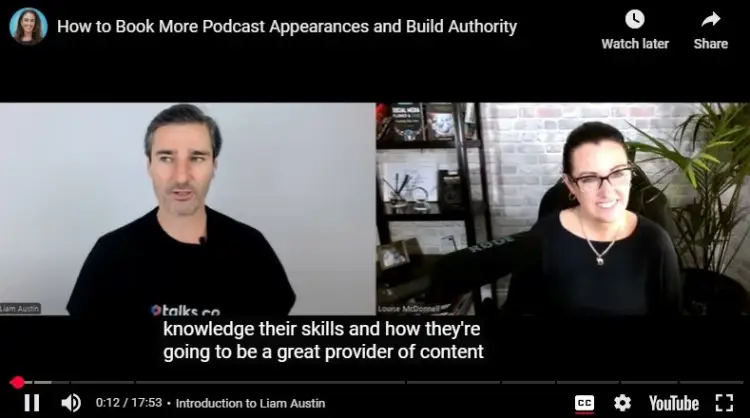
Podcasts are so popular in 2027 because they’re easy to take anywhere, easy to trust, and now come in video too, with 57% of Americans 12 and older saying they’ve both listened to and watched podcasts (Edison Research, Infinite Dial 2026).
These six reasons explain why people love podcasts and each reason shows what it means if you want to start a show or guest on one:
- Easy access: Every show sits a tap away on the phone your audience already carries, so they can find you in seconds.
- Multitasking: Listeners fold episodes into commutes, workouts, and chores, so your episode earns a spot in their daily routine.
- Trust: One steady voice builds loyalty, so a guest on the right show borrows that trust.
- Niche communities: Listeners gravitate to shows built for people like them, so a specific topic finds its audience faster.
- Video and clips: Watching and short clips make shows easy to sample, so every episode gets more than one chance to be found.
- Gen Z: Younger listeners treat podcasts like part of their feed, so a show that feels native to the apps they scroll earns them early.
Why Do People Listen to Podcasts?
People listen to podcasts because they get real, unfiltered conversations they can fit around their own schedule. There’s something so humanly raw about hearing someone think out loud, whether you’re on a dog walk or winding down after dinner, and that’s why people like podcasts so much.
- Learning: Hard-won lessons and how-to detail straight from people who’ve done the thing.
- Entertainment: Stories, humor, and debates that turn a rainy Sunday into your favorite hour of the week.
- Company: A familiar host keeps you company during your first month in a new city or in a quiet house after the kids are asleep.
Why Have Podcasts Become So Popular?
Podcasts have become so popular because five things work together: they’re easy to access, easy to multitask with, personal enough to build trust, specific enough to form communities, and now easy to discover through video.
Each one explains why podcasts are popular with listeners, and each one gives hosts and guests a way in.
1. Podcasts are easy to access anywhere
Podcasts are easy to access anywhere because they play on the phone, car, and smart speaker people already own, and most episodes cost nothing, so the first listen takes seconds.
- Convenience: Listeners choose when and where to listen, from CarPlay on a road trip to a smart speaker in the kitchen.
- Accessibility: Most shows are free, and episodes download for offline listening on a long flight.
- Device hopping: An episode started on a laptop at lunch picks up right where it stopped in the car on the drive home.
- Easy search: Typing “how to start a vegetable garden” surfaces shows from master gardeners to weekend hobbyists in seconds.
- Global reach: A freelance designer in Stuttgart and a high school teacher in Denver can press play on the same episode the day it drops.
2. Listeners can multitask while learning or being entertained
Listeners can multitask while learning or being entertained because podcasts only need their ears, which turns ordinary routines into learning time and leaves hands and eyes free for everything else.
- Commutes: A nurse driving home after a night shift can finish a full interview before she parks.
- Workouts: A runner can pair a long Saturday loop around Lady Bird Lake with an interview about building a business.
- Chores: Washing dishes turns into a mini design lesson from 99% Invisible.
- Work: A bookkeeper can keep an interview playing on low volume while reconciling invoices.
- Errands: A weekend grocery run through Trader Joe’s turns into a crash course in index fund investing.
- Travel: A 12-hour flight to Lisbon becomes a full season of the show you’ve been saving.
3. Podcasts feel personal and build trust
Podcasts feel personal and build trust because a host talks to one listener at a time, often for the length of a full episode. That steady presence turns a casual listener into a loyal one.
- Personal connection: A host who opens an interview with the story of a flopped product launch earns listeners who come back every week.
- Long-form storytelling: Shows like Radiolab hold attention for a full episode because the story unfolds slowly, one detail at a time.
- Honest imperfection: A host who laughs off a flubbed intro or admits a failed experiment sounds more believable than a polished script.
- Familiarity: Hearing the same host week after week builds the comfort you feel with a favorite barista who remembers your order.
- Expert clarity: A tax accountant who explains quarterly estimates in plain language earns trust before the episode ends.
4. Niche shows create loyal communities
Niche shows create loyal communities because listeners find people who care about the same things they do, from Substack growth to sourdough baking.
- Variety: Hobbies as specific as film photography, Dungeons & Dragons campaigns, or backyard beekeeping each have a show.
- Hyper-specific topics: A podcast for solo Etsy sellers or French home cooks covers what mainstream media skips.
- Fan communities: Listeners swap theories in a Reddit thread or Discord server after each episode.
- Unique voices: Underrepresented identities get space to share their stories, like a bilingual parenting show or a podcast for immigrant restaurant owners.
- Local scenes: A podcast about Portland’s indie music scene gives locals a reason to swap venue tips and show recommendations.
- Professional circles: A show for freight brokers gives people in the same trade a place to trade the tips they’d never post on LinkedIn.
5. Video podcasts and clips make shows easier to discover
Video podcasts and clips make shows easier to discover because listeners can sample a host’s personality before committing to a full episode.
- Video podcasts: On YouTube, listeners watch the conversation, so a guest’s laugh or lightbulb moment does half the selling.
- Short clips: A 30-second moment on TikTok, Instagram Reels, or YouTube Shorts gives new listeners a reason to try the full episode.
- Smart recommendations: App recommendations match niche shows with the listeners most likely to love them, so a show on vintage synth repair reaches the right ears.
- Visual proof: Seeing a host’s studio setup, notes, and reactions makes a new show feel real before the first full listen.
- Search visibility: Episode titles and descriptions that match what people type into search bring in listeners who’d never heard of the show.
Why Does Gen Z Listen to Podcasts?
Gen Z listens to podcasts because the shows live in the apps they already open all day, and every episode works whether they want to watch or just listen. In the US, 66% of 12-to-34-year-olds listen monthly (Edison Research, 2025).
- Video on Spotify: Over 270 million Spotify users have watched a video podcast (Spotify, 2025), so a show recorded on camera meets Gen Z in the same app they use for music.
- Spotify as the front door: For new and younger listeners, Spotify is often the first podcast app they open (Edison Research), so a show that lives there gets found first.
- Honest conversations: A two-person chat about burnout, side hustles, or first-job nerves feels more real to a college student than a polished feature.
- Career and money advice: A 22-year-old pricing their first freelance gig can learn from someone a few steps ahead of them.
- Guest crossover: Gen Z tends to follow individual creators, so a guest with a TikTok following brings a built-in audience to the episode.
Podcast Popularity Statistics
The rise of podcasting shows up in the numbers: nearly half of Americans 12 and older tune in every week, and the global audience keeps growing.
These podcast statistics show how far the format has come:
- US weekly reach: 45% of Americans 12 and older tuned into a podcast in the past week, a record high (Edison Research, Infinite Dial 2026).
- Global listeners: 584 million people listen to podcasts worldwide, with a forecast of 652 million by 2027 (eMarketer).
- Platform of choice: YouTube is still the most-used source for weekly podcast consumers, ahead of Spotify at 17% and Apple Podcasts at 9% (Edison Research, Q3 2026).
- Audio and video: 80% of Americans 12 and older have listened to or watched a podcast (Edison Research, Infinite Dial 2026).
- Why people listen: 55% listen to learn something new (HubSpot, 2025).
- Trust: 78% of US listeners find podcasts trustworthy (Edison Research).
- Time spent: 23% of listeners spend over 10 hours a week with podcasts (YouGov, 2025).
- Run time: The average US episode runs about 41 minutes, and most run between 20 and 60 minutes (Podcast Insights).
- Marketing: 3 in 5 marketers include podcasts in their content strategy (HubSpot, 2025).
- Fastest growth: Podcast listening is growing 20% or more a year in India, Indonesia, and Brazil (Spotify).
For a deeper look at the podcasting industry, check out this podcast industry statistics guide.
Are Podcasts More Popular Than Radio?
For many listeners, yes: podcasts have become the main source for on-demand audio because they put the listener in control. Here’s how podcasts compare to traditional radio:
- On-demand: Listeners press play on a business interview at 6 a.m. or a history deep dive at midnight, whenever it fits.
- Focus: A show about restoring vintage motorcycles speaks to one interest, so every episode feels made for you.
- Fewer interruptions: Many shows offer ad-free feeds through paid subscriptions, and there’s no DJ chatter between songs.
- Depth: A two-hour interview with a trial lawyer gives a topic the space a four-minute radio segment rarely has.
- Replay: A missed episode waits in your library until you’re ready, and the best parts are easy to play again.
Which Types of Podcasts Are Most Popular?
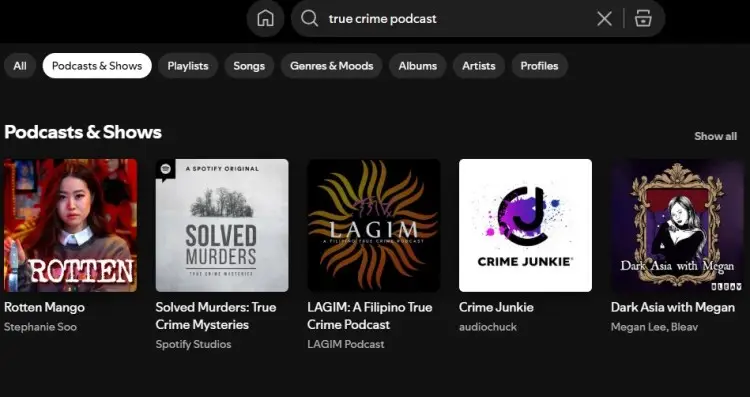
The most popular types of podcasts are true crime, news, business, health, and comedy, and each has most popular podcasts that dominate their category:
- True crime: Suspenseful, real-life cases that keep listeners hunting for clues between episodes (e.g., Serial, My Favorite Murder).
- News and current affairs: Daily analysis and expert opinions, like The Daily and Up First.
- Business and entrepreneurship: Founder stories and practical advice for startups (e.g., How I Built This, The Tim Ferriss Show).
- Health and wellness: Fitness, mental health, and lifestyle advice, like The Huberman Lab Podcast and The Happiness Lab.
- Comedy: Light-hearted shows that lift your mood, and the genre leads worldwide with about 30% of listening hours (Spotify/Statista), like Conan O’Brien Needs a Friend and SmartLess.
- Interview shows: One-on-one sit-downs with authors, comedians, and CEOs about how they got where they are (e.g., Armchair Expert, The Diary of a CEO).
- Society and culture: Big questions about why people think, work, and love the way they do, like Hidden Brain and This American Life.
- Sports: Game breakdowns, hot takes, and athlete interviews, like The Bill Simmons Podcast and Pardon My Take.
- History: Wars, empires, and turning points retold in vivid detail, like Hardcore History and The Rest Is History.
- Education: Quick explainers on how the world works and big ideas worth knowing, like Stuff You Should Know and TED Talks Daily.
- Tech: Product news, AI, and the people building it, like Hard Fork and the Lex Fridman Podcast.
- Pop culture: Recaps of TV shows, movies, and celebrity news, like Pop Culture Happy Hour and Las Culturistas.
Why Podcasts Matter for Creators, Experts, and Brands

Podcasts matter for creators, experts, and brands because they put your message in front of people who chose to hear it, and that choice is where authority and revenue start.
As a podcast guest, a single appearance puts your story and expertise in front of a ready-made audience without you building one from scratch.
Benefits of podcasts for creators and businesses
The benefits of podcasts for creators and businesses show up in your reputation, your audience, and your revenue:
- Authority: An interview on a show your ideal client already trusts puts your expertise in action, so they see how you think before you ever send a proposal.
- Niche audiences: A wedding photographer can reach engaged couples through a show about planning a wedding on a budget.
- Connections: Guest appearances open doors to clients and partners, and one conversation can lead to a newsletter swap or a collab.
- Loyalty: Weekly episodes build the kind of relationship that turns listeners into subscribers, clients, and sponsors.
- Reach: The host shares your episode with their newsletter and social following, which puts you in front of an audience you didn’t have to build.
- Buying power: 65% of US listeners have a college degree and 45% earn $75k or more a year (Edison Research, 2024), which makes the audience worth reaching for consultants, coaches, and software brands.
- Ad return: Podcast ads deliver nearly 5x better ROI than other digital ads (HubSpot, 2025), so sponsoring a show can pay back quickly.
What Podcast Popularity Means If You Want to Start or Guest on a Show

Podcast popularity means there’s already an audience waiting for a clear voice, so starting a show or guesting on one is a direct way to reach it.
Here’s how to create a good podcast show or get booked, whether you’re starting your podcast this month or pitching your first guest spot:
- Pick a clear topic: Focus on one audience and one promise, like “budget travel for solo women over 50.”
- Know your audience: Learn who your ideal listeners are, what they care about, and how your show serves them.
- Record clean audio: A USB mic like the Audio-Technica ATR2100x-USB in a quiet room goes a long way.
- Publish on a schedule: A new episode every Tuesday builds a listening habit.
- Make it easy to subscribe: Distribute on Apple Podcasts, Spotify, and YouTube, because the easier it is to find, the more listeners you’ll get.
- Invite guests, or become one: Fresh voices extend your reach, and Talks matches hosts with guests who suit their shows.
- Track and adapt: Check the download stats in your hosting dashboard, like Buzzsprout or Libsyn, to see which topics and episode lengths work.
If you need tips on how to record a podcast, look into this guide.
Podcast Popularity FAQs
Quick answers to the questions people ask most when they wonder why podcasts are so popular.
When did podcasts become popular?
Podcasts went mainstream after Apple added podcast support to iTunes in 2005, and smartphones turned them into a daily habit over the next decade. Monthly US listening has climbed from 9% in 2008 to more than half of Americans 12 and older today (Edison Research, Infinite Dial).
Why are podcasts so popular now?
Podcasts are so popular now because recommendations travel fast: a clip in a group chat or a friend’s “you have to hear this” sends a new listener straight to the full episode.
Why are podcasts important?
Podcasts are important because they give experts a listener’s attention for a full episode, which is why podcasting works so well for building authority. A financial planner who guests on a show for new homeowners earns that attention in a way a billboard can’t buy.
What are the benefits of podcasts?
For listeners, the biggest benefit is free, on-demand learning, with 74% saying podcasts help them learn new things (Edison Research). For creators and businesses, it’s a steady stream of referrals and relationships that grow with every episode.
Your Voice Can Be Just As Popular
Why are podcasts so popular? Because 58% of Americans 12 and older press play on one every month (Edison Research, Infinite Dial 2026), and they hang on every word of the experts on the mic.
Your competitors know it.
The coach in your niche just booked another interview, the founder you follow is turning one conversation into a wave of new followers, and every episode that airs without you hands them another room full of your future clients.
The guest seats on the shows you want fill fast, and the hosts who need an expert with your story are always searching.
Talks connects you with those top hosts and experts, so the next audience that goes looking for an expert to follow finds you.
Set Up Your Free Talks Creator Profile Now.


