Travel & Painting Speakers
Some events feel like they are missing that spark of lived experience and creativity, and you can sense it the moment a session starts.
If you have been wondering how to fix that gap, you are not the only one thinking about how to find the right travel & painting speakers who can bring both color and perspective to the room.
The good news is that this blend of insight is more common than you might think, and travel & painting speakers tend to offer stories that stick with people long after the session ends.
I have seen how audiences respond when someone talks about creating art in new places, or how travel shifts the way they see their craft.
It feels real, it feels grounded, and it gives your listeners something they can relate to.
Whether you are planning a conference session, a podcast, a YouTube interview, or something more intimate, you want someone who can speak clearly about creativity, discipline, curiosity, and the way art connects people.
Below, you will find a mix of travel & painting speakers who bring both clarity and personality.
Take a look and see who might be the right fit for your event.
Top Travel & Painting Speakers List for 2026
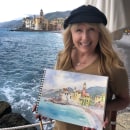
Cindy Briggs
Paint Your Journey — Watercolor Workshops Abroad & Inspiring Online Programs

Karen Gershowitz
Traveling the world, inspiring others—one story at a time.


Mitch Krayton
Empowering people to travel smarter, grow bolder and to Make Memories, Not Regrets™

John Britton
Connect & Communicate: Then Change the World.

Trisha DePasquale
I'm a world traveler who helps teachers bring the world to their classrooms. 🌎


Helen Antoniak
Adventurer, writer, and widowhood advocate—sharing life’s stories

Caroline Karp
Intrepid International Artist Capturing the Beauty of the Earth

What Makes a Great Travel & Painting Speaker
A strong travel & painting speaker often balances vivid imagery with grounded insight. They speak in a way that makes listeners feel like they are right beside them while they set up an easel in a busy plaza or study the shifting colors of a sunset in Bali. At the same time, they avoid drifting into fantasy. They explain the techniques, the challenges, the cultural nuances... the stuff that gives real meat to their message.
What sets the great ones apart is their curiosity. They are endlessly interested in people, places, and how art can interpret both. This makes their talks feel practical even when wrapped in emotion. Instead of delivering a generic travel story or an art lesson, they reveal the mindset that helps someone notice more, reflect more, and create more. That blend keeps audiences leaning in.
And finally, their authenticity matters. They do not have to be world famous or have visited a hundred countries. They do not need to paint like a Renaissance master. They shine because they communicate clearly, help listeners take something useful with them, and hold space for inspiration without drifting into the abstract. When that happens, the talk feels less like a presentation and more like a conversation you are glad you heard.
How to Select the Best Travel & Painting Speaker for Your Show
1. Clarify the purpose of the segment.
- Decide whether you want inspiration, practical skill-building, cultural education, or creative process insights.
- Ask yourself who your audience is... beginners, hobbyists, digital nomads, professional artists, or corporate teams looking for creative thinking.
2. Review the speaker's past work.
- Look at videos, articles, interviews, or podcast appearances.
- Check whether they showcase both travel and art in a balanced way or lean heavily in one direction, depending on what your show needs.
- On platforms like Talks.co, use the speaker profile pages to scan topics, formats, and testimonials.
3. Examine the clarity of their message.
- A strong travel & painting speaker delivers insights that translate well for any audience.
- Pay attention to how they explain techniques, cultural experiences, or creative processes. Clear communicators tend to perform better on stage and on camera.
4. Evaluate their delivery energy.
- Do they speak with warmth, precision, or enthusiasm? Pick the vibe that fits your show.
- Watch for pacing, storytelling style, and how well they land actionable takeaways.
5. Make direct contact and ask focused questions.
- Through platforms that connect hosts and guests, such as Talks.co, you can message potential speakers quickly.
- Ask about availability, preferred topics, and any customization options they offer for unique audiences.
By using these steps, you remove guesswork and select a travel & painting speaker who fits your content, format, and audience expectations perfectly.
How to Book a Travel & Painting Speaker
1. Reach out through a clear communication channel.
- Start with a direct message on their speaker page, especially on a platform like Talks.co that keeps messaging organized.
- Introduce your show in one or two concise sentences so the speaker immediately understands the context.
2. Share the details that matter most.
- Date and time, preferred session length, audience type, and your desired outcomes.
- Include any technical expectations such as slides, live painting demos, or sharing travel visuals.
3. Confirm their preferred format.
- Some travel & painting speakers excel in interviews while others thrive in workshops or keynote style presentations.
- Clarify whether you want storytelling, technique-based teaching, cultural insights, or a hybrid session.
4. Finalize logistics.
- Send a simple agreement outlining expectations, timeframes, and deliverables.
- If you are using a platform that supports event management and scheduling, let the speaker know so everything stays centralized.
5. Prepare them for a smooth session.
- Provide event links, technical instructions, and a brief description of the audience so they can tailor their talk.
- As mentioned earlier in the section about selecting speakers, clarity and preparation always lead to a stronger final performance.
When these steps are followed consistently, booking becomes a predictable and reliable process, freeing you to focus on audience engagement instead of administrative tasks.
Common Questions on Travel & Painting Speakers
What is a travel & painting speaker
In many cases, this type of speaker focuses on the intersection between cultural discovery and creative technique. They might explain how certain regions inspire different color palettes, how architectural styles influence composition, or how local traditions expand an artist's sense of meaning. The emphasis is rarely on giving a travel guide or a step by step art class. Instead, they highlight how the two domains feed each other.
Some travel & painting speakers come from fine arts backgrounds while others arrive via travel writing, digital nomad lifestyles, or cultural research. Regardless of background, they tend to communicate through stories, visuals, and practical takeaways. Their work often centers on helping audiences see both travel and art as tools for curiosity and personal growth.
These speakers can be found in virtual summits, creative retreats, entrepreneurship events, or conferences focused on culture, design, or lifestyle. Their job is to connect ideas and inspire audiences through a blend of lived experience, learned technique, and global awareness.
Why is a travel & painting speaker important
One reason they are significant is their ability to highlight how travel reshapes the way people see the world. When combined with painting, the message becomes richer. It is not just about seeing a mountain range, a sunset, or a historic market... it is about truly noticing texture, tone, movement, and story. This skill translates into problem solving, innovation, and empathy in almost any field.
Another reason is that audiences respond strongly to sessions that break the pattern of business centric topics. Many event organizers include travel & painting speakers to diversify the content mix, offering attendees mental space to absorb ideas in a new way. A talk that blends creativity with global understanding often becomes a memorable highlight.
For teams or individuals looking to strengthen mindset, resilience, or creative confidence, the insights from a travel & painting speaker can act as a catalyst. Whether the audience is corporate, academic, or artistic, the combination of travel and painting opens new lenses for thinking and expression.
What do travel & painting speakers do
They often present stories tied to specific locations and then decode the artistic elements within those experiences. For example, they might break down how Icelandic landscapes shift an artist's sense of contrast or how the colors of markets in Mexico City impact palette choice. These explanations help audiences connect artistic decisions to real world environments.
In educational or professional contexts, travel & painting speakers might offer technique based insights. This can include composition, working on location, understanding natural lighting, or choosing tools for travel friendly art creation. They translate these ideas into clear, actionable steps rather than leaving them in abstract theory.
Some speakers also focus on the mindset component. They discuss how travel encourages curiosity, patience, and flexibility, and how painting trains observation, emotional processing, and focus. These qualities are valuable not only for artists but for entrepreneurs, leaders, educators, and anyone seeking a more thoughtful approach to their work.
Whether speaking at a virtual summit, an art retreat, a cultural festival, or a corporate creativity workshop, travel & painting speakers provide audiences with practical insights shaped by global exploration and artistic practice.
How to become a travel & painting speaker
2. Create signature topics. You can shape these around themes like creativity on the road, turning travel journals into art, or using painting as a tool for cultural storytelling. Hosts appreciate clear session titles because it helps them position you inside their event schedule.
3. Develop your assets. Set up a speaker page on Talks.co so hosts can find you. Add a short bio, long bio, sample talk titles, your areas of expertise, and links to videos. If you do not have speaking footage yet, record a simple demo: a five minute video explaining a travel-art concept works very well.
4. Connect with event hosts. Join virtual summits, creative entrepreneurship events, travel communities, and art collectives. Send concise, value driven outreach messages. Instead of pitching your entire resume, highlight one talk that would fit their audience.
5. Improve through repetition. Start with small groups. Teach a live workshop, participate in a panel, or guest on a niche travel-art podcast. These early sessions give you testimonials and practice, which makes your Talks.co profile stronger and easier for hosts to say yes to.
6. Build your ecosystem. Over time, create resources that align with your speaking topics, such as painting guides, travel sketching courses, or digital brushes. These allow you to offer extra value when event hosts ask how they can support you or promote your work.
What do you need to be a travel & painting speaker
Strong topic focus is crucial. Travel and painting can mean many things, so you want to identify the angle that fits your strengths. Some speakers lean toward artistic technique, some toward cultural exploration, others toward lifestyle design. This specificity helps event hosts decide where you fit in their programming.
You will also need a simple set of professional assets. A clean headshot, a solid bio, and a short presentation description make a big difference. A speaker page on Talks.co gives hosts a one-stop place to understand what you offer and how to book you. If you already have a portfolio, link to examples of your artwork or sketchbook pages, since visual proof builds trust.
A clear delivery style is another element. You do not need to be a polished performer, but you do need structure. Audiences want takeaways they can use in their own creative or travel lives. Being able to break concepts into steps or stories will help your message land.
Finally, you need a willingness to adapt. Travel topics appeal to global audiences, and painting styles vary across regions, so staying open to different cultural expectations will strengthen your presentations and help you connect more deeply with both hosts and listeners.
Do travel & painting speakers get paid
As your reputation grows, paid slots become more frequent. Data from broader creative and travel speaking niches shows that beginner speakers often earn between 100 and 500 dollars per talk, while mid level experts can earn between 500 and 3000 dollars. Travel conferences, creative industry events, and cultural organizations may fall into this range.
Paid opportunities usually depend on these variables:
- Audience size. Larger conferences often have dedicated budgets.
- Event type. Corporate travel companies and tourism boards typically pay more than local art clubs.
- Expertise level. The more specialized your niche, the more likely you are to receive compensation.
- Host resources. Some virtual events rely on revenue share instead of upfront fees.
When you position yourself clearly and set expectations early, payment conversations become easier because hosts know exactly what they are getting.
How do travel & painting speakers make money
Typical revenue channels include:
- Paid keynotes and workshops. These are straightforward payments from event organizers.
- Course sales. Many speakers create sketching classes, travel illustration workshops, or painting technique guides. Hosts often promote these products for you.
- Digital downloads. Travel templates, brush packs, mini tutorials, or color palettes can sell well to niche creative audiences.
- Affiliate commissions. Partnerships with art supply brands, travel gear companies, or education platforms can add steady income.
- Retreats or tours. Some speakers design travel-art retreats where participants paint on location.
When combined, these create a portfolio of earnings instead of relying on one unpredictable stream. As mentioned earlier, building an organized speaker page on Talks.co makes it easier to show these offerings to event hosts, which can lead to hybrid deals where you earn both a speaking fee and product sales.
How much do travel & painting speakers make
Industry wide data for creative and travel oriented speakers shows that seasoned speakers can earn between 2000 and 10000 dollars per event depending on the format. Workshops usually pay less than keynotes, but they can lead to additional opportunities like mentorship programs or art retreats.
Key variables include:
- Event scale. Global creative conferences often pay significantly more.
- Skill depth. Speakers with distinctive painting styles or cross cultural expertise tend to command higher fees.
- Geographic flexibility. Being open to online events expands your reach.
Because many travel and painting speakers diversify their income, the real earning picture depends on how they package their products, courses, or services alongside their speaking work.
How much do travel & painting speakers cost
For more established travel and painting speakers, costs can reach 3000 to 10000 dollars, especially when the speaker has a recognizable artistic style, strong online presence, or proven ability to attract attendees. Some events offer hybrid compensation that combines a partial fee with revenue share from digital products.
Cost variables include:
- Duration of the session. A 90 minute workshop generally costs more than a 20 minute talk.
- In person vs online. In person sessions may require travel reimbursement.
- Pre event preparation. Custom workshops increase labor and therefore price.
Organizers often check a speaker's Talks.co page to review topics, fees, and availability, which makes negotiations smoother and more transparent.
Who are the best travel & painting speakers ever
- David Hockney. Known for vibrant landscapes and exploratory travel across regions, often discussing creativity in public forums.
- Georgia OKeeffe. Famous for painting the American Southwest and influencing how artists think about place and observation.
- John Singer Sargent. Recognized for travel influenced watercolors and global portrait work.
- Claude Monet. His travels shaped many of his series paintings, and his influence continues in modern creative education.
- Mary Cassatt. Brought cross cultural perspectives into her work and is frequently referenced in art history talks.
- Winslow Homer. Noted watercolors and global travel experiences often appear in art lectures.
- Paul Gauguin. Associated with international travel and bold stylistic shifts that shaped discussions about cultural context.
- J. M. W. Turner. Famous for travel driven landscapes and dramatic studies of light.
Who are the best travel & painting speakers in the world
- Urban Sketchers leaders. This international community includes teachers who speak worldwide about documenting cities through drawing.
- Danny Gregory. Known for promoting travel journaling and sketching, with numerous talks and courses.
- Liz Steel. An architect turned travel sketching instructor who teaches internationally.
- James Gurney. Creator of Dinotopia and a leading voice on plein air travel painting.
- Alvaro Castagnet. A well known watercolorist who travels globally to teach and speak.
- Marc Taro Holmes. Recognized for urban sketching and travel watercolor workshops.
- Suhita Shirodkar. Popular speaker and instructor in global sketching events.
- Koosje Koene. Co founder of an online sketching education platform with strong travel-art themes.
- Shari Blaukopf. A widely published watercolor instructor with international speaking experience.
- Teoh Yi Chie. Known for extensive travel sketching demonstrations and reviews that inform audiences about techniques and tools.
Common myths about travel & painting speakers
Another widespread idea frames travel & painting speakers as only suitable for arts events. But look at conferences in sustainability, hospitality, urban planning or entrepreneurship and you will find these speakers weaving creativity into topics like eco tourism, customer experience and spatial design. A hotel brand might invite one to explain how color palettes influence guest perception across cultures. A university might bring one in to help students explore global creative economies. Their reach crosses sectors, so pigeonholing them limits what audiences can learn.
A third misconception suggests that travel & painting speakers must constantly be on the road to stay relevant. This ignores how much of their craft relies on intention, not perpetual movement. Many develop signature frameworks based on a handful of deeply studied regions. Others build hybrid methods that combine studio work, research, interviews and virtual exploration. Instead of nonstop travel, they prioritize depth, cultural accuracy and the ability to translate global ideas into practical lessons for an audience.
A final myth insists that only highly trained fine artists qualify for this work. Yet some of the strongest travel & painting speakers come from design, architecture, education or creative entrepreneurship. They use painting as a tool for communication rather than a credential measure. Their authority comes from clarity, cultural understanding and the ability to guide an audience into seeing the world differently. Skill and credibility grow through consistent practice and thoughtful storytelling, not a specific academic background.
Case studies of successful travel & painting speakers
Another story centers around a traveler painter who transformed their workshops into immersive cultural sessions. Instead of presenting slides, they set up live painting moments that captured the atmosphere of places like Kyoto alleys or Icelandic shorelines. Corporate teams used these sessions to learn focus, sensory awareness and creative problem solving. The speaker grew a following because the experience felt less like a lecture and more like stepping into another environment. Even teams unfamiliar with art left with practical takeaways.
In a different track, some travel & painting speakers built impact by tying global art practices to personal development. One example is a speaker who studied regional techniques in South America and used those methods to help entrepreneurs explore clarity in vision setting. Their approach mixed storytelling about local studios, reflections on color psychology and simple painting exercises. This blend allowed business audiences to connect with culture while also clarifying their goals.
There are also speakers who focus on the intersection of technology and creative travel. Consider someone using digital painting tools to capture scenes from remote locations while live streaming the process to audiences worldwide. Their talks highlight how digital tools open creative access to people who cannot travel often. This narrative resonates across educational settings and remote teams that value creative expression in digital workspaces.
Future trends for travel & painting speakers
Key emerging trends include:
- Interactive formats that blend short stories with quick painting demonstrations.
- Cross industry collaborations that bring these speakers into fields like hospitality, digital tourism, wellness and design research.
- Technology assisted painting workflows that combine traditional methods with virtual sketching or real time global collaborations.
- Growing global interest in cultural preservation and the role artists can play in making those stories accessible.
As hybrid events remain common, more travel & painting speakers are leaning into mixed media presentations. Audiences want visuals captured on location, but they also value the ability to ask questions or participate in short creative exercises during virtual sessions. This shift encourages speakers to design modular content that works in person, online or in combined formats.
There is also a rising demand for region specific expertise. Instead of covering broad global topics, conferences are seeking speakers with deep knowledge of one or two cultural zones. This focus helps organizations understand how creative traditions, color use and storytelling evolve within specific communities.
The next few years will likely see more partnerships with tourism boards, cultural centers and digital art platforms. These collaborations open doors for structured residencies, themed speaking series and community led learning experiences. For aspiring speakers, aligning content with cultural relevance and accessible creativity will be pivotal.
Tools and resources for aspiring travel & painting speakers
1. Talks.co. A discovery and booking tool that helps speakers match with podcast hosts. Aspiring travel & painting speakers can use it to share ideas with new audiences, test messaging and build authority quickly.
2. Procreate. A digital painting app with a lightweight interface. It is ideal for capturing ideas on the go. Use it to create process videos that can be woven into talks.
3. Google Arts & Culture. A global database of museums, cultural artifacts and visual references. This helps speakers research regional art techniques or build cultural context for presentations.
4. Canva. Presentation and design tool with templates that make visual storytelling straightforward. Many travel & painting speakers use it to build slide decks that incorporate their artwork.
5. Trello. Project management boards to organize travel research, painting ideas and talk structure in one place. Great for mapping out multi event speaking seasons.
6. Skillshare. A platform with creative courses. Emerging speakers can study watercolor, sketching, travel illustration or communication skills to expand their toolkit.
7. Airalo. An eSIM service that keeps travelers connected in different countries. Useful for speakers capturing location based content or hosting remote sessions while on the move.
8. Unsplash. High quality free image library. Helpful for reference photos or building mood boards that influence painting themes.
Each of these tools supports a different dimension of the work: research, creativity, communication or logistics. Combining them helps speakers deliver polished, culturally grounded and visually engaging presentations.
