Visual Arts Speakers
You know the moment when you're staring at your event plan wondering who can bring real creative insight without drifting into theory overload.
Then you start scrolling through names and suddenly realize you are not even sure what separates the standout visual arts speakers from everyone else.
If that sounds familiar, you're in the right place to get clarity.
Visual arts speakers bring a mix of practice, perspective, and personality that helps your audience see creative work in a way that feels real rather than distant.
I've seen how organizers appreciate speakers who can talk about craft, culture, and process in a way that stays grounded and easy to follow.
But which voices fit your crowd, your format, and your goals?
And how do you spot the style that will keep listeners tuned in, whether it is for a conference room, a podcast feed, or a livestream?
Here you'll get a simple look at what makes these experts effective, who they tend to resonate with, and how they shape conversations around creativity and expression.
Take a look at the visual arts speakers featured here and find someone who fits what you want for your event.
Top Visual Arts Speakers List for 2026






Colin Herd
Enthusiastic and dynamic creative writer, lecturer and runner

Matthew McIver
Crafting connections and creativity in Iowa's vibrant arts scene.
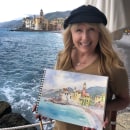
Cindy Briggs
Paint Your Journey — Watercolor Workshops Abroad & Inspiring Online Programs

Debra Russell
Transforming passion into profit for small business owners, creatives, and athletes

Olga Alexeeva
Reigniting joy and purpose for vibrant lives after 50
What Makes a Great Visual Arts Speaker
A strong visual arts speaker usually draws on real artistic movements, public exhibitions, or well known creatives, giving their audience a sense of context. They might talk about how Yayoi Kusama's installations changed the way immersion is viewed in modern museums, or how digital artists in Seoul and Nairobi are reshaping global aesthetics. These are not random references... they are strategically chosen to help audiences make connections.
The real magic happens when the speaker flows between inspiration and application. One moment they might be sharing how street murals have influenced brand identity in major cities. The next, they are explaining how small businesses can learn from the clarity and composition used by professional illustrators. This blend keeps listeners engaged and curious.
Great visual arts speakers also understand pacing. They know when to deliver short, punchy lines that reset the audience's attention, and when to expand into slower, more descriptive explanations that add depth. That natural rhythm helps the talk feel less like a lecture and more like a guided creative journey.
And perhaps most importantly, they respect the audience's diverse background. Whether someone comes from tech, education, hospitality, or local community organizing, a skilled visual arts speaker helps them see how creativity is not confined to the studio but shows up everywhere they look.
How to Select the Best Visual Arts Speaker for Your Show
1. Define your event angle.
- Think about whether you want to highlight digital art trends, classical techniques, global art movements, or the intersection of art and business.
- Create a short brief that outlines your intended message, audience level, and preferred delivery style.
2. Explore platforms like Talks.co.
- Browse speaker pages to compare expertise, topic focus, reviews, and past appearances.
- Look for clips or transcripts so you can check if their communication style matches your show's vibe.
3. Assess relevance to your audience.
- If your show targets early stage entrepreneurs, choose a speaker who can translate creative principles into business value.
- If your audience includes experienced artists, pick someone who brings fresh thinking rather than basic fundamentals.
4. Evaluate their engagement style.
- Speakers with interactive elements, strong storytelling, or clear demos often hold attention better.
- Notice how they handle Q&A sessions or spontaneous shifts in discussion.
5. Check availability and logistics.
- Some visual arts speakers specialize in live events, while others focus on virtual formats.
- Make sure their expected fee, schedule, and tech setup align with your show's structure.
When you take your time with these steps, you get a speaker who elevates the experience for everyone involved.
How to Book a Visual Arts Speaker
1. Start by shortlisting candidates.
- Use directories, showcases, and platforms like Talks.co to create a focused list of potential visual arts speakers.
- Evaluate topic compatibility and delivery style before reaching out.
2. Visit the speaker page for each candidate.
- Review their topics, rates, availability, and media kit.
- Many speaker pages provide a direct connect feature that links hosts and guests, making initial contact straightforward.
3. Send a clear request.
- Include your event date range, expected format, audience details, and your preferred theme.
- Add any technical requirements, such as screen sharing, camera quality, or artwork examples.
4. Confirm expectations.
- Ask about their prep process, preferred question format, and any materials they may need from your team.
- Clarify deliverables, such as promotional clips or post event follow up.
5. Finalize the agreement.
- Once both sides align on timing and scope, lock in the booking with a written confirmation.
- Provide the speaker with a communication timeline so they know when to expect reminders and pre show briefs.
Following this flow will help you avoid last minute confusion and ensure the event feels polished from start to finish.
Common Questions on Visual Arts Speakers
What is a visual arts speaker
Many visual arts speakers are educators, curators, designers, or professional artists, but some come from interdisciplinary fields like technology or cultural studies. What matters is that they can articulate the significance of visual work in ways that feel accessible and informative. Some explain artistic techniques in plain language, while others discuss how visual culture influences areas like branding, social activism, or urban planning.
These speakers often present at conferences, creative summits, community events, or online shows. Their topics might include the evolution of modern art, the impact of global artistic movements, or the value of creative thinking in business. In many cases, they help bridge the gap between traditional art communities and industries that rely on visual communication.
A visual arts speaker might also incorporate live demonstrations or visual slides to clarify concepts. Whether they are explaining color theory, analyzing mural design, or discussing digital art ethics, their core function is to connect artistic ideas with real world relevance.
Why is a visual arts speaker important
In business settings, a visual arts speaker can highlight the connection between artistic principles and strategic thinking. For example, companies working on product design or branding often benefit from hearing how visual hierarchy, color psychology, or composition influence user behavior. These insights translate into more effective communication, marketing, and customer experience.
In community and educational environments, visual arts speakers contribute to public understanding of cultural heritage. When they explain the background of a mural project in a local neighborhood or discuss how emerging artists use digital platforms to share their work, they help audiences engage with art in more meaningful ways.
They also play a role in global conversations. With visual content spreading rapidly through social media, people across different regions encounter new artistic styles every day. A visual arts speaker can help break down these trends, making them more approachable and relevant.
Ultimately, their contribution lies in helping individuals and organizations connect artistic concepts to everyday choices, whether those choices involve communication, design, culture, or innovation.
What do visual arts speakers do
Many visual arts speakers prepare structured talks that draw from public exhibitions, historical archives, contemporary artists, or digital platforms. They might analyze how specific visual styles emerged, such as the rise of minimalist design in tech interfaces or the popularity of large scale public murals in urban spaces. Their explanations connect artistic evolution to social, cultural, or industry specific developments.
During presentations, visual arts speakers frequently use slides, illustrations, or real artwork examples to support their explanations. These visuals help audiences grasp complex ideas quickly. Some speakers integrate interactive elements, such as guided observation exercises or short Q&A segments, to keep people engaged.
They also collaborate with event hosts, educators, and creative organizations. This can involve tailoring content for different expertise levels, preparing custom examples for a corporate branding team, or adapting talks for students exploring art fundamentals. When needed, they contribute insights to panel discussions or interviews, offering unique perspectives grounded in visual culture.
Through these activities, visual arts speakers help individuals and organizations understand how visual expression shapes communication, identity, and shared cultural experiences.
How to become a visual arts speaker
1. Clarify your core topic and audience.
- Decide what part of the visual arts world you want to speak about. It could be contemporary art, museum curation, digital illustration, community arts programming, or the business side of creative careers.
- Define who you want to reach. Art students, gallery owners, educators, or creative entrepreneurs each need a different angle. The clearer your lane, the faster you stand out.
2. Develop a signature talk that showcases your perspective.
- Outline one primary keynote that captures your main message. For example, a talk on how visual storytelling shapes cultural identity or how artists can use AI tools ethically.
- Make your structure simple and clear. Most strong talks have three core pillars with examples that help the audience apply the ideas.
3. Build a speaker page so event hosts can easily evaluate you.
- Using a platform like Talks.co gives you a simple way to create a profile without hiring a developer.
- Include your topics, bio, talk descriptions, and a short video of you presenting. Even a well lit phone recording can be enough for early opportunities.
4. Connect with hosts and guests in the creative sector.
- Look for conferences, festivals, universities, art schools, and community organizations that regularly hire speakers.
- Reach out with a short message that highlights your topic, the outcome for their audience, and a link to your speaker page.
5. Start speaking consistently.
- Begin with smaller events, online communities, or local arts groups. These build your confidence and create proof that you can deliver.
- Ask each host for testimonials. These will later help you command higher fees.
6. Use every talk to grow your network.
- After each event, invite attendees to connect on social platforms or join your email list.
- Staying top of mind positions you for repeat bookings and collaborations.
Follow these steps and you position yourself as a visual arts speaker that organizers can trust, even early in your journey.
What do you need to be a visual arts speaker
The first thing you need is subject expertise. That does not require being a world famous artist. You simply need a strong command of the topic you plan to speak on. Many successful speakers come from teaching, gallery management, design, filmmaking, or arts administration. What matters is that you can offer a perspective that adds value. If you can answer the kinds of questions people regularly ask in your niche, you are ready to step forward.
The second requirement is communication skill. Speaking is different from creating. A brilliant designer may freeze on stage, while a less known illustrator may deliver an inspiring talk. Practice, structured outlines, and clear transitions make a huge difference. Hosting small virtual sessions or participating in panels is a practical way to strengthen your delivery.
You also need a professional presence. A speaker page on a platform like Talks.co helps event planners review your topics and experience without back and forth emails. Creating this early shows you are serious and makes it easier for hosts and guests to connect with you.
Finally, you need a willingness to engage with organizers. Visual arts events vary from local community gatherings to large global summits. Each one has its own culture. Being responsive, clear, and flexible increases your chances of being booked again.
Do visual arts speakers get paid
There are three main scenarios. Some events pay a flat fee. Others cover travel and accommodation but no speaking fee. And some rely on volunteers, especially local community programs. Data from creative industry surveys shows that arts and culture speakers often fall into the mid tier of the speaking market rather than the highest paid categories like tech futurists or leadership strategists.
Pros of paid engagements:
- Professional recognition.
- More selective opportunities.
- Ability to scale speaking into a business.
Cons:
- Payment schedules can be slow.
- Budgets sometimes fluctuate year to year.
In general, visual arts speakers do get paid once they demonstrate consistent value, a clear viewpoint, and a polished presentation.
How do visual arts speakers make money
Primary income streams include:
- Paid keynotes. Often used for conferences, museum events, education summits, and art festivals.
- Workshops. Hands on sessions often command a premium because participants get direct guidance.
- Panels or moderating. These pay less but offer visibility that leads to larger bookings.
There are also secondary opportunities. Some speakers expand into online courses, books, consulting for creative organizations, or partnerships with institutions that want to educate their community. Many list these services on their Talks.co speaker page, which helps hosts understand the full range of collaboration options.
The mix of revenue depends on the speaker's expertise. A curator may earn more through consulting, while an illustrator might generate income from live demonstrations or masterclasses. This flexibility is part of what makes the field sustainable.
How much do visual arts speakers make
At the higher end, established visual arts speakers with a strong reputation, a published book, or major institutional partnerships can earn 10,000 dollars or more per keynote. These figures are influenced by region. Speakers in major cultural hubs, such as New York or London, often benefit from larger event budgets.
Market comparisons:
- New speakers: typically under 1,000 dollars.
- Mid tier speakers: 1,000 to 5,000 dollars.
- High profile speakers: 5,000 to 15,000 dollars or more.
These numbers align with broader creative industry speaking rates, which tend to fall below high demand business or tech categories but remain financially viable, especially when combined with other income streams mentioned earlier.
How much do visual arts speakers cost
Organizers also factor in travel, accommodation, and additional workshop sessions. Many speakers offer tiered pricing. A single keynote might cost 2,500 dollars, but adding a workshop or panel discussion can raise the total to 4,000 dollars or more.
Cost factors include:
- Speaker experience.
- Whether the event is virtual or in person.
- Geographic region.
- Whether the event needs a customized talk.
In general, visual arts speakers remain accessible for most organization types, particularly when compared to corporate or celebrity speaking categories.
Who are the best visual arts speakers ever
- Marina Abramovic. Known for boundary pushing performance art and compelling discussions on endurance and artistic purpose.
- David Hockney. Celebrated for his insights on color, technology in art, and creative reinvention.
- Theaster Gates. Recognized globally for speaking about community, cultural preservation, and socially engaged art.
- Yayoi Kusama. Famous for her perspective on identity and immersive art environments.
- Ai Weiwei. Influential for talks on artistic freedom, political expression, and global culture.
- Agnes Gund. Strong voice on philanthropy, arts advocacy, and the role of museums.
- Jerry Saltz. Pulitzer Prize winning critic known for energizing talks about artistic practice and the creative process.
- Kehinde Wiley. Noted for his work on representation, portraiture, and cultural storytelling.
Who are the best visual arts speakers in the world
- Olafur Eliasson. Blends art, science, and environmental themes in visually stunning presentations.
- Shirin Neshat. Speaks on identity, culture, and the intersection of art and politics.
- Takashi Murakami. Known for commentary on pop culture, fine art, and global creative trends.
- Zanele Muholi. Celebrated for talks about visual activism and representation.
- Es Devlin. Highly regarded for insights on stage design, creativity, and large scale artistic installations.
- Laurie Anderson. Combines multimedia storytelling, music, and visual art in her speaking engagements.
- Tania Bruguera. Addresses social practice, activism, and the role of the artist in public life.
- JR. Globally recognized for talks on public art, photography, and community engagement.
Common myths about visual arts speakers
Another belief claims that visual arts speakers only discuss aesthetics. That assumption cuts off a huge part of what the field explores. Many talks dive into economics, community development, accessibility, or the business side of creative work. A speaker unpacking how street art influences tourism in Latin America is contributing something very different from someone exploring digital identity in VR galleries, yet both fit within the visual arts landscape.
You might also hear that visual arts speakers need formal academic credentials. Yes, academia supports many voices, but it is not the only path. Speakers often come from entrepreneurship, cultural journalism, nonprofit leadership, or tech. Their value comes from clarity and perspective, not just degrees. Events that focus on digital media or startup culture frequently invite creatives who learned through industry apprenticeships, online communities, or collaborative studios.
One more idea floats around... that visual arts speakers struggle to connect with general audiences. In practice, speakers who thrive usually succeed because they simplify complex visual language into relatable frameworks. They use stories drawn from real exhibitions, public art projects, and tech innovation. This ability to bridge worlds is exactly why event organizers bring them in. Once this misconception is set aside, it becomes clear that these speakers can resonate across cultures, industries, and age groups.
Case studies of successful visual arts speakers
In another part of the world, a curator from Southeast Asia built a speaking presence around the rise of digital exhibitions. Their story centered on helping a small regional museum bring its collection online in a way that preserved cultural nuance. The talk wove together the technical hurdles, the cultural decisions, and the collaborative effort behind the digital transition. It resonated with both tech professionals and heritage workers because it blended strategy with care for community identity.
A third example comes from a speaker who built a bridge between gaming and fine art. Their talk unpacked how concept designers influence film, animation, and museum installations. The narrative moved from early career sketches to cross industry collaboration with major studios. Audiences appreciated the honesty about the creative process... showing how iterative design informs everything from blockbuster visuals to indie installations.
Another compelling case involves a speaker who focuses on accessibility in arts education. They described working with schools that lacked funding for traditional programs, then highlighted ways technology and low cost materials helped students build visual literacy. The story touched on global challenges and local wins, offering a clear picture of how creative problem solving opens doors for learners everywhere.
Future trends for visual arts speakers
Hybrid exhibition formats are expanding, prompting more conversations around immersive environments. This trend is not about novelty... it is about helping viewers understand how sensory design influences interpretation. As audiences seek deeper engagement, speakers who explain processes behind VR galleries or interactive installations will find strong demand in both corporate and educational settings.
Global cultural conversations are shaping new narratives. More events are prioritizing speakers who can contextualize visual art within social movements, indigenous knowledge, or postcolonial frameworks. This leads to a broader range of voices stepping onto stages and a richer set of stories being shared.
Key trends to watch include:
- Increased demand for speakers who can decode AI generated art.
- Rising interest in immersive and interactive environments.
- Broader representation of global and multicultural perspectives.
- More collaboration between creative industries and sectors like healthcare, sustainability, and urban planning.
Taken together, these shifts signal opportunities for speakers willing to bridge disciplines and offer grounded insight on the role of visual communication across cultures.
Tools and resources for aspiring visual arts speakers
- Talks.co. A platform that connects experts with podcast hosts. Great for building a portfolio of recorded conversations that demonstrate your ability to speak clearly about visual topics.
- Canva. Useful for building polished slide decks. Experiment with layout templates that complement visual storytelling rather than overwhelming it.
- Google Arts and Culture. A massive archive of exhibitions, artworks, and global collections. Helpful for sourcing examples or refining your understanding of different art movements.
- Miro. A collaborative whiteboard tool that helps map out talk structures, visual sequences, or workshop activities.
- Artforum. A publication offering global perspectives on contemporary art. Staying informed about current conversations strengthens your credibility with diverse audiences.
- Skillshare. Useful for brushing up on articulation, storytelling, or design fundamentals. Look for courses on visual communication or public speaking to strengthen both sides of your craft.
- Open Culture. A collection of free educational materials, including lectures and documentaries that help broaden your cultural and historical references.
Mixing these tools creates a workflow that supports both content development and delivery. When you combine ongoing learning with consistent outreach, your voice in the visual arts space becomes sharper and easier for event organizers to recognize.
