Watercolor Journaling Speakers
Some days you scroll through potential guests and everything starts to blur together.
You want someone who brings real creative insight, but not just another broad art talk.
At some point you start wondering how to find watercolor journaling speakers who actually connect with your kind of audience.
It gets confusing fast.
Watercolor journaling speakers sit in a unique spot, blending technique, personal expression, and practical workflow tips.
If you work with creators, educators, or anyone hungry for a more mindful approach to making things, they can bring a refreshing clarity to your event.
I have seen how artists who teach this style often translate complex ideas into simple, relatable steps, which makes them especially strong guests for interviews or workshops.
Here, you can get a clear sense of what these speakers talk about, who they resonate with, and why their approach works well for conferences, podcasts, summits, and YouTube shows.
Take a look through the featured watercolor journaling speakers and find someone who fits exactly what you want to create.
Top Watercolor Journaling Speakers List for 2026
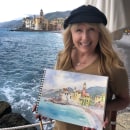
Cindy Briggs
Paint Your Journey — Watercolor Workshops Abroad & Inspiring Online Programs


Catherine Sipher
Unlock your inner hero through the power of words.
Sarah Shellard
Thoughtful and well-spoken small business owner with a propensity for joy!


Michelle Rahal
Christian author, speaker, and writing coach on a mission to make heaven crowded

Jenny Elinora
Empower Your Voice, Unleash Your Creative Power with Jenny Elinora ✨

Lisa Giesler
Uncluttered and Finding joy and purpose in life's

Caroline Karp
Intrepid International Artist Capturing the Beauty of the Earth
What Makes a Great Watercolor Journaling Speaker
A strong watercolor journaling speaker understands how to balance inspiration with practicality. One moment they are describing how artists in Japan document seasonal changes with minimalist brushstrokes, and the next they are demonstrating how a beginner can choose the right paper without overspending. They move between these layers in a way that feels natural, not forced. That dynamic flow gives their audience something to latch onto, no matter their skill level.
What really makes them stand out is their ability to translate a deeply personal practice into something accessible for diverse audiences. Teachers, travelers, entrepreneurs... people come from different contexts and motivations, and a great speaker speaks to all of them. They help attendees see journaling not just as an art form but as a tool for reflection, clarity, and even stress reduction. When they wrap up, listeners leave with more than pretty sketches in mind. They leave with a sense of direction.
There is also a grounded honesty that strong watercolor journaling speakers share. They acknowledge challenges like messy first attempts or the frustration of inconsistent washes. Instead of glossing over those hurdles, they use them to help others feel comfortable with imperfection. That vulnerability creates connection, and connection is what keeps audiences engaged.
By the time a great watercolor journaling speaker finishes, the audience feels motivated to pick up a brush, open a journal, and simply start... even if their first page is far from perfect. That shift in mindset is the real magic behind their influence.
How to Select the Best Watercolor Journaling Speaker for Your Show
1. Define the angle you want the speaker to cover.
- Think about whether you want a creativity focused session, a technique heavy workshop, a mindset angle, or something tied to personal or professional development. Some speakers excel at storytelling. Others shine in practical demos.
- Check their past topics to see if their strengths match what your audience expects.
2. Review the speaker's actual teaching or speaking material.
- Watch clips of them on Talks.co, YouTube, artist summits, or virtual conferences. Pay attention to clarity, pacing, and whether they keep things engaging.
- Look for how they explain complex steps. Do they keep beginners included without boring advanced participants...
3. Evaluate their audience fit.
- Match their communication style with your show's tone. Some watercolor journaling speakers have a meditative approach, while others have an energetic or fast paced delivery.
- Consider cultural and regional relevance if your show targets a global audience.
4. Look for platforms that simplify vetting.
- A speaker page on Talks.co can show availability, topics, testimonials, and contact options in one place.
- These profiles help you compare multiple speakers side by side.
5. Confirm professionalism and logistics.
- Reach out with a few questions about prep time, equipment needs, or the format they prefer. Clear and timely responses usually reflect a seasoned speaker.
Following these steps makes it easier to select someone who not only knows watercolor journaling but can deliver an engaging, educational, and smooth show.
How to Book a Watercolor Journaling Speaker
1. Start by shortlisting your top choices.
- Use platforms like Talks.co to find speakers with available dates, topic descriptions, and sample sessions.
- Create a small list of two to four candidates who match the theme and tone of your show.
2. Reach out using the speaker's preferred booking method.
- Many have a booking button or contact form on their Talks.co speaker page.
- Include key details: event date, format, expected audience size, and your show's objective.
3. Request a quick alignment call.
- A short video chat helps clarify expectations, structure, and any additional support they can offer.
- Ask about any technical needs, such as overhead cameras for live art demos or screen sharing for digital journaling.
4. Finalize the agreement.
- Confirm the session outline, timing, promotional assets, and payment terms.
- Make sure to exchange any materials your marketing team will need, such as headshots, bios, or topic descriptions.
5. Prepare the speaker for the event.
- Send access links, run of show, and audience context a few days before the session.
- If your platform has quirks or specific settings, mention them early to avoid surprises.
As mentioned in the section on selecting a watercolor journaling speaker, most of the hard work happens before the booking. Once the match is right, the rest of the process usually flows smoothly.
Common Questions on Watercolor Journaling Speakers
What is a watercolor journaling speaker
At their core, these speakers introduce audiences to materials, techniques, workflows, and ways of observing the world through watercolor sketching. Some focus on travel sketching, documenting daily life, or using journals as a form of reflection. Others emphasize color theory, brush control, or layout design.
Many watercolor journaling speakers adapt their sessions to different skill levels. Beginners might learn how to choose simple palettes and sketch everyday scenes, while advanced participants might explore layering, composition, or mixed media approaches. That flexibility allows them to serve creative communities of all sizes.
These speakers often draw connections between visual journaling and broader personal or professional themes. For example, they may link creativity to productivity, mindfulness, emotional clarity, or storytelling techniques used in industries like design or marketing. The mix of art and self expression gives their talks a wide range of applications.
Why is a watercolor journaling speaker important
Their impact goes beyond artistic skill. Watercolor journaling supports observation, reflection, and mental clarity, and speakers often emphasize these benefits. In workplace settings, this can translate into better focus or innovative thinking. In education, it can help students develop patience and attentiveness. In community settings, it offers a shared activity that brings people together.
Another reason these speakers matter is their ability to merge creativity with modern digital culture. Some highlight hybrid workflows that combine analog sketching with digital tools, which can appeal to tech savvy audiences or professionals in creative industries. This crossover keeps their content relevant in a world where creativity increasingly spans physical and digital channels.
Ultimately, a watercolor journaling speaker introduces a process that many people can adopt, regardless of background or skill level. Their guidance helps audiences explore a flexible outlet for expression and personal organization, which is why event hosts often seek them out.
What do watercolor journaling speakers do
They also guide participants through techniques like layering washes, sketching quick scenes, mixing colors, or creating layouts that combine text and images. Some speakers incorporate cultural or thematic elements, drawing from global sketching traditions or contemporary design trends.
In addition to technique, watercolor journaling speakers frequently address mindset. They may discuss how to overcome blank page anxiety, how to build a consistent practice, or how to use journaling as a tool for planning or emotional processing. These explanations help audiences understand that watercolor journaling is not limited to artists...
Many speakers also collaborate with event hosts by creating custom sessions. For example, a business conference might request a session on creativity habits, while an educational summit might prefer a module on visual note taking. Through these tailored presentations, speakers bring watercolor journaling into settings where it can support learning, communication, or innovation.
Their work blends instruction, guidance, and inspiration, giving audiences clear steps to begin or deepen their own watercolor journaling practice.
How to become a watercolor journaling speaker
2. Craft your speaking topics. A watercolor journaling speaker needs clear talk titles and well-defined outcomes. For example, you might offer talks like 'Watercolor Journaling for Stress Relief' or 'How to Build a Daily Art Habit'. Each talk should include audience takeaways and an outline. Upload these to your speaker page on Talks.co so hosts can easily evaluate your fit.
3. Collect proof of expertise. Record short demo videos, host mini-workshops, or run live Q and A sessions. These clips can be added to your Talks.co profile to help hosts see your energy and teaching approach. If you lack a demo, record a mock session using high quality lighting and audio.
4. Start connecting with hosts. Look for virtual summit organizers, art retreat coordinators, hobby community leaders, and creative education platforms. Talks.co automates much of this, since hosts search by topic and can invite you directly. You can also reach out manually with a simple message highlighting your niche and linking to your speaker page.
5. Iterate and scale. Each talk you deliver gives you more feedback, more reach, and more credibility. Update your materials as you refine your message. Add testimonials from hosts and attendees. Over time, expand your offers with workshops, premium training, or collaborative sessions with other creators. This helps you stand out in a niche that rewards originality and clarity.
What do you need to be a watercolor journaling speaker
Second, you need structured teaching material. Speaking is not the same as creating art. A strong talk breaks down watercolor journaling into digestible ideas such as materials selection, composition, color layering, and journaling prompts. When you organize your knowledge into frameworks, you become more useful to hosts who want educational value and not just inspiration. Clear slides, visual examples, and a repeatable system help keep the audience engaged.
Third, you need presentation skills and reliable tech. Since many events happen online, hosts expect good audio, steady lighting, screen sharing ability, and a camera setup that can show both your face and your art table when needed. This builds trust quickly and reduces friction for event organizers. Talks.co makes it simple to highlight your tech setup and availability so hosts feel confident booking you.
When these three areas come together, you create a professional presence that appeals to a wide mix of audiences... from hobby communities to mental wellness groups to creative entrepreneurs looking to incorporate art into their routines.
Do watercolor journaling speakers get paid
From an analytical perspective, watercolor journaling speakers typically fall into three categories. A portion of them are paid flat fees, another group earns based on ticket revenue or affiliate arrangements, and some opt to speak for exposure to promote their courses or memberships. In the broader speaking industry, even niche speakers often report mixed compensation models depending on event size, budget, and topic relevance.
Advantages of paid events include predictable income and professional positioning. Limitations include fewer available opportunities and stricter requirements for demos and credentials. Free events can generate strong lead flow but offer no guarantee of payoff.
Key comparison points:
- Flat fee events: predictable, but require strong proof of expertise.
- Revenue share events: variable, often tied to your ability to promote.
- Free events: strong for audience growth, weaker for immediate income.
How do watercolor journaling speakers make money
Beyond events, many speakers monetize through backend offers. These include recorded classes, premium tutorials, memberships, and art kits. When a speaker finishes a talk and provides a clear next step for attendees, many convert into paying students. A hybrid approach is common worldwide, especially among creators who teach practical skills.
Some watercolor journaling speakers also partner with brands in the art supply industry. Companies frequently sponsor demonstrations or provide products for promotion. Revenue can come through sponsored segments, discount codes, or long term partnerships.
Financial comparison:
- Event fees: stable but limited in number.
- Digital products: scalable once created.
- Sponsorships: dependent on audience size.
- Affiliate income: fluctuates with traffic and engagement.
How much do watercolor journaling speakers make
Analysts studying creator education trends note that revenue often comes from a combination of speaking fees and backend product sales. A speaker who offers a course or membership after an event may earn several times more than the fee paid by the event itself. This makes the speaking opportunity both a revenue stream and a lead source.
Some creators generate consistent monthly income from digital offers promoted through their talks. Others rely primarily on event fees and occasional sponsorships. These differences create a wide earnings range.
Typical ranges:
- New speakers: minimal fees or small stipends.
- Established speakers: moderate fees plus product sales.
- High visibility speakers: significant income from multiple streams tied to a large engaged audience.
How much do watercolor journaling speakers cost
From an analytical perspective, organizers consider factors like preparation time, custom curriculum, and material requirements. A workshop that includes live painting guidance often commands a higher rate because the speaker needs to test the lesson, plan camera angles, and possibly provide downloadable resources.
Event planners also weigh the purchasing power of their audience. For example, corporate wellness programs may pay significantly more than volunteer run hobby groups. Global data from creative education platforms shows that interactive sessions usually cost more than keynote style talks.
Cost categories:
- Community events: low budget, often volunteer or low fee.
- Mid sized creative summits: moderate fees.
- Corporate or institutional programs: higher fees due to demand for structure and consistency.
Who are the best watercolor journaling speakers ever
* Koosje Koene. Co founder of Sketchbook Skool, recognized for accessible teaching and a global online student base.
* Danny Gregory. While known broadly for sketchbook art, his talks often include watercolor journaling principles and creative confidence.
* Urban Sketchers keynote speakers. Many long time contributors deliver talks that include watercolor techniques and journaling insights.
* Jane LaFazio. Widely respected for her mixed media and watercolor journaling workshops that blend creativity with mindfulness.
* Shari Blaukopf. Her demos on watercolor sketching have been featured around the world and influence journaling practices across many communities.
Who are the best watercolor journaling speakers in the world
* James Richards. Recognized for urban design sketching talks that integrate watercolor storytelling.
* Teoh Yi Chie. Creator of Parka Blogs and well known for informative art tool reviews and watercolor tutorials.
* Suhita Shirodkar. Frequently featured at global sketching and journaling events for energetic instructional demos.
* Brenda Swenson. A respected watercolorist whose journaling focused classes appear in international workshops.
* Instructors from major online creative platforms. Many teach watercolor journaling in structured formats and speak at art conventions worldwide.
Common myths about watercolor journaling speakers
Another lingering belief is that watercolor journaling speakers need to be master painters. The idea suggests that if your pages are not museum grade, you should not speak on the topic. This ignores how journaling works for beginners, neurodivergent creators, and people in non art roles. Several well known creativity educators emphasize process over polish. They rely on simple marks or loose washes to convey ideas. The value lies in communication, not technical perfection.
A third myth claims that the audience for these talks is tiny or niche. Yet creative journaling live sessions, online summits, and hybrid events draw large global audiences. Visual journaling overlaps with wellness, productivity, travel culture, and education. A corporate innovation team in Singapore may attend for creative problem solving, while homeschool parents in the US might join for accessible art routines. The audience is wider than most expect.
Some people assume watercolor journaling speakers cannot build profitable careers. That belief collapses when you look at how digital products, memberships, and virtual workshops scale. With platforms that support global reach, an individual speaker can present to thousands without traveling. This aligns with how many virtual event hosts structure multi speaker lineups. The message is clear, watercolor journaling speakers have more monetization avenues than traditional art teachers.
Case studies of successful watercolor journaling speakers
Another example comes from a designer who used watercolor journaling as a thinking tool during brand development projects. When clients realized how visual notes clarified discussions, they asked the designer to run team sessions. That turned into speaking engagements at design meetups. Then conferences. The story here is straightforward, businesses respond when they see creative tools solve practical challenges.
In a different scenario, a wellness coach integrated watercolor prompts into mindfulness sessions. Participants connected with the calm, tactile nature of the practice. This blend of art and reflection caught the attention of global wellness platforms searching for unique interactive experiences. The coach expanded into speaking roles that blended creativity with stress management strategies. Audiences appreciated the focus on accessibility, especially those who did not identify as artists.
A final example involves an educator working remotely with students across multiple countries. They shared real time journaling sessions using simple materials that students could find anywhere. These sessions sparked international interest, eventually leading to virtual conferences centered on creative education. The transition from classroom sessions to speaker opportunities happened naturally because the message, creativity supports learning, resonated with a worldwide audience.
Future trends for watercolor journaling speakers
One emerging trend is hybrid demonstrations. Audiences want less theory and more real time examples. Short live sketching segments are becoming common, even in corporate settings. Another shift is the use of compact mobile setups. With lightweight cameras and small lighting kits, speakers can deliver high quality demos from almost anywhere, which matches the rise of remote events.
Global accessibility is shaping content too. Speakers who adapt their sessions for multilingual audiences or culturally varied contexts gain a competitive edge. People want creative exercises that do not rely on specialty supplies. This makes watercolor journaling ideal, since a basic pan set and notebook work in urban and rural settings alike.
Key upcoming trends include:
- Simplified creative workflows that blend analog and digital approaches.
- Collaborative sketch sessions for teams, useful in innovation and strategy meetings.
- More cross industry themes, such as using journaling for travel planning, leadership training, or student engagement.
- Growth in virtual summits where niche creative topics draw global audiences hungry for practical exercises.
Tools and resources for aspiring watercolor journaling speakers
1. Talks.co (https://talks.co). A matching tool that helps you find podcast opportunities where discussing creativity, visual thinking, or journaling fits naturally. Use it to build authority and share your voice with new audiences.
2. Canva (https://www.canva.com). Useful for organizing slides that mix visuals and text. You can upload your journal pages and turn them into clean, audience friendly presentations.
3. Notion (https://www.notion.so). A simple place to store workshop outlines, demo plans, and reference images. Tag your materials by audience type so you can quickly adjust for beginners, schools, or business teams.
4. Procreate (https://procreate.com). While watercolor journaling is analog, Procreate helps you digitize sketches or create hybrid visuals for on screen demos. Many speakers use it to highlight steps that may be hard to capture on camera.
5. Skillshare (https://www.skillshare.com). Explore classes on storytelling, teaching, or creativity. These help you refine how you communicate your process. The platform also offers examples of how other instructors structure lessons.
6. Zoom (https://zoom.us). For virtual talks, use features like spotlighting and screen sharing to mix camera angles. Show both your face and your journal surface to maintain engagement.
7. Sennheiser Profile USB Mic (https://en-us.sennheiser.com). Clear audio shapes how audiences experience your demos. This mic keeps your voice crisp even when you shift between talking and painting.
8. Arches Watercolor Journal (https://www.arches-papers.com). A reliable paper option for demonstrations. When your materials behave consistently, you can focus more on teaching and less on troubleshooting supplies during a live session.
