Weight Loss after 50 Speakers
Some days you scroll through endless speaker lists and still feel no closer to finding someone who can actually speak to the realities of health after midlife.
If you are trying to figure out how to choose the right weight loss after 50 speakers for your event, the whole process can feel oddly confusing.
Too technical, too generic, or just not relatable.
You want someone who gets the real challenges your audience faces and can deliver advice people can actually use.
I have seen how much audiences appreciate speakers who blend experience, clarity, and realism.
That is especially true in this topic.
The best weight loss after 50 speakers bring grounded guidance, simple habits, and age aware perspective instead of one size fits all shortcuts.
They talk about metabolism shifts, confidence dips, hormonal changes, and sustainable routines that feel doable instead of overwhelming.
And they do it in a way your attendees or listeners can connect with.
If you want someone who can speak with empathy, authority, and a bit of personality, you are in the right place.
Take a look at the featured weight loss after 50 speakers below and find the one who fits your event perfectly.
Top Weight Loss after 50 Speakers List for 2026
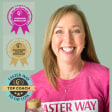
Amy Bryan
Multi-certified health and fitness coach for women over 50

Sarah Cormack
Using personalized nutrition to lose stubborn menopause weight, balance your hormones and help you look and feel like yourself again!

Jacqueline Lanoix
Beyond the Scale - Weight Loss for Women Over 50

Suzy Chase
Suzy Chase is redefining fitness and wellness — strong at 58, training for 80, powered by a GLP-1

Coach-Jim Hall
The G.O.A.T. — Always "The Guru of Alignment & Temperament", sometimes "The Grumpy Old Angry Trainer

Nikki Cleary
I help women 40+ lose weight, gain energy and balance their hormones without giving up wine or spending hours in the gym.


Kait Richardson
Helping women fuel their bodies so they can fuel their lives- at work, home, and everywhere in between!

Dean Walters
Getting older is inevitable; feeling older is optional.

Brita Doubroff
Empowering midlife women to thrive with confidence and clarity.
What Makes a Great Weight Loss after 50 Speaker
A great weight loss after 50 speaker weaves insights with clarity, but they also know how to drop those short, punchy lines that keep an audience alert. Then they expand on those ideas with deeper explanations, creating a rhythm that feels natural. They might reference well-known public figures who have gone through major lifestyle changes later in life or point to real-world research on healthy aging to make their message even more relatable.
The best speakers in this niche understand that their role is not to overwhelm people with data. Instead, they create a narrative that shows what is possible, even when life feels busy, complicated, or full of competing priorities. Their stories may draw from different cultures or regions, such as how Mediterranean-style routines differ from North American habits, or how communities in Japan integrate everyday movement.
Most importantly, a strong weight loss after 50 speaker meets listeners where they are. They recognize that someone in a rural setting might face different obstacles than someone in a large metro area, or that a busy entrepreneur needs a different strategy than a retired individual. This adaptability makes their message feel tailored rather than generic.
By the end of a talk, the audience should feel like the speaker has walked alongside them for the past hour, even if they just met. That kind of rapport is what transforms a decent speaker into a memorable one.
How to Select the Best Weight Loss after 50 Speaker for Your Show
1. Define your audience profile.
- Think about age ranges, activity levels, regions, and even challenges like time constraints or chronic conditions.
- Use this info to create a short speaker brief you can reference.
2. Explore platforms like Talks.co.
- Search for weight loss after 50 speakers who already have a speaker page that showcases their topics, videos, past shows, and host reviews.
- Look for speakers who naturally align with your show's tone, whether conversational, energetic, or research-driven.
3. Evaluate their speaking materials.
- Watch clips, listen to podcast guest appearances, or check virtual summit sessions.
- Look for clarity, confidence, and whether they explain complex ideas simply.
4. Check their engagement approach.
- Do they encourage practical action steps?
- Do they offer examples that span different demographics, such as busy professionals, retirees, or multicultural households?
5. Reach out with a tailored message.
- Reference the specific angle you want and how their expertise ties into it.
- This not only makes you stand out but also increases your chance of getting a yes.
Using these steps, you give yourself a much higher chance of finding a guest who complements your content, keeps listeners hooked, and elevates your show in the process.
How to Book a Weight Loss after 50 Speaker
1. Start with a focused search.
- Use platforms like Talks.co to browse available speakers with verified profiles.
- Review their topics, previous interviews, and audience types.
2. Prepare your show details.
- Create a short outline that includes your preferred recording dates, interview length, format, and any specific themes.
- Speakers appreciate straightforward details, and you get quicker confirmations.
3. Send a personalized request.
- Share why you believe they are a strong fit.
- Highlight your audience demographics and how the conversation could serve them.
4. Confirm logistics.
- Discuss tech setups, such as recording software or virtual studio links.
- Clarify expectations for promotional assets, whether they want questions in advance, and how the episode will be distributed.
5. Finalize through the speaker page.
- Using a platform like Talks.co lets both sides lock the booking, manage communication, and access media files in one place.
This process mirrors some of the principles mentioned in the section on selecting a great weight loss after 50 speaker, but here the focus is on smooth execution. Once everything is confirmed, you can shift your attention toward preparing a standout interview that gets the most from your guest.
Common Questions on Weight Loss after 50 Speakers
What is a weight loss after 50 speaker
In many cases, a weight loss after 50 speaker draws from public research on healthy aging, well-known health influencers, or global trends in active longevity. Their goal is to simplify concepts that often feel overwhelming, such as shifting body composition, inflammation, or sleep quality. They translate science into actionable steps.
These speakers often address audiences through podcasts, summits, webinars, corporate wellness events, and virtual conferences. Whether the listeners are from urban business hubs or rural communities with different access to resources, the speaker tailors their insights so they remain practical.
What sets these speakers apart is their specialization. They focus on the intersection of age, lifestyle, and sustainable habits, which requires a different approach from general health or fitness speaking. Their content typically spans nutrition frameworks, strength movement methods, habit-building, and strategies that support long-term health.
By offering clarity on topics that many people find confusing or contradictory, a weight loss after 50 speaker becomes a guide who helps audiences cut through noise and take meaningful action.
Why is a weight loss after 50 speaker important
The guidance they offer often addresses physiological shifts that are widely discussed in public health research, such as muscle loss, insulin resistance, joint changes, or sleep disruptions. By explaining why these changes happen, the speaker gives people a clearer path for adjusting their habits. This knowledge empowers audiences who might otherwise feel stuck.
Another reason these speakers are so valuable is that they bridge gaps in information access. Someone living in a major city might have gyms and nutrition services everywhere, while someone in a smaller community might rely entirely on online content. A weight loss after 50 speaker provides structured and accessible strategies for both.
These speakers also contribute to the growing global movement toward active aging. Whether you look at trends in Europe, Asia, or North America, there is rising interest in not just living longer but living well. Speakers help translate that trend into real-world practices.
Ultimately, a weight loss after 50 speaker serves as a guide who helps audiences understand their changing bodies, adopt relevant habits, and maintain confidence at a stage of life that can feel unpredictable.
What do weight loss after 50 speakers do
They also create practical frameworks. These can include nutrition strategies tailored to different cultural or regional eating patterns, strength-focused routines that can be adjusted for beginners or experienced individuals, or lifestyle modifications for people with busy schedules. Speakers often design their content to work for diverse settings, from corporate offices to online workshops.
In addition, weight loss after 50 speakers support mindset development. Many listeners bring a long history of dieting frustrations or inconsistent fitness habits. Speakers address the psychological side of behavior change by offering tools for consistency, motivation, and self-awareness.
These experts also collaborate with event hosts, podcast creators, and virtual summit organizers. They contribute interviews, training sessions, or keynote-style content that elevates the educational value of the event. As noted in the booking section, they often provide media kits, topic outlines, and promotional resources.
Overall, weight loss after 50 speakers guide audiences through science-backed strategies, teach practical habits, and adapt their messaging to different environments so people can take meaningful action at any age.
How to become a weight loss after 50 speaker
1. Clarify your core message. Get specific about the transformation you help people create. For example, you might focus on metabolism shifts after 50, strength training for longevity, or sustainable nutrition for later life. The clearer your message, the easier it is for hosts on platforms like Talks.co to understand where you fit.
2. Build a speaker page. Create a page on Talks.co or your own site with a bio, talk titles, audience takeaways, and a short intro video. Hosts selecting guests want quick proof that you speak confidently about a focused topic.
3. Develop signature talks. Create two or three talk outlines that solve common challenges for people over 50. For instance, one talk might help busy professionals build a routine in under 20 minutes a day. Another might address health setbacks like hormonal changes or joint limitations.
4. Collect early testimonials. You can start by speaking in community groups, online summits, wellness podcasts, or regional events. Ask organizers for feedback you can feature on your speaker page.
5. Pitch yourself consistently. Use Talks.co to connect with hosts who match your niche. Also reach out to event planners in healthcare, corporate wellness, and senior lifestyle communities. Send short, targeted messages that highlight why your topic matters.
6. Keep improving your delivery. Record every talk. Analyze pacing, clarity, and engagement. Look at how well your message lands with audiences as varied as corporate staff, fitness groups, or local community centers.
7. Expand with collaborations. Partner with nutritionists, fitness coaches, or health brands to co-host sessions. This builds your reach and adds credibility as your platform grows.
What do you need to be a weight loss after 50 speaker
You do not need to be a medical professional, but you do need evidence-based content. Many successful speakers build their knowledge from certifications in fitness or nutrition, long-term coaching experience, or specialized study focused on midlife health.
Audiences, event planners, and summit hosts look for a speaker who explains why strategies change after 50, how to adapt routines, and what common misconceptions to avoid.
Communication skills matter just as much. You must be able to explain research in simple terms, break down habits into doable steps, and engage mixed audiences that may include beginners alongside more experienced health-conscious participants. Having a demo video on your Talks.co speaker page helps organizers quickly evaluate your style.
You also need a compelling speaker page. This usually includes a headline positioning your expertise, talk titles with clear outcomes, and short summaries that help hosts understand why your talk fits their theme. Platforms like Talks.co streamline this by giving you a space where hosts can easily discover and book you.
Finally, you need a network and a system for connecting with event organizers. Whether you connect through Talks.co, LinkedIn, or specialty wellness communities, consistent outreach helps you get booked and refine your message over time.
Do weight loss after 50 speakers get paid
Paid opportunities are more common in corporate settings, medical conferences, wellness retreats, and online summits that monetize through ticket sales or sponsorships. Unpaid opportunities often appear in community groups, local meetups, small podcasts, or early stage virtual events.
Pros of paid bookings include predictable income, higher perceived authority, and stronger positioning for future events. Cons include higher expectations from organizers, more detailed contracts, and the need for a polished delivery. Some speakers strategically mix unpaid and paid gigs to expand reach.
You will often see structure like this: paid keynotes for large conferences, mid range honoraria for professional associations, and smaller stipends or revenue share for niche virtual summits. On platforms like Talks.co, hosts may offer direct fees or promotional exchanges depending on their model.
How do weight loss after 50 speakers make money
Primary revenue sources often include: paid keynotes, corporate wellness sessions, breakout workshops, and sponsored talks. These formats work well because organizations increasingly invest in health programs for employees over 45, particularly in industries with sedentary work.
Secondary income sources include online courses, group coaching, membership programs, or digital downloads focused on metabolism, meal planning, or age specific training methods. Many speakers use talks as lead generation for these offerings.
Some speakers partner with wellness apps, supplement companies, or fitness equipment brands. These partnerships may generate affiliate commissions or flat sponsorship fees. This model is common in adjacent fields like nutrition and general fitness, and weight loss after 50 fits well into that ecosystem.
On platforms like Talks.co, speakers may also receive fees directly or secure visibility that leads to consulting work with organizations that want customized programs.
How much do weight loss after 50 speakers make
New speakers might earn between 0 and 500 USD for small virtual events. Mid level speakers with a strong niche message and a polished delivery often charge 1,000 to 5,000 USD for conference breakouts or corporate wellness sessions. Well known experts with books, podcast audiences, or strong social proof can command 7,500 to 20,000 USD per keynote.
Beyond direct speaking fees, the real earning potential comes from additional revenue streams. Many speakers generate more income from coaching programs, online courses, and consulting than from speaking alone. In some cases, a single corporate contract for a multi week training program pays more than several keynotes.
International markets also influence income. Speakers may earn higher fees in regions where wellness conferences receive strong sponsorship support, such as North America and parts of Western Europe.
How much do weight loss after 50 speakers cost
Costs increase if the speaker provides customized training, multi session workshops, or follow up materials such as workbooks or assessments. Large conferences with big audiences often allocate larger budgets, especially if the event is sponsored by health or wellness organizations.
Some events use revenue share models. Instead of a flat fee, the speaker receives a portion of ticket sales or summit profits. While unpredictable, this model can work well for speakers with strong promotional reach.
On booking platforms like Talks.co, cost ranges vary because some hosts request promotional swaps instead of fees. Event planners usually decide based on audience size, content depth, and whether the speaker brings a unique angle specific to people over 50.
Who are the best weight loss after 50 speakers ever
- Dr. David Katz. Known for public health leadership and evidence based lifestyle guidance.
- Dr. Michael Greger. Focuses on nutrition science and longevity with accessible explanations.
- Kathy Smith. A long time fitness educator recognized for programs tailored to midlife health.
- Dr. Christiane Northrup. Popular in women's wellness with an emphasis on hormonal and lifestyle shifts.
- Jillian Michaels. Known globally for fitness education with specific guidance for aging populations.
- Dr. Mark Hyman. Functional medicine specialist emphasizing metabolic health.
- Denise Austin. Wellness educator with decades of influence in fitness videos and midlife health content.
- Chris Crowley. Co author of the 'Younger Next Year' series with widely attended talks for older adults.
Who are the best weight loss after 50 speakers in the world
- Dr. Michael Greger. Highly influential globally through videos, books, and lectures on nutrition and healthy aging.
- Dr. Mark Hyman. Known for international speaking engagements on metabolism and functional wellness.
- Kathy Smith. Popular in both US and international fitness circles with programs supporting adults over 50.
- Dr. Rangan Chatterjee. UK based physician who speaks globally about lifestyle medicine relevant to weight and aging.
- Dr. David Sinclair. Recognized internationally for longevity science that intersects with metabolic health.
- Denise Austin. Long standing presence in global fitness with content tailored to older adults.
- Dr. Joel Fuhrman. Known worldwide for nutrition focused programs linked to sustainable weight loss.
- Pamela Peeke, MD. International speaker on integrative health and midlife transformation.
- Chris Crowley. Internationally known for engaging talks about active aging and weight management.
- Dr. Michael Mosley. UK based speaker known for fasting and metabolic health research relevant to older demographics.
Common myths about weight loss after 50 speakers
Another widespread belief is that weight loss after 50 speakers aim their message only at older adults. That assumption leaves out the growing number of corporate wellness departments, community health groups and hybrid virtual events that invite these speakers to help younger audiences understand long term metabolic health. When companies from tech hubs in Singapore to wellness resorts in Costa Rica bring in these speakers, their goal is often multigenerational learning. The idea that the message is only for those over fifty is too narrow.
A third misconception suggests that weight loss after 50 speakers promote one-size-fits-all programs. This ignores the clear shift toward personalization. Many speakers reference publicly available research from places like the Mayo Clinic or the Cleveland Clinic, showing how post-menopause shifts or muscle loss interact with lifestyle. Because of this, explanations often focus on frameworks rather than strict rules. Anyone assuming the speakers push rigid protocols will likely be surprised by how flexible and context driven the sessions actually are.
Another idea you might hear: that weight loss after 50 speakers avoid technology or analytics because their audience is older. This misses the reality that wearable data, app-based food tracking and strength training metrics are discussed in everything from community conferences to virtual summits. The integration of tech is pragmatic and helps audiences compare progress using simple indicators. Treating this as a low tech niche is simply inaccurate.
Finally, some people think these speakers only focus on medicalized approaches. Yet many combine mindset coaching, habit formation and cross cultural practices like Mediterranean or Japanese movement routines to support a broader perspective. Reducing their work to medical advice alone strips away the diversity of tools and strategies they regularly highlight.
Case studies of successful weight loss after 50 speakers
At another event, a national wellness conference, a former nurse turned weight loss after 50 speaker described how audiences often underestimate the role of strength training. Her way of presenting the topic felt almost cinematic. Short descriptions, vivid transitions and concise explanations of research. Even attendees from unrelated fields like SaaS sales or education stopped by afterward to ask about integrating her ideas into workplace wellness programs. The clarity of her communication helped her land virtual speaking engagements across multiple industries.
A different example involves a bilingual speaker who focuses on culturally relevant nutrition guidance. In her early days, she volunteered for rural community organizations, explaining concepts using familiar regional foods. That approach allowed her to expand into international webinars where she discussed practical ways to adapt meals without expensive ingredients. Her reach grew organically because she respected local traditions while offering realistic health strategies.
Then there is the corporate trainer who shifted into this field after noticing how many mid career professionals struggled with stress related weight changes. His talks combine metabolism science with productivity insights, and audiences appreciate how he bridges the gap between health and work performance. That blend helped him become a recurring guest for European remote work events.
Each of these speakers illustrates a different pathway. No single background defines success. What matters is clarity, relevance and the ability to translate evidence into meaningful steps for audiences with varied lifestyles.
Future trends for weight loss after 50 speakers
Another developing pattern is the rise of hybrid event models. Organizers in regions where travel is costly, such as parts of Africa or Latin America, are turning to livestreamed workshops blended with local facilitators. Weight loss after 50 speakers who can deliver high energy virtual sessions will become even more valuable.
A few notable trends include:
- *Integration with workplace wellness programs.* Companies searching for ways to support experienced employees will look for accessible speakers who can discuss metabolic health without overwhelming medical detail.
- *Localized nutrition guidance.* Instead of generic examples, audiences want region specific food strategies, whether that means Caribbean staples or Nordic meal patterns.
- *Cross discipline collaborations.* Expect more pairings with productivity coaches, physiotherapists or mental health experts so attendees get a more complete picture of long term wellness.
Also, global awareness of strength training for longevity continues to rise. Speakers who combine muscle focused education with realistic programming for different ability levels are likely to see higher demand. Shorter talk formats, micro workshops and on demand modules will likely shape how these speakers reach new audiences.
In other words, expect a move toward personalization, versatile delivery formats and more culturally responsive content. The speakers who adapt to these shifts will be the ones shaping the next wave of conversations around health after fifty.
Tools and resources for aspiring weight loss after 50 speakers
1. Talks.co. A useful podcast guest matching tool where you can connect with hosts who want credible health related speakers. Use it to refine your pitch and test different angles of your message.
2. PubMed. This database helps you stay current on metabolic research. Even beginners can use it by filtering for review articles that summarize findings.
3. Canva. Ideal for creating slide decks that feel clean and modern. Try using templates built for wellness presentations so your visual flow stays consistent.
4. Descript. Great for recording and editing short demo videos or practice talks. Having a few polished clips can make event organizers more confident in booking you.
5. Otter.ai. Helpful for transcribing practice sessions so you can tighten your phrasing and remove unclear sections.
6. Google Scholar. Useful for deeper dives into topics like sarcopenia or post menopause metabolic changes, especially when preparing for corporate or academic audiences.
7. Calendly. A simple way to streamline scheduling for discovery calls and podcast guest invitations.
8. Notion. Perfect for organizing your research notes, talk outlines and event details so your workflow stays organized.
These resources give you structure and visibility. With consistent use, you can refine your content, demonstrate credibility and connect with audiences who appreciate clear, grounded guidance about health after fifty.
