Witchcraft Speakers
You know that moment when a topic grabs your audience even before the session begins?
Witchcraft can do that, but finding the right witchcraft speakers is where things often get tricky.
You might be wondering who can cover the lore, the culture, the practices, and the misconceptions without slipping into theatrics or going too academic.
And how do you figure out which voices actually fit your event?
I've seen how organizers and hosts sort through endless bios trying to understand what each person truly brings to the table.
It gets overwhelming fast.
The good news is that strong witchcraft speakers usually share a mix of clarity, grounded knowledge, and a style that keeps listeners curious.
They can speak to tradition, modern practice, storytelling, identity, or spiritual frameworks, depending on what you need.
Whether you're running a podcast, a conference, a livestream, or a community event, you want someone who can explain topics in a way that feels accessible and real.
Below, you'll find a selection of witchcraft speakers who consistently deliver that balance.
Take a look and see who fits your format, or reach out to book someone for your event.
Top Witchcraft Speakers List for 2026

April Farrall
April Farrall The Modern mystic guiding women with the art of remembering your power through modern witchcraft and ritual
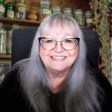
Ellen Irvine
I am the Crone Coach, I am an Empowered Witch and my mission is to help re-awaken women over 50 to the magic hiding inside them.
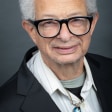
Samuel Abrams
Master your energy, protect your peace.
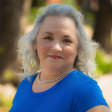
Lisa Giesler
Uncluttered and Finding joy and purpose in life's
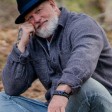
Koncious Compos Mentis
Become the art of seeing clearly, walking awake, and remembering the truth that has always lived within you.
Sarah Strong
Discover spiritual enlightenment and fun with Max - your guide to a more joyful, mindful, and expanded life!
Dr. Tanya English
Transforming grief into joy through music and intuitive healing

Patricia Wagner
Channeling divine insights to elevate your energy and purpose


Deborah Walker
Transforming speakers into storytellers, one powerful speech at a time
What Makes a Great Witchcraft Speaker
One thing you might notice is how the most captivating witchcraft speakers simplify complex ideas without watering them down. They offer explanations that feel real and grounded, weaving explanations of rituals, symbolism, and belief systems into a narrative that even beginners can follow. The flow feels natural. Nothing is forced. They speak from a place of knowledge that has depth and nuance, which builds trust fast.
Another powerful trait is their ability to honor different cultural backgrounds. Witchcraft has roots in regions across the globe, from European folk magic traditions to West African spiritual practices to Indigenous ceremonies. A great speaker approaches these topics with respect, acknowledging differences instead of lumping everything together. Audiences tend to feel more involved when this kind of awareness shows up in a talk.
Finally, the standout witchcraft speakers create an experience. Not with gimmicks, but with presence. Their words feel intentional. Their pacing keeps attention. You leave the session feeling like something shifted... even if you can't quite explain what. That kind of impact rarely comes from memorized lines. It comes from mastery, respect for the craft, and genuine connection with the audience.
How to Select the Best Witchcraft Speaker for Your Show
1. Define the purpose of the episode.
- Be specific about your angle. Are you focusing on history, modern practice, misconceptions, or regional traditions.
- Match this purpose with the speaker's area of expertise. For example, some specialize in Wiccan traditions, while others speak about Hoodoo, folk magic, or cultural interpretations of witchcraft.
2. Review their speaking footprint.
- Look at past interviews, workshops, or online sessions. Pay attention to clarity, pacing, and how well they connect with an audience.
- Check their Talks.co speaker page if they have one, since it often offers clips, topic lists, and reviews that can help you assess fit.
3. Evaluate credibility without gatekeeping.
- Witchcraft does not operate with a universal certification system, so credibility looks different here. It may come from years of study, cultural lineage, published work, or community recognition.
- Look for transparency. Credible speakers explain their background openly and avoid claiming authority over traditions that are not theirs.
4. Make sure their style matches your show's tone.
- Some witchcraft speakers thrive in conversational formats. Others excel at structured, lecture-style content.
- Think about your audience... beginners, enthusiasts, academics, or general listeners. The right fit depends on who will be tuning in.
5. Reach out with clarity.
- Hosts on Talks.co often do this by sending a concise message outlining the show's theme, the audience, and potential scheduling windows.
- Clear communication makes the selection process smoother and increases the chance the speaker will say yes.
How to Book a Witchcraft Speaker
1. Start by identifying the exact topic you want them to cover.
- Narrow your scope to avoid vague requests. For example, instead of asking for a broad 'intro to witchcraft', specify 'European folk magic practices' or 'modern interpretations of ritual tools'.
- This helps potential guests understand if they are the right person for the episode.
2. Search for suitable speakers.
- Use platforms like Talks.co to browse speaker pages, watch previews, and compare areas of expertise.
- You can also look at authors, workshop leaders, educators, or cultural practitioners who align with your topic.
3. Send a clear invitation.
- Your message should explain the format of your show, expected recording time, audience type, and any prep guidelines.
- Include a few example questions so they know what direction you are going. This gives them confidence that your show respects nuanced topics.
4. Confirm logistics.
- Agree on time zones, recording platforms, audio or video requirements, and any promotional expectations.
- If your show has materials or releases to sign, send them early so the guest never feels rushed.
5. Prepare for the session collaboratively.
- Share your outline and invite them to suggest additions or adjustments. Witchcraft can be a sensitive subject in some communities, so collaborative preparation helps with accuracy.
- As mentioned in How to Select the Best witchcraft speaker for Your Show, the more aligned you are before recording, the smoother the session will feel.
6. Follow up after recording.
- Send the episode link, promote them openly, and invite them back if the conversation resonated. These steps strengthen long term relationships and make future shows easier to plan.
Common Questions on Witchcraft Speakers
What is a witchcraft speaker
Some witchcraft speakers draw from academic research, exploring anthropology, comparative religion, or cultural history. Others focus on practical elements, offering insight into rituals, symbolism, seasonal practices, or community traditions. The approach varies depending on the speaker's background, but the goal is typically to clarify, inform, and bring greater awareness to a field that many people only know from pop culture.
It's also helpful to note that a witchcraft speaker is not the same thing as a practitioner, although many practitioners do speak publicly. Some speakers focus on educational clarity, while others share lived perspectives from within specific traditions. What ties them together is their ability to communicate clearly with audiences who may have very different levels of familiarity with the topic.
Because witchcraft is interpreted differently across cultures, a witchcraft speaker often addresses misconceptions and helps listeners understand context. They may reference historical events, regional customs, or modern adaptations to show how varied the practice can be. This kind of explanation helps audiences move beyond stereotypes and into more accurate understanding.
Why is a witchcraft speaker important
A witchcraft speaker also helps reduce confusion for listeners who may be curious but unsure where to start. By breaking down terminology, history, and widely used practices, they give people a foundation that feels approachable instead of intimidating. This is useful whether your audience is new to the topic or already familiar with spiritual or alternative traditions.
For hosts, the presence of a knowledgeable witchcraft speaker can elevate an episode. The conversation becomes richer, more grounded, and more accurate. Events like virtual summits, interviews, or themed series often benefit from someone who can articulate subtleties instead of glossing over them.
In broader cultural contexts, witchcraft speakers contribute to understanding across regions and belief systems. Their explanations can address misunderstandings around spiritual practices found in Europe, the Caribbean, Indigenous communities, or contemporary circles. When handled carefully, their guidance helps audiences approach the topic with respect and curiosity rather than stereotypes.
What do witchcraft speakers do
One core part of their role is education. This can include clarifying regional traditions, discussing historical roots, or explaining modern adaptations. For example, a witchcraft speaker might compare European folk magic with Afro Caribbean practices to highlight differences in belief systems, tools, and symbolism. These explanations help listeners understand the diversity within the field.
They also serve as guides for navigating sensitive topics. Witchcraft intersects with religion, culture, and identity, so speakers help audiences understand what terms mean, why certain practices exist, and how to approach them respectfully. Their ability to communicate nuance often determines how well a conversation lands.
Finally, witchcraft speakers contribute to discussions by offering frameworks that help audiences think independently. They might share decision making insights, practical examples, or historical context that encourages listeners to reflect. Whether the platform is a podcast, a summit, or an educational event, their role centers on clarity, communication, and thoughtful guidance.
How to become a witchcraft speaker
1. Clarify your focus.
- Identify what part of witchcraft you want to speak on, such as historical witchcraft studies, modern pagan practices, folklore, spiritual psychology, or spellcraft traditions.
- Use subtopics to position yourself clearly, because event hosts look for specificity.
2. Build your knowledge base.
- Create a consistent habit of research using books, academic journals, and well known practitioners.
- Consider joining communities, both online and offline, to understand how audiences discuss the topic.
- Document your insights so you can turn them into talks later.
3. Create signature talks.
- Develop at least two talks: one educational talk and one storytelling or experience driven talk.
- Keep them modular so you can tailor them for universities, festivals, spiritual conferences, or podcasts.
4. Build your speaker page.
- Use platforms like Talks.co to create a free speaker profile with your bio, talk titles, topics, and availability.
- Add a short intro video, because hosts appreciate getting a preview of your stage or on camera presence.
5. Start connecting with hosts.
- Look for event planners, podcast hosts, summit creators, and workshop organizers.
- Reach out with a concise message, your speaker page link, and a suggestion for a talk their audience would appreciate.
6. Gather testimonials and refine.
- After each speaking opportunity, ask the host for a short testimonial.
- Add those to your speaker page and update your talk descriptions to reflect what resonated most with audiences.
Follow these steps consistently and you will build steady momentum as a witchcraft speaker.
What do you need to be a witchcraft speaker
First, you need a strong foundation in your subject. That does not mean you must be a historian or a high profile practitioner. It means you can explain your topic clearly, with evidence, context, or practical insight. Some speakers specialize in folklore traditions, while others focus on modern Wicca or cross cultural perspectives. The key is clarity.
Second, you need the ability to communicate with different types of audiences. A local bookstore crowd may want a conversational talk, while an academic conference expects structured analysis. Practicing with video recordings, small events, or online workshops helps you refine your delivery. This is where your unique voice shows up.
Third, you need a professional platform so hosts can discover you. A speaker page on Talks.co works well because it consolidates your bio, topics, testimonials, and availability in one place. Hosts want easy booking, and a central profile builds confidence.
Finally, it helps to have supporting materials. A high resolution headshot, a talk outline, and a short intro video demonstrate readiness. Many successful speakers in niche fields build credibility by sharing content across a variety of mediums, including blogs, audio interviews, or short educational clips.
When you combine expertise with clear communication and a simple professional setup, you are ready to start booking opportunities and connecting with hosts.
Do witchcraft speakers get paid
In community based events such as local metaphysical shops or small festivals, speakers often receive modest stipends or free booth space rather than a full speaking fee. However, larger spiritual conferences, academic symposiums, and online summits may provide standard honorariums similar to other niche subject speakers.
Several factors influence payment:
- Event budget.
- Speaker's reputation.
- Whether the talk is educational, experiential, or performance based.
- Travel requirements.
Industry comparisons show that niche cultural speakers generally fall into mid or lower fee brackets unless they are high visibility authors, scholars, or practitioners. Still, as virtual events expand and platforms like Talks.co enable easier host to speaker connections, more organizers are offering paid slots.
Overall, witchcraft speakers do get paid, but the consistency increases once the speaker has a clear brand, specific expertise, and a proven track record.
How do witchcraft speakers make money
Most witchcraft speakers combine these revenue sources:
- Paid speaking engagements at festivals, conferences, cultural events, and educational institutions.
- Workshops or classes, often delivered online through platforms such as Zoom or in person at spiritual centers.
- Book sales, particularly if the speaker has authored guides on practices, history, or rituals.
- Consulting for media, museums, or authors developing witchcraft related content.
- Selling digital products such as courses, ebooks, or guided audio sessions.
Comparatively, speakers in mainstream business or tech fields rely heavily on corporate events. Witchcraft speakers tend to blend education, storytelling, and experiential teaching, which opens more diverse income streams. As mentioned in the section on becoming a speaker, a well built speaker page on Talks.co helps centralize requests and convert interest into paid bookings.
When combined, these revenue sources create a balanced income model that scales with credibility and visibility.
How much do witchcraft speakers make
Entry level speakers may receive 0 to 150 USD for community events. Mid tier speakers, especially those with published work or established online presence, might earn 300 to 1,000 USD per talk. Well known figures in pagan studies or folklore can command 1,500 USD or more, particularly at large festivals or international conferences.
A comparison of fee ranges:
- Local metaphysical shops: 0 to 150 USD.
- Regional festivals: 200 to 600 USD.
- Spiritual or folklore conferences: 500 to 2,000 USD.
- Academic events: 150 to 1,500 USD.
These earnings often increase when combined with workshops or book sales. As virtual events through platforms like Talks.co grow, more hosts allocate budgets for niche experts, increasing overall earning potential.
How much do witchcraft speakers cost
For small stores, libraries, or grassroots events, speakers may cost 50 to 500 USD. These events often focus on community education or intimate discussion. Mid sized festivals tend to offer 300 to 1,000 USD for a single session. Large conferences focused on pagan studies, folklore, or cross cultural spirituality may pay 1,000 to 3,000 USD for a keynote.
Price ranges usually align with these categories:
- Single talk: 150 to 800 USD.
- Half day workshop: 300 to 1,200 USD.
- Full day involvement: 600 to 3,000 USD.
Virtual events typically cost less because there is no travel involved, although well known speakers may still charge full rates. Hosts using Talks.co can evaluate pricing more easily because speaker profiles often include fee guidelines, making budgeting more predictable.
Who are the best witchcraft speakers ever
- Gerald Gardner: Known for public work connected to the rise of modern Wicca.
- Margot Adler: NPR journalist and author recognized for exploring neo paganism.
- Doreen Valiente: Often called an influential voice in early modern witchcraft writing.
- Starhawk: Environmental activist and author who speaks frequently on earth based spirituality.
- Raymond Buckland: Popular author and lecturer who helped spread Wiccan practices in North America.
- Ronald Hutton: Academic historian known for lectures on witchcraft history.
- Laurie Cabot: Public figure and speaker who presented witchcraft as a contemporary spiritual path.
- Silver RavenWolf: Writer and speaker on modern witchcraft and teen paganism.
Each of these figures contributed to the topic through speeches, books, and public education.
Who are the best witchcraft speakers in the world
- Starhawk: Frequently invited to international events on spirituality and activism.
- Ronald Hutton: A respected academic who speaks globally about the history of witchcraft.
- Phyllis Curott: Lawyer and spiritual teacher known for cross cultural witchcraft presentations.
- Christopher Penczak: A widely read author on modern pagan practices who teaches workshops internationally.
- Judika Illes: Author of encyclopedic works on spells and magical traditions, often featured at major events.
- Devin Hunter: Speaker and podcaster known for contemporary witchcraft teachings.
- Jason Mankey: Festival and conference speaker focused on pagan history and practice.
- Sorita d'Este: Researcher and speaker on mythology and magical traditions.
These speakers reach large audiences through a mix of in person events, digital platforms, and global tours.
Common myths about witchcraft speakers
1. Myth: Witchcraft speakers only talk about spells and rituals. Many assume the content is limited to cauldrons, incantations, or pop culture stereotypes. The reality is much wider. Modern witchcraft speakers often cover personal empowerment, cultural heritage, ethical frameworks in magical practice, community building, and the historical evolution of esoteric traditions. Speakers like Juliet Diaz and Pam Grossman, for example, frequently blend spirituality with creative expression, social commentary, and psychological insights.
2. Myth: All witchcraft speakers promote a single belief system. This misconception overlooks the diversity within spiritual and magical practices. Witchcraft has branches across regions and cultures, such as Wicca, folk magic, Afro-Caribbean traditions, and contemporary eclectic paths. A witchcraft speaker might focus on academic history, another on modern lifestyle integration, and another on decolonizing spiritual practice. Treating the field as monolithic ignores the range of perspectives.
3. Myth: Witchcraft speakers rely on sensationalism to stay relevant. Some people imagine that audiences only show up for theatrics. Yet, many of the most respected speakers succeed by doing the opposite... grounding topics in research, cultural context, and practical application. Universities, cultural festivals, business creativity conferences, and wellness summits often invite witchcraft speakers specifically because they offer grounded frameworks for intuition, decision making, and alternative worldviews.
4. Myth: Witchcraft speakers avoid data or intellectual rigor. You might hear claims that these talks can't coexist with academic or scientific thinking. In practice, plenty of speakers connect magic with anthropology, psychology, feminism, ecology, or mythology. They use verifiable research to frame their sessions, making the content accessible to skeptics and newcomers.
Altogether, the biggest misunderstanding is assuming witchcraft speakers all teach the same thing. Once you explore the field, the diversity becomes impossible to ignore.
Case studies of successful witchcraft speakers
Then consider a speaker who built a following through podcast interviews long before headlining events. They used the conversational format to break down witchcraft concepts in an accessible way, speaking to audiences that ranged from tech professionals to wellness communities. The storytelling flowed naturally: short, vivid descriptions of ancient practices paired with longer reflections on how modern individuals use ritual to navigate stress and uncertainty. This format helped them transition from niche circles to global stages.
Another example comes from speakers who lean heavily into cultural context. One presenter from Latin America shares narratives rooted in family heritage, regional folk magic, and community traditions. Their style mixes descriptive scenes of ceremonies with explanations of how those practices influence identity today. This narrative approach stands out because audiences get to experience something immersive rather than a simple lecture.
And of course, there are witchcraft speakers who succeed by blending creativity with scholarship. These individuals tell stories through art, poetry, or myth reinterpretation. Their talks often begin with a quiet moment or a single question... then unfold into layered descriptions of how symbolism shapes belief. It is a style that pulls the audience in and keeps them engaged without relying on drama.
Across these cases, the common thread is narrative depth. Every successful witchcraft speaker finds a way to make their story feel alive while still offering structure and clarity.
Future trends for witchcraft speakers
More event organizers are paying attention to the intersection of spirituality and mental wellness. This means witchcraft speakers who can connect ritual with stress reduction, emotional processing, or community building may see more demand from wellness conferences and corporate retreats. Short, actionable segments resonate particularly well in hybrid and remote events.
Digital spaces are also opening doors. Virtual summits, online course marketplaces, and interactive livestreams enable speakers to reach global audiences without geographic limitations. Some speakers are experimenting with virtual reality settings for guided ritual experiences or historical recreations. That approach blends performance with education in a way that could gain traction.
A few trends worth watching include:
- Broader representation of global folk magic traditions.
- Cross industry collaborations, such as partnerships with artists, therapists, or historians.
- Increased demand for speakers who emphasize ethics, cultural sensitivity, and decolonized perspectives.
- Tech driven formats, like AI assisted ritual planning tools or augmented storytelling.
The shift is not about making witchcraft flashy... it is about making it accessible, thoughtful, and relevant to modern audiences. Speakers who embrace experimentation while staying grounded in authentic knowledge will likely stand out.
Tools and resources for aspiring witchcraft speakers
1. Talks.co. A podcast guest matching tool that helps you get booked on relevant shows. It is a practical way to build credibility and practice articulating your ideas in front of new audiences.
2. Canva. Great for designing slides, workshop materials, social graphics, or downloadable guides. Templates can help you keep a consistent look while focusing on your content.
3. Otter.ai. Useful for transcribing practice sessions or live presentations. Reviewing your transcripts helps you refine pacing, clarity, and audience engagement.
4. JSTOR. An excellent source for academic research on anthropology, folklore, mythology, and cultural studies. Perfect for speakers who want to ground their material in credible research.
5. YouTube Studio. A simple way to build a channel where you share short teachings, rituals, or Q and A clips. Over time, this creates a content library event organizers can reference.
6. Podchaser. Ideal for tracking which podcasts align with your niche. You can analyze hosts, audience types, and past guests to find the best fit for outreach.
7. Meetup. A platform to test topics by hosting small virtual or in person gatherings. It gives you a chance to refine your delivery and connect with local or global communities.
8. Zoom. Still one of the most reliable tools for paid workshops and virtual masterclasses. The breakout room feature works especially well for interactive spiritual or reflective exercises.
Used together, these tools help you strengthen your presence, deliver smoother presentations, and reach audiences who genuinely appreciate your perspective as a witchcraft speaker.
