Womens Health Speakers
You know that moment when you're sorting through speaker options and none of them quite fit what your audience needs?
It gets even trickier when you're looking for womens health speakers who can talk about real issues with clarity and care.
And the question pops up fast... how do you find someone who brings expertise without going over people's heads?
You might be sorting through names, backgrounds, and topics, trying to figure out who can deliver a talk that actually connects.
I've seen how much difference the right speaker makes, especially when the subject touches everyday concerns, personal well being, and medical insight.
Womens health speakers tend to blend professional experience with a calm, practical communication style, and that combination is what many organizers want.
Here, you'll get a clear sense of what these speakers typically cover, why their perspective matters, and how to pick someone who fits your event format, whether it's a conference, online summit, podcast, or a small community session.
If you're aiming for a talk that feels thoughtful, grounded, and genuinely useful for your audience, you're in the right place.
Take a look through these featured womens health speakers and find someone who can bring the conversation your event needs.
Top Womens Health Speakers List for 2026
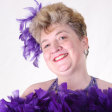

Sarah Cormack
Using personalized nutrition to lose stubborn menopause weight, balance your hormones and help you look and feel like yourself again!


Kathy Baldwin
Empowerment by Unlearning the Crap: Leading Minds, Inspiring Souls for Collective Growth

Nathalie Belanger
Empowering women to navigate the menopause minefield with technology and community.

Roger Hawkins
Wellness Educator and Coach Empowering Seniors to Thrive With Vitality and Purpose

Kait Richardson
Helping women fuel their bodies so they can fuel their lives- at work, home, and everywhere in between!

Rusty Alexandra Ferrel
Empowering postmenopausal women to thrive with vitality and confidence

Tameka Citchen-Spruce
Inspiring change, one voice at a time.

Cornelia E. Davis, MD
Lead boldly, inspire change, ignite passion.
What Makes a Great Womens Health Speaker
Imagine someone who blends medical insight, lived expertise, and a clear respect for the diverse ways women navigate health issues. Not hypothetical stories, but relatable scenarios drawn from real public conversations, research, and well known figures in women's advocacy. A great womens health speaker can explain why hormonal health affects everything from sleep to productivity, then pivot into practical steps that someone can use the same day. This is what gives their message staying power.
Small details also matter. Clear pacing. A mix of short punchy statements and longer reflective points. A willingness to acknowledge different backgrounds, whether the audience is from rural communities, global corporate teams, or first time wellness groups. When a womens health speaker consistently centers clarity and empathy, they earn trust quickly.
And finally, great speakers know when to challenge the room. Not aggressively, but with grounded questions that encourage listeners to rethink assumptions. This kind of balance makes the difference between a talk that fades an hour later and one that lingers for months in decision making, habits, and conversations.
How to Select the Best Womens Health Speaker for Your Show
1. Identify the core outcome you want.
- Are you looking for someone to cover nutrition, reproductive health, workplace wellness, or broader women's empowerment topics.
- Define the depth you want... beginner friendly education, expert level analysis, or something in between.
2. Review a speaker's digital footprint.
- Look at their Talks.co profile or any speaker page they use to highlight their topics.
- Scan past interviews to see if their communication style matches your show's pacing.
- A good indicator is whether they can turn complex topics into clear explanations without oversimplifying.
3. Match their experience to your audience.
- For corporate shows, speakers with backgrounds in organizational wellness or leadership may resonate.
- For lifestyle or health oriented platforms, practitioners or educators with practical frameworks often deliver best.
4. Evaluate engagement style.
- Some womens health speakers use research heavy explanations.
- Others rely on conversational coaching style delivery.
- Choose someone whose tone complements your brand rather than competes with it.
5. Confirm availability and communication responsiveness.
- As you begin to reach out, pay attention to how quickly they respond and how clear they are. Smooth communication early on usually predicts a reliable guest experience.
Following these steps protects you from inviting someone who simply sounds impressive on paper but lacks the right fit for your show. It helps you get a speaker your audience will enjoy and remember.
How to Book a Womens Health Speaker
1. Start with a shortlist.
- Build a small list of womens health speakers you found on Talks.co, social platforms, or trusted recommendations.
- Focus on those with talk titles or topic descriptions that already align with your content theme.
2. Reach out with a clear message.
- Your first message should include your show's name, your audience type, proposed dates, and why you think they are a good match.
- Shorter is usually better... clarity gets faster replies.
3. Discuss expectations early.
- Confirm the talk topic, interview structure, and any prep call you might need.
- If your show uses specific technology or platforms, share access details right away.
4. Finalize logistics.
- Set a recording date.
- Confirm time zones.
- Share any promotional materials or links you need from them.
5. Use a simple agreement.
- Even for unpaid interviews, a short confirmation email outlining everything keeps both sides aligned.
- Mention deadlines, delivery formats, and promotional plans so nothing gets missed.
This streamlined approach is similar to what hosts use when they connect with guests through Talks.co, and it keeps the booking process smooth while setting the speaker up for a successful session.
Common Questions on Womens Health Speakers
What is a womens health speaker
Some womens health speakers come from clinical backgrounds, such as medicine, psychology, or nutrition. Others specialize in coaching, public education, advocacy, or research. What unites them is their ability to translate health concepts into plain language while still respecting scientific accuracy.
These speakers often address topics like reproductive health, menopause, hormone balance, chronic conditions that disproportionately affect women, and the social dynamics that influence access to care. They also break down how health intersects with work, lifestyle, culture, and personal identity.
Their goal is not only to inform, but to help audiences navigate everyday decisions with more clarity. Whether speaking at conferences, online summits, podcasts, or corporate wellness events, a womens health speaker creates pathways for better understanding and proactive wellbeing.
Why is a womens health speaker important
In many regions, access to accurate health information varies widely. A womens health speaker helps level the playing field, offering practical explanations that people can use regardless of background. They discuss everything from menstrual health to mental resilience to workplace wellness policies that affect women differently than men.
Their work also supports organizations navigating diversity and inclusion initiatives. For example, a global company might bring in a womens health speaker to educate leadership teams on how menopause affects employee performance or how uneven caregiving responsibilities influence stress. These insights encourage smarter policies and healthier work cultures.
Ultimately, a womens health speaker makes conversations more open and informed. Their guidance helps audiences make more confident decisions, whether the setting is a university classroom, a virtual event, or a large industry conference.
What do womens health speakers do
They create talks that explain issues such as menstrual cycles, fertility, hormonal shifts, nutrition, mental health, pregnancy, and menopause. These sessions often include practical steps or frameworks that people can use immediately, whether the audience is made up of team leaders, educators, community groups, or individuals interested in health.
Many womens health speakers also collaborate with organizations to design tailored content. For instance, a speaker might build a session for a technology company focused on stress patterns among women in high pressure roles. Another might support a healthcare nonprofit with educational seminars targeted at low resource communities.
They also contribute to media interviews, online summits, podcasts, and virtual events, helping hosts create informative conversations. As mentioned in the section on selecting a speaker, their digital presence often includes videos, articles, or speaker pages that highlight their expertise.
In short, womens health speakers turn complex health information into relatable, actionable guidance for audiences of all sizes and backgrounds.
How to become a womens health speaker
1. Define your core womens health message.
- Get clear on the topics you can speak about with confidence. Womens health is broad, so choose something specific like hormone health, reproductive rights, maternal health, mental wellness, or nutrition. The more specific your lane, the easier it becomes for event hosts to understand exactly where you fit.
- Check what similar speakers list on their speaker pages so you can position your expertise in a way that stands out.
2. Build signature talks.
- Create 1 to 3 go to presentations with clear outcomes for the audience. For example, you could craft a keynote on navigating perimenopause in the workplace or a workshop on preventative care for busy professionals.
- Add short descriptions and bullet point takeaways... these help platforms like Talks.co and event organizers quickly assess your fit.
3. Create your speaker page.
- A speaker page functions like a storefront. Include your bio, topics, past appearances, testimonials, and your contact method. Platforms like Talks.co make it easy for hosts and guests to connect, which speeds up the booking process.
- Add links to your videos, interviews, or podcasts so hosts can get a sense of your delivery style.
4. Build credibility by showing up in existing conversations.
- Pitch yourself to podcasts, summits, virtual events, and local community groups. Womens health is a growing topic across wellness, business, and lifestyle niches, so you can appear in many settings.
- Look for events that have previously featured womens health speakers and reach out to the organizers.
5. Start connecting with event hosts.
- Use directories, social media, and event platforms to build relationships. Hosts love easy collaboration, so keep your materials well organized.
- Once you have a few wins, list them on your speaker page so future hosts see immediate proof that you are a reliable choice.
What do you need to be a womens health speaker
First, expertise matters. This can come from academic training, certifications in fields like nutrition or fitness, clinical experience, research, writing, or work in advocacy and policy. Some womens health speakers focus on lived experience, while others bring a science or industry background. As long as you can confidently teach or inform an audience, your expertise is valid.
Second, you need communication tools. This includes presentation skills, clear messaging, and the ability to adjust your language depending on who you are speaking to. For example, a talk for corporate HR teams may focus on workplace considerations, while a community health event might focus more on access, education, and practical daily habits.
Third, you need supporting materials. A speaker page is the anchor because it shows who you are, what you speak about, and how hosts can book you. Platforms like Talks.co simplify this by letting you list your topics, upload media, and get discovered by event hosts looking for womens health speakers.
Fourth, visibility helps you grow faster. Most speakers gain early traction by appearing on podcasts, summits, webinars, and local events. Hosts often search by topic, so including clear keywords on your speaker page and profiles helps you get matched.
Finally, you need a reliable way to connect and collaborate with hosts. Whether you use email, social media, or a booking platform, make the process simple. Event organizers appreciate womens health speakers who respond quickly and make logistics easy.
Do womens health speakers get paid
In many cases, womens health speakers are paid when presenting at corporate wellness programs, healthcare conferences, or professional associations. These events typically have budgets allocated for expert speakers. Community events or grassroots advocacy organizations may have limited funding, so compensation may be minimal.
There are a few variables that shape whether payment is offered at all:
- Event type: Corporate events usually pay, community events often do not.
- Region: Conferences in North America and Western Europe tend to pay more than events in smaller markets.
- Expertise level: Medical professionals, researchers, and well known authors often command higher fees.
- Audience size: Larger events typically allocate funds for high quality speakers.
Some womens health speakers choose unpaid opportunities early on to build credibility, gather testimonials, and grow their speaker pages. Over time, as demand builds, paid opportunities become more frequent.
How do womens health speakers make money
One major source is keynote and workshop payments. Healthcare organizations, HR departments, wellness companies, and educational institutions regularly host events centered on womens health. They often pay speakers to deliver tailored sessions or lead interactive workshops.
Another method involves product or program sales. Many womens health speakers offer coaching programs, online courses, books, or health tools. After a talk, audiences are often eager to dive deeper, creating a natural path to additional revenue.
Partnerships and brand collaborations also contribute. Companies in wellness, fitness, nutrition, and mental health sometimes pay speakers to educate their audiences or participate in campaigns.
Additional revenue streams include:
- Paid virtual summits.
- Consulting for companies seeking womens health insights.
- Recurring contracts with organizations that want ongoing educational sessions.
Platforms like Talks.co help by connecting speakers with hosts, making it easier to find monetizable opportunities.
How much do womens health speakers make
On the lower end, beginner speakers might earn between 200 and 1000 dollars per event, especially for local or virtual programs. Mid level speakers with established expertise, published work, or frequent media appearances often earn 1500 to 5000 dollars per speaking engagement.
At the higher end, well known womens health speakers, including authors, medical professionals, and major advocates, may earn 10,000 to 25,000 dollars or more per keynote. High profile global speakers sometimes go beyond that, especially for corporate or government events.
Additional earnings from consulting, courses, brand partnerships, and ongoing contracts can significantly increase annual income. A diversified approach usually leads to more predictable revenue.
How much do womens health speakers cost
For small community events or virtual summits, fees often range from free to around 500 dollars. Regional conferences or mid sized organizations might pay between 1000 and 5000 dollars for an experienced womens health speaker.
Corporate events, healthcare symposiums, and major conferences typically pay more. These events often allocate budgets ranging from 5000 to 20,000 dollars for high credibility speakers.
Cost drivers include:
- Travel requirements.
- Custom content creation.
- Level of expertise or credentials.
- Whether the speaker has significant media visibility.
Event hosts often browse speaker pages on platforms like Talks.co to compare options before setting a budget.
Who are the best womens health speakers ever
Dr. Christiane Northrup, recognized for her work on women's wellness and holistic health perspectives.
Brene Brown, widely followed for her insights on vulnerability and mental wellbeing, often speaking on issues related to women's emotional health.
Dr. Jen Gunter, a prominent voice in evidence based womens health.
Gloria Steinem, influential in reproductive rights and women's empowerment conversations.
Anita Hill, frequently speaking on workplace rights, harassment, and women's wellbeing in professional settings.
Jane Fonda, long time advocate for women's health, aging, and movement.
Who are the best womens health speakers in the world
Dr. Lara Briden, recognized internationally for her hormone health expertise.
Dr. Pooja Lakshmin, a psychiatrist whose work focuses on women's mental health and systemic pressures.
Dr. Nighat Arif, a global advocate speaking on women's health access and education.
Jessamyn Stanley, widely respected for her inclusive voice in body positivity and women's physical health.
Dr. Ghada Karmi, known for speaking on women's health in complex global contexts.
Dr. Kimberly Miller, a workplace wellbeing expert frequently addressing women's health in organizational settings.
Common myths about women's health speakers
Another myth suggests that women's health speakers need to be medical doctors to be considered credible. While medical professionals absolutely contribute valuable expertise, the field is broader than that. Public health researchers, fitness educators, mental health advocates, nutrition specialists, and data analysts often bring insights backed by peer-reviewed studies or long-term program results. Think of well-known advocates who are not physicians yet influence global health policies through research summaries or community-based impact data.
A third misconception frames women's health speakers as focusing solely on reproductive issues. Anyone who has listened to talks on cardiovascular disease in women, autoimmune disorders, or gender differences in clinical trials understands how incorrect this is. Many speakers dive into underreported areas like the effect of environmental toxins on women in rural regions or how stress manifests differently across cultures. That wide scope is exactly what organizers seek when addressing public health gaps.
There is also a persistent assumption that audiences only respond to speakers who share similar identities or lived experiences. Real-world events show that this is not always the case. Corporate audiences in Asia, nonprofit teams in Europe, and university groups in the United States often respond strongly to speakers who deliver data clearly, offer usable steps, and communicate with empathy, regardless of background. In other words, effectiveness is more about delivery and evidence than demographics.
One more idea worth challenging is the notion that women's health speakers focus too much on problems and not enough on solutions. Many leaders in this space use a balanced approach that highlights actionable steps such as workplace accommodations, nutrition templates adapted for local diets, and screening protocols tailored to different risk groups. The solutions are often layered, practical, and grounded in real research, making this myth particularly easy to dismantle.
Case studies of successful women's health speakers
In another scenario, a speaker focused on workplace wellness shares a story about a mid sized tech company looking to reduce burnout among employees with caregiving responsibilities. The speaker walks the HR team through a clearer understanding of hormonal cycles, sleep patterns, and stress responses in women. The result leads to adjustments in scheduling options and wellbeing resources, and within months the company reports improved retention among women in leadership roles. The ripple effect inspires similar companies across other regions to request tailored talks.
There is also the journey of a nutrition educator who started delivering sessions to small community groups in rural areas. Her ability to blend culturally familiar foods with evidence based nutritional strategies captured attention beyond her town. Soon she was keynoting national events, showing how localized foods can support women's metabolic health without pushing expensive supplements. Her approach resonated with government programs focused on practical interventions.
Another case involves a mental health advocate who speaks about the distinct stress patterns faced by women in high pressure environments like finance or law. By weaving personal observation with published studies, she gives audiences a nuanced understanding without slipping into fear based messaging. Her talks become staples at leadership retreats across multiple continents. Decision makers who attend her sessions often reach out later for workplace training modules.
Across these stories, what stands out is how each speaker uses deeply researched content, clear messaging, and relatable delivery to create meaningful results. No two paths look the same, yet each shows how a focused voice can generate real change.
Future trends for women's health speakers
Another trend is the expansion of culturally specific health messaging. Global audiences are asking for speakers who understand how women's health differs across regions due to diet, environment, workplace structures, or access to care. This shift pushes speakers to tailor content for diverse communities rather than relying on generalized advice.
Technology is also opening fresh lanes. Virtual events allow speakers to reach niche groups that might not have had access before, from grassroots organizations in smaller towns to multinational teams spanning multiple time zones. This format encourages speakers to refine digital delivery skills like camera presence, interactive workshops, or real time Q&A.
Here are a few trends shaping the landscape:
- Personalized health insights driven by wearables and biomarker tracking.
- Rising interest in underserved topics like autoimmune disorders in women or perimenopause support.
- Corporate wellness programs looking for science aligned strategies rather than generic motivation.
- Cross industry collaborations where speakers partner with fitness apps, community groups, or research labs.
This combination of deeper data, broader reach, and more nuanced content suggests a future where women's health speakers contribute to more informed policies, healthier workplaces, and better individual decision making.
Tools and resources for aspiring women's health speakers
1. Talks.co. A matching tool that connects speakers with podcast hosts. Great for refining your voice, testing new angles, and building visibility.
2. PubMed. A powerful research database with peer reviewed studies. Useful for backing up your messaging with credible evidence.
3. Canva. Helpful for building keynote decks, one sheets, and visual explainers that simplify complex health data.
4. Otter.ai. Transcription tool for capturing your practice sessions so you can refine phrasing and pacing.
5. Google Scholar. Useful for finding open access research, especially if you are preparing content on emerging topics like hormonal health or environmental impacts.
6. Eventbrite. Search health related events to understand what types of sessions are trending and how other speakers position themselves.
7. Libby. Library app that provides free access to books and audiobooks across public health, communication, and leadership.
8. DEI Health Check Tools. Many organizations publish free frameworks to help assess inclusive messaging. This is valuable when tailoring content for diverse groups.
Each of these tools supports a different part of the speaking journey, from research and content development to delivery and audience growth. Combining them thoughtfully gives you a stronger foundation as you build your voice in the women's health space.
