Cancer Survivors Speakers
You might be planning an event and wondering how to bring in someone who can speak with honesty, strength, and lived experience.
Maybe you keep searching, but you are not sure how to sort through different cancer survivors speakers or what truly sets the great ones apart.
It can feel like a lot, especially when you want a guest who connects with your audience in a real way.
I have seen how thoughtful speakers in this space can shift the tone of a room, not by forcing inspiration but by being direct, relatable, and grounded.
That is usually what people want to hear.
In this guide, you will get a clear sense of what cancer survivors speakers typically talk about, why their perspectives matter, and who they tend to resonate with.
Whether you are planning a conference segment, a podcast conversation, a YouTube interview, or a virtual summit, the goal is to help you feel confident choosing someone who fits your message and your audience.
Take a look at the featured cancer survivors speakers and find the right person for your next event.
Top Cancer Survivors Speakers List for 2026

Andrew Haley
World and Paralympic Swimming Champion and Cancer Survivor
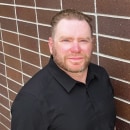
Shaun Free
I help Trauma Survivors find their new path in life through community involvement

Maggie Bushway
I’m Maggie: a childhood brain cancer survivor and the author of Pearls. I share my story to spark honest conversations about my experience.

Lisa Crane
Experienced Cancer Patient Advocate and former radio journalist and presenter

CM Queen Williams
Empowering health journeys with clarity, compassion, and courage from an immigrant, military and physician perspective.

Susie Pearl
Survivor of brain cancer, healed tumour with NDE, seen the after life, sharing wisdom for living fully.

Amanda Haddock
From tragedy to triumph - one mom's quest to find cancer cures

Amanda Armstrong
Empowering authors, entrepreneurs, and dreamers to turn their visions into reality.

Alexi Bracey
Empowering women over 50 to heal, rebuild, and rise — with joy, clarity, and heart.

Dr David. Lemmon
“Cancer Cells Can’t Survive In A Healthy Body.”
What Makes a Great Cancer Survivors Speaker
In many talks across health, entrepreneurship, sports, or community events, the speakers who truly resonate are the ones who deliver their message with intention, not theatrics. One minute they might describe the challenge of managing life responsibilities during recovery, and the next they are zooming out to talk about resilience in families, workplaces, or entire communities. They move fluidly between personal experiences and universal takeaways, always making sure the listener feels included rather than lectured.
Another quality that sets them apart is their ability to guide conversations that others may feel hesitant to initiate. Topics like post-treatment identity, long term health planning, or the emotional rollercoaster of survivorship are not always easy to discuss. Yet a strong speaker knows how to navigate these with steady pacing, careful wording, and a sense of humanity that puts audiences at ease. They create space for reflection before offering strategies or perspectives that feel immediately usable.
Finally, great cancer survivors speakers stay deeply connected to real world challenges. They might reference public health shifts, new approaches in workplace wellness, or cultural differences in how communities support those recovering from cancer. They adapt their message to fit the context, whether they are speaking to medical teams, corporate staff, online entrepreneurs, or students. Their value is in their adaptability, their clarity, and the emotional steadiness they bring to conversations many people rarely have in public.
How to Select the Best Cancer Survivors Speaker for Your Show
1. Identify the angle your audience needs.
- Be specific. Do you want someone who focuses on emotional resilience, integrative health, workplace reintegration, advocacy, or navigating medical systems.
- Consider your show's tone. A business oriented audience may want strategy focused insights, while a wellness audience may prefer mindset tools or recovery frameworks.
2. Review speaker clips with context.
- Look for videos or audio recordings on their Talks.co profile or speaker page. Pay attention to pacing, audience engagement, and clarity of message.
- Ask yourself whether their energy suits your format... some speakers excel in long form discussion while others shine in short, high impact interviews.
3. Consider diversity factors.
- Representation matters. Your show might benefit from highlighting different ages, backgrounds, countries, or types of survivorship stories.
- Think about cultural contexts. A speaker with international experience can bring broader relevance to global audiences.
4. Assess how well they tailor content.
- A great guest can adjust based on audience size, industry, and topic structure.
- Look for indicators that they prepare well, such as downloadable resources, clear topic outlines, or examples from multiple sectors.
5. Communicate early through platforms like Talks.co.
- Once you have a shortlist, reach out with a clear description of your show, your audience, and your preferred angle.
- This step often reveals how responsive and collaborative they will be before you book them.
Following these steps helps you avoid guesswork and ensures that the cancer survivors speaker you choose fits your show's goals, style, and community expectations.
How to Book a Cancer Survivors Speaker
1. Start by outlining your logistical requirements.
- Decide the event date, format, duration, and whether it is live or pre recorded.
- Clarify time zones and availability windows... this matters more than most people realize when coordinating across regions.
2. Use a platform like Talks.co to search and connect.
- Look for their speaker page where you can see topic lists, past appearances, and booking details.
- Reach out using the built in messaging tools so your conversation stays organized.
3. Send a clear invitation.
- Include your event type, target audience, expected outcomes, and any preparation materials.
- Let them know if you want a story focused conversation, a strategy driven talk, or something hybrid.
4. Discuss technical needs.
- Confirm equipment, recording preferences, accessibility considerations, and backup plans.
- This step ensures there are no surprises mid event.
5. Finalize with a simple agreement.
- Outline expectations, timelines, promotion plans, and any compensation details.
- Confirm everything again one week before the event.
By structuring your booking process this way, you maintain clarity from the first message through the final recording, which makes the collaboration smooth for both you and the speaker.
Common Questions on Cancer Survivors Speakers
What is a cancer survivors speaker
In most settings, these speakers combine lived experience with a broader message that applies to a wide range of listeners. Some focus on health literacy. Others explore resilience, leadership, family dynamics, or community support. Their expertise emerges from navigating medical systems, emotional challenges, and post treatment life transitions.
These speakers often appear at conferences, corporate wellness events, university programs, online summits, and community gatherings. Depending on the event, their content can range from deeply personal reflections to fully structured frameworks about mindset, recovery planning, or patient advocacy.
What sets them apart is their ability to translate complex realities into language that audiences understand instantly. Their message resonates whether the listener is a healthcare professional, a business leader, a student, or someone supporting a loved one through their own journey.
Why is a cancer survivors speaker important
In many workplaces and communities, discussions around chronic illness or recovery are still hesitant or fragmented. A speaker who has navigated the realities of cancer can open new pathways for empathy and understanding in practical ways. This might influence policies, wellness programs, or support systems that touch employees, families, and community members.
There is also an educational element. Many audiences learn important distinctions about treatment phases, emotional cycles, or social dynamics that appear during and after recovery. This knowledge helps reduce stigma and improves communication between individuals and the environments they operate in.
Finally, these speakers often bring clarity during uncertain moments. They help people see what survivorship looks like across different regions, cultures, and communities, offering examples that broaden perspectives and prompt more inclusive planning in organizations of all sizes.
What do cancer survivors speakers do
At a basic level, they communicate stories and strategies that help audiences understand the multifaceted nature of recovery. This might include discussing physical healing timelines, the emotional shifts that occur after treatment, or the realities of returning to work or school. Their clarity often helps reduce misunderstandings between survivors and the people around them.
In many events, they provide frameworks or guidance that audiences can apply immediately. These can include techniques for managing uncertainty, advice for supporting loved ones, or methods for improving communication between patients and healthcare providers. Speakers sometimes incorporate examples from global healthcare systems, community programs, or educational initiatives to show how different contexts approach survivorship.
They also collaborate with event organizers to tailor messages for specific audiences. A tech company might want resilience discussions. A university might want information on supporting young adult survivors. A virtual summit host might need structured, bite sized takeaways for online viewers. As mentioned in the section on selecting a speaker, adaptability is one of their most valuable skills.
Across all formats, cancer survivors speakers operate as clear communicators who blend practical teaching with personal insight, giving audiences tools that apply far beyond the stage or screen.
How to become a cancer survivors speaker
1. Clarify your message.
- Start by defining the specific angle you want to speak on. Some cancer survivors speakers focus on resilience strategies, others highlight patient advocacy, workplace reintegration, or family dynamics during treatment. Choosing a clear direction helps event hosts understand where you fit.
- Draft a short positioning statement that explains who you serve and the outcome your talks create.
2. Build your signature talk.
- Create one core presentation that demonstrates your transformation, actionable lessons, and the audience benefits. Keep it structured with a strong opening, a clear middle, and a memorable closing segment.
- Add variations for different settings such as corporate wellness programs, nonprofit fundraisers, medical school events, or virtual summits.
3. Set up your speaker assets.
- Create a speaker page on Talks.co to showcase your bio, core topics, testimonials, and introduction video. Hosts often decide in seconds whether someone is the right fit, so aim for clarity and strong visual structure.
- Prepare a one sheet with your key talk descriptions, audience outcomes, and contact details for easy sharing.
4. Start connecting with hosts and communities.
- Reach out to local event organizers, cancer support organizations, HR departments, and podcast hosts. Keep your outreach simple and audience focused.
- Use Talks.co to connect with hosts that are already looking for impactful speakers. This shortcut often accelerates bookings.
5. Practice in low pressure environments.
- Offer free or low cost sessions to community groups, online summits, or nonprofit webinars. This helps refine your delivery and build early testimonials.
- Ask for recording permission so you can gather clips to use in your promotional materials.
6. Scale your visibility.
- Once you feel confident with your message and delivery, pursue larger platforms. Keep engaging on LinkedIn, join speaker directories, collaborate with health focused organizations, and consider writing guest articles. The more visible you are, the more trust you build.
These steps lay the foundation for a strong speaking career that grows consistently over time.
What do you need to be a cancer survivors speaker
Another key element is a professional foundation of assets. Event hosts often rely on speaker pages, videos, and clearly defined talk descriptions to make booking decisions. Setting up a strong speaker page on Talks.co makes this process smoother, since the platform makes it easy for hosts and guests to connect without long email chains or pitch messages that feel scattered. A crisp bio, topic list, and intro video help hosts quickly understand the value you bring.
Technical readiness also matters. Many cancer survivors speakers deliver virtual sessions, so having reliable audio, a clean background, and basic lighting can significantly elevate your presence. You do not need a studio setup, but you do need clarity in how you present yourself. A polished delivery signals professionalism.
You also need a stable content strategy. This can include short social media posts, podcast appearances, or collaborations with cancer related organizations. These help establish you as someone with a thoughtful, steady voice rather than someone who speaks occasionally without building an ongoing narrative. Steady visibility creates trust, which ultimately leads to more speaking invitations.
Finally, you need the ability to tailor your message. Different audiences require different emphases, and effective cancer survivors speakers know how to shift tone or emphasis depending on whether they are speaking to healthcare teams, corporate leaders, caregivers, or patient groups. Adaptability expands your reach and long term impact.
Do cancer survivors speakers get paid
Data from event directories and speaker booking platforms shows that personal story based speakers often fall into a mid range fee category once they have a strong signature talk. Corporate wellness programs sometimes offer higher rates, while nonprofit or charity events may offer smaller stipends or travel coverage. The variety is wide, which is why it helps to understand where you fit.
Several factors influence payment:
- Experience level.
- Audience size and type.
- Whether the event is corporate, nonprofit, or community based.
- Whether travel is required.
- Reputation and social presence.
There are pros and cons to each tier of speaking. Paid engagements provide financial sustainability, but free engagements can be powerful for gaining visibility, recording footage, or testing new content. Many speakers balance both.
From an analytical perspective, cancer survivors speakers often begin receiving paid bookings once they have:
- A polished signature talk.
- Clear positioning.
- Testimonials.
- A speaker page that simplifies the booking process.
So yes, many cancer survivors speakers get paid, but the timeline and range depend on strategic positioning and consistent visibility.
How do cancer survivors speakers make money
Primary income comes from speaking fees. These range widely by venue. Corporate events generally pay the most, while charity events often provide symbolic rates or travel reimbursement. Medical conferences, wellness summits, and employee training programs fall somewhere in the middle.
Additional income sources include:
- Paid workshops for patient groups or employee wellness programs.
- Book sales, especially memoirs or practical guides.
- Online courses focused on recovery, resilience, or mental health.
- Partnerships with health focused organizations.
- Virtual summit appearances through platforms like Zoom, sometimes including revenue sharing models.
From a financial perspective, speakers who diversify typically earn more consistently. Solely relying on keynote fees can be volatile, especially for speakers new to the industry. By contrast, those who offer digital products or training programs create recurring income.
Another consideration is the global market. Some cancer survivors speakers expand to international audiences through translation of talks or participation in global conferences. This can create higher earning potential in regions where health storytelling is heavily valued, such as Europe and parts of Asia.
When analyzing income sustainability, the strongest earners use a combination of paid talks, digital products, and long term collaborations.
How much do cancer survivors speakers make
Entry level speakers often earn between 0 and 1,500 USD, especially if they are focused on non profit or community events. These engagements might not pay much, but they help build credibility and testimonials. Mid tier speakers with polished delivery and established positioning usually earn between 2,500 and 7,500 USD per event.
Several factors influence earnings:
- Online footprint and follower count.
- Audience type.
- Event scale.
- Media presence.
- Depth of expertise.
Analyzing earning patterns shows that speakers who also sell digital products or lead training programs often earn more annually than those who rely solely on speaking fees. For example, speakers who host workshops or offer corporate training packages may earn an additional 20 to 60 percent beyond their speaking income.
Ultimately, how much a cancer survivors speaker earns depends on consistency, positioning, and their ability to deliver value in multiple formats.
How much do cancer survivors speakers cost
A typical cost breakdown looks like this:
- Community groups: often free to 500 USD.
- Nonprofits: 250 to 2,000 USD.
- Corporate wellness events: 3,000 to 10,000 USD.
- Medical conferences: 2,000 to 8,000 USD.
- Virtual events: often 500 to 3,000 USD.
Travel and lodging can add to the total if in person attendance is required. Some speakers include travel in their fee, while others bill separately. Virtual events tend to be more affordable because there are no travel costs and sessions can be shorter.
From a budget analysis perspective, organizations tend to happily pay higher rates when a speaker delivers practical insights along with an impactful personal story. Clarity of messaging and strong execution makes the investment worthwhile.
The cost also depends on how easy it is to book the speaker. Platforms like Talks.co streamline the booking process, reducing administrative overhead, which sometimes keeps costs lower for hosts.
Who are the best cancer survivors speakers ever
- Lance Armstrong. Known for discussing resilience and sports psychology, although also controversial due to his doping history.
- Robin Roberts. A respected broadcaster who speaks openly about treatment, recovery, and maintaining optimism.
- Suleika Jaouad. Recognized for her writing and talks about chronic illness, identity, and long term healing.
- Scott Hamilton. Olympic gold medalist who speaks often on hope and persistence.
- Kris Carr. A bestselling author focusing on nutrition and wellness after her diagnosis.
- Ethan Zohn. Survivor contestant and global health advocate.
- Jo Taylor. Founder of ABCdiagnosis, widely known in the UK advocacy community.
- Geralyn Lucas. Former TV executive and author who speaks about boldness and self acceptance.
- Sean Swarner. Known for his extreme adventure achievements after surviving cancer twice.
- Megyn Kelly. Not a survivor herself, but often hosts conversations that amplify survivor voices.
These figures reflect different styles, from medical advocacy to mindset coaching, helping the field stay diverse.
Who are the best cancer survivors speakers in the world
- Suleika Jaouad. Widely known internationally for her essays and global interviews.
- Robin Roberts. A familiar voice in many regions due to her broadcasting and public presence.
- Scott Hamilton. Frequently invited to global sports conferences and wellness events.
- Sean Swarner. His expeditions draw worldwide attention.
- Kris Carr. Her nutrition and lifestyle content is popular in North America, Europe, and Australia.
- Jo Taylor. Highly respected across the UK and Europe for her patient centered advocacy.
- Ethan Zohn. Frequently invited to global charity events and youth gatherings.
- Geralyn Lucas. Recognized for her outspoken and bold storytelling.
- Shannen Doherty. Known globally through entertainment platforms and public discussions about her diagnosis.
- Olivia Newton John. Remembered internationally for her advocacy and positivity.
Each of these speakers has contributed to international conversations about healing, resilience, and patient empowerment in a unique way.
Common myths about cancer survivors speakers
Another misconception claims that cancer survivors speakers must always take on an inspirational tone. That is too narrow. Some dive into data, such as survivorship statistics or workplace policy gaps. Others address practical topics like the return to work process or mental health planning inside rural communities. They adapt to corporate, academic, and community settings with different expectations and communication styles.
There is also the belief that event organizers hire them only for awareness months. This limits the full value they bring. Organizations worldwide invite them year round for conferences on transformation, diversity, and mindset. They appear in webinars, corporate trainings, and even product launches that focus on human resilience or customer experience. Their relevance applies to any moment where an audience is looking for clarity, structure, or motivation to navigate tough transitions.
Some people also think that being a cancer survivor automatically gives someone the skillset of a polished speaker. Skill and experience still matter. They work on pacing, storytelling, audience engagement techniques, and structure the same way speakers in tech, finance, or entertainment do. Training, practice, and constructive feedback still shape their growth.
A final misconception is that cancer survivors speakers mainly operate in Western markets. Many come from regions across Asia, Africa, Eastern Europe, and Latin America. Their stories reflect cultural contexts that broaden discussions about medical access, community support systems, and professional reinvention. This range of global perspectives adds nuance and depth that audiences increasingly expect.
Case studies of successful cancer survivors speakers
Another example comes from a professional who worked in the tech sector. After returning to work, this person realized colleagues were unsure how to navigate difficult conversations around health and burnout. Their first talk happened during an internal workshop, then HR teams across other companies requested similar sessions. Eventually, they spoke about organizational empathy and productivity structures for teams under pressure. Their presence resonated because the talks addressed real operational challenges, not only survivorship.
A third story involves someone from a rural community where access to large venues was limited. They began speaking in virtual formats, which made their message accessible to people globally. This digital approach attracted nonprofits and educational groups from different continents. What made their talks stand out was a focus on community led support systems and resource sharing. Attendees connected to the idea because the speaker described systems that worked in low resource regions, offering practical takeaways that applied in many environments.
There is also the trajectory of a corporate manager who transitioned into motivational speaking after treatment. Their talks blended leadership strategies with resilience lessons, balancing personal vulnerability and tactical guidance. Once a leadership development firm discovered their content, they were booked for executive retreats and sector specific events in industries like hospitality and retail. What worked here was the mix of professional experience and thoughtful storytelling.
Each of these cases shows a different avenue: community pathways, professional networks, digital visibility, or industry expertise. The common thread is not the type of cancer or the size of their audience. It is the deliberate refinement of a message that aligns with the needs of listeners in diverse contexts.
Future trends for cancer survivors speakers
Digital demand continues to grow. Virtual and hybrid events remain common, and speakers who deliver engaging experiences online are in high demand. This leads to a rise in interactive formats like live Q&A rooms or breakout discussions. These formats help audiences feel involved, especially in sectors like healthcare, education, and corporate training.
More events are emphasizing global voices. Audiences want to hear from speakers who grew up in different healthcare systems or communities. This trend encourages broader recruitment and representation, giving platforms to individuals who previously lacked visibility. Rural based speakers, multilingual speakers, and those from emerging markets are increasingly requested.
Some key developments:
- Growth in data informed talks focused on survivorship analytics and workplace recovery planning.
- Increased demand for collaboration between speakers and mental health professionals.
- More partnerships with brands that are aligning with health advocacy or human centered leadership training.
- Event organizers investing in training for speakers to refine virtual delivery styles.
These shifts indicate a future where cancer survivors speakers combine personal insight with strategic solutions relevant to modern organizations. The blend of global representation, digital formats, and evidence based content creates new opportunities for those stepping into the field.
Tools and resources for aspiring cancer survivors speakers
1. Talks.co connects speakers with podcast hosts who are actively searching for guests. This helps new speakers gain visibility quickly, especially if they want to share their message across multiple industries. A consistent podcast presence also strengthens credibility when pitching event organizers.
2. Canva makes it simple to create slide decks and visual assets. Clear visuals help maintain audience engagement during both virtual and in person events. Templates work well for structuring the main points of a talk.
3. Zoom remains a practical choice for hosting virtual sessions. Speakers can use its recording features to build a demo reel, which is often required by conferences and corporate bookers. Breakout rooms offer interactive elements that make sessions feel more dynamic.
4. Speakers Hub or similar directories allow users to list their profile, topics, and demo video. Being discoverable in a speaker focused marketplace helps organizers identify the right fit without lengthy back and forth communication.
5. Otter.ai provides automated transcripts for videos and talks. You can turn these transcripts into blog posts, social captions, or segment them into short clips for marketing. This simplifies the content repurposing process.
6. Notion works well for organizing scripts, outlines, and booking details. Many speakers use it as a central workspace to track upcoming events, audience profiles, and topic variations.
7. YouTube gives aspiring speakers a place to publish short clips, full talks, or topic breakdowns. Event planners often check video samples before booking. Short, authentic videos help demonstrate delivery style and clarity.
Each resource serves a specific purpose, from building visibility to improving professional delivery. Using these tools together creates a structured approach to growing as a cancer survivors speaker.
