Cutting Edge Mind or Body Medicine Speakers
You've got an audience hungry for something different.
Not fluff, not hype - but fresh, science-backed ideas about how we think, feel, and heal.
So where do you even begin to find cutting edge mind or body medicine speakers who actually know their stuff and can deliver it in a way that connects?
Maybe you're organizing a wellness summit, a podcast series, or a mental health event.
You want someone who blends deep expertise with real-world insight - someone who's not just repeating trends but pushing into what's next in neuroscience, somatic healing, integrative medicine, or mind-body connection.
That's what this page helps you figure out.
You'll get clear on what cutting edge mind or body medicine speakers actually bring to the table, how to spot the right ones for your audience, and who's already making waves in 2026.
I've seen how the right speaker can shift the tone of an entire event.
If you're looking for substance, perspective, and something your audience won't forget, check out the cutting edge mind or body medicine speakers featured here or book someone for your next event.
Top Cutting Edge Mind or Body Medicine Speakers List for 2026
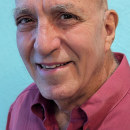
steve pasin
Unapologetic and in your face real truth, not an opinion seen as the 'truth for you'.
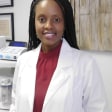

Roger Hawkins
Wellness Educator and Coach Empowering Seniors to Thrive With Vitality and Purpose

Daniela Rizzo
Empowering Mental Health Clinicians to Thrive, Not Just Survive

Laurel Hoover
Rewiring beauty: where science meets soulful regeneration.

Susie Pearl
Survivor of brain cancer, healed tumour with NDE, seen the after life, sharing wisdom for living fully.

Kristine Genovese
Empower Your Soul, Transform Your Life with Soul Intelligence

Claudine Marchand
From neuroscience to alternative medicine and ancient wisdom.
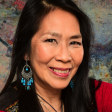

Louise Swartswalter
Transforming lives through holistic healing and energetic breakthroughs
What Makes a Great Cutting Edge Mind or Body Medicine Speaker
Take someone like Dr. Joe Dispenza. He doesn't just talk about neuroplasticity - he walks you through it with stories of transformation, case studies, and a delivery style that makes you lean in. A great speaker in this space doesn't rely on jargon. Instead, they use metaphors, relatable examples, and even humor to make the science stick.
But it's not just about delivery. The best speakers are deeply curious. They're always learning, always evolving. They bring fresh insights from the latest research, whether it's from Harvard's mind-body lab or a grassroots wellness clinic in Nairobi. They're not afraid to challenge the status quo - and they do it with clarity and compassion.
And finally, they're audience-aware. A speaker who can adapt their message for a group of corporate executives in Singapore and then pivot to a virtual summit for holistic health coaches in California? That's someone who gets it. They know how to meet people where they are, and guide them somewhere new.
So when you're looking for a cutting edge mind or body medicine speaker, don't just look at their credentials. Listen to how they speak. Watch how they connect. That's where the real value lives.
How to Select the Best Cutting Edge Mind or Body Medicine Speaker for Your Show
1. Define Your Audience and Goals.
- Are you speaking to corporate wellness leaders, biohackers, or everyday people curious about brain health?
- Clarify what transformation you want for your audience - insight, inspiration, or practical tools?
2. Search with Precision.
- Use platforms like Talks.co to browse speaker profiles by topic, style, and availability.
- Look for keywords like 'neuroscience', 'somatic healing', 'functional medicine', or 'mind-body integration'.
3. Review Their Content.
- Watch their past talks on YouTube, TEDx, or their Talks.co speaker page.
- Pay attention to how they explain complex ideas. Are they clear? Engaging? Do they connect emotionally?
4. Check for Alignment.
- Do their values and tone match your brand or summit theme?
- For example, if your show is focused on evidence-based practices, avoid speakers who lean too heavily into unverified claims.
5. Ask for a Pre-Call or Sample Clip.
- A 15-minute Zoom chat can reveal a lot. Are they collaborative? Do they ask questions about your audience?
- If they've spoken at similar events, ask for a recording or testimonial.
6. Consider Diversity.
- Look beyond the usual suspects. Seek speakers from different cultural backgrounds, genders, and modalities.
- For example, a Brazilian integrative therapist might bring a fresh perspective on trauma healing that your audience hasn't heard before.
The best speakers don't just fill a slot - they create a moment. So take the time to find someone who's not just smart, but unforgettable.
How to Book a Cutting Edge Mind or Body Medicine Speaker
1. Start with a Shortlist.
- Use Talks.co to create a list of 3-5 potential speakers who match your event theme.
- Check their availability directly on their speaker page.
2. Reach Out with Clarity.
- Send a concise message that includes your event name, audience type, date, and topic focus.
- Example: 'Hi Dr. X, we're hosting a virtual summit on integrative brain health for wellness coaches. Would you be open to speaking on neuroplasticity in trauma recovery on July 15?'
3. Confirm the Fit.
- Schedule a quick call to align on expectations, tech setup, and audience engagement.
- Ask about their preferred format: keynote, panel, Q&A, or workshop.
4. Finalize the Details.
- Send a written agreement that outlines:
* Date and time (include time zones)
* Topic and title
* Length of talk
* Compensation or promo terms (if applicable)
* Tech requirements (slides, camera, mic)
5. Promote Collaboratively.
- Share speaker graphics and promo copy with them.
- Encourage them to share with their audience - this expands your reach.
6. Prep and Rehearse.
- Offer a tech check or dry run if it's a live virtual event.
- Share audience demographics and sample questions to help them tailor their talk.
Booking a speaker is more than logistics - it's about building a partnership. When both sides are aligned, the result is a talk that lands, lingers, and lights people up.
Common Questions on Cutting Edge Mind or Body Medicine Speakers
What is a cutting edge mind or body medicine speaker
What sets them apart is their ability to translate complex science into accessible, actionable insights. They don't just inform - they inspire. Whether they're discussing how trauma rewires the brain or how breathwork can regulate the nervous system, their talks are grounded in evidence but delivered with clarity and passion.
These speakers often come from diverse professional backgrounds: some are medical doctors, others are researchers, therapists, or holistic practitioners. What unites them is a commitment to pushing the boundaries of what we know about healing, performance, and human potential.
You'll find them on stages at global wellness conferences, corporate retreats, virtual summits, and podcasts. They might be introducing a new framework for emotional resilience, or sharing case studies on reversing chronic illness through mind-body interventions.
In short, a cutting edge mind or body medicine speaker is a bridge between science and story - someone who helps audiences understand not just what's possible, but how to get there.
Why is a cutting edge mind or body medicine speaker important
First, they help audiences make sense of the science. With mental health and chronic illness on the rise globally, people are hungry for solutions that go beyond pills and protocols. A speaker who can explain the gut-brain axis or the role of trauma in immune dysfunction - and do it in a way that's engaging - is incredibly valuable.
Second, they challenge outdated paradigms. Many of these speakers are at the forefront of integrative and functional approaches that combine conventional medicine with lifestyle, emotional, and spiritual practices. This isn't fringe anymore - it's the future of healthcare, and audiences want to hear from those leading the charge.
Third, they empower people. Whether it's a corporate team learning about stress resilience or a group of coaches diving into nervous system regulation, these talks give people tools they can use immediately. That's impact.
Finally, they help events stand out. In a crowded digital landscape, having a speaker who can deliver both credibility and charisma is a game-changer. They don't just fill time - they create transformation.
So if you're curating a summit, podcast, or panel, don't just look for someone with credentials. Look for someone who can shift perspectives. That's where the real power lies.
What do cutting edge mind or body medicine speakers do
1. Deliver Keynotes and Workshops. They speak at events, both in-person and virtual, on topics like neuroplasticity, trauma-informed care, integrative healing, and the science of stress. These talks are often tailored to specific audiences - from corporate wellness teams to holistic health practitioners.
2. Translate Research into Action. They take the latest findings from fields like psychoneuroimmunology or epigenetics and make them understandable. For example, they might explain how meditation affects gene expression or how chronic stress impacts the immune system.
3. Inspire Behavior Change. Through storytelling and evidence-based strategies, they motivate audiences to adopt healthier habits - whether that's breathwork, nutrition, movement, or mindset shifts.
4. Collaborate with Hosts and Brands. Many work with summit organizers, podcasts, or wellness brands to co-create experiences that align with shared values. They often help shape the content arc of an event or contribute to panel discussions.
5. Educate Across Cultures and Contexts. These speakers often adapt their content for different regions or communities. A speaker might present on trauma recovery in a Western clinical context, then reframe it for indigenous healing frameworks in a global health summit.
6. Stay on the Cutting Edge. They're constantly learning - attending conferences, publishing papers, or running clinical trials. This keeps their content fresh and relevant.
In essence, cutting edge mind or body medicine speakers are educators, advocates, and communicators. They help people understand themselves better - and give them tools to thrive.
How to become a cutting edge mind or body medicine speaker
1. Define Your Niche and Message
- Are you focused on neuroscience-backed mindfulness? Integrative nutrition? Somatic therapy? Get specific.
- Craft a signature talk that connects your expertise to real-world outcomes. Think: 'How Breathwork Rewires the Brain' or 'The Gut-Brain Axis: What Your Patients Need to Know'.
2. Build Your Credibility
- Publish articles, white papers, or even a book. Start a podcast or YouTube channel.
- Get featured on other people's platforms. Talks.co is a great place to connect with podcast hosts and virtual event organizers looking for experts like you.
3. Create a Speaker Page
- Your speaker page is your digital business card. Include a bio, headshots, talk topics, testimonials, and a booking form.
- Talks.co makes this easy. You can set up a profile that showcases your expertise and availability.
4. Get Booked on Virtual Stages
- Start with podcasts, summits, and webinars. These are low-barrier, high-impact opportunities.
- Reach out to event hosts directly or use platforms like Talks.co to get matched.
5. Refine and Scale
- Record every talk. Use clips for social proof.
- Ask for feedback and testimonials. Update your speaker page regularly.
- Once you've got traction, pitch larger conferences or corporate wellness programs.
The key? Be consistent, be visible, and always bring value. The more you speak, the more you'll be invited to speak.
What do you need to be a cutting edge mind or body medicine speaker
Expertise and Credibility
You need a strong foundation in your area of mind or body medicine. That could be a background in neuroscience, functional medicine, psychology, or holistic healing. Credentials help, but so does lived experience combined with research-backed knowledge.
A Clear, Compelling Message
Your message should be unique, relevant, and actionable. Whether you're speaking about trauma-informed care or the role of the vagus nerve in stress regulation, your audience should walk away with something they can use.
Speaking Skills
You don't need to be a TED Talk veteran, but you do need to be engaging. Practice storytelling, pacing, and audience interaction. Consider joining a group like Toastmasters or hiring a speaking coach.
A Digital Presence
You'll need a speaker page with your bio, talk topics, media appearances, and testimonials. Talks.co is a great platform to create this and get discovered by event hosts.
Networking and Outreach
Connect with podcast hosts, summit organizers, and wellness communities. Use Talks.co to match with virtual events or reach out directly with a short pitch and your speaker page link.
In short, you need a mix of subject matter expertise, communication skills, and strategic visibility. When those align, you're ready to take the mic.
Do cutting edge mind or body medicine speakers get paid
Factors That Influence Payment:
- Experience and Reputation: A well-known speaker with a bestselling book or a large social following can command higher fees.
- Event Type: Corporate wellness events and medical conferences often pay more than grassroots summits or podcasts.
- Format: Keynote speakers typically earn more than panelists or workshop leaders.
Payment Models:
- Flat Fee: Common for conferences or corporate gigs. Ranges from $500 to $10,000+.
- Revenue Share: Popular in virtual summits. You promote the event and earn a cut of ticket or product sales.
- Free with Perks: Some events offer exposure, a professional recording, or access to new clients instead of cash.
Pros:
- Opportunity to earn while building your brand.
- Can lead to consulting, coaching, or product sales.
Cons:
- Not all gigs are paid, especially early on.
- Requires time and effort to pitch and negotiate.
Bottom line: Yes, they get paid, but the income stream is often diversified. As mentioned in 'How do cutting edge mind or body medicine speakers make money', speaking is just one piece of the puzzle.
How do cutting edge mind or body medicine speakers make money
1. Paid Speaking Engagements
- Corporate wellness programs, medical conferences, and health expos often pay speakers directly.
- Rates vary based on experience and audience size (see 'How much do cutting edge mind or body medicine speakers make').
2. Product and Course Sales
- Many speakers offer online courses, books, or wellness products.
- Speaking gigs become lead generators. For example, a talk on trauma-informed yoga might lead to sign-ups for a $297 course.
3. Coaching and Consulting
- After a talk, attendees often want more personalized guidance.
- Speakers can offer 1:1 coaching, group programs, or consulting for clinics and organizations.
4. Affiliate Partnerships
- Promote tools, supplements, or platforms you trust. Earn commissions on referrals.
- This works especially well in podcast interviews or webinars.
5. Virtual Summits and Revenue Shares
- Many speakers participate in summits where they earn a cut of ticket or upsell revenue.
- Talks.co helps connect speakers with these kinds of opportunities.
6. Sponsored Content and Brand Deals
- Once you build a following, wellness brands may pay you to speak or create content.
Diversification is key. The most successful speakers don't rely on one income stream. They use speaking to build trust and then offer deeper value through products and services.
How much do cutting edge mind or body medicine speakers make
Typical Income Ranges:
| Experience Level | Per Talk Fee | Annual Speaking Income* |
|---|---|---|
| Beginner | $0 - $500 | $0 - $5,000 |
| Mid-Level | $500 - $2,500 | $5,000 - $50,000 |
| Expert/Influencer | $2,500 - $10,000+ | $50,000 - $250,000+ |
Variables That Impact Income:
- Audience Size: A keynote at a 5,000-person health conference pays more than a podcast with 200 listeners.
- Platform: In-person keynotes tend to pay more than virtual panels, though the latter offer scale.
- Additional Offers: Many speakers upsell courses, coaching, or products post-talk, significantly increasing total revenue.
Example:
A speaker on integrative mental health might earn $1,500 for a virtual keynote, then convert 10% of attendees into a $500 course. That's $6,500 from one event.
So while speaking alone might not make you rich overnight, it can be a powerful revenue engine when paired with smart backend offers.
How much do cutting edge mind or body medicine speakers cost
1. Speaker's Experience and Reputation
- Emerging Experts: $250 - $1,000 per talk. These speakers are often newer to the circuit but bring fresh insights.
- Established Professionals: $1,000 - $5,000. They usually have books, media appearances, or a strong online presence.
- High-Profile Thought Leaders: $5,000 - $25,000+. These are TED speakers, bestselling authors, or clinical pioneers.
2. Event Type and Format
- Podcasts and Virtual Summits: Often free or based on revenue share.
- Corporate Wellness Events: Typically $2,000 - $10,000 depending on the company size and talk length.
- Medical or Academic Conferences: May offer honorariums ($500 - $2,000) or cover travel and lodging.
3. Customization and Add-Ons
- Want a workshop, Q&A session, or follow-up training? That adds to the cost.
- Some speakers also offer licensing for recorded talks or internal use.
4. Booking Platform
- Using Talks.co or similar platforms can streamline the process and sometimes offer better rates through bundled packages.
In short, the cost of hiring a cutting edge mind or body medicine speaker depends on what you need and who you're hiring. But there's value at every price point if the message resonates with your audience.
Who are the best cutting edge mind or body medicine speakers ever
- Deepak Chopra: A pioneer in integrative medicine, Chopra has influenced millions with his blend of Eastern and Western philosophies.
- Dr. Joe Dispenza: Fuses neuroscience, epigenetics, and quantum physics to explore how thoughts can heal the body.
- Dr. Bessel van der Kolk: Author of 'The Body Keeps the Score', he's a leading voice on trauma and somatic healing.
- Dr. Andrew Weil: A foundational figure in integrative medicine, Weil's lectures have shaped the field for decades.
- Caroline Myss: A medical intuitive and spiritual teacher, her work on energy medicine and archetypes has inspired many.
- Dr. Candace Pert: Her research on neuropeptides and emotions changed how we understand the mind-body connection.
- Louise Hay: Though not a traditional scientist, her affirmations and holistic teachings helped bring mind-body healing to the mainstream.
- Dr. Daniel Amen: Known for his brain imaging work and practical mental health strategies.
- Dr. Bruce Lipton: A stem cell biologist who popularized the idea that beliefs can influence biology.
Who are the best cutting edge mind or body medicine speakers in the world
- Dr. Rangan Chatterjee (UK): Host of 'Feel Better, Live More', he's known for simplifying complex health topics for global audiences.
- Dr. Shefali Tsabary (USA/India): A clinical psychologist who blends Eastern philosophy with Western psychology, especially in parenting and trauma.
- Dr. Mark Hyman (USA): Functional medicine expert and bestselling author, often speaks on reversing chronic disease through lifestyle.
- Dr. Nicole LePera (USA): Known as 'The Holistic Psychologist', she's built a massive global following with her practical, trauma-informed insights.
- Dr. Saliha Afridi (UAE): A clinical psychologist and founder of The LightHouse Arabia, she's a key voice in mental health across the Middle East.
- Dr. Edith Ubuntu Chan (USA/Hong Kong): Integrates Chinese medicine, quantum science, and consciousness in her talks.
- Dr. Ardeshir Mehrdad (Iran): A lesser-known but powerful voice in psychosomatic medicine and cultural healing practices.
- Dr. Shamini Jain (USA): Founder of the Consciousness and Healing Initiative, she speaks globally on biofield science and energy healing.
- Dr. Bayo Akomolafe (Nigeria): While more philosophical, his talks on post-human medicine and decolonizing wellness are gaining traction worldwide.
Common myths about cutting edge mind or body medicine speakers
This one trips up a lot of aspiring speakers. While credentials can help, they're not the only path to credibility. Some of the most impactful cutting edge mind or body medicine speakers come from adjacent fields-like neuroscience researchers, wellness entrepreneurs, or even tech innovators working on biofeedback tools. What matters more is the depth of your knowledge, your ability to communicate complex ideas clearly, and your track record of results.
Myth 2: Mind and body medicine is just 'woo-woo' pseudoscience.
This misconception still lingers in some circles, but it's increasingly outdated. Practices like mindfulness, somatic therapy, and neuroplasticity-based interventions are now backed by peer-reviewed research. For example, Dr. Joe Dispenza blends neuroscience with meditation and has spoken globally about measurable brainwave changes during deep meditative states. The science is catching up, and speakers who can bridge that gap are in high demand.
Myth 3: You have to speak at medical conferences to be relevant.
Not true. While medical summits are one avenue, many cutting edge mind or body medicine speakers are finding huge audiences in corporate wellness programs, tech events, and even entrepreneur summits. Think about the rise of biohacking at events like SXSW or Bulletproof Conference. The audience for this content is broad and growing.
Myth 4: Only older experts with decades of experience get booked.
Actually, younger voices are gaining traction-especially those who bring fresh perspectives or tech-enabled solutions. For instance, speakers under 35 are leading conversations around wearable neurofeedback, AI-assisted meditation, and trauma-informed coaching. If you bring innovation and clarity, age is not a barrier.
Myth 5: You need to have a bestselling book first.
Books help, sure. But they're not a prerequisite. Many speakers build authority through podcasts, online summits, or social media content. If you consistently share valuable insights and case studies, you can build a platform that gets you booked-book or no book.
Case studies of successful cutting edge mind or body medicine speakers
In another corner of the world, in Sydney, Australia, Luke Sniewski took a different route. A former corporate consultant turned mindfulness advocate, he began hosting small workshops on somatic awareness and stress reduction. His storytelling style-raw, personal, and research-backed-resonated with audiences from yoga studios to corporate boardrooms. Over time, he scaled his message through online summits and TEDx talks.
Then there's Dr. Srikumar Rao, whose talks on mindset and happiness have reached global audiences. Though his background is in business education, his work draws heavily from Eastern philosophy and cognitive psychology. His ability to distill complex ideas into simple, memorable frameworks has made him a favorite at events like Mindvalley and Wisdom 2.0.
In the U.S., Emily Fletcher, founder of Ziva Meditation, built her speaking career by targeting high-performance professionals. Her approach-mixing meditation with productivity science-landed her on stages at Google, Harvard, and even the NBA. She didn't start with a massive platform, but her clarity and niche focus helped her grow fast.
These stories show there's no single path. Whether you're a clinician, coach, or researcher, what matters is how you connect your expertise to real-world outcomes. The best cutting edge mind or body medicine speakers don't just inform-they transform the way people think and feel.
Future trends for cutting edge mind or body medicine speakers
- Personalized wellness narratives. Audiences are moving beyond generic advice. They want speakers who can talk about epigenetics, neurodiversity, and trauma-informed care in ways that feel personal and inclusive. Expect more talks that blend science with storytelling.
- Integration with tech platforms. Speakers who understand how to pair their message with wearables, apps, or AI tools will stand out. Imagine a keynote that syncs with a live HRV monitor or a post-talk app that guides attendees through a 7-day neuro-retraining challenge.
- Cross-industry collaboration. We're seeing more speakers co-presenting with experts from unrelated fields-like a neuroscientist teaming up with a UX designer to talk about mental flow states. These mashups are fresh, engaging, and highly bookable.
- Globalized content delivery. With virtual summits and hybrid events becoming the norm, speakers who can adapt their message for diverse cultural contexts will thrive. This means understanding how mind-body practices are perceived in different regions-from Ayurveda in India to forest bathing in Japan.
- Data-backed transformation. Anecdotes are great, but audiences want proof. Speakers who can show before-and-after metrics, brain scans, or behavioral shifts will gain more traction. Think of how Dr. Andrew Huberman uses neuroscience data to back up every claim.
In short, the future belongs to those who can blend credibility with creativity. If you're building a speaking career in this space, focus on being both evidence-based and emotionally resonant. That combo is what event organizers are craving.
Tools and resources for aspiring cutting edge mind or body medicine speakers
Mindvalley Speaker Application. Mindvalley often features cutting edge mind-body speakers. Their application process is competitive, but if you have a unique framework or science-backed method, it's worth applying. Tip: Watch a few of their past talks to understand their vibe.
SpeakerHub. A global directory where you can list your profile and connect with event organizers. It's especially useful for international gigs. Tip: Use keywords like 'neuroscience', 'biohacking', or 'trauma-informed' to get discovered.
Biohackers Lab Podcast. Not just a podcast, but a platform to learn what topics are trending in the bio-optimization space. Reach out as a guest or study the format to improve your own pitch.
TEDx Speaker Guide. If you're aiming for a TEDx talk, this guide is gold. It walks you through the structure, expectations, and application process. Tip: Focus on one big idea, not your whole bio.
LinkedIn Creator Mode. Use this to build your thought leadership. Post short videos, share case studies, and engage with wellness communities. Tip: Tag relevant hashtags like #neuroscience or #mindbodymedicine to grow your reach.
Summit Host Hangout Facebook Group. A community for virtual summit creators. Great for networking with hosts looking for speakers in wellness, mindset, and performance niches.
Canva. Design your speaker one-sheet, slides, or social media promos. Tip: Use their 'Health & Wellness' templates to stay on-brand without hiring a designer.
