Disability Advocacy Speakers
Some events hit a wall when the conversation shifts to disability and nobody on the lineup truly represents that experience.
Maybe you have a great theme in place, the venue ready, the guests confirmed... but you still need someone who can speak with authority and real insight.
And suddenly you are asking yourself, how do I find the right disability advocacy speakers who can speak clearly, confidently, and with genuine lived or professional expertise?
If that sounds familiar, you are in the right spot.
Disability advocacy speakers can help your audience understand how disability intersects with policy, culture, education, work, and everyday life.
They bring a mix of practical perspective and thoughtful commentary that supports honest, grounded conversations.
I have seen how the right speaker can shift the tone of an entire session simply by showing up with clarity and respect for the topic.
Here you will get a curated list of voices who know how to connect with listeners and keep the discussion real, whether you are running a summit, a podcast, a YouTube series, or a live event.
Take a look at the disability advocacy speakers featured here and find someone who fits your stage or show.
Top Disability Advocacy Speakers List for 2026

Win Charles
Defying limits, inspiring lives: I am Win Charles.

Win Charles
Breaking barriers, inspiring change through shared experiences


Cazoshay Marie
Transforming challenges into triumphs, one story at a time.

Danielle Brzusek
Turning invisible challenges into visible strength

Kevin McGuire
Novelist, lawyer, renown disability access expert

Tameka Citchen-Spruce
Inspiring change, one voice at a time.

Bud Kraus
I am the Chief Entertainment Officer of my life and have one foot in the past, one in the present and one in the future.
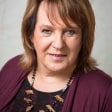
Rikki Arundel
Award winning Keynote and virtual Speaker, Speaking/TEDx/Storytelling Coach and Gender and LGBTQ Inclusion expert.
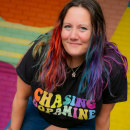
Maddy Alexander-Grout
Empowering neurodivergents to master money and thrive!
What Makes a Great Disability Advocacy Speaker
You might notice how a strong disability advocacy speaker weaves lived experience, policy realities, and cultural context together without overwhelming their audience. They use real world references from public figures or well documented events to give listeners a sense of scale and relevance. No theatrics, just honest communication that helps someone understand disability through a lens they may never have considered before.
And then there is the emotional intelligence factor. A great disability advocacy speaker reads a room with precision, knowing when to slow down, when to bring in humor, and when to guide listeners through more sensitive terrain. Brands, nonprofits, and media hosts often look for this exact trait because it helps audiences feel not only informed but also respected.
Finally, they show up prepared. They tailor messages for small community groups, corporate teams, virtual summits, or global conferences. Their stories and insights evolve with the moment, and they continually expand their understanding of disability issues across cultures and industries. That blend of adaptability and depth is what separates a memorable disability advocacy speaker from a forgettable one.
How to Select the Best Disability Advocacy Speaker for Your Show
1. Define the outcome you want. If your show focuses on entrepreneurship, you might want someone who connects disability with business innovation. If your audience is mostly educators, look for someone who focuses on accessible learning or inclusion frameworks. The clearer your goal, the easier it is to filter candidates.
2. Research speakers on platforms like Talks.co. Browse speaker pages, review ratings, explore tags, and check what topics they specialize in. Many hosts use Talks.co to connect with the right guests because it highlights expertise in a clean, searchable format that eliminates guesswork.
3. Review recorded talks or interviews. Look for pacing, clarity, and how well they translate nuanced disability topics to a general audience. For instance, some speakers excel in long form podcasts, while others shine in fast paced panels or video based content.
4. Assess fit for your audience. Think about cultural context, industry relevance, tone, and energy. A tech focused show might want someone who understands accessibility in software, while a lifestyle show may prefer someone who covers social experiences and community representation.
5. Reach out with a thoughtful message. Ask direct questions about their approach, preferred formats, and any angles they think would connect well with your listeners. This quick conversation usually reveals whether the collaboration will be smooth or challenging.
Following these steps keeps the process focused and helps you avoid mismatches that waste time for both sides.
How to Book a Disability Advocacy Speaker
1. Start with a shortlist. Using tools like Talks.co makes this easy because you can browse speaker profiles, compare bios, and even check if they are currently open to bookings. Save two or three strong options in case your first choice is unavailable.
2. Reach out with a clear request. Include your show format, proposed dates, audience size, recording requirements, and compensation if applicable. Direct details help the speaker quickly determine availability and fit.
3. Confirm alignment. Ask the speaker to share a few possible angles they would enjoy discussing. This is where you can fine tune the conversation to match your audience's needs. As I mentioned in 'How to Select the Best disability advocacy speaker for Your Show', this early alignment step avoids surprises later.
4. Finalize logistics. Send any prep questions, links, or outlines at least a week in advance. If you use a scheduling tool, send that immediately to lock in the time. For virtual events, confirm platform preferences and accessibility needs. For in person events, confirm travel arrangements and timing buffers.
5. Follow up after the interview or event. Share links, performance metrics, audience feedback, or any clips you want the speaker to use. This step builds relationships and makes future collaboration easier.
If you keep these steps in place, booking becomes a predictable workflow rather than a scramble.
Common Questions on Disability Advocacy Speakers
What is a disability advocacy speaker
Some disability advocacy speakers focus on policy, such as legislation, workplace accommodations, or education standards. Others speak about lived experiences tied to mobility, sensory differences, neurodiversity, chronic conditions, or broader societal attitudes. The unifying factor is that they bring expertise rooted in knowledge, research, or personal insight.
When people hear the term, they sometimes imagine a formal, conference-only role, but disability advocacy speakers work across diverse settings. You will find them in corporate DEI sessions, government consultations, podcasts, nonprofit trainings, global summits, and online communities. Their work bridges gaps between audiences who may know very little about disability and people who engage with these issues daily.
In practice, a disability advocacy speaker helps listeners understand not only what disability is, but how systems, environments, and cultures can better support everyone.
Why is a disability advocacy speaker important
They also help broaden perspectives. For instance, tech companies exploring new product features benefit from hearing real examples of how design choices affect users with different needs. The entertainment industry gains new insights when speakers highlight representation gaps or the impact of media portrayals. These discussions turn abstract concerns into concrete considerations.
Another reason a disability advocacy speaker is crucial is their ability to connect across cultures and regions. Disability experiences vary widely between countries with different policies, infrastructure, and social attitudes. A well prepared speaker helps audiences understand these differences and avoid assumptions when planning global initiatives or content.
When you bring a disability advocacy speaker into a show, event, or organization, you give your audience a chance to rethink norms, ask better questions, and explore solutions that may never have surfaced without expert guidance.
What do disability advocacy speakers do
At events or on shows, they deliver talks that illuminate how disability intersects with daily life. For example, they might explain how urban planning affects mobility access, how workplace culture shapes employee well being, or how digital platforms can either support or exclude users depending on design choices. This kind of insight helps audiences see tangible connections between disability and environments they operate in every day.
Many disability advocacy speakers also consult with teams or creators. They offer guidance on marketing campaigns, hiring practices, product interfaces, or event planning. Their input often reveals gaps that internal teams might overlook, such as captioning quality, sensory friendly spaces, or onboarding practices that support neurodiverse talent.
In media or content collaborations, they help hosts frame topics with accuracy and respect. They may help shape questions, clarify terminology, or suggest themes that lead to stronger conversations. By doing this, they ensure disability topics are covered with depth rather than surface level talking points.
Across all these activities, disability advocacy speakers create pathways for people to gain knowledge, ask informed questions, and contribute to more accessible environments in their own communities or industries.
How to become a disability advocacy speaker
1. Clarify your message and the specific angle you want to champion.
- Start by defining what part of disability advocacy you feel ready to speak about. You might focus on workplace inclusion, accessible tech, educational rights, or personal empowerment.
- Avoid trying to cover everything at once. A clear core message helps hosts understand exactly where you fit in their lineup.
2. Build your talk outline and signature stories.
- Draft a talk outline with 3 to 5 key points that audiences can immediately act on. This is essential for conference planners and podcast hosts.
- Include real-world examples from public events or well-known cases so your message feels grounded and relatable, especially when speaking to cross functional audiences.
3. Create your speaker page.
- Use a platform like Talks.co so event hosts and podcast producers can easily understand your topic areas, read your bio, and request you as a guest.
- Add a short video demo, your best talk titles, and a few testimonials if you have them.
4. Start connecting with event hosts, podcast producers, and local organizations.
- Look for disability support networks, HR associations, tech meetups, library programs, or nonprofit groups that welcome new voices.
- When you reach out, keep your pitch simple and focused... one sentence describing your expertise and another explaining the value their audience will get.
5. Practice through smaller stages.
- Virtual summits, webinars, school events, and workplace lunch sessions help you refine your speaking rhythm.
- As your experience grows, larger conferences and paid stages become more accessible.
6. Keep improving your communication skills.
- Some speakers work with communication coaches or join groups that offer structured speaking practice.
- Record each talk. Watching or listening later helps you strengthen your pacing, clarity, and engagement.
With consistent effort and a clear message, you will grow from your first small opportunity into a recognized disability advocacy speaker whose insights resonate across industries.
What do you need to be a disability advocacy speaker
A core foundation is a clear grasp of disability issues. This can come from personal experience, professional involvement, or long term engagement with disability rights communities. What matters most is that your perspective is informed, respectful, and aligned with current advocacy standards.
Strong communication skills are crucial. You do not need to be theatrical or overly polished, but you do need clarity, pacing, and the ability to simplify complex topics for mixed audiences. Many speakers outline their message with three sections: the problem, the opportunity for change, and the practical steps people can take. This structure keeps your content accessible.
A digital presence helps you reach more hosts. A speaker page on Talks.co is especially useful because it centralizes your bio, topics, and booking information. Event planners appreciate being able to evaluate a speaker quickly, and having a single link simplifies outreach.
Tools and resources also play a supportive role. Examples include a decent microphone for remote events, a simple set of slides for visual learners, and a calendar system for scheduling. These elements may seem small individually, but together they help you appear reliable and ready for professional opportunities.
Do disability advocacy speakers get paid
In nonprofit or community events, compensation may be modest or sometimes absent, especially for awareness-based workshops. However, many organizations are shifting toward paid honorariums to recognize the value of lived experience. This shift is influenced by broader equity discussions across advocacy circles.
Corporate events often pay more. Companies focused on DEI programs, accessibility compliance, or inclusive hiring frequently allocate budgets for expert speakers. Compensation can range from small session fees to more competitive rates similar to keynote speakers in other specialized fields.
Here are common payment factors:
- Experience level. Speakers with established reputations often receive higher fees.
- Talk length and format. Keynotes generally cost more than short Q&A sessions.
- Region and market conditions. Urban hubs with large event industries typically offer more opportunities.
- Topic urgency. Organizations preparing for audits or internal policy updates may prioritize well informed speakers.
Overall, yes, disability advocacy speakers do get paid, but the amount varies significantly based on the event context and the speaker's positioning.
How do disability advocacy speakers make money
Direct speaking fees are the most common. Corporate events, government departments, universities, and professional associations often pay for keynote sessions or workshops. Rates depend on reputation and demand.
Beyond speaking, many disability advocacy speakers offer consulting. For example, they might help companies audit accessibility practices, design inclusive hiring workflows, or improve digital content. Consulting often pays more per hour than speaking because of its specialized nature.
Here are additional income streams:
- Training programs. Multi session training for HR teams, educators, or service providers.
- Online courses. Asynchronous learning modules on advocacy, rights, or accessibility.
- Books or guides. Publications that reinforce the speaker's authority.
- Partnerships. Collaborations with nonprofits, tech companies, or educational institutions.
- Virtual event participation. Summits, panels, and webinars.
Some speakers also use platforms like Talks.co to attract hosts, organize their portfolio, and convert visibility into paid opportunities. The combination of speaking, advisory work, and educational content often creates a sustainable income flow.
How much do disability advocacy speakers make
Entry level speakers may earn between 0 and 500 USD for small community events. These engagements often focus on awareness, support, or grassroots advocacy, where budgets are limited.
Mid level speakers working with universities, associations, or established nonprofits can earn 500 to 2,500 USD per session. Speakers in this category usually have a defined message, a portfolio of past events, and a specific focus like workplace accessibility.
High visibility speakers with strong public profiles can earn 3,000 to 15,000 USD or more per event, especially when booked by corporations or government agencies. Rates increase when the session includes training, workshops, or consulting.
Because compensation varies, many speakers diversify income. Combined earnings from speaking, consulting, online courses, and written materials can produce an annual income ranging from part time levels to full time professional revenue. The more specialized the expertise, the higher the ceiling.
How much do disability advocacy speakers cost
Small nonprofits or community groups may pay between 0 and 500 USD. These events prioritize accessibility and education but frequently operate on grants or volunteer-driven teams. Even when budgets are tight, many organizers aim to provide honorariums.
Educational institutions and mid sized organizations often budget 500 to 3,000 USD. The range varies depending on whether the talk is a keynote, guest lecture, or workshop.
For corporate events, rates typically range from 3,000 to 20,000 USD. Large companies running DEI initiatives or compliance programs often prioritize voices with strong advocacy experience and polished delivery.
Key pricing factors include:
- Speaker reputation.
- Length of session.
- Virtual vs in person.
- Travel requirements.
- Customization of content.
Some hosts use platforms like Talks.co to compare speakers, review booking expectations, and streamline the selection process.
Who are the best disability advocacy speakers ever
- Judith Heumann. Internationally known for her leadership in disability rights and policy.
- Haben Girma. A prominent advocate for accessibility and inclusion, especially in technology.
- Temple Grandin. Known for her work in autism advocacy and her clear communication style.
- Alice Wong. Founder of the Disability Visibility Project with strong engagement in storytelling advocacy.
- Marlee Matlin. An award winning actor and speaker who focuses on Deaf representation.
- Stella Young. Remembered for her sharp commentary on disability narratives.
- Robert M. Hensel. Known for his work in disability pride initiatives.
- Leroy Moore. Co founder of Krip-Hop Nation and a strong voice in cultural advocacy.
Each speaker brings a different lens, ranging from policy to media representation. Their work illustrates the wide spectrum of disability advocacy worldwide.
Who are the best disability advocacy speakers in the world
- Eddie Ndopu. A global advocate who works on disability rights and sustainability issues.
- Sara Minkara. Focused on inclusive leadership and global development.
- Sinéad Burke. Known for driving conversations on inclusive design and fashion.
- Javed Abidi. Remembered across Asia for his policy work and advocacy leadership.
- Caroline Casey. Founder of The Valuable 500 and a key voice in corporate inclusion.
- Ola Abu Al Ghaib. An advocate for disability inclusive development and global policy.
- Lachi. An artist and speaker raising awareness about accessibility in entertainment.
- Imani Barbarin. Known for her digital advocacy and social commentary.
These speakers represent different regions and advocacy styles, offering a broad view of how disability advocacy is evolving internationally.
Common myths about disability advocacy speakers
Myth 1: Disability advocacy speakers only talk about personal hardship. Many audiences expect a narrow focus on challenges, but the reality shows a broader range. Speakers often lead discussions about design thinking, inclusive hiring, global accessibility policy, product innovation and community leadership. For example, well known advocates like Haben Girma regularly frame disability as a source of creativity that influences tech development worldwide. Their sessions often attract professionals from UX, HR, education and legal fields who want strategic direction, not just inspirational moments.
Myth 2: These speakers are relevant only for disability focused organizations. In practice, their insights reach far beyond nonprofits or social service spaces. A retail company might consult a disability advocacy speaker to improve store layouts. A fintech startup might bring someone in to discuss accessible transaction flows. Governments often consult speakers when shaping procurement standards or public communication guidelines. This is a talent pool with wide commercial and civic applications.
Myth 3: Disability advocacy speakers rely solely on lived experience rather than research or industry context. Many speakers integrate academic work, cross cultural case studies and policy frameworks into their presentations. Some collaborate with universities or international NGOs to interpret data and identify trends. Their insights are usually grounded in evidence, interviews or coalition work with global organizations. This combination of experience and research gives audiences a more complete understanding of accessibility and inclusion.
Myth 4: It is difficult to understand or relate to their content without prior knowledge. Strong disability advocacy speakers are skilled communicators. They simplify complex regulations, break down accessibility standards into practical steps and create relatable stories. They recognize that many audience members may be new to disability inclusion, so they structure sessions to bring everyone into the conversation without talking down to anyone.
Case studies of successful disability advocacy speakers
Another story unfolds in a European corporate setting. A large multinational had been struggling with its internal communication systems because employees using assistive technologies found the tools inconsistent. A disability advocacy speaker brought in for an internal workshop mapped out the user journey in simple terms and highlighted realistic adjustments that did not require major restructuring. The company adopted a checklist based onboarding process for new software. That change helped thousands of employees interact with tools more efficiently.
In a North American university, a student led initiative invited a disability advocacy speaker to discuss inclusive design with faculty. The energy in the room changed when the speaker described how course materials could be adapted without adding more workload. Faculty members later shared that the guidance helped them rethink how students access lectures and assignments. It was not about compliance... it was about clarity.
In regions where public infrastructure is still developing, disability advocacy speakers have influenced policy conversations. One speaker in West Africa worked with local councils after being invited to present at a community forum. Their explanation of low cost accessibility improvements inspired community leaders to start a pilot project for accessible transit stops. The project is still referenced by planners in nearby cities striving for similar upgrades.
These examples show how disability advocacy speakers can affect technology, education, governance and corporate culture. Each scenario looks different, yet the pattern is similar: well delivered insights lead people to take action they had not considered before.
Future trends for disability advocacy speakers
Digital transformation continues across healthcare, fintech and e learning. Companies in these fields are recognizing that accessibility is a competitive differentiator. Disability advocacy speakers are increasingly guiding teams as virtual advisors. This trend opens doors for speakers to shape product development cycles from the earliest stages.
Here are a few trends shaping the next wave:
- Growing use of AI tools for speech, captioning and communication that require expert review from speakers who understand practical accessibility.
- Expanded demand for localized content that reflects cultural, linguistic and regional differences. Speakers fluent in multiple regions or languages are being sought after.
- More virtual event formats, which widen reach to audiences in rural, remote or underfunded communities.
- Rising interest from sectors not traditionally associated with accessibility, such as travel, entertainment and sports management.
Some organizations are also exploring cross industry collaboration. A government agency might partner with a tech hub, or an arts group might consult a speaker working in policy. As more industries identify accessibility gaps, disability advocacy speakers are becoming central voices in shaping decisions. The future leans toward integrated roles rather than one off engagements.
Tools and resources for aspiring disability advocacy speakers
1. Talks.co (https://talks.co). A matching tool that connects speakers with podcast hosts. This is helpful when you want to build your message, test your delivery and grow your reputation with audiences searching for fresh insights.
2. Google Scholar (https://scholar.google.com). Useful for gathering research and staying updated on disability studies, policy updates and accessibility innovations. Strong data strengthens your message.
3. Otter.ai (https://otter.ai). Great for generating transcripts of your practice sessions. Reviewing transcripts helps refine pacing, clarity and transitions.
4. Disability:IN Resource Center (https://disabilityin.org). Offers guides for workplace inclusion and accessibility. These materials help speakers design presentations that resonate with business audiences.
5. Web Content Accessibility Guidelines resources (https://www.w3.org/WAI/standards-guidelines/wcag). This is a core reference for digital accessibility. Speakers can use these guidelines to explain best practices in presentations.
6. Canva (https://canva.com). Helpful for designing slides with clean formatting and accessible color contrasts. Canva templates can be adjusted to meet accessibility standards.
7. YouTube Creator Studio (https://youtube.com). A simple way to publish talk clips, add captions and build an archive of your speaking style.
8. LinkedIn Creator Mode (https://linkedin.com). A platform feature that helps speakers grow visibility, publish content and connect with event organizers.
These tools help aspiring disability advocacy speakers strengthen credibility, reach broader audiences and build a body of work that highlights their perspective.
