Empowering Parents Speakers
You've got a parenting-focused event or podcast coming up, and you want someone who actually gets it.
Someone who can speak to the messy, real parts of raising kids and offer practical insights that connect.
But how do you find the right empowering parents speakers who can do all that without sounding like a textbook or a lecture?
There are a lot of voices out there, but not all of them know how to speak to parents in a way that lands.
That's where this guide helps.
We've pulled together some of the top empowering parents speakers for 2026 - people who know how to connect, encourage, and offer useful takeaways for parents juggling real-life challenges.
These speakers work well for conferences, summits, podcasts, or shows where your audience is looking for more than surface-level advice.
I've seen how the right speaker can shift a whole room of tired, overwhelmed parents into one buzzing with ideas and confidence.
If that's the kind of energy you're after, take a look through these empowering parents speakers and find someone who fits your vibe.
Top Empowering Parents Speakers List for 2026
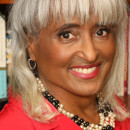
Kim Fields
Empowering parents for their children's educational success, one episode at a time!

Mark Papadas
The Be Great Guy" bringing personal development to kids. Imagine Tony Robbins meets Charlie Brown!

Elizabeth Bennett
Empowering Parents, Resilient Teens: Let's Shape the Future Together!

Devora Segall
Empowering parents to raise resilient, happy kids

Tammy Appleton
Empowering Parents and Athletes to Peak Play Together!

Kristina Heagh-Avritt
Empowering families to embrace education beyond the classroom

Cinnamon Bowser
Empowering sports parents lead with clarity and raise champions


Rosemary Olender
Inspiring change that makes a difference!

What Makes a Great Empowering Parents Speaker
Think of someone like Dr. Shefali Tsabary, who blends Eastern philosophy with Western psychology to challenge traditional parenting norms. Or someone like Justin Coulson in Australia, who connects with parents through humor and real-life examples. These speakers don't just inform, they inspire. They make you feel like you're not alone, like you're capable of doing this parenting thing even when it feels overwhelming.
But it's not just about content. Delivery matters. The best empowering parents speakers know how to read a room, whether it's a virtual summit or a live audience. They use storytelling, not statistics, to make their point stick. They balance vulnerability with authority. They're not afraid to admit mistakes, and that honesty builds trust.
And finally, they're adaptable. A great speaker can tailor their message to a diverse audience-single parents, working parents, LGBTQ+ families, rural communities, or urban professionals. They don't offer one-size-fits-all advice. They offer frameworks, tools, and encouragement that meet people where they are.
So when you're looking for someone to truly empower parents, look for authenticity, relatability, and a deep understanding of the parenting journey-not just a polished presentation.
How to Select the Best Empowering Parents Speaker for Your Show
1. Define Your Audience.
- Are you speaking to first-time parents, parents of teens, or maybe educators who work with families?
- Knowing your audience helps you match with a speaker who resonates with their specific challenges and goals.
2. Clarify Your Show's Theme or Outcome.
- Is your episode focused on mental health, screen time, co-parenting, or resilience?
- Look for speakers who specialize in that niche. For example, if your topic is digital parenting, someone like Devorah Heitner would be a great fit.
3. Use Trusted Platforms.
- Head to Talks.co and browse the speaker page. You can filter by topic, region, or experience level.
- Look for speakers with verified reviews, past appearances, or media clips.
4. Watch or Listen to Their Previous Talks.
- YouTube, podcast interviews, or summit replays can give you a feel for their tone and delivery.
- Are they engaging? Do they offer fresh insights? Do they align with your show's vibe?
5. Reach Out and Ask the Right Questions.
- What's your typical audience? How do you tailor your message to different parenting styles?
- Be upfront about your expectations, format, and timeline.
6. Consider Diversity and Representation.
- Aim for voices that reflect a range of experiences-cultural, socioeconomic, neurodiverse, and more.
- This not only enriches your content but also builds trust with a broader audience.
By following these steps, you'll not only find a speaker who fits your show-you'll find someone who elevates it.
How to Book a Empowering Parents Speaker
1. Start with Research.
- Use platforms like Talks.co to browse speaker profiles. Look for those who specialize in parenting, family dynamics, or child development.
- Check their availability, past appearances, and audience reviews.
2. Reach Out with a Clear Pitch.
- Send a concise message outlining your show, your audience, and why you think they'd be a great fit.
- Include details like the topic, format (live, recorded, panel, etc.), expected length, and any compensation or promotional benefits.
3. Schedule a Discovery Call.
- Use this call to align on expectations, tone, and logistics.
- Ask about their preferred talking points, tech setup, and any materials they'll need from you.
4. Confirm the Booking.
- Send a confirmation email with all agreed-upon details: date, time (with time zones), platform (Zoom, StreamYard, etc.), and contact info.
- Include a short checklist: headshot, bio, social links, and any promotional assets.
5. Promote the Episode Together.
- Share graphics, audiograms, or teaser clips with the speaker so they can promote it to their audience.
- Tag them in posts and encourage cross-promotion.
6. Follow Up Post-Show.
- Thank them, share the replay link, and ask for feedback.
- If it went well, consider inviting them back or referring them to other hosts.
Booking a speaker is more than a transaction-it's the start of a collaborative relationship. Treat it that way, and you'll build a network of go-to experts who keep showing up for your audience.
Common Questions on Empowering Parents Speakers
What is a empowering parents speaker
Unlike general parenting educators, empowering parents speakers focus on transformation. They don't just share tips-they shift mindsets. Whether they're addressing burnout, discipline strategies, or navigating identity and inclusion, their message is designed to uplift and equip parents with actionable tools.
These speakers often come from diverse backgrounds: psychology, education, coaching, social work, or even lived experience. Some are bestselling authors like Brené Brown, who speaks about vulnerability and connection in families. Others are grassroots advocates who speak to local communities about parenting in specific cultural or economic contexts.
They can appear on podcasts, virtual summits, school events, or corporate wellness programs. Their delivery may vary-some use humor, others lean into research-but their core mission is the same: to help parents feel seen, heard, and empowered to raise healthy, resilient kids.
In short, an empowering parents speaker is a guide, a motivator, and a trusted voice in the noisy world of parenting advice.
Why is a empowering parents speaker important
First, they provide clarity in a sea of conflicting advice. From TikTok trends to parenting blogs, it's easy for parents to feel lost. A skilled speaker cuts through the noise with grounded, research-backed insights that actually work. They don't just tell parents what to do-they explain why it matters and how to make it work in real life.
Second, they foster community. Whether it's a live summit or a podcast episode, hearing a speaker who understands your struggles creates a sense of belonging. This is especially crucial for parents in isolated or underserved areas who may not have access to local support groups or resources.
Third, they drive change. Empowering parents speakers often challenge outdated norms-like the idea that good parenting means perfection or that discipline equals punishment. They introduce progressive, inclusive models that reflect today's diverse families.
Finally, they influence broader systems. When schools, companies, or governments invite these speakers to present, it signals a commitment to supporting families at a structural level. That ripple effect can lead to better policies, more flexible workplaces, and stronger communities.
So whether you're a summit host, a school principal, or a parent yourself, investing in the right speaker isn't just helpful-it's transformative.
What do empowering parents speakers do
1. Educate.
- They share evidence-based strategies on topics like emotional regulation, screen time, communication, and discipline.
- Many draw from psychology, neuroscience, or education to provide actionable insights.
2. Inspire.
- Through personal stories, case studies, or cultural references, they help parents feel hopeful and capable.
- For example, a speaker might share how a single mom in Nairobi used positive parenting techniques to transform her relationship with her kids.
3. Facilitate Dialogue.
- In panels or Q&A sessions, they encourage open conversations about parenting challenges.
- This helps normalize struggles and reduce stigma around issues like postpartum depression or parenting neurodiverse children.
4. Customize Content.
- They adapt their message for different audiences-corporate employees, rural communities, LGBTQ+ parents, or multilingual families.
- This ensures relevance and respect for diverse parenting experiences.
5. Collaborate with Hosts and Organizations.
- They work with event planners, podcast hosts, or school administrators to align on goals and deliver value.
- As mentioned in 'How to Book a empowering parents speaker', this includes sharing promotional assets and co-creating content.
6. Advocate.
- Many also use their platform to push for systemic change-better parental leave policies, inclusive education, or mental health support.
In essence, empowering parents speakers are educators, motivators, and advocates rolled into one. They don't just speak to parents-they speak with them, for them, and alongside them.
How to become a empowering parents speaker
1. Define Your Core Message.
- What is your unique perspective on parenting? Maybe it's navigating special needs, co-parenting after divorce, or raising resilient kids in a digital age. Your message should be clear, relatable, and actionable.
- Tip: Use storytelling to connect emotionally. Audiences remember stories more than stats.
2. Build Your Expertise.
- You don't need a PhD, but credibility matters. This could come from your own parenting journey, your work as a coach or educator, or your research.
- Consider certifications in parenting coaching, child psychology, or family counseling to boost authority.
3. Create a Speaker Page.
- Platforms like Talks.co make this easy. Your speaker page should include a bio, speaking topics, testimonials, and a short video clip of you in action.
- Pro Tip: Include a downloadable one-sheet for event organizers.
4. Start Speaking - Anywhere.
- Begin with local schools, parenting groups, or online summits. Record these sessions to build your reel.
- Reach out to podcast hosts and virtual event organizers. Talks.co can help connect you with the right hosts.
5. Network and Get Listed.
- Join speaker directories, attend virtual summits, and connect with parenting influencers. The more visible you are, the more invitations you'll get.
- Tip: Use LinkedIn to connect with event planners and parenting organizations.
6. Refine and Scale.
- Ask for feedback after each talk. What resonated? What didn't? Use this to improve.
- Eventually, package your talks into workshops, courses, or books to scale your impact and income.
Remember, the goal isn't just to speak - it's to empower. And that starts with showing up, sharing your truth, and helping parents feel seen and supported.
What do you need to be a empowering parents speaker
First, you need a clear niche. Empowering parents is a broad goal, so narrow it down. Are you focused on single parents, neurodiverse families, or digital parenting? The more specific your focus, the more likely you are to attract the right audience and event organizers.
Second, you need credibility. This can come from personal experience, professional background, or formal training. For example, if you're a parent of a child with ADHD and have navigated the education system successfully, that lived experience is powerful. Add to that a certification in parenting coaching or a background in education, and you're even more compelling.
Third, you need a platform. This is where Talks.co comes in. Creating a speaker page on Talks.co allows you to showcase your expertise, list your topics, and connect with hosts looking for speakers just like you. It's your digital business card and booking engine rolled into one.
Fourth, you need content. This means having a signature talk (or a few) that you can deliver confidently. These talks should be educational, engaging, and tailored to your audience. Think about what parents are struggling with and how your talk can offer real solutions.
Finally, you need visibility. This means networking, being active on social media, guesting on podcasts, and attending virtual events. The more you show up, the more people will see you as a go-to expert in your space.
In short, being an empowering parents speaker is about combining your story, your skills, and your strategy to help others. And when you do that well, opportunities will follow.
Do empowering parents speakers get paid
Many new speakers start by speaking for free, especially at local events or online summits, to build their portfolio. Over time, as they gain credibility and demand, they can start charging for their appearances.
Here's a quick look at the pros and cons of paid vs. unpaid speaking:
| Type of Speaking | Pros | Cons |
|---|---|---|
| Free Speaking | Builds exposure, gets testimonials | No direct income |
| Paid Keynotes | High income potential | Competitive to land |
| Workshops/Seminars | Deep engagement, recurring gigs | Requires more prep and materials |
| Virtual Summits | Global reach, lead generation | Often unpaid or low-paying |
In general, the more specialized your topic and the more results you can demonstrate, the more likely you are to get paid. For example, a speaker who helps parents reduce screen time by 50% in 30 days will be more in demand than someone with a generic message about 'being a better parent.'
So yes, speakers in this space do get paid - and often well - but it's a journey that starts with value, not a price tag.
How do empowering parents speakers make money
1. Speaking Fees.
- Paid keynotes, workshops, and breakout sessions at conferences, schools, and corporate parenting programs.
- Rates vary widely, from $500 for local events to $10,000+ for high-profile conferences.
2. Online Courses and Programs.
- Many speakers turn their talks into digital products. For example, a 6-week course on 'Raising Emotionally Intelligent Kids' can sell for $197 per student.
- Platforms like Teachable or Kajabi make this easy to set up.
3. Books and eBooks.
- Publishing a book boosts credibility and can generate passive income. Self-publishing on Amazon is popular, but traditional publishing can lead to speaking gigs too.
4. Coaching and Consulting.
- One-on-one or group coaching for parents. Some speakers charge $100-$300/hour or offer monthly packages.
- Corporate consulting is also growing, especially for companies offering parenting support as part of employee wellness.
5. Affiliate Marketing and Sponsorships.
- Recommending parenting tools, apps, or services and earning a commission.
- Sponsorships from brands aligned with family wellness or education.
6. Virtual Summits and Podcasts.
- Hosting your own summit or podcast can attract sponsors and build your list.
- Talks.co helps speakers connect with summit hosts and monetize appearances.
The key is to think beyond the stage. Speaking is often the gateway, but the real income comes from what you offer after the applause.
How much do empowering parents speakers make
- Entry-Level Speakers: $0 to $500 per talk. Many start by speaking for free at schools, libraries, or online events to build credibility.
- Mid-Level Speakers: $1,000 to $5,000 per talk. These speakers often have a book, a strong online presence, or a proven framework.
- Top-Tier Speakers: $10,000 to $25,000+ per keynote. These are often authors, media personalities, or experts with a national or international following.
But that's just speaking fees. Many speakers earn more from:
- Online courses: $10,000+ per launch.
- Group coaching: $500 to $5,000 per program.
- Book royalties: $1,000 to $50,000+ annually depending on sales.
- Corporate consulting: $5,000 to $20,000 per engagement.
Here's a quick snapshot:
| Income Source | Typical Range |
|---|---|
| Speaking Fees | $500 - $25,000 per event |
| Online Courses | $197 - $997 per student |
| Coaching Packages | $1,000 - $10,000+ |
| Book Sales | $1 - $10 per copy |
| Sponsorships | $500 - $5,000 per deal |
How much do empowering parents speakers cost
- Local or Community Events: $0 to $1,000. Many speakers will waive their fee for schools, nonprofits, or community groups, especially if it's local or virtual.
- Virtual Summits or Webinars: $250 to $2,500. Some speakers charge a flat fee, while others speak for free in exchange for promotion or leads.
- Corporate Workshops: $2,000 to $10,000. Companies bringing in speakers for parenting support programs or employee wellness initiatives often have bigger budgets.
- Keynotes at Conferences: $5,000 to $25,000+. High-profile speakers with books, media appearances, or a large following can command premium fees.
Factors that influence cost:
- Experience: Newer speakers charge less, while seasoned experts with a track record charge more.
- Customization: Tailored talks or workshops cost more than off-the-shelf presentations.
- Travel: In-person events may require covering travel, lodging, and per diem.
If you're booking through a platform like Talks.co, you can often filter by budget and see speaker rates upfront. This makes it easier to find someone who fits your event and your wallet.
Bottom line: You can find great empowering parents speakers at almost any budget. Just be clear on your goals and what value you're expecting in return.
Who are the best empowering parents speakers ever
- Brené Brown. While not exclusively a parenting speaker, her work on vulnerability and shame has deeply influenced how parents connect with their children. Her talks resonate with both moms and dads.
- Jim Fay. Co-founder of the Love and Logic Institute, Fay has been a staple in parenting education for decades. His practical, no-nonsense approach has helped millions.
- Barbara Coloroso. An early pioneer in parenting education, her books and talks on discipline and bullying prevention have stood the test of time.
- Janet Lansbury. A former actress turned parenting educator, Lansbury is known for her respectful parenting philosophy and popular podcast 'Unruffled.'
- Dr. Laura Markham. Founder of Aha! Parenting, her talks focus on emotional connection and positive discipline. She's a favorite among gentle parenting advocates.
- Tony Robbins. While not a parenting expert per se, Robbins has influenced many parents through his teachings on mindset, communication, and emotional mastery.
- Julie Lythcott-Haims. Author of 'How to Raise an Adult,' her talks challenge overparenting and promote independence in kids.
- Dr. Gabor Maté. His insights on trauma, addiction, and child development have made him a sought-after speaker for parents seeking deeper understanding.
- Lisa Nichols. A motivational powerhouse, Nichols often speaks about parenting through adversity and building emotional resilience in families.
Who are the best empowering parents speakers in the world
- Maggie Dent (Australia). Known as the 'Queen of Common Sense,' Maggie is one of Australia's most trusted parenting educators and a popular speaker at schools and conferences.
- Dr. Gabor Maté (Canada/Hungary). His work on trauma and child development has global relevance. He speaks across Europe, North America, and Asia.
- Adele Faber & Elaine Mazlish (USA). Though no longer active, their legacy lives on through their book 'How to Talk So Kids Will Listen.' Their workshops and talks have influenced parenting worldwide.
- Kim John Payne (UK/USA). Author of 'Simplicity Parenting,' Payne speaks internationally about reducing stress and clutter in family life.
- Dr. Laura Jana (USA). A pediatrician and parenting expert who speaks globally on child development, health, and early learning.
- Dr. Justin Coulson (Australia). A former radio host turned parenting expert, Coulson is a regular on Australian TV and speaks at international education conferences.
- Noel Janis-Norton (UK). Creator of the Calmer, Easier, Happier Parenting approach, she's a sought-after speaker in the UK and Europe.
- Dr. Michele Borba (USA). An educational psychologist and parenting author who speaks globally on empathy, bullying prevention, and character development.
- Dr. Tina Payne Bryson (USA). Co-author of 'The Whole-Brain Child,' she speaks internationally about brain-based parenting strategies.
Common myths about empowering parents speakers
This one pops up a lot. People assume that if you're an empowering parents speaker, you're just giving tips on bedtime routines or screen time limits. But the reality? These speakers cover a wide range of topics-from mental health and emotional intelligence to education reform, digital safety, and even financial literacy for families. Take someone like Dr. Shefali Tsabary. Her talks aren't just about parenting-they're about conscious living and personal transformation. Empowering parents speakers often bridge the gap between personal development and family dynamics, offering insights that apply to both parents and professionals.
Myth 2: You need to be a parenting expert or psychologist to become one.
Not true. While some speakers do come from clinical or academic backgrounds, many successful empowering parents speakers are educators, coaches, or even entrepreneurs who've developed unique frameworks or tools for helping families thrive. What matters most is the value of your message and your ability to connect with your audience. For instance, some speakers come from tech or business backgrounds and focus on helping parents navigate digital tools or remote learning environments.
Myth 3: There's no real demand for empowering parents speakers.
Actually, demand is growing. With the rise of online summits, virtual schools, and hybrid workplaces, more organizations are looking for speakers who can help parents adapt. Schools, HR departments, and even SaaS companies are booking empowering parents speakers for webinars and internal events. Talks.co has seen a spike in requests for parenting-related speakers on topics like resilience, work-life balance, and raising emotionally intelligent kids.
Myth 4: It's a niche only for moms.
This one needs to go. While moms are a big part of the audience, empowering parents speakers speak to all caregivers-dads, grandparents, foster parents, and even educators. The best speakers know how to make their message inclusive and relevant across different family structures and cultural backgrounds. Speakers like Justin Baldoni and Michael Reichert are great examples of male voices bringing fresh perspectives to parenting conversations.
Myth 5: You have to share your personal parenting journey to be credible.
Not necessarily. While personal stories can be powerful, many speakers build credibility through research, case studies, or frameworks they've developed through coaching or consulting. If you're more data-driven or prefer a strategic approach, there's still room for your voice in this space. What matters is clarity, relevance, and authenticity-not whether you've raised five kids yourself.
Case studies of successful empowering parents speakers
Then there's Marcus Lee, a tech entrepreneur from Singapore who pivoted into the parenting space after launching an app to help parents manage screen time. He didn't position himself as a parenting guru. Instead, he spoke about digital literacy and how parents can become tech mentors for their kids. His TEDx talk, 'Raising Digital Citizens,' went viral in Southeast Asia. Now, he runs workshops for schools and corporations, helping parents navigate AI, social media, and cybersecurity.
In the UK, Sarah Connors built her platform by focusing on neurodivergent parenting. As a former occupational therapist, she saw a gap in how schools communicated with parents of children with ADHD and autism. Her talks blend clinical insight with practical strategies, and she's now a regular speaker at education conferences and online summits. Her audience? Not just parents, but also teachers and policy makers.
One of the most unconventional stories comes from Brazil, where João Mendes, a former soccer coach, began giving talks on emotional resilience in families. His sessions started in local community centers and eventually caught the attention of national parenting networks. He now speaks on how sports psychology can help families build trust, discipline, and communication.
What ties all these speakers together isn't a single background or credential. It's clarity of message, relevance to today's challenges, and a deep understanding of their audience. Whether they started in classrooms, clinics, or code, they found a way to make their insights resonate-and that's what makes them successful empowering parents speakers.
Future trends for empowering parents speakers
One major trend is the rise of hybrid content delivery. Parents are busy, and they're consuming content in bite-sized formats. Speakers who can adapt their talks into micro-courses, podcast interviews, or even TikTok clips will have a serious edge. Think of it as multi-platform storytelling. If you're only doing keynotes, you're missing half the audience.
Another shift: more intersectional topics. Parents aren't just looking for advice on raising kids-they want to understand how parenting intersects with identity, equity, and mental health. Speakers who bring in perspectives on race, gender, neurodiversity, or trauma-informed practices are gaining traction. This is especially true in urban school districts and global summits focused on inclusive education.
We're also seeing a growing demand for data-backed insights. It's not enough to be motivational. Parents want frameworks, research, and actionable strategies. Speakers who can cite studies, reference behavioral science, or integrate tools like the CASEL framework for social-emotional learning are standing out.
Here are a few key trends to watch:
- AI and parenting. Talks on how to use (or avoid) AI tools in parenting decisions are gaining momentum.
- Global parenting perspectives. Speakers who can compare parenting norms across cultures are being invited to international stages.
- Workplace-parenting integration. Companies are booking speakers to help working parents manage burnout, hybrid schedules, and caregiving responsibilities.
- Youth co-speaking. Some events are now including teens or young adults alongside parent speakers to offer dual perspectives.
The future isn't about being louder. It's about being more relevant, more nuanced, and more connected to what today's parents actually need.
Tools and resources for aspiring empowering parents speakers
- Parenting Science. This site offers evidence-based articles on child development, discipline, and learning. Perfect for backing up your content with research. Tip: Use their citations to add credibility to your slides or handouts.
- Canva. Not just for pretty slides-Canva now offers templates for speaker one-sheets, social media promos, and even virtual backgrounds. Tip: Create a branded speaker kit to send to event organizers.
- Zoom Events. If you're hosting your own webinars or summits, Zoom Events gives you more control over registration, breakout rooms, and monetization. Tip: Use polls and Q&A features to boost engagement during your talks.
- Google Scholar. Want to cite the latest research on screen time or emotional regulation? Google Scholar is your go-to. Tip: Set alerts for topics like 'parenting strategies' or 'child resilience' to stay updated.
- SpeakerHub. A directory where you can list your speaker profile, topics, and availability. Tip: Include a short video clip of you speaking to boost your chances of getting booked.
- Eventbrite. Not just for finding events-many parenting summits and workshops are listed here. Tip: Attend a few to see what topics are trending and how other speakers structure their sessions.
