Massage Speakers
You've got a wellness-focused event lined up, but something's missing.
You want someone who can speak to the power of touch, healing, and bodywork - without sounding like a textbook.
So how do you actually find massage speakers who know their stuff and connect with a crowd?
Massage speakers aren't just experts with hands-on experience.
They're educators, storytellers, and advocates for a healthier way of living.
Whether they're breaking down the science of stress relief or sharing how massage therapy changes lives, the best ones keep it real and engaging.
I've seen how much impact a strong massage speaker can make at wellness summits, health podcasts, and even corporate retreats.
This guide gives you a curated list of massage speakers who blend knowledge, relatability, and presence.
If you're booking for an event, podcast, YouTube series, or summit, you'll find someone here who fits.
Take a look around, get inspired, and book the massage speaker your audience actually wants to hear from.
Top Massage Speakers List for 2026

Imperial Xaguar-Moon
Elevating Consciousness Through Remembrance

Sam Small
Grow and Protect Your Massage Career as a Specialist in Medical Massage

Lisa Ruthig
Helping Pet and Horse Owners Use the Power of Touch to Support Health, Graceful Aging and Deeper Bonds.

Deborah Myers
Empowering wellness at your fingertips—stress relief made simple
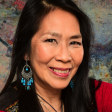

Greg Yuen
Empowering self-healing for a vibrant, drug-free life!

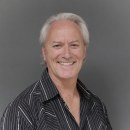
Colin Chenery
Health and Lifestyle Counsellor, Coach and Author on Mindfulness and Self Awareness

Dean Howell
Healing hands, empowered minds, lasting wellness.
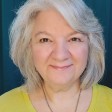
Dr. Tanya English
Transforming grief into joy through music and intuitive healing
What Makes a Great Massage Speaker
The best massage speakers have a unique blend of credibility and charisma. They've either worked in the field for years, trained others, or contributed to research. But more importantly, they know how to translate that experience into something engaging. They might walk you through a case study of a client recovering from injury, or explain how massage therapy is evolving in sports medicine. They don't just inform-they inspire.
And then there's delivery. A great massage speaker knows how to read the room, whether it's a virtual summit or a wellness expo. They use tone, pacing, and visuals to keep things dynamic. They might demonstrate a technique on video or use storytelling to explain how massage affects the nervous system. It's not about being flashy-it's about being real and relatable.
Finally, they connect. They answer questions thoughtfully, they tailor their message to the audience-whether it's spa owners, physical therapists, or curious consumers-and they leave people thinking, 'I didn't know that... but I'm glad I do now.' That's the mark of someone who's not just a speaker, but a guide.
How to Select the Best Massage Speaker for Your Show
1. Define Your Audience and Topic Scope
- Are you targeting massage therapists, wellness entrepreneurs, or general health-conscious viewers?
- Clarify the theme: Is it clinical massage, spa business growth, or integrative health?
- Tip: Use this clarity to filter speaker profiles on platforms like Talks.co.
2. Search Smart on Speaker Platforms
- Head to Talks.co and use keywords like 'sports massage', 'lymphatic drainage', or 'massage education'.
- Look for verified speaker pages with videos, testimonials, and past event history.
- Bonus: Check if they've spoken at events like the American Massage Conference or World Massage Festival.
3. Evaluate Presentation Style
- Watch at least one full-length talk. Are they engaging? Do they explain complex ideas clearly?
- Look for speakers who balance technical knowledge with audience-friendly delivery.
- Pro tip: Avoid those who speak in jargon without context. Your audience will tune out.
4. Check for Alignment with Your Show's Format
- If your show is interactive, make sure the speaker is comfortable with live Q&A.
- For pre-recorded summits, prioritize clarity and pacing.
- Ask: Can they adapt their content to your format and time limit?
5. Reach Out with a Clear Ask
- When you've narrowed it down, send a personalized message via Talks.co or their contact page.
- Include your show's theme, audience size, and what you're looking for.
- Mention why you think they're a good fit based on their past talks or expertise.
By following these steps, you'll not only find a qualified massage speaker-you'll find one who elevates your entire event.
How to Book a Massage Speaker
1. Shortlist Your Top Picks
- Use platforms like Talks.co to browse speaker profiles.
- Look for massage professionals with speaking experience, especially those who've been featured at industry events or podcasts.
- Tip: Save their Talks.co speaker pages for easy reference.
2. Reach Out with a Targeted Pitch
- Craft a message that includes your event name, date, audience, and why you think they're a good fit.
- Be specific: 'We're hosting a virtual summit for holistic health practitioners, and your talk on myofascial release would be a perfect fit.'
- Include your expectations: format (live or recorded), time commitment, and compensation if applicable.
3. Confirm Availability and Logistics
- Once they respond positively, lock in the date and time.
- Share your tech setup (Zoom, StreamYard, etc.), presentation length, and any deadlines for slides or bios.
- Pro tip: Use a shared Google Doc or project management tool to keep everything organized.
4. Promote the Speaker
- Add their bio and headshot to your event page.
- Share teaser clips or quotes from their past talks on social media.
- Encourage them to promote the event to their own audience for extra reach.
5. Follow Up After the Event
- Send a thank-you note and any audience feedback.
- If the session was recorded, share the link and ask if they'd like to use it in their portfolio.
- Consider inviting them back for future events or collaborations.
Booking a massage speaker is about building a relationship, not just filling a slot. Treat them like a partner, and they'll bring their best to your stage.
Common Questions on Massage Speakers
What is a massage speaker
Unlike a general wellness speaker, a massage speaker focuses specifically on topics like therapeutic techniques, industry trends, client care, and business growth for massage professionals. For example, a speaker might present on 'The Science of Trigger Points' at a continuing education seminar or discuss 'Marketing Strategies for Solo Practitioners' at a business-focused summit.
Massage speakers often tailor their content to different audiences. For instance, a talk for spa owners might focus on team training and client retention, while a session for physical therapists could dive into integration with sports rehab. Their role is to educate, inspire, and sometimes challenge outdated practices in the field.
Many massage speakers also contribute to the profession by writing articles, developing training programs, or consulting for wellness brands. Their speaking engagements are just one channel through which they influence the industry and help others grow.
In short, a massage speaker is both a communicator and a specialist-someone who bridges the gap between hands-on practice and broader professional development.
Why is a massage speaker important
First, they help legitimize the field. Whether it's a speaker breaking down the neurochemical effects of massage or one sharing data on client outcomes, they provide the kind of evidence-based insight that earns respect across healthcare, wellness, and business sectors.
Second, massage speakers are educators at scale. Instead of teaching one client at a time, they reach hundreds or thousands through summits, podcasts, or live events. That kind of amplification is essential when you're trying to shift public perception or train the next generation of therapists.
Third, they create community. By speaking at events or hosting panels, they bring together practitioners, educators, and entrepreneurs who might otherwise work in silos. This cross-pollination of ideas leads to innovation-whether it's new treatment protocols or better ways to run a massage business.
Finally, they inspire action. A great massage speaker doesn't just inform-they motivate. They might push a solo therapist to finally launch that online course, or encourage a clinic owner to adopt trauma-informed practices. Their words can be the catalyst for real change.
So if you're building an event or platform that touches on wellness, don't overlook the value of a massage speaker. They're not just filling a slot-they're shaping the conversation.
What do massage speakers do
They speak at events. This includes industry conferences like the American Massage Therapy Association (AMTA) convention, regional wellness expos, or virtual summits hosted on platforms like Zoom. Their sessions might cover topics like 'Ethics in Touch-Based Professions', 'Massage for Chronic Pain', or 'Building a Scalable Practice'.
They train and mentor. Many massage speakers also lead workshops or continuing education courses. These might be hands-on technique trainings or business development sessions for practitioners looking to grow. For example, a speaker might teach a weekend course on Thai massage or host a webinar on pricing strategies for independent therapists.
They advocate for the profession. Some massage speakers use their platform to influence policy, promote research, or challenge misconceptions. For instance, they might speak to healthcare providers about integrating massage into patient care plans, or present at public health forums to highlight massage's role in mental health.
They create content. Beyond live speaking, many massage speakers write articles, host podcasts, or produce online courses. This helps them reach a wider audience and build authority in their niche.
In essence, massage speakers are communicators, educators, and leaders who help move the massage profession forward-one talk, training, or conversation at a time.
How to become a massage speaker
1. Define Your Niche and Message.
- Are you focused on sports massage? Energy healing? Business growth for massage therapists? Get specific.
- Tip: Think about your ideal audience. Are they students, spa owners, or healthcare professionals?
2. Build Your Authority.
- Start with blog posts, YouTube videos, or podcast interviews.
- Write for massage industry publications or contribute to wellness blogs.
- Create a Talks.co speaker page to showcase your expertise and make it easier for event hosts to find you.
3. Create a Signature Talk.
- Develop a 20- to 45-minute presentation that delivers real value.
- Include personal insights, industry trends, and actionable takeaways.
- Practice it live or virtually, and record it for your speaker reel.
4. Network with Event Organizers.
- Reach out to wellness expos, massage schools, and holistic health conferences.
- Use platforms like Talks.co to connect with event hosts looking for niche speakers.
- Tip: Offer to speak for free at first to build your portfolio, then scale up.
5. Promote Yourself.
- Build a website or speaker page with your bio, topics, testimonials, and video clips.
- Use LinkedIn and Instagram to connect with wellness communities.
- Ask for referrals after each talk to keep the momentum going.
It's not just about being a great massage therapist. It's about becoming a trusted voice in the wellness space. Start small, stay consistent, and let your message grow.
What do you need to be a massage speaker
1. Subject Matter Expertise
You should have a strong foundation in massage therapy. That might mean years of hands-on experience, advanced certifications, or a background in teaching. The more specific your knowledge, the more valuable your talk becomes. For example, someone who specializes in prenatal massage can offer insights that generalists can't.
2. Communication Skills
Being a great speaker means knowing how to engage an audience. You don't need to be a TED-level orator, but you do need to:
- Speak clearly and confidently.
- Structure your talk with a beginning, middle, and end.
- Use stories, stats, and visuals to support your message.
3. A Platform to Be Found
You need a digital footprint. A Talks.co speaker page is a great place to start. It lets event organizers see your bio, topics, and past talks in one place. You can also use your own website or LinkedIn profile to showcase your speaking experience.
4. Presentation Materials
Have a slide deck, handouts, or visuals ready. These help reinforce your message and give your audience something to remember you by. Tools like Canva or Keynote make it easy to build professional-looking presentations.
5. A Clear Offer
What do you want people to do after your talk? Book a session? Enroll in your course? Follow your podcast? Know your call to action and make it clear.
In short, being a massage speaker means combining your wellness knowledge with a clear message and a plan to reach the right audience. It's a mix of education, marketing, and performance.
Do massage speakers get paid
Industry Averages
- Entry-level massage speakers may earn $0 to $500 per event, especially if they're just starting out or speaking at local schools or wellness fairs.
- Mid-level speakers with some recognition can command $1,000 to $3,000 per talk.
- High-profile massage speakers, especially those with books, media appearances, or large followings, can earn $5,000 to $10,000 or more per keynote.
Factors That Influence Pay
- Experience: The more talks you've given, the more you can charge.
- Audience Size: Speaking at a national conference pays more than a local meetup.
- Topic Relevance: Talks that tie into trending topics like burnout recovery, corporate wellness, or trauma-informed care tend to get more attention.
- Geography: Speakers in North America, Western Europe, and Australia often earn more due to higher event budgets.
Pros and Cons
- Pros:
- Speaking can lead to other paid opportunities like consulting or online courses.
- It builds authority and visibility in your niche.
- Cons:
- Not all events pay, especially in the wellness space.
- Travel and prep time can eat into your earnings.
In short, yes, massage speakers get paid, but it's not always consistent. Many use speaking as one income stream among several, which brings us to the next section...
How do massage speakers make money
1. Speaking Fees
- Paid keynotes, workshops, and breakout sessions at wellness conferences, massage schools, and corporate wellness events.
- Example: A speaker at the American Massage Therapy Association (AMTA) conference might earn $2,000 plus travel expenses.
2. Product Sales
- Selling books, eBooks, or online courses related to massage techniques, business growth, or wellness.
- Example: A speaker might offer a $97 course on lymphatic drainage massage after their talk.
3. Affiliate Partnerships
- Recommending massage tools, oils, or software and earning commissions.
- Example: Promoting a massage table brand during a talk and linking to it on their speaker page.
4. Consulting and Coaching
- Offering 1-on-1 or group coaching for massage therapists looking to grow their practice.
- Example: After a talk on marketing for massage therapists, offering a $500/month coaching program.
5. Virtual Summits and Webinars
- Hosting or participating in online events. Platforms like Talks.co make it easy to connect with virtual event hosts.
- These events often include speaker stipends or revenue shares.
6. Sponsorships
- Partnering with wellness brands to co-host events or get featured in their content.
- Example: A massage oil company might sponsor a speaker's workshop tour.
Massage speakers who diversify their income streams tend to build more sustainable businesses. It's not just about the stage... it's about the ecosystem you build around it.
How much do massage speakers make
| Level | Typical Fee per Talk | Annual Income Estimate* |
|---|---|---|
| Beginner | $0 - $500 | $1,000 - $5,000 |
| Mid-Level | $1,000 - $3,000 | $10,000 - $50,000 |
| High-Profile | $5,000 - $10,000+ | $75,000 - $200,000+ |
Key Influencers on Income
- Niche Focus: A speaker who specializes in massage for chronic pain or trauma recovery may earn more due to demand.
- Geographic Reach: Speakers who travel internationally or speak at global wellness events often earn more.
- Digital Presence: Those with a strong online brand (via Talks.co, YouTube, or Instagram) can command higher fees.
Case Example
A massage speaker who gives 10 talks a year at $2,000 each, sells a $197 course to 100 attendees, and lands two $5,000 consulting clients could earn over $40,000 annually from speaking-related activities.
While not every massage speaker earns six figures, those who treat it like a business and diversify their income streams can build a solid, sustainable career.
How much do massage speakers cost
Typical Fee Ranges
- Local Wellness Events or Schools: $0 to $500. Many new speakers offer free talks to build experience.
- Regional Conferences or Retreats: $500 to $2,000. These events often cover travel and lodging.
- National or International Conferences: $2,000 to $10,000+. High-demand speakers with books or media appearances can command top dollar.
What Affects the Cost?
- Duration: A 60-minute keynote costs more than a 20-minute breakout session.
- Customization: If the speaker tailors content for your audience, expect to pay more.
- Travel: For in-person events, travel and accommodation are usually extra.
- Virtual vs. In-Person: Virtual talks are often 30-50% cheaper.
Budget-Saving Tips
- Consider booking emerging speakers via Talks.co who are building their portfolio.
- Offer value beyond cash: professional video footage, testimonials, or product exposure.
- Book early. Last-minute bookings often come with rush fees.
Hiring a massage speaker isn't just about cost. It's about the value they bring to your audience. A great speaker can educate, inspire, and elevate your entire event.
Who are the best massage speakers ever
- David Lauterstein: Co-founder of The Lauterstein-Conway Massage School, David is known for his deep tissue and structural bodywork teachings. His talks blend science, philosophy, and hands-on technique.
- Til Luchau: A leading educator in myofascial therapy, Til's presentations are rich with anatomy, research, and practical application. He's a regular at international massage conferences.
- Irene Diamond: Creator of the Active Myofascial Therapy method, Irene is a dynamic speaker on pain relief and client-centered care. Her talks often focus on outcomes-based massage therapy.
- Whitney Lowe: Known for his clinical massage expertise, Whitney has authored textbooks and spoken globally on orthopedic massage. His sessions are data-driven and highly respected.
- Ruth Werner: A massage therapist and educator who specializes in pathology. Her talks are engaging, evidence-based, and often used in continuing education.
- Ben Benjamin: With decades in the field, Ben is known for his work on injury rehabilitation and ethics in massage. His speaking style is clear, authoritative, and practical.
These speakers have shaped the massage industry through education, advocacy, and innovation. If you're looking to learn from the best, start with their books, courses, or recorded talks.
Who are the best massage speakers in the world
- Susan Findlay (UK): Director of NLSSM in London, Susan is a leading voice in sports massage and soft tissue therapy. Her talks are popular across Europe and online.
- Art Riggs (USA): Based in California, Art is a pioneer in deep tissue and structural integration. His workshops and lectures are sought after worldwide.
- Noam Tyroler (Israel/Thailand): An expert in Thai medical massage, Noam teaches internationally and blends traditional techniques with modern anatomy.
- Jing Massage School Founders (UK): Rachel Fairweather and Meghan Mari are dynamic speakers known for their integrative approach to advanced massage training.
- Dr. Joe Muscolino (USA): A chiropractor and massage educator, Joe's global seminars on kinesiology and palpation skills are highly rated.
- Ananda Apfelbaum (USA/Asia): Known for her work in Asian bodywork therapies, Ananda brings cultural context and depth to her presentations.
- Tania Velásquez (Colombia): A respected educator in Latin America, Tania speaks on massage therapy in medical and spa settings, bridging holistic and clinical worlds.
These speakers are not only experts in massage but also educators who inspire global audiences. Whether you're attending a conference in Berlin, Bangkok, or Bogotá, chances are you'll find one of these names on the roster.
Common myths about massage speakers
This one's common, and it's misleading. A massage speaker isn't simply a therapist who talks about their work. These professionals are educators, advocates, and often thought leaders in wellness, bodywork, and holistic health. They speak at conferences, lead workshops, and even host webinars or summits. Think of someone like Tiffany Field, who has spoken extensively on touch therapy and its scientific basis. Her talks go far beyond technique-they're grounded in research and public health.
Myth 2: You need to be a licensed massage therapist to become a massage speaker.
Not necessarily. While many massage speakers do have hands-on experience, others come from adjacent fields like kinesiology, physical therapy, or even neuroscience. What matters is your credibility and your ability to communicate value to your audience. For example, a physiologist might speak at a massage therapy conference about the latest fascia research. The key is relevance, not just credentials.
Myth 3: There's no real demand for massage speakers.
Actually, the demand is growing. From wellness expos in the U.S. to integrative health conferences in Europe and Asia, organizers are actively looking for speakers who can bridge science and practice. Online summits, especially post-2020, have opened up even more opportunities. Platforms like Talks.co have made it easier for niche experts to get discovered and booked.
Myth 4: Massage speakers only talk about relaxation techniques.
Far from it. Topics range from trauma-informed bodywork to business strategies for solo practitioners. Some speakers focus on ethics, others on cross-cultural healing practices. The diversity of content is huge. For instance, at the World Massage Conference, you'll find sessions on everything from lymphatic drainage to marketing your practice.
Myth 5: You have to be a natural public speaker to succeed.
Nope. Many successful massage speakers started out nervous or unsure. What sets them apart is preparation and practice. Tools like Toastmasters or virtual speaker training programs can help polish delivery. The real secret? Passion for your topic. That's what connects with audiences, not perfect diction.
Case studies of successful massage speakers
Then there's Ruth Werner. She built her reputation not just as a massage therapist, but as an educator and author. Her talks on pathology and massage are packed with science, yet totally accessible. What's interesting is how she carved out a niche: speaking to therapists who want to understand complex health conditions without getting lost in jargon. Her case? Proof that specialization can be a superpower.
In a very different lane, we've got practitioners like Takashi Yoshizawa in Japan, who blends traditional Shiatsu with modern wellness coaching. He started giving talks at local wellness centers, then began livestreaming sessions during the pandemic. Now, he's invited to speak at international integrative health events. His story highlights how local credibility can scale globally when paired with digital strategy.
And don't overlook the business-savvy speakers. Take Irene Diamond, who turned her clinical expertise into a speaking career focused on helping massage therapists build sustainable practices. Her presentations often combine client care with marketing insights, making her a hit at both wellness and entrepreneurial events.
What ties these stories together? None of these massage speakers followed the same path. Some started with academic backgrounds, others with hands-on practice. Some went local first, others online. But all of them found a way to translate their knowledge into value for an audience-and that's the real key to success in this space.
Future trends for massage speakers
First, hybrid events are here to stay. Conferences that once only happened in hotel ballrooms are now streaming globally. That means massage speakers need to get comfortable with both in-person and virtual delivery. Tools like OBS Studio or StreamYard are becoming part of the speaker toolkit.
Second, there's a growing appetite for evidence-based content. Audiences-especially in medical or interdisciplinary settings-want data, not just anecdotes. Speakers who can back up claims with research (or collaborate with researchers) will stand out.
Third, diversity of perspective is gaining traction. Organizers are actively seeking speakers from underrepresented communities, as well as those who can speak to culturally specific healing practices. This opens the door for massage speakers from Indigenous, African, Asian, and Latin American traditions to bring their knowledge to global stages.
Fourth, micro-niching is becoming a smart strategy. Instead of trying to appeal to all massage therapists, speakers are finding success by focusing on narrow topics: prenatal massage, trauma recovery, sports performance, or even business coaching for bodyworkers.
Here are a few key trends to watch:
- More interdisciplinary panels featuring massage speakers alongside doctors, psychologists, and fitness experts.
- Increased demand for short-form content (think 15-minute TED-style talks) for online summits.
- AI-assisted content creation tools helping speakers prep faster and smarter.
- Certification-based speaking: therapists offering CEU-approved talks to help peers meet licensing requirements.
Massage speakers who adapt to these shifts-especially those who embrace tech and niche positioning-will find more opportunities than ever before.
Tools and resources for aspiring massage speakers
- Massage Therapy Foundation. Offers research grants, educational resources, and speaking opportunities at affiliated events. If you're looking to add credibility to your talks, this is a solid place to start.
- SpeakerHub. A global directory where you can create a speaker profile, list your topics, and get discovered by event planners. It also includes training resources and a job board.
- Zoom and StreamYard. Essential for delivering virtual talks. StreamYard is especially useful for live interviews or panel discussions with multiple guests.
- Canva. Use this to design clean, professional slides-even if you're not a designer. Their templates make it easy to create visuals that support your message without overwhelming your audience.
- Toastmasters International. A classic for a reason. Local clubs and online meetings help you practice public speaking in a supportive environment. Especially useful if you're nervous about presenting.
- Google Scholar. Not a speaker tool per se, but invaluable for finding credible studies to back up your points. If you want to stand out with evidence-based content, this is your go-to.
