Menopause Management Speakers
You finally get the green light to plan a health-focused podcast episode or event panel... and someone suggests covering menopause.
Great idea. But now what?
Who actually knows this topic inside and out, and can speak with clarity, warmth, and credibility?
You start searching for menopause management speakers, but the options feel scattered or vague.
It's a common hangup.
How do you find menopause management speakers who truly get it-who can talk about hormone therapy, lifestyle shifts, and real-life experiences with authority and empathy?
What makes one speaker stand out over another?
And how do you know if they'll connect with your audience?
This guide helps you cut through the noise.
You'll get a curated list of menopause management speakers who know how to hold a room, educate with confidence, and bring fresh energy to a sometimes-overlooked topic.
I've seen how the right speaker can turn a niche subject into a packed session or a must-listen episode.
Scroll through, explore the speakers, and find someone who fits your format-whether it's a podcast, summit, or stage.
Top Menopause Management Speakers List for 2026
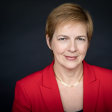
Nathalie Belanger
Empowering women to navigate the menopause minefield with technology and community.

Heather Chaney
Empowering women 35+ to thrive through menopause with balance, strength, and vitality.
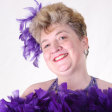

Pam Kudlowich
Empowering women to thrive through perimenopause.

Juli Madacey
Rewriting the menopause story for women who refuse to disappear after 40.


Angie Garton
Angie Garton guides women through menopause and midlife with clarity, confidence, and balance.

Sarah Cormack
Using personalized nutrition to lose stubborn menopause weight, balance your hormones and help you look and feel like yourself again!

Sue Lemoine
Guiding professional women through the chaos of menopause with simple, nourishing steps that bring back energy, confidence, and calm.

Brita Doubroff
Empowering midlife women to thrive with confidence and clarity.
What Makes a Great Menopause Management Speaker
Think about it: menopause is a deeply personal and often misunderstood phase of life. A truly impactful speaker knows how to navigate the science, the emotions, and the social stigma without losing the audience in medical jargon or oversimplified clichés. They might share stories of women who've navigated menopause while leading companies, raising families, or reinventing themselves in their 50s. They might talk about hormone therapy, but also about cultural taboos in different regions-from how menopause is viewed in Japan versus the UK.
The best speakers are also great listeners. They tailor their message to the audience-whether it's a corporate wellness summit, a women's health podcast, or a virtual summit for midlife entrepreneurs. They anticipate questions before they're asked and make space for real dialogue.
And let's not forget delivery. A great menopause management speaker has presence. They use tone, pacing, and body language to keep you tuned in. They're not afraid to be vulnerable or to challenge outdated thinking. That's what makes them memorable.
In short, they don't just speak about menopause. They spark conversations that matter.
How to Select the Best Menopause Management Speaker for Your Show
1. Define Your Audience and Goals.
- Are you speaking to corporate HR leaders, midlife entrepreneurs, or everyday women navigating perimenopause? Your ideal speaker should match the tone and depth your audience expects.
- Example: If your summit focuses on workplace wellness, look for speakers who've consulted with companies like Deloitte or Unilever on menopause policies.
2. Search Smart.
- Use platforms like Talks.co to browse speaker profiles. Filter by topic, availability, and past appearances.
- Look for speakers with a clear niche-like nutrition during menopause, mental health, or cultural perspectives.
3. Review Their Content.
- Watch past talks, listen to podcast interviews, and read articles or books they've written.
- Pay attention to how they explain complex topics. Do they make it accessible? Do they bring fresh insights?
4. Check Social Proof.
- Look at testimonials from past hosts. What do people say about their delivery, engagement, and professionalism?
- Bonus: See if they've been featured in reputable media like The Guardian, TEDx, or Women's Health.
5. Reach Out and Ask the Right Questions.
- Ask about their availability, preferred formats, and how they tailor content.
- Pro tip: Use the messaging feature on Talks.co to streamline this process.
By following these steps, you'll not only find a speaker-you'll find the right speaker who elevates your show and resonates with your audience.
How to Book a Menopause Management Speaker
1. Start with a Shortlist.
- Use Talks.co or your existing network to identify 3-5 potential speakers.
- Look for those who align with your event's theme and audience.
2. Check Availability Early.
- Top speakers book out months in advance. Use their speaker page or contact form to inquire.
- Include your event date, format (live, virtual, hybrid), and expected audience size.
3. Clarify Expectations Upfront.
- Be clear on what you're asking: keynote, panel, Q&A, or workshop?
- Mention time commitment, tech setup, and whether it's paid or promotional.
4. Use a Booking Platform or Agreement.
- If you're using Talks.co, you can confirm bookings and manage logistics in one place.
- If not, send a simple agreement outlining deliverables, deadlines, and cancellation terms.
5. Prep for Success.
- Once booked, send a prep doc with audience info, tech details, and promotional assets.
- Schedule a quick call or email check-in a week before the event.
Booking a speaker is more than just securing a name-it's about setting them (and your show) up for success. And when you streamline the process, you make it easier for everyone involved.
Common Questions on Menopause Management Speakers
What is a menopause management speaker
Unlike general health speakers, menopause management speakers focus on the unique physical, emotional, and social transitions that occur during perimenopause, menopause, and post-menopause. They might speak at corporate events to help HR teams support midlife employees, or at wellness summits to guide women through hormonal changes and lifestyle shifts.
They also play a key role in normalizing conversations around menopause, which has historically been underrepresented in public discourse. By sharing evidence-based insights and real-world strategies, these speakers help audiences understand symptoms, treatment options, and the broader impact of menopause on careers, relationships, and mental health.
In short, a menopause management speaker is both an educator and an advocate-someone who brings clarity to a topic that's often misunderstood or ignored. Whether they're on stage, on a podcast, or leading a webinar, their goal is to inform and empower.
Why is a menopause management speaker important
First, there's a massive information gap. Despite affecting half the population, menopause is still treated like a taboo in many cultures and industries. A speaker who specializes in this topic helps fill that gap with clarity and authority. They bring evidence-based insights to the forefront-whether it's about hormone therapy, sleep disruption, or workplace accommodations.
Second, they help organizations and communities adapt. In the UK, for example, companies like Channel 4 and HSBC have launched menopause policies after internal education sessions led by expert speakers. These sessions didn't just raise awareness-they changed policy.
Third, they empower individuals. Whether it's a woman in her 40s trying to understand mood swings, or a manager trying to support a team member going through perimenopause, the right speaker can make a real difference. They translate complex science into actionable advice.
Finally, these speakers are catalysts for cultural change. In places where menopause is still whispered about-rural India, conservative workplaces, even some medical settings-a speaker can shift the narrative from shame to strength. That ripple effect matters.
What do menopause management speakers do
- Deliver Educational Talks. They present at conferences, webinars, and summits to explain the biological, psychological, and social aspects of menopause. These talks can range from scientific deep dives to motivational sessions.
- Consult with Organizations. Many work with companies to build menopause-inclusive policies. For example, they might help HR teams create flexible work options or train managers on how to support employees going through hormonal changes.
- Create Content and Resources. From writing books to hosting podcasts, these speakers often produce their own educational materials. Think of experts like Dr. Louise Newson in the UK, who offers both clinical insight and public education.
- Facilitate Workshops and Q&A Sessions. Beyond keynotes, they often lead interactive sessions where attendees can ask personal questions and get tailored advice.
- Advocate for Social Change. Some speakers use their platform to push for better healthcare access, insurance coverage for hormone therapy, or cultural shifts in how menopause is discussed.
In essence, menopause management speakers are educators, change-makers, and trusted voices in a space that desperately needs more visibility and understanding.
How to become a menopause management speaker
1. Get Educated and Certified
- While formal medical training isn't mandatory, having a background in health, wellness, or psychology helps.
- Consider certifications in women's health, hormone therapy, or coaching. Organizations like the North American Menopause Society (NAMS) offer credentialing that adds credibility.
- Stay updated with the latest research and trends in menopause care.
2. Define Your Niche and Message
- Are you focusing on corporate wellness? Holistic approaches? Cultural perspectives on menopause?
- Craft a clear message that speaks to your audience. For example, if you're targeting HR departments, highlight productivity and employee wellbeing.
3. Build Your Speaker Page on Talks.co
- Create a professional speaker profile on Talks.co. Include your bio, speaking topics, testimonials, and a high-quality headshot.
- Upload a short video of you speaking. Even a 2-minute clip can make a big difference.
4. Start Speaking Locally
- Offer free talks at community centers, wellness events, or online summits.
- Use these opportunities to refine your delivery and gather testimonials.
5. Network with Hosts and Event Organizers
- Use platforms like Talks.co to connect directly with podcast hosts, summit organizers, and corporate event planners.
- Pitch yourself with a clear value proposition: what problem do you solve for their audience?
6. Leverage Social Proof and Feedback
- Collect reviews, ratings, and audience feedback.
- Share clips and quotes on LinkedIn, Instagram, or your newsletter to build visibility.
7. Scale with Virtual Summits and Collaborations
- Partner with other experts to co-host webinars or summits.
- This expands your reach and positions you as a thought leader.
Consistency is key. The more you speak, the more you'll be invited to speak. And with platforms like Talks.co, the barrier to entry has never been lower.
What do you need to be a menopause management speaker
1. Subject Matter Expertise
You don't have to be a doctor, but you do need to understand menopause from multiple angles: physiological, psychological, and social. This means:
- Understanding hormonal changes and their impact.
- Being aware of treatment options: HRT, lifestyle changes, alternative therapies.
- Knowing how menopause affects different populations, including cultural and socioeconomic factors.
2. Communication and Presentation Skills
You must be able to translate complex information into relatable, engaging content. This includes:
- Storytelling: Use real-world scenarios or anonymized case studies.
- Visuals: Use slides or props to illustrate key points.
- Audience engagement: Ask questions, use polls, or include interactive segments.
3. A Strong Online Presence
In today's digital-first world, your online footprint matters. Here's what helps:
- A speaker page on Talks.co with your topics, bio, and video clips.
- Social media activity that showcases your thought leadership.
- A personal website or blog with articles, testimonials, and booking info.
4. Networking and Outreach Tools
You'll need to connect with event hosts, podcast producers, and summit organizers. Tools like Talks.co simplify this by letting you pitch directly to aligned audiences.
5. Passion and Empathy
Menopause is personal. Your ability to speak with empathy, listen actively, and offer actionable advice makes all the difference.
In short, being a menopause management speaker means being a trusted guide. You're not just sharing facts. You're helping people navigate a major life transition with clarity and confidence.
Do menopause management speakers get paid
Industry Demand
With growing awareness around women's health and workplace wellness, demand for menopause-related content is rising. Corporations are adding menopause support to DEI and HR initiatives, and conferences are dedicating entire tracks to midlife health.
Payment Models
- Keynote Speaking: Established speakers can earn $2,000 to $10,000+ per event.
- Workshops and Training: Corporate wellness sessions often pay $500 to $5,000 depending on duration and customization.
- Virtual Summits: These may be unpaid but offer lead generation and exposure. Some summits offer affiliate commissions or honorariums.
Pros
- Growing niche with less competition than broader wellness topics.
- Opportunities across industries: healthcare, HR, education, media.
Cons
- Early-stage speakers may struggle to get paid gigs.
- Some events offer exposure instead of cash, which may not be sustainable.
Comparison Table:
| Speaker Type | Typical Fee | Frequency |
|---|---|---|
| New Speaker | $0 - $500 | Low |
| Mid-Level | $500 - $2,500 | Medium |
| Expert/Niche Authority | $3,000 - $10,000+ | High (if branded well) |
How do menopause management speakers make money
1. Paid Speaking Engagements
- Keynotes at health conferences, HR summits, and corporate wellness events.
- Workshops for companies implementing menopause-friendly policies.
- Panel Appearances at medical, lifestyle, or women's leadership events.
2. Online Summits and Webinars
- Speakers often participate in virtual events hosted on platforms like Zoom.
- Revenue comes from ticket sales, affiliate commissions, or bundled product offers.
3. Consulting and Corporate Training
- Many speakers offer consulting packages to help companies develop menopause-inclusive policies.
- These can range from $1,000 to $10,000+ depending on scope.
4. Digital Products and Courses
- Create and sell online courses on menopause management.
- Offer downloadable guides, checklists, or toolkits.
5. Coaching and Group Programs
- One-on-one coaching for women navigating menopause.
- Group coaching programs, often priced between $500 and $2,000 per cohort.
6. Books and Publications
- Publishing a book can open doors to higher speaking fees.
- Self-published books can also generate passive income.
7. Brand Partnerships
- Collaborate with wellness brands or supplement companies.
- Sponsored content, affiliate marketing, or ambassador roles.
In short, menopause management speakers diversify their income streams. Speaking is often the gateway, but the real money comes from building a brand ecosystem around your expertise.
How much do menopause management speakers make
Entry-Level Speakers
- Typically earn $0 to $500 per event.
- Most income comes from free gigs that generate leads for coaching or product sales.
Mid-Level Speakers
- Earn between $1,000 and $3,000 per speaking engagement.
- May supplement income with consulting, online courses, or group coaching.
Established Experts
- Can command $5,000 to $15,000+ per keynote.
- Often have published books, media appearances, and a strong online presence.
Factors That Influence Earnings:
- Audience Size: Corporate events pay more than community meetups.
- Format: In-person keynotes tend to pay more than virtual panels.
- Region: Speakers in the US, UK, and Australia often earn more due to higher event budgets.
Sample Income Breakdown (Annual):
| Activity | Frequency | Rate | Annual Total |
|---|---|---|---|
| Speaking (10 events) | 10 | $2,000 | $20,000 |
| Coaching (10 clients) | 10 | $1,000 | $10,000 |
| Course Sales | 200 | $50 | $10,000 |
| Consulting | 3 | $5,000 | $15,000 |
| Total | $55,000 |
How much do menopause management speakers cost
Virtual Events
- New Speakers: $0 to $500. Often unpaid or compensated with exposure.
- Mid-Level Speakers: $500 to $2,000. Includes webinars, podcasts, and online summits.
- Experts: $2,000 to $5,000+. These speakers bring a large following or unique expertise.
In-Person Events
- Workshops: $1,000 to $5,000 for half-day or full-day sessions.
- Keynotes: $3,000 to $15,000+ depending on the speaker's reputation.
- Corporate Training: $5,000 to $20,000+ for custom programs.
Add-On Costs
- Travel and Accommodation: Usually covered by the event host.
- Materials: Printed workbooks, slide decks, or branded merchandise.
- Licensing Fees: For recorded content or internal distribution.
Cost Comparison Table:
| Speaker Tier | Virtual Fee | In-Person Fee |
|---|---|---|
| New | $0 - $500 | $500 - $1,500 |
| Mid-Level | $500 - $2,000 | $2,000 - $5,000 |
| Expert | $2,000 - $5,000+ | $5,000 - $15,000+ |
Who are the best menopause management speakers ever
Dr. Christiane Northrup. A pioneer in women's health, her book 'The Wisdom of Menopause' remains a classic. Controversial at times, but undeniably influential.
Dr. Louise Newson. A UK-based GP and menopause specialist, she's a vocal advocate for better menopause care in the NHS and beyond.
Dr. Jen Gunter. Known for her evidence-based approach and myth-busting attitude, she's a go-to expert for media outlets like The New York Times.
Ellen Dolgen. Author and speaker who's made menopause education accessible and humorous through her 'Menopause Mondays' platform.
Jackie Lynch. A nutritional therapist and author of 'The Happy Menopause', she combines diet and lifestyle advice with practical speaking.
Deborah Garlick. Founder of Henpicked: Menopause in the Workplace, she's led the charge in corporate menopause training across the UK.
Dr. Stephanie Faubion. Medical director at NAMS, she's a top voice in clinical menopause education and policy.
Rachel Lankester. Founder of Magnificent Midlife, she speaks on reframing menopause as a time of empowerment.
Barbara Hannah Grufferman. A lifestyle advocate and AARP contributor, she connects menopause to broader aging and wellness themes.
Who are the best menopause management speakers in the world
Dr. Mary Claire Haver (USA). Her Galveston Diet and social media presence have made her a household name in menopause wellness.
Dr. Ghazala Aziz-Scott (UK). Integrative doctor at Marion Gluck Clinic, she blends conventional and functional medicine in her talks.
Dr. Mache Seibel (USA). Harvard faculty and author of 'The Estrogen Window', he's a frequent keynote speaker at medical and wellness events.
Dr. Menka Gupta (Singapore). A functional medicine practitioner bringing menopause education to Southeast Asia.
Dr. Nitu Bajekal (UK/India). A gynecologist and plant-based health advocate, she addresses menopause from a multicultural lens.
Dr. Heather Hirsch (USA). Host of the 'Health by Heather Hirsch' podcast, she's known for tackling taboo topics with clarity.
Dr. Mariza Snyder (USA). Author of 'The Essential Oils Hormone Solution', she speaks on natural approaches to hormone balance.
Deborah Garlick (UK). A corporate trainer and speaker, she's helped hundreds of companies implement menopause-friendly policies.
Dr. Paula Briggs (UK). Chair of the British Menopause Society, she's a leading voice in clinical menopause education.
Common myths about menopause management speakers
1. Myth: Menopause management speakers only talk to women over 50.
This is a narrow view. While the primary audience may often include women in midlife, the best menopause management speakers address a much broader crowd. Think HR professionals designing inclusive wellness programs, younger women preparing for future transitions, or even male managers trying to support their teams better. For example, Dr. Mary Claire Haver, a well-known voice in this space, often speaks to corporate audiences about how menopause impacts productivity and retention.
2. Myth: You need to be a medical doctor to be a menopause management speaker.
Not true. While medical credentials can add authority, many successful speakers in this space come from backgrounds in coaching, nutrition, psychology, or even corporate wellness. What matters more is credibility, clarity, and the ability to translate complex topics into actionable insights. Just look at speakers like Andrea Donsky, who built her platform through research, content, and community leadership.
3. Myth: Menopause is too niche to build a speaking career around.
This one's outdated. The global menopause market is projected to reach over $24 billion by 2030. Conferences, corporate wellness programs, and digital summits are actively seeking experts in this field. The demand is growing, not shrinking. And with platforms like Talks.co making it easier to match with relevant podcasts and virtual events, niche speakers are thriving.
4. Myth: Menopause management speakers only talk about hot flashes and hormones.
That's like saying tech speakers only talk about Wi-Fi. The reality is, the topic spans mental health, sleep, workplace equity, nutrition, relationships, and more. The best speakers weave in intersectional themes like cultural stigma, economic impact, and healthcare access. This makes their talks relevant across industries and demographics.
5. Myth: If you're not in your 50s, you can't be a credible menopause speaker.
Age doesn't define expertise. What matters is your message, your research, and your ability to connect. Younger speakers often bring fresh perspectives, especially when they focus on prevention, early symptoms, or intergenerational dialogue. It's about relevance, not age.
Case studies of successful menopause management speakers
Take Dr. Louise Newson. A UK-based GP turned menopause specialist, she started by noticing a gap in how menopause was treated in general practice. Instead of staying within the clinic walls, she launched a podcast, published guides, and began speaking at medical conferences and corporate events. Her talks blend science with empathy, and she's now influencing national health policy.
Then there's Stacy London, best known for her work in fashion TV. She pivoted into menopause advocacy after her own experience with perimenopause. Her talks are bold, culturally savvy, and unapologetically honest. She speaks at events like The What Summit and uses her platform to challenge ageism and redefine midlife.
In Australia, Nicky Williams built her speaking career by combining her background in nutrition with a focus on hormonal health. She started with webinars and small workshops, then scaled to online summits and corporate wellness programs. Her success came from tailoring her message to busy professionals and integrating practical, food-based strategies.
And don't overlook grassroots voices. In Kenya, Dr. Wanjiru Ndegwa has been leading community-based education programs, speaking at local health forums and radio shows. Her talks focus on cultural taboos and access to care, and she's become a sought-after voice in East African health policy circles.
What unites these speakers isn't a single path or credential. It's their ability to identify gaps, speak with clarity, and build trust with their audiences. Whether through media, medicine, or grassroots work, they've each created a lane that reflects their voice and vision.
Future trends for menopause management speakers
First, expect more corporate demand. Companies are finally waking up to the fact that menopause affects productivity, retention, and workplace culture. In the UK, Channel 4 launched a menopause policy. In the US, brands like Bank of America and Microsoft are investing in midlife wellness programs. That means more speaking opportunities at HR summits, leadership retreats, and internal DEI events.
Second, digital-first formats are expanding. Virtual summits, webinars, and podcast guesting are no longer just stepping stones. They're main stages. Speakers who can adapt their message to different formats-short-form video, panel discussions, interactive Q&As-will have a serious edge. Think of how platforms like Talks.co are matching niche experts with aligned podcast hosts. That's a trend with staying power.
Third, intersectionality is becoming non-negotiable. Audiences want speakers who can address how menopause intersects with race, gender identity, socioeconomic status, and disability. The most in-demand speakers will be those who can speak to diverse experiences, not just the dominant narrative.
Here are a few key trends to watch:
- More male allies and co-speakers entering the conversation.
- Increased use of data and wearable tech in presentations (e.g., Oura Ring, WHOOP).
- Demand for bilingual or multilingual speakers for global events.
- Integration of menopause into broader wellness and leadership themes.
- Rise of speaker collectives and networks focused on midlife health.
Bottom line: the field is expanding, but it's also evolving. Staying relevant means staying responsive-to audience needs, tech shifts, and cultural conversations.
Tools and resources for aspiring menopause management speakers
1. Talks.co - A podcast guest matching tool that connects experts with aligned podcast hosts. Perfect for building your visibility and refining your message in real time.
2. SpeakerHub - A global directory where you can list your profile, get discovered by event organizers, and access speaking opportunities across industries.
3. Canva - Use it to create professional slide decks, social media graphics, and speaker one-sheets. Their templates are easy to customize, even if you're not a designer.
4. Menopause Matters - A UK-based resource hub with up-to-date research, news, and forums. Great for staying informed and citing credible data in your talks.
5. LinkedIn Creator Mode - Turn this on to highlight your speaking topics, add a featured video, and attract inbound speaking requests. Use hashtags like #menopausespeaker or #midlifewellness to get discovered.
6. Zoom Events - If you're hosting your own virtual workshops or summits, Zoom's event platform lets you manage ticketing, branding, and breakout sessions all in one place.
7. The Menopause Society - Formerly NAMS, this US-based organization offers certifications, CME events, and a speaker directory. If you're coming from a medical or clinical background, this adds serious credibility.
Pro tip: Don't just collect tools. Use them to build momentum. Start with one podcast interview, one downloadable speaker sheet, or one virtual workshop. Then iterate. The key is consistency, not perfection.
