Mindset Self Help Speakers
You've got the event, the audience, maybe even the date locked in.
Now you just need someone who can actually connect, inspire, and leave people thinking.
But how do you find the right mindset self help speakers who won't just repeat what everyone else is saying?
Who brings real insight and knows how to hold a room?
Whether you're hosting a podcast, summit, YouTube series, or live event, mindset self help speakers can bring clarity, confidence, and practical advice to your stage.
These are the people who talk about personal growth without fluff.
They've built trust through experience, not just hashtags.
I've seen how the best ones can turn a passive crowd into an engaged conversation.
This guide spotlights speakers who understand the inner work, speak with purpose, and show up for your audience.
You'll find a mix of voices-coaches, authors, practitioners-who know how to move ideas forward.
Scroll through to discover standout mindset self help speakers or book someone who fits your event like a glove.
Top Mindset Self Help Speakers List for 2026
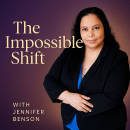
Jennifer Benson
Change the way you see yourself — change the way the world sees you.

Bruce Pulver
Transforming words into action for unstoppable success!

Ana Velingard
Awaken unshakable self-belief so doubt, fear, and failure can't steal your dreams

Gabriela Popescu
Transforming chaos into empowerment, one soul at a time


Daune Thompson
Stop shrinking. Start leading. And run your life from the CEO of your soul.

Bruce Anderson
Mindset makes the difference between good and great

Luke Mind Power
Empowering you to unleash your true potential, fearlessly!

Teresa Phillips
Unlock your potential and embrace a fulfilling life
What Makes a Great Mindset Self Help Speaker
Take someone like Mel Robbins. She doesn't just share tools like the 5-second rule-she tells stories that make you believe you can actually use it. That's the difference. A great mindset self help speaker doesn't just inform, they transform. They've lived through the mindset shifts they talk about, and it shows in their delivery.
But it's not just about personal experience. The best speakers also know how to read the room. Whether they're speaking to a group of startup founders in Berlin or high school students in rural Australia, they adapt their tone, examples, and energy. That kind of emotional intelligence is rare-and powerful.
Another trait? They're generous. They don't hoard insights or tease solutions. They give real, actionable strategies. Think of Jay Shetty or Lisa Nichols-both offer frameworks and tools you can use immediately, not just motivational fluff.
So what makes a great mindset self help speaker? It's a mix of authenticity, adaptability, and a deep desire to serve. They don't just want to be heard-they want to help you shift something inside yourself. And that's what keeps audiences coming back.
How to Select the Best Mindset Self Help Speaker for Your Show
1. Define Your Audience's Pain Points.
- Are they entrepreneurs struggling with imposter syndrome? Or maybe corporate teams facing burnout?
- Get specific. The more you understand your listeners, the better you can match them with someone who speaks their language.
2. Search by Niche and Style.
- Use platforms like Talks.co to filter speakers by topic, tone, and delivery style.
- Want someone tactical? Look for speakers like Brendon Burchard. Prefer storytelling? Consider someone like Trent Shelton.
3. Watch Their Previous Talks.
- Don't rely on bios alone. Watch full-length videos or podcast interviews.
- Pay attention to how they engage, explain, and energize. Are they interactive? Do they offer frameworks or just anecdotes?
4. Check Their Speaker Page.
- A solid speaker page should include testimonials, topics they cover, and audience types they've worked with.
- Look for alignment with your show's mission and tone.
5. Reach Out and Ask the Right Questions.
- Ask about their preferred formats (live, recorded, panel), how they tailor content, and what outcomes they aim for.
- A great speaker will ask you questions too-that's a good sign they care about your audience.
Remember, the best mindset self help speaker for your show isn't always the most famous. It's the one who can spark real change for your listeners.
How to Book a Mindset Self Help Speaker
1. Identify Your Event Goals.
- Are you aiming to inspire, educate, or shift behavior?
- Clarify your theme and desired outcomes before reaching out.
2. Shortlist Potential Speakers.
- Use Talks.co to browse speaker profiles, watch sample talks, and read reviews.
- Look for alignment with your audience's mindset challenges-whether it's resilience, focus, or growth.
3. Reach Out with a Clear Ask.
- Send a concise message outlining your event, audience, and what you're looking for.
- Include date, format (virtual or in-person), and compensation details if available.
4. Schedule a Pre-Call.
- Use this time to align on expectations, tailor the topic, and discuss logistics.
- Ask how they typically engage audiences and what tech setup they need.
5. Confirm in Writing.
- Use a simple agreement that covers date, time, topic, delivery format, and any promotional expectations.
- If using Talks.co, much of this is built into the platform's booking flow.
6. Promote and Prep.
- Share speaker assets (bio, headshot, links) with your marketing team.
- Coordinate a tech check or rehearsal if needed.
7. Follow Up Post-Event.
- Send a thank-you note and share audience feedback.
- If it went well, consider rebooking or referring them to other hosts.
Booking a speaker is part logistics, part relationship-building. Do it right, and you'll create a memorable experience for everyone involved.
Common Questions on Mindset Self Help Speakers
What is a mindset self help speaker
Unlike general motivational speakers, mindset self help speakers dive deep into the psychology of change. They often draw from disciplines like cognitive behavioral therapy, neuroscience, or personal development frameworks. Their goal isn't just to hype you up-it's to equip you with tools that lead to lasting transformation.
These speakers might work with diverse audiences: entrepreneurs navigating uncertainty, students dealing with anxiety, or corporate teams aiming to foster a growth mindset. The core message is always about internal shifts-how changing your thoughts can change your outcomes.
You'll often find mindset self help speakers at virtual summits, leadership retreats, or online courses. Some, like Carol Dweck (author of 'Mindset'), have influenced entire industries with their research-backed insights. Others, like Eric Thomas or Marie Forleo, use storytelling and practical strategies to connect with everyday audiences.
In essence, a mindset self help speaker is a catalyst. They help people move from stuck to unstuck, from reactive to intentional, using the power of mindset as the lever.
Why is a mindset self help speaker important
These speakers help people confront the internal narratives that hold them back. Think about it: how many talented entrepreneurs never launch because of fear? How many teams underperform because they believe they're not creative or capable enough? A mindset self help speaker helps dismantle those beliefs and replace them with empowering ones.
In corporate settings, they're often brought in to support culture change. For example, during a company-wide shift to remote work, a speaker might help employees reframe uncertainty as opportunity. In education, they might help students build resilience after academic setbacks. The impact is measurable-higher engagement, better performance, and more innovation.
They're also crucial in times of crisis. After the pandemic, many organizations turned to mindset experts to help people rebuild confidence and mental stamina. Speakers like Dr. Joe Dispenza or Lisa Nichols became go-to voices for navigating uncertainty with intention.
So why are they important? Because real change starts inside. And mindset self help speakers are trained to spark that internal shift in a way that's relatable, actionable, and lasting.
What do mindset self help speakers do
- Deliver Keynotes and Workshops. They speak at events, summits, and corporate trainings to share mindset strategies. These sessions often include interactive elements like journaling prompts, live Q&A, or visualization exercises.
- Develop Custom Content. Many create tailored presentations based on the audience's needs. For example, a speaker might design a session on overcoming fear of failure for startup founders, or on building self-worth for high school students.
- Offer Practical Frameworks. They don't just inspire-they teach. You'll often hear them break down models like the growth mindset, the ABC model of behavior, or habit loops. Think of James Clear's atomic habits or Tony Robbins' six human needs.
- Engage Across Platforms. Beyond live talks, they often create online courses, write books, or host podcasts. This multiplatform approach helps them reach broader audiences and reinforce their teachings.
- Coach and Consult. Some also offer 1:1 coaching or group programs. This allows them to go deeper with individuals or teams who want ongoing support.
In short, mindset self help speakers are educators, motivators, and strategists rolled into one. They help people identify mental roadblocks and give them the tools to move forward with clarity and confidence.
How to become a mindset self help speaker
1. Define Your Core Message.
- What transformation are you helping people achieve? Maybe it's overcoming fear, building confidence, or shifting limiting beliefs. Be specific.
- Tip: Use frameworks like the Hero's Journey to structure your story in a way that resonates.
2. Build Your Expertise.
- You don't need a PhD, but you do need credibility. That can come from coaching experience, certifications, or lived experience with results.
- Example: If you've helped 100 clients rewire their mindset for success, that's proof.
3. Create Your Speaker Page.
- Platforms like Talks.co make this easy. Your speaker page should include your bio, talk topics, testimonials, and a video reel.
- Tip: Keep your video under 3 minutes, and make sure it shows both your energy and clarity.
4. Start Speaking for Free (Strategically).
- Reach out to podcasts, virtual summits, and local events. Focus on audiences aligned with your message.
- Use these gigs to refine your delivery and gather testimonials.
5. Connect with Hosts and Event Organizers.
- Use platforms like Talks.co to get matched with hosts looking for speakers in your niche.
- Build relationships, not just one-off gigs. Long-term partnerships lead to recurring speaking opportunities.
6. Package Your Offer.
- Are you selling coaching, a course, or a book? Make sure your talk leads naturally into your offer.
- Bonus: Add a lead magnet like a free mindset guide to capture emails.
7. Get Feedback and Iterate.
- Record your talks. Watch them. Ask for feedback. Improve.
- Even top speakers like Mel Robbins and Jay Shetty constantly refine their delivery.
Follow these steps and you'll be on your way to becoming a trusted mindset self help speaker with a growing audience and real impact.
What do you need to be a mindset self help speaker
1. Clarity of Message
Your message is your brand. Are you helping people overcome self-doubt? Teaching resilience? Guiding them through burnout? The clearer your message, the easier it is to attract the right audience and event organizers. Think of how Simon Sinek owns 'Start with Why' or how Brené Brown champions vulnerability.
2. Credibility and Experience
You don't need to be a psychologist, but you do need to show that your ideas work. That could mean:
- Coaching experience with real results.
- A personal transformation story backed by action.
- Testimonials from people you've helped.
3. Speaking Skills
You must be able to hold a room-virtual or physical. That means:
- Clear articulation.
- Engaging storytelling.
- Audience interaction.
If you're new, consider joining Toastmasters or taking a public speaking course. Practice on podcasts or Instagram Lives.
4. A Speaker Platform
You need a place where people can find you, learn about your talks, and book you. That's where a platform like Talks.co comes in. It lets you:
- Create a speaker page with your bio, topics, and video.
- Connect with hosts looking for speakers in your niche.
- Get discovered by summits, podcasts, and conferences.
5. A Scalable Offer
Most mindset self help speakers don't just speak-they offer coaching, courses, or books. Your talk should lead to something deeper. That's how you build a business, not just a hobby.
In short, being a mindset self help speaker is about combining purpose, proof, and presence. Nail those three, and you're ready to take the stage.
Do mindset self help speakers get paid
Income Streams
Mindset self help speakers often earn through:
- Keynote fees.
- Virtual summits.
- Podcast appearances (sometimes unpaid but lead-gen focused).
- Coaching or consulting tied to their talks.
- Book sales or online courses.
Paid vs. Unpaid Gigs
Not all speaking gigs are paid. Early-stage speakers often speak for free to build credibility and collect testimonials. However, seasoned speakers with a strong brand and audience can command significant fees.
Factors That Influence Pay
- Experience Level: New speakers may earn $0-$500 per gig. Established ones can charge $5,000 to $25,000+.
- Audience Size: A corporate event with 1,000 attendees pays more than a local meetup.
- Platform: Talks.co and similar platforms help speakers get discovered and booked, often with transparent pricing.
- Offer Alignment: Speakers who tie their talk to a product or service often earn more through backend sales.
Pros and Cons
| Pros | Cons |
|---|---|
| High earning potential | Competitive market |
| Scalable brand | Requires marketing and positioning |
| Global reach via virtual events | Travel and time commitment for in-person gigs |
How do mindset self help speakers make money
1. Paid Speaking Engagements
- Corporate events, conferences, and summits often pay speakers a flat fee.
- Rates vary based on experience, audience size, and topic relevance.
- Example: A mindset speaker at a tech leadership summit might earn $7,500 for a 45-minute keynote.
2. Coaching and Consulting
- Many speakers offer 1:1 or group coaching tied to their talk topics.
- This is especially common in personal development, leadership, and entrepreneurship circles.
- Example: After a talk on overcoming imposter syndrome, a speaker might offer a 6-week coaching program.
3. Digital Products
- Courses, ebooks, and membership sites are popular.
- These products scale well and can be sold globally.
- Example: A speaker might create a $297 course on 'Rewiring Your Mindset for Success'.
4. Affiliate Marketing and Sponsorships
- Speakers with large audiences may promote tools or services they believe in.
- Podcasts and newsletters are common platforms for this.
- Example: Promoting a journaling app or meditation platform.
5. Books and Publishing Deals
- Many mindset speakers write books to build authority and generate passive income.
- While book royalties are modest, they boost credibility and lead to more bookings.
6. Virtual Summits and Talks.co
- Platforms like Talks.co help speakers get booked on summits and podcasts.
- These gigs might be unpaid upfront but lead to coaching clients or product sales.
In short, mindset self help speakers who treat their speaking as a business-not just a stage-tend to earn more and grow faster.
How much do mindset self help speakers make
Entry-Level Speakers
- Typically earn $0 to $1,000 per event.
- Often speak for free to build credibility.
- Rely on backend offers like coaching or courses.
Mid-Tier Speakers
- Earn between $1,000 and $5,000 per talk.
- Have a speaker page, testimonials, and a clear niche.
- Often get booked through platforms like Talks.co.
Top-Tier Speakers
- Earn $10,000 to $50,000+ per keynote.
- Have bestselling books, large social followings, and media appearances.
- Example: Mel Robbins reportedly charges over $50,000 per keynote.
Additional Income Sources
| Source | Typical Monthly Revenue |
|---|---|
| Coaching | $2,000 - $20,000 |
| Courses | $1,000 - $50,000+ |
| Book Sales | $500 - $10,000 |
| Affiliate/Sponsorship | $500 - $5,000+ |
- Niche demand (e.g., mindset for executives vs. general public).
- Marketing reach (email list, social media, podcast).
- Conversion strategy (how well talks lead to paid offers).
So while some mindset self help speakers earn a modest side income, others build six- or seven-figure businesses. The key is treating speaking as a growth engine, not just a gig.
How much do mindset self help speakers cost
Typical Fee Ranges
| Speaker Level | Fee Range |
|---|---|
| New/Local Speaker | $0 - $1,000 |
| Mid-Level Speaker | $1,000 - $5,000 |
| High-Profile Speaker | $10,000 - $50,000+ |
- Experience and Reputation: A speaker with a bestselling book or TEDx talk will charge more.
- Event Type: Corporate conferences pay more than community events.
- Duration and Format: A 20-minute virtual keynote costs less than a full-day workshop.
- Travel Requirements: In-person events may include travel, lodging, and per diem.
Virtual vs. In-Person
- Virtual talks are often more affordable, ranging from $500 to $5,000.
- In-person keynotes can start at $3,000 and go up significantly.
Booking Through Platforms
- Using platforms like Talks.co can streamline the process and sometimes offer bundled pricing or discounts for multiple sessions.
Other Costs to Consider
- Tech setup (especially for virtual events).
- Customization of content.
- Licensing fees if the talk is recorded and reused.
In short, mindset self help speakers can fit a range of budgets, but the best ones bring ROI through audience engagement, transformation, and follow-up opportunities.
Who are the best mindset self help speakers ever
- Jim Rohn: A mentor to Tony Robbins, Rohn's timeless teachings on personal development and mindset still resonate globally.
- Les Brown: Famous for his 'It's possible' mantra, Les Brown combines storytelling with powerful mindset shifts.
- Zig Ziglar: Though known for sales, Ziglar's core message was always about belief, attitude, and mindset.
- Louise Hay: A pioneer in affirmations and self-healing, her work laid the foundation for many modern mindset coaches.
- Wayne Dyer: His blend of spirituality and psychology made him a go-to voice in the mindset and self-help space.
- Napoleon Hill: Author of 'Think and Grow Rich', Hill's influence spans generations of mindset entrepreneurs.
- Bob Proctor: A key figure in 'The Secret', Proctor focused on the subconscious mind and abundance thinking.
- Earl Nightingale: His audio program 'The Strangest Secret' is still one of the most influential mindset recordings ever.
- Brian Tracy: Known for goal-setting and productivity, Tracy's mindset strategies have helped millions worldwide.
Who are the best mindset self help speakers in the world
- Jay Shetty: Former monk turned viral storyteller, Jay blends ancient wisdom with modern psychology.
- Brendon Burchard: High-performance coach and speaker, known for his work on mindset and productivity.
- Marie Forleo: Her mantra 'Everything is figureoutable' has become a global mindset movement.
- Robin Sharma: Author of 'The Monk Who Sold His Ferrari', Sharma speaks on leadership and mindset with a global reach.
- Lisa Nichols: A dynamic speaker featured in 'The Secret', she focuses on abundance and self-worth.
- Vishen Lakhiani: Founder of Mindvalley, he combines personal growth with tech and global education.
- Gabby Bernstein: A spiritual teacher and speaker, Gabby blends mindset with mindfulness and emotional healing.
- Dr. Joe Dispenza: Known for merging neuroscience with mindset transformation, especially through meditation.
- David Goggins: A former Navy SEAL, Goggins speaks on mental toughness and overcoming limits with raw authenticity.
Common myths about mindset self help speakers
- Myth 1: Mindset self help speakers are just motivational cheerleaders.
This one comes up a lot. People assume that if you're a mindset speaker, you're just there to hype up the crowd with feel-good quotes. In reality, the best in this field are strategic thinkers who blend neuroscience, behavioral psychology, and practical coaching. Take Dr. Joe Dispenza, for example. His talks are rooted in brain science and quantum physics, not just surface-level motivation.
- Myth 2: You need to have a 'perfect life' to be a mindset speaker.
Many aspiring speakers hold back because they think they need to have it all figured out. The truth? Audiences connect more with vulnerability and real-world struggles. Mel Robbins openly discusses her battles with anxiety and procrastination, and that authenticity is what makes her message land.
- Myth 3: It's only for Western audiences.
There's a perception that mindset work is a Western luxury. But mindset speakers are thriving in Africa, Southeast Asia, and Latin America. In Nigeria, for instance, mindset coach Steve Harris has built a massive following by tailoring his message to local entrepreneurs and professionals.
- Myth 4: It's not a 'real' career.
Some still think speaking is a side hustle or a hobby. But mindset self help speakers are building six- and seven-figure businesses through keynotes, online programs, books, and consulting. Think of people like Lisa Nichols, who turned her speaking into a global brand.
- Myth 5: You have to be extroverted to succeed.
Not true. Many top speakers are introverts who've learned how to manage their energy and focus on delivering value. Susan Cain, author of 'Quiet', speaks powerfully about introversion and has built a huge platform doing so.
Bottom line: mindset self help speakers are educators, strategists, and change agents-not just pep talk pros.
Case studies of successful mindset self help speakers
Take Jay Shetty. He started as a monk in India, then pivoted into digital storytelling. His early YouTube videos were filmed on a borrowed camera in his living room. But his ability to combine ancient wisdom with modern relevance caught fire. Fast forward a few years, and he's speaking on stages with Oprah, hosting a top-ranked podcast, and publishing bestsellers.
Then there's Vishen Lakhiani, founder of Mindvalley. He didn't begin as a speaker. He was in tech sales, struggling with burnout. That led him to meditation and personal growth. He started sharing what he learned, first in small workshops, then on bigger stages. Now he runs one of the most respected personal development platforms in the world.
In South Africa, Robin Banks built his career by blending mindset training with humor and storytelling. His events are packed, his online courses reach thousands, and he's known for making mindset work accessible to people from all walks of life.
And let's not forget Marie Forleo. While she's often seen as a business coach, her core message is mindset: 'Everything is figureoutable.' That phrase became a movement. Her speaking career grew alongside her online programs, and she now reaches millions globally.
Each of these speakers started with a message they believed in. They tested it, refined it, and scaled it. What they share is not just a passion for mindset, but a commitment to making it practical and personal for their audience.
Future trends for mindset self help speakers
First, there's a growing demand for culturally relevant content. Audiences in Asia, Africa, and Latin America are looking for speakers who understand their context. That means more localized messaging, more multilingual delivery, and more speakers emerging from non-Western backgrounds.
Second, the integration of tech is changing how speakers deliver and scale their message. Virtual summits, AI-powered coaching tools, and immersive learning platforms are becoming standard. Speakers who embrace tools like VR for mindset visualization or AI for personalized journaling prompts will stand out.
Third, corporate interest in mindset training is rising. Companies are realizing that mindset isn't just a personal development tool-it's a performance driver. That opens doors for speakers to work with HR teams, lead executive retreats, or design internal learning programs.
Here are a few key trends to watch:
- Micro-niche positioning: Speakers focusing on mindset for specific groups-like remote workers, Gen Z leaders, or female founders-are gaining traction.
- Data-backed storytelling: Audiences want more than anecdotes. Speakers who cite studies, show metrics, and use neuroscience to support their message are more credible.
- Hybrid delivery models: Combining live events, on-demand courses, and community platforms (like Circle or Mighty Networks) is becoming the norm.
- Mental health integration: The line between mindset and mental health is blurring. Speakers who collaborate with therapists or include trauma-informed practices are resonating more.
The future isn't just about being louder-it's about being smarter, more relevant, and more connected to your audience's real needs.
Tools and resources for aspiring mindset self help speakers
1. Talks.co - A podcast guest matching tool that helps you get booked on relevant shows. Great for building authority and reaching new audiences.
2. Mindvalley Mentoring - Offers insights from top mindset and personal growth experts. Use it to stay sharp, get inspired, and see what's resonating globally.
3. Canva - Design your speaker one-sheet, social media graphics, or slide decks with ease. Their templates make it simple to look pro, even if you're not a designer.
4. Zoom Events - If you're running virtual workshops or summits, Zoom's event platform lets you manage registration, ticketing, and breakout rooms all in one place.
5. Kajabi - Build and sell your mindset courses, coaching programs, or membership sites. It's an all-in-one platform that handles email marketing, landing pages, and payments.
6. Otter.ai - Transcribe your talks, podcast interviews, or coaching sessions. Use the transcripts to create blog posts, social content, or even a book.
7. SpeakerHub - A platform to list your speaker profile and get discovered by event organizers. Make sure your profile includes a clear niche and sample video.
8. Notion - Organize your content ideas, track speaking gigs, and manage your outreach. Use it as your personal HQ for all things speaking.
Pro tip: Don't try to use everything at once. Start with 2-3 tools that match your current stage-whether that's getting booked, building content, or launching a course. As you grow, your tech stack can grow with you.
