Natural Healing Speakers
Scrolling through endless bios and still not sure who actually knows their stuff?
Booking a speaker on wellness is tricky enough... but finding natural healing speakers who are both credible and engaging? That's where things get sticky.
Should you go with a specialist in Eastern medicine? A certified herbalist? Someone who's walked the path themselves?
Natural healing speakers can bring clarity, experience, and real value to your event or show.
But not all of them are the right fit for your audience.
You want someone who gets your vibe, knows how to connect, and can speak with both authority and warmth.
I've seen how a great speaker can shift the energy in the room - or completely lose it.
So let's make sure you find the former.
This guide highlights what natural healing speakers actually do, what makes them stand out, and how to pick one that aligns with your goals.
Whether you're hosting a wellness summit, recording a podcast series, or planning a retreat, you're covered.
Scroll through these natural healing speakers and discover the right guest for your next event.
Top Natural Healing Speakers List for 2026
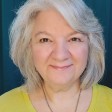
Dr. Tanya English
Transforming grief into joy through music and intuitive healing

Dr David. Lemmon
“Cancer Cells Can’t Survive In A Healthy Body.”
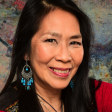

Patricia Wagner
Channeling divine insights to elevate your energy and purpose

Dean Howell
Healing hands, empowered minds, lasting wellness.

Susie Pearl
Survivor of brain cancer, healed tumour with NDE, seen the after life, sharing wisdom for living fully.
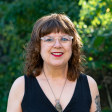
Christi Clemons Hoffman
Helping You Navigate Life with Wisdom and Higher Awareness

Robert Koppen
A Traditional Physician Goes Beyond the Limitations of His Medical Background and Embraces the World of Holistic Health.

Eva Vennari
World Renowned Healer, Eva Vennari is an international speaker, bestselling author, Founder of The Elevate Institute.
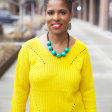
Natolie Warren
Therapist & Wellness Expert
What Makes a Great Natural Healing Speaker
Think of someone like Dr. Josh Axe or Sahara Rose. They don't just talk about turmeric or Ayurveda-they explain how these practices can help a busy parent in New York or a startup founder in Berlin. A great natural healing speaker knows their audience and adapts their message without diluting the essence of their practice.
They also balance credibility with relatability. Credentials matter, yes-but so does humility. The most engaging speakers are those who can say, 'Here's what worked for me and my clients, and here's what the science says,' without sounding preachy.
And finally, delivery is everything. A monotone voice, even with the best content, will lose people. Great speakers vary their tone, use pauses for emphasis, and know when to drop a truth bomb or crack a smile. They're not just educators-they're performers with purpose.
So if you're scouting for your next summit, don't just look at their resume. Watch their videos. Read their reviews. Do they make you feel something? That's your sign.
How to Select the Best Natural Healing Speaker for Your Show
1. Define Your Audience and Theme
- Are you targeting beginners curious about holistic wellness or seasoned practitioners?
- Is your event focused on Eastern modalities, functional medicine, or energy healing?
- Clarifying this will help you filter speakers who align with your message.
2. Search Strategically
- Use platforms like Talks.co to browse speaker profiles with filters for niche, experience level, and availability.
- Check out speaker directories, Instagram Lives, YouTube interviews, and even Clubhouse rooms.
- Look for those who've spoken at events like Mindvalley, Hay House summits, or local wellness expos.
3. Evaluate Their Content and Delivery
- Watch at least 10 minutes of their past talks. Are they engaging? Clear? Passionate?
- Read their blog or book excerpts. Do they communicate complex ideas simply?
- Look for testimonials from past event hosts or attendees.
4. Check for Alignment and Ethics
- Do their values match yours? For example, are they inclusive of diverse healing traditions?
- Do they cite sources or make unverified claims?
- A speaker who respects both science and tradition will resonate with a broader audience.
5. Reach Out and Ask Smart Questions
- Ask about their ideal audience, tech setup, and promotional support.
- Gauge their responsiveness and professionalism.
- If they're listed on Talks.co, you can message them directly and see their availability calendar.
The goal isn't just to fill a slot-it's to create a meaningful experience for your audience. Choose someone who elevates your event, not just fills airtime.
How to Book a Natural Healing Speaker
1. Find the Right Fit
- Use Talks.co to browse verified speaker profiles, complete with bios, topics, and availability.
- Filter by niche (e.g., herbalism, energy healing, integrative medicine) and audience type.
- Shortlist 3-5 speakers who align with your event's theme and tone.
2. Reach Out with a Clear Ask
- Send a concise message outlining your event, audience, and what you're looking for.
- Include key details like date, format (live or pre-recorded), expected audience size, and compensation (if any).
- Example: "Hi Dr. Rivera, I'm hosting a virtual summit on holistic recovery for busy professionals. We'd love to feature your expertise on adaptogens. The session would be 30 minutes, pre-recorded, and promoted to our 10K+ email list. Are you available in early May?"
3. Confirm Logistics
- Once they agree, send a confirmation email with:
- Date and time (with time zone)
- Tech requirements (Zoom link, recording platform, etc.)
- Format (presentation, interview, Q&A)
- Promotional assets (headshot, bio, links)
4. Prep for Success
- Schedule a quick pre-call to align on talking points and flow.
- Share your audience's pain points or key interests so they can tailor their message.
- Provide a checklist or speaker guide to reduce friction.
5. Follow Up and Promote
- After the session, thank them and share the replay link.
- Tag them in social media posts and encourage them to share.
- Consider a testimonial swap or future collaboration.
Booking a speaker should feel like building a partnership, not just ticking a box. Make it easy, respectful, and mutually beneficial.
Common Questions on Natural Healing Speakers
What is a natural healing speaker
Unlike conventional medical speakers who focus on pharmaceuticals or clinical procedures, natural healing speakers explore alternative paths to health-often blending ancient wisdom with modern science. They may be certified naturopaths, herbalists, functional medicine practitioners, or even spiritual healers.
Their role isn't just to inform, but to shift perspectives. They help audiences understand how lifestyle, mindset, and nature-based remedies can support healing and prevention. For example, a speaker might explain how gut health influences mental clarity or how breathwork can regulate the nervous system.
Natural healing speakers appear in a variety of settings: virtual summits, wellness podcasts, corporate retreats, online courses, and even TEDx stages. Their talks often include personal stories, case studies, and actionable tips that audiences can implement immediately.
In short, a natural healing speaker is a guide-someone who helps people reconnect with their bodies, their environment, and their innate ability to heal.
Why is a natural healing speaker important
These speakers offer perspectives that challenge the status quo of health care. Instead of focusing solely on symptom management, they introduce audiences to root-cause approaches. For example, a speaker on functional nutrition might explain how inflammation from processed foods contributes to anxiety, offering food-based solutions instead of pills.
They also bridge cultural and generational gaps. A speaker trained in Indigenous healing practices might share insights that resonate with communities often overlooked by Western medicine. This diversity of knowledge is crucial in making wellness inclusive and accessible.
Natural healing speakers also empower self-agency. Rather than saying, 'Let your doctor fix you,' they say, 'Here's how you can support your own healing.' That shift in mindset is powerful-especially for people who feel disempowered by traditional systems.
And finally, their presence in summits and podcasts helps normalize holistic health. When a respected speaker talks about the science behind acupuncture or the emotional roots of illness, it validates those practices for a wider audience. That's how movements grow-from informed voices speaking up in the right spaces.
What do natural healing speakers do
1. Deliver Expert Talks. They speak at events, summits, podcasts, and workshops, sharing insights on topics like herbal remedies, energy balancing, nutrition, and detox protocols. Their talks are often tailored to the audience-whether it's a corporate wellness retreat or a spiritual entrepreneurship summit.
2. Translate Complex Concepts. Many natural healing practices have deep roots in ancient traditions or cutting-edge science. Speakers break these down into practical, digestible ideas. For example, they might explain how adaptogens like ashwagandha support adrenal health, or how grounding techniques affect cortisol levels.
3. Promote Preventative Health. Instead of waiting for illness to strike, natural healing speakers advocate for daily habits that support long-term well-being. This could include breathing exercises, mindful eating, or seasonal detox routines.
4. Inspire Lifestyle Shifts. Through storytelling and real-world examples, they motivate audiences to make changes-whether that's switching to organic foods, creating a morning ritual, or exploring acupuncture.
5. Collaborate with Hosts and Brands. Many speakers also partner with summit hosts, wellness brands, or online platforms to co-create content, lead masterclasses, or offer affiliate products that align with their message.
Ultimately, natural healing speakers are educators, advocates, and bridge-builders. They help people reconnect with their bodies, their intuition, and the healing power of nature.
How to become a natural healing speaker
1. Define Your Niche and Message.
- Natural healing is broad. Are you focused on herbal medicine, energy healing, Ayurveda, or holistic nutrition?
- Clarify your unique perspective. For example, do you combine traditional Chinese medicine with modern psychology?
- Create a signature talk that communicates your core message clearly and memorably.
2. Build Your Credibility.
- Get certified or trained in your healing modality if you haven't already.
- Publish content: blog posts, YouTube videos, or even a short eBook.
- Collect testimonials from clients or workshop attendees.
3. Create a Speaker Page.
- Use platforms like Talks.co to build a professional speaker profile.
- Include a bio, headshot, speaking topics, video clips, and contact info.
- Make it easy for event organizers to see your value and book you.
4. Start Small, Then Scale.
- Offer free talks at wellness centers, yoga studios, or local meetups.
- Record every session to build your speaker reel.
- Gradually pitch to larger events, online summits, and podcasts.
5. Connect with Hosts and Event Planners.
- Use Talks.co to find virtual summits and conferences looking for speakers.
- Join Facebook groups or LinkedIn communities for wellness professionals.
- Send personalized pitches that show how your talk aligns with their audience.
6. Keep Evolving.
- Gather feedback after each talk.
- Refine your delivery, slide decks, and storytelling.
- Stay updated with trends in both natural healing and public speaking.
The key is consistency. The more you speak, the more you'll be seen as a trusted voice in the natural healing space.
What do you need to be a natural healing speaker
First, you need subject matter expertise. Whether you're trained in naturopathy, Reiki, traditional herbalism, or integrative nutrition, your credibility starts with your depth of knowledge. Certifications or formal education can help, but lived experience and case studies also carry weight if presented ethically and transparently.
Second, you need strong communication skills. Speaking about natural healing means translating complex ideas into relatable stories. You should be able to explain how adaptogens affect stress or why gut health impacts immunity in a way that resonates with both laypeople and professionals. Practicing on video, joining Toastmasters, or working with a speaking coach can sharpen your delivery.
Third, you need a platform. This is where tools like Talks.co come in. A speaker page on Talks.co acts like your digital resume. It showcases your topics, past talks, and media appearances. Event organizers use platforms like this to find and vet speakers quickly.
Fourth, you need a network. Speaking opportunities often come through relationships. Connect with podcast hosts, summit organizers, and other wellness professionals. Platforms like LinkedIn or even Instagram can be powerful if used intentionally.
Finally, you need a clear offer. What do you want your audience to do after hearing you speak? Whether it's joining your email list, booking a consultation, or buying your course, your talk should lead somewhere. That's how you turn speaking into a business, not just a passion project.
Do natural healing speakers get paid
In the early stages, many natural healing speakers speak for free or in exchange for exposure. This is common at wellness festivals, local retreats, or online summits. While these gigs may not pay upfront, they can lead to clients, course sales, or future bookings.
As speakers build credibility and a following, they can command speaking fees. According to SpeakerHub and other industry sources:
- Beginner speakers: $0 to $500 per event.
- Mid-level speakers with a niche following: $500 to $2,500.
- Established experts or authors: $2,500 to $10,000+.
Some events offer hybrid compensation models:
- Revenue share from ticket sales.
- Affiliate commissions for promoting the event.
- Free booth space or product promotion.
Pros:
- Speaking can be a high-leverage way to build authority.
- You can monetize indirectly through coaching, books, or courses.
- Virtual events reduce travel costs and increase accessibility.
Cons:
- Not all events pay, especially in the wellness space.
- You may need to negotiate or pitch yourself to get paid gigs.
- Income can be inconsistent without a strategy.
Platforms like Talks.co help bridge the gap by connecting speakers with event hosts who are actively looking for experts. Having a professional speaker page increases your chances of landing paid opportunities.
How do natural healing speakers make money
1. Paid Speaking Engagements.
- Conferences, wellness expos, corporate wellness programs, and retreats often pay speakers.
- Rates depend on experience, audience size, and topic relevance.
2. Product and Service Sales.
- Many speakers sell supplements, eBooks, or online courses related to natural healing.
- Example: A speaker on gut health might sell a probiotic line or a 21-day cleanse program.
3. Coaching and Consulting.
- After a talk, audience members often want personalized help.
- Speakers can offer 1:1 coaching, group programs, or business consulting for other healers.
4. Affiliate Marketing.
- Speakers can earn commissions by promoting wellness tools, books, or platforms.
- Example: Recommending a meditation app or herbal product with a referral link.
5. Licensing and Syndication.
- Some speakers license their talks or content to wellness platforms or training programs.
- This creates passive income over time.
6. Virtual Summits and Online Events.
- Hosting or co-hosting a summit can generate income through ticket sales, sponsorships, and upsells.
- Tools like Talks.co help speakers get discovered for these events.
Comparison Table:
| Revenue Stream | Active or Passive | Income Potential |
|---|---|---|
| Paid Talks | Active | Medium to High |
| Product Sales | Passive | High (if scaled) |
| Coaching/Consulting | Active | High |
| Affiliate Marketing | Passive | Low to Medium |
| Licensing Content | Passive | Medium |
| Hosting Summits | Active | High |
How much do natural healing speakers make
Entry-level speakers often make between $0 and $500 per event. These are typically local workshops, free online summits, or community wellness events. While the pay is low, these gigs can help build a portfolio.
Mid-tier speakers with some credentials, a following, or a published book can earn $1,000 to $5,000 per event. These speakers are often featured at health conferences, corporate wellness programs, or paid virtual summits.
Top-tier natural healing speakers, such as bestselling authors or media personalities, can command $10,000 to $25,000 per keynote. For example, someone like Dr. Josh Axe or Deepak Chopra (though broader in scope) can earn significantly more due to their brand power.
Income also comes from indirect sources:
- Coaching clients: $100 to $500 per session.
- Online courses: $50 to $500 per student.
- Product sales: Varies widely based on volume.
Annual income ranges:
- Beginners: $5,000 to $20,000 (mostly indirect).
- Mid-level: $30,000 to $100,000.
- High-level: $100,000 to $500,000+.
Variables that affect income:
- Audience size and engagement.
- Number of speaking gigs per year.
- Monetization strategy (see 'How do natural healing speakers make money').
So while the speaking fee is one part of the equation, the backend offers often determine how much a speaker truly earns.
How much do natural healing speakers cost
Typical Fee Ranges:
- Local or emerging speakers: $0 to $500.
- Mid-level experts with some media presence: $1,000 to $5,000.
- High-profile speakers or authors: $10,000 to $25,000+.
Virtual vs. In-Person:
- Virtual events often cost less due to no travel or lodging.
- In-person events may include additional expenses like airfare, hotel, and per diem.
Event Type Matters:
- Corporate wellness events tend to pay more than grassroots wellness festivals.
- Nonprofits or community groups may negotiate lower fees or offer in-kind perks.
What You're Paying For:
- Expertise and credibility.
- Customization of content.
- Time spent preparing and promoting.
- Audience engagement and follow-up.
Cost-Saving Tips:
- Book early to avoid rush fees.
- Offer cross-promotion or product placement.
- Use platforms like Talks.co to find speakers within your budget.
Hiring a natural healing speaker is an investment in your audience's well-being. Just make sure the speaker aligns with your event's goals and values.
Who are the best natural healing speakers ever
2. Louise Hay - The late founder of Hay House Publishing, Hay was a transformational speaker on self-healing through affirmations and emotional wellness.
3. Dr. Andrew Weil - Known for popularizing integrative medicine, Weil blends Western science with natural healing traditions in his talks.
4. Dr. Sebi - A controversial but influential figure, Sebi spoke passionately about alkaline diets and herbal healing, especially in African American communities.
5. Marianne Williamson - Though more known for spiritual and political work, her talks often focus on healing through love, forgiveness, and holistic principles.
6. Anthony William (Medical Medium) - While not a traditional speaker, his live events and podcast appearances have influenced millions with his natural healing claims.
7. Paul Pitchford - Author of 'Healing with Whole Foods', Pitchford has spoken extensively on traditional Chinese medicine and nutrition.
8. Caroline Myss - A medical intuitive and speaker, Myss combines energy medicine with spiritual development in her presentations.
9. Donna Eden - A leader in energy medicine, Eden's workshops and talks have helped popularize natural healing through energy balancing.
10. Dr. Joseph Mercola - A controversial figure in the wellness space, Mercola has spoken widely on natural health alternatives and functional medicine.
Who are the best natural healing speakers in the world
2. Sahara Rose - A millennial voice in Ayurveda, Sahara speaks at retreats and podcasts worldwide, blending ancient wisdom with modern wellness.
3. Sadhguru - While primarily a spiritual teacher, his talks often cover natural healing through yoga, diet, and lifestyle practices.
4. Dr. Mindy Pelz - A leading voice in fasting and women's health, Pelz speaks at global health summits and on major podcasts.
5. Dr. Mariza Snyder - Known for her work on essential oils and hormone health, Snyder is a frequent speaker at wellness expos and online summits.
6. Wim Hof - The 'Iceman' speaks globally about natural healing through breathwork, cold exposure, and mindset.
7. Zach Bush MD - A triple board-certified physician, Bush speaks about regenerative agriculture, gut health, and holistic healing on global stages.
8. Dr. Nasha Winters - A global speaker on integrative oncology, Winters blends natural healing with conventional cancer care.
9. Ocean Robbins - Co-founder of the Food Revolution Network, Robbins speaks about plant-based diets and healing chronic disease naturally.
10. Dr. Bruce Lipton - A cell biologist turned speaker, Lipton's talks on epigenetics and belief systems have inspired audiences worldwide.
Common myths about natural healing speakers
1. Myth: Natural healing speakers are anti-science.
This one pops up a lot. The assumption is that if someone speaks about natural healing, they must reject modern medicine. In reality, many natural healing speakers integrate evidence-based practices with holistic approaches. For example, Dr. Andrew Weil, a well-known integrative medicine expert, emphasizes the importance of combining conventional treatments with natural therapies. It's not about choosing one over the other, but about creating synergy.
2. Myth: They only talk about herbs and essential oils.
While herbs and oils might come up, the scope is much broader. Natural healing speakers often cover topics like nutrition, mental wellness, breathwork, sleep optimization, and even trauma-informed practices. Think of speakers like Deepak Chopra, who blends spirituality, neuroscience, and wellness in his talks. The field is diverse and evolving.
3. Myth: You need to be a licensed practitioner to be credible.
Not true. While credentials can help, many impactful natural healing speakers come from lived experience, coaching backgrounds, or self-study. What matters is the ability to communicate effectively, back up claims with data or results, and connect with audiences. For instance, wellness coach Sahara Rose built a global following through storytelling and Ayurvedic wisdom, not a medical degree.
4. Myth: Natural healing is only relevant in Western wellness culture.
Actually, traditional healing systems like Ayurveda, Traditional Chinese Medicine, and Indigenous practices have been around for centuries across the globe. Natural healing speakers often bring these perspectives to international stages. The global appeal is growing, especially as people seek alternatives to over-medicalized systems.
5. Myth: These speakers are too 'woo-woo' for corporate events.
That's changing fast. Companies like Google and SAP have invited wellness experts to speak on mindfulness, stress reduction, and energy management. Natural healing speakers who can translate their message into practical, workplace-relevant strategies are in demand. It's all about positioning and language.
Bottom line: Natural healing speakers are far more nuanced, credible, and diverse than these myths suggest. If you're considering entering this space or booking someone in it, don't let outdated assumptions get in the way.
Case studies of successful natural healing speakers
Take Marisa Peer, for example. She started as a therapist and author, then transitioned into speaking about Rapid Transformational Therapy. Her talks blend neuroscience, self-healing, and mindset work. What's compelling is how she built her brand around a signature method, making her talks instantly recognizable. She went from small workshops in the UK to global stages and online summits with thousands of attendees.
Then there's Ocean Robbins. Coming from the famous Robbins family, he carved his own niche by focusing on food as medicine. Through the Food Revolution Network, he's spoken to millions about plant-based nutrition and sustainable health. What sets him apart is his data-driven approach-he combines passion with research, which resonates with both health-conscious individuals and skeptical audiences.
In South Africa, Zoleka Mandela used her platform to speak on healing from trauma and addiction, weaving in natural healing principles like mindfulness and community-based recovery. Her talks were raw, real, and deeply rooted in cultural context. That authenticity made her a powerful voice in both local and international wellness circles.
And let's not forget the rise of online-first speakers like Melissa Ambrosini. She built her audience through podcasting and digital courses before ever stepping on a stage. Her topics-self-love, hormone health, and energetic alignment-found a home with millennial women globally. She leveraged platforms like Instagram and YouTube to build trust, then transitioned into live speaking with ease.
These stories show that there's no one-size-fits-all path. Whether you're coming from a clinical background, a personal healing journey, or a digital brand, there's room to grow as a natural healing speaker. The key is clarity of message, consistency of presence, and the courage to speak from experience.
Future trends for natural healing speakers
First, expect a surge in hybrid wellness events. Post-pandemic, audiences want flexibility. Natural healing speakers who can deliver both in-person and virtual experiences will have the edge. Think of summits that combine live breathwork sessions with on-demand nutrition workshops. Platforms like Zoom and Hopin are evolving to support this kind of immersive content.
Second, personalization is becoming the norm. Audiences no longer want generic advice. They want tailored insights. Speakers who can incorporate bio-individuality-like Ayurveda doshas, genetic testing, or even wearable data-into their talks will stand out. Imagine a keynote where the speaker references real-time HRV data to explain stress responses. That's where we're headed.
Third, there's a growing appetite for culturally inclusive healing narratives. Western-centric models are being challenged. Speakers who bring Indigenous, African, Asian, or Latin American healing traditions to the forefront are gaining traction. This shift isn't just about representation-it's about relevance. Global audiences want to see their own stories reflected in wellness.
Fourth, corporate wellness is expanding beyond yoga and meditation. Companies are now open to talks on sleep science, gut health, trauma-informed leadership, and even psychedelic-assisted therapy. Natural healing speakers who can translate deep wellness concepts into actionable workplace strategies will find new doors opening.
Key trends to watch:
- Micro-niche specialization (e.g. hormone health for women over 40, trauma recovery for veterans)
- AI-assisted content delivery (personalized wellness plans post-talk)
- Integration with health tech (e.g. Oura Ring, WHOOP, Muse)
- Rise of multilingual speakers for global reach
- Demand for ethical, evidence-informed messaging
The future is wide open. But it belongs to those who can adapt, innovate, and speak to the needs of a more conscious, connected audience.
Tools and resources for aspiring natural healing speakers
1. Talks.co. A smart platform that matches speakers with podcast hosts. It's perfect for building your credibility and getting in front of niche audiences. Tip: Start with smaller wellness podcasts to refine your message before pitching to larger shows.
2. SpeakerHub. A global directory where you can list your speaker profile, browse open calls for speakers, and connect with event organizers. Make sure your profile includes a short video clip-it increases your chances of getting booked.
3. Canva. Use it to create stunning speaker one-sheets, slide decks, and social media graphics. Consistent branding builds trust. Pro tip: Use templates designed for TED-style talks to keep your visuals clean and impactful.
4. Zoom + Ecamm Live. For virtual talks, this combo is gold. Zoom for hosting, Ecamm for professional overlays and camera control. It helps you look polished even from your living room.
5. Mindbody. If you're also offering workshops or healing sessions, this tool helps manage bookings, payments, and client communication. It's especially useful for speakers who blend speaking with coaching or retreats.
6. Descript. Record, edit, and transcribe your talks with ease. Great for repurposing your content into blog posts, social media clips, or even a podcast.
7. Coursera - Search for courses on public speaking, integrative health, or neuroscience. Learning from institutions like Yale or Stanford adds credibility, especially if you're self-taught.
8. Eventbrite. Not just for attending events-use it to host your own virtual or local talks. Build your list, test your content, and get feedback from real attendees.
Each of these tools supports a different part of your journey-from visibility to delivery to monetization. Start with one or two, master them, then layer in more as you grow.
