Personal Coaching Speakers
You scroll through dozens of speaker profiles, but none of them feel quite right.
Too broad, too niche, too vague.
You need someone who gets personal growth - and knows how to talk about it in a way that sticks.
So how do you find the right personal coaching speakers without wasting time or second-guessing your picks?
Whether you're running a summit, planning a podcast, or booking for a team event, the goal is the same: find someone worth listening to.
A personal coaching speaker should be clear, grounded, and actually helpful.
Not just talk deep theory, but give people something they can use.
I've seen how the right voice can shift a room and spark real momentum.
This guide pulls together standout personal coaching speakers who know what they're doing.
You'll get a sense of their style, topics, and who they're best for.
Explore the list, check out their work, and book someone who fits your audience - and your goals.
Top Personal Coaching Speakers List for 2026

Deborah Walker
Transforming speakers into storytellers, one powerful speech at a time

Kaneshi Hart
Transforming first-time managers from chaos to confident leaders

Mike McQuillan
Transforming stories into powerful speeches, one voice at a time


Peter Lauria
Bridging technology and emotion for extraordinary customer experiences

Ken Williams
Get Unstuck, Rewrite Your Career Story - You Deserve Better!

Karen Dwyer
Empowering lives with MS: coaching, speaking, and thriving

Nanciann Horvath
Living fully through laughter and improvisation every day!
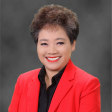
Emily Letran
Transforming chaos into clarity for thriving business leaders

Marla Press
Transforming speakers into stage-commanding, audience-captivating powerhouses!
What Makes a Great Personal Coaching Speaker
The best personal coaching speakers have a unique blend of authenticity, clarity, and presence. They're not afraid to share their failures alongside their wins. That vulnerability builds trust, and trust is the foundation of any impactful coaching moment. Whether they're speaking to a room of entrepreneurs in Sydney or a virtual summit of wellness coaches in Toronto, they know how to meet people where they are.
But it's not all about charisma. Great speakers are also great listeners. They tailor their message to the audience, not just the topic. A personal coaching speaker addressing startup founders in Berlin will frame their message differently than if they were speaking to career changers in rural Texas. Context matters.
And finally, delivery counts. A compelling speaker knows how to pace their talk, use silence strategically, and leave space for reflection. They don't rush. They don't ramble. They guide. That's what makes them memorable-and effective.
How to Select the Best Personal Coaching Speaker for Your Show
1. Define Your Audience and Outcome.
- Who are you serving? Entrepreneurs, creatives, executives, or students?
- What do you want them to walk away with-clarity, motivation, a new strategy?
- Example: If your audience is early-stage founders, someone like Marie Forleo, who blends mindset and business tactics, might be ideal.
2. Search Strategically.
- Use platforms like Talks.co to browse verified speaker profiles.
- Check speaker pages for testimonials, past appearances, and video clips.
- Look beyond follower count-focus on message clarity and audience alignment.
3. Review Their Content.
- Watch their recent talks or podcast interviews.
- Are they engaging? Do they offer actionable insights?
- Tip: Look for speakers who adapt their message across formats-live, virtual, audio.
4. Reach Out Thoughtfully.
- Craft a personalized message. Mention why they're a fit for your show.
- Include your audience size, format, and what you're hoping to cover.
- Use Talks.co's messaging feature to streamline this process.
5. Vet for Fit.
- Schedule a quick pre-interview or discovery call.
- Ask about their preferred topics, audience experience, and tech setup.
- Make sure their energy matches your show's tone-whether it's high-energy or reflective.
By following these steps, you're not just booking a guest-you're curating an experience your audience will remember.
How to Book a Personal Coaching Speaker
1. Start with a Clear Brief.
- Define the topic, format (live, virtual, podcast), and audience.
- Include event details like date, time zone, and duration.
- Pro Tip: Speakers appreciate clarity. It saves time on both ends.
2. Use a Trusted Platform.
- Head to Talks.co and search for personal coaching speakers by niche, language, or availability.
- Check their speaker page for bios, past talks, and audience ratings.
- You can even filter by fee range if you're working with a budget.
3. Reach Out and Pitch.
- Use the built-in messaging system to send a personalized invite.
- Mention why they're a good fit, what your audience is like, and what you hope they'll cover.
- Include links to your show or event page so they can vet you too.
4. Confirm the Details.
- Once they accept, send over a confirmation email or calendar invite.
- Include tech requirements, call-in links, and any prep materials.
- Tip: Share your audience demographics or past engagement stats. It helps them tailor their message.
5. Promote and Prep.
- Share their bio and headshot on your event page or social media.
- Schedule a quick prep call to align on flow and timing.
- Don't forget to tag them in promo posts-they'll often reshare.
Booking a speaker is more than logistics-it's about building a relationship. Make it easy, make it clear, and make it collaborative.
Common Questions on Personal Coaching Speakers
What is a personal coaching speaker
Unlike traditional keynote speakers who might focus on broad inspiration or industry trends, personal coaching speakers zero in on the individual. Their talks often include mindset shifts, behavior change strategies, and practical exercises. Think of someone like Brendon Burchard or Lisa Nichols-both are known for helping people unlock their potential through structured, engaging talks.
These speakers typically come from backgrounds in coaching, psychology, leadership, or personal development. They may have certifications, but more importantly, they have a proven ability to connect with people and move them toward change.
Whether they're speaking at a virtual summit, a corporate retreat, or a podcast, their goal is the same: to help each listener take one step closer to their personal or professional goals. And they do it through a mix of storytelling, frameworks, and real-world application.
So if you're wondering whether a personal coaching speaker is right for your event, ask yourself this: Do you want your audience to feel seen, supported, and ready to take action? If the answer is yes, you're in the right place.
Why is a personal coaching speaker important
These speakers are important because they bridge the gap between information and transformation. While a business strategist might give you a plan, a personal coaching speaker helps you believe you can actually execute it. They address the inner game-confidence, clarity, motivation-which often determines whether someone takes action or stays stuck.
In corporate settings, they can boost employee morale, reduce burnout, and foster a culture of growth. In entrepreneurial circles, they help founders overcome imposter syndrome, manage stress, and stay focused. Even in educational environments, they can inspire students to take ownership of their learning and future.
Their importance also lies in their adaptability. Whether speaking to a global audience on Zoom or a small team in a coworking space, they tailor their message to resonate deeply. That emotional connection is what makes their content stick.
So while they might not always be the loudest voice in the room, they're often the most impactful-because they speak to what really matters: the human behind the hustle.
What do personal coaching speakers do
- Deliver Transformational Talks. They craft and present talks that help individuals shift their mindset, overcome obstacles, or take action. These talks often include storytelling, frameworks, and interactive elements.
- Facilitate Growth-Oriented Experiences. Whether it's a live workshop, a webinar, or a podcast interview, they create space for reflection and breakthrough. They might lead exercises, ask powerful questions, or offer real-time coaching moments.
- Tailor Content to Audience Needs. A personal coaching speaker doesn't use a one-size-fits-all script. They adapt their message based on the audience's goals, challenges, and context-whether it's a team of remote workers in Southeast Asia or a group of solopreneurs in London.
- Inspire Action. Their ultimate goal is to help people move forward. That could mean launching a business, setting boundaries, shifting careers, or simply believing in themselves again.
- Collaborate with Hosts and Organizers. As I mentioned in 'How to Book a personal coaching speaker', they work closely with event hosts to ensure alignment. They're not just showing up-they're co-creating an experience.
In short, personal coaching speakers are catalysts. They don't just inform-they transform.
How to become a personal coaching speaker
1. Define Your Niche.
- Focus on a specific area of personal coaching: mindset, productivity, wellness, leadership, etc.
- Ask yourself: Who do I help? What transformation do I provide?
- Example: If you specialize in helping remote workers avoid burnout, that's your niche.
2. Build Your Signature Talk.
- Craft a 20- to 60-minute talk that delivers value and showcases your coaching style.
- Include a clear beginning (hook), middle (value), and end (call to action).
- Tip: Use storytelling frameworks like the Hero's Journey to structure your message.
3. Create a Speaker Page.
- Set up a professional speaker profile on platforms like Talks.co.
- Include your bio, headshot, talk topics, testimonials, and a short video clip.
- This makes it easy for event organizers to evaluate and book you.
4. Start Small, Then Scale.
- Speak at local meetups, podcasts, webinars, or virtual summits.
- Use these early gigs to refine your delivery and gather testimonials.
- Don't underestimate the power of a 30-person Zoom room.
5. Connect With Hosts and Event Planners.
- Use platforms like Talks.co to pitch yourself to summit hosts and podcast producers.
- Reach out on LinkedIn or email with a short, value-driven pitch.
- Example: 'I help entrepreneurs overcome imposter syndrome. I'd love to share a 3-step framework with your audience.'
6. Monetize and Expand.
- Once you've built traction, offer coaching packages, digital products, or courses.
- Bundle your speaking with coaching offers to maximize ROI.
- Consider joining speaker bureaus or agencies once you have a track record.
Consistency is key. The more you speak, the better you get, and the more opportunities come your way.
What do you need to be a personal coaching speaker
First, let's talk about expertise. You don't need a PhD, but you do need real-world experience or proven results in your coaching niche. Whether you've helped clients improve their confidence, productivity, or relationships, your results are your credentials.
Second, communication skills are non-negotiable. You must be able to speak clearly, engage an audience, and adapt your message to different formats: live events, webinars, podcasts, or summits. If you're not there yet, join a local Toastmasters group or take a public speaking course.
Third, you need a platform. This is where Talks.co can be a game-changer. It allows you to build a speaker page, showcase your expertise, and connect with event hosts looking for speakers like you. Think of it as your digital stage.
Fourth, you need a compelling message. What's your core idea? What transformation do you offer? Your talk should be more than motivational-it should be actionable. A great personal coaching speaker leaves the audience with tools they can use immediately.
Lastly, you need visibility. That means showing up on social media, publishing content, and networking with other speakers and coaches. The more visible you are, the more likely you are to get booked.
In summary:
- Proven coaching experience.
- Strong communication and storytelling skills.
- A speaker platform like Talks.co.
- A clear, valuable message.
- Consistent online presence.
When you combine all of these, you're not just a coach-you're a coach with a mic and a message.
Do personal coaching speakers get paid
Many personal coaching speakers start by speaking for free to build credibility, collect testimonials, and grow their audience. Over time, as their reputation and demand grow, they begin to charge for their appearances.
According to SpeakerHub and other industry sources:
- New speakers might earn $0 to $500 per talk.
- Mid-level speakers with a niche following can earn $1,000 to $5,000 per event.
- Top-tier speakers or those with bestselling books or media exposure can command $10,000 to $50,000+.
But here's the nuance: not all compensation is direct. Some speakers get paid through:
- Affiliate commissions.
- Back-end coaching sales.
- Sponsorship deals.
Pros:
- Speaking builds authority and trust quickly.
- You can leverage one talk into multiple income streams.
Cons:
- It takes time to get paid gigs.
- Travel and prep time can be significant.
In short, yes, personal coaching speakers get paid-but the real pros know how to turn every stage into a revenue opportunity, even if the upfront fee is low.
How do personal coaching speakers make money
1. Speaking Fees.
- Paid keynotes, workshops, or breakout sessions.
- Rates vary depending on experience, audience size, and event type.
- Example: A speaker at a corporate leadership retreat might earn $7,500 for a 60-minute session.
2. Coaching Packages.
- Many speakers use their talks to funnel attendees into 1:1 or group coaching programs.
- This is especially effective when the talk includes a clear call to action.
3. Online Courses and Digital Products.
- Speakers often repurpose their content into self-paced courses, eBooks, or toolkits.
- Platforms like Teachable or Kajabi make this easy to scale.
4. Affiliate Marketing.
- Recommending tools or services during talks or in follow-up emails.
- Example: A productivity coach might promote Notion or Trello with an affiliate link.
5. Sponsorships and Brand Deals.
- Some speakers partner with brands aligned with their message.
- This is more common for those with a strong social media presence.
6. Summits and Collaborations.
- Hosting or speaking at virtual summits (like those on Talks.co) can generate leads and revenue.
- Some summits offer revenue shares or affiliate payouts for ticket sales.
7. Books and Merchandise.
- Publishing a book can open doors to higher speaking fees and passive income.
- Branded journals, planners, or apparel are also popular.
The key is integration. A great speaker doesn't rely on one income stream-they build an ecosystem where each part supports the others.
How much do personal coaching speakers make
Entry-Level Speakers:
- Typically earn $0 to $500 per talk.
- Often speak for free at local events, podcasts, or online summits to build visibility.
Mid-Level Speakers:
- Earn between $1,000 and $5,000 per speaking engagement.
- Usually have a solid online presence, a signature talk, and a few client success stories.
High-End Speakers:
- Can command $10,000 to $50,000+ per keynote.
- Often have bestselling books, media appearances, or a large following.
Other Revenue Sources:
- Group coaching programs: $500 to $5,000 per participant.
- Online courses: $50 to $2,000 per course.
- Affiliate income: Depends on traffic and offers, but can reach thousands monthly.
Annual Income Estimates:
| Experience Level | Estimated Annual Income |
|---|---|
| Beginner | $10,000 - $30,000 |
| Intermediate | $50,000 - $150,000 |
| Advanced | $200,000+ |
- Audience size and engagement.
- Niche demand (e.g., leadership vs. lifestyle).
- Ability to monetize beyond the stage.
So while the stage fee matters, the real money often comes from what happens after the talk.
How much do personal coaching speakers cost
1. Experience Level:
- New or emerging speakers: $0 to $1,000.
- Mid-tier professionals: $1,000 to $5,000.
- High-profile experts: $10,000 to $50,000+.
2. Type of Event:
- Local workshops or webinars: Lower cost, often under $2,000.
- Corporate keynotes or conferences: Higher fees, typically $5,000 and up.
- Virtual summits: May be free or involve revenue-sharing models.
3. Customization and Deliverables:
- A pre-made talk is cheaper than a fully customized session.
- Add-ons like breakout sessions, Q&A, or follow-up coaching increase the price.
4. Travel and Logistics:
- In-person events may require covering travel, lodging, and per diem.
- Virtual events eliminate those costs but may still include tech setup fees.
5. Reputation and Demand:
- Speakers with bestselling books, TEDx talks, or media features often charge premium rates.
Sample Pricing Table:
| Speaker Tier | Cost Range |
|---|---|
| New Speaker | $0 - $1,000 |
| Mid-Level Speaker | $1,000 - $5,000 |
| Top-Tier Speaker | $10,000 - $50,000 |
Who are the best personal coaching speakers ever
- Tony Robbins. Known for his high-energy seminars and bestselling books like 'Awaken the Giant Within'. He's arguably the most recognized personal development speaker in the world.
- Jim Rohn. A mentor to Tony Robbins and a pioneer in the personal development space. His talks on discipline, mindset, and success still resonate decades later.
- Zig Ziglar. Blended sales training with personal motivation. His Southern charm and practical wisdom made him a legend.
- Louise Hay. A pioneer in self-healing and affirmations. Her work helped normalize emotional wellness in personal coaching.
- Les Brown. Famous for his 'You gotta be hungry!' message. His rags-to-riches story and powerful delivery have inspired millions.
- Brian Tracy. Focused on productivity, goal-setting, and business success. A staple in corporate coaching circles.
- Brendon Burchard. Known for blending high performance coaching with digital marketing. His book 'High Performance Habits' is widely cited.
- Byron Katie. Introduced 'The Work', a method of self-inquiry that has influenced many modern coaches.
- Stephen Covey. Though more of a leadership thinker, his '7 Habits' framework is foundational in coaching.
- Mel Robbins. Her '5 Second Rule' became a global phenomenon. She bridges science and self-help in an accessible way.
Who are the best personal coaching speakers in the world
- Jay Shetty (UK/Global). Former monk turned storyteller. His message on purpose and mindfulness reaches millions through YouTube and live events.
- Marie Forleo (USA). Blends business coaching with personal empowerment. Her 'Everything is Figureoutable' philosophy resonates with creatives and entrepreneurs alike.
- Robin Sharma (Canada/Global). Author of 'The Monk Who Sold His Ferrari'. Focuses on leadership and personal mastery.
- Lisa Nichols (USA). A powerhouse speaker known for her emotional storytelling and transformation-focused coaching.
- Vishen Lakhiani (Malaysia/Global). Founder of Mindvalley. His talks combine personal growth with cutting-edge learning science.
- Simone Heng (Singapore/Global). Specializes in human connection and authenticity. A rising voice in the coaching and speaking world.
- Dr. John Demartini (South Africa/Global). Known for his work on values and human behavior. A frequent speaker at global summits.
- Emily Nagoski (USA). Though more academic, her talks on emotional wellness and burnout have major coaching relevance.
- Rich Litvin (UK/USA). Co-author of 'The Prosperous Coach'. Works with high-level coaches and entrepreneurs.
- Sadhguru (India/Global). While spiritual in tone, his coaching on clarity, discipline, and inner engineering has global appeal.
These speakers are shaping the future of personal coaching on a global scale, each bringing a unique voice and methodology to the table.
Common myths about personal coaching speakers
This is a common misunderstanding. While energy and inspiration are part of the package, personal coaching speakers go way beyond hype. They often bring years of experience in psychology, business strategy, or behavioral science. Take Mel Robbins, for example. Her talks are rooted in neuroscience and habit formation, not just feel-good slogans. The best coaching speakers combine storytelling with actionable frameworks that lead to real transformation.
Myth 2: You need to be famous to become a personal coaching speaker.
Not true. Many successful speakers started with zero audience. What matters more is clarity of message and consistency. Think of someone like Brendon Burchard. He built his platform through online courses and webinars before hitting big stages. Today, platforms like LinkedIn, YouTube, and virtual summits allow emerging voices to reach thousands without needing celebrity status.
Myth 3: Personal coaching speakers only talk about mindset.
Mindset is a big topic, sure, but it's not the only one. Personal coaching speakers cover everything from productivity systems to relationship dynamics to financial habits. For instance, Lisa Nichols blends emotional intelligence with communication skills. Others, like Robin Sharma, focus on leadership and legacy. The field is as diverse as the audiences it serves.
Myth 4: It's a one-size-fits-all message.
Actually, the best personal coaching speakers tailor their content to specific audiences. A talk for corporate executives will sound very different from one for solo entrepreneurs or high school students. Great speakers do their homework. They adapt their frameworks and stories to resonate with the room-whether it's in person or virtual.
Myth 5: Speaking is the end goal.
For many, it's just the beginning. Personal coaching speakers often use speaking as a gateway to deeper work: coaching programs, masterminds, books, or digital courses. It's part of a larger ecosystem. So if you're thinking about getting into this space, consider how speaking fits into your broader mission.
Case studies of successful personal coaching speakers
Then there's Marie Forleo. Her journey started in the world of fitness and dance. But she saw a deeper need: helping people build lives they truly loved. Through her online platform and her signature program, B-School, she built a global audience. Her talks now focus on entrepreneurship, clarity, and purpose. She's spoken at events alongside Richard Branson and Oprah Winfrey. Her success shows how a clear niche and consistent voice can lead to massive impact.
In South Africa, Vusi Thembekwayo took a different route. A venture capitalist and entrepreneur, he began speaking about leadership and economic empowerment. His talks are data-driven, sharp, and unapologetically bold. He's used his platform to challenge outdated narratives and inspire a new generation of African leaders. His story proves that personal coaching speakers don't all come from the same mold-they emerge from every continent and background.
Even in smaller markets, success stories abound. In rural Australia, coach and speaker Lisa Corduff built her brand by focusing on overwhelmed mothers. Her message? Simplify. Her online workshops and speaking gigs now attract thousands. She proves that you don't need a big city or big budget to make a big difference.
These stories share one thread: authenticity. Each speaker leaned into their unique voice, built trust with their audience, and delivered consistent value. That's the real formula for success in this space.
Future trends for personal coaching speakers
One trend gaining momentum is hybrid delivery. Speakers are blending live keynotes with on-demand coaching programs. This allows them to scale their impact while maintaining personal connection. For example, speakers like Tony Robbins now offer immersive digital experiences that combine live energy with structured follow-up.
Another shift is toward niche specialization. Generalist messages are losing traction. Audiences want tailored insights. Whether it's burnout recovery for healthcare professionals or resilience training for startup founders, the more specific the message, the more powerful the impact.
We're also seeing:
- AI-assisted coaching: Tools like ChatGPT are being used to supplement speaker content with personalized follow-up.
- Global accessibility: Speakers are reaching international audiences through translated content and localized events.
- Data-driven storytelling: More speakers are incorporating behavioral science and real-time audience feedback into their talks.
And here's something to watch: the rise of community-first models. Speakers are building private membership groups or mastermind circles that extend the conversation beyond the stage. This turns one-time listeners into long-term clients.
Bottom line: the future belongs to speakers who are agile, authentic, and audience-obsessed. If you're stepping into this space, think beyond the mic. Think ecosystem, experience, and evolution.
Tools and resources for aspiring personal coaching speakers
SpeakerHub. A global directory where you can list your profile, find speaking opportunities, and connect with event organizers. Useful for both virtual and in-person gigs. Tip: Optimize your profile with a strong one-liner and demo video.
Canva. Not just for social media graphics. Use it to design slide decks, speaker one-sheets, and branded workbooks. Tip: Keep your slides visual and minimal-your voice is the main event.
Zoom. Still the go-to for virtual workshops and coaching sessions. Tip: Use breakout rooms for interactive coaching exercises and deeper engagement.
Notion. A flexible workspace to organize your talk outlines, client notes, and content calendar. Tip: Create a 'Talks Database' to track where you've spoken and what topics resonated most.
Descript. Edit your talk recordings, create audiograms, and turn transcripts into blog posts. Tip: Use it to repurpose your talks into multiple content formats.
Calendly. Make it easy for event organizers or coaching clients to book time with you. Tip: Set up different booking links for discovery calls, podcast interviews, and coaching sessions.
