Setting Boundaries Speakers
You've got an audience hungry for real talk about burnout, balance, and saying no... but your inbox is full of pitches that miss the mark.
You're looking for someone who can speak clearly and confidently about the power of setting boundaries.
But how do you find the right setting boundaries speakers who actually connect with people and don't just repeat the same old advice?
This guide highlights speakers who bring clarity and credibility to a topic that's more relevant than ever.
Setting boundaries speakers don't just talk about self-care-they show your audience how to set limits that stick, communicate with confidence, and protect their time and energy.
Whether you're booking for a leadership summit, wellness podcast, or panel on mental health at work, these voices bring honesty, insight, and practical tools.
I've seen how the right speaker can shift the tone of an event or episode.
It's not about being flashy. It's about being useful, real, and timely.
Browse the top setting boundaries speakers below and book someone who'll bring real value to your event or show.
Top Setting Boundaries Speakers List for 2026

Tanya Moody
Empowering women to reclaim their space and stop pleasing
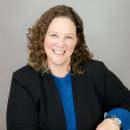
Alyssa Utecht
Helping sensitive women plug their energy leaks and feel like themselves again.

Lisa Giesler
Uncluttered and Finding joy and purpose in life's

Kay Julien
Psychologist, Conflict Coach, and Rower, who believes in God, the power of human connection, and the therapeutic properties of ice cream.

Anokhi Kapasi
Make Confident STEM Career Decisions That Fit Motherhood

Evelyn Marley
Empowering Growth: Master Boundaries, Communication, and Awareness

Juanita Ellingson
Helping client's break free from the cage of unforgiveness!

Angela Yao
Come home to yourself --- and stand in your truth.
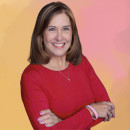
Denise Willis
From Broken to Empowered-Design the Life You Love

Veronica Weedon
Elevate your health, relationships, human potential & lifestyle design
What Makes a Great Setting Boundaries Speaker
What separates the good from the great is emotional intelligence. A great speaker knows how to read the room, whether it's a virtual summit or a live stage. They can pivot based on audience energy, adjust their tone, and make people feel seen. This is especially important when talking about boundaries, a topic that can stir up discomfort or even resistance.
Then there's storytelling. The best setting boundaries speakers don't lecture-they narrate. They might share a moment when they failed to set a boundary and what it cost them. Or they might walk the audience through a transformation, like how a client went from burnout to balance by learning to say 'no'. These stories anchor the message in reality.
Finally, a great speaker offers practical takeaways. They don't just inspire-they equip. Whether it's a 3-step framework for asserting needs at work or a script for handling toxic relatives, they leave the audience with tools they can use immediately. That's what makes the message stick.
So, if you're looking for a standout setting boundaries speaker, look for someone who blends authenticity, emotional awareness, and actionable wisdom. That combo? It's magnetic.
How to Select the Best Setting Boundaries Speaker for Your Show
1. Define Your Audience's Needs.
- Are they corporate professionals struggling with work-life balance?
- Are they entrepreneurs navigating client boundaries?
- Or maybe parents trying to carve out personal time?
Tailor your speaker search to match the specific boundary challenges your audience faces.
2. Check the Speaker's Focus Area.
- Some speakers specialize in workplace boundaries (like Dr. Henry Cloud).
- Others focus on emotional or family dynamics.
- Review their past talks, books, or social media to see where they shine.
3. Use Platforms Like Talks.co.
- Talks.co lets you browse speaker profiles, watch clips, and read reviews.
- Look for speakers who've already connected with similar audiences.
- Use the platform's filters to narrow by topic, style, or availability.
4. Watch Full-Length Talks or Interviews.
- A 30-second clip might be polished, but a full talk shows pacing, depth, and delivery.
- Look for speakers who balance insight with engagement.
5. Reach Out for a Pre-Interview.
- Before booking, schedule a quick call.
- Ask how they tailor content to different audiences.
- Gauge their flexibility and energy.
Selecting the right speaker is part research, part gut feeling. But when you find someone who speaks your audience's language and brings fresh insight, it's a game-changer.
How to Book a Setting Boundaries Speaker
1. Start with a Clear Brief.
- Define the event type, audience, and desired outcomes.
- Be specific: 'We want a 30-minute keynote on setting boundaries in remote teams, followed by a 15-minute Q&A.'
2. Search on Speaker Platforms.
- Use Talks.co to browse verified speaker profiles.
- Filter by topic, availability, and speaking style.
- Check their speaker page for videos, testimonials, and past events.
3. Reach Out with a Personal Message.
- Don't send a generic email. Mention why you think they're a fit.
- Example: 'I saw your talk on emotional boundaries at the Wellness Summit. Our audience of startup founders would really resonate with your message.'
4. Discuss Logistics Early.
- Confirm availability, time zones, and tech requirements.
- Ask about their fee structure or if they offer bundled packages (e.g., keynote + breakout session).
5. Lock It In with a Contract.
- Include date, time, topic, deliverables, and cancellation terms.
6. Prep Together.
- Share audience insights, event flow, and any branding guidelines.
- Schedule a tech check if it's a virtual event.
Booking a speaker is part logistics, part relationship-building. The smoother the process, the more likely they'll want to work with you again.
Common Questions on Setting Boundaries Speakers
What is a setting boundaries speaker
Unlike general motivational speakers, setting boundaries speakers focus on a specific skill set: assertiveness, self-awareness, and communication. They might speak at corporate events to address burnout and overwork, or at wellness summits to help individuals reclaim their time and energy. Their expertise often draws from psychology, coaching, leadership, or lived experience.
What sets them apart is their ability to translate complex emotional concepts into practical strategies. For example, a setting boundaries speaker might teach a team how to say 'no' to unrealistic deadlines without damaging rapport. Or they might help parents navigate digital boundaries with their kids.
These speakers are often featured in podcasts, online summits, HR trainings, and even TEDx events. Their goal? To help people stop overcommitting, start communicating clearly, and build healthier dynamics-at work, at home, and within themselves.
Why is a setting boundaries speaker important
Boundaries aren't just a personal development buzzword. In corporate settings, poor boundaries lead to burnout, blurred roles, and toxic cultures. In healthcare, they can mean the difference between compassion and compassion fatigue. In education, teachers and students alike benefit from clear expectations and emotional limits. A speaker who specializes in this topic brings clarity to these gray areas.
They also normalize the conversation. Many people feel guilty or selfish for setting boundaries. A skilled speaker reframes this, showing that boundaries are not walls-they're bridges to healthier interactions. By sharing real examples, research, and strategies, they help audiences shift their mindset.
Finally, these speakers often spark long-term change. Their talks can lead to new workplace policies, better team communication, or personal breakthroughs. Whether it's a startup founder learning to delegate or a caregiver learning to rest, the ripple effect is real.
In short, a setting boundaries speaker doesn't just inform-they catalyze healthier systems, one audience at a time.
What do setting boundaries speakers do
1. Deliver Keynotes and Workshops.
- They speak at conferences, summits, and corporate events.
- Topics range from emotional boundaries in leadership to digital boundaries in remote teams.
- Example: A speaker might lead a session at a tech company on preventing burnout by setting Slack communication norms.
2. Facilitate Group Discussions.
- In smaller settings, they guide interactive sessions.
- This could be a mastermind group, a retreat, or a panel.
- They help participants reflect on their own boundaries and practice real-time communication strategies.
3. Create Educational Content.
- Many speakers also write books, host podcasts, or create online courses.
- Their content often includes frameworks, scripts, and exercises.
- Think of someone like Brené Brown, whose work on vulnerability overlaps with boundary-setting.
4. Consult with Organizations.
- Some speakers work directly with HR teams or leadership to develop boundary-friendly policies.
- This might include email response expectations, meeting-free days, or mental health support.
5. Inspire Personal Change.
- Through storytelling and lived experience, they help individuals recognize where they need boundaries.
- They offer tools to handle guilt, fear, or resistance.
In essence, setting boundaries speakers are educators, facilitators, and change agents. They help people reclaim their time, energy, and voice-one conversation at a time.
How to become a setting boundaries speaker
1. Define Your Niche and Message.
- Setting boundaries can mean different things: emotional, professional, digital, or even cultural. Clarify your focus.
- Example: Are you speaking to corporate leaders about workplace boundaries, or to parents about family dynamics?
- Tip: Write a one-sentence mission statement. This keeps your message sharp and consistent.
2. Build Your Signature Talk.
- Create a 30- to 60-minute keynote that showcases your story, framework, and actionable takeaways.
- Structure it with a clear beginning (hook and credibility), middle (framework or method), and end (call to action).
- Use real-world examples. If you're speaking to HR professionals, include workplace case studies.
3. Get Visible on Talks.co.
- Create a speaker page on Talks.co. This acts as your digital business card.
- Include a short bio, headshot, talk titles, and a video clip if possible.
- Hosts use Talks.co to find speakers, so optimize your profile with keywords like 'boundaries', 'communication', and 'resilience.'
4. Start Small, Grow Fast.
- Reach out to local events, podcasts, webinars, and virtual summits. Offer to speak for free in exchange for testimonials or footage.
- Use platforms like LinkedIn and Facebook Groups to connect with event organizers.
- Tip: Join speaker directories and pitch yourself as a guest expert.
5. Collect Feedback and Refine.
- After each talk, ask for feedback. What resonated? What confused people?
- Use this to tweak your delivery, slides, or examples.
- Bonus: Turn positive feedback into testimonials for your Talks.co page.
6. Monetize and Scale.
- Once you've built credibility, start charging for gigs, offering workshops, or creating digital products.
- Consider hosting your own virtual summit or partnering with other speakers.
Becoming a setting boundaries speaker is about clarity, consistency, and connection. Start with one talk, one audience, and grow from there.
What do you need to be a setting boundaries speaker
First, you need a clear framework or methodology. Whether it's based on psychological principles, lived experience, or professional training, your approach should be structured. Think of Brené Brown's vulnerability framework or Nedra Glover Tawwab's practical boundary-setting tips. Your audience wants more than anecdotes - they want a roadmap.
Second, communication skills are crucial. You don't need to be a polished TED Talk veteran, but you must be able to connect. That means storytelling, active listening (especially in workshops or Q&A), and adapting your tone to different audiences - from high school students to corporate managers.
Third, credibility matters. This doesn't always mean formal credentials, but you should have a reason people should listen to you. That could be:
- A background in therapy, coaching, or HR.
- A personal journey that resonates with your audience.
- Experience helping others set boundaries in a specific context (e.g. tech burnout, caregiving, leadership).
Fourth, a platform. Talks.co is a great place to start. Build a speaker page that showcases your message, testimonials, and speaking clips. This helps event hosts find and book you. You can also use it to connect with other speakers and collaborate.
Lastly, you need adaptability. Boundaries look different across cultures, industries, and generations. A Gen Z audience might want to talk about digital detox, while a corporate boardroom may focus on assertive communication. Your ability to tailor your message is what sets you apart.
In short: structure, skill, credibility, visibility, and flexibility. Nail those, and you're well on your way.
Do setting boundaries speakers get paid
At the entry level, many speakers start by offering free talks to build credibility, collect testimonials, and refine their message. But once you've built a strong speaker page (like on Talks.co), have a few gigs under your belt, and can demonstrate impact, you can start charging.
Here's what influences whether and how much a setting boundaries speaker gets paid:
- Audience Type: Corporate events and professional conferences typically pay more than community groups or schools.
- Format: Keynotes and workshops often pay better than panel appearances or podcast interviews.
- Experience Level: Established speakers with books, media appearances, or a large following command higher fees.
- Location: Speakers in North America, Europe, and Australia tend to see higher average fees, though virtual events are leveling the playing field.
According to industry data:
- Newer speakers might earn $250 to $1,000 per talk.
- Mid-tier speakers often charge $2,000 to $5,000.
- Top-tier speakers can command $10,000 to $25,000+ per keynote.
Some speakers also get paid indirectly through product sales, coaching offers, or affiliate partnerships. So yes, they get paid - and often in more ways than one.
How do setting boundaries speakers make money
1. Paid Speaking Engagements.
- This includes keynotes, breakout sessions, and workshops.
- Corporate wellness programs, HR conferences, and leadership retreats are common clients.
- Example: A speaker might charge $3,500 for a 60-minute keynote at a tech company's leadership summit.
2. Virtual Summits and Webinars.
- Speakers can host their own events or be paid to appear on others' platforms.
- Monetization comes from ticket sales, sponsorships, or upsells to coaching programs.
- Talks.co helps connect speakers with hosts looking for experts in specific niches like boundaries and communication.
3. Books and Digital Products.
- Many speakers write books or create online courses on boundary-setting frameworks.
- Example: Nedra Glover Tawwab's book 'Set Boundaries, Find Peace' became a bestseller and expanded her speaking reach.
4. Coaching and Consulting.
- After a talk, some attendees become clients. Speakers often offer 1:1 coaching, group programs, or consulting packages.
- This is especially common in business, education, and healthcare sectors.
5. Affiliate Marketing and Brand Partnerships.
- Speakers with a strong online presence may partner with brands or tools aligned with their message (e.g. mental health apps).
6. Licensing and Certification Programs.
- Some speakers develop their own boundary-setting methodology and license it to other coaches or trainers.
In short, setting boundaries speakers often diversify their income. Speaking is the gateway, but the real money often comes from what happens after the talk.
How much do setting boundaries speakers make
Typical Income Ranges:
- Beginner Speakers: $0 to $1,000 per talk. Many start with unpaid gigs to build credibility.
- Intermediate Speakers: $1,000 to $5,000 per talk. These speakers often have a solid Talks.co profile, a few testimonials, and a niche audience.
- Established Speakers: $5,000 to $15,000 per keynote. These are often authors, coaches, or influencers with a proven track record.
- Top-Tier Speakers: $20,000+ per appearance. Think bestselling authors or those featured on major media outlets.
Annual Income Potential:
| Level | Estimated Annual Income | Notes |
|---|---|---|
| Beginner | $5,000 - $20,000 | Mostly side income. |
| Intermediate | $30,000 - $100,000 | Mix of speaking, coaching, and products. |
| Established | $100,000 - $500,000+ | Includes licensing, books, and consulting. |
- Volume of Talks: A speaker doing 4 paid gigs a month at $2,500 each earns $120,000/year.
- Diversified Income: Many speakers earn more from coaching, courses, or books than from speaking alone.
- Market Demand: Topics like burnout, remote work boundaries, and digital detox are trending, boosting demand.
So while some setting boundaries speakers treat it as a side hustle, others build full-time businesses around it. The ceiling is high if you build the right systems.
How much do setting boundaries speakers cost
1. Speaker Experience Level:
- Emerging Speakers: $250 - $1,000. Often newer to the circuit, but passionate and relatable.
- Mid-Level Speakers: $1,000 - $5,000. These speakers usually have a Talks.co profile, testimonials, and a refined talk.
- High-Profile Speakers: $5,000 - $25,000+. These include authors, media personalities, or speakers with a large following.
2. Type of Event:
- Nonprofits or Schools: Often negotiate lower fees or request pro bono talks.
- Corporate Events: Typically pay more, especially for leadership training or DEI-focused sessions.
- Virtual Events: Usually cost less than in-person due to no travel or lodging.
3. Format and Duration:
- Keynote (30-60 mins): $2,000 - $10,000.
- Half-Day Workshop: $3,000 - $15,000.
- Full-Day Training: $5,000 - $25,000+.
4. Add-ons:
- Travel and lodging (if in-person).
- Custom content or follow-up coaching.
- Licensing fees for proprietary frameworks.
Sample Pricing Table:
| Format | Cost Range |
|---|---|
| Virtual Keynote | $500 - $5,000 |
| In-Person Keynote | $2,000 - $15,000 |
| Workshop | $3,000 - $20,000 |
Who are the best setting boundaries speakers ever
Nedra Glover Tawwab. Therapist and author of 'Set Boundaries, Find Peace'. Her practical, no-fluff approach resonates across generations.
Dr. Henry Cloud. Co-author of 'Boundaries', a classic in the personal development space. His work has influenced millions globally.
Mel Robbins. While known for motivation, her talks often include boundary-setting in the context of self-discipline and mindset.
Lisa Nichols. A powerhouse speaker who often integrates boundary-setting into her talks on self-worth and communication.
Trent Shelton. Former NFL player turned speaker, he frequently addresses emotional boundaries and toxic relationships.
Jay Shetty. His blend of mindfulness and modern psychology includes themes of emotional boundaries and intentional living.
Esther Perel. Renowned psychotherapist who speaks on relational boundaries in love, work, and identity.
Iyanla Vanzant. Her spiritual and emotional guidance often centers on self-respect and boundary creation.
Terri Cole. Psychotherapist and author of 'Boundary Boss', she's known for empowering women to set clear limits.
Who are the best setting boundaries speakers in the world
Nedra Glover Tawwab (USA). A leading voice in practical boundary-setting, with a strong international following.
Dr. Henry Cloud (USA). His 'Boundaries' series has been translated into over 25 languages and is used worldwide in coaching and counseling.
Esther Perel (Belgium/USA). Speaks globally on relational boundaries, especially in cross-cultural and workplace contexts.
Jay Shetty (UK/India). With a global audience on YouTube and podcast platforms, his messages on emotional clarity and boundaries reach millions.
Sarah Knight (USA). Author of 'The Life-Changing Magic of Not Giving a F*ck', her talks on mental clutter and boundaries are popular worldwide.
Dr. Thema Bryant (USA). President of the American Psychological Association, she speaks internationally on trauma, healing, and boundaries.
Yasmin Mogahed (USA/Egypt). Islamic scholar and speaker, she addresses spiritual and emotional boundaries from a faith-based perspective.
Dr. Ramani Durvasula (USA). Known for her work on narcissism and toxic relationships, her boundary-setting advice is globally sought after.
Kojo Baffoe (South Africa). Speaker and writer who addresses boundaries in leadership, identity, and digital life across African and global audiences.
Common myths about setting boundaries speakers
- Myth 1: Setting boundaries speakers are confrontational.
This one pops up a lot. People assume that if you speak about boundaries, you must be aggressive or combative. In reality, the best setting boundaries speakers are emotionally intelligent, empathetic, and skilled at navigating nuance. Take Nedra Glover Tawwab, for example. Her talks are calm, clear, and grounded in compassion-not confrontation. She shows that setting boundaries is about clarity, not conflict.
- Myth 2: Only therapists or psychologists can speak on boundaries.
While mental health professionals bring valuable insights, boundaries apply across industries-from tech to education to entrepreneurship. Brené Brown, a research professor, has spoken extensively about boundaries in leadership. Meanwhile, business leaders like Arianna Huffington have addressed boundaries in workplace culture without clinical backgrounds. The key is lived experience, research, and the ability to communicate effectively.
- Myth 3: Boundaries are a 'women's topic'.
This stereotype is outdated and limiting. Boundaries are a human issue. Male speakers like Jay Shetty and Lewis Howes have tackled the topic in the context of relationships, productivity, and mental health. Framing it as gender-specific reduces its relevance and reach. Boundaries matter in boardrooms, classrooms, and homes-regardless of gender.
- Myth 4: Talking about boundaries is too niche to build a speaking career.
Not true. The demand for this topic is growing, especially in corporate wellness, leadership development, and personal growth spaces. Conferences are actively seeking speakers who can address burnout, communication, and emotional resilience-all of which tie directly to boundaries. It's not niche, it's necessary.
So if you're thinking about stepping into this space, don't let these myths hold you back. The world needs more voices helping people draw the line between burnout and balance.
Case studies of successful setting boundaries speakers
Take Terri Cole. A licensed psychotherapist turned speaker, she carved out a niche by blending clinical expertise with practical tools. Her talks resonate with high-achieving professionals who struggle to say no. She didn't start with a massive platform-she built one by consistently showing up with value, first through her podcast, then through speaking engagements.
Then there's Prentis Hemphill, whose work on embodied boundaries has gained traction in activist and wellness spaces. Their talks don't follow a cookie-cutter format-they're part storytelling, part somatic practice, part social justice. That blend makes them stand out, especially in community-based events and global forums.
In the corporate world, Justin Michael Williams brings a different flavor. As a musician and mindfulness speaker, he weaves in personal stories about growing up queer and Black in a conservative environment. His boundary-setting message is wrapped in empowerment and self-expression, making it especially impactful for younger, diverse audiences in tech and media.
And let's not forget local heroes. In rural Australia, community educator Sarah Wilson (not to be confused with the author) runs workshops for teachers and parents on setting digital boundaries for kids. She's not on international stages, but her impact is deep and lasting. Her story reminds us that success isn't always about scale-it's about resonance.
These speakers prove there's no one-size-fits-all path. Whether you're coming from academia, activism, business, or personal transformation, there's room for your voice in this space.
Future trends for setting boundaries speakers
First, boundaries are becoming a core part of leadership training. Companies are realizing that burnout, poor communication, and toxic culture often stem from unclear or nonexistent boundaries. That means more demand for speakers who can address boundaries in the context of team dynamics, remote work, and emotional intelligence. Think less 'self-help', more 'strategic leadership'.
Second, intersectionality is taking center stage. Audiences are no longer satisfied with generic advice. They want to know how boundaries play out differently for women of color, LGBTQ+ professionals, neurodivergent individuals, and more. Speakers who can speak to these nuances-or who bring in collaborative voices-will stand out.
Third, digital boundaries are becoming a hot topic. With remote work and social media blurring the lines between personal and professional life, there's a growing need for speakers who can help people navigate tech overload. Expect to see more talks on digital detox, notification management, and screen-time boundaries.
Here are a few trends to watch:
- Corporate wellness budgets are growing. Companies are investing in mental health and resilience training, and boundaries are a key pillar.
- Micro-events and virtual summits are on the rise. These formats favor niche topics and allow setting boundaries speakers to reach global audiences without travel.
- AI and automation are creating new boundary challenges. As tools like ChatGPT change how we work, speakers who can address boundaries with tech will be in demand.
- Younger audiences want authenticity. Gen Z and millennials are craving real talk about burnout, people-pleasing, and emotional labor. Speakers who keep it raw and relatable will thrive.
In short, the future is wide open-but it's leaning toward specificity, inclusivity, and tech-savviness. If you're building your speaking platform now, align with these trends and you'll be ahead of the curve.
Tools and resources for aspiring setting boundaries speakers
1. Talks.co. This podcast guest matching tool is perfect for getting your voice out there. Start by appearing on niche podcasts about wellness, leadership, or mental health. Pro tip: tailor your pitch to show how your boundary-setting message aligns with the host's audience.
2. SpeakerHub. A global directory where you can list your speaker profile, browse events, and connect with event organizers. Use it to showcase your expertise in boundaries and filter opportunities by region or industry.
3. Canva. Create stunning speaker one-sheets, slide decks, and social media graphics. Use templates to design a visual identity that reflects your tone-whether you're calm and clinical or bold and motivational.
4. Zoom + Ecamm Live. For virtual keynotes and workshops, these tools help you deliver polished presentations. Ecamm Live lets you add overlays, lower thirds, and screen shares with ease.
5. LinkedIn Learning. Search for courses on public speaking, emotional intelligence, and storytelling. These skills are essential for delivering impactful talks on boundaries.
6. Notion. Organize your talk outlines, research, and pitch tracker in one place. Create a content calendar to plan your outreach to podcasts, summits, and conferences.
7. Eventbrite. Explore local and virtual events where you can pitch yourself as a speaker. Look for wellness expos, HR summits, or leadership retreats that align with your message.
8. The Speaker Lab Podcast. Hosted by Grant Baldwin, this show offers practical advice on building a speaking business. Episodes on niche positioning and pricing are especially useful for setting boundaries speakers.
Use these tools not just to get booked, but to grow your credibility and reach. Combine them with a clear message, a strong story, and a willingness to show up consistently-and you'll be well on your way.
