

The best time to master digital media? Today.
Whether you’re a coach, consultant, or speaker, going online puts you in the spotlight to reach a wider audience.
That’s why you should learn how to become a content creator.
It’s more than just posting updates online. It’s about having a strategic approach to building a personal brand that connects with people on a deeper level.
I’ll walk you through everything you need to know to become a successful content creator and thrive in the creator economy.
What Is Content Creation?
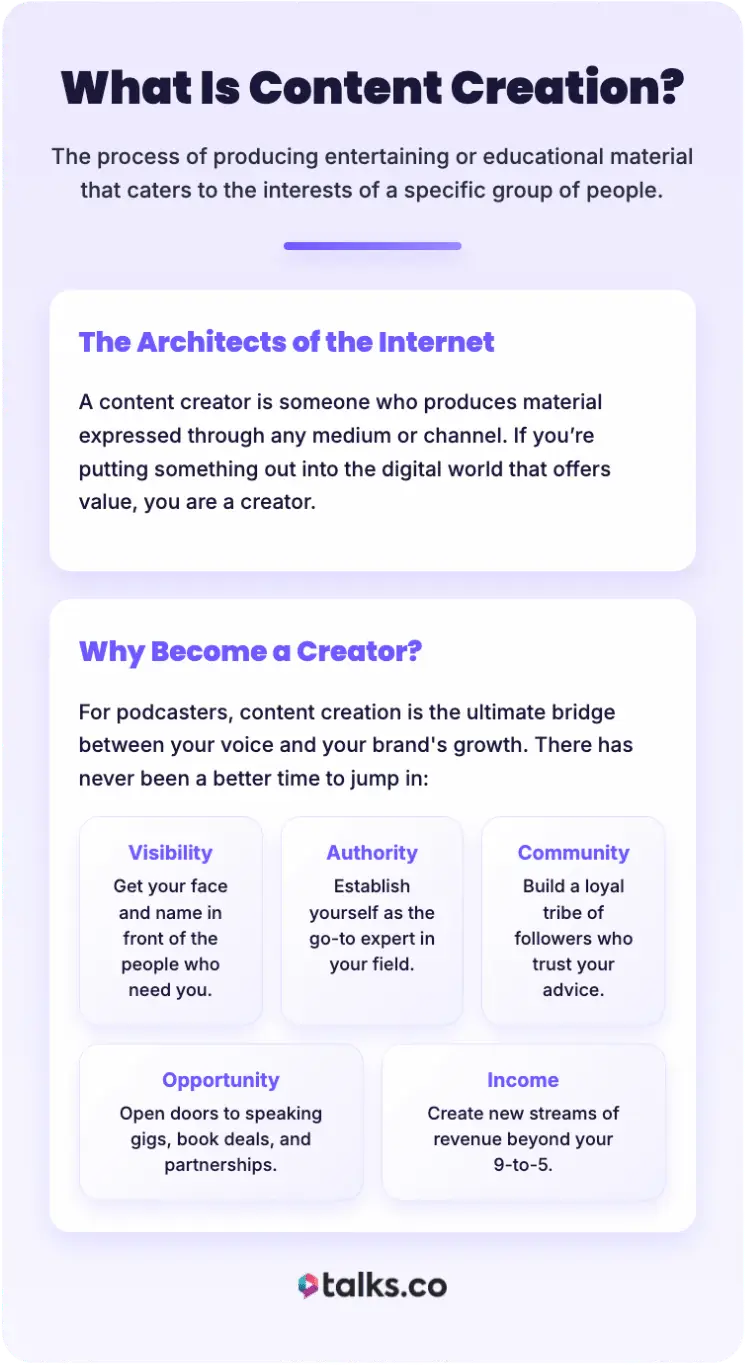
Content creation is the process of producing entertaining or educational material that caters to the interests of a specific group of people. It’s about taking your ideas and turning them into something tangible that others can consume online.
This could be any creative project, like:
- Writing a blog post
- Recording a podcast
- Filming a short video
- Designing a graphic
Content creator meaning
A content creator is someone who produces entertaining or educational material expressed through any medium or channel. They’re the architects of the internet who create content that informs, entertains, and inspires audiences globally.
If you’re putting something out into the digital world that offers value, you are a content creator.
Why become a content creator as a podcaster?
There has never been a better time to jump in and become a content creator than right now. Here’s why you should consider it (and execute it ASAP):
- Visibility: You get your face and name in front of people who need you.
- Authority: You establish yourself as the go-to expert in your field.
- Community: You build a loyal tribe of followers who trust your advice.
- Opportunity: You open doors to speaking gigs, book deals, and partnerships.
- Income: You create new streams of revenue beyond your 9-to-5.
What does it take to become a content creator?
The role of a creator involves wearing many hats throughout the day. You must be prepared to handle various tasks to produce successful content.
- Ideation: You need to constantly brainstorm new content ideas that’ll resonate with your audience.
- Production: This involves writing, recording, or filming the actual material you plan to publish.
- Editing: You must refine your raw material into a polished piece of content ready for publishing.
- Distribution: You need to share your work across different media channels, so it gets seen.
- Engagement: You must respond to comments and interact with your community to grow.
- Analysis: You need to review data to understand what works and how to improve your content.
What Is Needed to Be a Content Creator? (Checklist)
Starting as a content creator comes down to clarity, consistency, and a strong foundation. Here’s a quick and basic checklist to get you started:
☐ Defined niche: Know who you help and what you’re known for.
☐ Clear content angle: One core message repeated consistently.
☐ Repeatable content ideas: 3-5 themes you can post about endlessly.
☐ Basic media skills: Write, film, speak, and edit clearly.
☐ Audience awareness: Create content your audience already cares about.
☐ Essential recording equipment: Phone, microphone, and good lighting.
☐ Editing and publishing tools: Simple software that keeps you consistent.
☐ Optimized social profiles: Clear bio, strong photo, obvious positioning.
☐ Content distribution habit: Publish regularly across platforms.
☐ Long-term mindset: Treat content as an ongoing visibility asset.
What to do to become a content creator
Understanding the common types of content creators helps you decide where you fit in.
- Writers: These creators focus on written content like blogs, newsletters, and articles.
- Podcasters: You can specialize in audio content and interview guests or share solo insights. If you want to find guest experts quickly, Talks can get you connected.
- Video creators: This group of content creators produces video content for platforms like YouTube or TikTok.
- Visual artists: Photographers and graphic designers fall into this category of digital content.
- Influencers: You can focus on lifestyle content and collaborate with brands for promotion.
Content creator qualifications
You need a mix of soft and hard skills to create high-quality content. These are the qualifications that will set you apart.
- Storytelling: You need the ability to weave a compelling narrative to create engaging content.
- Research: You must be able to find accurate information to support your content claims.
- SEO knowledge: Understanding search engines helps your content get discovered.
- Consistency: You need discipline to produce content on a regular schedule.
- Adaptability: To stay relevant, you need the ability to pivot when content strategies or algorithms change.
What to study to become a content creator
You can learn a lot by doing, but studying these concepts will speed up your success.
- Content marketing: How to use content to drive business goals.
- Copywriting: How to write words that persuade people to take action.
- SEO: How to get your content found on Google and other search engines.
- Branding: How to present yourself consistently across all channels.
- Analytics: How to read data to make better decisions.
Content creation course options for beginners
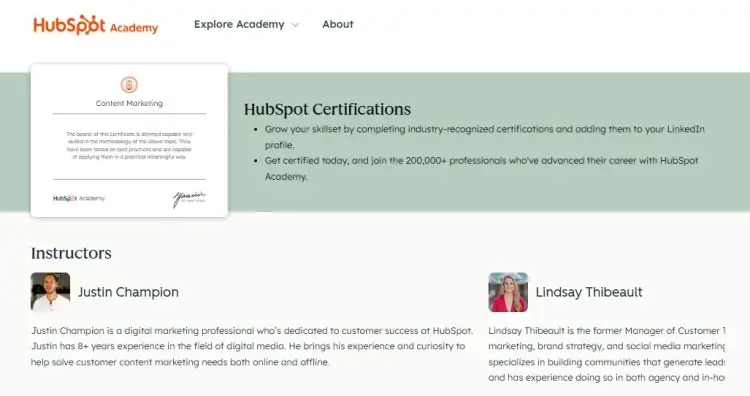
If you want structured learning, certifications can be a great credibility booster.
- Adobe Content Creator: Launching Your Creative Career Professional Certificate: A program that teaches you visual design and multimedia storytelling using Adobe tools.
- HubSpot Content Marketing Certification: A free course that covers how to build a scalable content strategy and create high-quality content.
- Digital Content Creation Program: A certificate program from Ensign College that covers video, audio, and design principles for digital media.
How to Become a Content Creator for Beginners
Whether you’re choosing a type of podcast to launch or starting your content creation channels, the first step can be overwhelming.
But breaking down the process can make the path more manageable. You just need a clear plan to start your content creation journey.
Let’s break down the step-by-step guide on how you can become a content creator as a beginner, without spending too much or having a hefty portfolio (yet).
How to be a content creator for beginners
If you’re starting from zero, follow this simple roadmap.
- Pick a niche: Choose one specific topic you can talk about for hours. For me, I can go on and on about the Virtual Event Success Formula because of my experience.
- Select a platform: Pick one place to hang out, like LinkedIn, Substack, or YouTube.
- Know your audience: Figure out exactly who you are talking to and what they need. Are you talking to entrepreneurs who need business coaching advice or fitness enthusiasts?
- Create a calendar: Plan out what you’ll post for the next two weeks.
- Just post: Hit publish on your first piece, even if it isn’t perfect.
Podcasting is the perfect entry path for beginners. Use this guide to start a podcast for beginners to make your journey easier.
How to start to be a content creator
Here’s how to launch with zero budget:
- Use your gear: Your smartphone camera is powerful enough for high-quality video.
- Free software: Use free tools like Canva for design and CapCut for editing.
- Leverage socials: Post directly to free social media platforms like Instagram or TikTok.
- Repurpose: Turn one idea into a tweet, a post, and a short video.
- Build a community: Engage in free Facebook groups by answering questions and offering advice to find your first few followers.
- Collaborate: Find podcast guests to interview for free, like these top strategy speakers from Talks.
How to become a content creator with no experience
Don’t have a portfolio? No problem. Here’s the easiest way to start building one:
- Document: Share what you’re learning or doing in your daily life.
- Interview: Ask experts questions and share their answers (great for podcasts!).
- Teach: Explain a simple concept you already know well.
- Review: Share your honest opinion on books, products, or tools.
- Use templates: Leverage pre-made templates for graphics to save design time.
- Batch create: Make content in one sitting to save time during the week.
- Ask questions: Poll your small audience to see what kind of content they want.
- Be yourself: Authenticity is the key to really connecting with people.
How to Be a Content Creator on Social Media
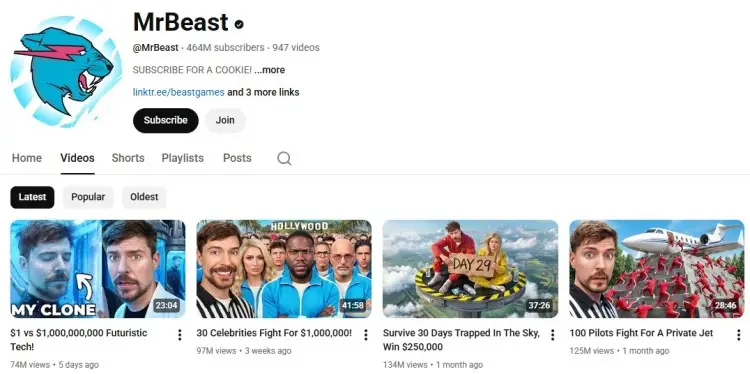
Want to be a successful content creator on social media? Look at what these top players are doing.
- MrBeast: Known for big-scale challenges and high-budget philanthropy videos.
- Gary Vaynerchuk: Dominated by documenting his business life and giving raw advice.
- Marques Brownlee (MKBHD): Set the gold standard for high-quality tech reviews.
- Emma Chamberlain: Innovated on vlogging with a relatable, editing-heavy style.
How to become a content creator on social media
Posting is only half the battle because all successful content creators know that interaction drives growth. Make sure you:
- Reply fast: Respond to comments within the first hour of posting.
- Ask questions: End your captions with a question to spark debate.
- Use polls: Use stickers and polls in stories to prompt interaction.
- Go live: Interacting in real-time builds trust quickly.
How to become a good content creator on social media
Building an audience takes time and a deep understanding of who you are talking to. You must tailor your content to their specific needs.
- Analyze data: Look at your insights to see which posts perform best and do more of those.
- Solve problems: Create content that answers specific questions your audience has.
- Use hashtags: Use relevant tags to help new people find your posts.
- Trend hopping: Participate in trends but adapt them to your specific niche.
- Cross-promote: Share your social media posts on other platforms to drive traffic.
- Collaborate: Team up with other creators to share audiences. You can interview fellow podcast hosts when you match via Talks.
How to become a content creator on Facebook
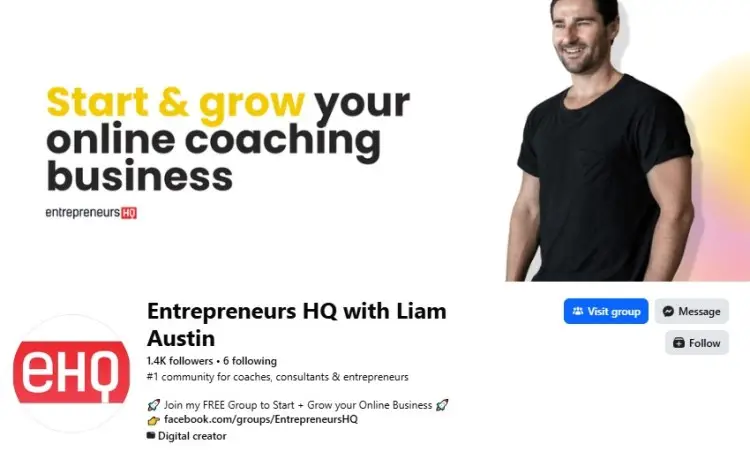
Facebook is key to community building. Here’s how to win there:
- Create a Facebook page: Set up a professional business page for your content.
- Start a group: Build a community around your specific niche topic.
- Post a variety of formats: Create text, images, and video to keep the feed interesting.
- Go live: Facebook Live is great for longer Q&A sessions.
- Schedule posts: Use Meta Business Suite to plan your content.
- Run ads: Consider small ad budgets to boost your best-performing posts.
How to become a content creator on Instagram
Instagram is a visual-first platform that rewards aesthetics and personality. It’s one of the top platforms content creators focus on.
- Optimize bio: Make sure your profile clearly says who you help.
- Post Reels: Creating short vertical videos is the best way to reach non-followers right now.
- Use Stories: Show your daily behind-the-scenes life to connect deeper.
- Carousels: Share educational tips in swipeable slide decks.
- Aesthetics: Keep a consistent look or color scheme for your grid.
How to be a content creator on YouTube for beginners
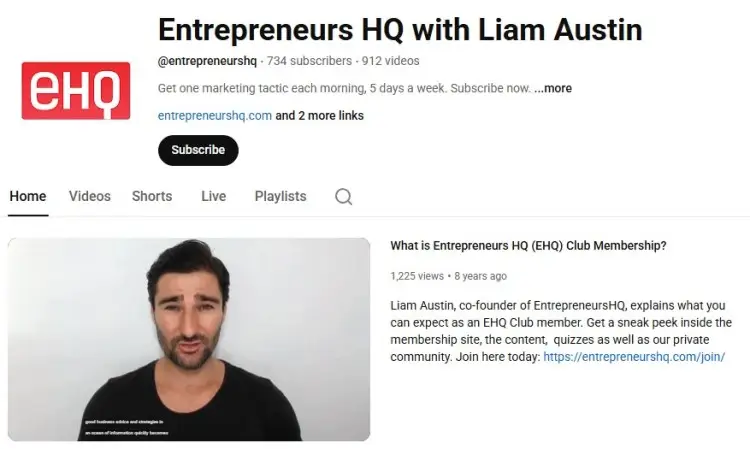
YouTube is a search engine for videos, which means your content can be discovered here over and over.
- Keyword search: Find out what people are actually searching for.
- Make thumbnails: Spend time making a clickable image to catch your potential viewer’s interest.
- Hook early: You have five seconds to convince viewers to keep watching.
- End screen: Tell them exactly what video to watch next.
Check out this guide on how to start a podcast on YouTube if you want to combine video and audio.
How to become a content creator on YouTube
Ready to get paid on YouTube? Here’s the path to monetization:
- Hit requirements: Aim for 1,000 subscribers and 4,000 watch hours.
- Niche down: Specialists grow faster than generalists on YouTube.
- Improve audio: Low-resolution video is forgivable, but bad audio makes people leave.
- Batch film: Record multiple videos in one day to maintain a consistent posting schedule.
- Community tab: Use this feature to communicate with your audience and to poll them on video ideas.
How to become a content creator on TikTok
Just trying to grow? Here’s the strategy for content creators on TikTok:
- Catchy hooks: Start with a visual or verbal surprise immediately.
- Use sounds: Hop on trending audio tracks early.
- Be relatable: Raw, unfiltered content often performs better than polished ads.
- Post often: Volume wins on TikTok. Aim to post once to thrice a day.
- Reply with video: Answer comments with a new video response.
How to become a paid content creator on TikTok
TikTok offers unique ways to earn money through its creator fund and brand deals. It’s a fast-paced platform that rewards creativity.
- Join Creativity Program: Get paid for videos over one minute long.
- Live gifts: Go live and let viewers send you digital gifts.
- TikTok shop: Promote products directly in your videos for commission.
- Brand deals: Use the Creator Marketplace to find sponsors.
How to become a content creator on Capcut
CapCut is the editing tool of choice for many mobile creators. Use it to produce professional edits on the go.
- Templates: Use pre-made templates to create professional edits in seconds.
- Auto captions: Always add captions for people watching without sound.
- Effects: Use trending visual effects to stop the scroll.
- Green screen: Put yourself in front of articles or websites to explain topics.
- Export quality: Always save in 1080p and 30 or 60 fps for best quality.
How to become a content creator on Snapchat
Snapchat is all about raw, real-time moments.
- Spotlight: Submit your best vertical videos to Spotlight to potentially go viral.
- Stories: Post frequently throughout the day to keep your viewers engaged.
- Lenses: Create your own filters to spread brand awareness.
- Map: Use the Snap Map to reach local audiences.
- Authenticity: Don’t over-edit. Keep it feeling like a FaceTime call.
How to become a content creator on Pinterest
Pinterest is a visual search engine that drives traffic to websites. Best platform for lifestyle, food, and design creators.
- Vertical images: Create tall pins that take up more screen space.
- Idea pins: Use video snippets to tell a short story or tutorial.
- Rich pins: Link your website so pricing and info update automatically.
- Keyword descriptions: Write detailed descriptions with SEO keywords.
- Boards: Organize your pins into specific topical boards.
How to become a content creator on Twitter
Twitter (X) is the home of real-time conversation and thought leadership. Perfect for writers and news-focused creators.
- Optimize your profile: Use a clear photo and a bio that states your value.
- Tweet daily: Consistency is key to staying visible in the fast feed.
- Threads: Write detailed threads to dive deep into topics.
- Engage leaders: Reply to big accounts in your niche to get seen.
- Use media: Attach photos or videos to tweets to increase engagement.
- Spaces: Host or join audio spaces to connect vocally.
- Hashtags: Use relevant hashtags to join conversations.
How to Become a Digital Content Creator
Being a digital content creator means you operate online, usually creating assets that can be shared or sold. It’s about understanding how the digital landscape works and where you fit in.
Let’s look at the different types of content creators to discover which one suits you. Whether you work for brands or carve a niche for yourself through videos, it’s easy to join the creator economy.
How to become a content creator for brands
Brands are always looking for authentic voices to promote their products. You need to position yourself as a professional partner to collaborate with brands.
- Build a portfolio: Show examples of the high-quality content you can create.
- Craft a media kit: Create a simple PDF showing your statistics and audience demographics.
- Pitch directly: Email brands with specific content and collaboration ideas you have for them.
- Tag brands: Use products you love in your posts and tag the company.
- Be professional: Treat deadlines and coordination like a real job.
How to become a user generated content creator
UGC creators make content for brands to post on their own channels.
- Create samples: Film yourself using products at home to show your style.
- Join platforms: Sign up for sites like Billo or Upwork to find gigs.
- Understand ads: Learn what makes a video convert into sales (hooks, CTAs).
- Update your profile: Put “UGC Creator” in your bio so brands can find you.
- Sign contracts: Always use a contract to define usage rights and payment.
- Send samples first: Send watermarked examples before receiving payment.
How to become a male content creator
The male creator space is growing rapidly in niches like tech, fashion, and fitness. The principles are the same, but the tone may differ.
- Find your voice: Identify a unique perspective or style that stands out.
- Explore niches: Try underserved niches like men’s fashion and grooming. You can also join booming discussions on gadget and software reviews, workout routines, entrepreneurial advice, and “hustle” content.
- Build a community: Engage with other male creators to cross-promote.
- Be authentic and break stereotypes: Don’t be afraid to break traditional masculine norms.
How to become a video content creator
Video is the dominant medium on the internet right now. Most creators in 2027 know how to produce one.
- Scripting: Create an outline for your video so you don’t ramble.
- Lighting: Even without a fancy camera, good lighting can instantly improve the video quality.
- Audio: Get an affordable lapel mic to instantly sound professional.
- B-Roll: Film extra shots of what you are talking about to cover cuts.
- Editing: Learn the basics of cutting out silence and adding text.
- Platform native: Edit your video specifically for the platform it’s for.
How to become a video game content creator
Gaming is a big industry with dedicated fanbases on Twitch and YouTube. Personality is just as important as gameplay skills here.
- Choose a game: Pick a game you truly enjoy, not just what’s popular.
- Pick a platform: Decide if you want to stream on YouTube or Twitch and build your audience there.
- Schedule: Stream at the same times so people know when to find you.
- Interact: Talk to your chat constantly. Don’t just play silently.
- Post clips: Post highlights of your stream to TikTok to drive traffic.
How to become a lifestyle content creator
Lifestyle creators share their daily lives and inspire others. This is a top niche for most content types, including the most popular podcasts.
- Decide on your aesthetic: Find a visual style that feels cohesive and pleasing.
- Share your routine: Share your morning or night routines to reveal a personal side that viewers could connect with.
- Be open and vulnerable: Share the bad days along with the good ones.
- Follow trends: Participate in viral trends but put your own spin on them.
- Recommend products: Share your favorite finds and give information on them that your audience will benefit from.
How to Be a Content Creator
Content creation can be a full-time career or a side hustle. You can adapt this to fit your life stage and goals.
Whether you’re still a student or you want to go professional and work with brands, there’s a clear path to creating content.
How to be a content creator as a student
You can fit content creation around your studies and show your unique perspective.
- Study with me: Film yourself studying. People who need a study buddy watch these types of videos.
- Campus life: Show what it’s really like to attend your school.
- Budget tips: Share how you save money or find cheap eats.
- Internships: Document your journey finding and working jobs.
- Time management: Share how you balance your social and academic life.
How to be a content creator for a business
Many businesses hire in-house creators to manage their social presence. This offers a stable salary while doing creative work.
- Understand business goals: Know if they want sales, leads, or just brand awareness.
- Adopt the brand voice: Learn to speak in the brand’s tone, not just your own.
- Hop on trends: Watch for trends that can be adapted to a corporate setting safely.
- Feature other employees: This humanizes the company and shows culture.
- Prepare ROI data: Be ready to report on how your content helped the bottom line.
How to Become a Content Creator and Make Money
Passion is great, but if you want to turn content creation into a profession, you need to get paid.
Thankfully, there are many ways to make money online. And being a content creator puts you in a prime position to work with brands and earn directly from audience engagement.
Here are different strategies to monetize your content.
How to become a content creator and get paid
There are several paths to turning views into dollars. Diversify your income with these strategies:
- Sponsorships: Brands pay you to talk about their product.
- Affiliates: You get a commission when people buy through your links.
- Digital products: Sell your own ebooks, courses, or templates.
- Services: Use content to get clients for your coaching or consulting.
- Ad revenue: Platforms pay you a split of the ad money on your videos.
- Subscriptions: Offer exclusive content on platforms like Patreon
Need help monetizing? Check out these content monetization platforms.
How much can you make as a content creator?
The earning potential depends on your niche and audience size. But the average annual pay for a content creator in the United States is $116,615/year. This works out to approximately $56.06 an hour.
While some earn as low as $29,500, top earners can make up to $128,000 annually.
How much does a content creator make?
Ad revenue fluctuates based on views and advertiser demand.
On YouTube, creators typically earn between $3 and $5 per 1,000 video views. This means you need hundreds of thousands of views to make a full-time income solely from ads.
Content creators often use ads as just one slice of the pie. They rely on sponsorship deals and their own sales to make a living as a full-time content creator.
How much money can you make as a content creator?
Here’s a breakdown of potential earnings from other sources:
- Sponsorships: Micro-influencers can charge $200-$1000 per post, while macro-influencers charge thousands.
- Affiliate marketing: Use this for passive income that scales with your traffic volume.
- Course Sales: Selling a $100 course to 1% of a 10K audience earns you $10,000.
- Coaching: One-on-one coaching can command high hourly rates for your expertise.
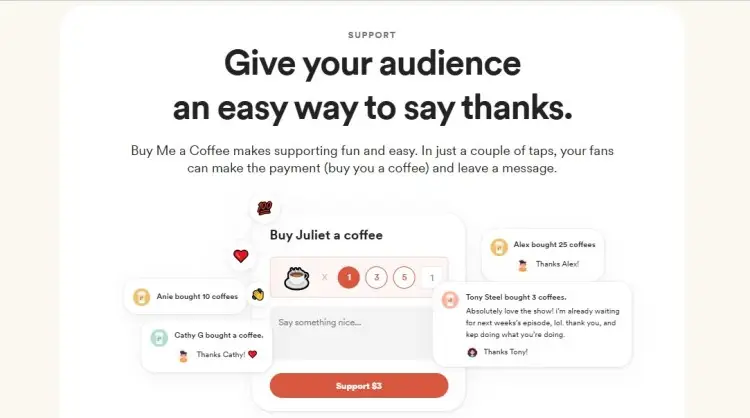
- Donations: Choose from platforms like Ko-Fi vs Buy Me a Coffee, which allow fans to tip small amounts.
Can You Be a Content Creator Without Showing Your Face?
Yes, you absolutely can build a brand anonymously. Many top channels never show a face.
If you’re camera-shy, you can rely on voiceovers and stock footage. You can also use animation or screen recordings to deliver value. Better yet, start a podcast with a captivating podcast name, the perfect medium for faceless creators.
Just by recording audio, you can publish a complete episode. You can even collaborate with other experts you find on Talks for a voice-only interview.
How to become a content creator without showing your face
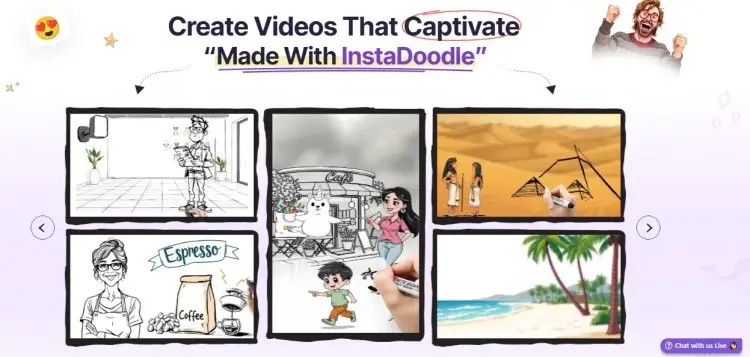
Faceless channels rely heavily on the quality of the edit and the script. Here’s how to succeed without being on camera.
- Voiceover: Use your powerful emcee voice or a high-quality AI voice to narrate.
- Stock footage: Use videos from libraries like Storyblocks.
- Animation: Use tools like Doodly or Vyond to create animated explainers.
- Screen capture: Record your screen for tutorials or gaming content.
- Compilation: Curate clips from other sources (with permission) to add value.
- ASMR: Create audio-focused content focused on objects and sounds instead of your face.
- Start a podcast for free: Test the waters by uploading audio episodes on a free podcast hosting platform.
How to Become a Great Content Creator
Good creators get views. Great creators get fans. Here’s how to move from good to great:
- Listen: Pay attention to what your audience is asking for when brainstorming potential content.
- Improve: Try to make every post better than the last one. Look at the best-performing videos and improve your skills.
- Network: Connect with other creators to learn and grow together. Find podcast guests or other podcasters willing to collaborate via Talks.
- Rest: Take breaks so you don’t burn out. Creativity needs energy.
- Values: Stand for something, whether it’s a unique framework or your personal values. People follow leaders with beliefs.
How long does it take to become a content creator?
Every content creation journey is different. There’s no fixed timeline, but it usually takes 6-12 months to see significant traction.
If you’re looking for the fastest way to become a content creator, you just simply have to start today. Start a blog. Record your podcast.
It doesn’t have to be perfect. As long as you take that first step, you can always improve.
Is it hard to be a content creator?
It is simple to start, but challenging to sustain. The competition is fierce, and the algorithms are fickle. But the rewards of freedom and impact are worth the struggle.
For example, when podcasters use tools to find podcast guests and automate their workflow, it becomes much easier. It requires grit, but it’s a career path open to anyone willing to work for it.
Create Your Future Content Today
The process of how to become a content creator was never an industry secret. Anyone who wants to grow an audience online can start today.
Ready to share your unique voice and perspective? Build your digital presence even without your own platform.
Book podcast guest opportunities when you join Talks. Just quickly create your profile and get matched with shows looking for experts like you.
- Interest-based matching: Get strong AI recommendations based on your strengths and experiences.
- Preferences: Mutual matches with podcasts, considering your availability and interview format.
Create your forever free Talks profile and get matched today!


