

If only your passion for talking could actually pay the bills, right?
Many podcasters dream about turning their simple hobby into a money-making venture.
While many start with just a decent mic and no clear direction, it’s still possible to pivot and take your podcasting seriously.
That means planning things out, producing good content, building a community, and bringing in revenue for all your efforts.
If you’re ready to hop on this path, let me guide you on how to turn your podcast into a business.
I’ll show you the ropes, from preparing to make the transition to monetization strategies, so you can have a sustainable podcasting career.
Can a Podcast Be a Business?
Yes, you can turn your podcast into a business.
A podcast is so much more than an “audio file you upload to the internet.” It’s a powerful brand asset that can generate multiple revenue streams, just like any other media company.
The key is to shift your mindset from hobbyist to entrepreneur.
- Start looking at your podcast episodes as valuable products that serve a specific niche market.
- This transformation requires strategic planning, unwavering consistency, and visualizing your show as a successful business.
The global podcast market has experienced explosive growth, which means there are more opportunities than ever for dedicated podcasters to create sustainable careers.
What are the benefits of podcasting for business?
Podcasting offers a unique and intimate way to connect with an audience. That said, there are many reasons why a small business or an aspiring entrepreneur should consider entering the audio space.
Here are the benefits of podcasting for business that you should consider:
- Boosted visibility: Your brand can be discovered by new audiences on platforms like Apple Podcasts and Spotify, where potential customers are actively looking for content.
- Authority and trust: Regularly sharing valuable insights establishes you as an expert in your field. You can build a good relationship with your audience, so they’re more likely to engage with your brand and purchase your products or services.
- Dedicated audience building: Unlike fleeting social media posts, podcasts are long-form content that fosters a deep connection. You can create a loyal and engaged following that feels personally connected to you and your message.
- Powerful networking: Hosting a podcast opens doors to influential people in your industry. Interviewing high-profile guests not only provides great content but also helps you build relationships with potential partners, clients, and even sponsors and advertisers.
- Diverse income streams: A successful podcast provides an additional income source through various monetization strategies (e.g., sponsorships, selling your own products).
How to Turn Your Podcast into a Business
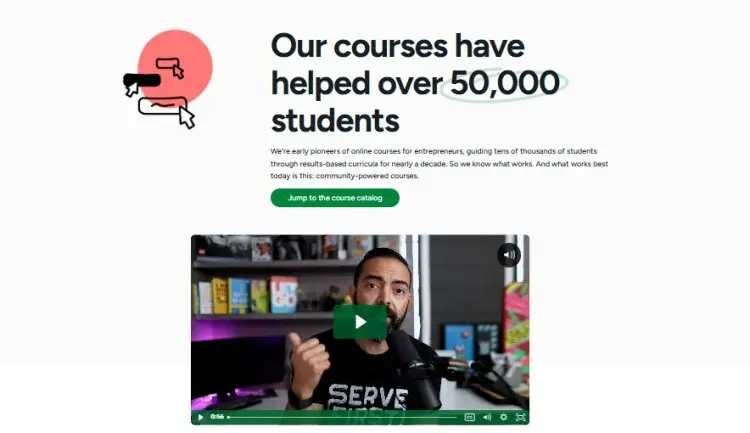
Still unsure about doubling down on your podcast’s success? It helps to see what’s possible when you look at successful creators in the space.
Many podcasts have made the leap from casual recording to full-scale media empires.
- The Joe Rogan Experience: This show demonstrates how exclusive content and massive downloads can lead to historic licensing deals.
- Smart Passive Income: Pat Flynn uses his show to sell products like courses and affiliate marketing deals.
- Entrepreneurs on Fire: John Lee Dumas proves that a daily content schedule can lead to big numbers and eventually, sponsorship deals.
- Call Her Daddy: This podcast highlights how a strong brand identity and engaged audience can be your ticket to monetizing via merchandise.
- BiggerPockets: They used their podcast to grow a massive real estate investing community that became a platform for books, courses, and tools.
How to start a podcast business
Before you hit record, you need a solid foundation to build a profitable business. Follow these steps to turn your podcast into a business:
- Define your concept: Choose a specific niche that appeals to your target audience. Instead of going for “business tips”, create a podcast around “financial strategies for freelance creatives.”
- Name your show: Use a podcast name generator for ideas, but make sure the final choice is catchy, memorable, and available on major platforms like Apple Podcasts and Spotify.
- Create a podcast business plan: Outline your mission, audience, content strategy, marketing plan, and financial projections. Use this as a roadmap in all your business decisions.
- Establish a legal structure: To protect your personal assets from any business liabilities, consider forming an LLC for your podcast. Consulting with a legal professional can help you choose the right structure for your situation.
- Develop brand visuals: Your cover art impacts a new audience’s impression of you. Invest in a high-quality, professional-looking artwork that reflects your brand identity and stands out in a crowded podcast directory.
- Set up reliable hosting: Choose a reliable podcast host that distributes your show on listening apps, offers good analytics, and can scale with your show’s growth.
- Plan your launch: Start a podcast with at least three episodes ready to go. This gives new listeners more content to binge and increases their likelihood of subscribing.
How to start a podcast to make money
Getting a sponsor is one of the most common ways to validate your show. Here’s how you can attract an advertiser and secure sponsorship deals.
- Build your numbers: Most sponsors look for a minimum number of downloads per episode (around 1,000-5,000) before they’ll consider a partnership. Focus on creating great content and promoting your show to grow your audience first.
- Create a professional media kit: Your media kit is a well-designed document that highlights your show’s concept, listener demographics, download statistics, and the value of your content. Think of this as your podcast’s resume.
- Understand ad formats: Learn about different types of ad placements. Pre-roll ads (at the beginning), mid-roll ads (in the middle), and post-roll ads (at the end) have different rates and effectiveness.
- Research potential brands: Look for companies that align with your show’s topic and values. Pay attention to which brands are already investing in podcast advertising on shows similar to yours.
- Perfect your outreach: Reach out to sponsors with a personalized pitch. Explain why your audience is a perfect fit for their brand and how a partnership would benefit them.
- Use podcast networks: Joining a podcast ad network can simplify the process. They connect podcasters with a pool of potential sponsors and handle the negotiation and ad-serving logistics.
- Leverage your guest strategy: When you find podcast guests, consider that their company might also be a potential sponsor. A successful interview can be a great entry point for a sponsorship conversation.
How to make a podcast profitable
There are many ways to monetize your podcast beyond selling ad space. You can diversify your income stream by exploring these alternative methods.
- Affiliate marketing: You can promote affiliate links for products you use and trust. When a listener purchases through your link, you earn a commission. There’s no minimum audience number required, so you can monetize even with a small audience.
- Premium content: Offer exclusive content (e.g., ad-free episodes, bonus Q&A sessions, or early access to new content) to paying subscribers behind a paywall.
- Merchandise: Selling branded merchandise like t-shirts, mugs, or stickers generates revenue and deepens the community bond.
- Courses: Create an online course that dives deeper into your niche topics.
- Coaching or consulting services: Use your show to promote your own product or service. As a business owner, your podcast builds your authority, making listeners more likely to hire you for your expertise.
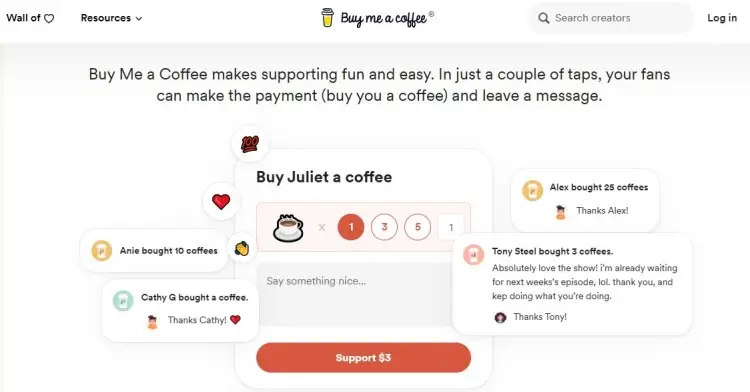
- Donations and memberships: Monetizing platforms like Patreon help you collect listener donations. You can offer tiers of rewards to encourage different levels of support from your community.
- Crowdfunding: Encourage listeners to make small, one-time contributions to show their appreciation for your work. Compare tools like Ko-fi vs. Buy Me a Coffee to see which fits your style.
How to run a podcast business
Running a podcast business means you’re more than just a host. You’re also a marketer, salesperson, and community manager.
These tips will help you manage your podcast effectively and avoid common pitfalls.
- Be consistent: Whether it’s daily, weekly, or bi-weekly, stick to your schedule to build trust and listening habits with your loyal audience.
- Engage with your fans: Build a community around your podcast by replying to comments on social media, responding to emails, and creating spaces like a Facebook group for listeners to connect.
- Collect emails from day one: Start an email newsletter to own your audience data directly, independent of any podcasting platform.
- Diversify your revenue: Never rely on a single source of income. A sponsor might pull out, or affiliate sales might dip. By having multiple revenue streams, your business will be more stable.
- Invest in audio quality: You don’t need a Hollywood studio, but poor audio quality is a major turn-off for listeners. Aim for a clear and professional sound to keep people engaged.
- Avoid creator burnout: Podcasting is a marathon, not a sprint. Create a sustainable workflow and batch-record episodes when possible so you can keep going without getting overwhelmed.
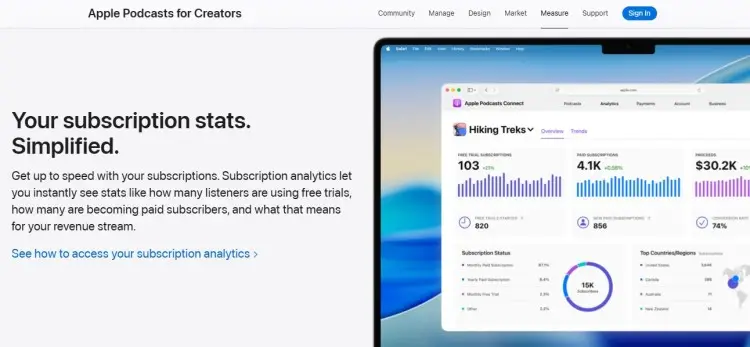
- Track your metrics: Pay attention to your analytics. Understand how podcasts make money and which strategies are best for you.
How to Start a Podcast Without Equipment
You don’t need new or expensive equipment to create your podcast. You can just start with minimal gear and upgrade later.
- Use your phone: Modern smartphones have excellent microphones for recording audio and video.
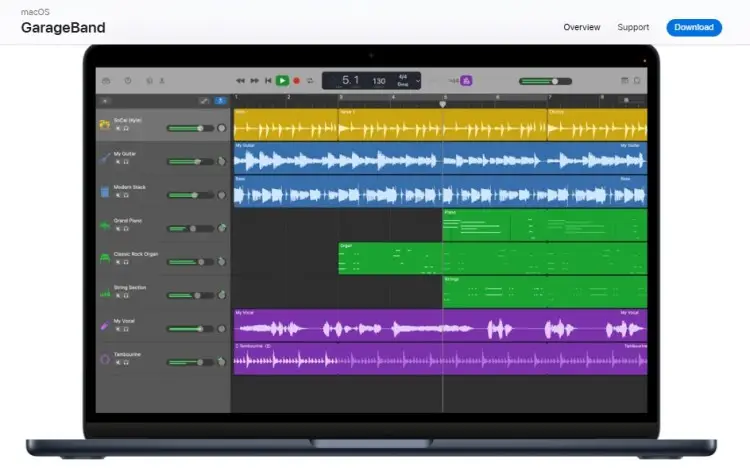
- Free software: Download free editing software like Audacity or GarageBand.
- Quiet space: Record in a closet full of clothes to dampen echoes and mimic high-quality audio.
- Stock music: Find royalty-free theme music to give your show a polished feel.
- Remote recording: Use tools that allow you to record guests via their web browser.
- Mobile apps: There are apps designed to let you record, edit, and publish from a mobile device.
How to start a podcast with no money
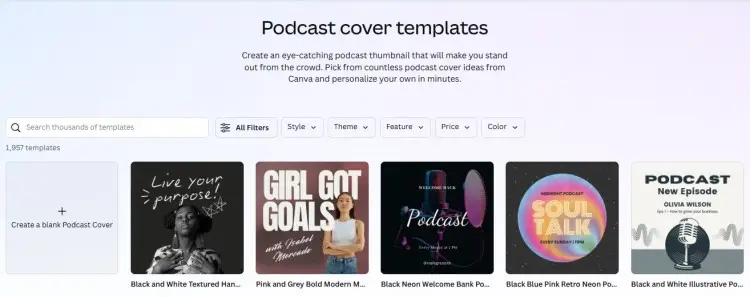
Having no funds shouldn’t stop you from launching your podcast business. You can start a podcast with no money if you’re creative.
- Zero-cost hosting: Choose a platform that offers a free tier for hosting your files.
- DIY graphics: Use free design tools like Canva to create your cover art and social assets.
- Social promotion: Use social media to promote your podcast without spending on ads.
- Manual distribution: Submit your RSS feed manually to different channels and directories.
- Organic growth: Focus on high-quality content to encourage word-of-mouth sharing.
- Leverage guests: Ask your guests to share the episode with their followers to increase reach.
How to Start a Business Podcast
Looking for a niche to start in? Among the many types of podcasts, business-related podcasts have always been a hit for the invaluable insights they provide.
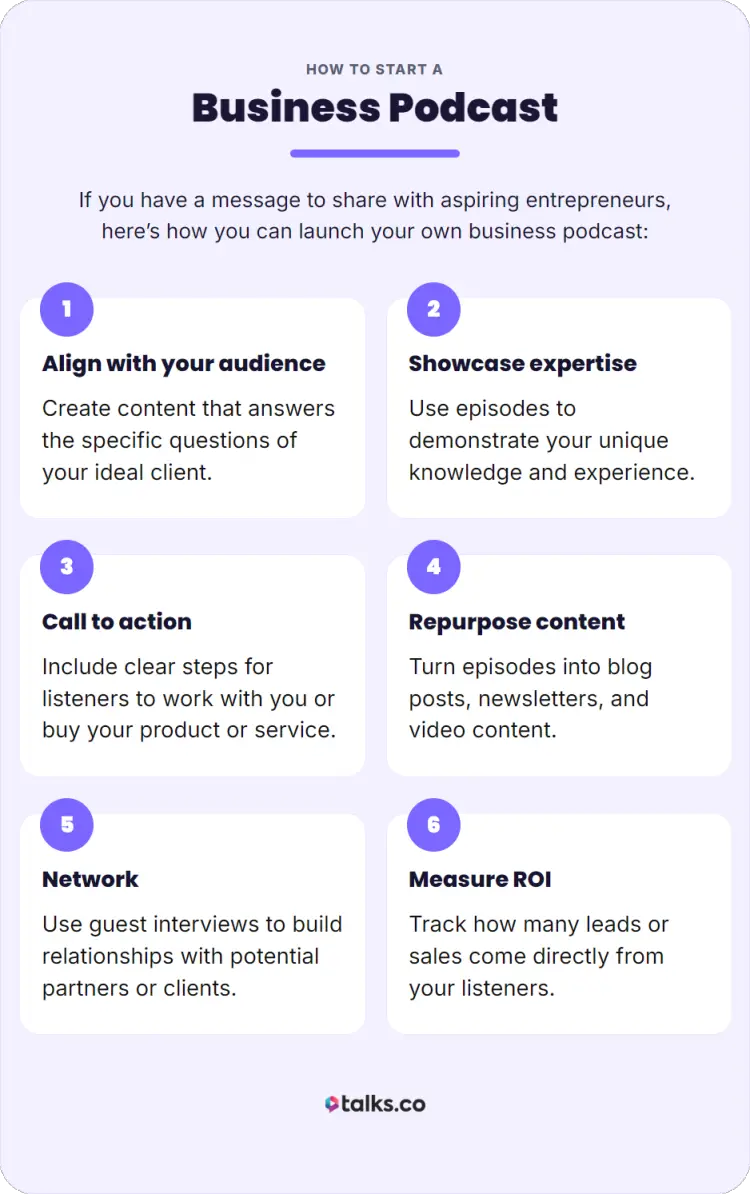
If you have a message to share with aspiring entrepreneurs, here’s how you can launch your own business podcast:
- Align with your audience: Create content that answers the specific questions of your ideal client (e.g., “How can I create an irresistible offer?”).
- Showcase expertise: Use episodes to demonstrate your unique knowledge and experience.
- Call to action: Include clear steps for listeners to work with you or buy your product or service.
- Repurpose content: Turn episodes into blog posts, newsletters, and video content.
- Network: Use guest interviews to build relationships with potential partners or clients.
- Measure ROI: Track how many leads or sales come directly from your podcast listeners.
Podcast for building a business (5 Examples)
Use a successful podcast in the business category as your blueprint. These examples are some of the most popular podcasts on building a business.
- Marketing School: Whether you’re just starting or scaling up, this show provides daily actionable digital marketing tips straight from experts.
- Online Marketing Made Easy: Amy Porterfield chats about growing your online business sustainably. Think revenue boosts, audience building, and team scaling without the endless hustle.
- The GaryVee Audio Experience: Gary Vaynerchuk talks about his insights on entrepreneurship, marketing smarts, personal branding, and hustling in business.
- HBR IdeaCast: Harvard Business Review brings weekly conversations with top business thinkers, unpacking management ideas, leadership strategies, and how they shape the working world today.
- The Goal Digger Podcast: Jenna talks about business, marketing, and mindset shifts to help you chase bold dreams and build a life-loving biz that doesn’t overwhelm.
From Passion to Profit
Now that you know how to turn your podcast into a business, it’s time to actually start earning.
Begin your journey by creating content your audience will actually love. Share actionable tips based on your expertise, or better yet, invite interesting personalities to tell their stories.
Many popular podcasts have gone viral from a good podcast interview. Getting juicy insights, plus getting new eyes on your show… It’s a win-win for you!
Talks helps you make such connections happen. Using AI and advanced search features, you can find your dream podcast guest and book them within the same platform.
Your next great guest is already on Talks waiting to be discovered.
Yes! I Want to Join the Talks Network Today!


