
If you’re a coach or consultant looking to grow your brand, stepping onto a stage is one of the fastest ways to build trust.
Back in 2015 when I hosted my first virtual summits, I immediately noticed the impact of speaking engagements like these.
Unlike recorded videos, you could see the light shining in the eyes of the attendees during a live event. The excitement on their faces, the “aha” moments they get as an idea for, and the stories they reveal… Wow!
And that same level of energy stays with you as a keynote speaker. It turns into loyalty. It turns into leads.
So if you’re ready to hold the mic, I’ll show you exactly how much you can earn from becoming a professional speaker. I ran the numbers for beginner and expert speaking fees, as well as rates for different speaking events.
You can even try out a simple speaker engagement fee calculator and downloadable template.
What Are Speaker Fees?
A speaking fee or speaker fee is the amount a speaker is paid to deliver a speech, workshop, or keynote at an event. This payment covers not only your time on stage but also your preparation time, travel expenses, and the years you spent building your craft.
Most professional speakers create speaking pages instead of charging by the hour. It typically includes the keynote itself, possible meet-and-greets, and any pre-recorded segments the organizer requests.
That means the fee is not just for the talk itself, but also for the valuable insights and outcomes you deliver.
Speaking engagements meaning
A speaking engagement is any arranged opportunity where you speak at events to educate, motivate, or inform a group. It can range from a small chamber of commerce lunch to a large-scale industry convention.
Common examples include corporate events, TEDx talks, association meetings, virtual events, and university lectures. Each engagement helps you build credibility and expand your reach.
Some speaking opportunities are paid, while others offer non-monetary rewards like exposure, leads, or partnerships.
How Much to Charge for Speaker Fees?
Before you set your rates, you need to understand what affects pricing in the world of professional speaking. Here are the key factors that influence how much speakers charge:
- Industry: A technology futurist guru specializing in a topic can charge more than a general public speaker.
- Authority level: A recognized thought leader can charge more due to their expertise.
- Experience: More experience leads to a higher fee.
- Type of speaker: Motivational speakers who inspire and uplift crowds price differently from trainers who deliver technical workshops.
- Delivery format: In-person events, live events, and pre-recorded sessions have different rates.
- Audience size: Speaking to hundreds of people justifies a bigger paycheck than a classroom-sized session.
- Customization: If you create actionable content tailored to the client, you can justify a premium price tag.
- Travel: You can include your travel expenses in your speaking fees.
Average speaking fee
The average fee for a speaking engagement varies widely depending on your level and the event. Many professional speakers charge around $5,000-$15,000 per engagement.
- Generalists: $2,000-$5,000 per event
- Niche speakers or specialists: $5,000-$10,000+
- Virtual speakers: Charge 50%-75% less than their usual rates
- Beginners (0-2 years): $500-$2,500
- Mid-level speakers (3-7 years): $2,500-$10,000
- Experienced (8+ years): $10,000-$30,000+
Talks tip: Always ask if taxes or withholding apply so you know what to expect.
Speaking fees per hour
Charging by the clock is tricky because a 90-minute keynote speech can require 20 hours of research. Going with this strategy may overlook what’s happening behind the scenes and lead to selling your time instead of the outcomes you provide.
But, if you want to explore this pricing model, here’s how speakers charge hourly:
- Beginners: $150-$500 per hour
- Experienced professionals: $3,000-$9,000 per hour
- Panel participants: $150-$500 per hour
Most speakers convert this into a flat fee for simplicity during booking and negotiation.
Speaking fees for beginners
If you are new to professional speaking, expect lower fees or even events that don’t pay.
- Early stage: In the beginning, speaking gigs pay anywhere from $0-$1,000.
- Exposure and visibility: Many new event speakers give free speeches to gain video footage, action shots, testimonials, or leads.
To eventually raise your rates, work on the following:
- Improve your presentation skills: Don’t just read off slides. Make eye contact and interact with your audience while clearly communicating your message.
- Build a simple speaker one-sheet: Compile your credentials and past speaking engagements in one place, so event hosts know your value.
- Get booked on podcasts: Your podcast guestings give you a chance to practice, build an online audience, and serve as proof of your impact.
Top speaking fees
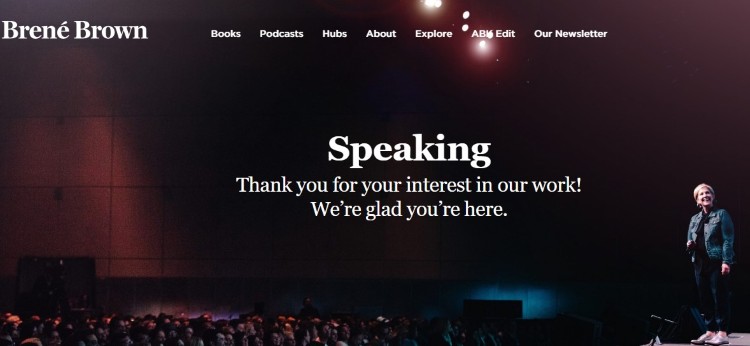
Top speakers are often the main draw and are invited specifically to inspire and uplift audiences.
- Top rates: Top-tier speakers on the speaking circuit typically charge $20,000 to $50,000+ per event.
- Value-based pricing: They command these numbers due to their expertise, proven return on investment, and ability to fill seats
For example, Brené Brown is known to command significant five-figure sums because her research-backed stories and powerful delivery create lasting change for organizations.
Celebrity speaking fees
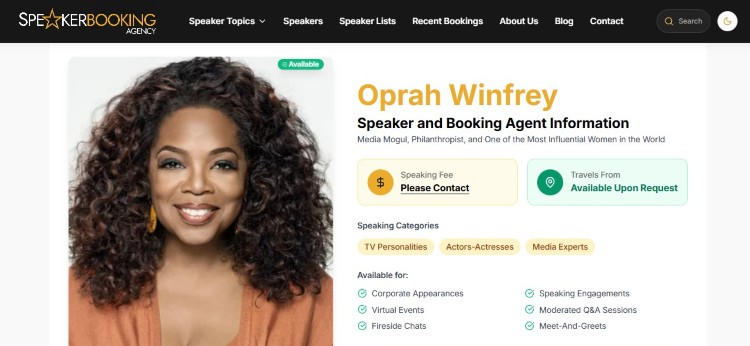
Celebrities and household names with millions of social followers command high rates.
- Premium charge: They can charge anywhere from $50,000-$100,000+ per appearance.
- Hype value: They command these rates because their name alone generates media coverage and fills seats.
- Terms of engagement: Their contract includes strict rules about photography, press access, and meet-and-greet duration. Those details protect both the talent and the client from last-minute surprises.
Oprah Winfrey is known to command extremely high speaking fees due to her influence and reach.
Speaking fees for politicians
Past presidents and former cabinet members remain some of the most sought-after names for speaking engagements. They add prestige and credibility to the stages they stand on.
- Speaking fee: Politicians charge between $20,000-$200,000 per event.
- Appeal: Their rates reflect their experience, leadership background, and global recognition.
- Added cost: Security and logistics sometimes add costs that the client covers on top of the speaking honorarium. These extras are separate from the fee but still matter in the final budget.
Barack Obama reportedly earns over $400,000 per keynote speech.
Speaking fees for authors
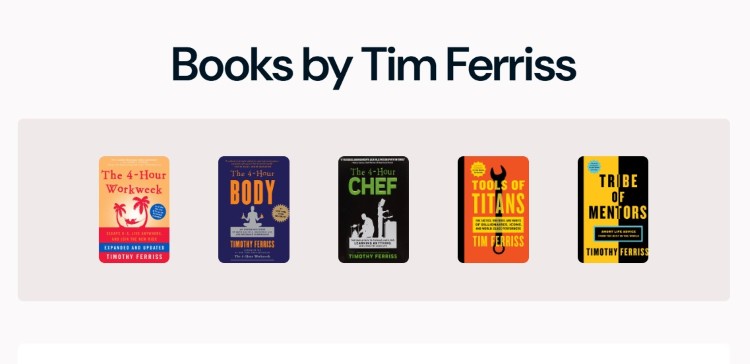
Authors already come with a proven credential, their published books. That alone can push them past beginner to mid-range fees.
- Speaking fees: Published authors land speaking engagements between $3,000-$10,000 based on their reach and book success.
- Revenue opportunities: Authors can turn their work into actionable frameworks or offer bulk book deals as part of the package to earn more.
- Be a guest on a podcast: They can also cross-promote on the most popular podcasts to build up a following before speaking at events.
- Marketing help: Publishers can also help secure gigs to build email lists and drive book sales.
Take a look at Tim Ferris. He’s a best-selling author of popular titles like “The 4-Hour Workweek” and “Tools of Titans” and has appeared on many TV and podcast interviews.
As a business and productivity expert, he charges premium for speaking engagements.
How Much to Charge for Speaking Engagements
Different roles and contexts affect how you price your speaking events. Being a keynote speaker requires a different kind of prep than being a panelist. That’s why it’s important to really think about what each event calls for.
Here’s how to think about pricing across common categories, so you can decide what makes sense for your next speaking opportunities.
Speaker fees for conferences
Conference event organizers usually already have fixed speaker budgets.
- Regional conferences: $1,000-$5,000 for breakout session speakers.
- Major industry conventions with large sponsor backing: $10,000-$30,000.
- Associations and nonprofits: Typically offer exposure or sponsorship introductions instead of cash.
To get booked for conferences, it helps to already know what role you’re vying for: keynote speaker, breakout session speaker, or emcee.
Public speaking fees
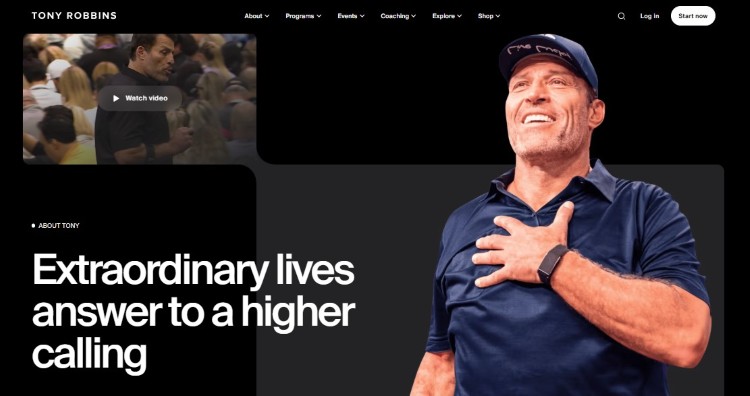
There are different kinds of public speaking opportunities you can tap, from a local workshop to a virtual global summit. Each event has different budgets for speakers:
- Local seminars: $500-$2,000
- National in-person events: $5,000+ (depending on headcount)
- Corporate training: $3,000-$15,000
- Virtual events: Slightly less than in-person events, and don’t include travel costs.
A known keynote speaker like Tony Robbins can charge six figures due to his reputation and ability to deliver stories and powerful transformations tied to personal success.
How to Calculate Your Speaking Fees
Having a pricing system helps you quote with confidence. It also trains you to spot red flags and avoid leaving money on the table.
- Set a base rate: Decide your minimum flat fee for showing up and delivering a standard speech.
- Factor in the audience: Add a premium if you’ll have to accommodate a bigger crowd.
- Calculate travel: Include a travel fee that covers flights, hotel, and on-the-ground transportation.
- Count prep hours: Estimate time for research, slide design, and calls, then bake that preparation time into the total.
- Assess customization: Charge extra if the client wants a proprietary framework or case study built just for them.
- Check the market: Compare your number against the fee a speaker at your level usually requests.
- Assess value: What’s in it for you? Factor in outcomes like leads, visibility, or sales.
- Present the quote: Send a clean proposal so the client sees exactly what they get for the investment.
How to avoid common pricing mistakes
Even experienced speakers undercut themselves when they’re too eager to land the gig. Watch out for these pitfalls:
- Don’t pay to play: Never accept a gig where you need to spend more than you earn just to stand on stage, unless you get something valuable too.
- Avoid scope creep: If an organizer asks for extra sessions, update the invoice before saying yes.
- Skip desperation discounts: Cutting your rate in half sends a signal that your valuable insights are not worth full price.
- Clarify expenses: Confirm who covers travel expenses so you aren’t surprised by a last-minute flight you bought yourself.
- Write it down: Use a simple contract so both sides agree on deliverables and payment dates.
You can also look into how other creators get paid to see how you can best maximize your speaking skills. Explore whether podcast guests get paid and how much do YouTubers make.
Speaking engagement fees calculator
A simple calculator can help you standardize pricing. Explore this speaking engagement fees calculator by inputting the following:
- Base fee: Your starting rate.
- Audience multiplier: X number of dollars per 100 attendees.
- Travel expenses: Include flights, hotels, meals, and other transportation expenses.
- Prep time: Cost for your research and rehearsal hours.
- Premium add-ons: Additional charge for personalized content or deeper engagement.
Use this calculator to set your speaking fees quickly, so inquiry emails don’t pile up.
Speaking fees template
To make quoting easier, keep a reusable template handy. Fill it out every time a new inquiry hits your inbox.
Speaking fees template
Client name:
Event date:
Expected audience size:
Type of talk:
☐ Keynote
☐ Conference
☐ Workshop
☐ Panel discussion
☐ Virtual event
☐ Pre-recorded video
Speaker responsibilities/expectations:
- Task 1
- Task 2
- Task 3
Pricing:
| Base speaking fee: | $ |
| Audience multiplier: | $ |
| Travel expenses: | $ |
| Preparation cost: | $ |
| Premium cost (if applicable): | $ |
| Total investment: | $ |
Payment terms:
Cancellation policy:
Add your brand colors and design to make this template fully your own.
How to Negotiate Your Speaking Fee
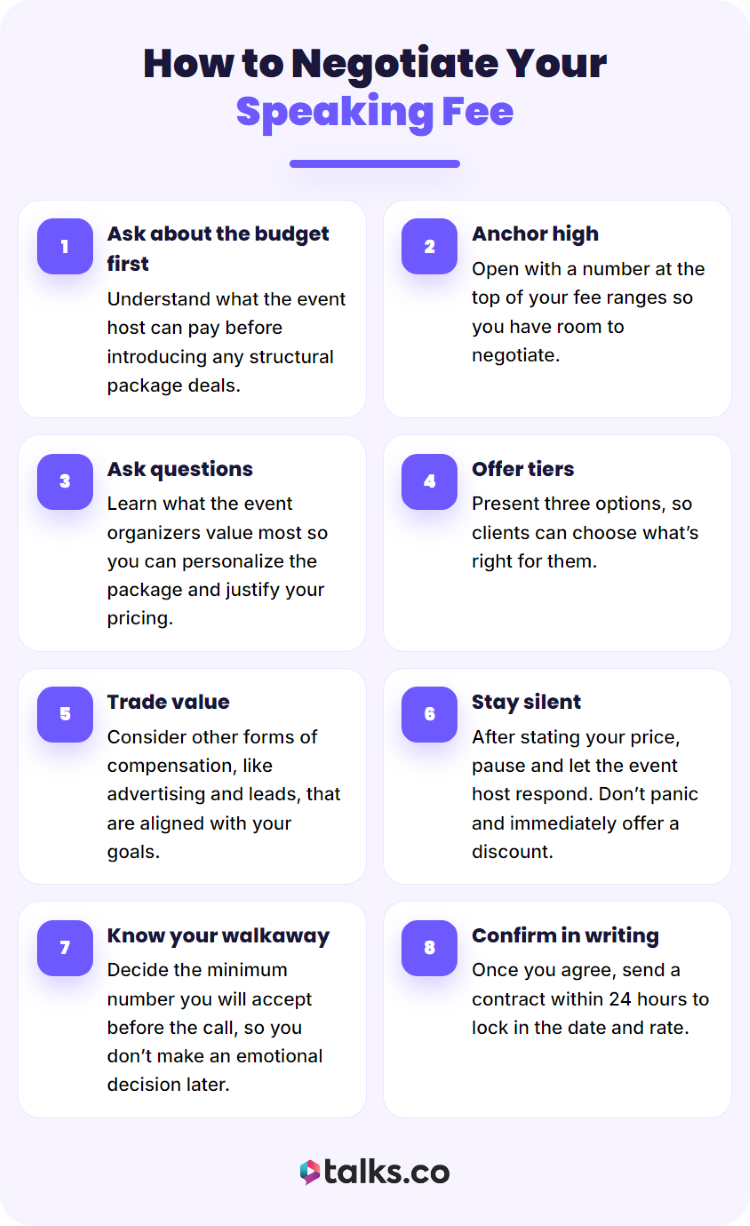
When you know your worth, you can charge your worth, while making clients feel like they’ve won too.
- Ask about the budget first: Understand what the event host can pay.
- Anchor high: Open with a number at the top of your fee ranges so you have room to negotiate.
- Ask questions: Learn what the event organizers value most so you can personalize the package and justify your pricing.
- Offer tiers: Present three options, so clients can choose what’s right for them.
- Trade value: Consider other forms of compensation, like advertising and leads, that are aligned with your goals.
- Stay silent: After stating your price, pause and let the event host respond. Don’t panic and immediately offer a discount.
- Know your walkaway: Decide the minimum number you will accept before the call, so you don’t make an emotional decision later.
- Confirm in writing: Once you agree, send a contract within 24 hours to lock in the date and rate.
You’re Worth the Investment
Speaking fees aren’t just numbers. They’re a reflection of your value, positioning, and ability to create impact through speaking.
With this solid pricing strategy, it’s time to book your next gig with confidence.
If you want more speaking opportunities and a simple way for shows to find you, create a free Talks profile today. It’s the natural next step for anyone looking to grow through visibility and authority.
It’s a fast-emerging platform to become a podcast guest and connect directly to hosts and other industry players.
Goodbye, elevator pitches that never work. Goodbye, unread emails. Hello, mutual matches that lead to recording sessions.
Sanjai fully maxed out his calendar. Laura booked a top 1.5% podcast on her first try.
Yes! Set Me Up for a Free Talks Profile Now!