

You can physically and viscerally feel it when you’ve lost them.
A room that was with you 5 minutes ago suddenly feels like a waiting room with eyes drifting from heads dipped so low even their phones disappear behind their hunched backs. And you can’t forget that classic watch-watcher who can’t seem to stop checking the time.
And if you’re speaking online, it gets even sneakier once the cameras disappear and tabs multiply while the silence stretches just a little skosh too long.
But getting people to listen is one thing. And getting them to care enough to stay with you and engage in real-time is a totally different skill.
So let me be the one to shatter that “glass ceiling” by telling you how to engage an audience isn’t some mysterious personality trait you have to be born with.
You can build those audience engagement strategies to engage your audience with your presentation, your writing, your podcast, and boost the way you speak.
And this is your playbook to keep people leaning in in the best ways instead of mentally heading for the exit.
What Is Audience Engagement?
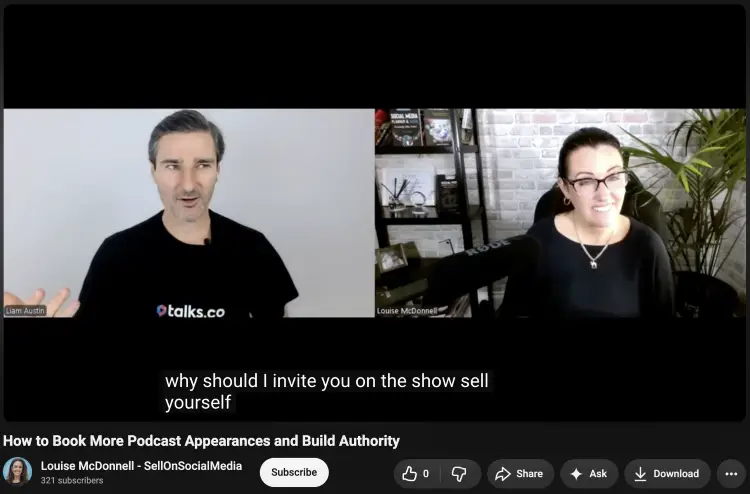
Audience engagement is the attention, interest, and response you get from people while they’re listening to you, reading your work, or watching your content. It’s the difference between someone being present and someone actually being with you.
Why does audience engagement matter?
Attention is precious, and you can feel when you just don’t have it. Strong audience engagement keeps people listening, thinking, responding, and remembering what you’ve said.
- Builds trust: People connect more deeply when they feel involved in the conversation.
- Improves retention: Engaged audiences are more likely to remember your ideas.
- Encourages action: People who care about your message are more likely to respond, share, subscribe, or take the next step
Who needs to know how to engage an audience?
Connect with your audience and give readers a reason to keep reading instead of clicking away to other social platforms.
- Speakers: Keep audiences interested from your unique and memorable opening line and compelling stories down to your final point that 10x’s your reach and impact.
- Coaches: Turn sessions and presentations into an interactive experience people want to participate in as a way to capture and drive engagement regardless if you’re in front of a live audience or an online audience.
- Authors: Connect with your audience and give readers a reason to keep reading instead of clicking away to other social media platforms.
- Entrepreneurs: Make your topics and content easier to understand to better hold your audience’s attention and create a space where they can ask a series of questions in real time.
- Podcast guests: Hold an undivided level of attention long after the host asks the first icebreaker Q&A to start a conversation.
5 Types of Audience Engagement
Audience engagement can show up in several ways, and you can usually spot it in what people say, do, notice, and feel. Here are five useful types to watch for across presentations, podcasts, writing, and online content.
1. Written engagement
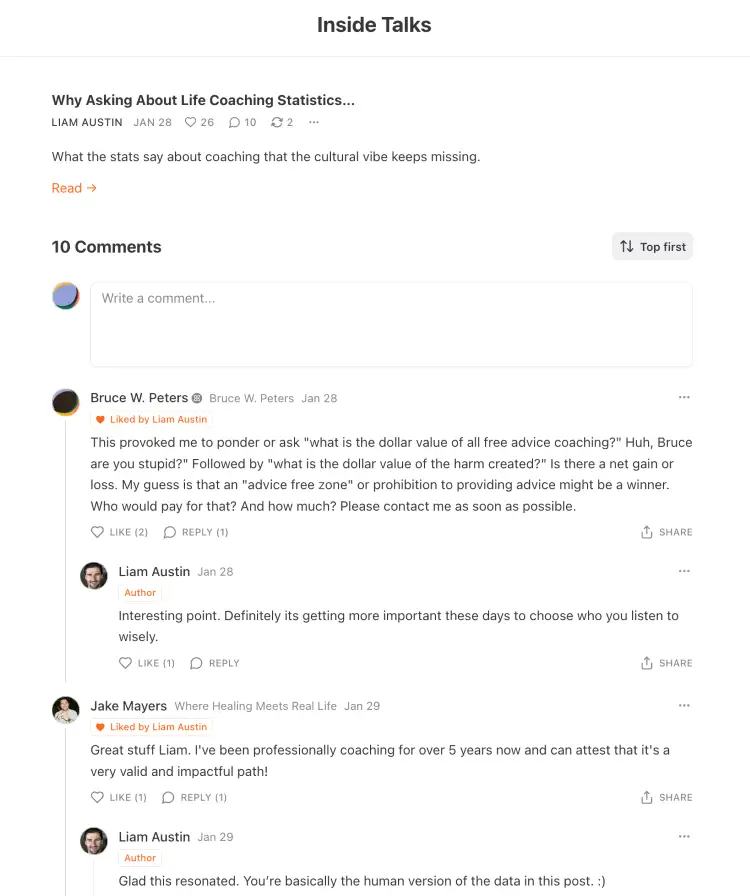
Written engagement shows up when people respond to your words instead of passively reading them. Think reviews and mentions, comments and replies, questions, shares, and the little signs that tell you someone actually had a reaction.
- Comments: A reader responds to your article with, “I tried this with my coaching clients in Austin and cut my onboarding calls from 45 minutes to 20.”
- Replies: A newsletter subscriber actively engaging with you via email asking for the worksheet you mentioned in your opening paragraph and showed on your PowerPoint presentation.
- Questions: A LinkedIn reader asks how your $500 career coaching package would work for someone changing industries with niche audiences at 40.
- Sharing: A reader sends your post about podcast guest pitching to three other speakers in their network because they genuinely benefited from your speaking skills and ability to create a unique experience for them.
- Continued reading: Someone clicks from your article on audience engagement into your guide on becoming a podcast guest.
2. Verbal engagement
Verbal engagement happens when people use their own voice to participate. You’ll hear it in questions, comments, answers, reactions, and conversations that move beyond polite silence.
- Questions: During a virtual presentation, Marcus asks, “Would you use this same opening for a 30-minute keynote?”
- Answers: You ask your audience in Chicago who has struggled to get podcast bookings, and several people raise their hands and share what happened. That’s verbal audience participation.
- Comments: A workshop participant says, “That example sounds exactly like what happened with my leadership program.”
- Conversation: Two attendees discuss your framework during a breakout room instead of waiting for the next slide.
- Live reactions: Your audience laughs at a story about recording a podcast episode from a noisy hotel room in Las Vegas.
3. Visual engagement
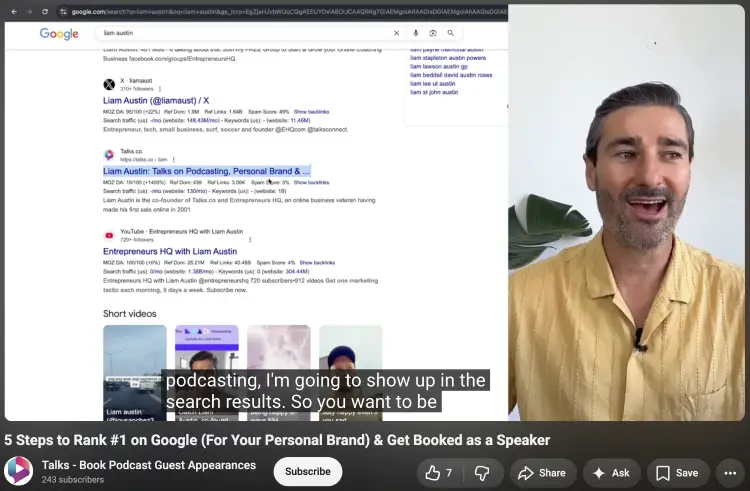
Visual engagement tells you people are paying attention to what they can see. Your slides, demonstrations, interactive presentations, facial expressions, props, charts, and on-screen examples can all give an audience something concrete to focus on and increase engagement rates.
- Slide interaction: You show a cluttered podcast homepage and ask attendees to spot the three things making the show difficult to navigate as a way to engage your audience through visual storytelling.
- Demonstrations: A speaker shares their screen and rewrites a weak podcast pitch live, changing “I’d love to collaborate” into a specific guest idea.
- Visual reactions: An audience leans forward when you reveal the before-and-after results of a $2,000 Magic Pill coaching offer during one of your webinars.
- Annotations: During a virtual workshop, attendees use the chat or whiteboard to mark the strongest hook in three sample headlines.
- Facial cues: You notice confused expressions during a pricing explanation and pause to give a simpler example to capture attention and get your audience involved again.
4. Behavioral engagement
Behavioral engagement is what people actually do because they’re engaged.
Want to understand how your audience thinks and what your audience needs? Look for audience engagement examples like actions and social proof that require more effort than sitting quietly and listening.
- Participation: 20 people complete your 2-minute audience poll during a virtual event.
- Practice: Attendees rewrite their podcast bio during your workshop instead of waiting for you to finish.
- Clicking: Someone clicks your Talks profile after hearing you explain how hosts can find relevant guests while building a community through every piece of content.
- Following up: A speaker approaches you after an event because they want to engage and discuss turning their presentation into a virtual training with high engagement levels.
- Taking action: A health coach uses your audience-question technique in her next webinar and gets 18 attendees to participate.
5. Emotional engagement
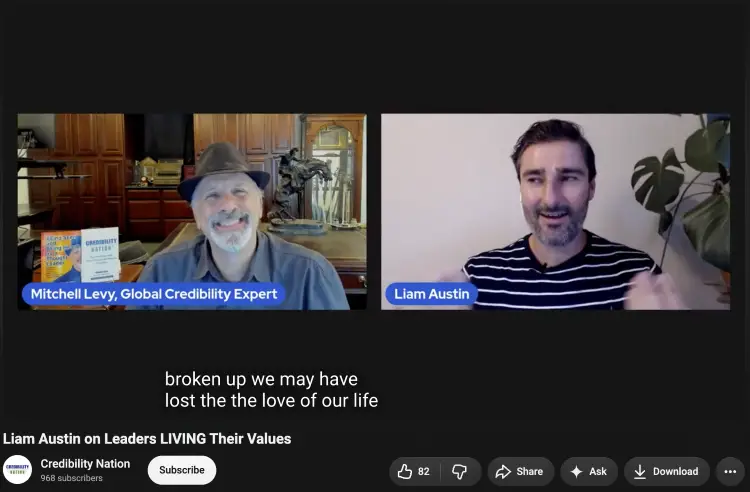
Emotional engagement happens when your message makes people feel something strongly enough to react. The reaction might be laughter, recognition, curiosity, excitement, frustration, relief, or even a quiet moment of reflection.
- Recognition: A career coach tells a story about Sunday-night anxiety and watches several people nod before she reaches the end.
- Laughter: You describe spending 20 minutes fixing your microphone before realizing it wasn’t plugged in, and the room cracks up.
- Curiosity: You reveal that a client doubled podcast applications without sending more pitches, prompting people to ask how.
- Relief: A first-time speaker hears that forgetting one sentence during a keynote won’t ruin the presentation and visibly relaxes.
- Inspiration: An entrepreneur hears how a small podcast appearance led to three consulting conversations and decides to start pitching shows.
How to Engage an Audience (Checklist)
Run through these before your next talk, article, podcast appearance, or virtual event. Each check gives you one specific way to create attention and participation.
☐ Plant curiosity: Tell attendees, “At the end, I’ll show you the 17-word change that turned a cold podcast pitch into a booked interview,” then deliver the answer before you finish.
☐ Invite a private reflection: Give people 30 seconds to write down the last presentation they genuinely enjoyed and identify one thing the speaker did that kept them interested.
☐ Use a physical prop: Hold up a printed 10-page presentation deck and say, “This is what happens when every idea gets invited to the party,” before showing how you’d cut it down.
☐ Reward participation: Tell your virtual audience that everyone who submits an answer to your 3-question exercise will receive the presentation worksheet immediately after the session.
☐ Invite disagreement: Put a deliberately debatable statement on screen, such as, “Every presentation should start with a personal story,” and ask attendees to argue for or against it.
☐ Give them a reason to return: End a podcast interview by teasing one specific resource or example you’ll publish next, then tell listeners exactly where they can find it.
How to engage an audience during a presentation
Did you ever zone out in school during a really long, boring lecture? (Me, too.)
If you don’t want that happening to you while you’re presenting, make sure you give your audience something to think about, react to, or do from the opening minutes, then keep changing the way they interact with your ideas.
- Open with a specific problem: Start with, “You’ve sent 30 podcast pitches and heard back from two hosts. Here’s what’s probably happening,” instead of spending your first 5 minutes introducing yourself.
- Ask for a quick show of hands: Try, “Who here has ever finished a presentation and realized nobody asked a single question?” Then use the response to introduce your next point.
- Tell a story with a clear payoff: Share the moment a client sent 50 podcast pitches with no results, explain what changed, then reveal the move that produced 11 replies.
- Put a decision in front of them: Show 2 podcast introductions and ask, “Which one would make you stay for the next 60 seconds?”
- Change the format every few minutes: Move from explanation to story, question, demonstration, audience response, or discussion instead of delivering 30 straight minutes of talking.
- Use a live example: Take a volunteer’s opening line, presentation slide, or podcast pitch and improve it in real time so everyone can see the technique applied.
- Give them a small task: Ask attendees to rewrite one sentence from their presentation while you give them 90 seconds, then invite two people to share their versions.
- Use names when appropriate: If Sarah asks a useful question from Phoenix, respond with, “Sarah, your example from Phoenix is exactly why this matters,” so the exchange feels like a conversation.
How to engage the audience in a presentation
The best presentation techniques make the audience participate naturally. Don’t forget to give every interaction a job and make it directly connected to the point you’re teaching.
- Use prediction questions: Before revealing your answer, ask, “Which podcast pitch do you think received 14 replies?” and let the audience choose.
- Create a before-and-after: Show a weak coaching offer such as “Get More Confident” beside a specific version like “Build the confidence to lead your first 60-minute team workshop.”
- Use contrast: Put two slides side by side and ask the audience to identify which one they’d trust more, then explain the difference.
- Make the audience finish the thought: Say, “The biggest reason people stop listening to a presentation is…” and let them call out their guesses before revealing your answer.
- Build in audience choices: Let people choose between two examples, such as a keynote opening for a corporate audience or one for a room of health coaches.
- Use a recurring question: Return to one question throughout the presentation, such as, “Would I remember this tomorrow?” and use it to evaluate each major point.
- Create a participation checkpoint: After every major section, ask attendees to write down one thing they’ll change in their next presentation.
- End with an action: Give them one task they can complete today, such as recording their new opening on their phone and listening back for pacing, clarity, and unnecessary filler.
How to engage an audience in public speaking
Public speaking engagement starts with how you make people feel in the room. Talk to the people in front of you like humans, give them something worth reacting to, and pay attention to their response while you’re speaking.
- Make your first sentence count: Open with a surprising fact, sharp question, personal confession, or specific situation instead of “Good morning, everyone. Today I’m going to talk about…”
- Speak to one person at a time: Look at one audience member for a complete thought, then naturally move your attention to another part of the room.
- Use pauses strategically: After asking, “How much is losing a good prospect costing you?” pause for 2 or 3 seconds before continuing.
- Tell stories with details: Say, “I was sitting in a hotel room in Berlin at 11:47 pm rewriting my keynote,” instead of “I once had a difficult speaking experience.”
- Let humor come from reality: Use an awkward travel story, technical bad luck, or relatable mistake instead of inserting a joke that has nothing to do with your point.
- Read the room: If people look confused after your explanation of a pricing model, stop and give a concrete $500 coaching-package example.
- Use movement with purpose: Walk toward the audience when asking a question, return to center when explaining the answer, and avoid pacing from one side of the stage to the other during your public speaking opportunity.
- Practice your transitions: Replace “Moving on to my next point” with a line that connects ideas, such as, “Now you know why people lose attention. Here’s what you can do about it.”
How to engage an audience in writing
Readers can’t raise their hands or make eye contact with you, so your writing has to create those moments through words. Give readers reasons to keep going, opportunities to react, and examples that make your ideas feel immediately relevant.
- Start with the reader’s problem: Open with, “You’ve written 1,500 words and somehow still haven’t said what you actually want the reader to do,” instead of defining your topic.
- Ask questions worth answering: Use, “Would you keep reading if the first paragraph sounded like a textbook?” to make the reader evaluate their own experience.
- Use specific examples: Replace “write a stronger CTA” with “Change ‘Contact us to learn more’ to ‘Book a 20-minute call and we’ll identify three podcast angles for your next pitch.’”
- Create open loops: Mention a useful answer early, then give readers a reason to continue, such as, “There’s one part of your presentation most speakers forget to rehearse. We’ll get to it below.”
- Write directly to the reader: Use “you” and “your” when appropriate so the copy feels like a conversation rather than a report.
- Use stories to explain ideas: Show how you changed your webinar opening and increased participation instead of explaining audience engagement entirely through theory.
- Give readers something to do: End a section by asking them to rewrite one paragraph, test one headline, record one opening, or try one audience question in their next presentation to keep your audience engaged.
5 Tips for Measuring Audience Engagement Success
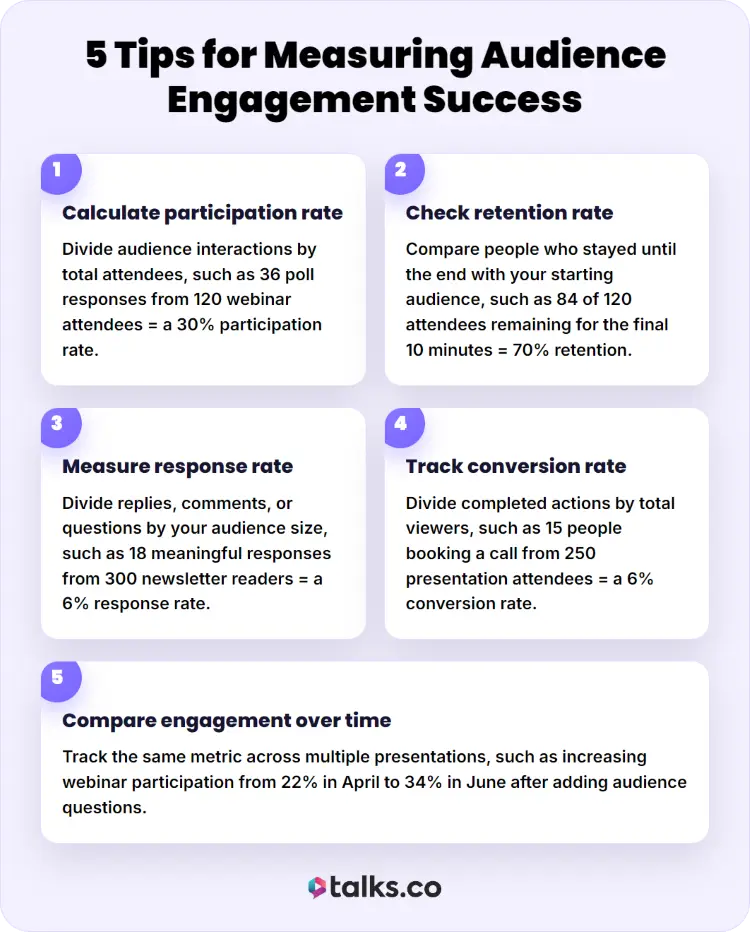
You can’t measure engagement by headcount alone especially if you don’t understand your audience.
Make sure you’re tracking the right metrics, the specific behaviors, and compare the numbers against your total audience so you can see where attention held, where it dropped, and what made people act, click, tap or leave likes and reactions.
- Calculate participation rate: Divide audience interactions by total attendees, such as 36 poll responses from 120 webinar attendees = a 30% participation rate.
- Check retention rate: Compare people who stayed until the end with your starting audience, such as 84 of 120 attendees remaining for the final 10 minutes = 70% retention.
- Measure response rate: Divide replies, comments, or questions by your audience size, such as 18 meaningful responses from 300 newsletter readers = a 6% response rate.
- Track conversion rate: Divide completed actions by total viewers, such as 15 people booking a call from 250 presentation attendees = a 6% conversion rate.
- Compare engagement over time: Track the same metric across multiple presentations, such as increasing webinar participation from 22% in April to 34% in June after adding audience questions.
What Are the Most Common Audience Engagement Mistakes?
Even strong content and the most popular podcasts can lose an audience when the delivery gives people too many reasons to switch off. These mistakes are easy to spot once you know what to look for.
- Starting too slowly: Spending way more than 5 minutes on introductions before giving people a reason to care.
- Overloading slides: Filling one screen with 14 bullet points and expecting people to read while you talk.
- Asking weak questions: Saying “Any questions?” and expecting a room full of strangers to suddenly start talking.
- Ignoring audience signals: Continuing through a confusing section when faces, chat activity, or questions show people are lost.
- Making everything about you: Spending 20 minutes listing your credentials instead of showing why your experience matters to the audience.
- Forcing interaction: Adding polls, games, or breakout rooms that have nothing to do with the point you’re trying to make.
Not sure where or how to grow a podcast?
Spot my full guide on how to become a content creator, learn about what makes a good podcast, and the best budget microphones to get you set up fast.
Keep the Room Locked In On Only You
Learning how to engage an audience can change what happens after you speak. People remember you, respond to your ideas, share your work, and look for you again.
And if you want more people hearing those ideas, get yourself in front of more audiences.
Join the Talks community and start connecting with podcast hosts looking for experts like you. Talks can match you with relevant shows, help you get discovered, and take some of the chasing out of finding interviews.
Want more eyes, ears, and opportunities?
Create your free Talks profile right now and start getting seen, booked, and heard in as fast as 5 minutes!


