
My wild take about you? You must be boring.
Harsh? Maybe. True? Absolutely not.
But you read that first line, didn’t you?
That’s the power of a good thought-provoking attention grabber. That bold statement or rhetorical question makes someone pause long enough to hear what comes next.
You can have years of experience, a killer story that would intrigue your potential audience members, and something genuinely useful to say. Then you open with, “Thanks for having me. Today I’m going to talk about…”
And suddenly, half the room is mentally checking their inbox.
(Goodbye attention span.)
Your first few words can decide if people lean in because it’s relatable and attention-grabbing or just tone deaf. The right attention-getters set the stage and create curiosity, tension, surprise, or a reason to keep your audience listening.
So, if you’ve got a keynote, podcast, webinar, presentation, essay, or sales pitch coming up, here are 17 powerful attention getting examples and attention-grabbing techniques you can steal, adapt, and make your own.
What Are Attention Getting Examples?
Attention getting examples are opening lines, questions, stories, statistics, statements, or ideas designed to pique someone’s interest and sets the tone for engaging presentations, public speaking opportunities, and writing a speech.
You’ll find powerful attention getters at the start of a keynote, podcast answer, webinar, sales presentation, essay, ad, or conference talk, where you have a small window to give someone a reason to keep listening.
Why attention getters are crucial for effective speaking
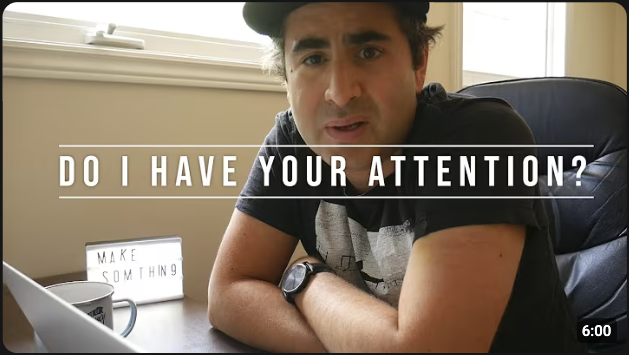
A strong opener earns attention before your main argument or key points begin. For speakers, coaches, authors, and entrepreneurs, that can mean the difference between an audience leaning forward and checking their phone.
- Create curiosity: “I fired my best client last Tuesday.”
- Make ideas personal: “When Sunday night feels like a countdown, something’s wrong.”
- Build credibility: “After 400+ podcast interviews, I keep seeing the same mistake.”
- Make you memorable: “I had 47 unsold books in my garage.”
- Frame the problem: “Your leads aren’t disappearing after the demo. They’re disappearing in your follow-up.”
My full guide on how to become a content creator and how to do TED Talks both have more tips to help you do your podcast interviews and nail that podcast guesting.
5 Key Elements of a Good Attention Getter
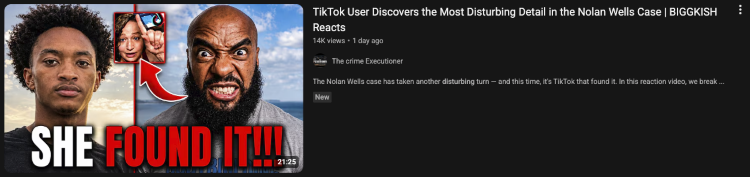
Your opening anecdote or analogy needs to resonate enough that it makes the right person think, “Hang on, tell me more.”
These are the things I’d check before putting any attention getter in front of an audience.
- Make it relevant: Give people a reason to care about what you’re saying right now.
- Get specific: “I made $50,000 from one email” hits harder than “Email marketing can work.”
- Leave something unanswered: Give people enough to make them curious about what comes next.
- Make them feel something: Surprise, laughter, recognition, curiosity, even a little discomfort can keep people listening.
- Make it sound like you: If you’d never say it to someone over a coffee, don’t suddenly say it from a stage.
5 Attention grabbing headlines examples
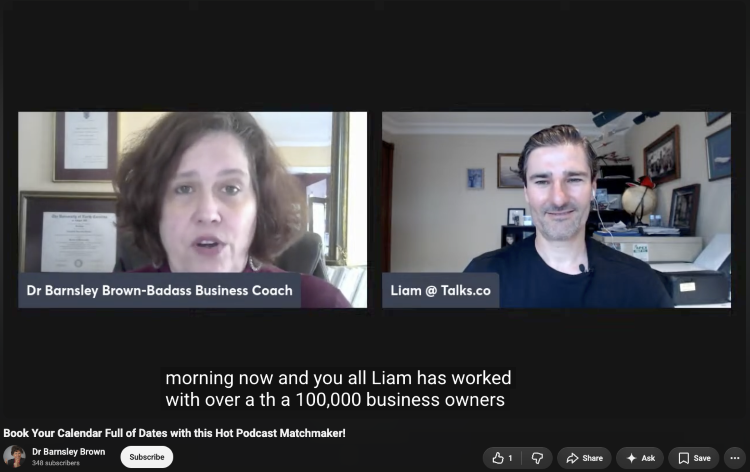
Your headline has one job: make the right person want to know what comes next. Specificity helps, but curiosity and personality can pull people in just as hard.
- Create curiosity: 600 Million Listeners Are Waiting makes you wonder who they’re waiting for and what they’re waiting for. That’s enough tension to earn the next click.
- Promise a useful outcome: How to Book More Podcast Appearances and Build Authority tells you exactly what you’ll get, which works well when your audience already wants that result.
- Lead with a specific transformation: How to Create a Predictable Education Empire Income Machine with Liam Austin speaks directly to people who want to turn their expertise into a more consistent business.
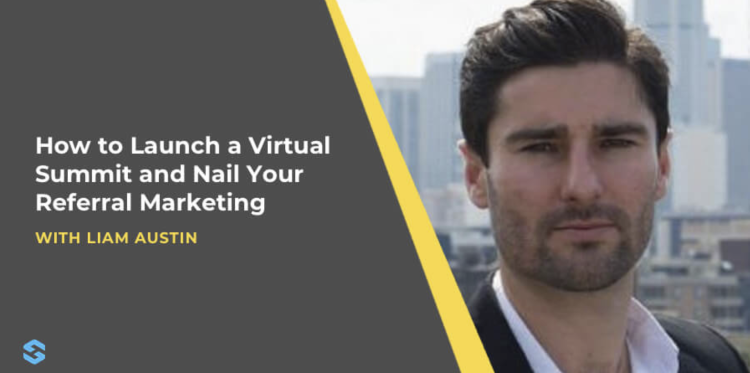
- Combine the goal with the method: How to Launch a Virtual Summit and Nail Your Referral Marketing gives the reader both the desired outcome and the subject they’ll learn about.
- Add some personality: Book Your Calendar Full of Dates with this Hot Podcast Matchmaker! feels playful and a little unexpected. You’d probably stop to find out what a “podcast matchmaker” actually does.
5 Attention grabbing hook examples to intrigue your audience
A hook is the opening idea that pulls someone into your speech, presentation, podcast answer, or video. Give people something they immediately want explained.
- Bold claim: “Most experts don’t have a visibility problem. They have a positioning problem.”
- Personal story: “At 24, I was sitting in a Brisbane locker room wondering what I’d do next.”
- Surprising fact: “The average podcast guest gets far less value from an interview than they could.”
- Challenge: “Think about the last 3 presentations you watched. How many opening lines can you remember?”
- Open loop: “One email changed how I approach every podcast pitch I write.”
5 Attention grabbing introduction examples for real-world openers
Your introduction should quickly establish the situation, tension, or question your audience cares about. Skip the long warm-up and grab your audience’s attention at the beginning through emotional connection or a key message tailored to their needs and interests.
- Keynote: “You can spend 60 minutes teaching a room everything you know and still have nobody remember your name.”
- Webinar: “You filled 200 seats for your webinar. 40 people showed up. Let’s talk about what happened.”
- Essay: “I used to think working harder would eventually fix my career. I was wrong.”
- Podcast: “Before we talk about growing your business, I want to go back to the month you nearly quit.”
- Conference talk: “Three years ago, I couldn’t get a single journalist to reply to my emails. Then one story changed everything.”
5 Attention grabbing sentences examples
A strong opening sentence can stand alone and still make someone want the next sentence. Keep it specific, unexpected, impactful, and connected to the main message you’re about to make.
- “I lost my first $20,000 client before I ever sent them a proposal.”
- “Your audience isn’t waiting for more information.”
- “The best speech I ever gave started with a confession.”
- “At 7:14 am on a Tuesday, I realized my entire business depended on one referral source.”
- “If your best ideas sound boring when you say them out loud, your opening probably needs work.”
17 Attention Getter Examples for a Speech
These speech examples are where we get practical while keeping things lighthearted and punchy.
The same opening that works brilliantly for a keynote can fall flat in a sales presentation, so I’ve separated these carefully crafted tried-and-true attention getter examples by situation and audience’s interest.
1. Attention getter examples speech
Best for: Keynotes, motivational speeches, business talks, and personal stories.
“I spent three months preparing for my first big keynote, then nearly walked offstage before saying a word.”
- Why it works: Creates an immediate question: what happened?
- Avoid: Inventing drama that isn’t part of your real story.
- Another example: “The best speaking advice I ever received came from a soccer coach who’d never given a keynote.”
2. Attention getter examples for an informative speech
Best for: Educational talks, workshops, classroom presentations, informative speech examples, and professional training.
“Pull out your phone and check yesterday’s screen-time report. I’ll wait.”
- Why it works: Turns passive listeners into participants immediately.
- Avoid: Asking people to participate when the activity doesn’t support your main point.
- Another example: “The first email was sent in 1971. We’re still checking ours before breakfast.”
3. Attention getter examples for essays
Best for: Persuasive essays, personal essays, opinion pieces, and thought-leadership articles.
“My high school counselor told me I’d never make a living from writing. I kept the note.”
- Why it works: Introduces conflict and gives the reader a reason to discover what happened next.
- Avoid: Starting with a dramatic claim that the rest of the essay can’t support.
- Another example: “By 9 am, I’d already changed my mind 3 times about the argument I was supposed to defend.”
4. Attention getter advertising examples
Best for: Social ads, landing pages, email campaigns, and promotional copy competing for attention.
“Your next client might already be watching your content. They just haven’t seen a reason to buy.”
- Why it works: Connects a familiar business frustration to a possible solution.
- Avoid: Making a promise your offer can’t deliver.
- Another example: “Stop scrolling for 10 seconds. Your last 5 posts might explain why your calendar is empty.”
5. Attention getter examples for presentations
Best for: Sales decks, internal presentations, webinars, workshops, and client meetings.
“I’ve got 42 slides, but only three of them are going to change what you do tomorrow.”
- Why it works: Creates curiosity while signaling that the presentation will respect the audience’s time.
- Avoid: Making the audience wait through unnecessary setup.
- Another example: “Before I show you the numbers, I want you to guess which month cost us the most money.”
6. Attention getter examples for a keynote speech
Best for: Conference keynotes, corporate events, leadership talks, and large audiences.
“Seven years ago, I had no idea how I’d pay next month’s bills. Today, I want to tell you what changed.”
- Why it works: A clear before-and-after creates a story people want to follow.
- Avoid: Turning the opening into a long autobiography.
- Another example: “There are 2,000 people in this room, but your biggest opportunity might be sitting beside you.”
7. Attention getter examples for a podcast interview
Best for: Guest answers, founder interviews, expert conversations, and personal-brand podcasts.
“I thought getting featured on bigger podcasts would fix my visibility problem. It didn’t.”
- Why it works: Challenges a common assumption and naturally invites the lesson behind it.
- Avoid: Giving the entire story before the host has a chance to ask the next question.
- Another example: “The podcast interview that brought me my best client had fewer than 500 downloads.”
8. Attention getter examples for webinars
Best for: Live training, workshops, coaching sessions, product education, and online events.
“If you’ve hosted three webinars and still can’t predict where the next client will come from, stay with me.”
- Why it works: Calls out a specific audience and problem immediately.
- Avoid: Making the audience feel manipulated into staying.
- Another example: “Open your calendar. Find your last webinar. Now count how many attendees actually became conversations.”
9. Attention getter examples using statistics
Best for: Research-heavy talks, business presentations, health education, reports, and data-led arguments.
“In 2024, more than 5 billion people used the internet. Your audience has plenty of places to ignore you.”
- Why it works: A large number becomes relevant when connected to the audience’s problem.
- Avoid: Throwing out statistics without explaining why they matter.
- Another example: “If your conversion rate is 2%, 98 out of every 100 visitors leave without buying.”
10. Attention getter examples for sales presentations
Best for: B2B pitches, discovery calls, sales meetings, proposals, and product demonstrations.
“Before I show you our platform, tell me what happens to a lead after they request a demo.”
- Why it works: Gets the prospect talking about their current process before you pitch your solution.
- Avoid: Asking questions you’ve already answered through research.
- Another example: “What you need to know is which 3 numbers actually deserve your attention. You don’t need another dashboard.”
11. Attention getter examples for conference talks
Best for: Industry conferences, expert panels, breakout sessions, and professional events.
“Last year at this conference, I sat in the audience taking notes. This year, I’m standing here because of one conversation I had in the hallway.”
- Why it works: Makes the event itself part of the story.
- Avoid: Assuming everyone knows the previous event or speaker you’re referencing.
- Another example: “Look around this room. Your next business partner could be sitting three seats away.”
12. Attention getter examples for coaches
Best for: Coaches opening workshops, discovery sessions, webinars, podcasts, and educational content.
“If your clients keep saying, ‘I know what to do, I just can’t make myself do it,’ listen closely.”
- Why it works: Speaks directly to a recurring client problem.
- Avoid: Making broad promises about changing someone’s life.
- Another example: “One of my clients spent 6 months planning her launch and 7 days actually selling it.”
13. Attention getter examples for consultants
Best for: Consulting presentations, client meetings, industry talks, proposals, and LinkedIn content.
“I found $180,000 in missed revenue during a two-hour review of a client’s sales process.”
- Why it works: A specific financial consequence gives the audience a concrete reason to listen.
- Avoid: Using inflated numbers or revealing confidential client information.
- Another example: “Your team doesn’t have a productivity problem. I found the bottleneck in the handoff between two departments.”
14. Attention getter examples for authors
Best for: Book talks, literary events, podcast interviews, essays, and author presentations.
“I wrote the first chapter of my book 27 times before I admitted the problem wasn’t the chapter.”
- Why it works: Gives readers a behind-the-scenes glimpse into the author’s experience.
- Avoid: Spending the opening summarizing the entire book.
- Another example: “The character everyone told me to cut became the reason readers kept emailing me.”
15. Attention getter examples for speakers
Best for: Professional speakers, speaking reels, workshops, conference sessions, and guest appearances.
“I’ve spoken in rooms where 10 people showed up and rooms where 10,000 people showed up. The opening matters in both.”
- Why it works: Establishes experience while making a useful point about speaking.
- Avoid: Turning the opener into a resume.
- Another example: “The audience gave me a standing ovation, but I knew I’d missed the point.”
16. Attention getter examples for entrepreneurs
Best for: Founder talks, investor presentations, popular podcasts, networking events, and business content.
“Our first version made almost no money. It taught us exactly what people were willing to pay for.”
- Why it works: Turns an apparent failure into a story with a business lesson.
- Avoid: Pretending every setback was secretly part of the plan.
- Another example: “I deleted our most popular offer because it was attracting the wrong customers.”
17. Attention getter examples using questions
Best for: Interactive speeches, workshops, coaching sessions, webinars, and audience-led discussions.
“If your business disappeared tomorrow, who would actually notice?”
- Why it works: Forces people to think about their own situation instead of passively listening.
- Avoid: Asking a question that’s so broad the audience doesn’t know where to take it.
- Another example: “What’s the one thing you’d change about your business if you knew nobody would judge you for it?”
10 Different Types of Attention Getters for Speeches
You’ve got plenty of options when it comes to opening a speech. The right script template and opener depends on your topic, audience, setting, and the kind of reaction you want in the first few seconds.
- A surprising statistic: “Only 8% of people who start a podcast make it past episode 10.”
- A personal story: “I was sitting in a Brisbane hotel room when I realized our biggest launch had completely flopped.”
- A provocative statement: “Most coaches don’t need more leads. They need a better reason for those leads to buy.”
- A question: “How many podcast interviews have you done that generated absolutely nothing afterward?”
- A vivid scenario: “Picture yourself backstage at a conference with 800 people waiting for you to speak.”
- A bold promise: “By the end of this talk, you’ll have a 3-step plan for turning one podcast interview into five qualified leads.”
- A surprising fact: “Your audience decides whether to keep listening before you finish your first sentence.”
- A demonstration: “Watch what happens when I delete the first 30 seconds of this presentation.”
- A quotation: “As Maya Angelou said, ‘People will forget what you said, but they will never forget how you made them feel.’”
- A moment of silence: Pause for 5 seconds before saying, “That silence is what most speakers are afraid of and what makes an audience pay attention.”
How to Practice Good Attention Getters for Speeches (Checklist)
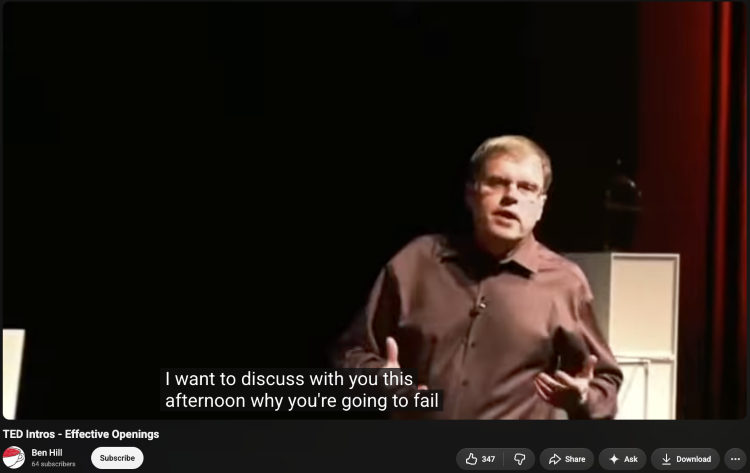
Rehearse and say your opening out loud before you trust it. Then test it against the actual situation, from a 50-person webinar to a 1,000-seat conference room.
☐ Test the first 5 seconds: Would someone in row 20 hear the point immediately or just feel overwhelmed?
☐ Name the audience: Does “health coaches struggling to fill discovery calls” beat “business owners”?
☐ Check the context: Would this thought-provoking question work on The Lead Generation Podcast as well as a conference stage if you had to tailor your tone for the entire presentation?
☐ Cut the warm-up: Can you remove “Thanks for having me” and reach the shocking statistics, interesting figures and unusual facts faster to capture your audience’s attention right away?
☐ Say it naturally: Record yourself delivering it once without looking at your notes.
☐ Check the payoff: Does the opening lead directly into the lesson, story, or argument?
☐ Ask someone unfamiliar with the topic: Do they understand why they should keep listening to the rest of your captivating story or real-world case studies?
☐ Listen for forced lines: If you’d never say it over coffee with a friend, rewrite it.
☐ Test the transition: Can you go from the opener into your first main point without an awkward gear change?
HEY! STOP! Made You Look? Good.
The best attention getting examples have one thing in common: they give people a reason to keep listening.
Now take that same thinking beyond your speeches. If you want more people hearing your ideas, podcast guesting gives you another room to walk into.
And while you’re perfecting your next opener, other experts are already getting booked onto shows and reaching people who could become clients, customers, or fans.
Create your free Talks Creator Profile and start connecting with podcast hosts looking for guests like you.
Yes! Put My Expertise In Front Of More People!