
The podcast host says, “We’ll be live in 5,” and you’re still wrestling with your podcast platform.
That sinking feeling hits hard when the tools meant to help you keep slowing you down.
Every extra click, upload limit, or missing feature chips away at the groove and system you’ve worked so hard to build. So after a while, you start wondering if there’s a better option waiting on the other side.
There usually is.
This guide rounds up the 12 best Buzzsprout alternatives, compares what they do well, where they fall short, and who they’re built for.
Once you’re through, you’ll spend less time managing your podcast and more time getting your voice in front of the people who need to hear it.
What Is Better Than Buzzsprout? (Quick Overview)
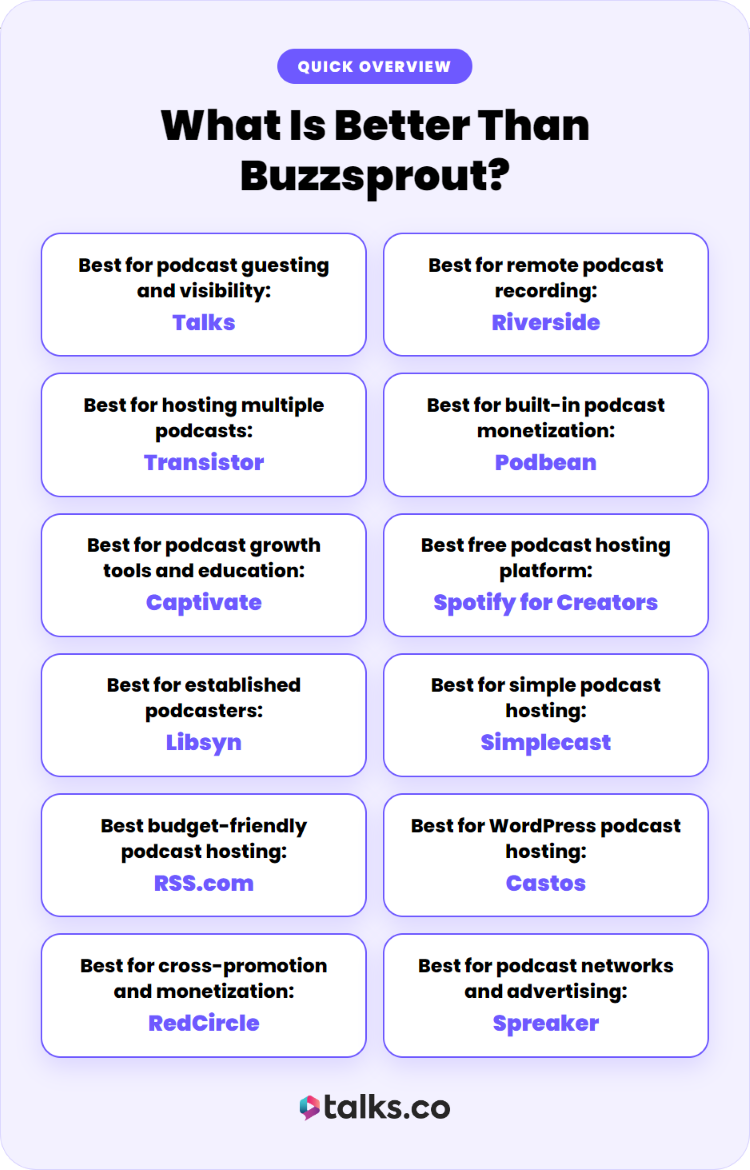
Still deciding? Here’s a quick cheat sheet to the best Buzzsprout alternatives so you can find the right platform for your podcast, audience, and growth goals.
- Best for podcast guesting and visibility: Talks
- Best for remote podcast recording: Riverside
- Best for hosting multiple podcasts: Transistor
- Best for built-in podcast monetization: Podbean
- Best for podcast growth tools and education: Captivate
- Best free podcast hosting platform: Spotify for Creators
- Best for established podcasters: Libsyn
- Best for simple podcast hosting: Simplecast
- Best budget-friendly podcast hosting: RSS.com
- Best for WordPress podcast hosting: Castos
- Best for cross-promotion and monetization: RedCircle
- Best for podcast networks and advertising: Spreaker
What Is Buzzsprout?
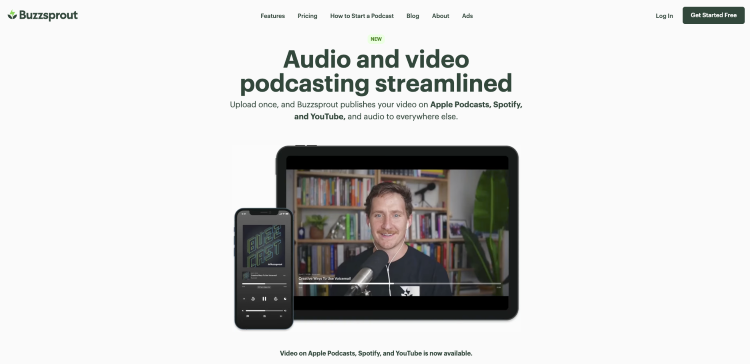
Buzzsprout is one of the most popular podcast hosting platforms around, especially if you’re launching your first show.
You can upload episodes, publish them to apps like Apple Podcasts and Spotify, check your download stats, and even host video podcasts, all from one dashboard.
It keeps the setup simple, which is a big reason so many new podcasters start here.
That said, as your podcast grows, you might find yourself wanting features, flexibility, or pricing that fits your goals a little better.
| Feature | Details |
| Best for | New and growing podcasters |
| Podcast formats | Audio and video |
| Distribution | Apple Podcasts, Spotify, YouTube, and more |
| Built-in tools | Analytics, transcripts, ads, podcast website |
How to use Buzzsprout
One thing Buzzsprout gets right is how quickly you can get your show off the ground. The setup is beginner-friendly, so you don’t need to spend hours figuring everything out.
- Create your account: Choose the free plan or jump straight to a paid one.
- Upload an episode: Add your audio or video file.
- Fill in the details: Write your title, description, and show notes.
- Publish your show: Send it to the biggest podcast directories.
- Watch your podcast grow: Track downloads and listener stats from your dashboard.
If you’ve never launched a podcast before, Buzzsprout removes a lot of those early headaches.
Is Buzzsprout free?
Yes. Buzzsprout offers a free plan that lets you open an account, upload episodes, and get a feel for the platform without pulling out your credit card.
Once your show starts picking up momentum, though, you’ll probably want a paid plan for things like:
- More upload hours
- Video podcast hosting
- Advanced analytics
- A better podcast website
- Features to monetize your podcast
- Support for multiple podcasts
The free tier is a solid starting point as a podcasting platform. But long term, most active podcasters end up upgrading to the pro plan for better discoverability.
Buzzsprout pricing
Buzzsprout keeps its pricing fairly simple. You can start for free, then move up as your podcast and subscriber count grows.
| Plan | Price | Good fit for |
| Free | $0 | Testing the platform |
| Audio | $18/month | Audio-only podcasts |
| Audio + Video | $30/month | Creators publishing video podcasts |
| Multi-Podcast | $60/month | Managing several podcast shows |
One thing worth keeping in mind is that some hosting solutions and features including AI powered Magic Mastering cost extra.
If you’re comparing different alternatives to Buzzsprout, it’s worth looking at the total cost and value for money instead of the per month plan for hosting and distributing alone.
Buzzsprout reviews
Buzzsprout earns plenty of praise in the podcast industry for its user-friendly platform, reliable hosting, and beginner-friendly setup. Many creators also highlight Buzzsprout’s responsive customer support and an easy publishing process.
Some recurring criticisms include:
What users like:
- Easy to learn: Great for first-time podcasters.
- Simple dashboard: Finding your way around doesn’t take long.
- Reliable hosting: Many users report years without technical issues.
- Helpful support: Customer service gets plenty of positive mentions.
Common complaints:
- Pricing changes: Some long-time customers weren’t happy with the newer plans.
- Transcriptions: The built-in transcription tool receives mixed reviews.
- Download analytics: A handful of users say the numbers can be confusing.
- Account support: Some reviewers mention slow responses when dealing with login issues.
Buzzsprout Alternatives for Creators and Podcasters
The best alternatives to Buzzsprout give you different ways to grow, depending on what you need most. Here are the ideal platforms worth comparing:
1. Talks
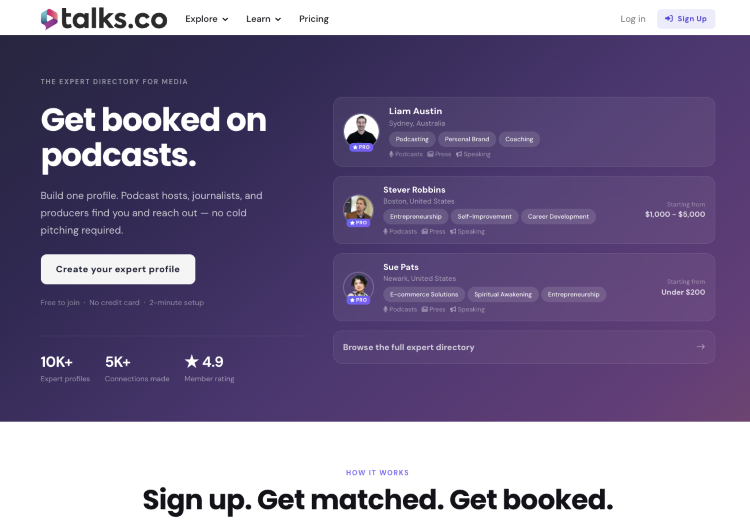
Best for: Coaches, consultants, authors, speakers, and entrepreneurs who want more podcast interviews, authority, and visibility.
If your goal is growing your audience instead of simply publishing episodes, Talks is my top pick. It matches podcast hosts with guests, helps you build credibility through verified reviews, and makes it easier to land interviews without spending hours on cold outreach.
Cost: Free to start, Pro from $32/month
Key features:
- Podcast matching: Seamless way to connect with relevant hosts and guests.
- Better visibility: Pro members get 3.9x more profile visibility.
- Automation: Auto-accept matches and auto-respond to messages.
- Verified reviews: Build trust after every recorded interview.
Pros:
- Built for growth: More podcast opportunities.
- Saves time: Less outreach, more interviews.
Cons:
- Podcast discovery only: Pair it with a podcast hosting platform.
2. Riverside
Best for: Podcasters recording remote audio and video interviews.
Riverside focuses on recording conversations in high-quality audio and video. It records each participant locally, making interviews look and sound better, though you’ll still need other tools to grow your audience and book guests.
Cost: Free plan available, paid plans start from $19/month
Key features:
- Local recording: Separate tracks for each participant.
- 4K video: High-resolution video recording.
- Editing tools: Transcripts, clips, and basic editing.
- Live streaming: Broadcast to supported platforms.
Pros:
- Strong recording quality: Clear audio and video.
- Easy remote interviews: Simple recording workflow.
Cons:
- Limited growth tools: Doesn’t help you find guests or podcast appearances.
- Separate hosting needed: Publishing and audience growth rely on other platforms.
3. Transistor
Best for: Businesses, brands, and creators managing multiple podcasts.
Transistor is a podcast hosting platform built for teams. Every plan includes unlimited podcasts and team members, making it a good option if you’re running several shows under one account instead of managing them separately.
Cost: Starts at $19/month
Key features:
- Unlimited podcasts: Host multiple shows on one account.
- Team collaboration: Unlimited team members.
- Advanced analytics: Track downloads and listeners.
- Private podcasts: Create subscriber-only podcast feeds.
Pros:
- Team friendly: Great for managing multiple podcasts.
- Scales well: Plans grow with larger audiences.
Cons:
- Download limits: Monthly download caps apply.
- Discovery tools: Doesn’t help you book guests or grow your audience.
4. Podbean
Best for: Podcasters who want hosting with built-in monetization tools.
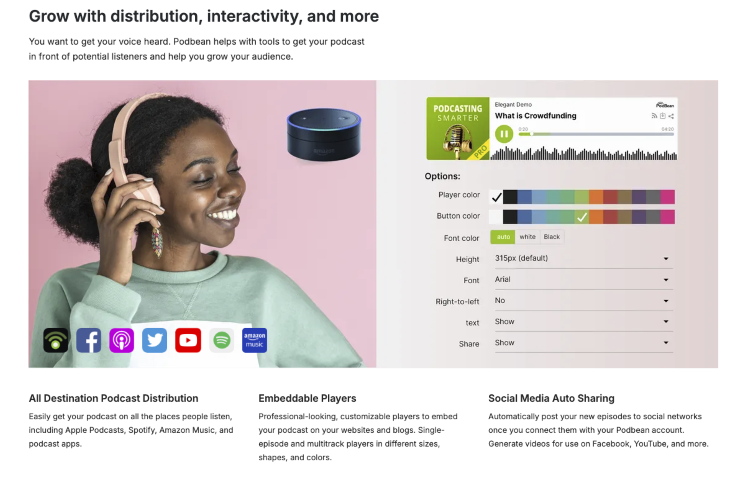
Podbean combines podcast hosting with advertising, subscriptions, live streaming, and listener support. It’s a solid all-round platform if your focus is publishing and monetizing your own show from one place.
Cost: Free plan available, paid plans start at $17/month
Key features:
- Unlimited storage: On paid plans.
- Monetization: Ads, premium content, and subscriptions.
- AI tools: Generate transcripts, titles, and show notes.
- Live streaming: Broadcast directly to your audience.
Pros:
- Monetization options: Several ways to earn from your podcast.
- Feature rich: Covers most podcast hosting needs.
Cons:
- Learning curve: More features mean more to set up.
- Limited visibility tools: Audience growth still depends largely on your own promotion.
5. Captivate
Best for: Podcasters who want built-in tools to grow their audience.
Captivate combines podcast hosting with growth-focused features like private podcasts, dynamic content, and free training through Growth Labs. It’s designed for creators who want a little more guidance as their podcast grows.
Cost: Starts at $19/month
Key features:
- Unlimited podcasts: Host multiple shows.
- Advanced analytics: IAB-certified reporting.
- Growth Labs: Free courses and live workshops.
- Private podcasting: Create members-only content.
Pros:
- Growth focused: Helpful education and marketing resources.
- Unlimited hosting: No storage limits.
Cons:
- Download caps: Plans are based on monthly downloads.
- Limited guest discovery: You’ll need separate tools to find podcast opportunities.
6. Spotify for Creators
Best for: Creators who want free podcast hosting with direct access to Spotify’s audience.
Spotify for Creators lets you host, distribute, and monetize audio or video podcasts at no cost. It’s an easy place to start, especially if Spotify is where most of your listeners already are.
Cost: Free
Key features:
- Free hosting: Publish audio and video podcasts.
- Analytics: Track listeners and episode performance.
- Monetization: Eligible creators can earn through Spotify’s Partner Program.
- Wide distribution: Publish beyond Spotify to major podcast apps.
Pros:
- Free to use: No hosting fees.
- Easy setup: Beginner-friendly publishing tools.
Cons:
- Spotify ecosystem: Some growth features work best within Spotify.
- Basic workflow: Fewer advanced management tools than some dedicated podcast hosts.
7. Libsyn
Best for: Established podcasters who want reliable hosting and monetization options.
Libsyn is one of the longest-running podcast hosting platforms. It offers audio and video hosting, podcast distribution, analytics, and several ways to monetize your show, making it a popular choice for experienced creators.
Cost: Starts at $12/month
Key features:
- Audio and video hosting: Publish both from one platform.
- IAB analytics: Verified podcast reporting.
- Monetization: Ads and sponsorship opportunities.
- Multi-user access: Collaborate with your team.
Pros:
- Trusted platform: Long track record in podcasting.
- Strong monetization: Multiple ways to earn.
Cons:
- Upload limits: Monthly caps depend on your plan.
- Dated interface: Less modern than some newer platforms.
8. Simplecast
Best for: Independent podcasters who want straightforward hosting and analytics.
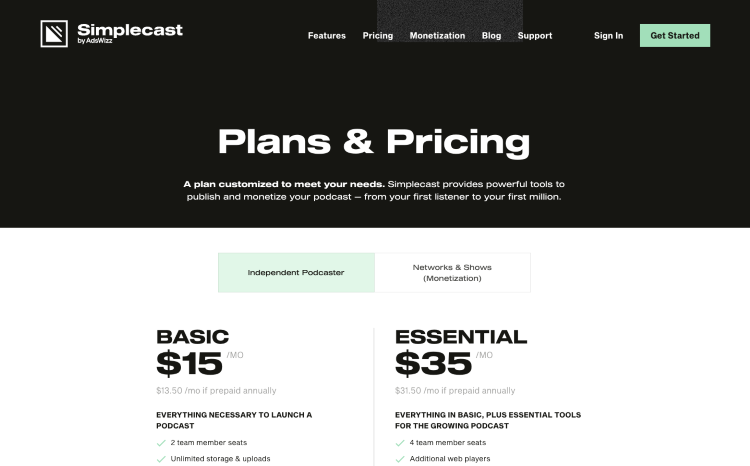
Simplecast keeps podcast hosting simple with unlimited storage, easy distribution, and clean analytics. It’s a solid choice if you want dependable hosting without a long list of extra features.
Cost: Starts at $15/month
Key features:
- Unlimited storage: Upload as many episodes as you need.
- Podcast distribution: Publish to major listening apps.
- Analytics: Track downloads, listeners, and locations.
- Custom website: Create a branded podcast page.
Pros:
- Easy to use: Clean, beginner-friendly dashboard.
- Reliable hosting: Covers the essentials well.
Cons:
- Fewer growth tools: Limited audience-building features.
- Download limits: Monthly downloads vary by plan.
9. RSS.com
Best for: New podcasters who want affordable hosting with simple monetization options.
RSS.com gives creators free and paid podcast hosting with unlimited episodes, distribution tools, analytics, and monetization features. It’s a budget-friendly option for beginners building their first show.
Cost: Free plan available, paid plans start at $15.99/month
Key features:
- Unlimited episodes: Publish without storage limits.
- Podcast website: Create a home for your show.
- Monetization tools: Add ads, subscriptions, and listener donations.
- Distribution: Send episodes to major podcast apps.
Pros:
- Low-cost entry: Good value for new creators.
- Simple setup: Easy podcast launch process.
Cons:
- Limited growth tools: Less focused on authority building.
- Basic analytics: Fewer advanced insights than some competitors.
10. Castos
Best for: Creators, businesses, and educators managing multiple podcasts.
Castos offers podcast hosting with unlimited shows, downloads, and episodes. It stands out for private podcasting, WordPress integration, and tools designed for creators building content businesses.
Cost: Starts at $19/month
Key features:
- Unlimited podcasts: Manage multiple shows under one account.
- Private podcasting: Create member-only episodes.
- WordPress integration: Publish through the Seriously Simple Podcasting plugin.
- Video support: Republish episodes to YouTube on higher plans.
Pros:
- Flexible hosting: Works well for multiple shows.
- Strong integrations: Great for WordPress users.
Cons:
- Higher starting price: Costs more than some beginner platforms.
- Less discovery focused: Audience growth depends on your own promotion.
11. RedCircle
Best for: Podcasters who want built-in monetization and cross-promotion tools.
RedCircle helps creators host, distribute, and monetize podcasts from one platform. It focuses heavily on helping independent podcasters grow through ad tools, listener support, and connections with other shows.
Cost: Free plan available, paid plans start at $19.99/month
Key features:
- Cross Promotion Marketplace: Find opportunities with other podcasts.
- Dynamic insertion: Add ads or audio updates automatically.
- Unlimited hosting: Manage unlimited episodes and downloads.
- Monetization tools: Earn through ads, subscriptions, and donations.
Pros:
- Creator focused: Built around podcast growth and revenue.
- Unlimited hosting: No limits on episodes or downloads.
Cons:
- Less authority focused: Mainly helps with podcast management.
- Advanced features cost more: Best tools sit behind paid plans.
12. Spreaker
Best for: Podcasters and networks looking for hosting with monetization options.
Spreaker combines podcast creation, hosting, distribution, and monetization tools. It works well for creators who want to manage their podcast business from one dashboard, especially those focused on advertising revenue.
Cost: Free plan available, paid plans start at $20/month
Key features:
- Unlimited episodes: Publish without upload limits.
- Podcast monetization: Ads, subscriptions, and supporter options.
- Advanced analytics: Track audience performance.
- Team collaboration: Manage multiple contributors on higher plans.
Pros:
- Monetization tools: Multiple ways to earn from a show.
- Network support: Works well for larger podcast operations.
Cons:
- Less creator discovery: Doesn’t help much with finding guests or shows.
- Higher tiers needed: Many business features require upgrades.
What to Look for In a Buzzsprout Alternative (Checklist)
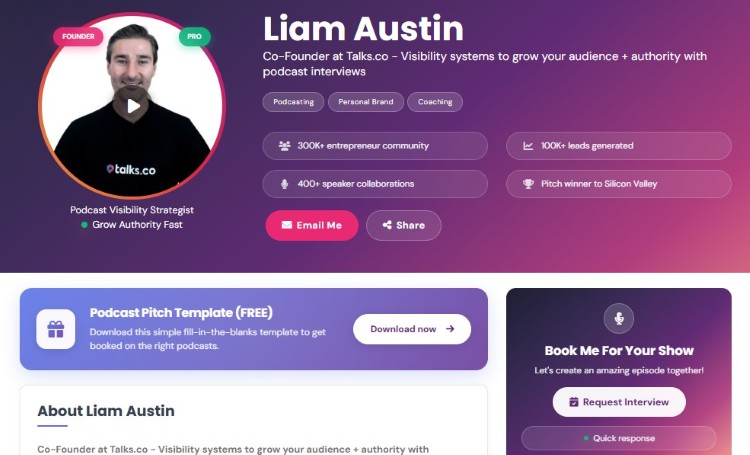
The best Buzzsprout alternative depends on how you podcast today and where you want to take your show next. Before you switch, run through this checklist on how to choose the best Buzzsprout alternative platform for you:
☐ Simple workflow: Recording, uploading, scheduling, and publishing should feel quick, not like another part-time job.
☐ Distribution: Make sure it publishes to Apple Podcasts, Spotify, YouTube, Amazon Music, and other major directories.
☐ Pricing: Look beyond the monthly fee. Check what’s included and what costs extra, like transcripts, video hosting, or monetization tools.
☐ Analytics: Prioritize clear data on downloads, listeners, top episodes, and audience trends so you know what’s working.
☐ Growth: Features like guest management, SEO, clips, and easy migration can save time and help your podcast reach more people.
☐ Monetization: Decide how you want to earn. Some platforms support sponsorships, subscriptions, listener donations, affiliate links, or dynamic ad insertion.
☐ Customer support: Fast, knowledgeable support matters when an episode won’t publish or your RSS feed has an issue minutes before release.
(First time? Grab our free guide on how to start a podcast and how to do a podcast interview.)
Which Buzzsprout Alternative Is Best for You?
The best Buzzsprout alternative depends on what you want your podcast to do. Some creators need simple hosting, while others need better ways to grow their authority, connect with listeners, or find new opportunities.
For coaches, authors, speakers, and experts, Talks stands out because it helps you get discovered by podcast hosts and build visibility beyond your own show.
Here are the best software for podcast interviews based on different goals:
- Best for podcast guest opportunities: Talks
- Best for simple podcast hosting: Buzzsprout
- Best for private podcasts: Castos
- Best for monetization tools: Podbean or RedCircle
- Best for podcast networks: Transistor or Spreaker
- Best free option: Spotify for Creators
Still undecided? Check out my deep dive on Acast vs Buzzsprout and Zencastr vs Riverside for more options.
What are the top 3 Buzzsprout competitors?
The top Buzzsprout competitors depend on what you’re trying to achieve with your podcast.
| Platform | Best for | Why it stands out |
| Talks | Experts, coaches, authors, and speakers | Helps you find podcast guest opportunities and build authority through interviews |
| Transistor | Businesses and podcast networks | Supports multiple shows with team collaboration and analytics |
| Podbean | Creators focused on monetization | Offers hosting, ads, subscriptions, and audience tools |
Buzzsprout is still a strong choice for beginners who want straightforward podcast hosting. But creators looking to grow their name beyond publishing episodes should look at platforms like Talks that focus on visibility and connections.
Which is better: Podbean or Buzzsprout?
Podbean and Buzzsprout solve different problems.
Buzzsprout is a beginner-friendly hosting platform with simple publishing tools, analytics, and distribution features. It’s a good fit if your main goal is getting your podcast live quickly.
Podbean offers more built-in monetization options, including ads, subscriptions, and support for audio and video podcasts. It can work well for creators who want more ways to generate revenue from their show.
For experts who want podcast interviews to grow their reach, Talks adds another layer by helping you connect with relevant shows and guests.
Choose Buzzsprout if:
- You want easy podcast hosting.
- You’re launching your first show.
- You prefer a simple workflow.
Choose Podbean if:
- You want more monetization tools.
- You’re building multiple revenue streams.
- You need more advanced podcast features.
Choose Talks if:
- You want to get booked as a podcast guest.
- You want more visibility for your expertise.
- You want podcasting to support your business growth.
Don’t Stop at Your Hosting Platform
The best Buzzsprout alternatives help you publish your podcast. The next step is getting more people to actually hear it.
Every day, podcast hosts are looking for guests, creators are looking for collaborations, and interviews are getting booked. Talks helps you find those opportunities to grow your podcast without spending hours searching or sending cold pitches.
It takes a couple of minutes to create a free profile. From there, Talks starts matching you with podcast hosts and guests in your niche, and the automation tools can even help start the conversation for you.
Start Getting Free Podcast Matches on Talks