
Blank page. Blinking cursor. Five minutes until you convince yourself you’ll “start tomorrow.”
If you’ve ever tried writing a speech from scratch, you know how quickly a good idea can disappear the second you sit down to put it into words.
Suddenly, every story feels boring. Every opening sounds cheesy. Every sentence gets deleted before you finish it.
The funny part? You already have the hard part. You have the story. You have all the speech topics for your narrative. Now, you just need an effective storytelling appeal to tell it so people lean in instead of checking the time.
That’s exactly what you’ll find here, with narrative speech examples for different situations, fill-in-the-blank outlines, topic ideas, and practical tips you can borrow for your own speech.
What Is a Narrative Speech?
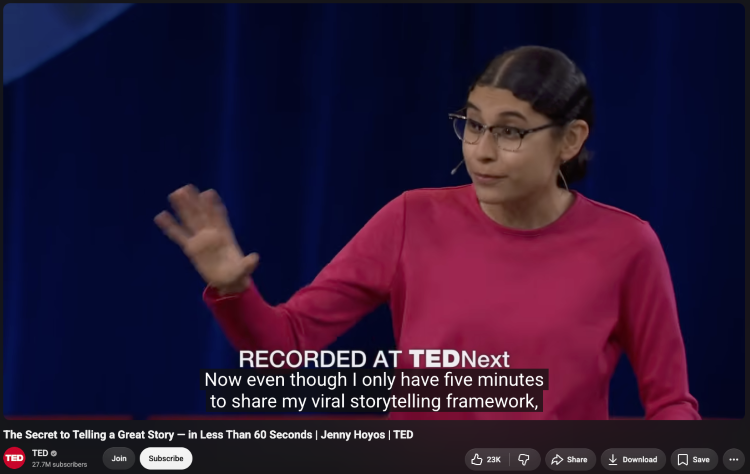
A narrative speech tells a story with a purpose.
Instead of opening with three statistics or reading straight from cue cards, you take your audience into a real moment, whether that’s bombing your first job interview, getting lost backpacking overseas, or hearing your name called at graduation after years of hard work.
Every story leads to a takeaway your audience can connect with and remember.
Informative speech vs. narrative speech vs. persuasive speech
Choosing the right speech style depends on what you want your audience to do, feel, or remember. A narrative speech takes people through an experience, while informative and persuasive speeches focus on teaching or influencing.
| Speech type | Main goal | Focus | Example topic |
| Narrative speech | Share a story and leave people with a lesson | Personal experiences, emotions, and meaningful moments | “How moving to a new country taught me confidence” |
| Informative speech | Teach your audience something new | Facts, research, explanations, and data | “How sleep affects athletic performance” |
| Persuasive speech | Encourage your audience to change an opinion or take action | Arguments, evidence, and a clear point of view | “Why companies should offer flexible work options” |
Quick way to remember the difference:
- Narrative: “Let me tell you what happened.”
- Informative: “Let me explain how this works.”
- Persuasive: “Let me show you why this matters.”
A lot of great speakers mix these styles together. A coach might use a personal story about a client overcoming a challenge, share the facts behind that challenge, then encourage the audience to take action.
The story gets people listening, the information builds understanding, and the message gives them a reason to move forward.
(Check out demonstration speech examples for more inspiration on your journey to become a content creator.)
Benefits of using a narrative speech format
People rarely retell a speech because it had a great bullet-point list. They remember the story that made them laugh, cringe, smile, or see themselves in your shoes.
- Grabs attention quickly: Opening with a vivid moment gives people a reason to keep listening instead of mentally checking out.
- Makes your message memorable: A story about freezing during your first presentation sticks longer than a slide packed with talking points.
- Builds trust faster: Honest moments, awkward mistakes, and lessons learned help your audience connect with you.
- Creates an emotional connection: People remember how your story made them feel long after they forget the exact wording.
- Explains ideas clearly: Real experiences make abstract lessons easier to picture and apply.
- Fits almost any occasion: Narrative speeches work equally well in classrooms, boardrooms, weddings, graduations, and keynote stages.
- Keeps people engaged: A good story creates curiosity because everyone wants to know what happened next.
How to Write Narrative Speech (Checklist)
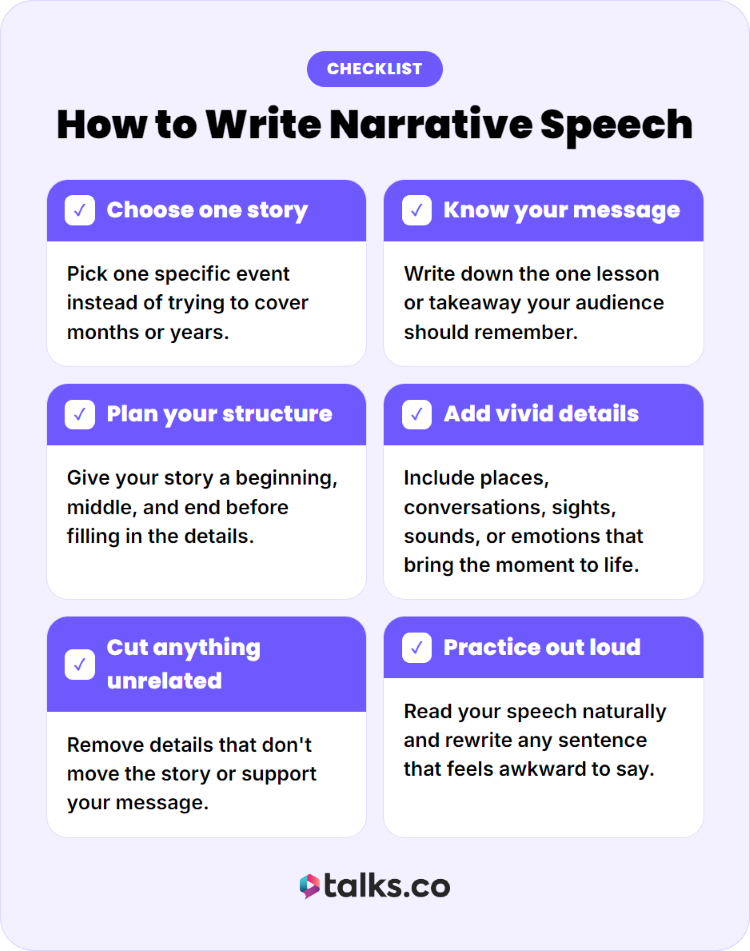
A strong narrative speech usually comes together before you write your first paragraph. Run through this checklist first, and you’ll spend less time rewriting later.
☐ Choose one story: Pick one specific event instead of trying to cover months or years.
☐ Know your message: Write down the one lesson or takeaway your audience should remember.
☐ Plan your structure: Give your story a beginning, middle, and end before filling in the details.
☐ Add vivid details: Include places, conversations, sights, sounds, or emotions that bring the moment to life.
☐ Cut anything unrelated: Remove details that don’t move the story or support your message.
☐ Practice out loud: Read your speech naturally and rewrite any sentence that feels awkward to say.
Narrative Speech Examples (Copy and Use)
Reading about narrative speeches is helpful. Seeing one come together is even better.
These examples, templates, and speech outlines are designed for different situations, whether you’re introducing yourself in class, sharing a life lesson during a graduation speech, speaking at work, or preparing for a public speaking opportunity.
Copy the structure, swap in your own experiences, and make each speech sound like you.
1. Personal narrative speech outline examples
A great narrative speech usually follows a simple flow. You’re taking people from one moment in time to another, then leaving them with something worth remembering.
Fill-in-the-blank narrative speech outline
- Title: _______________________________________
- Hook: (Start with a moment that makes people curious.)
- “I knew something was wrong the second __________________.”
- Set the scene: (Briefly explain where you were and why this moment mattered.)
- “At the time, I was ______________________________.”
- The challenge: (What happened that changed everything?)
- “Then ________________________________________.”
- The turning point: (Describe the decision, conversation, or event that moved the story forward.)
- “That’s when I realized __________________________.”
- The outcome: (Explain how everything played out.)
- “By the end, __________________________________.”
- The takeaway: (Finish with one lesson your audience can remember.)
- “That experience taught me ______________________.”
Quick checklist:
☐ Open with action: Skip the long backstory and get straight to an interesting moment.
☐ Stay on one story: One memorable experience is usually stronger than three smaller ones.
☐ Add specific details: Mention the place, conversation, or small moment people can picture.
☐ End with a lesson: Give your audience a reason to remember the story after you’ve finished speaking.
2. Narrative speech examples about yourself
Most “tell us about yourself” speeches become a list of facts. Your audience learns where you grew up, what you study, and what your hobbies are, but they don’t learn much about you. A short story reveals far more than a list ever could.
Fill-in-the-blank “about yourself” speech template
“Good morning, everyone.
My name is [Your Name], and if you’d met me [before this experience], you probably would’ve described me as [old version of yourself].
That changed when [describe one specific event].
At first, I [describe your thoughts, feelings, or reaction]. I honestly believed [what you thought at the time].
As the situation unfolded, I realized [turning point or lesson]. Looking back, I’m actually grateful it happened because [what changed].
Today, that experience influences the way I [study, work, lead, communicate, or live] every day.
If there’s one thing I’d like you to remember from my story, it’s this: [final takeaway].
Thank you.”
Customize your speech with details like:
- A defining moment: Your first job interview, moving to a new city, failing an important exam, starting a business, or joining a new team.
- Specific details: What you saw, heard, or felt in that moment instead of saying you were simply “nervous.”
- One clear lesson: Finish with a takeaway that naturally grows from the story.
3. Personal narrative speech examples
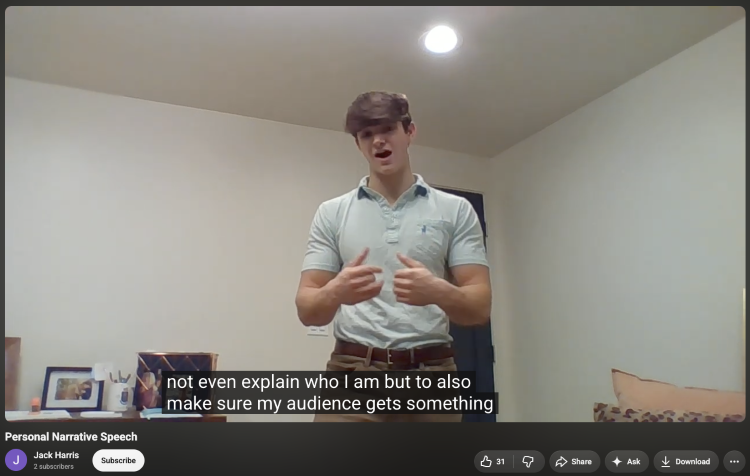
Personal narrative speeches work best when you focus on one meaningful moment instead of trying to cover your entire life. Use this template as a starting point, then replace each section with your own experience.
Personal narrative speech template
Good morning, everyone.
I’d like to tell you about the day [describe one unforgettable moment].
Before that day, I believed [what you thought before the experience]. Then [describe what happened], and everything changed.
At first, I felt [emotion] because [reason]. I wasn’t sure [challenge or uncertainty].
Looking back, that moment became the turning point. I decided to [action you took], and over time, I [positive result or lesson learned].
Today, whenever I face [similar challenge], I remember that experience because it reminds me [main lesson].
Thank you.
Ideas you can use:
- Personal growth: Overcoming self-doubt, building confidence, or breaking a bad habit.
- Career: Landing your first job, changing careers, or learning from a mistake at work.
- Relationships: A friendship, family experience, or conversation that changed your perspective.
- Travel: A trip that taught you resilience, independence, or gratitude.
- Challenge: Recovering from failure, achieving a goal, or stepping outside your comfort zone.
4. Narrative speech examples for students
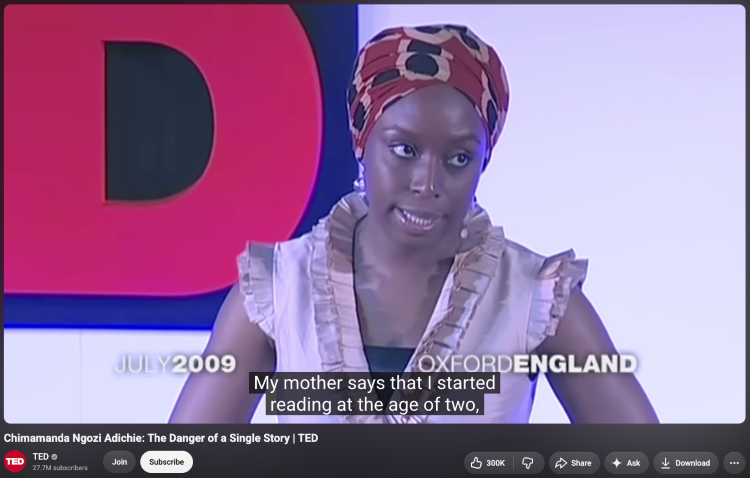
Student speeches don’t need extraordinary storytelling examples. Some of the best speeches come from everyday experiences that classmates immediately recognize, like failing a test, joining a new school, or standing in front of the class for the first time.
Student narrative speech template
Good morning, everyone.
I’d like to share the story of [event or experience].
This happened when I was [grade, age, or school year]. At the time, I [brief background].
Everything changed when [main challenge].
I remember feeling [emotion] because [reason]. Looking back, I almost [mistake, fear, or decision].
Eventually, I [what you did], and the result was [outcome].
That experience taught me [lesson], and I’ve carried that lesson with me ever since.
Thank you.
Student story ideas:
- Your first day at a new school: Meeting new classmates, feeling out of place, or making your first friend.
- A presentation that went wrong: Forgetting your lines, recovering, and finishing stronger than expected.
- A difficult exam: Learning that preparation, not luck, makes the biggest difference.
- Joining a club or sports team: Building confidence after feeling like you didn’t belong.
- Working on a group project: Learning teamwork, communication, or leadership through a real challenge.
5. Narrative speech examples about life
Life narrative speeches are built around moments that changed the way you think, act, or see the world. The story doesn’t need to be dramatic. Sometimes the smallest moments, like a conversation with a stranger or a decision you almost didn’t make, create the biggest lessons.
Life narrative speech template
Good morning, everyone.
There was a moment in my life when [describe a specific event or turning point].
Before that happened, I was [describe your mindset, situation, or belief at the time].
Then [explain what happened]. I remember [add a specific detail: where you were, who was there, what you saw or heard].
At that moment, I felt [emotion] because [reason].
That experience changed the way I think about [topic or life lesson].
Today, I understand that [main takeaway].
Thank you.
Life story ideas:
- A major life decision: Moving to a new place, changing careers, or choosing a different path.
- A moment of failure: A rejection, mistake, or setback that taught you something important.
- A person who changed you: A mentor, family member, teacher, or stranger who left an impact.
- A childhood memory: A simple moment that shaped your values or personality.
- A personal achievement: Reaching a goal you once thought was impossible.
6. Cultural narrative speech examples
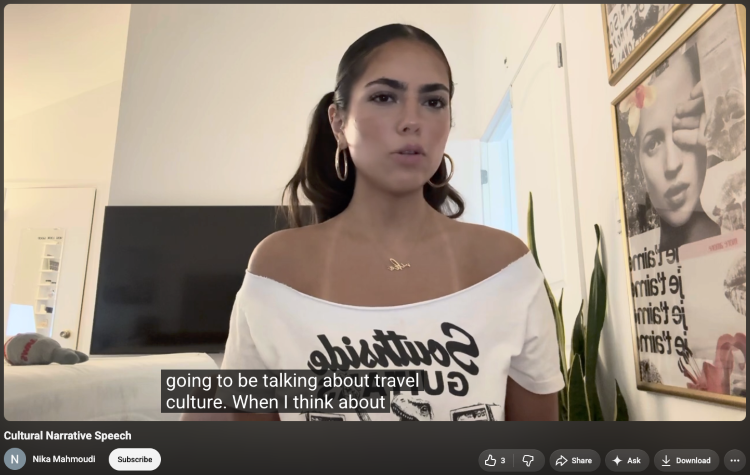
Cultural narrative speeches share personal experiences connected to traditions, family, heritage, communities, or the places that shaped you. The strongest speeches focus on one specific memory that shows why the culture matters to you.
Cultural narrative speech template
Good morning, everyone.
When people think about [your culture, tradition, or community], they might think about [common image or assumption]. For me, it reminds me of [specific memory or moment].
I remember [describe the setting: a family gathering, celebration, meal, holiday, or tradition].
During that moment, [describe what happened]. I noticed [specific details: sounds, smells, conversations, traditions, or customs].
At the time, I didn’t fully understand [what you learned later].
As I grew older, I realized this experience taught me [lesson about family, identity, values, or community].
Today, I carry that tradition by [how you continue, share, or appreciate it].
Thank you.
Cultural story ideas:
- A family tradition: A yearly celebration, holiday ritual, or meal passed down through generations.
- A cultural celebration: Your experience at a festival, ceremony, or community event.
- A family recipe: The story behind a dish, who taught you, and why it matters.
- A language connection: Learning, losing, or preserving a language spoken by your family.
- A cultural misunderstanding: A moment when someone saw your culture differently and what you learned from it.
- A trip to your roots: Visiting a country, hometown, or place connected to your family history.
Narrative Speech Ideas
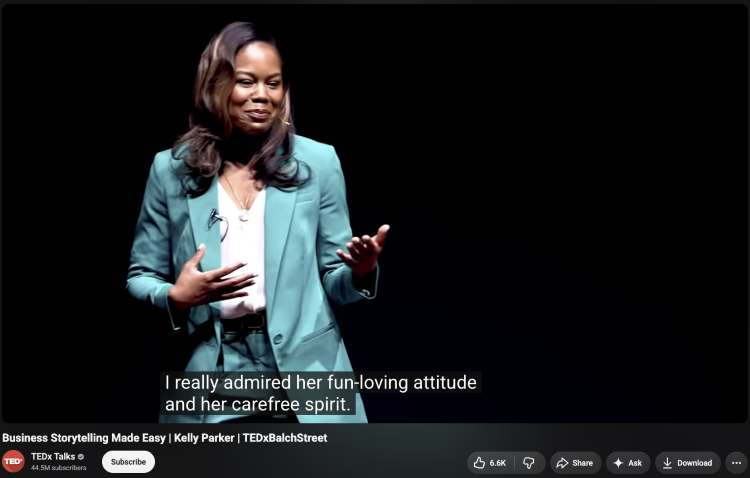
The best narrative speeches usually start with a moment that changed something, even if it felt ordinary at the time. Use these ideas as a starting point of resources for public speaking, then add your own experiences, lessons, and personality to make the story yours.
Personal growth
- The day you stepped outside your comfort zone.
- A mistake that taught you an unforgettable lesson.
- The hardest decision you’ve ever made.
- A goal that took months or years to achieve.
- A time you failed before succeeding.
- The best advice someone ever gave you.
- A habit that changed your daily life.
- A moment that completely changed your perspective.
- A challenge that made you more confident.
- A risk that turned out to be worth taking.
School and student life
- Your first day at a new school.
- A presentation that didn’t go as planned.
- Working on a difficult group project.
- Preparing for a major exam.
- A teacher who changed your life.
- Learning something outside the classroom.
- Joining a club or sports team.
- Your proudest academic achievement.
- A school trip you’ll never forget.
- The biggest lesson you learned as a student.
Career and professional experiences
- Your first job interview.
- The first paycheck you earned.
- A project that pushed you to grow.
- A workplace mistake that taught you something valuable.
- The moment you realized your career path had changed.
- Giving your first public presentation.
- Solving a difficult problem at work.
- Starting a business from scratch.
- Working with someone who inspired you.
- A career setback that led to a better opportunity.
Family and relationships
- A conversation you’ll never forget.
- A family tradition that shaped who you are.
- Becoming an older sibling or welcoming a new family member.
- A friendship that changed your life.
- Learning something important from your grandparents.
- A memorable family vacation.
- Helping someone through a difficult time.
- Reconnecting with an old friend.
- A misunderstanding that strengthened a relationship.
- The best surprise you’ve ever planned for someone.
Travel and life experiences
- Getting lost in an unfamiliar place.
- Your first solo trip.
- Experiencing another culture for the first time.
- Missing a flight and what happened next.
- An adventure that didn’t go according to plan.
- Trying something that scared you while traveling.
- Meeting a stranger who left a lasting impression.
- The most beautiful place you’ve ever visited.
- A trip that changed how you see the world.
- A travel disaster that became a funny story later.
Funny and unforgettable moments
- The most embarrassing thing that’s happened to you.
- A misunderstanding that still makes you laugh.
- The worst haircut you’ve ever had.
- A time technology completely failed you.
- A cooking disaster.
- A pet that got into unexpected trouble.
- A birthday you’ll never forget.
- A prank that didn’t go as planned.
- The funniest coincidence you’ve experienced.
- A moment that became a favorite family story.
How to Make a Narrative Speech Impactful Online and Offline
The same story can be received completely differently depending on how you tell it.
Doesn’t matter if you’re speaking to 20 people in a classroom, 500 people at a conference, or thousands watching a recording later, these small changes can make a big difference.
- Hook people immediately: Open with a moment that draws curiosity before explaining any background.
- Picture one listener: Speak as though you’re talking to one person across the table instead of performing for a crowd.
- Use vivid details: Replace generic descriptions with moments people can see, hear, and imagine.
- Pause after key moments: Give your audience a second to laugh, reflect, or absorb an important point before moving on.
- Keep your energy natural: Your delivery should sound like a conversation, whether you’re on a stage, a Zoom call, or a podcast as an emcee.
- Make eye contact with the camera: If you’re speaking online, look into the lens instead of watching yourself on screen.
- Finish with a takeaway: Leave people with one clear lesson they’ll remember after the story ends.
Your Story Is Waiting for Its Spotlight
A great speech all comes down to knowing which moments are worth sharing.
The best narrative speech examples all make people feel like they were there. Your story, your lesson, and your perspective are what make people remember you.
And if you’re ready to put that story in front of a bigger audience, create your free Talks profile.
Connect with podcast hosts looking for guests like you, grow your visibility, and start getting booked for conversations that matter.
Create your free Talks profile today and start getting your story heard.