Judaism Speakers
You might be sorting through countless bios and still not feeling any closer to finding someone who can speak about Judaism with clarity and presence.
Maybe you are wondering how to sort the many voices available or how to decide which Judaism speakers will fit your audience.
It is a common question, especially when you want someone who can cover tradition, identity, culture, or modern life without losing people along the way.
Judaism speakers cover a wide range of perspectives, from educators and authors to community leaders and cultural commentators.
They can help your audience understand how Jewish history connects with current issues or simply offer thoughtful stories that spark real conversations.
I have seen how much stronger an event becomes when a speaker brings both knowledge and openness, especially on a topic that people approach with curiosity or personal connection.
This page highlights what these speakers tend to offer, who they resonate with, and why they are often requested for conferences, podcasts, YouTube interviews, and more.
If you want someone who can keep things grounded, clear, and genuinely engaging, you are in the right place.
Take a look at the featured Judaism speakers below and see who might be the right fit for your next event.
Top Judaism Speakers List for 2026

Aurus Sanchez
Doctor Sanchez, Philosopher of Judaism & Loves Interfaith Conversation’s

Belle Gayer
Are Relationships For Suckers? 52 years of triumphs and tragedies say NO!

Yaffah Batya daCosta
CEO of non-profit helping Secret Jews - descendants of Inquisition Victims. Why are Christians fighting one another about Jews (Israel)?

Lisa Giesler
Uncluttered and Finding joy and purpose in life's

Nissan Ratzlav-Katz
An unfiltered perspective from Israel: We're not in Kansas anymore, Toto.

Oliver Woods
What is God's Great Controversy with America and How to Level Up with Him.

Jermaine McKenzie
From wrongful conviction to relentless advocate for justice.

Sherrika Sanders
Empowering women to lead boldly and thrive at God's pace!
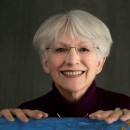
Marie Morgan
Redefining life after 60 as our Prime Time

Majeed Mogharreban
Paid to speak. Grow your business with Public Speaking.
What Makes a Great Judaism Speaker
Great judaism speakers typically weave clarity with depth, moving between historical insight and modern relevance in a way that feels natural. Some highlight ancient texts, others focus on cultural stories, and some emphasize current issues like interfaith dialogue or community resilience. The best ones do not overwhelm you with complexity, and they also do not water down the richness of Jewish thought. Instead, they guide people through layers of ideas, helping them discover meaning without pressure.
There is also something subtle that separates good from great. It might be the way a speaker pauses just long enough for you to reflect, or how they ask a question that makes you reconsider an assumption you did not even realize you had. This emotional intelligence creates connection. People stay present. Listeners feel included even if they come from an entirely different faith or cultural background.
When a judaism speaker is truly exceptional, their words linger. Long after the talk is over, you keep replaying a phrase or idea. You think about how it applies to everyday life... business decisions, family relationships, navigating uncertainty. That lasting influence is what elevates a speaker from proficient to powerful.
How to Select the Best Judaism Speaker for Your Show
1. Define the purpose of the episode.
- Be specific about the angle you want handled. Are you exploring Jewish history, cultural traditions, leadership principles rooted in Jewish teaching, or modern community issues?
- Consider the tone you want: educational, inspirational, debate-oriented, or story-driven.
2. Identify the level of expertise needed.
- Some shows benefit from academic scholars, while others work better with rabbis, cultural educators, or activists.
- Look at past interviews or talks the speaker has given. A quick search or browsing their Talks.co speaker page can give you a feel for how they communicate.
3. Evaluate alignment with your audience.
- If your audience is mostly beginners, you want someone skilled at simplifying complex ideas.
- If your audience includes faith leaders or scholars, someone who can go deeper will add more value.
4. Review availability, format preferences, and communication style.
- Some judaism speakers thrive in conversational formats, while others prefer structured interviews.
- Check how responsive they are and whether they engage professionally. This is especially easy if you connect through Talks.co, which already filters for reliability.
5. Shortlist and compare.
- Put three to five candidates side by side.
- Compare their expertise, communication style, and the type of energy they bring.
This process helps you select someone who fits the show rather than someone who simply has credentials on paper.
How to Book a Judaism Speaker
1. Start by choosing the right outreach channel.
- Platforms like Talks.co make this easy because you can view speaker bios, topics, past appearances, and availability.
- If the speaker has an official website, check for a media or speaking request form.
2. Prepare a clear and concise invitation.
- Include the purpose of your show, who listens, the format, and the expected recording date.
- Add a short description of why you believe the speaker is a strong fit.
- Keep it organized so the speaker or their assistant can respond quickly.
3. Confirm scheduling and logistics.
- Offer a few time slots and confirm the timezone.
- Share your recording tools, whether Zoom, Riverside, or another platform.
- Ask about any accommodations they might need, especially if the conversation touches on religious observance or holidays.
4. Send pre-show materials.
- Share a run-of-show outline, potential guiding questions, and an estimated duration.
- Offer space for the speaker to add topics they want highlighted.
5. Finalize the agreement.
- If there is a fee, clarify payment terms.
- Confirm permissions for distribution, clips, and promotional use.
These steps reinforce clarity and professionalism, making the booking process easier for both you and the speaker.
Common Questions on Judaism Speakers
What is a judaism speaker
Some judaism speakers are rabbis, educators, or scholars who focus on Torah interpretation, Jewish law, or historical analysis. Others come from fields like social justice, interfaith dialogue, psychology, or storytelling. You might also find speakers who discuss Jewish identity in modern contexts, such as diversity within Jewish communities or the evolution of Jewish practice across countries.
The term itself is flexible. It does not imply a specific denomination or level of religious observance. It simply means the person draws from Jewish thought or experience to inform their message. This is why a judaism speaker can fit seamlessly into podcasts, virtual summits, corporate events, or educational programs.
When you consider this definition alongside the other sections, especially the one on selecting the best speaker, it becomes easier to match the type of judaism speaker you need to the goals of your event or show.
Why is a judaism speaker important
Judaism emphasizes questioning, interpretation, and conversation... making speakers trained in this framework naturally skilled at thoughtful dialogue. For podcasts or interviews that aim to explore big ideas, this creates an environment where both host and audience can dive deeper without feeling overwhelmed.
In global business settings, a judaism speaker can help teams understand the cultural foundations behind concepts like shared responsibility, perseverance, or creating community-driven leadership. For general audiences, they can highlight lesser known aspects of Jewish life or clarify misconceptions that circulate in media.
These contributions matter because they add intellectual and cultural diversity. When your show includes different worldviews presented in a grounded, informed way, you give listeners a richer experience and encourage more meaningful reflection.
What do judaism speakers do
In professional settings, judaism speakers might participate in diversity and inclusion discussions, leadership workshops, or values oriented training sessions. They provide context for concepts that shape decision making, community building, or ethical frameworks. This is particularly useful for organizations wanting a broader cultural understanding.
On podcasts and virtual summits, judaism speakers often bring narrative depth. They might analyze themes like identity, migration, resilience, or community development. They can also participate in interfaith conversations, offering clarity on Jewish perspectives while engaging respectfully with other traditions.
Some speakers also contribute to public education, whether through lectures, panel discussions, or media appearances. They help audiences understand contemporary Jewish experiences around the world, explain historical developments, or address topics like antisemitism, social justice, or multicultural collaboration.
As mentioned earlier in the section on booking a speaker, how they participate depends on both their expertise and the format they are joining. The variety of roles gives hosts flexibility to design conversations that feel intentional and compelling.
How to become a judaism speaker
1. Clarify your core topics.
- Decide whether you want to focus on Jewish history, Torah study, interfaith dialogue, modern Jewish identity, or community leadership.
- Pick 2 to 3 signature themes that you can speak about confidently.
- Check event listings, synagogue programs, and online summits to see what audiences are already looking for.
2. Build your foundational knowledge.
- Deepen your understanding through study with local educators, participation in Jewish learning groups, or structured courses.
- Familiarize yourself with questions people often have about Judaism so your talks are relatable.
- Add practical examples from modern communities or global Jewish experiences.
3. Develop your signature presentations.
- Create a 20 minute, 45 minute, and full 60 minute version of your core talk.
- Include stories, case studies, and audience engagement moments.
- Keep a one page description of each talk so hosts can easily understand what you offer.
4. Create a speaker page on platforms like Talks.co.
- Add your bio, photos, featured topics, availability, and links to videos.
- Hosts on Talks.co are often looking for niche experts, and judaism speakers fit well for cultural, faith based, and educational events.
- A clear speaker page makes it easier for hosts to reach out.
5. Connect with hosts and start small.
- Offer to speak at community centers, online summits, university groups, or interfaith gatherings.
- After each talk, ask for testimonials or short clips you can use for promotion.
- As your visibility grows, expand into conferences or paid keynotes.
6. Keep refining your delivery.
- Record yourself and adjust pacing, clarity, and engagement techniques.
- Try different audience types... youth groups, adult education programs, business teams interested in cultural learning.
- The more diverse your speaking experience, the more confident you become.
Following these steps gives you a solid structure for becoming a judaism speaker while keeping your style authentic and aligned with your strengths.
What do you need to be a judaism speaker
First, you need content mastery. This does not require being a rabbi or scholar, although some speakers are. What matters is that you have a confident understanding of the specific areas you teach. Many audiences appreciate speakers who can take tradition or history and make it accessible for modern listeners. Your content becomes more valuable when you connect it to real world questions.
Next, you need speaking and teaching skills. A judaism speaker must be able to explain concepts like Sabbath practice, Jewish ethics, or holiday traditions in ways that feel clear and welcoming. This means practicing articulation, pacing, and audience engagement. Even if your talks are academic, they still need a structure that keeps people focused.
You also need marketing assets. A short bio, a speaker page, a few videos, talk titles, and topic descriptions give hosts confidence when evaluating you. Tools like Talks.co simplify this process because you can host your speaker page there and use it to connect with hosts looking specifically for cultural or educational speakers.
Finally, you need a network that supports your speaking goals. Synagogues, community organizations, educators, and summit hosts are often searching for new voices. Building relationships with these groups dramatically increases your chances of being invited. Having multiple pathways to get booked gives you long term stability as a judaism speaker.
Do judaism speakers get paid
From an analytical perspective, several factors determine whether payment is typical.
1. Event type. Community events often provide honorariums that range from symbolic amounts to moderate fees. Conferences or corporate inclusion programs tend to offer larger payments.
2. Speaker credentials. Well known rabbis, authors, or scholars usually command higher fees because they bring established followings. Emerging speakers may start with lower or unpaid opportunities while building their portfolio.
3. Market norms. In larger cities with active Jewish communities, paid speaking is more common. Smaller regions may have less funding.
Data from general speaking markets shows cultural and educational speakers can earn anywhere from small honorariums to four figure fees. Judaism speakers fit into this category. Paid speaking becomes more consistent as you expand your reach and create packaged talks. Additionally, platforms like Talks.co allow speakers to be discovered by hosts who already have budgets, increasing the likelihood of compensation.
So yes, judaism speakers do get paid, but the earnings depend on positioning, visibility, and the types of events you pursue.
How do judaism speakers make money
Primary income streams include:
- Paid talks. Conferences, synagogues, schools, nonprofit programs, and online summits often provide speaker fees.
- Workshops and courses. Speakers who offer multi session programs generally earn more per engagement. These programs may cover Jewish ethics, holiday traditions, or historical deep dives.
- Book sales. Many high visibility speakers publish books or guides. Even a modestly successful title can create recurring revenue.
- Consulting. Businesses seeking cultural awareness training sometimes hire judaism speakers as consultants.
- Online events. Platforms like Talks.co help speakers get booked for virtual talks with pre set budgets.
Analytically, combining multiple income streams stabilizes revenue. For example, speakers who supplement live talks with digital courses usually see a more consistent income pattern over time. Diversification also helps when community budgets fluctuate. While some judaism speakers rely primarily on honorariums, others operate as full time experts with structured products, services, and retainers.
In summary, judaism speakers make money through a mix of speaking fees, educational programs, digital content, and consulting, with the strongest results coming from blended models.
How much do judaism speakers make
Data from general speaking markets shows:
- Community talks: 50 to 500 USD.
- Guest lectures or panel appearances: 150 to 1,000 USD.
- Workshops or half day programs: 500 to 3,000 USD.
- Conference keynotes: 1,500 to 10,000 USD or more.
Judaism speakers usually fit into the community talk and workshop categories but can reach keynote rates when their message resonates beyond religious settings. Authors, academics, or well known rabbis tend to command higher fees. Speakers who offer corporate cultural awareness sessions often earn at the higher end of the scale.
Another factor is frequency. A speaker who earns 500 USD per event but books 8 events per month earns more annually than someone who charges 2,000 USD once per month. Platforms like Talks.co can increase booking frequency by helping speakers stay visible to event hosts.
Overall, judaism speakers may earn from a few thousand dollars a year for occasional engagements to six figure incomes for those who combine speaking with courses, consulting, and published work.
How much do judaism speakers cost
Analytically, the pricing tends to fall into clear bands:
- Small community events: 75 to 300 USD.
- School programs or university groups: 150 to 1,000 USD.
- Adult education workshops: 300 to 2,500 USD.
- Conference or festival appearances: 1,000 to 8,000 USD.
- Corporate cultural training sessions: 2,000 to 12,000 USD.
Additional costs may apply, such as travel or materials, although virtual events help avoid those expenses. Many organizers use platforms like Talks.co to filter speakers by fee range, making it easier to understand pricing upfront.
The cost also depends on customization. If a speaker needs to tailor a new presentation, conduct interviews, or prepare specialized content, fees may rise. Conversely, if they deliver a signature presentation they have given many times, the cost is often lower.
In short, hiring judaism speakers can be quite affordable for smaller gatherings or a significant investment for high profile events. The range ensures that nearly any group can find a speaker who fits their needs and budget.
Who are the best judaism speakers ever
- Rabbi Jonathan Sacks. Known for articulate explanations of Jewish ethics, community, and spirituality.
- Elie Wiesel. Widely respected for speaking on Holocaust memory, human rights, and moral courage.
- Rabbi Abraham Joshua Heschel. Influential thinker whose speeches connected Judaism with social responsibility.
- Rabbi Harold Kushner. Known for accessible teaching on faith, suffering, and personal meaning.
- Rabbi Joseph Soloveitchik. A major figure in modern Jewish thought with lectures that shaped generations of students.
- Golda Meir. As a political leader, she spoke powerfully on Jewish identity and global responsibility.
- Rabbi Lord Immanuel Jakobovits. Prominent voice on Jewish medical ethics and public policy.
- Simon Schama. Although primarily a historian, he has delivered impactful talks on Jewish history.
- Rabbi Shlomo Carlebach. Known for blending storytelling, music, and spiritual teaching.
- Natan Sharansky. Recognized for speaking on human rights, freedom, and Jewish resilience.
These individuals represent a wide spectrum of approaches... historical, spiritual, ethical, political... and their influence continues to shape public understanding of Judaism.
Who are the best judaism speakers in the world
- Rabbi David Wolpe. Frequently ranked among today's most influential Jewish voices and known for insightful lectures.
- Rabbi Sharon Brous. Founder of IKAR and a prominent speaker on modern Jewish identity and community leadership.
- Ben Shapiro. Known for debates and commentary, including topics related to Jewish identity in public life.
- Rabbi Angela Buchdahl. Senior rabbi of Central Synagogue with a global following for her teaching and leadership.
- Rabbi Shai Held. A respected educator whose talks explore theology, ethics, and contemporary challenges.
- Rabbi Naomi Levy. Known for inspirational talks on spirituality and personal growth.
- Yossi Klein Halevi. A journalist and author who speaks widely on Israel, Jewish history, and coexistence.
- Rabbi Jill Jacobs. Recognized for speaking on Jewish social justice and communal responsibility.
- Rabbi Noa Kushner. Founder of The Kitchen, known for engaging younger audiences.
- Rabbi Menachem Creditor. A well known speaker on faith, resilience, and musical Jewish expression.
These judaism speakers reach audiences around the world and appear across digital platforms, conferences, and community programs, making them some of the most visible and respected voices today.
Common myths about judaism speakers
1. Myth: Judaism speakers only talk about religious doctrine.
Many people assume that every Judaism speaker focuses on scripture or theological analysis. In reality, their topics often reach into cultural identity, leadership, ethics, innovation, social justice, resilience, and interfaith cooperation. For example, speakers like Rabbi Jonathan Sacks became known globally for addressing economics, community building, and moral philosophy in modern societies. When event hosts expect only a narrow religious talk, they miss the broad value these speakers can bring to business conferences, nonprofit summits, or education-focused gatherings.
2. Myth: Judaism speakers only speak to Jewish audiences.
This assumption often prevents organizers in diverse sectors from exploring these voices. Many Judaism speakers are specifically invited to non Jewish environments because they bring comparative perspectives on tradition, community, and human behavior that resonate across cultures. Universities, tech companies, and humanitarian organizations frequently seek this outside lens because it sparks new discussions. The relevance often lies in the universal themes they explore, not the demographics of the audience.
3. Myth: Judaism speakers always take a conservative or religiously strict stance.
Judaism has multiple denominations and philosophical branches, and speakers reflect that range. Some lean academic, some are artistic or activist oriented, and others draw from secular Jewish cultural identity rather than religious practice. It is helpful to think of this category the same way you would view experts in any multicultural field... you get a spectrum. When an event needs a progressive voice on inclusivity or a nuanced voice on geopolitics, there are Judaism speakers who specialize in those domains.
4. Myth: Their topics are too niche for mainstream events.
The reality is the opposite. Many themes central to Jewish thought, like community responsibility, ethical leadership, memory, trauma, and innovation, connect directly with corporate leadership training, mental health programs, and DEI initiatives. A well prepared Judaism speaker often stands out precisely because they bring depth rather than generic motivational content.
Case studies of successful judaism speakers
One example is Rabbi Lord Jonathan Sacks. His rise did not stem from seeking a spotlight, but from offering clarity during moments when the public wanted thoughtful voices. His speeches blended philosophy, modern culture, and ethical frameworks with a calm, persuasive tone. Many organizations across Europe and North America invited him not to speak about ritual, but to help audiences understand leadership through a moral lens. His trajectory shows how an idea driven message can cross borders quickly when it is delivered with precision.
Then there is Esther Perel, often recognized as a psychotherapist first, yet her Jewish cultural background informs much of her work. When she speaks at global conferences, her references to history, intergenerational patterns, and identity create powerful narratives. Audiences respond because her talks are not structured as lessons. They unfold as stories where personal reflection feels natural. Her impact demonstrates how weaving heritage into modern topics like relationships or workplace dynamics can open new doors for a Judaism speaker.
Another compelling case is Rabbi Sharon Brous. She entered the public conversation at a time when many community leaders were searching for voices who could address civic engagement, empathy, and coalition building. Her speeches move between local concerns in Los Angeles and broader national themes. The thread connecting everything is her emphasis on dignity. That steady message has carried her onto major media platforms and interfaith stages. It shows how consistency helps a Judaism speaker expand their reach.
Taken together, these examples point to a pattern. Impact grows when a speaker leads with clarity, cultural awareness, and a willingness to address the modern world head on rather than focusing only on traditional frameworks.
Future trends for judaism speakers
One trend gaining traction is the rise of digital first speaking. Hybrid events and online summits allow Judaism speakers to present to global audiences without travel. As more organizations seek international voices, speakers with strong virtual delivery skills are finding additional demand.
Another growing area is the interest in ethical decision making. Companies in tech, healthcare, and public policy are turning to diverse perspectives to navigate questions around privacy, AI governance, community safety, and organizational responsibility. Judaism speakers who frame these issues through historical narratives or moral philosophy often offer a grounding perspective.
Here are several trends shaping the near future:
- Increased demand for speakers fluent in interfaith collaboration, particularly for community programs and university settings.
- More opportunities in corporate environments where discussions around identity, cultural literacy, and team cohesion need credible facilitators.
- Expanded interest in speakers who can connect Jewish history to global topics like migration, resilience, and democratic stability.
As these trends continue, speakers who adapt to multiple platforms, refine their storytelling, and engage with broader social issues will be in the strongest position to reach new audiences.
Tools and resources for aspiring judaism speakers
1. Talks.co (https://talks.co). A matching platform that connects speakers with podcast hosts. It is helpful for Judaism speakers who want to share expertise in long form conversations. Use it to test your message, refine your stories, and reach audiences outside traditional faith or cultural venues.
2. SpeakerHub (https://speakerhub.com). A directory where you can build a detailed profile, upload talk topics, and apply for speaking opportunities. Be specific about the angles you cover, such as ethics in leadership or cultural literacy, since these help organizers filter for niche expertise.
3. YouTube Creator Studio (https://studio.youtube.com). Useful for building a content library. Short educational videos on cultural insights, history, or ethics can help event planners understand your style before booking you.
4. Podcastle (https://podcastle.ai). A tool for recording high quality audio and video interviews. Many aspiring speakers use it to create polished practice sessions or produce sample talks.
5. Canva (https://canva.com). A simple way to develop slide decks, social graphics, and event materials. Judaism speakers who tackle complex topics can use visuals to simplify timelines, cultural comparisons, or philosophical concepts.
6. Notion (https://notion.so). A workspace for organizing research, talk outlines, and booking details. When juggling multiple topics across different events, a centralized structure keeps you consistent.
7. Eventbrite (https://eventbrite.com). A helpful place to host small workshops or virtual sessions. If you want to test new material or explore niche audiences, running your own micro event can accelerate feedback.
8. Otter.ai (https://otter.ai). A transcription tool that turns your recorded talks into text. You can pull quotes, refine messaging, and repurpose content for articles or social posts.
These tools give you a solid foundation whether you are preparing your first talk or expanding into broader audiences. By combining consistent practice with platforms that amplify your visibility, you can build momentum steadily and intentionally.
