Wealth Mindset Speakers
You might be looking at your event plan wondering why choosing the right voice on money and mindset suddenly feels harder than it should be.
Maybe you have a clear theme, a solid audience, and a date locked in... but finding wealth mindset speakers who actually fit what you need still seems confusing.
Who will keep your crowd engaged? Who can speak about money in a way that feels real and not scripted?
Those questions come up a lot, and they matter.
Wealth mindset speakers bring a mix of practical experience and clear thinking about how people relate to money.
I've seen how the strongest ones help audiences cut through noise and finally hear something that sticks.
They talk about habits, decisions, and patterns around money without overcomplicating things.
Whether your audience is full of entrepreneurs, career professionals, or people just trying to think differently about their financial future, the right speaker can make the topic feel surprisingly accessible.
Here, you can explore a range of styles and specialties so you can find someone who fits your tone and your goals.
Take a look and see which wealth mindset speaker feels right for your event.
Top Wealth Mindset Speakers List for 2026

Jane Slack-Smith
Explosives expert turned wealth architect, condition crusher, fusing science, Ai, soul & smart strategy to exit the matrix

Bibi Apampa
Retirement Made Simple - Wealth, Wisdom, Health, Success with The Retirement Queen Bibi Apampa

Maria Perry
Empowering healers to thrive: Transform trauma into treasure


Bruce Pulver
Transforming words into action for unstoppable success!
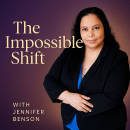
Jennifer Benson
Change the way you see yourself — change the way the world sees you.

Leo Young
Turning America’s most overlooked housing into its most dependable investment.

David Chudyk
Where smart mindsets meet real money moves

Linda Grizely
Empowering you to master money, mindset, and life

Joel Salomon
Unlock financial freedom with Joel Salomon, Master Prosperity Coach, Money Mindset and Finance Expert
What Makes a Great Wealth Mindset Speaker
One trait that sets them apart is their ability to weave mindset reframing into relatable stories. They might reference public figures like Oprah Winfrey or business leaders from fast growing tech sectors who openly credit mindset with shaping their trajectory. Even without relying on personal anecdotes, a wealth mindset speaker can pull from widely known moments in history or business to illustrate how beliefs shape outcomes. This gives the audience a clear sense of how internal narratives influence external results.
Great wealth mindset speakers also show an honest understanding of emotional and psychological barriers. They address fear, scarcity thinking, and imposter patterns in ways that make listeners feel understood. It is not sugar coating, and it is not hype. It is a grounded, realistic look at what keeps people stuck and what shifts can unlock momentum. This blend of empathy and practicality helps audiences feel safe enough to consider new possibilities.
Another essential factor is the ability to energize without overwhelming. Some speakers hit hard with data, others use a calmer reflective style. Both can be effective if they stay consistent, authentic, and purposeful. When someone communicates with conviction but without pretense, people lean in. And when those insights align with actionable steps, the message becomes unforgettable.
By the time a great wealth mindset speaker wraps up, listeners often find themselves thinking differently about what they are capable of. That shift in thinking becomes the real takeaway, and it is what keeps hosts inviting these speakers back again and again.
How to Select the Best Wealth Mindset Speaker for Your Show
1. Define the outcome you want for your audience.
- Think about whether you want tactical financial mindset insights, broader personal development guidance, or a conversation about entrepreneur psychology.
- Example: A podcast aimed at early stage founders might want someone who blends mindset with business models, while a community event for career changers might need someone who emphasizes confidence and resilience.
2. Review the speaker's past appearances and message consistency.
- Look for clips, interviews, or past guest spots. Consistency matters because it shows how well they can deliver under different formats.
- Talks.co can be especially useful here, since many speakers include a showcase page with videos, topics, and host reviews.
3. Check for audience alignment.
- Not every wealth mindset speaker fits every demographic. Some resonate more with creatives, others with investors, others with corporate teams.
- Match communication style too. Do you want high energy or a calmer, more reflective approach?
4. Evaluate practical fit.
- Look at availability, timezone, tech readiness, and whether they are comfortable with your format... live, recorded, virtual, or on stage.
- You can usually see these details on their Talks.co speaker page, which makes comparisons easier.
5. Reach out with a clear message.
- When you are ready, send a short note explaining your audience, your show, and the outcome you want. Speakers appreciate clarity.
- Hosts on Talks.co can connect with speakers directly, which keeps the coordination simple.
Use these steps to streamline your selection process, and you will end up with a speaker who enhances your show and gives your audience something meaningful to act on.
How to Book a Wealth Mindset Speaker
1. Start by identifying your exact topic focus.
- Wealth mindset can cover beliefs, habits, financial education, emotional patterns, or entrepreneurial thinking.
- Choosing a narrow angle helps you target the right speaker quickly.
2. Search platforms where speakers maintain active profiles.
- Talks.co is a strong option because speakers organize their topics, media kits, and availability in one place.
- You can compare speakers, review their past shows, and decide who aligns with your goals.
3. Reach out with a clear request.
- Include your preferred dates, audience size, show description, and expected length of the session.
- Be concise but specific so the speaker can assess fit without back and forth.
4. Confirm logistics and expectations.
- Clarify tech details, recording rights, promotional requirements, and whether you need a custom topic.
- Many hosts also share audience demographics so the speaker can tailor examples.
5. Finalize the booking.
- Once both sides agree, confirm everything in writing. Talks.co simplifies this because communication stays in a single thread.
- After that, share any pre show prep or questions. As mentioned in the selection section, clarity leads to a smoother conversation.
When you follow these steps, booking becomes a simple, repeatable workflow that saves time and helps you build stronger shows.
Common Questions on Wealth Mindset Speakers
What is a wealth mindset speaker
These speakers often come from backgrounds like entrepreneurship, coaching, behavioral psychology, finance, or personal development. Their role is to explain the psychological side of wealth creation in ways that feel practical rather than abstract. You might hear them talk about reframing setbacks, challenging inherited beliefs about money, or developing a sense of agency around financial choices.
Unlike traditional finance educators, a wealth mindset speaker looks at the internal environment first. They help audiences understand why two people with similar skills or resources may produce very different outcomes. The difference usually comes down to thinking patterns, habits, and internal limits.
This kind of speaker is especially common at business conferences, mastermind groups, virtual summits, and podcasts. These settings give them room to guide listeners through examples drawn from business, culture, and everyday life. Through these explanations, they make the concept of wealth more accessible, adaptable, and aligned with personal growth.
Why is a wealth mindset speaker important
A wealth mindset speaker brings clarity to ideas that are usually hard to articulate. Concepts like scarcity thinking, fear of success, or generational beliefs about money can feel vague until someone breaks them down with clear explanations. By giving language to these challenges, speakers make them easier to navigate.
Another reason they matter is their ability to help audiences build confidence in decision making. Whether someone is launching a small business in a rural community, transitioning careers in a big city, or entering a new investment space, mindset often determines how they handle pressure. Clear guidance can help people adopt more constructive beliefs and healthier risk tolerance.
In corporate environments, these speakers help teams rethink how they approach innovation, revenue goals, or personal development. In entrepreneurial ecosystems, they reinforce resilience so founders can better handle uncertainty. Across different contexts, the shift they inspire improves both personal and professional choices.
Their impact shows up not only in motivation but also in practical, grounded shifts that stick long after the talk ends.
What do wealth mindset speakers do
One key part of their role is education. They explain concepts like scarcity patterns, opportunity perception, and belief driven decision frameworks. These explanations are designed to make complex psychological ideas feel accessible to people from different backgrounds, whether corporate professionals, creators, or new entrepreneurs.
They also guide audiences through practical exercises or reframes. A speaker might walk people through identifying inherited money beliefs, rewriting internal narratives, or developing habits that support long term wealth building. These activities help transform abstract ideas into real behavioral shifts.
Another responsibility is offering relatable, real world examples. They often reference well known public figures, global business trends, or community based success stories to show how mindset influences action across different environments. This variety helps the message resonate with diverse audiences.
Finally, wealth mindset speakers collaborate with hosts, event organizers, and podcast producers to tailor their message. As mentioned in the selection section, alignment with audience needs is essential. Their adaptability ensures each session feels relevant, grounded, and practical for the people listening.
How to become a wealth mindset speaker
1. Define your core message.
- Start by identifying the specific angle you want to focus on inside the wealth mindset space. Some speakers focus on behavior change, others on financial psychology, and others on reprogramming limiting beliefs. When you define your lane, you make it easier for event planners to understand where you fit.
- Create a short statement that captures your message. For example, a tech founder might emphasize decision making under uncertainty, while someone from the nonprofit world could highlight resourcefulness.
2. Develop signature talks.
- Build at least one 25 to 40 minute talk and one shorter version that fits podcasts or panels. These give hosts options.
- Include frameworks, examples from various industries, and step by step insights the audience can use immediately. This helps you stand out compared to generic mindset content.
3. Build credibility.
- You can do this with certifications, writing articles, guesting on podcasts, or being featured on industry platforms. You do not need to inflate your background. Just show your expertise clearly.
- Collect testimonials early. Even small groups like coworking spaces or local meetups can provide quotes that look strong on a speaker page.
4. Create your speaker page.
- Your speaker page should include your bio, your talk titles, clear outcomes for audiences, media assets, and links to videos. A page on Talks.co can help hosts discover you, contact you, and book you directly.
- Add a short showreel if you have one. Even a well recorded two minute clip from a virtual event can work.
5. Start booking appearances.
- Pitch conference organizers, online summit hosts, membership site owners, and podcast hosts. Tailor your pitch to their audience.
- Talks.co can help you connect with hosts who are already looking for guests, so you spend less time cold pitching.
6. Grow your visibility.
- Share clips on social platforms. Host short sessions inside online communities. Republish your content on platforms like LinkedIn.
- As your track record grows, increase your speaking rates and expand into corporate markets.
By following these steps, you create a clear path from unknown expert to booked wealth mindset speaker. The more consistent you are, the easier it becomes to get invitations from bigger and more aligned events.
What do you need to be a wealth mindset speaker
You also need communication skills. This does not mean theatrical stage presence. It simply means you can explain complex ideas in an accessible way. Many speakers study the pacing of top communicators, analyze how they build tension, and observe how they introduce examples from different sectors like entrepreneurship, sports, or entertainment. These details help audiences stay engaged.
A strong content foundation is another key element. This includes your signature frameworks, your models for behavior change, and your actionable steps for audiences. You might pull from psychology, coaching, habit science, or economic principles. When people hear your talk, they should walk away with steps they can apply immediately.
You also need a professional presence online. A speaker page, whether hosted on your own website or a platform like Talks.co, helps organizers understand what you offer. It also gives them a way to view your topics, outcomes, and clips. If hosts can not see what you deliver, they will skip you for someone with clearer positioning.
Finally, you need a way to connect with hosts and get booked. Some speakers rely heavily on referrals, while others use platforms like Talks.co where hosts and speakers connect directly. Both approaches work. The key is consistency and clear communication so event planners feel confident booking you.
Do wealth mindset speakers get paid
Payment varies based on factors like audience size, event type, and location. For example, corporate events typically allocate larger budgets than community meetups or early stage online summits. International events may also offer travel support, but virtual events often skip those perks.
There are pros and cons to both paid and unpaid engagements.
- Paid events: predictable income, higher perceived authority, stronger positioning.
- Unpaid events: easier to book, often offer high visibility, can lead to coaching or consulting leads.
Some event organizers track average speaker fees. Many report that mindset related speakers often fall in the mid range of personal development rates, since they blend motivational content with practical advice. This gives them more flexibility when negotiating.
So yes, wealth mindset speakers do get paid, but the payment structure varies widely. New speakers often combine both paid and unpaid sessions as they build authority and a solid portfolio.
How do wealth mindset speakers make money
Here are the main ways they generate income.
- Direct speaking fees: Corporate events and conferences often pay the highest rates.
- Workshops and training sessions: These are usually more interactive and can command premium pricing.
- Online courses or memberships: Many speakers package their frameworks into digital programs.
- Coaching and consulting: Some provide one on one support, while others work with teams.
- Books and licensing: A book can expand reach, and licensing content to organizations provides recurring revenue.
- Affiliate partnerships: Speakers sometimes recommend tools or products that align with their teachings.
In addition, visibility from speaking often leads to indirect revenue. For example, a speaker featured on a global virtual summit might gain clients from multiple countries. A podcast appearance might lead to consulting inquiries. These spillover effects often make unpaid sessions worthwhile early on.
Platforms like Talks.co help speakers showcase these offers so event planners understand the full range of what they can provide, which can lead to bundled bookings or multi session contracts.
How much do wealth mindset speakers make
High visibility speakers, especially those with published books or strong media presence, commonly charge several thousand to tens of thousands per keynote. Corporate clients often pay more because they value expertise that helps teams improve productivity, financial confidence, or decision making.
To illustrate the range, here are common brackets.
- Beginner: free to 500 dollars.
- Intermediate: 500 to 5,000 dollars.
- Established: 5,000 to 20,000 dollars.
- Top tier: 20,000 dollars and above.
Virtual events sometimes adjust these numbers. Rates for virtual talks tend to hover 30 percent to 60 percent below in person fees, although some speakers maintain identical pricing.
Many speakers build additional income from related services, as mentioned in the section on how they make money. When these revenue streams are combined, annual income can be highly variable... anywhere from a few thousand dollars to multiple six figures for those with strong systems.
How much do wealth mindset speakers cost
For small events, local meetups, or online communities with limited budgets, a speaker might charge from zero to a few hundred dollars. These events prioritize accessibility rather than prestige. On the other hand, mid sized conferences, professional associations, and company retreats typically set aside budgets ranging from 1,000 to 10,000 dollars for mindset related speakers.
At the top tier, costs can rise significantly. Speakers with bestselling books, major social media followings, or regular media appearances may charge 15,000 to 30,000 dollars or more. This is especially common for keynote sessions.
Factors affecting cost include:
- Timing: peak season events may pay more.
- Location: remote or international events might add travel expenses.
- Delivery format: workshops usually cost more than standard talks.
- Customization: tailored content often increases fees.
Organizers using platforms like Talks.co can compare speaker profiles and filter by rate range, which helps them stay aligned with their budget while choosing someone who fits their audience.
Who are the best wealth mindset speakers ever
1. Napoleon Hill. Known for early work on success principles and long term mindset frameworks.
2. Bob Proctor. Recognized for teachings on prosperity thinking and personal transformation.
3. Jim Rohn. Influential in the development of personal development content that blends wealth ideas with discipline.
4. Earl Nightingale. Known for audio programs that helped millions rethink wealth and achievement.
5. Brian Tracy. Frequently cited for strategies on goal setting and money related habits.
6. Denis Waitley. Focused on performance psychology and mental frameworks for success.
7. Zig Ziglar. Blended sales mindset with wealth thinking in an accessible way.
8. T. Harv Eker. Popularized the idea of wealth blueprints and belief patterns.
Each of these figures helped create foundational concepts that many modern speakers build upon.
Who are the best wealth mindset speakers in the world
1. Tony Robbins. Known internationally for strategies on mindset, abundance, and behavioral change.
2. Robin Sharma. Recognized for leadership and mindset teachings that connect to wealth in a broad sense.
3. Lisa Nichols. Delivers high energy talks on personal possibility and financial empowerment.
4. Grant Cardone. Known for direct approaches to wealth building and business scaling.
5. Marie Forleo. Blends entrepreneurship and mindset advice for global audiences.
6. Mel Robbins. Popular for practical strategies that influence confidence, habits, and opportunity thinking.
7. Jay Shetty. Combines mindfulness, purpose, and wealth mindset concepts for diverse audiences.
8. David Bach. Known for financial mindset teachings rooted in real world money habits.
These speakers bring different cultural backgrounds, delivery styles, and frameworks, giving event planners a wide range of approaches to choose from.
Common myths about wealth mindset speakers
Another belief is that wealth mindset speakers only appeal to big city professionals who already have money. That idea leaves out the thousands of attendees tuning in from smaller towns, rural regions, and emerging economies. People around the world are looking for clarity about financial behavior, so this audience is far broader than the stereotype suggests. The principles can apply to a farmer in Kenya working to stabilize income, a teacher in Canada planning retirement, or a startup founder in Brazil pushing through early stage uncertainty.
A third misunderstanding is that wealth mindset speakers promote a one size fits all formula. The assumption goes like this: follow a single system and everything will align. Anyone who has listened to high quality financial psychology sessions knows that strong speakers offer frameworks, not rigid templates. They present ideas that can flex based on culture, personal values, or industry specifics. The best ones address nuance such as family responsibilities, income volatility, or entrepreneurial risk.
Then there is the idea that wealth mindset speakers ignore real world constraints. That misconception treats them like motivational entertainers rather than educators. But many speakers incorporate research from behavioral economics, studies on scarcity mindset, and examples from both corporate and community level environments. They show how mindset interacts with structural factors, without pretending those factors are irrelevant.
Finally, some people believe that these speakers only work with high achievers or wealthy clients. In truth, many wealth mindset speakers have built their audiences by teaching foundational financial thinking to beginners, career changers, and people rebuilding after setbacks. Their message usually centers on possibility and capability, not elitism.
Case studies of successful wealth mindset speakers
Now shift to a corporate conference in Berlin where a different energy fills the air. Here, a speaker like T. Harv Eker illustrates how early beliefs shape financial behaviors in adulthood. He takes the crowd through specific scenarios drawn from everyday experiences, describing how someone might grow up equating money with conflict and then unconsciously repeat that pattern later on. His storytelling helps people see familiar situations in new ways, which is part of why his message resonates across cultures.
Imagine next a virtual summit focused on entrepreneurs from Latin America. The featured speaker shares a story about a business owner who kept reinvesting into growth but felt constant anxiety because she believed that wealth was inherently unstable. The speaker uses this scenario to show how mindset adjustments can influence practical decisions like hiring, pricing, or expansion. The narrative is relatable because it mirrors the emotional journey many entrepreneurs face, regardless of location.
Finally, consider a webinar watched by thousands of freelancers navigating volatile income cycles. A wealth mindset speaker explains how a simple mental shift toward predictability, such as categorizing income streams or setting up automated savings rules, creates breathing room. The example highlights small steps rather than dramatic leaps, which appeals to people who want realistic guidance instead of flashy promises.
These scenarios show that successful wealth mindset speakers earn their reputation through clarity, emotional insight, and a willingness to address everyday obstacles. Their stories connect because they bridge practical strategies with the mental frameworks that support them.
Future trends for wealth mindset speakers
A few key direction shifts stand out:
- Personalized content generated through AI driven assessments that match teachings to individual financial behaviors.
- Increased demand for cross cultural frameworks that respect different economic norms and family structures.
- More collaborations between wealth mindset speakers and mental health professionals to address financial anxiety.
- Short form content formats crafted for micro learning on mobile devices.
- Growth of community based programs where local leaders host sessions using licensed content.
Some platforms are also experimenting with real time interactive exercises where attendees track emotional triggers during financial decisions. That level of self awareness is becoming more common in professional development settings, especially in regions where financial stress is rising.
Corporate training teams are getting more interested in mindset based financial education too. As companies expand globally, they want employees equipped to handle differing compensation structures, risk levels, and cultural expectations. Wealth mindset speakers are stepping into that gap with modular content.
Looking ahead, the speakers who thrive will likely be the ones who make their sessions practical, inclusive, and flexible. Audiences want clarity without oversimplification, and technology is making it easier for speakers to create personalized, culturally adaptable content that meets that need.
Tools and resources for aspiring wealth mindset speakers
1. Talks.co. A podcast guest matching tool that connects experts with hosts. Podcasts are excellent for practicing message clarity and reaching new audiences without the pressure of a live stage. Tip: Create a simple one sheet summarizing your core topic, preferred questions, and bio.
2. Canva. Useful for designing slide decks, worksheets, and social graphics. Tip: Keep visuals clean and use consistent color themes so your brand feels recognizable.
3. Descript. Ideal for creating polished audio and video content, especially if you want to repurpose keynote clips or record short training segments. Tip: Use filler word removal to tighten your delivery.
4. Notion. A flexible workspace for organizing speech outlines, research notes, and audience insights. Tip: Build templates for recurring session formats to save time as your content library grows.
5. Google Scholar. A free way to gather research supporting your insights about mindset, behavioral economics, and financial psychology. Tip: Keep a short list of studies you reference often so you can cite them consistently.
6. Eventbrite. Helpful for running online or local workshops. Tip: Test different session lengths such as 45 minute intensives or 2 hour deep dives to see what resonates with your audience.
7. YouTube Studio. Critical if you plan to grow through video based education. Tip: Publish short clips answering common money mindset questions to build search visibility.
These tools give you a foundation for refining your message, developing a consistent presence, and attracting event organizers who want clear, practical insights from wealth mindset speakers.
