Women over 50 Speakers
Some days you can sort through dozens of profiles and still feel unsure who actually fits your audience.
Maybe you know you need someone with real perspective and steady insight, but the options start to blur.
And you might be wondering... how do you find women over 50 speakers who deliver genuine experience without the fluff?
Women over 50 speakers often bring a mix of expertise, lived stories, and calm confidence that audiences appreciate.
They speak to growth, reinvention, leadership, resilience, and practical decision making.
I've seen how organizers choose them when they want someone who can hold a room with presence instead of volume.
If you are planning a conference, podcast, summit, or interview series, you might be trying to sort out what makes a strong fit, who speaks to your crowd, or what style works best.
This page helps you get a clear sense of what these speakers typically cover, why their voice lands well with mixed audiences, and how they fit into different formats.
Whether you need someone thoughtful, bold, strategic, or story-driven, you will find strong options here.
Take a look at the featured women over 50 speakers and see who feels right for your event.
Top Women over 50 Speakers List for 2026
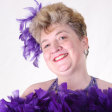

Raini Steffen
Inspiring Women to Turn Disruption into a Confident New Beginning
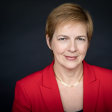
Nathalie Belanger
Empowering women to navigate the menopause minefield with technology and community.

Gloria Grace Rand
Empowering women over 50 to boldly live life their way

Di Kersey
I help midlife women who feel invisible reclaim their voice, presence, and influence, and be the echo of every voice that was never heard.

Dean Walters
Getting older is inevitable; feeling older is optional.

Kathy Baldwin
Empowerment by Unlearning the Crap: Leading Minds, Inspiring Souls for Collective Growth

Sarah Cormack
Using personalized nutrition to lose stubborn menopause weight, balance your hormones and help you look and feel like yourself again!

Jen Rigley
Rediscovering happiness in midlife after challenges & grief.

Teresa Syms
Empowering women over 50 to reclaim their personal power and design a confident, clear life using NLP, Time Line Therapy®, and Hypnotherapy
What Makes a Great Women over 50 Speaker
A powerful women over 50 speaker often blends authority with warmth. You might hear someone from the health world calmly explaining a complex concept in a way that finally makes sense, or an entrepreneur discussing the challenges of scaling a business in a global market with a level of ease that comes only from lived practice. The range is big, but the throughline is always relatability.
Another quality that separates the great ones is how they adapt their message to the audience. Whether they are speaking to a room of young founders, mid career executives, or a community group in a rural setting, they adjust tone and pacing without losing their voice. When a speaker can do that, the whole room stays connected.
Finally, great women over 50 speakers know how to create momentum. They guide listeners toward a next step, not by pushing, but by showing what is possible. That invitation keeps audiences coming back, wanting more conversation, more clarity, more leadership from someone who has earned their respect.
How to Select the Best Women over 50 Speaker for Your Show
1. Start by clarifying your show's goal. Is this session meant to inspire, educate, challenge conventional ideas, or give tactical strategy? Once you have a clear purpose, look for speakers whose expertise aligns directly with that outcome.
- If you want business growth insights, search for women over 50 speakers with entrepreneurship or leadership backgrounds.
- If the focus is resilience or wellness, find those with experience in health, mental wellbeing, or personal development.
2. Review the speaker's presence on Talks.co. Look at their speaker page, watch any clips available, and pay attention to how they communicate. Ask yourself: Does their style fit your audience? Do they bring energy or calm? Do they explain ideas clearly? Matching energy to audience expectations is one of the easiest ways to create a strong session.
3. Check their previous interviews or keynote topics. You want a speaker who can go deep, not just repeat generic talking points. See if they reference well known cases, real trends, or specific frameworks from fields like tech, education, sustainability, or entertainment.
4. Connect with them directly through Talks.co messaging. A short conversation can reveal whether they are collaborative, responsive, and open to shaping the topic with you. When a speaker communicates well in early planning, the final recording usually flows smoothly.
5. Confirm logistics early. Availability, time zone, prep calls, and format should all be discussed before you lock things in. If anything seems unclear, clarify before moving forward. This avoids surprises later and helps you make a confident selection.
How to Book a Women over 50 Speaker
1. Search for the speaker on Talks.co. Use the search filters to refine by topic, industry, and expertise. When you land on their speaker page, review their bio, signature topics, and any clips or testimonials.
- Look for content that aligns with your show's style.
- Make note of any topics you want to expand or customize.
2. Use the built in connection feature to send a booking inquiry. Include key details like your show's audience, preferred recording dates, intended discussion themes, and session length. This gives the speaker everything they need to assess the opportunity quickly.
3. Schedule a short alignment call. During the call, you can:
- Confirm topic direction.
- Discuss preferred question formats.
- Ask about any materials or prep resources the speaker might want.
- Clarify tech requirements, especially if you record remotely.
4. Finalize the agreement. Talks.co often handles this for you, so you can confirm payment terms, appearance details, and rights to use the recording. Make sure both sides understand how the content will be shared.
5. Prepare your audience and your script. As mentioned in the selection section, preparation shapes the quality of the final result. Send the speaker your intro, a loose outline, or any specific segments you plan to include so everything feels polished.
6. Record with confidence. When the planning is handled upfront, the session usually feels natural, focused, and enjoyable for both of you.
Common Questions on Women over 50 Speakers
What is a women over 50 speaker
In many cases, these speakers have established credibility through long term work in their field. They might be executives, educators, activists, authors, innovators, or community leaders. What makes the term specific is not only age, but the perspective that comes from navigating multiple life stages and professional transitions.
These speakers typically appear in interviews, summits, conferences, online shows, podcasts, and educational programs. Because they communicate from a position of maturity, their style tends to be grounded and direct, but they can be just as dynamic as younger speakers.
Their role is primarily to guide, explain, illuminate, or broaden a listener's understanding. Some break down complex issues, others focus on motivation or strategy, while some blend storytelling with actionable frameworks. The format varies, but the intention is always to bring something useful to the audience.
Why is a women over 50 speaker important
The growing number of global summits, virtual stages, and industry events has created more demand for speakers who can offer clarity within rapidly changing fields. A women over 50 speaker can draw from years of context, which helps audiences understand what is new, what is repeating, and what deserves attention.
In addition, representation matters in ways that influence entire communities. People from different backgrounds, ages, and industries want to see someone who looks like them or reflects their journey. A women over 50 speaker expands the range of voices available, which supports more inclusive conversations.
There is also a practical benefit. When topics like leadership succession, second career growth, health shifts, caregiving, entrepreneurship, and long term decision making come up, speakers with lived experience bring nuance that cannot be reconstructed artificially. This helps hosts provide programming that feels relevant to a wider audience.
What do women over 50 speakers do
They often deliver talks that unpack specific topics. For example, a cybersecurity expert might explain how digital risk has changed over several decades, while someone from the arts might explore creativity later in life. These talks can happen at conferences, inside companies, or through online shows.
Many women over 50 speakers also collaborate with hosts to shape conversations. They refine topics, suggest key angles, and help ensure an interview or keynote stays aligned with the audience's needs. This makes them valuable partners for show creators.
They may also educate through workshops, Q&A sessions, or panel discussions. These formats let them dive deeper into strategy or skill building. Some speakers use storytelling, others prefer frameworks or data driven explanations, and many switch between both depending on the setting.
In addition, women over 50 speakers often advocate for issues they consider crucial, such as age inclusion, gender equality, entrepreneurship access, or community development. When they speak, they help broaden the perspectives available in public dialogue, which supports more balanced conversations across industries.
How to become a women over 50 speaker
1. Clarify your niche and message. Decide what you want to be known for, and focus on a topic where your experience carries weight. Many women over 50 focus on leadership, reinvention, longevity, entrepreneurship, diversity, or health because they come with decades of practical insight. A clear message gives event hosts confidence in booking you.
- Tip: Look at popular events in your industry, then study the speakers and topics. Identify where your voice fills a gap.
2. Build your signature talk. A well crafted talk gives you consistency and helps you scale. Start by outlining a core transformation your audience should experience. Then refine your talk into a 20 to 40 minute version you can adapt for podcasts, summits, webinars, and conferences.
- Tip: Record yourself on video and get peer feedback so you strengthen delivery.
3. Create your speaker page. Platforms like Talks.co make it easy to set up a professional speaker profile that hosts can browse. Include a strong bio, topics you speak on, testimonials, your headshot, and a short video. This acts as your digital storefront.
- Tip: Add multiple talk descriptions so hosts see flexibility.
4. Start connecting with hosts and event organizers. You can connect through Talks.co, LinkedIn, industry groups, or direct outreach. Introduce yourself with a clear value proposition and examples of audiences you serve.
- Tip: Offer to speak at virtual events first to build momentum quickly.
5. Practice consistently and gather proof. After each talk, request testimonials and save any recordings. A short highlight reel becomes a powerful marketing asset.
- Tip: Use these assets to upgrade your visibility and command higher fees over time.
6. Expand your visibility. Once your foundation is set, pitch yourself to podcasts, virtual events, summits, and workshops. Virtual speaking is especially accessible for new women over 50 speakers because it removes travel barriers and opens global opportunities.
What do you need to be a women over 50 speaker
A strong message is the starting point. A compelling topic grounded in your experience helps audiences understand why your perspective matters. Many women over 50 have built careers in corporate leadership, wellness, education, finance, or creative fields, which translates naturally into speaking content. Clarity lets event hosts quickly identify where you fit.
You also need visible proof of your expertise. This can be a speaker page, a demo video, or testimonials from past engagements. Talks.co acts as a hub where you can centralize all these assets, connect with hosts, and build a track record. A digital presence increases trust because organizers want quick access to materials before booking you.
Another crucial component is the ability to tailor talks for different audiences. A good speaker understands how to shift tone or examples for corporate groups, nonprofits, community organizations, or online summits. Flexibility helps you book more events because hosts appreciate speakers who adapt.
Technical readiness is also part of the equation. For virtual speaking, you need reliable audio, lighting, and a clean background. For in person events, you should be comfortable with live delivery, time management, and audience engagement. These skills create a smooth experience for organizers and listeners.
Finally, you need a strategy for outreach. No matter how strong your expertise is, event hosts will not find you without visibility. Connecting with organizers, joining speaker directories, and listing yourself on platforms like Talks.co raises your profile and makes booking you easier.
Do women over 50 speakers get paid
Many organizations actively seek women over 50 because they bring depth and authority. Corporate events, diversity initiatives, leadership programs, and wellness conferences often allocate budgets specifically for experienced voices. These events usually pay more than community or volunteer based gatherings.
Common payment patterns include:
- Paid keynote fees.
- Honorariums for conferences or workshops.
- Virtual speaking payments that may be lower but more frequent.
- Hybrid arrangements such as fee plus travel or fee plus profit share.
There are some pros and cons. On the positive side, women over 50 tend to have established careers, which can justify higher fees. On the other hand, newer speakers in this age group might need time to build their public speaking brand if they are transitioning from another profession.
Overall, available speaking industry data indicates that experienced speakers often command between low three figures and high five figures per talk depending on influence level, audience demand, and topic relevance.
How do women over 50 speakers make money
Direct speaking fees are the most straightforward method. Keynotes at conferences, corporate learning days, and large summits tend to pay the highest. Virtual presentations pay less per event but offer repetition and scale.
Beyond fees, many women over 50 speakers earn from related services:
- Workshops or training programs.
- Coaching or consulting tied to their speaking topics.
- Book sales or book bundles included with event contracts.
- Licensing recorded content for online programs.
- Brand partnerships for events aligned with their message.
A mixed revenue model reduces financial volatility. For example, leadership speakers often combine keynote fees with corporate consulting packages, while wellness experts frequently sell online courses alongside speaking.
Platforms like Talks.co also create opportunities by helping speakers get booked more consistently, which stabilizes revenue. When hosts discover speakers through directories or curated lists, it shortens the path to negotiations and increases the chance of repeat bookings.
Across industries, women over 50 who develop multiple offerings often achieve higher annual income than those who only give talks.
How much do women over 50 speakers make
At the higher end, seasoned speakers with established reputations, published books, or media visibility can command fees ranging from 10,000 to 35,000 dollars. Celebrity status or major corporate influence can push fees even higher.
A few analytical points offer context:
- Virtual events typically pay 30 to 60 percent of in person rates.
- Corporate events pay more than nonprofit or education sectors.
- Leadership, diversity, and innovation topics generally produce higher fees.
- Speakers listed on platforms like Talks.co often negotiate more confidently because their profiles display clear demand.
Annual income depends on volume. A speaker giving 20 talks a year at an average of 5,000 dollars earns around 100,000 dollars, while those booking 40 to 50 virtual appearances at modest rates may also generate solid income. The flexibility allows women over 50 to scale according to their goals and availability.
While there is no universal number, the overall trend shows that women over 50 who position themselves strategically often earn competitive fees that reflect their experience.
How much do women over 50 speakers cost
Small events, local gatherings, or niche community programs might pay between 100 and 1,000 dollars. These events often work with limited budgets and may rely on speakers looking to build experience. Mid tier conferences or professional associations usually budget 1,500 to 7,500 dollars for speakers with established backgrounds.
Corporate events, international conferences, and major summits pay considerably more. Fees for high level women over 50 speakers often range from 10,000 to 35,000 dollars. Some well known figures may exceed this, especially if they have books, media presence, or large followings.
Factors that influence cost include:
- Topic demand, especially leadership or diversity.
- In person vs. virtual delivery.
- Requested customizations.
- Whether travel expenses must be added.
From a planning perspective, organizers should compare options using directories like Talks.co. Profiles often list fee ranges, making it easier to choose speakers within budget. Understanding typical costs ensures smoother negotiation and clarity when booking.
In summary, the cost varies widely but aligns with industry standards for professional speakers across age groups.
Who are the best women over 50 speakers ever
- Oprah Winfrey. A globally recognized communicator whose insights on personal growth and leadership have influenced audiences for decades.
- Brené Brown. Known for research on vulnerability and courage, her talks have reached millions across academic and corporate settings.
- Maya Angelou. Celebrated for her poetry and civil rights work, she delivered powerful speeches that continue to resonate.
- Angela Merkel. As a former German Chancellor, she has spoken widely on global policy, leadership, and resilience.
- Jane Goodall. Her conservation work and storytelling have inspired audiences around the world.
- Mel Robbins. With a relatable style and actionable strategies, she has become a leading voice in motivation and habit change.
- Arianna Huffington. Her focus on well being, performance, and leadership has shaped conversations in business and tech circles.
- Isabel Allende. A literary icon whose speeches often explore creativity, identity, and cultural heritage.
- Christiane Amanpour. Known for her journalism expertise, she speaks on media, global affairs, and social issues.
- Viola Davis. An influential actor and advocate who brings depth to discussions on representation, equity, and perseverance.
Who are the best women over 50 speakers in the world
- Michelle Obama. Known for her compelling communication and global influence on education, leadership, and empowerment.
- Indra Nooyi. Former PepsiCo CEO who speaks on strategy, business transformation, and leadership.
- Robin Roberts. A respected broadcaster whose talks highlight resilience, health advocacy, and career growth.
- Shonda Rhimes. A leading creative voice discussing storytelling, innovation, and workplace culture.
- Susan Cain. Renowned for insights on introversion, creativity, and organizational psychology.
- Margaret Atwood. A celebrated author whose commentary on society, creativity, and the future resonates worldwide.
- Ngozi Okonjo Iweala. As WTO Director General, she delivers powerful talks on economic development and global cooperation.
- Glennon Doyle. A prominent speaker on authenticity, personal strength, and social change.
- Joy Reid. Known for perspectives on politics, media, and culture.
- Reshma Saujani. Founder of Girls Who Code, she focuses on technology, inclusion, and leadership.
Common myths about women over 50 speakers
Another misconception is that technology becomes a barrier for women over 50 speakers. This assumption leans on stereotypes rather than facts. Many established experts in this age group run successful online memberships, speak on virtual summits, and produce podcasts. Think of well known thought leaders like Brené Brown or Oprah Winfrey who integrate technology into their outreach every day. Their digital presence helps them connect with wider and younger audiences.
You might also hear that event planners prefer speakers with huge social media followings. While follower count can help, decision makers in corporate events, nonprofits, and associations often prioritize clarity of message, experience, and ability to influence change. People over 50 often have decades of proven frameworks or methodologies that resonate with teams looking for direction.
There is also the belief that women over 50 speakers struggle to stay relevant. This falls apart once you look at industries like health tech, future of work, financial planning, and diversity leadership. These sectors rely on people who have navigated multiple economic cycles. Relevance comes from unique insights, not age. When a speaker can translate experience into stories and clear takeaways, relevance follows naturally.
Finally, some assume that women over 50 speakers limit themselves to traditional topics. In reality, they cover everything from AI ethics to esports culture to regenerative business models. The variety shows that curiosity and innovation do not fade with age, they expand over time.
Case studies of successful women over 50 speakers
Another scenario involves a former journalist who transitioned into public speaking after decades of covering political and cultural movements. In her mid 50s, she discovered that audiences responded strongly to her storytelling approach. She explains how narratives shape public perception, drawing on well known historical examples and international reporting. Her talks became frequent features at universities and professional conferences.
A different path comes from the wellness world. A yoga educator who started teaching in her 40s stepped onto the speaking circuit at 55. Instead of positioning herself as a guru, she focused on practical frameworks for stress management in busy workplaces. Her sessions blended approachable humor with science backed practices. Companies across Asia, Europe, and North America invited her to speak because her guidance resonated with mixed age teams.
You can also look at a social entrepreneur who launched community based economic programs. By the time she turned 50, she had two decades of grassroots leadership. When conferences began inviting her to explain how local initiatives create measurable long term benefits, she realized speaking could amplify her mission. Her talks highlight both successes and challenges, giving listeners a balanced view that feels real and usable.
Across these stories, the pattern stands out. Women over 50 speakers thrive when they lean into their history, connect it with present day challenges, and speak with clarity instead of trying to sound trendy. Their audiences respond because the message feels grounded and actionable.
Future trends for women over 50 speakers
Another shift involves demand for practical, experience rich insights. Industries such as climate solutions, financial wellness, leadership development, and ethical tech want perspective, not hype. As organizations look for guidance that lasts beyond a single quarter, speakers with decades of professional and cultural awareness become highly sought after.
Short form speaking opportunities are rising as well. Podcasts, LinkedIn audio events, online summits, and private membership communities want voices that can combine clarity with credibility. This format gives women over 50 speakers increased reach without requiring extensive travel.
Key trends include:
- Growing demand for intergenerational communication training.
- More virtual micro workshops led by seasoned experts.
- Expanded visibility for niche expertise, especially in sustainability, global leadership, and future of work topics.
- Increased focus on authenticity as audiences push back against polished but shallow content.
Looking ahead, women over 50 speakers who develop strong digital footprints, refine signature talks, and collaborate across generations will find themselves at the center of meaningful conversations in both public and private sectors.
Tools and resources for aspiring women over 50 speakers
1. Talks.co. A platform that connects speakers with podcast hosts. Ideal for building authority, testing messaging, and reaching global audiences.
2. Canva. Great for slide design and visual branding, offering templates that make keynote decks feel modern without overwhelming you with technical design work.
3. Zoom. A reliable tool for virtual workshops, practice sessions, and pre event briefings. Using its recording feature helps refine timing and delivery.
4. Google Workspace. Useful for organizing contracts, outlines, bios, and event assets in one place. Shared folders make collaboration with event teams smoother.
5. Calendly. Helps manage discovery calls with event planners while reducing email back and forth. The automation keeps your schedule clean.
6. YouTube Studio. Helpful for hosting talk samples or thought leadership clips. Short videos allow event planners to evaluate your style quickly.
7. Notion. A flexible workspace for tracking speaking leads, developing talk scripts, organizing stories, and managing follow up workflows.
Using these tools consistently gives aspiring women over 50 speakers a streamlined path to building presence, gaining confidence, and connecting with the right events without feeling scattered.
