Women Self-confidence Speakers
Some days you know exactly what your audience needs, and other days you stare at your event plan wondering who can bring real clarity and confidence to the room.
If you have ever tried searching for women self-confidence speakers and felt unsure about what they actually cover or how to choose the right one, you are in good company.
The options seem endless, but finding someone who fits your tone, goals, and format should not feel confusing.
These speakers focus on practical confidence, not abstract ideas.
They talk about real experiences, mindset habits, communication, and the everyday challenges your audience deals with.
I have seen how much people respond when a speaker offers simple advice they can actually use, especially in environments that can feel high pressure.
Whether you are planning a conference segment, a podcast interview, a YouTube conversation, or a virtual summit, the right voice helps your audience feel more grounded and capable.
Here, you will get a clear sense of what these speakers do, who they serve, and why they might be a good fit for your next session.
Take a look through the featured women self-confidence speakers and find someone who fits what you want to create.
Top Women Self-confidence Speakers List for 2026
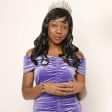
Alyson Longe
Master public speaking (in person & on livestream), speak with authority, and turn your voice into income.
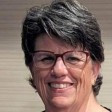
Lori Danecke
Empowering women 40+ to thrive and transform their lives

Raini Steffen
Inspiring Women to Turn Disruption into a Confident New Beginning

Kathy Baldwin
Empowerment by Unlearning the Crap: Leading Minds, Inspiring Souls for Collective Growth

Tara Geraghty
TEDx Speaker and Confidence Coach teaching women how to rise, rebuild, and reclaim their power.

Kait Richardson
Helping women fuel their bodies so they can fuel their lives- at work, home, and everywhere in between!

Stacy Brookman
Helping women leaders ditch self-doubt and own their power in every room they step into.

Elizabeth King
Empowering voices, igniting confidence, transforming presentations!

Trish Springsteen
From invisible to unforgettable: Let your confidence shine.

Sandra Lawton
On a mission for everyone to be happy in life!
What Makes a Great Women Self-confidence Speaker
Take a moment to imagine someone stepping on stage and immediately creating a sense of trust. That happens when a speaker owns her story... not by dramatizing it, but by giving it shape, context, and meaning. Some speakers use lessons from entrepreneurship, others from education or sports. What matters is the willingness to be specific and relatable. Audiences connect quickly when they hear challenges described in concrete ways they recognize from their own lives.
The real magic shows up when a women self-confidence speaker moves from storytelling to transformation. Instead of stopping at inspiration, she offers ideas people can use immediately, like reframing self doubt, resetting internal language, or building small habits that create momentum. People leave thinking differently, and that shift sticks.
What ties it all together is authenticity. Not perfection, not polish, but authenticity. When a speaker is comfortable enough to show both the progress and the process, the entire room relaxes. That dynamic energy is what allows a women self-confidence speaker to spark breakthroughs in individuals, teams, and groups of every size.
How to Select the Best Women Self-confidence Speaker for Your Show
1. Define the transformation you want your audience to experience.
- Think about whether you want practical mindset shifts, emotional empowerment, or tactical frameworks. For example, a corporate audience may need confidence strategies tied to leadership communication, while a community-oriented event may focus more on personal courage or self belief.
2. Review speaker materials that show depth and consistency.
- Explore their Talks.co speaker page, videos, session outlines, or podcast interviews. Look for clear positioning and repeatable messages. You want someone who knows how to take confident communication and turn it into a structured message.
3. Evaluate how well their style fits your show.
- Some speakers are conversational and spontaneous. Others are polished and highly structured. Match their energy to your format, whether it is a virtual summit, a panel, a podcast, or a live event. Hosts on Talks.co often comment on how helpful it is to preview short clips to get a feel for delivery.
4. Check audience alignment and social proof.
- Look for feedback from a mix of settings, like tech companies, local organizations, or international conferences. A strong women self-confidence speaker adapts easily across cultures, industries, and age groups.
5. Open a clear line of communication.
- Before making your choice, send a thoughtful message through Talks.co or email. Ask specific questions about their approach, run-of-show preferences, or customization. Their responsiveness tells you a lot about how smoothly your collaboration will run.
How to Book a Women Self-confidence Speaker
1. Start by reviewing potential speakers on platforms that connect hosts and guests.
- Sites like Talks.co streamline the search because you can filter by topic, style, and expertise. Each speaker page usually includes videos, bio details, and availability notes.
2. Reach out with a concise inquiry.
- Include details like your show's purpose, audience demographics, format, and preferred dates. Give the speaker context so she understands the angle you want to take. Many booking requests get faster responses when they are specific.
3. Clarify expectations early.
- Discuss timing, topic focus, Q and A style, and promotional responsibilities. For podcasts or summits, confirm whether you expect slides, stories, or actionable frameworks. For corporate sessions, align on internal language and sensitivities.
4. Confirm logistics.
- Lock in tech requirements, recording preferences, and scheduling details. If you are hosting virtually, run a quick pre event check to avoid surprises. If you're hosting live, share venue info, arrival instructions, and agenda flow.
5. Finalize with a simple agreement.
- Even a short written confirmation helps both sides stay aligned. Include payment terms if applicable, deadlines, and promotional guidelines. As mentioned earlier in the section about selecting speakers, clarity upfront always leads to a smoother collaboration.
6. Keep the communication warm and ongoing.
- A women self-confidence speaker often tailors her message more effectively when she understands your community. Share past episodes, audience preferences, or common challenges so she can shape content that truly resonates.
Common Questions on Women Self-confidence Speakers
What is a women self-confidence speaker
Unlike general motivational speakers, a women self-confidence speaker centers her message around the psychology and behavior patterns that influence how people show up at work, at home, and in personal relationships. This can include mindset strategies, communication techniques, boundary setting, or visibility skills. The range is wide, but the core remains the same... guiding people to trust themselves more.
A useful way to understand the role is to look at how they operate in different settings. In a corporate environment, they might speak about confidence in leadership or decision making. In education, they may focus on young women developing their identity and voice. In entrepreneurial circles, the focus often shifts to resilience and power when navigating uncertainty.
The essence of the role is clarity. A women self-confidence speaker helps people understand why confidence matters and how to build it intentionally rather than hoping it appears on its own.
Why is a women self-confidence speaker important
Confidence is often misunderstood as personality or charisma. A women self-confidence speaker breaks that misconception by explaining confidence as a learned skill that anyone can strengthen. This shift in perspective allows people who once believed confidence was out of reach to start building it piece by piece.
Different audiences require different approaches. For example, women in rural business settings might struggle with community expectations, while women in global tech roles might face cultural gaps or bias. A women self-confidence speaker tailors strategies to the specific context, helping people identify the obstacles unique to their environment.
Strong confidence directly affects leadership, communication, career advancement, and personal wellbeing. When someone learns how to express themselves more clearly and trust their judgment, ripple effects shape teams, families, and entire organizations.
What do women self-confidence speakers do
One core responsibility is education. They deliver insights drawn from psychology, personal development frameworks, and real organizational examples. Many integrate research from fields like positive psychology or behavioral science to make their lessons more relevant and applicable.
Another key function is facilitation. During events, workshops, or virtual sessions, women self-confidence speakers lead exercises that prompt reflection and skill building. This might include guided prompts, short interactive challenges, or communication drills suited for beginners or seasoned leaders.
They also help organizations and communities develop long term confidence cultures. For instance, in corporate settings, a speaker may work with HR teams to reinforce visibility programs. In nonprofits, they may support initiatives that empower young women developing self expression. Their influence often goes beyond the stage by shaping how groups think, speak, and act in their daily environments.
How to become a women self-confidence speaker
1. Clarify your core message.
- Identify the transformation you help women achieve. Maybe it is confidence in leadership, entrepreneurship, or personal identity. The clearer your message, the easier it is for event hosts to understand exactly where you fit.
- Look at well known speakers in adjacent niches to see how they differentiate themselves.
2. Build credibility through content.
- Record short videos, host livestreams, or publish articles with concrete strategies that boost self-confidence. Examples could include frameworks for reframing negative self-talk or models for building assertive communication skills.
- Add these to your speaker page on platforms like Talks.co so hosts can preview your style.
3. Practice in low pressure environments.
- Community groups, online summits, internal company events, and university clubs are great early stages. These settings let you test your delivery techniques, refine timing, and gather testimonials.
- Ask organizers for written feedback you can repurpose on your speaker profile.
4. Build connections with podcast hosts and event organizers.
- Many virtual and hybrid events look for voices that elevate confidence topics. Reaching out to them through Talks.co helps bridge the gap between speakers and hosts.
- Lead with what you can contribute rather than what you want to receive.
5. Create a compelling speaker kit.
- Include your bio, key talk titles, audience takeaways, photos, and links to past recordings. Keep the focus on outcomes such as improved self trust or enhanced personal leadership.
- Update it as you grow and add new expertise.
Following these steps helps you steadily build visibility and authority, which sets the foundation for a strong speaking career.
What do you need to be a women self-confidence speaker
One crucial element is subject matter clarity. You need a focused perspective on confidence. Some speakers specialize in corporate empowerment, while others focus on emotional resilience or navigating societal expectations. This positioning helps event hosts quickly identify how you can serve their audience.
Another key requirement is communication skill. You do not need theatrical performance abilities, but you should be able to deliver ideas with energy, clarity, and direction. Many new speakers refine this by recording themselves, analyzing tone, and adjusting pacing. If you want to grow your opportunities, platforms like Talks.co allow you to host a speaker page that showcases your delivery style.
You also need supporting assets that demonstrate credibility. This includes testimonials, video clips, an organized speaker invoice template, and a well written bio that highlights your expertise without over exaggeration. Confidence speaking is often rooted in psychological principles and mindset strategies, so having familiarity with evidence based frameworks adds depth.
Finally, you need a willingness to connect with organizers and hosts. Many events rely on trusted introductions. Using tools that connect hosts and guests helps you remove friction in the process and makes you discoverable to a wider audience. Consistent communication and reliability go a long way in getting repeat invitations.
Do women self-confidence speakers get paid
From an analytical standpoint, beginner speakers often start with unpaid or low paid opportunities as they build a portfolio. As soon as they accumulate testimonials, a speaker page with polished video clips, and a clear niche, fees typically increase. Industry surveys from speaking associations often report that personal development speakers fall into mid range compensation brackets compared to highly technical or corporate consulting experts.
Some speakers supplement payment with travel coverage or merchandise sales. Others accept unpaid sessions if the audience size or level of visibility is high enough to justify the opportunity.
Pros:
- Payment is common once a speaker has proof of audience impact.
- Virtual events reduce travel expenses and increase earning consistency.
- Corporate settings often pay above industry averages.
Cons:
- Early stage speakers may struggle to secure consistent paid work.
- Some nonprofit events have limited budgets.
- Market saturation can create competition for similar topics.
Overall, women self-confidence speakers do get paid, especially when they position themselves strategically and present themselves professionally.
How do women self-confidence speakers make money
Speaking fees remain a central income pillar. Conferences, corporate retreats, leadership programs, and online summits regularly hire empowerment focused speakers. Virtual speaking often allows for more frequent engagements since travel is not involved. Videos of past sessions on a Talks.co speaker page make it easier for hosts to evaluate their fit.
Many speakers also monetize through training programs. These can include confidence courses, membership communities, group coaching programs, or digital downloads. This model works well because audience members who resonate with a talk often want deeper guidance.
Another revenue avenue is brand partnerships. Companies that focus on wellness, leadership, or women focused initiatives frequently collaborate with speakers for campaigns or workshops. These opportunities tend to have higher payouts due to marketing budgets.
Other common revenue sources include:
- Books or workbooks.
- Licensing a signature confidence framework.
- Private coaching packages.
- Retreats or intensives.
By blending these revenue streams, speakers reduce income fluctuations and create multiple ways to benefit from a single core message.
How much do women self-confidence speakers make
Entry level speakers often earn between 0 and 1500 dollars per event. This is common for newer speakers who rely on visibility opportunities to build a portfolio. Mid level speakers with established branding, a clear framework, and high quality video assets often earn 1500 to 7500 dollars per talk.
Highly experienced or celebrity level speakers can earn anywhere from 10000 to more than 50000 dollars per keynote. These speakers generally have best selling books, large communities, or media visibility, and their content often integrates research based frameworks.
Factors influencing earnings include:
- Event budget size.
- Corporate vs. nonprofit settings.
- Whether travel is required.
- Audience size and event impact.
- Additional deliverables such as workshops or panel sessions.
When speakers build ongoing relationships with hosts through platforms that connect guests and event organizers, they often secure recurring engagements, which leads to more consistent income over time.
How much do women self-confidence speakers cost
Typical cost ranges:
- Emerging speakers: 500 to 2000 dollars.
- Mid tier professionals with strong branding: 2000 to 10000 dollars.
- High demand or well known experts: 10000 to 50000 dollars or more.
Virtual events usually cost less because travel and accommodation are not involved. However, some established speakers maintain the same rate for virtual and in person talks because the value of their intellectual property remains unchanged.
Organizations often consider several analytic factors when determining if a speaker's cost is justified:
- Expected audience size.
- Relevance of the topic to strategic goals.
- Whether the speaker includes Q and A, workshops, or breakouts.
- The quality of previous recordings on their speaker page.
In many cases, speakers offer tiered pricing packages, which helps hosts match the session format to their budget.
Who are the best women self-confidence speakers ever
- Oprah Winfrey. Widely recognized for empowering messaging and global influence.
- Brené Brown. Known for research driven insights on vulnerability and courage.
- Iyanla Vanzant. Celebrated for direct, transformative communication.
- Mel Robbins. Recognized for accessible confidence building tools.
- Lisa Nichols. A standout motivational voice with strong storytelling skills.
- Marianne Williamson. Influential author and speaker with a long history in personal development.
- Robin Sharma. Often included in confidence and leadership conversations despite being gender diverse in focus.
- Cheryl Strayed. Known for resilience based messages that build self belief.
- Tara Brach. Popular for integrating mindfulness with emotional self trust.
These figures have shaped public conversations about confidence, personal leadership, and inner strength in different ways.
Who are the best women self-confidence speakers in the world
- Brené Brown. Her research and delivery style resonate across cultures.
- Mel Robbins. Frequently engaged for corporate and global virtual events.
- Luvvie Ajayi Jones. Known for boldness and cultural commentary tied to confidence.
- Marie Forleo. Blends entrepreneurship with confidence building strategies.
- Jay Shetty. Often featured at global events, with strong relevance to mindset and self belief.
- Gabby Bernstein. Popular in wellness and spiritual confidence circles.
- Angela Duckworth. Integrates grit and perseverance with self-confidence themes.
- Bozoma Saint John. Corporate leader known for impactful confidence driven keynotes.
- Priyanka Chopra Jonas. Routinely speaks on identity, empowerment, and global women's issues.
- Reshma Saujani. Advocate for girls and women in tech with confidence building messages.
These speakers reach audiences through conferences, digital platforms, and large organizations worldwide.
Common myths about women self-confidence speakers
Another misconception claims that women self-confidence speakers only focus on surface level motivation. The reality looks different. Many of these speakers weave research backed psychology into their work, referencing studies on cognitive reframing or self efficacy. Some build programs for corporate groups navigating imposter syndrome, while others tailor content for entrepreneurs strengthening negotiation skills. Their focus goes far deeper than short lived enthusiasm.
A third idea suggests that women self-confidence speakers only resonate with women. In practice, audiences are far more diverse. Topics like personal agency, communication clarity, or mindset shifts cut across gender, industry, and cultural settings. You will find men in leadership teams benefiting from the same frameworks that help young women entering competitive fields.
There is also the view that women who speak on self confidence must have everything sorted internally. This assumption ignores the truth that most speakers continue to refine their own confidence strategies. Many rely on coaching, peer masterminds, or feedback cycles. Their credibility comes from refining the same tools they share with others.
Finally, some people believe that the career path for women self-confidence speakers is limited. In reality, they appear across entertainment, corporate consulting, education, sports, and startup ecosystems. The opportunities range from keynote stages to online summits to micro communities built through social platforms. Their reach can be global or hyper local depending on their approach.
Case studies of successful women self-confidence speakers
In another part of the world, imagine a speaker invited to a Latin American leadership event focused on community development. She uses storytelling to show how confidence shapes public advocacy. The narrative moves through real world moments involving local business owners, policy groups, and youth leaders. Her talks help people see confidence as something connected to everyday influence, not just big speeches.
A third example comes from the entertainment industry. A speaker working with young performers in Los Angeles shares techniques for handling rejection and maintaining self trust. She walks them through real casting scenarios, helping them notice internal narratives that can derail performance. Her ability to pair emotional insight with practical rehearsal routines leaves a strong impact.
Then you might picture a speaker connecting with healthcare workers in rural areas of India. Her focus stays on micro habits that build internal steadiness in demanding environments. She avoids abstract concepts and instead uses descriptive moments from typical clinic routines. The mix of clarity and empathy brings her audience right into the story.
Across these settings, each speaker uses confidence as a lens even though the environments look completely different. That variety is what shapes their long term success.
Future trends for women self-confidence speakers
Hybrid delivery is also becoming more common. Many organizations prefer a combination of virtual workshops and short in person intensives. This allows teams in multiple locations to access the same speaker without huge travel budgets. For speakers, it opens more consistent revenue streams without relying solely on large conferences.
A growing trend involves cross industry collaboration. Speakers partner with mental health professionals, leadership coaches, UX designers, or human resource strategists to build content that blends confidence with practical skills. This approach resonates strongly with people in corporate roles and small business environments alike.
Key trends include:
- Modular content formats that fit into ongoing employee development programs.
- Multilingual delivery options for global companies.
- Increased collaboration with podcast hosts and online summits.
- Audience specific micro courses designed for niche groups.
These patterns point toward a future where women self-confidence speakers operate more like strategic partners than one time presenters. The focus leans toward building long term growth cycles for their audiences.
Tools and resources for aspiring women self-confidence speakers
1. Talks.co. A matching platform that helps speakers connect with podcast hosts. This works well for new speakers aiming to refine their voice in conversational formats.
2. Canva. Useful for designing presentation slides, social posts, and workshop materials. It helps speakers maintain brand consistency without hiring a designer.
3. Descript. A tool for editing audio and video. Great for refining practice sessions or producing short video clips for social media.
4. Notion. Many speakers use it to organize talk outlines, manage bookings, and track content ideas. It works for both beginners and advanced speakers.
5. Zoom. Essential for hosting virtual workshops or live training sessions. Speakers can use breakout rooms to build engagement.
6. LinkedIn Learning. Offers courses on communication, performance anxiety, and personal leadership. These modules help speakers strengthen foundational skills.
7. Eventbrite. Helpful for listing small workshops or confidence bootcamps. It gives new speakers a structured way to test material with real audiences.
8. Grammarly. Supports clarity and tone adjustments for scripts, outreach emails, and workshop materials.
Using a mix of these tools gives aspiring women self-confidence speakers a strong base for content creation, skill refinement, and audience building.
