Zoom Meetings Speakers
Some online sessions feel lively and easy, while others drift off after a few minutes.
If you have ever tried to fix that issue, you have probably wondered how to find zoom meetings speakers who can actually hold attention and keep a virtual room moving.
It is surprisingly tough to figure out who fits your style, your audience, or the tone you want.
And with so many options, how do you even compare them?
Zoom meetings speakers bring a mix of clarity, presence, and timing that works well on camera.
They understand how people listen through a screen and how to keep things steady even when energy drops.
I have seen how much smoother an event can feel when the person leading it knows how to connect quickly and keep things simple.
That skill matters whether you are planning a summit, a company update, a podcast recording, or a community session.
Here, you can explore speakers who focus on virtual communication, audience engagement, and practical takeaways.
Each profile helps you decide who fits your event without digging through endless clips or descriptions.
Take a look and find the zoom meetings speakers who match what you need, or go ahead and book someone for your next session.
Top Zoom Meetings Speakers List for 2026

Alfred Poor
Empowering Executives for Impactful Video Presentations and Success!

Christiaan Willems
How to NOT to come across as a 'Complete Dick' in your Business Videos

Sunil Godse
Unlock success with intuitive brand power: outpace the competition in 14 seconds or less.

John Gale
20 years of tech experience, 12 in Silicon Valley: perfect for high-tech startups.

Steve Sapato
The most famous unfamous Emcee in America

Janelle Anderson
Unleash Your Potential: Elevate Your Business with Virtual Events

Lisa Giesler
Uncluttered and Finding joy and purpose in life's

Donna Riccardo
Empowering voices, transforming talks—let's get to the point!

Robert Hartline
Dynamic entrepreneur with inspiring stories of both failure and success - guaranteed to keep your audience engaged!
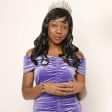
Alyson Longe
Master public speaking (in person & on livestream), speak with authority, and turn your voice into income.
What Makes a Great Zoom Meetings Speaker
You might have noticed how certain speakers keep you glued to your chair even during long sessions. They pace their delivery, break up complex ideas, and let their personality seep through without forcing it. Whether you're watching someone from the tech world unpack AI trends or a wellness expert guiding a simple breathing exercise, the speakers who stand out know how to adjust their style based on the moment. They treat the lens like another person rather than a barrier.
What really separates the pros is the way they read the virtual room. Even without hearing every attendee's voice, they pick up cues from the chat, the pauses, or the sudden quiet. They adapt. They slow down. They lean in. They make everyone feel like the session was designed just for them.
And then there is clarity. Not just clear audio, but clear thinking. A great zoom meetings speaker trims away the fluff. They speak with purpose, stay focused on what matters, and help the audience walk away with something useful, whether it's a strategy shift or a simple mindset tweak. Consistency gives them credibility.
So when we talk about greatness in the virtual speaking world, it is not about perfection. It's about presence, clarity, and a human connection that manages to cut through bandwidth limitations and pixelated screens.
How to Select the Best Zoom Meetings Speaker for Your Show
1. Define the outcome you want.
- Think about the transformation you want your audience to experience. Is it education, motivation, inspiration, or a tactical breakthrough? Be specific.
- For example, a SaaS founder audience might need someone who can break down market positioning, while a non profit audience might respond better to a communicator who focuses on storytelling.
2. Review the speaker's digital footprint.
- Check their talks, interviews, and appearances on platforms like Talks.co and YouTube. Pay attention to how they interact with virtual hosts and audiences.
- Look at their speaker page if they have one. Strong pages often list topics, outcomes, and clips that show how they perform in different scenarios.
3. Evaluate how they fit your show's culture.
- Some shows thrive on friendly banter, while others lean on sharp, insightful conversation. Make sure the speaker matches the tone you want.
- If your event connects hosts and guests in a roundtable format, confirm that the speaker can collaborate rather than dominate.
4. Confirm logistics early.
- Check availability, tech setup, and timezone compatibility. A smooth speaker who handles their own equipment well is worth gold.
5. Test compatibility with a short call.
- A quick preview chat tells you more than a polished bio ever will. Notice how easy the conversation feels and whether their energy aligns with your audience.
By following this sequence, you replace guesswork with clarity, and you increase the chances that your show delivers a standout experience.
How to Book a Zoom Meetings Speaker
1. Start by identifying your top candidates.
- Use platforms like Talks.co, event directories, or industry communities to gather a shortlist. Look for speakers who already have clips or interviews that match your style.
- If they have a speaker page, review it to understand their topics, availability, and pricing structures.
2. Reach out with a clear invitation.
- A short, direct message works best. Include the show's name, its audience, the expected format, and why you think they fit.
- Mention specifics. For example, if your event focuses on helping hosts and guests collaborate more effectively, explain how their expertise supports that mission.
3. Discuss logistics in one focused conversation.
- Cover technical setup, timing, and any pre recording or rehearsal needs.
- Confirm whether they require slide sharing, co hosting, or breakout rooms. Virtual events flow better when expectations are set early.
4. Finalize details in writing.
- A simple agreement helps both parties stay aligned. Include topic, timeframe, tech requirements, compensation, and promotion plans.
5. Keep the communication warm leading up to the event.
- Send reminders, share run of show details, and offer support if they need help testing their setup. Smooth communication builds trust and increases the chance of a great session.
Following steps like these ensures that your booking process feels organized, predictable, and friendly... which is exactly what busy speakers appreciate.
Common Questions on Zoom Meetings Speakers
What is a zoom meetings speaker
A zoom meetings speaker typically shares expertise on a defined topic. That could be marketing strategies, leadership, health, education, or almost anything you can imagine. The key is that they show up prepared to inform or engage a group of people who are tuned in to hear from them.
Unlike traditional in person speakers, virtual presenters must navigate the unique challenges of speaking through a webcam. They need to think about lighting, sound, pacing, and how to build interaction even when participants may have their cameras off. These skills make the role distinct from standard on stage speaking.
A zoom meetings speaker also contributes to the structure of the meeting itself. They help shape the agenda, provide clarity on session flow, and sometimes lead Q and A segments or guided discussions.
Because virtual communication has grown globally, the role has become increasingly recognized across industries, from corporate training to online summits to community education sessions.
Why is a zoom meetings speaker important
A skilled zoom meetings speaker helps participants digest information more easily. They provide structure, clarity, and consistent direction. That matters whether the audience consists of remote employees, entrepreneurs learning a new tool, or students preparing for exams.
Another reason these speakers are crucial is that they elevate the overall event experience. Well prepared presenters bring energy, examples, and clarity that encourage people to stay engaged from start to finish. They can shift the tone with the way they explain ideas or introduce new concepts.
They also save hosts time. Instead of improvising on the fly or trying to handle every segment of a meeting themselves, hosts can rely on a speaker to take the lead. This improves the quality of the session and reduces stress for everyone involved.
Finally, zoom meetings speakers help build credibility for your show or event. When your audience sees that you bring in strong communicators, they associate your brand with professionalism and value.
What do zoom meetings speakers do
The first task is content delivery. Speakers prepare structured material that aligns with the event's goals. This could be a workshop on customer growth, a talk on shifting market trends, or a training session on productivity tools. They present this in a way that is easy to follow.
Next comes audience engagement. Zoom meetings speakers interact with attendees through chat responses, polls, Q and A sessions, or real time feedback. This keeps people involved and makes the event more dynamic.
They also manage pacing within the session. Whether the meeting is short or extended, they break information into digestible parts and guide transitions between topics. This helps prevent the common issue of online fatigue.
Another role is supporting the technical flow. Speakers coordinate screen sharing, audio checks, and timing cues with the host. They make sure their setup is clear and professional so the audience can focus on the message rather than the tech.
Finally, zoom meetings speakers contribute to the strategic success of events by offering clarity, structure, and a compelling voice. Their involvement helps transform a basic virtual meeting into an experience that people remember and recommend.
How to become a zoom meetings speaker
1. Define your topic and audience.
- Pick a specific topic that aligns with your expertise. For example, remote leadership, online sales, community engagement, or digital wellness.
- Identify who you help. This could be small business owners, coaches, HR teams, educators, or local nonprofits.
- A clear topic and audience makes it easier for hosts on platforms like Talks.co to understand where you fit.
2. Build a strong speaker page on Talks.co.
- Upload a focused bio that highlights expertise without using generic buzzwords.
- Add a short demo video, even if it is recorded on Zoom. Hosts want to see your delivery style, energy, and clarity.
- Include your topics, bullet point takeaways, and suggested formats like fireside chats, Q&A, or short workshops.
3. Create content that showcases your voice.
- Share short clips, insights, or frameworks on social platforms that your audience uses.
- Write simple posts or articles about challenges your audience faces... this helps event hosts assess your approach.
- Record a few mini presentations to warm up your delivery style.
4. Connect with event hosts and meeting organizers.
- On Talks.co, browse hosts who run online discussion rooms, virtual summits, networking sessions, or training events.
- Send clear, short outreach messages describing your topic and outcome. Example: 'I help remote teams improve collaboration using a simple 3 step framework.'
- Offer a short intro session first. Hosts appreciate low risk ways to get to know your work.
5. Refine your delivery for Zoom.
- Practice using features like chat prompts, breakout rooms, screen sharing, and polls.
- Build a repeatable structure so each talk feels polished, even if it is casual.
- After each session, request quick feedback to improve your timing, clarity, and engagement.
When you follow these steps, you position yourself as a reliable guest who is easy for event hosts to book and promote.
What do you need to be a zoom meetings speaker
At the core, you need a topic that solves a recognizable problem. This could be industry specific, such as customer retention for ecommerce, or a broader skill like productivity for remote workers. A well defined topic makes it easier for hosts on Talks.co to match you with events. A well organized speaker page also makes you more discoverable because hosts can quickly understand what you deliver.
You also need a clean and reliable tech setup. This does not need to be high end. A quiet room, a decent microphone, moderate lighting, and stable internet are the essentials. Many speakers use a simple USB mic and an inexpensive ring light. The goal is not cinematic quality, it is clarity.
Equally crucial is a repeatable structure for your presentations. A zoom meetings speaker benefits from having a flexible framework, such as a three part teaching outline or a problem-solution-action formula. This helps you stay focused even when the conversation shifts or attendees raise unexpected questions.
Finally, you need a place where hosts can find and book you. A Talks.co speaker page works well for this because it centralizes your topics, your bio, and your availability. When a host is searching for guests, a clean profile increases your chances of getting invited.
Do zoom meetings speakers get paid
In corporate training and professional development events, fees are common. Companies often allocate budgets for remote learning sessions. In these cases, zoom meetings speakers may receive structured compensation based on hourly rates or package deals. For smaller community driven events or volunteer based groups, payments are less consistent.
Several factors influence whether speakers are paid:
- Industry budgets. Tech, finance, and healthcare tend to pay more.
- Audience type. Professional groups often have speaker fees, while casual meetups usually do not.
- Experience level. Established speakers with clear results command higher demand.
- Topic type. Specialized subjects like compliance, cybersecurity, or data analytics are more likely to be compensated.
Data from various virtual event marketplaces shows that roughly 40 to 60 percent of online sessions offer direct payment. Hybrid models, where speakers gain leads, exposure, or cross promotion instead of fees, are also common. As the virtual speaking world matures, the proportion of paid sessions is likely to increase.
How do zoom meetings speakers make money
The traditional approach is direct payment. Companies, associations, and conferences pay speakers for talks, training, and private sessions. Rates vary by industry, but corporate events tend to offer the strongest budgets.
A second income path is lead generation. Many zoom meetings speakers use their sessions to attract clients for consulting, coaching, or premium programs. This works well in fields like marketing strategy, personal development, HR optimization, or sales training. A short Zoom session can convert into high value service contracts.
A third approach is selling digital products. Speakers often reference courses, templates, memberships, or toolkits during sessions. If the talk aligns with the product, conversion rates can be strong.
Additional revenue sources include:
- Affiliate partnerships.
- Sponsorships for webinars or mini series.
- Paid interviews or panel appearances.
- Licensing training content to organizations.
This mix gives speakers flexibility, particularly if some sessions are unpaid but offer strong exposure to the right audience.
How much do zoom meetings speakers make
Entry level speakers, such as new coaches or educators, often make between 0 and 250 dollars per session. Many use these early sessions to build a portfolio or attract clients. Mid level experts with a clear framework or specialized topic may earn 250 to 1500 dollars per appearance, especially when addressing business audiences.
High demand specialists, including well known authors or consultants, can earn 1500 to 5000 dollars for a single Zoom presentation. In rare cases, particularly in tech, leadership, or health policy, distinguished speakers may exceed that range.
Several variables affect the rate:
- Length of the session.
- Customization requirements.
- Whether breakout rooms or interaction design is included.
- Licensing for recorded replays.
- Industry budgets.
Because Zoom formats are flexible, speakers often combine smaller fees with additional revenue sources such as product sales or private coaching packages.
How much do zoom meetings speakers cost
For community groups, local associations, and early stage startups, the typical cost is 0 to 300 dollars. These events prioritize accessibility and may offer promotion instead of fees. Mid sized companies and industry groups usually pay 300 to 2000 dollars for experienced speakers who provide structured content.
Corporate leadership teams, HR departments, or training divisions commonly invest 2000 to 5000 dollars for high quality sessions. These events often require customization and follow up materials.
Costs can also include:
- Pre event planning calls.
- Slide preparation.
- Use of recordings.
- Interactive components like breakout activities.
- Multi session packages.
Event hosts should consider the value of expertise rather than just the appearance length. Sessions that help attendees solve clear problems tend to justify higher fees.
Who are the best zoom meetings speakers ever
- Simon Sinek. Known for leadership insights that translate well into virtual discussion formats.
- Mel Robbins. Brings high energy and practical advice that fits short Zoom sessions.
- Gary Vaynerchuk. Effective at interactive Q&A formats and digital audience engagement.
- Brené Brown. Offers research backed ideas with a calm, connected presence.
- Seth Godin. Known for simple clarity and effective storytelling in remote environments.
- Eric Thomas. Delivers motivational content with direct, powerful language.
These speakers demonstrate skills that zoom meetings speakers can model, such as concise framing, interactive pacing, and relatable examples.
Who are the best zoom meetings speakers in the world
- Jay Shetty. Known for accessible insights and strong virtual presentation structure.
- Amy Porterfield. Highly effective at teaching in Zoom based workshops on digital business.
- Neil Patel. Delivers clear, actionable marketing advice that works well in remote settings.
- Carla Harris. A respected voice on leadership and workplace dynamics.
- Adam Grant. Combines research with digestible frameworks suited for online events.
- Jasmine Star. Engages entrepreneurial audiences with strategic yet approachable content.
- Chris Voss. His negotiation training translates extremely well into interactive Zoom practice sessions.
These speakers excel because they adapt to virtual formats instead of treating them as a downgrade from live events.
Common myths about zoom meetings speakers
Another misconception suggests that only high energy personalities can thrive on camera. This overlooks the wide range of presenters who resonate with different audiences. Tech educators, meditation instructors, policy analysts, and community organizers often speak calmly, yet they keep their listeners fully engaged through clarity and intentional pacing.
Some people assume that success requires a large social media following before anyone takes a speaker seriously. Event organizers often care more about the speaker's focus, the specificity of their expertise, and how well they address the audience's challenges. A small but engaged network can actually be more persuasive if the speaker demonstrates measurable results.
There is also a belief that virtual speaking is easier than in person speaking. While travel is removed from the equation, presenters manage camera angles, platform tools, chat interactions, and unpredictable tech conditions. Many seasoned speakers prepare even more deeply for online sessions because the audience expects a smooth and well structured flow.
Finally, some think that virtual talks feel inherently impersonal. This ignores how many speakers create strong connections through direct questions, short interactive polls, or simple check in prompts. When the format is used intentionally, it can feel surprisingly conversational and intimate for groups of all sizes.
Case studies of successful zoom meetings speakers
Another example comes from a health educator who regularly spoke to rural communities. His sessions were held on low bandwidth settings, so he simplified visuals and focused on clear verbal guidance. Participants often invited friends or relatives because the sessions felt useful, not overwhelming. This approach helped him expand beyond local groups into regional networks.
In a different setting, an entertainment industry consultant built momentum by hosting live breakdowns of streaming trends. His conversational tone, mixed with concrete data points, gave small business owners and indie creators a sense of clarity during uncertain times. Companies booked him repeatedly because his talks translated industry shifts into actionable choices.
A leadership trainer working with distributed teams approached her sessions like guided workshops instead of one way presentations. She used real time collaboration boards and short reflection moments. Team leads often mentioned that her sessions created alignment faster than lengthy internal meetings.
These stories reveal a common thread: presenters succeeded by shaping their sessions around their audiences, not by chasing a single speaking style. They used what they knew well, structured it deliberately, and kept the experience accessible to different groups.
Future trends for zoom meetings speakers
Another shift will emerge as organizations rely on asynchronous options. Speakers may offer layered formats such as a short live session paired with an extended on demand walkthrough. This hybrid approach gives participants multiple ways to digest material.
Several patterns are becoming more visible:
- Increased global participation as companies recruit speakers from different regions, making cultural adaptability a strong advantage.
- More niche specific content, with speakers choosing narrower topics that address precise problems for industries like fintech, remote healthcare, or climate tech.
- Growth in collaborative formats, with panels, co teaching sessions, and conversational interviews gaining traction because they feel more dynamic.
Virtual speaking will continue to favor presenters who prepare crisp visuals, thoughtful timing, and adaptable delivery. Even minor upgrades in pacing or structure can create a noticeably smoother experience.
As AI integrated tools expand, speakers will have more ways to refine their presentations. Real time captions, instant translation, and automated content outlines will give emerging speakers faster ways to level up their delivery.
Tools and resources for aspiring zoom meetings speakers
Zoom Events offers features like registration pages, backstage mode, and analytic dashboards. These insights help speakers learn which sections kept the audience attentive.
Canva supports clean slide design. Keep templates simple, use big text, and export slides as high resolution images to avoid compression issues.
Otter.ai generates live transcripts and summaries. You can review sessions afterward to pinpoint where your delivery felt smooth or rushed.
Notion works as a content hub for presentation scripts, talking points, and session outlines. Tag each talk by audience type so you can repurpose content strategically.
Descript lets you edit recordings easily. This is useful if you create preview clips or promotional snippets for event hosts.
Krisp removes background noise. It is particularly helpful for speakers working in shared spaces or variable environments.
Loom allows quick rehearsal recordings. Watching your own pacing and eye contact helps you adjust before going live.
