Acupressure Speakers
You know that moment when you're planning a panel or podcast and realize you need someone who can talk about holistic wellness in a way that actually lands with people?
That is usually when the search for acupressure speakers begins, and it can feel like a surprisingly narrow lane.
You might be asking yourself, how do I find the right acupressure speakers who can explain the practice clearly, keep an audience engaged, and offer something useful rather than vague theory?
It is a fair question.
Acupressure is one of those topics that blends practical health advice with centuries of tradition, so the speaker has to balance both without making it feel heavy.
I have seen how the right expert can shift a room simply by breaking things down in a grounded, relatable way.
That is what you want for a conference session, a podcast interview, or a YouTube discussion.
Someone who can explain what acupressure is, why people use it, and how it fits into everyday wellness choices, all while keeping things accessible.
If that sounds like what you are looking for, explore the acupressure speakers featured here and find the one who fits your event best.
Top Acupressure Speakers List for 2026
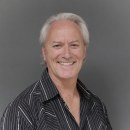
Colin Chenery
Health and Lifestyle Counsellor, Coach and Author on Mindfulness and Self Awareness

Deborah Myers
Empowering wellness at your fingertips—stress relief made simple

Darren Starwynn
Awakening consciousness, igniting healing, transforming lives—let’s thrive!

Christine Lauer
Transforming lives, one allergy-free moment at a time
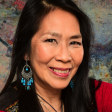
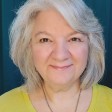
Dr. Tanya English
Transforming grief into joy through music and intuitive healing

Robert Booker
Joyful doctor of Chinese medicine with35 years of active practice, and a damn good doctor at that

Martin Dickerson
Creating mindful moments for holistic wellness and harmony!

Christopher Shirley
Step into the world of reflexology with a touch of humor and a dose of reality!

Ronnie Figueroa
Licensed Counselor, Energy Healer Life Coach, Public Speaker
What Makes a Great Acupressure Speaker
A strong acupressure speaker creates connection through sensory language, grounding their explanations in real human experiences. They might describe the way tension gathers after a long workday or how neck stiffness shows up when someone spends hours on a laptop. These are universal reference points across cultures and industries, whether you are a startup founder glued to analytics or a rural craftsman holding tools for hours.
Another trait that sets these speakers apart is a balance of confidence and clarity. Health topics can get complicated fast, so the great ones strip away jargon and build trust by walking the audience through ideas step by step. Short sentences help them deliver emphasis. Longer, more fluid passages let them build context. The rhythm matters.
Finally, the best acupressure speakers stay rooted in purpose. They give people something they can apply immediately, even if it is as simple as pressing a point on the hand to release stress. That type of practical generosity is what audiences remember far beyond the presentation itself.
How to Select the Best Acupressure Speaker for Your Show
1. Define the angle you want.
- Are you focusing on stress relief, corporate wellness, or alternative healing? Each of these requires a different type of expert.
- Look at examples on Talks.co, especially how hosts position their episodes. This helps you refine your direction.
2. Review their speaker page or portfolio.
- A strong acupressure speaker usually highlights their methods, their background, and the types of audiences they serve.
- Pay attention to how they explain concepts. If they make acupressure feel confusing, your listeners will tune out.
3. Evaluate communication style.
- Watch short clips, reels, or interviews. Notice whether they speak in a grounded, relatable way.
- Ask yourself how they would sound in your format... whether that is conversational, instructional, or inspirational.
4. Check references or previous appearances.
- Look at shows in different regions or industries where they have presented, such as tech companies, holistic retreats, or healthcare conferences.
- This gives you insight into their adaptability and depth.
5. Make sure they align with your show's goals.
- If your show is built around practical takeaways, choose someone who explains techniques clearly.
- If your show focuses on personal transformation, choose someone who communicates the mind body connection with nuance.
Following these steps gives you a clear path to the right fit, and it keeps the selection process grounded instead of overwhelming.
How to Book an Acupressure Speaker
1. Start by creating a clear invitation.
- Introduce your show, your audience size, and the topic focus.
- Use concise language and mention why their perspective matters for your listeners.
2. Use a booking platform or speaker marketplace.
- On Talks.co, you can send requests directly through the speaker page.
- This helps streamline scheduling, communication, and expectations.
3. Outline the structure of the episode.
- Share details like interview length, question style, live vs pre recorded format, and any prep material.
- Acupressure is hands on, so the speaker might need to know whether a demonstration is appropriate.
4. Confirm technical requirements.
- Whether your guest is in a city studio or a rural home office, make sure audio and camera quality meet your standards.
- Offer simple guidance, such as positioning light or selecting a quiet space.
5. Finalize timing and follow up.
- Send a calendar invite, plus reminders leading up to the recording.
- As I mentioned in How to Select the Best acupressure speaker for Your Show, clarity is your strongest asset here... it sets expectations and reduces friction.
By walking through these steps, you keep the booking process smooth and respectful, which builds long term relationships with experts.
Common Questions on Acupressure Speakers
What is an acupressure speaker
A acupressure speaker typically explains how pressure points relate to energy flow, muscle tension, and stress patterns. Because acupressure is used in settings ranging from corporate wellness workshops to yoga teacher trainings, the speaker tailors their explanations to match the environment.
In many cases, they draw from established knowledge about meridians, physiology, and relaxation techniques. Unlike practitioners working one on one, a speaker focuses on teaching broad concepts and guiding people through general techniques. This can include demonstrations or verbal cues rather than hands on practice.
Their role also includes correcting misconceptions. Acupressure often gets mixed up with massage, acupuncture, or reflexology, so a strong acupressure speaker helps clarify boundaries and benefits. By doing so, they make the subject accessible rather than mysterious.
Why is an acupressure speaker important
A acupressure speaker brings structured, credible guidance into these spaces. That credibility is crucial for organizations that want to support employee wellbeing but need presenters who can explain the science and tradition in a balanced way. For example, a tech company in Singapore, a school district in Canada, or a fitness studio in Spain might all invite this type of speaker for entirely different reasons, yet the core need is the same... clear education.
Another reason these speakers matter is their ability to translate complex topics into manageable actions. People often seek relief from headaches, stress, insomnia, or muscle tension, but they do not always know where to start. A speaker can outline practical steps that feel achievable even for beginners.
Finally, a acupressure speaker helps audiences understand how body awareness connects with daily habits. This context empowers people to take responsibility for their own wellness in small but meaningful ways.
What do acupressure speakers do
They typically design talks that explain how specific pressure points influence tension, relaxation, or energy flow. Some speakers use simple demonstrations, guiding participants to locate points on their hands, face, or shoulders. Others focus on conceptual explanations for scientific or corporate audiences that prefer evidence oriented presentations.
Many acupressure speakers also collaborate with event hosts to adapt content. For example, a short keynote at a leadership summit might focus on emotional clarity and stress reduction, while a workshop for health practitioners might go deeper into meridian theory. This adaptability allows them to serve beginners and advanced learners across different regions and cultural contexts.
In addition, acupressure speakers often create supplemental materials... worksheets, guides, or follow along routines. These tools help reinforce what people learned during the presentation and make the content actionable. By combining instruction with accessible takeaways, acupressure speakers support long term learning even after the event ends.
How to become an acupressure speaker
1. Build your foundational knowledge.
- Study multiple acupressure traditions so your content feels credible. Many new educators draw from Traditional Chinese Medicine, reflexology, or modern integrative health frameworks.
- Collect research summaries or reputable citations you can reference when speaking, especially if your audience includes practitioners or health professionals.
2. Choose your core message and audience.
- Decide whether you want to focus on stress relief, chronic pain management, workplace wellness, or general lifestyle benefits. Each direction attracts different event hosts.
- Look at who is already speaking in your niche. Identify gaps your perspective can fill.
3. Develop your signature talk.
- Draft an outline with clear stages: why acupressure matters, core principles, demonstrations, and real-world applications.
- Create multiple talk lengths, for example a 20 minute version for podcasts and a 45 minute version for conferences.
4. Produce visible assets.
- Build a speaker page on Talks.co so hosts can quickly preview your topics, speaking clips, and expertise.
- Add a short demo video featuring a snippet of your content. Demonstrations of simple acupressure points often perform well.
5. Start connecting with event hosts.
- Use Talks.co to connect with podcast hosts, summit organizers, or wellness events looking for niche experts.
- Pitch specific angles, for example how acupressure supports productivity in remote teams or helps athletes with recovery.
6. Practice in low-risk environments.
- Offer a free virtual workshop to a local business group, coworking space, or wellness club.
- Gather feedback to refine pacing, transitions, and timing for hands-on demonstrations.
7. Scale into recurring opportunities.
- After you have a few talks recorded, reach out to larger events or corporate wellness programs.
- Ask for testimonials from hosts to strengthen your speaker page and raise your perceived authority.
What do you need to be an acupressure speaker
First, you need a strong understanding of acupressure itself. This does not always require a formal degree, but it does require responsible training. Many speakers start with certifications in acupressure, massage therapy, or Traditional Chinese Medicine. You also need to understand the limitations of acupressure so you present your material responsibly. Audiences appreciate clear distinctions between wellness education and clinical treatment.
Next, you need the ability to translate complex topics into accessible explanations. Acupressure concepts like meridians or energy flow can feel abstract to general audiences. This is where presentation skills come into play. You need to demonstrate techniques safely, guide participants through self-applied points, and explain both benefits and contraindications. Creating a narrative that helps people understand why these points matter makes your talks more valuable.
Finally, you need a public platform. Many acupressure experts never get speaking invitations because hosts simply do not know who they are. Creating a speaker page on Talks.co helps solve that problem. It allows hosts to quickly see your topics, bio, and media. This makes you easier to book. You can also use Talks.co to connect with hosts directly, which accelerates your early-stage momentum.
Altogether, you need a clear message, audience-specific content, and the confidence to present hands-on techniques. When these pieces come together, you can step into the role of an acupressure speaker with clarity and credibility.
Do acupressure speakers get paid
In wellness-focused conferences, established practitioners sometimes earn fees similar to niche health educators. However, newer speakers often start with unpaid opportunities to gain visibility. Corporate wellness events, on the other hand, tend to pay more consistently because they allocate budget to health and productivity programs. Data from general speaking markets shows that niche health experts can earn anywhere from modest honorariums to full professional-fee rates depending on their positioning.
Here are a few variables that affect pay:
- Event type: Corporate events usually pay, community events often do not.
- Experience: Seasoned speakers with published books or certifications command higher rates.
- Format: Workshops and demonstrations often pay more than short keynotes.
- Visibility: A strong online presence or a solid Talks.co profile increases your chances of paid gigs.
In summary, yes, many acupressure speakers are paid, but payment is not guaranteed. The field rewards those who combine deep subject knowledge with strong positioning.
How do acupressure speakers make money
Speaking fees come from conferences, corporate wellness programs, health retreats, or educational institutions. These rates fluctuate based on reputation and topic demand. Workshops usually pay higher fees because they involve hands-on instruction. Some speakers charge per session, while others negotiate half-day or full-day rates.
Beyond direct fees, many acupressure speakers monetize through related channels:
- Sales of online courses or digital programs.
- Client sessions if they are also practitioners.
- Books, guides, or merchandise tied to self-care routines.
- Affiliate partnerships with wellness brands.
- Paid collaborations with retreat organizers.
When speakers build a strong presence on platforms like Talks.co, they often attract higher quality host connections. As their booking frequency grows, they can bundle multiple events or build recurring contracts with workplaces that want ongoing wellness training.
This combination of direct and indirect revenue makes acupressure speaking a flexible business model that can scale in multiple directions.
How much do acupressure speakers make
At smaller wellness events, speakers might earn modest honorariums. These can range from low three-figure amounts for short talks up to middle three-figure amounts for longer workshops. In corporate wellness environments, rates are often higher because employers invest in employee health initiatives. A one-hour talk could reach low four-figure levels if positioned correctly.
Experienced speakers with strong credentials may earn more. Industry-wide data on niche health educators shows that top professionals can command multi-thousand-dollar fees for keynote presentations, especially when delivering hybrid demonstrations plus education. Additional income often comes from course sales and product tie-ins, which can outperform speaking fees over time.
To summarize typical ranges, here is a simplified viewpoint:
- Entry level: 100 to 500 USD per session.
- Mid level: 500 to 2000 USD per talk.
- Experienced: 2000 to 8000 USD or more depending on the format.
These estimates shift depending on geography and industry sector, but they give a balanced view of what acupressure speakers can expect as they scale.
How much do acupressure speakers cost
For small meetups or nonprofit events, many speakers charge modest fees or offer reduced rates. A basic talk might cost a few hundred dollars. Larger wellness fairs or professional associations may allocate higher budgets, especially if the session includes live demonstrations or personalized guidance for attendees.
Corporate environments typically have the highest budgets. A practical workshop focused on stress reduction, productivity, or ergonomic health might cost anywhere from 1000 to 6000 USD depending on duration and the speaker's experience level.
Here are rough cost bands often seen in the market:
- Community event: 100 to 400 USD.
- Wellness fair or retreat: 300 to 1500 USD.
- Corporate workshop: 1000 to 6000 USD.
- Multi-session contract: Negotiated case by case.
These numbers are general, but they reflect common patterns observed across global wellness education markets. Final pricing often depends on logistics, customization, and whether the speaker has a strong presence on platforms like Talks.co.
Who are the best acupressure speakers ever
- Michael Reed Gach, known for making acupressure accessible to everyday learners through practical demonstrations.
- Dr. Michael Lange, recognized for integrating acupressure into broader wellness education.
- Dr. David Bray, known for his contributions to integrative health workshops.
- Dr. Joseph Carter, an educator who has helped bridge traditional techniques with modern wellness audiences.
- Maria Mercati, respected for her cross-cultural approach to acupressure and bodywork.
- Dr. Daniel Hsu, noted for talks on Traditional Chinese Medicine that often include acupressure insights.
- Susan Westlake, known for educational programs that simplify acupressure for group learning.
These figures represent different eras and approaches, offering a range of styles and topics within the broader acupressure education community.
Who are the best acupressure speakers in the world
- Michael Reed Gach, founder of Acupressure Institute and widely recognized for educational outreach.
- Maria Mercati, known for blending Eastern therapies into practical training programs.
- Roger Jahnke, often invited to speak on mind-body practices including acupressure-related methods.
- Dr. Daniel Hsu, a practitioner and educator with a global teaching footprint.
- Janet Oliver, known in some wellness communities for hands-on acupressure instruction.
- Heather Lounsbury, a health educator who integrates acupressure topics into broader wellness discussions.
- Deborah Bleecker, recognized for accessible acupressure resources aimed at global audiences.
- Paul Lundberg, respected for cross-disciplinary bodywork training that includes acupressure components.
This list highlights educators who bring diverse perspectives, making acupressure more approachable in different cultural and professional environments.
Common myths about acupressure speakers
Another idea that floats around is that acupressure speakers must demonstrate advanced clinical training to be credible. That belief can discourage talented communicators who have strong knowledge, excellent research skills, and a clear framework for teaching. While medical credentials can help in certain contexts, most event organizers care more about clarity, practical guidance, and a style that keeps the audience engaged. A speaker who explains specific pressure points using safe, general guidance and encourages consultation with licensed professionals can serve large audiences effectively.
A third myth is that presentations on acupressure require complex demos or hands on interaction that may not translate well to virtual events. In practice, remote friendly approaches like step by step verbal guidance, simple self applied techniques, and high resolution camera angles work smoothly for online summits, health webinars, and corporate livestreams. Many wellness educators thrive in digital formats because the methods adapt easily.
There is also a belief that event planners rarely pay well for holistic health topics. This is not accurate. Conference organizers who prioritize employee wellbeing or stress reduction often allocate competitive budgets. When speakers present acupressure in a clear, evidence informed framework with measurable outcomes like reduced tension or improved break time routines, their value becomes obvious in corporate and community settings.
Finally, some people assume that acupressure speakers cannot differentiate themselves in a crowded wellness landscape. The opposite tends to be true. Those who choose a specific angle, for example travel related relaxation techniques or acupressure for desk workers, stand out quickly. Specialization helps both beginners and seasoned presenters develop strong positioning and secure more invitations.
Case studies of successful acupressure speakers
At a virtual summit for remote teams, another acupressure speaker captured viewers by framing the talk around productivity challenges. Short sentences mixed with deeper explanations kept the rhythm interesting. The speaker walked people through small actions that could be used during work breaks to stay energized. The simplicity drew people in, and participants later shared how the session helped them stay alert during long meetings.
In a community health festival in Vancouver, a presenter built the narrative around family friendly wellness. Instead of speaking in abstract ideas, the speaker used descriptive examples like feeling shoulder tension while helping kids with schoolwork or winding down after a long day. People related immediately. The warmth and everyday language created a connection that felt natural, and attendees kept asking questions long after the session.
Another example comes from a corporate retreat in Dubai. The speaker addressed a multicultural audience navigating high pressure roles. The narrative focused on how small physical adjustments could help people stay collected during negotiations or presentations. Longer explanations gave the talk depth, and brief, punchy lines kept it engaging. The combination made it memorable.
These examples show how adaptability and audience awareness create standout sessions. The strongest acupressure speakers tend to weave universal experiences with practical tools, using a style that feels accessible across regions and industries.
Future trends for acupressure speakers
Audience expectations are evolving too. People want sessions that blend tradition with modern context. This includes research informed explanations, clear routines that take only a few minutes, and guidance that adapts to digital platforms. Many speakers are updating their content to be more data supported, which appeals to HR teams, educators, and tech companies.
A few emerging patterns include:
- Integration of acupressure into corporate micro training modules.
- Hybrid event formats that combine short video demos with live Q&A.
- Growth of wellness focused events in regions like Southeast Asia and the Middle East where employee wellbeing programs are expanding.
- Increased demand for niche specializations, for example acupressure for gamers, restaurant staff, or shift workers.
Have you noticed how more events include sessions on nervous system regulation or stress reduction? Acupressure speakers are weaving themselves into these programs by offering simple techniques that complement broader mental wellness strategies. This momentum will likely continue as more organizations seek low cost health education.
The future looks strong for anyone who can position themselves with a clear focus, measurable outcomes, and adaptable content that works in both in person and virtual settings.
Tools and resources for aspiring acupressure speakers
1. Talks.co. A matching platform that helps speakers connect with podcast hosts. Great for building authority, practicing message delivery, and reaching audiences interested in wellness.
2. Canva. Ideal for designing slides, worksheets, and simple diagrams that show pressure point locations. Use templates to speed up your prep and keep visuals clean.
3. Insight Timer. While known for meditation content, its teacher tools can help speakers test short audio segments or guided routines. You can experiment with pacing before delivering them live.
4. PubMed. Useful for researching peer reviewed studies on acupressure so your content stays accurate and evidence informed. A few citations can help your sessions feel grounded.
5. Zoom. Many acupressure speakers host mini workshops or preview sessions online. Features like spotlight video and screen sharing allow you to demonstrate techniques clearly.
6. Google Workspace. Helpful for organizing scripts, booking forms, and follow up materials. Sharing structured documents with event organizers reduces miscommunication.
7. Calendly. Lets organizers book calls with you without back and forth messaging. Add a short questionnaire so you can tailor your topic to each event.
8. Trello. A simple way to track topic ideas, audience feedback, event details, and content revisions. Visual boards help you stay consistent as you scale.
These tools give you flexibility whether you speak at community events, corporate trainings, or virtual summits. As your skills grow, you can refine which platforms fit your workflow best.
