Alternate History Speakers
You've got a crowd that loves big ideas and bold perspectives... but your speaker lineup still feels a little too safe.
You're looking for something different. Unexpected. Maybe even a bit provocative.
And now you're wondering, how do I find the right alternate history speakers who can actually hold a room and get people thinking?
Alternate history speakers bring a unique lens to the past - and the present.
They explore the what-ifs, the almosts, and the roads not taken.
Whether they're authors, historians, theorists, or cultural critics, these are the voices that challenge timelines and spark deep discussion.
They're perfect for panels, classroom-style talks, niche podcasts, or anywhere you want your audience to stretch their thinking.
I've seen how audiences light up when someone reframes the story they thought they knew.
The right alternate history speaker doesn't just entertain - they shift the conversation.
Check out these standout alternate history speakers and see who might be the right fit for your event or show.
Top Alternate History Speakers List for 2026

Alex Aaronson
Alex Aaronson writes stories where the history you remember takes a turn you'll never forget!

Carolina Grace
Embrace the Quantum Leap: Pioneering a New Future Together for Humanity

Zhengyu Huang
Author, former White House Fellow, and bridge-builder in U.S.–China relations

Sheila Mahnken
This Extraordinaire Prevocateur doesn't pull punches.

Perry Jones
From Bold Visions to Big Returns: Your Success Story Starts Here!

Jeremy Brunton
Where history meets the Supernatural!
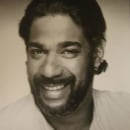
Roger Persaud
Transforming perspectives with hidden truths and insights.

Alyson Longe
Master public speaking (in person & on livestream), speak with authority, and turn your voice into income.

Jimmie Moglia
Transform presentations through the power of befitting Shakespearean quotes

Deborah Walker
Transforming speakers into storytellers, one powerful speech at a time
What Makes a Great Alternate History Speaker
The best alternate history speakers are master storytellers. They blend deep historical knowledge with imagination, creating narratives that challenge what we think we know. Think of someone like Harry Turtledove, often called the 'master of alternate history fiction' - his ability to weave real historical events with 'what if' scenarios is exactly the kind of skill that translates powerfully on stage or in a virtual summit.
But it's not just about creativity. A great speaker in this niche knows their audience. Are they speaking to military historians? Sci-fi fans? Entrepreneurs curious about how different economic decisions could've shaped today's markets? Tailoring the story to the crowd is key.
And let's not forget delivery. A compelling alternate history speaker uses pacing, tone, and visuals to build suspense and drive home their point. They might pause just before revealing what would've happened if JFK hadn't been assassinated, or use maps to show how a different outcome in WWII could've redrawn global borders.
Bottom line: a great alternate history speaker doesn't just inform - they transport. They make the past feel alive, and the future feel intriguingly uncertain.
How to Select the Best Alternate History Speaker for Your Show
1. Define Your Audience and Theme.
- Are your listeners history buffs, sci-fi fans, educators, or business professionals? Knowing who you're speaking to helps narrow down speaker tone and content.
- For example, a podcast focused on innovation might want a speaker who explores alternate tech timelines, while a literary summit might prefer a novelist who builds alternate worlds.
2. Search on Trusted Platforms Like Talks.co.
- Use the Talks.co speaker directory to filter by topic, availability, and speaking style.
- Look for speakers with verified reviews, past recordings, and a clear speaker page that outlines their expertise in alternate history.
3. Review Their Content Portfolio.
- Watch their previous talks or listen to podcast interviews. Are they engaging? Do they simplify complex ideas?
- Check if they've spoken at similar events or to similar audiences. Someone who's only done academic panels might not be the best fit for a casual YouTube series.
4. Check for Customization Ability.
- Can they tailor their talk to your event's theme? Ask if they're open to customizing content or creating a new angle.
- For instance, if your summit is about leadership, can they explore alternate leadership models from history?
5. Reach Out and Ask Smart Questions.
- Don't just ask about availability. Ask how they approach alternate history, what tools they use (e.g. maps, timelines, fiction), and how they engage virtual vs. live audiences.
By following these steps, you'll not only find a speaker who knows their stuff, but one who knows how to deliver it in a way that resonates with your crowd.
How to Book an Alternate History Speaker
1. Start with Research.
- Use platforms like Talks.co to browse speaker profiles. Look for alternate history experts with strong presentation skills and relevant experience.
- Check their availability, fees, and preferred formats (virtual, in-person, hybrid).
2. Reach Out with a Clear Pitch.
- When you contact them, be specific. Include your event name, audience type, date, format, and what you're looking for in a session.
- Example: "We're hosting a virtual summit on speculative fiction and would love a 30-minute talk on Cold War alternate timelines."
3. Discuss Customization and Logistics.
- Ask if they can tailor their talk to your theme. Some speakers have set presentations, others can adapt.
- Clarify tech requirements, time zones, and whether they'll need a moderator or Q&A support.
4. Negotiate Terms and Confirm.
- Talk through fees, travel (if in-person), and cancellation policies.
- Use a simple agreement or contract to lock in the details.
5. Prep and Promote.
- Once booked, promote the speaker on your event page and social media. Tag them if they're active online.
- Share your audience's interests with the speaker so they can fine-tune their talk.
Booking a speaker is more than just scheduling - it's about building a partnership that elevates your event. And if you're using a platform like Talks.co, much of the heavy lifting is already done for you.
Common Questions on Alternate History Speakers
What is an alternate history speaker
An alternate history speaker is not just a historian. They're part researcher, part storyteller, and part futurist. Their talks often blend factual analysis with speculative thinking, challenging assumptions and encouraging critical thought. For example, they might ask: What if the Roman Empire had never fallen? How would that affect modern governance or technology?
These speakers often draw from multiple disciplines - history, political science, economics, literature, even game theory. This makes them especially engaging for diverse audiences, from academic conferences to pop culture conventions to corporate innovation summits.
In many cases, alternate history speakers also use multimedia tools like maps, timelines, and historical artifacts to bring their scenarios to life. Whether they're presenting on stage or in a virtual summit, their goal is to make audiences think differently about cause and effect.
So, a speaker in this niche isn't just revisiting the past. They're reimagining it - and helping others see how small changes could have led to radically different presents.
Why is an alternate history speaker important
Alternate history speakers are crucial because they help audiences develop critical thinking. By exploring how different choices could have led to different outcomes, they encourage people to question assumptions and consider the complexity of cause and effect. This is especially valuable in educational settings, where students can learn to think beyond memorization and into analysis.
In business and policy circles, alternate history talks can be a powerful tool for scenario planning. For example, a speaker might explore how a different outcome in the 1973 oil crisis could have reshaped global energy markets - a perspective that can inspire innovative thinking in today's sustainability discussions.
They also serve as cultural mirrors. By reimagining history, these speakers can highlight overlooked narratives, such as what might have happened if colonized nations had resisted imperialism earlier or more successfully. This opens up space for more inclusive conversations about history and identity.
Ultimately, alternate history speakers don't just entertain. They provoke thought, spark debate, and help us understand that history isn't just about what happened - it's also about what could have happened, and what that teaches us about today.
What do alternate history speakers do
First, they conduct deep research into real historical events. This includes understanding the political, social, and economic contexts of the time. For instance, a speaker might study the Cuban Missile Crisis in detail before exploring what would have happened if diplomacy had failed.
Second, they develop alternate scenarios based on plausible divergences. These aren't wild guesses - they're grounded in logic and supported by historical evidence. A good speaker might ask, 'What if the internet had been invented in the 1960s?' and then walk the audience through the likely technological, cultural, and geopolitical consequences.
Third, they present these scenarios in engaging formats. This could be a keynote at a virtual summit, a panel discussion at a sci-fi convention, or an interactive workshop for educators. Many use visual aids like maps, timelines, or even AI-generated simulations to help audiences visualize the alternate world.
Finally, they facilitate discussion and reflection. After presenting their scenario, they often open the floor for Q&A or guided debate, encouraging listeners to think critically about history, decision-making, and the future.
So what do alternate history speakers do? They research, imagine, present, and provoke thought - all while making history feel dynamic and alive.
How to become an alternate history speaker
1. Master the Genre.
- Read widely: Dive into works by Harry Turtledove, Philip K. Dick, and Eric Flint.
- Watch documentaries and speculative fiction series that explore alternate timelines.
- Understand the mechanics of historical divergence: what changes, when, and why.
2. Develop Your Unique Angle.
- Are you focused on military history, political shifts, or cultural reimaginings?
- Maybe you specialize in non-Western alternate histories or postcolonial scenarios.
- Define your niche clearly so event organizers know your value.
3. Build Your Speaker Page.
- Use platforms like Talks.co to create a professional speaker profile.
- Include a compelling bio, sample talks, testimonials, and a booking link.
- Highlight your expertise and what makes your alternate history talks stand out.
4. Create and Share Content.
- Start a YouTube channel or podcast exploring alternate history topics.
- Publish articles or short stories on Medium or Substack.
- Use this content to build credibility and attract event hosts.
5. Connect with Hosts and Events.
- Use Talks.co to connect with podcast hosts, summit organizers, and virtual event planners.
- Reach out to history clubs, sci-fi conventions, and academic conferences.
- Offer to speak for free initially to build your portfolio, then scale up.
6. Refine Your Speaking Skills.
- Practice your delivery: pace, tone, and engagement matter.
- Join a local Toastmasters group or take an online public speaking course.
- Record your talks and review them critically.
With consistency and creativity, you can carve out a space as a go-to alternate history speaker.
What do you need to be an alternate history speaker
Historical Expertise
You don't need a PhD, but you do need a solid grasp of real-world history. Understanding key events, timelines, and geopolitical dynamics is essential. The more nuanced your knowledge, the more compelling your alternate scenarios will be.
Speculative Thinking
Alternate history is about exploring possibilities. You need to be comfortable asking questions like 'What if Napoleon had won at Waterloo?' or 'What if the Cold War turned hot in 1962?' Then, you must logically build out the consequences of those changes.
Public Speaking Skills
You'll be presenting to live audiences, virtual summits, or podcast listeners. That means you need to be clear, engaging, and confident. Visual storytelling tools like slides or maps can help, especially when explaining complex divergences.
A Platform to Showcase Your Work
Having a speaker page on Talks.co is a smart move. It acts as your digital resume, letting event organizers see your topics, watch sample talks, and book you directly. It also helps you connect with hosts looking for unique voices.
Content Creation
Whether it's blog posts, short videos, or social media threads, creating content around your alternate history ideas helps build your reputation. It also gives you material to share with potential hosts and audiences.
In short, being an alternate history speaker is about blending research with imagination, and then delivering that mix in a way that captivates people. If you can do that, you're already halfway there.
Do alternate history speakers get paid
Market Demand
Alternate history is a niche within the broader history and speculative fiction space. While it may not have the mass appeal of motivational speaking, it has a loyal and intellectually curious audience. Events like sci-fi conventions, academic conferences, and virtual summits often seek out these speakers.
Event Type Matters
- Academic Conferences: May offer modest honorariums or travel stipends.
- Sci-Fi/Fantasy Conventions: Often pay based on draw or fanbase size.
- Podcasts and Virtual Summits: Some pay, others offer exposure or lead generation.
Speaker Reputation
Established speakers with published books or a strong online presence can command higher fees. If you're featured on Talks.co with a polished speaker page and strong testimonials, you're more likely to get paid gigs.
Pros:
- Niche appeal can lead to loyal followings.
- Opportunities to monetize through books, courses, or consulting.
Cons:
- Not every event pays.
- Requires consistent content creation to stay relevant.
So yes, alternate history speakers get paid, but it's not automatic. You need to build a brand, show your value, and target the right events.
How do alternate history speakers make money
1. Speaking Fees
- Paid keynotes at sci-fi conventions, academic symposiums, or virtual summits.
- Rates vary based on experience, audience size, and event budget.
2. Books and Publications
- Many alternate history speakers are also authors.
- Publishing novels, essays, or anthologies can generate royalties and boost credibility.
- Example: Harry Turtledove built a career combining fiction with speaking.
3. Online Courses and Workshops
- Create a course on 'How to Write Alternate History' or 'World-Building for Speculative Fiction'.
- Platforms like Teachable or Udemy make this accessible.
4. Consulting and Script Advising
- TV shows, game developers, or film studios sometimes hire alternate history experts.
- Example: Advisors for shows like 'The Man in the High Castle' or games like 'Wolfenstein'.
5. Podcast and YouTube Monetization
- Ad revenue, sponsorships, and Patreon support can add up.
- A well-produced alternate history podcast can attract a niche but loyal audience.
6. Affiliate and Partner Opportunities
- Promote relevant books, tools, or events and earn commissions.
- Talks.co allows speakers to connect with event hosts, which can lead to recurring gigs.
The key is to treat speaking as one part of a broader ecosystem. The more you create and share, the more opportunities you unlock.
How much do alternate history speakers make
Entry-Level Speakers
- Typically earn $0 to $500 per event.
- May speak for free at local clubs or virtual panels to build credibility.
- Often rely on exposure or lead generation rather than direct pay.
Mid-Level Speakers
- Earn between $500 and $2,500 per talk.
- Likely have a published book or a strong online following.
- May speak at genre conventions, university events, or niche summits.
Top-Tier Speakers
- Can command $5,000 to $15,000+ per keynote.
- Often have multiple books, media appearances, or a large fanbase.
- May be represented by agencies or featured on platforms like Talks.co.
| Level | Typical Fee Range | Common Venues |
|---|---|---|
| Beginner | $0 - $500 | Podcasts, local events, online panels |
| Intermediate | $500 - $2,500 | Genre cons, virtual summits, schools |
| Expert | $5,000 - $15,000+ | Major conferences, corporate events |
- Book sales, course enrollments, and consulting gigs can significantly supplement income.
- Some speakers earn more from their content ecosystem than from speaking alone.
So while alternate history isn't the highest-paying niche, it can be lucrative if you build a strong brand and diversify your revenue streams.
How much do alternate history speakers cost
Cost Tiers
- Emerging Speakers: $0 to $500.
- Often willing to speak for free or a small honorarium.
- Great for local events, podcasts, or online panels.
- Professional Speakers: $500 to $2,500.
- These speakers have a niche following or published work.
- Suitable for academic events, genre conventions, or virtual summits.
- High-Profile Experts: $5,000 to $15,000+.
- These are authors, media personalities, or scholars with a global reach.
- Often booked for major conferences or corporate storytelling sessions.
Additional Costs to Consider
- Travel and accommodation (if in-person).
- Custom content creation or workshop materials.
- Licensing fees if the speaker's content is being recorded or distributed.
Booking Tips
- Use platforms like Talks.co to streamline the process and view speaker profiles.
- Be clear about your event goals and audience demographics.
- If budget is tight, consider offering exposure, content rights, or cross-promotion.
In short, alternate history speakers can be surprisingly affordable, especially if you're open to emerging voices. But like any niche expert, the top-tier names come with a premium.
Who are the best alternate history speakers ever
- Harry Turtledove.
- Often called the 'Master of Alternate History'.
- Known for series like 'Southern Victory' and 'Worldwar'.
- Has spoken at countless sci-fi conventions and academic panels.
- Philip K. Dick.
- While more speculative fiction than strict alternate history, his work ('The Man in the High Castle') inspired generations.
- His ideas have been explored in keynotes and retrospectives worldwide.
- Eric Flint.
- Creator of the '1632' series, blending time travel with historical divergence.
- Frequently engaged with fans through forums and live events.
- Niall Ferguson.
- Historian who often explores counterfactuals in his lectures.
- Author of 'Virtual History', a collection of alternate scenarios.
- Gavriel D. Rosenfeld.
- Academic and author of 'The World Hitler Never Made'.
- Regular speaker at history and cultural studies conferences.
- Kim Stanley Robinson.
- While more known for speculative futures, his alternate takes on history and climate have made him a popular speaker.
- Catherine Gallagher.
- Scholar who has written extensively on the cultural role of alternate history.
- Known for her engaging academic presentations.
These speakers have not only contributed to the genre but also elevated it through thoughtful, engaging public discourse.
Who are the best alternate history speakers in the world
- Harry Turtledove (USA).
- Still the most recognized name in alternate history.
- Regularly invited to global sci-fi conventions and literary festivals.
- Ian Kershaw (UK).
- While primarily a historian, his counterfactual analyses on WWII are widely cited.
- Has delivered lectures across Europe and Asia.
- Gavriel D. Rosenfeld (USA).
- A leading academic voice in alternate history and memory studies.
- Frequently speaks at international conferences.
- Ken Liu (USA/Taiwan).
- Known for blending speculative fiction with alternate timelines.
- Popular speaker at global tech and literary events.
- Ada Palmer (USA).
- Historian and author of the 'Terra Ignota' series.
- Combines deep historical knowledge with speculative storytelling.
- Sesh Heri (India).
- Focuses on alternate Indian histories and mythological reinterpretations.
- Gaining traction in South Asian academic and literary circles.
- Christopher Priest (UK).
- Author of 'The Separation', an alternate WWII novel.
- Regular speaker at European literary festivals.
- Liu Cixin (China).
- While primarily sci-fi, his speculative takes on history have global appeal.
- Featured in international panels and interviews.
These speakers bring diverse perspectives to alternate history, from Western military scenarios to reimagined Asian timelines. Their global reach makes them some of the most compelling voices in the field today.
Common myths about alternate history speakers
1. Myth: Alternate history speakers are just fiction writers in disguise.
This one's common, but it misses the mark. While alternate history often involves speculative scenarios, speakers in this space aren't just spinning tales for entertainment. Many draw on rigorous historical research, political theory, and cultural analysis to explore 'what if' scenarios that challenge conventional thinking. For instance, authors like Niall Ferguson use counterfactuals to examine economic and geopolitical outcomes, not just to tell stories.
2. Myth: There's no real-world relevance to alternate history talks.
Actually, alternate history can be a powerful lens for understanding current events. By exploring how different decisions might have changed the past, speakers help audiences think critically about leadership, policy, and societal change. In corporate settings, this can even translate into scenario planning and strategic foresight exercises.
3. Myth: Only historians or academics can be alternate history speakers.
Not true. While academic credentials can help, many successful alternate history speakers come from journalism, military strategy, game design, or even speculative fiction. The key is the ability to connect dots across timelines and present compelling, plausible narratives that make people think.
4. Myth: Audiences aren't interested in alternate history unless they're history buffs.
Alternate history appeals to a much broader crowd than you might expect. Think about the popularity of shows like 'The Man in the High Castle' or games like 'Civilization'. These ideas resonate with tech founders, educators, futurists, and even policy makers. The trick is in how the story is told.
5. Myth: Alternate history is just about wars and politics.
While military and political themes are common, alternate history can also explore science, culture, and technology. What if Tesla had won the energy war? What if the internet had been invented in the 1950s? These angles open up opportunities for speakers in STEM, innovation, and education to bring fresh perspectives to the stage.
Case studies of successful alternate history speakers
Take Dan Carlin. Known for his podcast 'Hardcore History', Carlin doesn't just recount events. He dives into alternate scenarios with a visceral, emotional delivery that hooks millions of listeners. In one episode, he explores what would have happened if the Mongols had invaded Europe more aggressively. His ability to blend historical fact with speculative insight has made him a sought-after speaker at tech conferences and leadership summits.
Then there's Mary Beard, a classicist who has used alternate history to reframe Roman history for modern audiences. In her talks, she often poses questions like: What if Julius Caesar had never crossed the Rubicon? Her academic background gives her credibility, but it's her storytelling and wit that make her talks memorable. She's been featured on BBC specials and global academic panels.
In the entertainment world, screenwriter and speaker Ronald D. Moore (creator of 'Battlestar Galactica' and 'For All Mankind') has brought alternate history to mainstream audiences. His talks at events like Comic-Con and SXSW explore how speculative timelines can reflect real-world tensions. He often discusses how changing one historical event can ripple into everything from gender roles to space policy.
Even in business, alternate history has a place. Futurist and strategist Peter Schwartz, who helped develop scenario planning at Shell, often uses alternate historical models to help companies prepare for future disruptions. His talks blend economics, history, and speculative thinking to help leaders make smarter decisions.
These speakers show that alternate history isn't just about the past. It's a tool for insight, innovation, and engagement across sectors-from academia to Hollywood to boardrooms.
Future trends for alternate history speakers
First, there's a growing appetite for speculative thinking in business and policy. With global uncertainty on the rise, organizations are turning to alternate history speakers to help teams think more creatively about risk and opportunity. Scenario-based storytelling is becoming a strategic asset, not just a curiosity.
Second, the rise of immersive media is changing how alternate history is delivered. Virtual reality and interactive storytelling platforms are giving speakers new ways to engage audiences. Imagine a keynote where attendees walk through a reimagined 1980s Berlin or a world where the Cold War turned hot. Speakers who can adapt their content to these formats will stand out.
Third, there's a shift toward more inclusive narratives. Historically, alternate history has focused on Western-centric events, but that's changing. Audiences are interested in stories like: What if the Mali Empire had industrialized? What if Indigenous nations had resisted colonization with advanced tech? Speakers who bring underrepresented perspectives are finding new platforms and eager audiences.
Here are a few key trends to watch:
- Cross-disciplinary fusion. Speakers are blending alternate history with futurism, climate science, and AI ethics.
- Corporate learning integration. Alternate history is being used in leadership training and innovation workshops.
- Globalization of content. Speakers from Africa, Asia, and Latin America are gaining visibility with region-specific counterfactuals.
- Youth engagement. Alternate history is entering classrooms and youth programs as a tool for critical thinking.
In short, alternate history speakers are moving from niche to necessary. The future belongs to those who can make the past feel urgent and the future feel possible.
Tools and resources for aspiring alternate history speakers
1. Talks.co. A smart platform that matches podcast hosts with expert guests. If you're building your speaking profile, getting on relevant podcasts is a great way to test your ideas and build authority.
2. Counterfactual History Review. For deep dives into academic discussions around alternate history. Use this to sharpen your arguments and stay informed about scholarly debates.
3. World Anvil. Originally built for fantasy writers, this tool is excellent for mapping out alternate timelines and world-building. Great for visualizing complex scenarios before turning them into talks.
4. Canva. If you're creating slide decks or visual storytelling elements, Canva makes it easy to design compelling visuals that bring your alternate timelines to life.
5. FutureLearn. Offers courses on history, politics, and speculative thinking. Look for modules on counterfactual analysis or historical turning points.
6. Substack. Launch your own newsletter to test ideas, build a following, and attract event organizers. Alternate history thrives on community discussion, and Substack is a great way to start those conversations.
7. YouTube Creator Studio. If you're ready to take your talks online, this tool helps you manage and grow your channel. Consider creating short-form alternate history explainers to build your audience.
8. Eventbrite. Not just for finding events to attend, but also for hosting your own virtual talks or workshops. A great way to test your material and build a mailing list.
Use these tools not just to build content, but to connect with your niche. Alternate history is all about perspective, and these platforms help you share yours in a way that resonates.
