Brain Cancer Survivor Speakers
You've lined up the date, booked the venue, maybe even started promoting.
But when it comes to choosing the right speaker, things get tricky fast.
You want someone with real impact, real experience, and a story that connects.
So how do you find the right brain cancer survivor speakers-without spending hours scrolling or second-guessing?
That's where it usually gets overwhelming.
Brain cancer survivor speakers aren't just people who've been through it.
They're voices of resilience.
They've faced down the unthinkable and come out with something to say-something people actually need to hear.
Whether you're planning a health summit, hosting a podcast, or curating a panel for an awareness event, you want someone who brings both heart and clarity.
I've seen how the right guest can shift the entire tone of a room.
And how the wrong one... doesn't.
So we pulled together a solid list of brain cancer survivor speakers who know what they're doing, know how to tell their stories, and know how to connect.
Explore the top brain cancer survivor speakers and book someone who truly fits your event.
Top Brain Cancer Survivor Speakers List for 2026

Susie Pearl
Survivor of brain cancer, healed tumour with NDE, seen the after life, sharing wisdom for living fully.

Maggie Bushway
I’m Maggie: a childhood brain cancer survivor and the author of Pearls. I share my story to spark honest conversations about my experience.

Andrew Haley
World and Paralympic Swimming Champion and Cancer Survivor
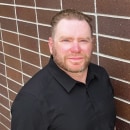
Shaun Free
I help Trauma Survivors find their new path in life through community involvement


Amanda Armstrong
Empowering authors, entrepreneurs, and dreamers to turn their visions into reality.


Frank King
Suicide prevention speaker and comedian, with two mental illnesses, and a suicide attempt survivor, with 13 TEDx Talks

Jan Burl
The Lightening Has Struck, Now BE The Thunder
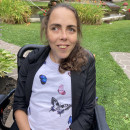
Win Charles
Breaking barriers, inspiring change through shared experiences
What Makes a Great Brain Cancer Survivor Speaker
Take, for example, speakers like David Menasche or Jessica Morris. They didn't just recount their medical journeys - they transformed them into compelling narratives that connected with people far beyond the cancer community. What makes them great isn't just what they've been through, but how they communicate it. They know how to balance vulnerability with strength, and they understand timing - when to pause, when to punch a line, and when to let silence do the talking.
A great brain cancer survivor speaker also tailors their message to the audience. Whether they're speaking to medical professionals, corporate teams, or high school students, they know how to shift tone and focus to make their story relevant. They're not just survivors - they're communicators, educators, and often, advocates.
And let's not forget presence. The best speakers don't need flashy slides or dramatic effects. Their presence - grounded, calm, and confident - is often enough to hold a room. It's not about being theatrical. It's about being real. That's what sticks.
So if you're looking for a great brain cancer survivor speaker, look for someone who doesn't just tell their story - they live it with intention, and they share it with purpose.
How to Select the Best Brain Cancer Survivor Speaker for Your Show
1. Define Your Audience and Goals
- Who are you speaking to? A corporate team? A health-focused community? A general audience?
- What do you want them to walk away with - inspiration, education, advocacy?
2. Search with Intention
- Use platforms like Talks.co to browse speaker profiles. Filter by topic, background, and availability.
- Look for speakers who have experience with your type of event - virtual summits, podcasts, panels, etc.
3. Review Their Content
- Watch past talks, read articles, or check social media. Are they engaging? Do they speak clearly and with purpose?
- Look for storytelling ability, not just credentials. Can they hold attention for 20-40 minutes?
4. Check for Alignment
- Does their message align with your brand or event theme?
- For example, if your show focuses on innovation, look for speakers who tie their cancer journey to mindset shifts, tech, or leadership.
5. Reach Out and Ask the Right Questions
- Use the contact form on their Talks.co speaker page or their personal site.
- Ask about availability, speaking fees (if any), and whether they customize talks.
- Pro tip: Ask how they typically structure their talk. This gives insight into their professionalism and preparation.
6. Confirm Logistics and Tech Comfort
- Especially for virtual events, make sure they're comfortable with Zoom, StreamYard, or your platform of choice.
- Ask if they have a good mic and camera setup - it makes a difference.
By following these steps, you'll not only find a speaker with a powerful story, but one who delivers it in a way that resonates with your audience and elevates your event.
How to Book a Brain Cancer Survivor Speaker
1. Identify the Right Fit
- Start by shortlisting speakers who align with your event's theme and audience. Use directories like Talks.co to explore vetted speaker profiles.
- Look for testimonials, past speaking gigs, and video clips to get a feel for their style.
2. Reach Out with a Clear Ask
- When you contact them (via email or through their Talks.co speaker page), be specific. Mention your event name, date, format (virtual or in-person), and what you're hoping they'll speak about.
- Example: "We're hosting a virtual summit on patient-centered healthcare and would love to feature your story as a keynote."
3. Discuss Details and Expectations
- Talk about timing (how long they'll speak), audience size, Q&A format, and any tech requirements.
- Ask if they tailor their talk or use a standard keynote. This helps you plan your agenda.
4. Confirm Fees or Honorariums
- Some brain cancer survivor speakers charge a fee, while others may speak pro bono for causes they care about. Be upfront about your budget.
- If you're a nonprofit or grassroots event, mention that - many speakers are open to flexible arrangements.
5. Lock It In with a Confirmation Email
- Once everything's agreed upon, send a confirmation email summarizing the date, time, platform, and expectations.
- Include a calendar invite and any prep materials they might need.
6. Promote and Prepare
- Share their bio and headshot in your event promotions.
- Schedule a tech check or pre-call if it's a virtual event - this avoids last-minute issues.
Booking a speaker is part logistics, part relationship-building. Be clear, respectful, and organized, and you'll set the stage for a memorable session.
Common Questions on Brain Cancer Survivor Speakers
What is a brain cancer survivor speaker
Unlike general motivational speakers, brain cancer survivor speakers bring a deeply personal and often medically complex narrative. They speak from lived experience, not theory. Their talks often cover topics like resilience, mental health, navigating the healthcare system, and finding purpose after trauma.
These speakers may or may not have formal training in public speaking, but what they offer is authenticity. Their value lies in their ability to humanize a disease that can often feel clinical or abstract. For example, someone like Matt Newman, a financial services professional turned speaker after his diagnosis, blends personal insight with professional relevance, making his talks resonate across industries.
In many cases, brain cancer survivor speakers also advocate for research, early detection, or patient rights. Some partner with nonprofits or medical institutions to raise awareness. Others focus on mindset and personal growth, using their survival as a framework for broader life lessons.
So when we talk about a brain cancer survivor speaker, we're referring to someone who transforms adversity into a platform - not just to tell their story, but to help others navigate their own.
Why is a brain cancer survivor speaker important
First, they bridge the gap between clinical knowledge and human emotion. Doctors can explain symptoms and treatments, but only a survivor can describe what it feels like to lose your memory mid-sentence or face a 5% survival rate. This perspective is invaluable in medical education, patient advocacy, and even policy discussions.
Second, they offer hope - not the fluffy kind, but grounded, realistic hope. Whether speaking to newly diagnosed patients, caregivers, or the general public, they show what's possible. This is especially important in communities where brain cancer is still misunderstood or stigmatized.
Third, they challenge assumptions. In corporate settings, for example, a brain cancer survivor speaker might talk about leadership under pressure or redefining success after trauma. These lessons resonate far beyond the medical world.
Finally, they create connection. In a world where attention is fragmented and stories are often polished to perfection, a survivor's raw, unfiltered truth can cut through the noise. That's not just important - it's essential for real, lasting impact.
What do brain cancer survivor speakers do
- Share Personal Stories. They recount their diagnosis, treatment, and recovery journey in a way that's relatable and impactful. This might include the emotional rollercoaster, the physical challenges, and the mindset shifts that helped them push through.
- Educate Audiences. Many speakers incorporate medical facts, treatment options, and patient tips into their talks. This is especially valuable in healthcare conferences or patient support groups where accurate, firsthand information is gold.
- Inspire Action. Whether it's encouraging early detection, fundraising for research, or simply motivating people to live with more intention, these speakers often end their talks with a call to action.
- Tailor Talks to Different Settings. A brain cancer survivor speaker might speak at a tech company about resilience and innovation, then pivot to a high school to talk about mental health and perseverance. Their message adapts without losing authenticity.
- Collaborate with Organizations. Many work with nonprofits, hospitals, or awareness campaigns. They might appear in videos, write blog posts, or participate in panel discussions beyond the stage.
In short, brain cancer survivor speakers do more than just speak - they connect, educate, and advocate. And they do it in a way that only someone who's lived through the experience can.
How to become a brain cancer survivor speaker
1. Define Your Message.
- What part of your journey do you want to share? Focus on key moments-diagnosis, treatment, recovery, mindset shifts.
- Think about your audience: Are you speaking to patients, caregivers, medical professionals, or corporate teams?
2. Build Your Signature Talk.
- Start with a compelling story arc: challenge, turning point, and outcome.
- Include actionable takeaways. For example, how you handled fear or built resilience.
- Keep it real. Authenticity connects more than polished perfection.
3. Create a Speaker Page.
- Use platforms like Talks.co to set up a professional speaker profile.
- Include your bio, talk topics, testimonials, and a video clip if possible.
- This makes it easier for event hosts to find and book you.
4. Network with Hosts and Organizers.
- Reach out to cancer support groups, hospitals, nonprofits, and wellness events.
- Use LinkedIn to connect with event planners. Offer to speak at virtual summits or webinars.
- Talks.co can also help match you with hosts looking for survivor stories.
5. Practice and Get Feedback.
- Rehearse your talk with friends or mentors. Join a local Toastmasters group or virtual speaker circle.
- Record yourself and watch it back. Look for pacing, clarity, and emotional impact.
6. Start Small, Then Scale.
- Begin with local events or online panels. Build your credibility and gather testimonials.
- As you grow, pitch to larger conferences or apply for TEDx events.
Becoming a brain cancer survivor speaker isn't just about telling your story-it's about using it to serve others. And with the right tools and mindset, you can make a real difference.
What do you need to be a brain cancer survivor speaker
First and foremost, you need clarity on your purpose. Why do you want to speak? Whether it's to raise awareness, offer hope, or advocate for better healthcare, your 'why' will shape your message and your audience. This clarity helps you stay focused and authentic.
Next, you'll need communication skills. You don't have to be a professional speaker, but you do need to be able to connect with people. That means speaking clearly, using relatable language, and being emotionally open. If you're unsure where to start, consider joining a group like Toastmasters or working with a speaking coach.
You'll also need a platform. This is where a site like Talks.co comes in handy. It allows you to create a speaker page that showcases your story, topics, and availability. Think of it as your digital business card for event organizers. You can also use social media, a personal website, or even YouTube to share snippets of your message.
Finally, you need credibility. This doesn't mean you need a degree or a bestselling book. It means being honest, consistent, and showing up. Testimonials from people you've helped, media features, or even a well-written blog post can all build trust.
In short, to be a brain cancer survivor speaker, you need purpose, communication skills, a platform, and credibility. With those in place, you're ready to start making an impact.
Do brain cancer survivor speakers get paid
Let's break it down:
- Nonprofit and Advocacy Events: These often offer little to no payment, especially for newer speakers. However, they can be great for exposure and networking.
- Corporate Wellness Programs: These tend to pay more, especially if the speaker ties their story into themes like resilience, leadership, or mental health.
- Medical Conferences and Summits: Payment varies widely. Some pay honorariums, others cover travel and lodging, and a few offer full speaking fees.
According to industry data:
- Newer speakers may earn $0 to $500 per talk.
- Mid-level speakers often earn $1,000 to $5,000.
- High-demand speakers with media presence or books can command $10,000 or more.
Pros:
- Opportunity to monetize your story.
- Build a personal brand.
- Travel and networking perks.
Cons:
- Inconsistent income.
- Some events expect free talks.
- Requires time to build credibility.
So yes, brain cancer survivor speakers can get paid-but it often starts with unpaid gigs that build your reputation. Platforms like Talks.co can help you connect with paid opportunities faster by showcasing your value to the right hosts.
How do brain cancer survivor speakers make money
1. Paid Speaking Engagements
- These include keynote speeches, panels, workshops, and webinars.
- Corporate events, healthcare conferences, and wellness retreats often pay well.
2. Books and Publications
- Many speakers write memoirs or self-help books based on their journey.
- Self-publishing platforms like Amazon Kindle Direct Publishing make this accessible.
- Books can also lead to more speaking invites.
3. Online Courses and Coaching
- Survivors often create online programs around mindset, recovery, or advocacy.
- Platforms like Teachable or Kajabi can be used to host courses.
- One-on-one coaching is another option, especially for patients or caregivers.
4. Sponsorships and Brand Partnerships
- Health brands, nonprofits, or pharmaceutical companies may sponsor talks or content.
- These deals often come after building a strong online presence.
5. Virtual Summits and Affiliate Marketing
- Hosting or speaking at virtual summits can generate affiliate income.
- Speakers earn commissions by promoting summit tickets or partner products.
6. Consulting and Advocacy Roles
- Some speakers are hired by hospitals or research organizations to consult on patient experience.
- Others work with nonprofits as paid advocates or board members.
In short, brain cancer survivor speakers make money through a mix of speaking fees, content creation, partnerships, and coaching. The key is to align your message with services that offer value-and to keep building your visibility.
How much do brain cancer survivor speakers make
Typical Income Ranges:
| Experience Level | Per Talk Fee | Annual Income (Est.) |
|---|---|---|
| Beginner | $0 - $500 | $0 - $5,000 |
| Intermediate | $500 - $2,500 | $5,000 - $50,000 |
| Established/High-Demand | $2,500 - $10,000+ | $50,000 - $200,000+ |
- Audience Size: Speaking at a national conference pays more than a local support group.
- Topic Relevance: Talks that tie into corporate themes like resilience or mental health often pay higher.
- Media Presence: Speakers with books, TEDx talks, or strong social media followings can charge more.
- Geography: Speakers in North America, Europe, and Australia tend to earn more due to higher event budgets.
Additional Income Streams:
- Book royalties: $1,000 to $20,000 annually (varies widely).
- Online courses: $500 to $50,000+ depending on reach.
- Coaching: $100 to $500 per session.
While some brain cancer survivor speakers treat it as a side hustle, others build full-time careers. The key is diversification and visibility. Platforms like Talks.co help speakers get discovered, which can accelerate income growth.
How much do brain cancer survivor speakers cost
Cost Tiers:
| Speaker Level | Typical Fee Range | Notes |
|---|---|---|
| Emerging Speaker | Free - $500 | Often speaks for exposure or causes. |
| Mid-Level Speaker | $500 - $2,500 | Has experience and niche relevance. |
| High-Profile Speaker | $2,500 - $10,000+ | Media presence, books, or TEDx talks. |
- Travel and Lodging: If your event is in-person, expect to cover these.
- Virtual vs. In-Person: Virtual talks are often 30-50% cheaper.
- Customization: Tailored talks or workshops may cost more.
Budget Tips:
- Use platforms like Talks.co to find speakers within your budget.
- Consider offering non-monetary value: media exposure, professional video footage, or networking.
- Some speakers offer discounted rates for nonprofits or schools.
In summary, brain cancer survivor speakers can be affordable or premium depending on your needs. The best approach is to be transparent about your budget and clear on your goals-most speakers are open to discussion.
Who are the best brain cancer survivor speakers ever
1. Jessica Morris
- Founder of OurBrainBank, a nonprofit focused on glioblastoma.
- Advocated globally before passing in 2021. Her legacy lives on through her TEDx talk and writing.
2. David Menasche
- Author of 'The Priority List'.
- Toured the U.S. after his diagnosis to reconnect with former students, sharing his story on major media outlets.
3. Matt Newman
- Financial planner turned speaker after surviving brain cancer.
- Known for his book 'Starting at the Finish Line' and corporate keynotes on mindset and purpose.
4. Elizabeth Clough
- UK-based speaker and advocate.
- Shares her journey with brain cancer and mental health, especially in educational settings.
5. Eric Galvez
- Physical therapist turned motivational speaker.
- Co-founder of mAss Kickers Foundation, empowering cancer survivors through sports and speaking.
6. Shannon Miller
- While not a brain cancer survivor, she's a notable cancer survivor speaker (ovarian) often cited in the same circuits.
- Her success shows crossover appeal for survivor speakers.
These individuals have left a lasting mark not just through their survival, but through their ability to connect, educate, and lead with vulnerability and strength.
Who are the best brain cancer survivor speakers in the world
1. Jessica Morris (UK/US)
- Founder of OurBrainBank, she became a global voice for glioblastoma patients.
- Her TEDx talk and Guardian essays reached audiences worldwide.
2. Matt Newman (USA)
- Delivers talks across North America on resilience and living with intention.
- Frequently featured at financial industry events and health conferences.
3. Eric Galvez (USA/Philippines)
- Speaks internationally about survivorship, especially in Asia and North America.
- His nonprofit, mAss Kickers Foundation, has hosted events in multiple countries.
4. Elizabeth Clough (UK)
- Known for her educational outreach in schools and universities.
- Her talks focus on mental health and recovery.
5. Dr. Briony Scott (Australia)
- School principal and brain cancer survivor.
- Advocates for education reform and resilience in leadership.
6. Craig Hampson (Canada)
- Tech entrepreneur and speaker.
- Shares his journey with brain cancer and innovation in healthcare.
7. Kris Carr (USA)
- While not a brain cancer survivor, her global reach as a wellness speaker and cancer thriver offers valuable crossover insights.
These speakers represent a diverse mix of backgrounds-education, healthcare, entrepreneurship-and they've each carved out a unique space in the global speaking circuit. Whether you're organizing an event in Sydney or Stockholm, these names are worth considering.
Common myths about brain cancer survivor speakers
1. Myth: Brain cancer survivor speakers are only relevant to medical or cancer-related events.
This assumption limits the incredible breadth of insight these speakers offer. Survivors often speak on resilience, leadership under pressure, mindset shifts, and navigating uncertainty-topics relevant to corporate teams, schools, startups, and even sports organizations. For example, in 2022, a brain cancer survivor from South Africa delivered a keynote at a tech summit in Berlin, drawing parallels between surviving cancer and pivoting during a business crisis.
2. Myth: They only share emotional stories, not actionable takeaways.
While personal stories are powerful, many brain cancer survivor speakers also bring frameworks, strategies, and tools they've developed through their journey. Think of speakers like Matt Newman, who blends his survivor story with lessons on financial planning and mental clarity. Their talks often include practical advice on decision-making, stress management, and goal setting.
3. Myth: You have to be a celebrity or have a huge platform to succeed as a speaker.
Not true. Many successful speakers started small-local community centers, podcasts, or virtual summits. What matters is clarity of message and consistency. Platforms like Talks.co and SpeakerHub have helped lesser-known survivors get booked on global stages.
4. Myth: Once you've survived, you're automatically ready to speak.
Healing and storytelling are two different journeys. Some survivors need time to process before stepping into the spotlight. And that's okay. Many work with speaking coaches or join communities like Toastmasters or virtual summits to refine their message first.
5. Myth: All brain cancer survivor speakers have the same story.
Every journey is unique. Some focus on the science of recovery, others on spirituality, entrepreneurship, or advocacy. Their diversity is their strength. Audiences aren't looking for a single narrative-they're looking for authenticity and relevance.
Case studies of successful brain cancer survivor speakers
Take Jessica Oldwyn. Diagnosed with a brain tumor in her early 30s, she turned her recovery into a platform for advocacy and education. Her blog gained traction, and soon she was invited to speak at wellness retreats and medical conferences. But she didn't stop there. Jessica partnered with a biotech startup to help demystify clinical trials for patients, blending personal experience with technical insight.
Then there's Scott Hamilton, the Olympic gold medalist. After surviving brain cancer, he shifted his speaking focus from sports to resilience and reinvention. His talks now resonate with corporate audiences navigating change. He's spoken at Fortune 500 retreats, using his story to anchor lessons on leadership and adaptability.
In India, Dr. Anirban Bhattacharya, a neurosurgeon and brain cancer survivor, became a sought-after speaker in both medical and entrepreneurial circles. His TEDx talk, 'What My Tumor Taught Me About Time', went viral. He now mentors young professionals on balancing ambition with health.
And let's not forget the virtual stage. During the pandemic, a survivor from Brazil launched a YouTube channel sharing weekly mindset tips. Within a year, she was invited to speak at an international mental health summit hosted entirely online. Her message? That healing is a process-and so is growth.
These stories show that success as a brain cancer survivor speaker isn't about fitting a mold. It's about finding your voice, your audience, and your platform-whether that's a boardroom, a podcast, or a global summit.
Future trends for brain cancer survivor speakers
First, we're seeing a rise in hybrid and virtual events. This opens up global stages for survivors who may not be able to travel due to health or accessibility reasons. Platforms like Hopin and Airmeet are making it easier for speakers to connect with audiences across continents, in real time.
Second, there's growing demand for intersectional storytelling. Organizers are looking for speakers who can speak not just about survival, but about entrepreneurship, parenting, innovation, or leadership through adversity. A brain cancer survivor who's also a startup founder or a teacher brings layered value to the table.
Third, more companies are investing in mental health and resilience training. Brain cancer survivor speakers are being tapped to lead workshops, not just keynotes. Their lived experience adds depth to topics like burnout recovery, mindset shifts, and navigating uncertainty.
Here are a few key trends to watch:
- Micro-niche positioning: Speakers who focus on specific industries (e.g., healthcare tech, education, finance) are gaining traction.
- AI-powered speaker matching: Tools like Talks.co are using algorithms to match speakers with aligned podcasts and events.
- Story-driven content marketing: Survivors are building personal brands through newsletters, LinkedIn posts, and short-form video.
- Collaborative speaking: Panels and co-keynotes with doctors, caregivers, or researchers are becoming more common.
Looking ahead, brain cancer survivor speakers who embrace digital tools, refine their niche, and stay open to non-traditional formats will find more doors opening than ever before.
Tools and resources for aspiring brain cancer survivor speakers
1. Talks.co - A smart podcast guest matching platform. Create a profile, list your topics, and get matched with podcast hosts looking for your story. Great for building credibility and reaching niche audiences.
2. SpeakerHub - A global directory where you can list your speaking profile, get discovered by event organizers, and apply to open calls for speakers. It's especially useful for international exposure.
3. Canva - Design clean, professional slide decks without needing a graphic designer. Use templates to build your signature talk visuals. Pro tip: Stick to 3-5 key visuals per talk to keep things tight.
4. Otter.ai - Record your practice sessions and get automatic transcripts. Helps you refine your message and identify filler words or pacing issues.
5. Virtual Summits Mastery - If you're ready to host your own summit or want to understand how to get booked on one, this course breaks it down step-by-step. Especially useful for survivor speakers looking to build authority fast.
6. Toastmasters International - A classic for a reason. Local and online clubs help you practice public speaking in a low-pressure environment. Great for building confidence and getting feedback.
7. Calendly - Make it easy for event organizers or podcast hosts to book time with you. Set up a speaker-specific booking link with your availability.
8. LinkedIn Creator Mode - Turn on Creator Mode to showcase your speaking topics, grow your audience, and publish thought leadership content. Use hashtags like #braincancersurvivor and #keynotespeaker to get discovered.
Start with one or two of these, then build from there. The key is consistency: show up, share your story, and keep refining your message.
