Business Optimization Speakers
Too many events waste time on speakers who talk in circles and leave audiences more confused than inspired.
You want someone who can cut through the fluff and speak to real business results.
But how do you find the right business optimization speakers-people who actually know what they're doing and can explain it clearly?
This guide helps you sort through the noise.
You'll see what business optimization speakers actually do, the kind of topics they cover, and who they're best for.
Some are systems experts, others are growth consultants, and a few are operators with battle-tested experience.
I've seen how the right speaker can shift an entire room's thinking in under 20 minutes.
If you're running a summit, podcast, YouTube show, or corporate event and want ideas that stick, start here.
Scroll down to explore standout business optimization speakers or book someone who fits your audience perfectly.
Top Business Optimization Speakers List for 2026

Jerry Fletcher
Consultant Marketing MASTER guiding successful clients from Nobody to Somebody

Leisa Reid
I train Coaches & Entrepreneurs how to use speaking to attract their ideal clients
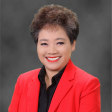
Emily Letran
Transforming chaos into clarity for thriving business leaders

Rachel Loui
Accelerate Revenue and Build Fear Immunity with Strategic Growth

Brian Fippinger
Speaker, Best Selling Author, and former Improv Actor who had been coaching leaders for 46 years.

Laurie-Ann Murabito
Speaking is the FASTEST way to grow your business!

Sunil Godse
Unlock success with intuitive brand power: outpace the competition in 14 seconds or less.

Diane Prince
Startup expert with experience launching, growing, and monetizing businesses up to $50 million.

Tyler Martin
Driven entrepreneur with a proven track record of success and a passion for helping others succeed.

Sebastián Uzcategui
Entrepreneur | Founder of Stocks University and Speak Up Express | Full-Time Trader | Keynote Speaker on Personal Growth and Finance
What Makes a Great Business Optimization Speaker
A standout business optimization speaker brings clarity to complexity. They take messy systems, tangled workflows, or underperforming teams and explain how to streamline, scale, and succeed - without drowning the audience in jargon. Whether they're talking to solopreneurs or enterprise execs, they tailor their message to resonate with the room. For example, someone like Verne Harnish doesn't just talk about scaling up - he shows you how to do it with real-world examples and actionable steps.
But it's not just about knowledge. Delivery matters. The best speakers are storytellers. They use case studies, analogies, and even humor to make their points stick. They don't just say 'optimize your funnel' - they walk you through how a SaaS startup in Singapore doubled conversions by tweaking onboarding. That kind of specificity builds trust.
And let's not forget energy. A great business optimization speaker energizes the room. They're not shouting or pacing wildly - they're tuned in. They read the audience, adjust their flow, and make every person feel like the talk was crafted just for them.
So if you're wondering what separates a decent speaker from a great one, it's this: insight, clarity, connection, and the ability to turn ideas into action. That's the magic formula.
How to Select the Best Business Optimization Speaker for Your Show
1. Define Your Event Goals
- Clarify the outcome. Are you looking to inspire, educate, or drive action?
- Know your audience. Are they startup founders, corporate managers, or ecommerce operators? Different speakers resonate with different crowds.
2. Search Smart
- Use platforms like Talks.co to browse vetted speakers with real reviews and video samples.
- Check speaker pages for past appearances, topics covered, and audience testimonials.
- Look beyond popularity. A speaker with 10,000 followers might not be as effective as one who's transformed 100 businesses.
3. Evaluate Content Fit
- Watch full-length talks, not just highlight reels. You want to see how they handle transitions, Q&A, and pacing.
- Check for relevance. If your theme is operational efficiency, someone who only talks about mindset might not be the best fit.
4. Connect for Chemistry
- Reach out directly or through a platform like Talks.co to gauge responsiveness and flexibility.
- Ask for a short intro call. You'll get a feel for their personality and how well they'll connect with your audience.
5. Validate with Social Proof
- Look for testimonials from similar events. If they've spoken at SaaStr or GrowthHackers, and your audience is in tech, that's a good sign.
- Ask for case studies. A great speaker will have examples of how their talk led to measurable results.
Selecting the right speaker is part art, part science. But when you follow a structured process, you'll end up with someone who not only delivers - they elevate your entire show.
How to Book a Business Optimization Speaker
1. Identify Your Ideal Speaker Profile
- Topic focus: Are you looking for someone who specializes in lean operations, team productivity, or systems automation?
- Audience level: Make sure the speaker's experience matches your audience - a corporate strategist might not click with bootstrapped founders.
2. Use a Trusted Booking Platform
- Talks.co is a great place to start. You can browse speaker profiles, watch sample talks, and see availability in real time.
- Filter by niche. Use tags like 'business optimization', 'scaling', or 'process improvement' to narrow your search.
3. Reach Out and Request Availability
- Send a clear inquiry. Include your event date, audience size, format (virtual or in-person), and desired outcomes.
- Ask for a discovery call. This helps both sides align expectations and confirm fit.
4. Review the Speaker Agreement
- Clarify deliverables: Is the speaker doing a keynote, workshop, or Q&A session?
- Confirm logistics: Travel, tech requirements, and timing should all be outlined.
- Discuss promotion: Will the speaker help promote the event to their audience?
5. Finalize and Promote
- Sign the agreement and send the deposit.
- Promote the speaker on your event page. Use their bio, headshot, and past talk clips to build excitement.
- Coordinate a pre-event check-in to ensure alignment on content and flow.
Booking a speaker is more than a transaction - it's a collaboration. When done right, it sets the tone for a high-impact session that your audience will remember (and talk about) long after the event ends.
Common Questions on Business Optimization Speakers
What is a business optimization speaker
Unlike general business speakers, business optimization speakers focus specifically on the 'how' of improvement. That might mean reducing operational waste, improving team workflows, or implementing automation tools. They often come from backgrounds in operations, consulting, or entrepreneurship, and they've usually worked hands-on with businesses across various industries.
These speakers are often featured at summits, webinars, masterminds, and corporate retreats. Whether it's a SaaS founder looking to streamline onboarding or a retail chain trying to cut costs without cutting corners, a business optimization speaker brings clarity and direction.
They also tailor their content to different audiences. For example, a speaker at a startup bootcamp might focus on lean methodology and MVP testing, while one at a Fortune 500 conference might dive into enterprise-level process mapping or Six Sigma strategies. The key is that they make optimization accessible and actionable, no matter the scale.
In short, a business optimization speaker is someone who helps businesses do better - and shows them how to do it through engaging, insightful presentations.
Why is a business optimization speaker important
These speakers bring an outside perspective that internal teams often miss. They've seen what works across industries, from logistics in Germany to fintech in Brazil, and they distill those insights into strategies that can be applied immediately. That kind of cross-pollination is invaluable.
They also help cut through the noise. In a world flooded with courses, books, and frameworks, a business optimization speaker curates what matters. They highlight the 20% of actions that drive 80% of results - whether that's automating customer service, refining your sales funnel, or improving team communication.
For event organizers, these speakers add serious value. They don't just fill a time slot - they shift mindsets. Attendees walk away with clarity, motivation, and a list of next steps they can implement right away. That's the kind of ROI that keeps people coming back to your events.
And finally, they're catalysts. Whether you're a solopreneur or a COO, hearing from someone who's optimized dozens (or hundreds) of businesses can spark the breakthrough you didn't know you needed. That's why they're not just helpful - they're essential.
What do business optimization speakers do
1. Analyze and Simplify Complex Systems
- They break down business models, workflows, and operations into understandable parts.
- For example, a speaker might walk through how a logistics company in India reduced delivery times by 30% using route optimization software.
2. Share Proven Frameworks
- They introduce models like Lean, Agile, or OKRs, but tailor them to the audience's context.
- A speaker might show how a small ecommerce brand used the Eisenhower Matrix to prioritize tasks and double productivity.
3. Deliver Actionable Insights
- Their talks are packed with real-world examples, not just theory.
- They might explain how a remote team in Eastern Europe scaled operations using asynchronous communication tools like Loom and Notion.
4. Inspire Change and Accountability
- They motivate teams to take action, often including follow-up resources or challenges.
- Some speakers offer post-event workshops or templates to help attendees implement what they've learned.
5. Customize Content for Different Audiences
- They adapt their message for different industries, company sizes, and cultural contexts.
- A speaker at a Latin American fintech summit might focus on compliance and scalability, while one at a US startup event might emphasize rapid iteration.
In essence, business optimization speakers are educators, strategists, and motivators rolled into one. They don't just inform - they equip people to take action and improve their businesses from the inside out.
How to become a business optimization speaker
1. Define Your Niche.
- Business optimization is broad. Are you focused on lean operations, digital transformation, team productivity, or revenue scaling? Get specific.
- Example: If you specialize in optimizing SaaS onboarding funnels, make that your hook.
2. Build Your Authority.
- Start by publishing content: blogs, LinkedIn posts, short videos.
- Host or guest on podcasts related to business growth and operations.
- Use platforms like Talks.co to create a speaker page that showcases your expertise, testimonials, and topics.
3. Craft Your Signature Talk.
- Develop a 30- to 60-minute talk that solves a real problem.
- Include case studies, frameworks, and actionable takeaways.
- Practice it live on smaller stages, webinars, or virtual summits.
4. Get Booked.
- Reach out to event organizers in your niche. Use your Talks.co speaker page as your digital pitch.
- Join communities where hosts and guests connect (like virtual summit groups on Facebook or LinkedIn).
- Offer to speak for free at first to build your portfolio.
5. Scale Your Speaking Career.
- Once you've got a few gigs under your belt, start charging.
- Collect video clips and testimonials to boost your credibility.
- Pitch yourself to larger conferences, corporate events, and international summits.
Remember, the key is consistency. The more you speak, the better you get, and the more opportunities come your way.
What do you need to be a business optimization speaker
Expertise First. You must have a deep understanding of business systems, processes, and performance improvement. This could come from years of consulting, managing operations, or leading growth initiatives. Whether you're optimizing supply chains in manufacturing or streamlining workflows in a tech startup, your insights need to be practical and proven.
Clear Communication. Being a great speaker means translating complex ideas into simple, actionable advice. You should be able to explain frameworks like Six Sigma or OKRs in a way that even a non-technical founder can understand. Storytelling, analogies, and real-world examples are your tools.
A Platform to Be Found. This is where platforms like Talks.co come in. Creating a speaker page with your bio, topics, and past talks makes it easy for hosts to find and book you. It also gives you a professional edge when pitching yourself to event organizers.
Networking and Visibility. You'll need to be active in communities where your audience hangs out. That could be LinkedIn groups for operations leaders, Slack channels for startup founders, or industry-specific forums. Speaking at virtual summits or being a guest on podcasts helps you build visibility and credibility.
In short, to be a business optimization speaker, you need:
- Deep knowledge in business systems and strategy.
- Strong communication and presentation skills.
- A professional online presence (like a Talks.co speaker page).
- A network of hosts, peers, and potential clients.
Combine these, and you're not just a speaker... you're a go-to expert.
Do business optimization speakers get paid
Corporate vs. Community Events. Corporate conferences and internal training sessions usually have bigger budgets. A speaker brought in to optimize a Fortune 500's operations might earn $10,000+ for a keynote. On the flip side, community-led events or virtual summits may offer lower fees or even just exposure.
Virtual vs. In-Person. Virtual events often pay less, but they're easier to scale. You can speak at multiple online events in a week without travel. In-person gigs tend to pay more due to logistics and exclusivity.
New vs. Established Speakers. If you're just starting out, you might speak for free to build your portfolio. But once you've got a few testimonials and a Talks.co speaker page with clips and reviews, you can start charging.
Here's a quick comparison table:
| Speaker Type | Typical Fee Range |
|---|---|
| New Speaker | $0 - $1,000 |
| Mid-Level Speaker | $1,000 - $5,000 |
| High-Demand Expert | $5,000 - $15,000+ |
How do business optimization speakers make money
1. Paid Speaking Engagements.
- This includes keynotes, workshops, panels, and training sessions.
- Corporate clients often pay premium rates for in-house optimization training.
2. Consulting Offers.
- Many speakers use their talks as lead generation tools.
- After the event, they pitch consulting packages to attendees or organizers.
- Example: A speaker at a logistics conference might land a $20K/month contract optimizing warehouse operations.
3. Online Courses and Digital Products.
- Speakers often turn their frameworks into courses, templates, or toolkits.
- These can be sold passively via their website or platforms like Gumroad or Kajabi.
4. Book Deals and Licensing.
- Publishing a book on business optimization can open doors to higher speaking fees and licensing deals.
- Some license their content to training companies or corporate L&D departments.
5. Affiliate and Partner Revenue.
- If they recommend tools (like CRMs, automation platforms, or analytics software), they can earn affiliate commissions.
- Example: Promoting a tool like Monday.com or Notion in a talk on team productivity.
6. Hosting Events or Summits.
- Some speakers flip the script and host their own events.
- Using platforms like Talks.co, they connect with other speakers and monetize through ticket sales, sponsorships, or upsells.
The best business optimization speakers treat speaking as both a revenue stream and a marketing channel. It's not just about the stage... it's about what happens after.
How much do business optimization speakers make
Entry-Level Speakers. These are professionals just starting out, often speaking at local events or virtual summits. They might earn $0 to $1,000 per talk, with occasional consulting leads.
Mid-Tier Speakers. With a few years of experience and a solid niche, these speakers can charge $2,000 to $7,500 per engagement. They often supplement with consulting, online courses, or group coaching.
Top-Tier Experts. These are the big names with books, media appearances, and a strong online presence. They can command $10,000 to $25,000+ per keynote, especially at corporate or international events.
Here's a breakdown:
| Tier | Per Talk Fee | Annual Income Potential |
|---|---|---|
| Entry-Level | $0 - $1,000 | $10K - $50K |
| Mid-Tier | $2K - $7.5K | $75K - $250K |
| Top-Tier | $10K - $25K+ | $300K - $1M+ |
How much do business optimization speakers cost
For Virtual Events:
- Emerging speakers: $500 - $1,500.
- Experienced professionals: $2,000 - $5,000.
- High-demand experts: $5,000 - $10,000+.
For In-Person Events:
- Local or regional speakers: $1,500 - $4,000.
- National-level experts: $5,000 - $15,000.
- International keynote speakers: $15,000 - $30,000+.
Additional Costs to Consider:
- Travel and accommodation (for in-person events).
- Custom content development (if you want a tailored workshop or keynote).
- Licensing fees (if the speaker provides proprietary frameworks or materials).
If you're booking through a platform like Talks.co, you can often filter by budget and see speaker packages upfront. That transparency helps avoid surprises and makes it easier to match the right speaker to your event goals.
Bottom line: hiring a business optimization speaker can be a smart investment if you're looking to drive real change in your organization. Just make sure their expertise aligns with your audience's needs.
Who are the best business optimization speakers ever
- Michael Gerber. Author of 'The E-Myth Revisited', Gerber emphasized systematizing small businesses to scale sustainably. His talks and books have influenced entrepreneurs globally.
- Jim Collins. Known for 'Good to Great', Collins dives deep into what makes companies thrive long-term. His data-driven approach to optimization has made him a staple on major stages.
- Tony Robbins. While known for personal development, Robbins has delivered countless talks on business mastery, systems, and scaling. His Business Mastery events are optimization-focused.
- Stephen Covey. Author of 'The 7 Habits of Highly Effective People', Covey's frameworks have been used in business optimization training for decades.
- W. Edwards Deming. A pioneer in quality control and process improvement, Deming's work revolutionized manufacturing and inspired lean methodologies.
- Ram Charan. A trusted advisor to Fortune 100 CEOs, Charan's talks focus on execution, strategy, and operational excellence.
- Clayton Christensen. His theory of disruptive innovation reshaped how businesses think about growth and optimization.
- Brian Tracy. Known for productivity and time management, Tracy's talks often center on optimizing performance at both individual and organizational levels.
- Tom Peters. Co-author of 'In Search of Excellence', Peters has spoken extensively on innovation, leadership, and operational agility.
Who are the best business optimization speakers in the world
- Lisa Bodell. A global keynote speaker and founder of FutureThink, Bodell focuses on simplifying complexity in business. Her talks on eliminating unnecessary processes are highly rated.
- Alex Osterwalder. Creator of the Business Model Canvas, Osterwalder speaks on innovation and strategy optimization. He's a favorite at global innovation summits.
- Gino Wickman. Creator of the Entrepreneurial Operating System (EOS), Wickman speaks on optimizing business structure and leadership teams.
- Nilofer Merchant. Known for her TED Talk on 'sitting is the smoking of our generation', Merchant also speaks on optimizing collaboration and innovation in modern workplaces.
- Roger Martin. Former Dean of the Rotman School of Management, Martin's talks on integrative thinking and strategy are popular among corporate audiences.
- April Dunford. Specializing in positioning and go-to-market strategy, Dunford's talks help businesses optimize how they present and sell their products.
- Daniel Pink. Author of 'Drive' and 'To Sell is Human', Pink speaks on optimizing motivation, sales, and workplace behavior.
- Tiffani Bova. Growth and innovation evangelist at Salesforce, Bova speaks globally on customer experience and business process optimization.
- Keith Cunningham. A business mentor and speaker known for his financial optimization frameworks, especially for entrepreneurs and CEOs.
Common myths about business optimization speakers
This assumption misses the mark. While it's true that Fortune 500 companies often hire high-profile speakers, small businesses and startups benefit just as much-sometimes more. Take a look at how local entrepreneurs in Southeast Asia have used regional conferences to bring in speakers who specialize in lean operations. These talks often lead to immediate action, like streamlining supply chains or improving team workflows. Optimization isn't about size-it's about efficiency, and that applies across the board.
Myth 2: They just talk about productivity hacks.
Sure, some speakers love their Pomodoro timers and color-coded calendars. But the best business optimization speakers go way deeper. We're talking systems thinking, cross-functional alignment, and sustainable growth models. Think of someone like Verne Harnish, who doesn't just talk about working faster-he dives into scaling up frameworks that impact hiring, cash flow, and strategic planning.
Myth 3: You need to be a consultant or MBA to become one.
Not even close. Some of the most impactful speakers come from non-traditional backgrounds. For example, a former restaurant owner in Melbourne turned her experience with optimizing kitchen workflows into a keynote series for hospitality conferences. What matters is your ability to translate real-world efficiency wins into actionable insights for others.
Myth 4: They all sound the same.
If you've only heard one or two speakers, maybe. But the field is incredibly diverse. You've got tech-savvy speakers focusing on automation, others who specialize in organizational psychology, and even those who bring in cultural perspectives on optimization. A speaker from Nairobi might approach team efficiency differently than someone from Toronto-and that diversity is what makes this space so dynamic.
Myth 5: Their advice is too generic to apply.
That depends on the speaker. The top-tier ones tailor their content to the audience. A session for SaaS founders will look very different from one for nonprofit leaders. The key is relevance-and the best speakers know how to deliver it by researching their audience and using industry-specific examples.
Case studies of successful business optimization speakers
Then there's Aisha Khan, who built her reputation in the Middle East by helping family-owned businesses modernize their operations. Her talks blend traditional business values with modern optimization strategies. At a summit in Dubai, she walked through how a third-generation textile company cut costs by 30% without layoffs-just by rethinking inventory management. Her storytelling style, grounded in real cultural context, made her a sought-after voice across the region.
In Latin America, Diego Morales took a different route. After years in logistics, he began speaking at trade expos about supply chain optimization. His breakout moment came when he used a case study from a Colombian coffee exporter to show how predictive analytics reduced delivery delays by 40%. That talk led to a TEDx invitation and a consulting gig with a multinational food distributor.
And let's not forget Rachel Lin, who carved out a niche in the startup ecosystem. She speaks at accelerators and pitch events, helping founders build scalable systems from day one. Her signature session, 'Optimize Before You Scale,' has been featured at events in Singapore, San Francisco, and Tel Aviv. Her approach? Marrying agile principles with business ops to help startups avoid growing into chaos.
Each of these speakers found success not by copying others, but by owning their unique lens on optimization. Whether through tech, tradition, logistics, or lean startups, they turned their insights into impact-and their voices into platforms.
Future trends for business optimization speakers
First, expect more integration of AI and automation into speaker content. It's not just about using ChatGPT to write emails faster. Speakers are now diving into how AI can optimize entire workflows-like using machine learning to predict customer churn or automate financial forecasting. Audiences want more than buzzwords. They want frameworks.
Second, there's a growing demand for industry-specific optimization strategies. Instead of one-size-fits-all advice, speakers are tailoring their content to verticals like healthcare, logistics, or education. For example, a speaker at a recent EdTech summit in Nairobi focused entirely on optimizing remote learning operations for rural schools. That kind of specificity is what organizers are now looking for.
Third, virtual and hybrid events are reshaping delivery. Speakers who can engage both in-person and remote audiences simultaneously are in high demand. This means mastering tools like Miro, Slido, and OBS isn't optional anymore-it's expected.
Here are a few key trends to watch:
- Data storytelling: Speakers who can turn complex metrics into compelling narratives will stand out.
- Cross-cultural optimization: Global audiences want strategies that respect local nuances. Expect more bilingual or regionally adapted talks.
- Sustainability-focused optimization: Efficiency isn't just about profit anymore. Speakers who can tie optimization to environmental or social impact will resonate more.
- Interactive formats: Panels, live audits, and real-time Q&A sessions are replacing static keynotes.
Bottom line: The future belongs to speakers who combine deep expertise with adaptability. If you're stepping into this space, think beyond the stage-think systems, sectors, and scale.
Tools and resources for aspiring business optimization speakers
Slidebean. If you want your slides to look professional without spending hours in PowerPoint, Slidebean is your friend. It uses AI to format your content and is especially useful for data-heavy presentations.
Notion. Use it to organize your speaking topics, track event outreach, and build a content library. Bonus: You can share Notion pages with event organizers as a dynamic speaker kit.
SpeakerHub. This directory helps you list your profile and get discovered by event planners. It also includes a job board for speaking gigs across industries and regions.
Otter.ai. Record your practice sessions or live talks, then use the transcripts to refine your messaging or repurpose content into blog posts and social media snippets.
Calendly. Streamline your booking process by letting event organizers schedule calls or pre-event briefings without the back-and-forth emails.
Canva. Perfect for creating branded speaker one-sheets, social media graphics, and even slide decks. Their templates make it easy to stay on-brand without hiring a designer.
Airmeet. If you're hosting your own virtual events or workshops, Airmeet offers interactive features like networking tables and live polls that boost engagement.
