Embodied Practices Speakers
You've got the date, the venue, maybe even the theme... but now you're stuck.
You need someone who can speak to presence, movement, and inner awareness-but not in a vague, woo-woo way.
You want someone grounded. Real.
Someone who can connect with your audience and actually embody what they're talking about.
So how do you find the right embodied practices speakers?
That's exactly what this guide will help with.
You'll learn what embodied practices speakers actually do, why they're so in demand, and what kind of events they're right for.
Whether you're planning a wellness summit, a mindfulness podcast, or a leadership retreat, the right speaker can help your audience slow down, tune in, and pay attention to what really matters.
I've seen how powerful these conversations can be when they're led by people who live their message.
And I've seen organizers struggle when they book someone who just reads the script but doesn't walk the talk.
Take a look below to meet standout embodied practices speakers you can book now for your next event or show.
Top Embodied Practices Speakers List for 2026

Helene Su
Awakening Visionary Changemakers through Dance to Lead with Love, Create from Soul and Live in Flow


Erin Parsley
Experience radical inner freedom through the joy of movement with award-winning dancer + coach, Max.
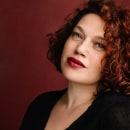
Alexandra Beller
Choreographer, Director, Embodiment Mentor – Where intuition, rigor, and artistry meet.

Tracy Revell
How You Show Up Changes Everything: Move with Power. Lead with Presence.

Tamara Laszlo
Guiding you through life's transitions with embodied wisdom.

Alyssa Van Alstyne
The body holds the map—to wealth, truth, and freedom

Carla Janse van Rensburg
Psychic, hypnotherapist, and yoga teacher bridging the subconscious, the body, and the ancestral

Erin LoPorto
Help folks heal the relationship with their body and self

Felicia Garrett
Awakening your inner power through emotional healing and transformation.
What Makes a Great Embodied Practices Speaker
Think of someone like Dr. Bessel van der Kolk, author of 'The Body Keeps the Score'. When he speaks, it's not just about trauma theory-it's about how the body holds experience. A great embodied practices speaker brings that level of depth, groundedness, and clarity. They move slowly when needed, pause with intention, and use their voice like an instrument. You feel them before you even fully understand them.
But it's not just about tone or pace. These speakers are deeply practiced in what they teach. Whether it's somatic therapy, yoga philosophy, martial arts, or dance-based healing, they've lived it. They've spent years, sometimes decades, in the work. That authenticity is what makes their message land.
And finally, they know how to meet their audience where they are. Whether they're speaking to corporate leaders in Singapore or trauma survivors in a rural retreat in Canada, they adapt-not by changing who they are, but by tuning their delivery to the room. That's the difference between a good speaker and one who leaves the audience transformed.
How to Select the Best Embodied Practices Speaker for Your Show
1. Clarify your show's intention.
- Are you focused on healing, leadership, creativity, or performance? Embodied practices span disciplines. A speaker who works with actors may not be the right fit for a trauma-informed business audience.
- Tip: Write a one-sentence mission for your episode. That'll help you filter speakers fast.
2. Use platforms like Talks.co to browse speaker profiles.
- Look for speakers who have a clear niche. Do they specialize in somatic coaching, breathwork, or movement therapy?
- Check their speaker page for past interviews, testimonials, and audience feedback. You want someone who can hold space and deliver value.
3. Watch or listen to their past talks.
- Are they engaging? Do they explain complex ideas clearly? Do they embody what they teach?
- Example: A speaker who teaches nervous system regulation but talks at 100mph might not be walking their talk.
4. Reach out with a tailored message.
- Mention why you think they're a fit. Reference a specific talk or quote that resonated with you.
- This builds rapport and shows you've done your homework.
5. Ask about their audience sweet spot.
- Some embodied practices speakers thrive in intimate, reflective settings. Others love high-energy panels. Make sure their style fits your format.
The best-fit speaker isn't always the most famous one. It's the one who can connect with your audience authentically and deliver a message that sticks.
How to Book an Embodied Practices Speaker
1. Start with research.
- Use platforms like Talks.co to discover speakers in the embodiment space. Filter by topic, region, or audience type.
- Pro tip: Look for speakers who've been guests on similar podcasts or virtual summits. That's a sign they know the format.
2. Visit their speaker page.
- This is where you'll find their bio, topics they speak on, availability, and sometimes even a booking calendar.
- Check for alignment: Do their themes match your show's message? Do they offer downloadable media kits or sample questions?
3. Reach out with a clear ask.
- Use a short, personalized message. Mention your show, your audience, and why you think they'd be a great fit.
- Example: "I host a podcast for wellness entrepreneurs and loved your talk on embodied leadership. Would you be open to joining me for a 30-minute episode?"
4. Confirm logistics early.
- Set a date and time, clarify the platform (Zoom, Riverside, etc.), and send over any prep materials.
- Ask if they need anything from you-some speakers prefer a list of questions in advance or a tech check.
5. Follow up with gratitude and promotion.
- After the interview, send a thank-you note. Share when the episode will go live and how you'll promote it.
- Tag them on social media, include their links in your show notes, and let them know how the audience responded.
Booking an embodied practices speaker is about building a relationship, not just filling a slot. Treat it like a collaboration, and you'll get a richer, more resonant conversation.
Common Questions on Embodied Practices Speakers
What is an embodied practices speaker
At its core, 'embodied practice' refers to any method that uses the body as a primary tool for learning, healing, or transformation. This includes somatic therapy, dance movement therapy, martial arts, yoga, breathwork, and even certain forms of performance art. So, an embodied practices speaker is someone who teaches, guides, or inspires others through these body-based modalities-often in live talks, workshops, or virtual events.
Unlike traditional speakers who might rely on slides or data-heavy presentations, embodied practices speakers often invite audiences into experiential moments. That could mean a guided breath session, a grounding exercise, or a reflective body scan. The goal? To help listeners not just understand a concept, but feel it.
These speakers come from diverse backgrounds. Some are therapists, others are movement artists, and many are trained in multiple disciplines. What unites them is their ability to translate deep, often abstract ideas into embodied experiences that stick with the audience long after the event ends.
In short, an embodied practices speaker doesn't just talk about change-they help you feel it in real time.
Why is an embodied practices speaker important
First, they offer something most speakers don't: a direct path to presence. Whether it's through movement, breath, or somatic awareness, they help audiences drop out of their heads and into their bodies. That's not just feel-good fluff. Research from institutions like Harvard and Stanford shows that embodied awareness improves decision-making, reduces stress, and enhances empathy.
Second, they make abstract concepts tangible. Take trauma, for example. A neuroscientist might explain how trauma affects the brain. An embodied practices speaker might guide you through a grounding technique that helps regulate your nervous system in real time. Both are valuable-but only one gives you a felt sense of change.
Third, they're crucial in cross-cultural and global contexts. In many Indigenous and non-Western traditions, healing and learning have always been embodied. Speakers from these backgrounds bring wisdom that challenges the Western mind-body split, offering more holistic perspectives.
Finally, embodied practices speakers are often catalysts for transformation. Whether it's a corporate team learning to manage stress through breathwork, or a group of activists using movement to process burnout, these speakers don't just inform-they shift the room. And in today's noisy, hyper-cognitive world, that's not just important. It's essential.
What do embodied practices speakers do
1. Teach embodiment-based concepts.
- They explain ideas like nervous system regulation, somatic awareness, trauma-informed movement, or embodied leadership.
- Example: A speaker might break down how breath affects the vagus nerve and why that matters for stress resilience.
2. Facilitate experiential exercises.
- These could include grounding techniques, breathwork, movement sequences, or guided visualizations.
- In a virtual summit, a speaker might lead a 5-minute body scan to help attendees reset between sessions.
3. Adapt to diverse audiences.
- For corporate teams, they might focus on embodied communication or stress management. For artists, they might explore creativity through movement.
- They know how to shift tone and content depending on who's in the room-whether it's a startup team in Berlin or a wellness retreat in Bali.
4. Bridge science and somatics.
- Many embodied practices speakers integrate neuroscience, psychology, or physiology into their talks. This helps ground their work in evidence while keeping it accessible.
- Example: A speaker might explain how trauma is stored in the body, then demonstrate a somatic release technique.
5. Hold space for transformation.
- More than just delivering content, they create a container where people feel safe to explore, feel, and shift.
- This is especially important in sensitive contexts like trauma healing, DEI work, or grief processing.
In essence, embodied practices speakers don't just talk about embodiment-they create it. They're facilitators, educators, and space-holders all in one, helping people reconnect with the intelligence of their own bodies.
How to become an embodied practices speaker
1. Define Your Embodied Niche.
- Embodied practices cover a wide range of modalities: somatic therapy, movement-based healing, breathwork, trauma-informed practices, and more. Choose your focus.
- Ask yourself: What unique perspective or lived experience do I bring? Are you a yoga therapist, a dance movement specialist, or a somatic coach?
2. Build Your Credibility.
- Get certified or trained in your chosen modality. Programs like the Somatic Experiencing Institute or The Embody Lab offer recognized credentials.
- Start sharing your insights through blog posts, podcasts, or short-form video. This builds trust and shows your depth.
3. Create a Speaker Page.
- Use platforms like Talks.co to create a free speaker profile. Highlight your topics, availability, testimonials, and past appearances.
- Include a high-quality headshot, a short bio, and a speaker reel if you have one.
4. Connect with Hosts and Event Organizers.
- Reach out to wellness summits, embodiment conferences, yoga festivals, and trauma-informed leadership events.
- Use Talks.co to connect directly with event hosts looking for speakers in your niche.
5. Start Small, Then Scale.
- Offer to speak at local studios, online summits, or niche podcasts. These smaller gigs build your portfolio.
- Collect testimonials and clips from each talk. These are gold for landing bigger stages later.
6. Package Your Offer.
- Decide whether you want to offer keynotes, workshops, or panel discussions. Make it easy for hosts to book you.
- Consider bundling your talk with a follow-up workshop or digital course.
Becoming an embodied practices speaker is about showing up authentically and consistently. The more you share, the more your message resonates.
What do you need to be an embodied practices speaker
Foundational Knowledge
Embodied practices are grounded in somatic awareness, trauma-informed care, and often draw from disciplines like yoga, dance, martial arts, and neuroscience. You'll need:
- Formal training or certification in your chosen modality (e.g., Feldenkrais, Alexander Technique, Somatic Experiencing).
- A deep understanding of the mind-body connection and how it applies to healing, leadership, or performance.
Speaking Skills
Being a great practitioner doesn't automatically make you a great speaker. You'll need to:
- Learn how to structure a talk that educates and inspires.
- Practice storytelling that resonates emotionally and intellectually.
- Be comfortable guiding experiential exercises live or virtually.
Digital Presence
In today's speaking world, your online presence is your calling card. Consider:
- Creating a speaker page on Talks.co to showcase your topics, availability, and past appearances.
- Posting short videos or insights on platforms like Instagram or LinkedIn to build authority.
Connection to Community
Embodied work is relational. You'll want to:
- Stay connected to your peers through professional associations or online groups.
- Attend events (in-person or virtual) to network with organizers and other speakers.
A Clear Message
What transformation do you offer your audience? Whether it's helping corporate teams regulate stress or guiding trauma survivors through healing, your message should be clear, specific, and aligned with your lived experience.
Ultimately, being an embodied practices speaker means walking your talk. Your presence, your voice, and your message should all reflect the integration you teach.
Do embodied practices speakers get paid
Paid vs. Unpaid Opportunities
- Unpaid Gigs: Common in the early stages. These include podcasts, community events, or online summits where the exposure is the main value.
- Paid Gigs: More common at wellness conferences, corporate retreats, leadership trainings, and professional development events.
Factors That Influence Pay
- Experience Level: Newer speakers might earn $100-$500 per talk, while seasoned experts can command $2,000-$10,000+.
- Audience Size & Budget: Speaking at a local yoga studio is different from keynoting a global trauma-informed leadership summit.
- Format: Keynotes typically pay more than panels or breakout sessions.
Pros of Paid Speaking
- Financial sustainability.
- Increased credibility and perceived value.
- Opportunity to reinvest in your brand (e.g., better video production, coaching).
Cons
- Payment isn't always guaranteed, especially in wellness spaces where budgets are tight.
- Some events offer barter deals (e.g., free booth space or promo) instead of cash.
Tip: Use platforms like Talks.co to filter for paid speaking opportunities and connect with hosts who value your expertise.
In short, yes, embodied practices speakers can and do get paid-but it often starts with strategic positioning and a clear value proposition.
How do embodied practices speakers make money
1. Speaking Fees
- For keynotes, workshops, or panels at conferences, retreats, or corporate events.
- Rates vary based on experience, topic relevance, and audience size.
2. Workshops and Trainings
- Many speakers offer half-day or full-day experiential workshops.
- These can be standalone events or add-ons to a speaking engagement.
- Example: A speaker might charge $3,000 for a keynote and an additional $2,000 for a post-event somatic workshop.
3. Online Courses and Memberships
- Turning your embodied methodology into a digital course can create passive income.
- Platforms like Teachable or Kajabi are popular for this.
- Some speakers also run monthly memberships with live sessions and community access.
4. Books and Products
- Publishing a book on embodied leadership or trauma-informed practices can boost credibility and generate royalties.
- Others sell guided audio practices, journals, or branded tools.
5. Private Coaching or Consulting
- High-ticket 1:1 coaching packages for leaders, creatives, or therapists.
- Corporate consulting on embodied leadership or wellness programs.
6. Affiliate and Partnership Revenue
- Promoting aligned products or programs through affiliate links.
- Collaborating with wellness brands or training institutes.
7. Virtual Summits and Online Events
- Hosting your own event via Zoom or similar platforms.
- Speakers often earn through ticket sales, upsells, or sponsorships.
By diversifying income streams, embodied practices speakers can create a sustainable business model that supports both their mission and their livelihood.
How much do embodied practices speakers make
Typical Speaking Fees
| Experience Level | Event Type | Fee Range |
|---|---|---|
| Beginner | Local studio or podcast | $0 - $300 |
| Intermediate | Online summit or retreat | $500 - $2,000 |
| Advanced/Keynote Level | Corporate or conference | $2,000 - $10,000+ |
- Part-time speakers (1-2 events/month): $10,000 - $40,000/year.
- Full-time speakers with multiple income streams: $60,000 - $200,000+.
- Top-tier experts with books, courses, and consulting: $250,000+.
Variables That Affect Earnings
- Geography: Speakers in North America or Europe often command higher fees than in some other regions.
- Topic Demand: Embodied leadership, trauma-informed care, and nervous system regulation are trending topics with high demand.
- Audience Size: Corporate audiences typically pay more than wellness communities.
Example: A speaker who does 10 paid talks a year at $3,000 each, plus earns $50,000 from online courses and $30,000 from coaching, could easily clear six figures.
While the path isn't always linear, embodied practices speakers who build authority and diversify their offerings can earn a solid income doing meaningful work.
How much do embodied practices speakers cost
Cost Ranges by Event Type
| Event Type | Typical Fee Range |
|---|---|
| Community Wellness Event | $0 - $500 |
| Online Summit or Panel | $200 - $1,500 |
| Corporate Workshop | $2,000 - $7,500 |
| Keynote at Major Conference | $5,000 - $15,000+ |
- Speaker Experience: A newer speaker might charge $500, while a well-known author or trainer could ask $10,000+.
- Customization: Tailored content or experiential design often adds to the cost.
- Travel and Logistics: In-person events may require covering flights, accommodation, and per diem.
- Add-ons: Want a post-event workshop or access to their online course? Expect additional fees.
Cost-Saving Tips for Hosts
- Use platforms like Talks.co to find speakers within your budget.
- Offer value beyond cash: professional video footage, high-quality testimonials, or exposure to a new audience.
- Consider group bookings: some speakers offer discounts if booked for multiple sessions or events.
In short, embodied practices speakers can be accessible for grassroots events and still command premium rates for high-impact engagements. It all depends on the scope and value of the experience you're creating.
Who are the best embodied practices speakers ever
- Bessel van der Kolk: While more of a researcher, his speaking on 'The Body Keeps the Score' has influenced countless embodied practitioners worldwide.
- Gabrielle Roth: Founder of 5Rhythms, Roth brought movement-based spiritual practice to global stages. Her legacy lives on through her students.
- Anna Halprin: A pioneer in dance therapy, Halprin's work bridged performance and healing. Her lectures and workshops were groundbreaking.
- Resmaa Menakem: Known for his work on racialized trauma and somatic abolitionism, Menakem's speaking is powerful, grounded, and deeply embodied.
- Tami Lynn Kent: A leader in women's pelvic health and energy medicine, Kent's talks are rooted in body wisdom and empowerment.
- Pat Ogden: Founder of Sensorimotor Psychotherapy, Ogden's presentations are rich with clinical insight and embodied nuance.
- Deb Dana: A leading voice in Polyvagal Theory, Dana's talks help audiences understand nervous system regulation in accessible ways.
- Thich Nhat Hanh: Though primarily known as a spiritual teacher, his teachings on mindfulness and presence are deeply embodied.
- Bonnie Bainbridge Cohen: Founder of Body-Mind Centering, Cohen's work has influenced generations of movement educators and therapists.
Who are the best embodied practices speakers in the world
- Dr. Gabor Maté (Canada): While not strictly an embodied practitioner, Maté's talks on trauma and the body are deeply somatic and widely respected.
- Soma Ghosh (India/UK): A voice in cultural embodiment and ancestral healing, Ghosh brings a global perspective to embodied storytelling.
- David Treleaven (USA): Author of 'Trauma-Sensitive Mindfulness', Treleaven speaks internationally on integrating mindfulness with somatic safety.
- Ya'Acov Darling Khan (UK): Co-founder of Movement Medicine, his talks blend shamanic practice with embodied leadership.
- Dr. Rae Johnson (Canada): A somatic educator and queer theorist, Johnson's work on embodied social justice is gaining global traction.
- Karin Gurtner (Switzerland): Founder of Slings Myofascial Training, Gurtner speaks on fascia, movement, and embodiment with scientific precision.
- Sati Chock (Thailand/USA): A leader in Thai somatics and trauma-informed bodywork, Chock brings Southeast Asian wisdom to international audiences.
- Marianne Karou (Australia): Founder of Dance of the Heart, Karou is a sought-after speaker at embodiment festivals and retreats.
- Philip Shepherd (Canada): Author of 'Radical Wholeness', Shepherd's talks explore embodied presence in a fast-paced world.
Common myths about embodied practices speakers
This misconception comes from a narrow view of what 'embodied' means. While it's true that many embodied practices speakers come from somatic or movement-based disciplines like yoga, dance, or martial arts, their expertise is increasingly being applied in corporate leadership, trauma-informed coaching, education, and even tech. For example, Google's mindfulness programs have featured speakers who integrate body awareness into productivity and innovation strategies.
Myth 2: You need to be a certified bodyworker or therapist to be an embodied practices speaker.
Not necessarily. While credentials can add credibility, what matters more is a deep understanding of how the body influences communication, decision-making, and presence. Some of the most compelling speakers in this space come from theater, sports, or even military backgrounds, where embodied intelligence is lived, not just studied. What counts is how you translate that into a message that resonates.
Myth 3: Embodied practices are too 'woo-woo' for mainstream audiences.
This one's fading fast. As neuroscience continues to validate the connection between body and brain, embodied practices are gaining traction in boardrooms and classrooms alike. Speakers like Dr. Peter Levine and Resmaa Menakem have brought somatic work into trauma healing and racial justice conversations, showing that embodiment is not fringe-it's foundational.
Myth 4: Speaking about embodiment means doing live movement demos on stage.
While some speakers do incorporate movement, it's not a requirement. Embodied practices can be conveyed through storytelling, metaphor, breathwork, or even how a speaker uses their own body on stage. The key is congruence: walking your talk, literally and figuratively.
Myth 5: There's no real demand for embodied practices speakers.
Actually, demand is growing. Conferences on leadership, mental health, DEI, and education are actively seeking speakers who can help audiences reconnect with their bodies in a disconnected world. The rise of burnout, remote work fatigue, and trauma awareness has created a need for speakers who can offer grounded, embodied solutions.
Case studies of successful embodied practices speakers
In a very different setting, Strozzi Institute-trained coach Richard Strozzi-Heckler has spoken at military academies and corporate retreats alike. His talks blend martial arts principles with leadership development, showing how presence and posture impact influence. One of his most impactful sessions involved guiding executives through a simple centering practice before a negotiation role-play. The result? Measurable improvements in clarity and confidence.
Then there's Tasha Blank, a DJ and movement facilitator who turned her background in dance and neuroscience into a speaking platform. At tech conferences and wellness festivals, she speaks about the science of rhythm and how movement unlocks creativity. Her TEDx talk, which includes a segment where the audience dances in their seats, has inspired a wave of speakers to rethink how embodiment can be integrated without losing professionalism.
Even in education, speakers like Dr. Rae Johnson have brought embodied practices into academic spaces. Their talks on gender, power, and the body challenge traditional lecture formats, often inviting audiences to notice their own physical responses to difficult topics. This approach has been especially effective in diversity and inclusion training, where intellectual understanding alone often falls short.
These speakers didn't follow a template. They found their unique voice by aligning their message with their body. Whether through stillness, movement, or presence, they've shown that embodiment isn't a technique-it's a way of being that transforms how we speak and how we're heard.
Future trends for embodied practices speakers
- Neuroscience-backed embodiment. With growing research on the vagus nerve, interoception, and trauma-informed care, speakers who can translate complex science into accessible embodiment practices will be in high demand. Expect more collaborations between embodied speakers and neuroscientists.
- Corporate integration. Companies are moving beyond mindfulness apps and into full-body leadership training. Embodied practices speakers are being brought in to teach emotional regulation, somatic resilience, and embodied communication to teams-especially in hybrid or remote work environments where disconnection is high.
- Decolonizing embodiment. There's a growing call for speakers who can address how embodiment intersects with race, gender, and systemic oppression. This means more space for voices from Indigenous, Black, and queer communities who bring ancestral and culturally rooted embodiment practices to the stage.
- Digital embodiment. As virtual events continue, speakers are learning how to guide embodiment practices through screens. This includes using voice, pacing, and visual cues to create presence in a digital space. Some are even exploring VR and AR to simulate embodied experiences.
- Cross-disciplinary fusion. The most impactful speakers are blending embodiment with other fields: tech, education, activism, even finance. Imagine a fintech keynote that opens with a grounding practice to reduce scarcity-driven decision-making. It's already happening.
In short, embodied practices speakers are moving from niche to necessary. As audiences crave authenticity and connection, those who can speak from the body-and to the body-will lead the conversation.
Tools and resources for aspiring embodied practices speakers
1. Talks.co. A podcast guest matching tool that helps you get booked on shows aligned with your message. Great for building visibility and practicing your embodied delivery in a conversational format.
2. Strozzi Institute. Offers training in somatic coaching and leadership. Their programs are ideal for speakers who want to ground their message in a rigorous embodied methodology.
3. Authentic Relating Training. These workshops help you develop presence, listening skills, and relational intelligence-key traits for any embodied speaker.
4. The Embodiment Conference Recordings. While the live event has passed, the recordings feature hundreds of speakers across disciplines. Study their delivery styles, content structure, and how they integrate embodiment into speaking.
5. Voice & Presence Coaching by Patsy Rodenburg. While not specifically for embodied practices, her work on presence and vocal authority is gold for anyone wanting to speak with their whole self.
6. Insight Timer. Use this platform to test your guided practices or talks. Many embodied speakers start here to build an audience and refine their voice.
7. The Embodiment Podcast. Hosted by Mark Walsh, this podcast features interviews with top embodiment teachers and speakers. It's a great way to stay current and hear how others are framing their work.
8. Zoom with movement-friendly settings. If you're speaking online, tweak your setup: wide-angle webcam, standing desk, and good lighting so your body language translates. Embodied delivery doesn't stop at the stage.
Use these tools not just to learn, but to practice. Embodied speaking is experiential-your growth comes from doing, not just knowing.
