End of Life Doula Speakers
You're planning an event or podcast episode that touches on death, dying, or caregiving-and suddenly, you hit a wall.
Who do you bring in to speak?
Should it be a medical expert, a grief counselor, or someone with lived experience?
End of life doula speakers often get overlooked, but they're exactly the kind of voices that bring clarity, calm, and real perspective.
The kind of speaker who knows how to talk about dying without making it feel clinical or abstract.
So how do you find the right end of life doula speakers?
What do they actually talk about?
And how do you know if they'll connect with your audience?
This guide pulls together some of the best in the space-people who've worked with families, spoken at events, and offered meaningful, honest conversations about the end of life.
I've seen how powerful these talks can be when the speaker knows how to meet the moment with compassion and clarity.
Whether you're building a podcast lineup or curating a panel for a wellness summit, these end of life doula speakers are worth your time.
Take a look, explore their work, or book someone who fits your vibe.
Top End of Life Doula Speakers List for 2026

Samantha Potter
Thresholds on the Edge: Helping leaders, lives, and legacies find their true direction.

Patricia D. Freudenberg
Transform grief into a legacy

Elizabeth Verwey
Writer and Speaker with brand new topic - a new post-divorce stage. New book-Brave New Endings: True Stories of Caring for an Ex.

Kim Hodous
From grief to happiness: Helping moms heal and connect directly with their child on the other side.

Bethan Thompson
Empowering minds, healing hearts—your warrior for wellness
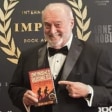
Dean Walters
Getting older is inevitable; feeling older is optional.
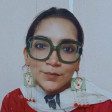
Dr Sneha Rooh
Finding Meaning in Mortality. Loving the Life/Death/Life Cycle

Debbie Compton
I help you reduce stress in 5 minutes, block burnout, and learn to laugh again.

Patricia D. Freudenberg
Empowering the grieving individual to transform the pain of loss into a life without feeling stuck in sorrow.

Terry Wong
Empowering birth experiences with care, compassion, and confidence.
What Makes a Great End of Life Doula Speaker
Take someone like Alua Arthur, founder of Going with Grace. She doesn't just talk about death; she invites people into a conversation that feels safe, human, and even hopeful. That's the mark of a great speaker in this space. They don't shy away from the hard stuff. Instead, they lean in with compassion and clarity.
What sets them apart is their ability to translate complex emotional experiences into relatable stories. They might recount a moment with a client-not to sensationalize, but to illuminate the universal truths we all face. These speakers are skilled at holding space, even in a virtual room full of strangers. They know when to pause, when to push, and when to simply let silence speak.
And let's not forget delivery. A great end of life doula speaker doesn't rush. They speak with intention. Their tone is grounded, their words carefully chosen. They're not trying to impress you with jargon or overwhelm you with data. They're there to guide, to witness, and to share.
Ultimately, it's about trust. When someone talks about death, grief, and legacy, the audience needs to feel safe. The best speakers in this field earn that trust with every word, every breath, and every story they tell.
How to Select the Best End of Life Doula Speaker for Your Show
1. Define Your Audience and Intent.
- Are you speaking to healthcare professionals, caregivers, or a general audience curious about death literacy?
- Clarify whether you're aiming for educational depth, emotional resonance, or inspirational storytelling.
2. Search on Trusted Platforms.
- Use directories like Talks.co to browse vetted speakers. Filter by topic, tone, or experience level.
- Look at their speaker pages for demo reels, past appearances, and testimonials.
3. Evaluate Communication Style.
- Watch or listen to at least two full-length talks or interviews. Are they engaging? Do they balance vulnerability with professionalism?
- Look for speakers who can adapt their message to different formats-live, podcast, panel, or webinar.
4. Check for Cultural and Contextual Fit.
- If your audience is global, does the speaker bring a culturally sensitive perspective?
- For example, someone who's worked in both Western and Eastern hospice settings may offer broader insights.
5. Reach Out and Ask Smart Questions.
- Ask how they tailor their message for different audiences.
- Inquire about their comfort level with live Q&A or emotionally charged topics.
Bonus Tip: Use Talks.co's host-guest matching feature to streamline the process. It connects you with speakers who are actively looking for aligned opportunities, saving you time and guesswork.
How to Book a End of Life Doula Speaker
1. Identify Your Ideal Speaker Profile.
- Think about tone, experience, and topic focus. Do you want someone who speaks from personal experience, clinical background, or spiritual perspective?
2. Use a Platform Like Talks.co.
- Search by keyword or category.
- Review speaker profiles, including video clips, bios, and availability.
- Use the contact or 'Book Now' button directly from their page.
3. Reach Out With a Clear Ask.
- Include your show's name, audience size, format (live, recorded, panel), and the topic you'd like them to cover.
- Be upfront about logistics: date, time zone, length, and whether it's paid or promotional.
4. Confirm the Details in Writing.
- Once they agree, send a confirmation email or use a speaker agreement template.
- Include tech setup (Zoom, StreamYard, etc.), promotional expectations, and any prep materials.
5. Prep and Promote.
- Share a run-of-show or outline at least a week before.
- Promote the event using their name and bio-many speakers will co-promote if you provide graphics or swipe copy.
Pro Tip: If you're booking multiple speakers for a summit or series, consider batching outreach and using a shared calendar link to streamline scheduling.
Common Questions on End of Life Doula Speakers
What is a end of life doula speaker
End-of-life doulas are trained to support individuals and families during the dying process. When they step onto a stage or podcast, they bring that same compassionate presence to a broader audience. Their talks often cover topics like anticipatory grief, legacy planning, ethical wills, and how to talk to loved ones about death.
Unlike medical professionals who focus on clinical care, end of life doula speakers focus on the emotional, spiritual, and logistical aspects of dying. They might speak at conferences, summits, webinars, or podcasts, often to audiences who are caregivers, healthcare workers, or simply curious about how to approach death more consciously.
These speakers often have certifications or training in end-of-life care, but what sets them apart is their ability to communicate those insights in a way that's accessible and human. They're not just educators-they're facilitators of some of the most meaningful conversations we can have.
In short, a end of life doula speaker is a bridge between personal experience and public dialogue, helping people face death with more clarity, compassion, and courage.
Why is a end of life doula speaker important
In a world where death is often medicalized or hidden behind closed doors, these speakers help normalize the conversation. They offer language, perspective, and tools that empower people to make informed, compassionate choices about how they or their loved ones die.
From a societal standpoint, this is huge. In countries like Australia, Canada, and the Netherlands, where death literacy is gaining traction, end of life doula speakers are often invited to speak at healthcare conferences, wellness summits, and even corporate wellness programs. Their presence signals a shift toward more holistic, human-centered care.
They also play a crucial role in education. Whether it's a podcast host trying to explore grief or a nonprofit running a death café, these speakers bring depth and clarity to emotionally charged topics. They help people feel less alone, more prepared, and more connected.
And let's not forget the ripple effect. A single talk can inspire someone to have a long-overdue conversation with a parent, update their advance directive, or volunteer in hospice. That's the kind of impact that goes beyond the stage.
What do end of life doula speakers do
Here's what they actually do:
- Educate Audiences on Death and Dying. They explain what the dying process looks like, how to prepare emotionally and practically, and what options exist for end-of-life care. This might include topics like home funerals, green burials, or how to support someone in hospice.
- Facilitate Conversations Around Grief and Legacy. Many end of life doula speakers guide audiences through exercises or reflections on legacy letters, ethical wills, or memory projects. These talks often include prompts that people can take home and use with their families.
- Advocate for Death Literacy and Policy Change. Some speakers, like those affiliated with organizations such as The Order of the Good Death, use their platform to push for cultural and legislative shifts. This could mean advocating for better hospice access or more inclusive end-of-life care.
- Support Caregivers and Professionals. In workshops or panels, they offer tools and strategies for nurses, social workers, and family caregivers. This might include burnout prevention, communication tips, or understanding the emotional stages of dying.
- Share Personal and Client Stories. With permission and care, they share real-life experiences that help demystify death. These stories make the abstract tangible and help audiences connect on a human level.
Whether they're speaking at a virtual summit or a local community center, end of life doula speakers are helping reshape how we talk about-and live with-the reality of death.
How to become a end of life doula speaker
1. Gain Experience as an End of Life Doula
- Before stepping onto a stage, you need real-world experience. Complete a reputable end of life doula training program (like INELDA or Lifespan Doula Association).
- Volunteer in hospices or palliative care settings to deepen your understanding.
2. Define Your Unique Message
- What stories or lessons do you want to share? Maybe it's about grief literacy, cultural rituals around death, or how families can prepare emotionally.
- Craft a signature talk that reflects your voice and values.
3. Build Your Speaker Assets
- Create a speaker page on your website with your bio, headshots, speaking topics, testimonials, and a short video clip of you presenting.
- Use platforms like Talks.co to connect with event hosts and get discovered by aligned audiences.
4. Start Small and Local
- Speak at local libraries, death cafes, community centers, or wellness events.
- Record these talks to build your reel and gather feedback.
5. Network and Pitch
- Reach out to event organizers in the wellness, hospice, and spiritual care spaces.
- Use LinkedIn and Talks.co to connect with podcast hosts, summit organizers, and conference planners.
6. Leverage Virtual Summits
- Participate in online events to grow your reach globally. Talks.co is a great place to find virtual opportunities.
- Offer a free resource or guide to collect emails and build your list.
7. Refine and Grow
- Ask for feedback after every talk. Tweak your delivery, slides, and stories.
- As your reputation grows, so will your opportunities and speaker fees.
What do you need to be a end of life doula speaker
Foundational Training
You can't speak authentically about end of life care without walking the path yourself. That means completing a certified end of life doula training program. INELDA, DoulaGivers, and Lifespan Doulas are some of the most recognized organizations offering structured programs that cover vigil planning, grief support, and legacy projects.
Speaking Skills
Being a doula doesn't automatically make you a speaker. You'll need to learn how to structure a talk, engage an audience, and handle Q&A sessions. Consider joining a group like Toastmasters or investing in a speaker coach. You can also study top speakers in the wellness and caregiving space to see how they connect emotionally with their audience.
A Clear Niche and Message
What sets you apart? Maybe you specialize in supporting LGBTQ+ families, or you've worked with rural hospice programs. Your niche helps you stand out and makes it easier for event hosts to book you. On platforms like Talks.co, clarity in your speaker profile can make or break your visibility.
Online Presence
A professional speaker page is essential. It should include your bio, speaking topics, testimonials, and a video of you in action. This is your calling card for event organizers. Talks.co makes it easy to showcase this all in one place.
Connection to Community
End of life work is deeply personal. You'll need to stay connected to the doula community and the broader death-positive movement. This keeps your content relevant and your network strong, which is crucial for referrals and collaborations.
Do end of life doula speakers get paid
Factors That Influence Payment:
- Experience Level: Newer speakers might start with unpaid or low-paid gigs, while seasoned professionals can command $1,000 to $5,000 per keynote.
- Event Type: Nonprofits and community events often have smaller budgets, while healthcare conferences and corporate wellness programs tend to pay more.
- Geographic Reach: Speakers in urban areas or those who present virtually to global audiences often have more opportunities and higher rates.
Pros:
- Speaking can be a high-leverage activity: one talk can lead to multiple consulting or training gigs.
- Paid speaking builds credibility and positions you as a thought leader in the death care space.
Cons:
- It can take time to build a reputation that justifies higher fees.
- Some events, especially in the death-positive community, operate on tight budgets and may only offer honorariums or travel reimbursement.
Example:
A speaker who specializes in grief rituals for multicultural communities might be invited to speak at a university's social work department and earn $1,500, while also being asked to present at a local death cafe for free.
Platforms like Talks.co help bridge this gap by connecting speakers with hosts who are actively looking for niche voices, making it easier to find paid opportunities that align with your mission.
How do end of life doula speakers make money
1. Paid Speaking Gigs
- Keynotes, panels, and workshops at conferences, wellness expos, and hospice training events.
- Rates range from $500 to $5,000+ depending on the event size and speaker reputation.
2. Virtual Summits and Webinars
- Many speakers use platforms like Talks.co to get booked for online events.
- These often pay less upfront, but offer affiliate commissions or lead generation opportunities.
3. Courses and Digital Products
- Speakers often create online courses on topics like 'How to Talk to Kids About Death' or 'Creating Legacy Projects'.
- These can be sold directly or bundled with speaking packages.
4. Consulting and Coaching
- After a talk, audience members may reach out for 1-on-1 grief coaching, doula mentorship, or organizational training.
- This backend revenue can far exceed the speaking fee itself.
5. Books and Publications
- Publishing a book or contributing to anthologies can open doors to paid speaking gigs and media appearances.
- Book sales at events also add to income.
6. Sponsorships and Partnerships
- Some speakers partner with hospice organizations, funeral homes, or wellness brands to co-host events or webinars.
- These partnerships often include a speaking fee plus promotional support.
By diversifying income streams, end of life doula speakers can build a sustainable business that extends far beyond the stage.
How much do end of life doula speakers make
Typical Speaking Fees:
| Experience Level | Average Fee per Talk |
|---|---|
| Beginner | $0 - $500 |
| Intermediate | $500 - $2,000 |
| Expert/Keynote Level | $2,000 - $5,000+ |
- Part-time speakers who do 1-2 talks per month might earn $5,000 to $20,000 annually.
- Full-time speakers with a strong brand and multiple income streams can earn $50,000 to $150,000+.
Variables That Affect Income:
- Niche Demand: Speakers who focus on underserved topics (e.g. death in marginalized communities) may be in higher demand.
- Geographic Reach: Virtual speakers can access more events globally, increasing their frequency and income.
- Backend Offers: Those who sell courses, books, or coaching often double or triple their income from a single talk.
Example:
A speaker who charges $1,500 per talk and does 3 talks per month earns $54,000 annually from speaking alone. If they also sell a $197 course to 10% of their audience, that could add another $20,000+ per year.
Using platforms like Talks.co to get booked regularly and build a speaker funnel is key to scaling income over time.
How much do end of life doula speakers cost
Typical Cost Ranges:
| Event Type | Speaker Fee Range |
|---|---|
| Local community event | $0 - $500 |
| Nonprofit or hospice training | $250 - $1,500 |
| National conference keynote | $2,000 - $5,000+ |
| Virtual summit or webinar | $100 - $1,000 |
- Speaker Experience: A well-known speaker with published work or media appearances will charge more.
- Customization: Talks tailored to a specific audience or organization often come at a premium.
- Travel Requirements: In-person events may include travel, lodging, and per diem costs.
Cost-Saving Tips:
- Book speakers through platforms like Talks.co, where you can filter by budget and negotiate directly.
- Consider virtual events to save on travel and venue costs.
- Offer value beyond money, like media exposure or professional video footage.
Example:
A hospice in Oregon might pay $750 for a local doula speaker to lead a 90-minute workshop, while a national palliative care summit in Toronto might invest $3,500 for a keynote plus breakout session.
Ultimately, the cost reflects the speaker's expertise, impact, and the value they bring to your audience.
Who are the best end of life doula speakers ever
Alua Arthur: Founder of Going With Grace, Alua blends legal knowledge with spiritual insight. Her talks are deeply moving and culturally inclusive.
Stephen Jenkinson: Author of 'Die Wise', Jenkinson's poetic and philosophical approach to death has made him a sought-after speaker globally.
Jerrigrace Lyons: A pioneer in the home funeral movement, she's been educating communities for decades on conscious dying and after-death care.
Sarah Kerr: A death doula and ritual healing practitioner from Canada, Sarah's talks focus on the spiritual and energetic aspects of dying.
Barbara Karnes: A hospice nurse and author of 'Gone From My Sight', Barbara's educational talks are widely used in hospice training programs.
Frank Ostaseski: Co-founder of the Zen Hospice Project, Frank's teachings blend mindfulness with end of life care and have influenced thousands.
Yvette Colon: A social worker and speaker who focuses on cultural competency in end of life care, especially in Latinx communities.
Caitlin Doughty: While not a doula, her advocacy for death acceptance and education through 'Ask a Mortician' has inspired many doulas to speak publicly.
Reverend Olivia Bareham: Founder of Sacred Crossings, she speaks on conscious dying, home funerals, and spiritual preparation for death.
Who are the best end of life doula speakers in the world
Sarah Kerr (Canada): Known for her online courses and international webinars, Sarah's work resonates across cultures and spiritual traditions.
Stephen Jenkinson (Canada): His global tours and books have made him a philosophical voice on death and dying worldwide.
BJ Miller (USA): With TED talks reaching millions, BJ's influence spans continents and disciplines, from medicine to design.
Frank Ostaseski (USA): His teachings are used in hospice programs across Europe, Asia, and North America.
Bonus Mentions:
- Zenith Virago (Australia) - A celebrant and death walker, she's a leading voice in Australia's natural death movement.
- Anji Hunter (UK) - Known for organizing death cafes and speaking on grief in corporate settings.
- Dr. Mhoireasdan MacLeod (Scotland) - A Gaelic-speaking doula who integrates Celtic traditions into end of life care talks.
These speakers have not only shaped conversations in their own countries but have also influenced global perspectives on death, dying, and dignity.
Common myths about end of life doula speakers
1. Myth: End of life doula speakers only talk about death.
This is a narrow view. While death is certainly a topic, these speakers often focus on life-how to live meaningfully, how to prepare emotionally, spiritually, and practically for transitions, and how families can support each other. Many incorporate themes like legacy, resilience, and cultural rituals. For example, speakers like Alua Arthur blend legal, emotional, and spiritual preparation into powerful keynote talks that resonate far beyond hospice care.
2. Myth: You need to be a medical professional to speak in this space.
Not true. Many end of life doula speakers come from backgrounds in social work, coaching, spiritual care, or even the arts. What matters is lived experience, training, and the ability to communicate with empathy and clarity. Think of it like the TED stage: it's not about credentials, it's about insight and connection.
3. Myth: There's no audience for this topic.
Actually, demand is growing. With aging populations in countries like Japan, Germany, and the U.S., conversations around death literacy are becoming mainstream. Conferences on aging, wellness, and even tech (like SXSW's wellness track) are increasingly featuring end of life topics. The key is framing: audiences want to hear about meaning, not just mortality.
4. Myth: Speaking about death is depressing.
This one's emotional, but misleading. Many talks by end of life doula speakers are surprisingly uplifting. They explore gratitude, legacy, and the beauty of impermanence. Speakers like BJ Miller have shown that these conversations can be deeply inspiring, even joyful.
5. Myth: It's a niche with no growth potential.
The reality? It's expanding. From corporate wellness programs to eldercare summits, the need for thoughtful, emotionally intelligent speakers is rising. As more people seek meaning in their work and lives, end of life doula speakers are uniquely positioned to guide those conversations.
Case studies of successful end of life doula speakers
Then there's the case of a tech entrepreneur from Toronto who pivoted into end of life work after losing a parent. He combined his background in digital storytelling with doula training and began speaking at innovation conferences about designing better end-of-life experiences. His TEDx talk went viral, not because it was flashy, but because it was real. He used data, personal narrative, and design thinking to reframe how we talk about dying in the digital age.
In the U.S., a Latina speaker from New Mexico has been making waves by integrating indigenous traditions into her talks. She speaks bilingually, weaving in stories from her community and how ancestral practices can support modern end-of-life care. Her sessions at cultural festivals and wellness retreats are often standing-room only. What sets her apart is her ability to speak across generations-elders, millennials, and Gen Z all find something in her message.
And let's not forget the UK-based doula speaker who started by giving talks at local libraries. She focused on grief literacy and community death care. Her grassroots approach caught the attention of the BBC, and she now consults for public health campaigns. Her journey proves that you don't need a big stage to start-just a clear voice and a message that matters.
Each of these speakers found their lane by blending personal experience, cultural context, and a commitment to changing the conversation. They didn't follow a script. They followed a calling-and built audiences by showing up with authenticity and clarity.
Future trends for end of life doula speakers
- Hybrid event formats are here to stay. More conferences are offering both in-person and virtual stages. This means doula speakers can reach global audiences without hopping on a plane. Think of platforms like Hopin or Airmeet that allow for intimate, interactive sessions-perfect for sensitive topics.
- Intersectional storytelling is gaining traction. Audiences are craving nuanced perspectives. Speakers who can speak to race, gender, disability, and cultural identity within end-of-life care are in demand. For example, talks that explore how Black or Indigenous communities approach death differently are resonating at DEI-focused events.
- Corporate wellness is opening its doors. Companies are realizing that grief, caregiving, and mortality affect productivity and morale. End of life doula speakers are being invited to speak at HR summits, leadership retreats, and even tech company offsites. The framing? Emotional intelligence, resilience, and legacy-building.
- AI and digital legacy are hot topics. As more people store their lives online, questions about digital afterlife are becoming mainstream. Speakers who can address this intersection-what happens to our data, our social media, our digital memories-are finding new stages, from tech expos to legal conferences.
- Globalization of death literacy. Countries like Singapore, Sweden, and Brazil are investing in public education around death and dying. This opens doors for speakers who can adapt their message to different cultural contexts or speak multiple languages.
In short, the future is wide open. Whether you're coming from healthcare, coaching, tech, or the arts, there's a growing appetite for honest, grounded, and culturally aware conversations about the end of life. And speakers who can meet that need with clarity and compassion? They'll be leading the next wave.
Tools and resources for aspiring end of life doula speakers
1. Talks.co. A podcast guest matching platform that helps you connect with hosts looking for meaningful conversations. Great for building your speaking resume and reaching niche audiences.
2. INELDA. The International End of Life Doula Association offers training, certification, and a speaker directory. If you're looking to build credibility and connect with other doulas, this is a solid place to start.
3. SpeakerHub. A global directory for speakers. You can create a profile, list your topics, and get discovered by event organizers. Be sure to include video clips or testimonials if you have them.
4. Canva. For creating slide decks, social media graphics, and one-sheets. Their templates make it easy to design professional-looking materials without a graphic design degree.
5. Zoom Events. If you want to host your own virtual talks or workshops, Zoom's event platform lets you manage tickets, registration, and breakout rooms. Perfect for intimate, high-trust conversations.
6. Substack. Build your audience with a newsletter. Share reflections, resources, and upcoming talks. It's a great way to stay top-of-mind with your community and position yourself as a thought leader.
7. Eventbrite. Use it to list your own events or browse for conferences and summits looking for speakers. Filter by category like 'Health' or 'Personal Growth' to find relevant gigs.
Pro tip: Combine your speaker outreach with content marketing. Share short clips of your talks on LinkedIn or Instagram, and tag relevant hashtags like #deathliteracy or #griefsupport. You'll be surprised how quickly the right people find you.
