Functional Medicine Speakers
You've got an audience that's into real health solutions, but finding someone who actually gets functional medicine and can speak about it clearly?
That's where things get tricky.
Do you go with a doctor, a coach, someone with a book deal... or all of the above?
If you're asking how to find the right functional medicine speakers who bring both credibility and personality, you're not alone.
This guide will help you spot the kind of functional medicine speakers who know their stuff and know how to deliver it.
Whether you're planning a summit, podcast series, YouTube show, or panel event, the speakers featured here can break down complex topics like gut health, hormone balance, or personalized nutrition in ways your audience will actually care about.
I've seen how the right guest can shift the whole vibe of a session - and how the wrong one can make it feel like a lecture no one asked for.
Take a look through these standout functional medicine speakers and see who fits your next event.
Top Functional Medicine Speakers List for 2026
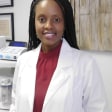

Kelly Lutman
Empowering you to reclaim health, one bite at a time

Daniela Rizzo
Empowering Mental Health Clinicians to Thrive, Not Just Survive

Sarah Cormack
Using personalized nutrition to lose stubborn menopause weight, balance your hormones and help you look and feel like yourself again!
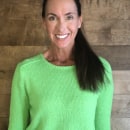
Courtney Ross
From Fitness and Nutrition to Functional Medicine. Let's chat!

Jen Pfleghaar
Integrative Dr Mom living on a Mini Farm in TN helping women thrive in Perimenopause
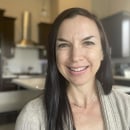
Courtney Cowie
Helping people with IBS-D and IBD solve gut issues others miss—so they can confidently say yes to life again.


Roger Hawkins
Wellness Educator and Coach Empowering Seniors to Thrive With Vitality and Purpose

Stacy Shilling
Empowering women through perimenopause with empathy, insight, and personalized coaching
What Makes a Great Functional Medicine Speaker
Think about someone like Dr. Mark Hyman. He doesn't just talk about inflammation or gut health - he weaves in real patient journeys, cultural trends, and even food politics. That's what makes his talks memorable. A great speaker in this space knows how to translate complex science into something your audience can use today. They're not there to impress with jargon - they're there to empower.
Then there's delivery. A monotone voice, even with the best content, will lose people fast. The best functional medicine speakers vary their tone, pace, and energy. They read the room - whether it's a virtual summit or a live stage - and adjust accordingly. They use visuals wisely, not as crutches but as amplifiers.
Authenticity is another non-negotiable. Audiences can sniff out a sales pitch from a mile away. The best speakers are transparent about what they know, what they don't, and what they're still learning. They're not afraid to challenge conventional medicine, but they do it respectfully and with evidence.
Finally, great functional medicine speakers leave their audience with more than just facts. They leave them with a sense of agency. Whether it's a new way to approach chronic fatigue or a mindset shift around nutrition, the takeaway is practical, personal, and powerful.
How to Select the Best Functional Medicine Speaker for Your Show
1. Define Your Audience and Goals
- Are you speaking to practitioners, patients, or health-curious professionals?
- Do you want to educate, inspire, or drive action (like course signups or product sales)?
- Knowing this will help you filter speakers who match your tone and objectives.
2. Research Speaker Profiles
- Use platforms like Talks.co to browse speaker pages and watch past interviews.
- Look for clarity, charisma, and consistency in their messaging.
- Check if they've spoken at events like MindBodyGreen, Functional Forum, or HealthMeans.
3. Evaluate Content Relevance
- Does their expertise align with your theme? For example, if your summit focuses on hormone health, someone who specializes in gut-brain connection might not be the best fit.
- Review their blog posts, YouTube talks, or podcast episodes to assess depth and originality.
4. Vet Their Engagement Style
- Are they interactive? Do they use storytelling, visuals, or audience participation?
- Read reviews or testimonials from past event hosts.
- Ask for a sample clip or a short discovery call.
5. Confirm Availability and Collaboration Willingness
- Some speakers are booked months in advance, so reach out early.
- Clarify if they're open to promoting the event, sharing affiliate links, or doing pre-event interviews.
Selecting the right speaker is part art, part science - but when done right, it elevates your entire event experience.
How to Book a Functional Medicine Speaker
Step 1: Identify Your Ideal Speaker
- Use Talks.co or browse LinkedIn, YouTube, or podcast directories to find functional medicine experts who speak well and align with your topic.
- Look for those who have a clear speaker page with topics, past appearances, and contact info.
Step 2: Reach Out with a Clear Pitch
- Craft a short, compelling message that includes:
- What your event is about (theme, audience, format)
- Why you think they're a great fit
- What you're asking (keynote, panel, Q&A, etc.)
- Dates, times, and compensation (if applicable)
- Example: "Hi Dr. X, I'm hosting a virtual summit on reversing chronic fatigue naturally. Your work on mitochondrial health would be a perfect fit. Would you be open to a 30-minute interview during the week of June 10?"
Step 3: Schedule a Discovery Call
- Use tools like Calendly to make scheduling easy.
- Use this call to:
- Confirm alignment on topic and tone
- Discuss tech setup (Zoom, StreamYard, etc.)
- Set expectations for promotion and deliverables
Step 4: Send a Confirmation Packet
- Include:
- Event overview
- Interview questions or outline
- Tech checklist
- Promotional assets (graphics, swipe copy, links)
- This helps speakers prepare and promote without extra back-and-forth.
Step 5: Follow Up and Support
- Send reminders a week and a day before the event.
- Offer a tech check if needed.
- After the event, thank them and share replay links or feedback.
Booking a great speaker is about making it easy for them to say yes - and even easier for them to shine.
Common Questions on Functional Medicine Speakers
What is a functional medicine speaker
Functional medicine itself is a patient-centered approach that looks at the body as an interconnected system. So when a speaker in this field takes the stage, they're not just talking about symptoms - they're exploring the 'why' behind chronic illness. That might include gut health, environmental toxins, genetic predispositions, or emotional stress.
These speakers often come from diverse backgrounds: medical doctors, naturopaths, nutritionists, health coaches, or researchers. What unites them is their ability to translate complex science into actionable insights for a broad audience. Whether they're presenting at a wellness summit, corporate retreat, or online podcast, their goal is to educate and empower.
You'll often find functional medicine speakers featured in events like The Functional Forum, HealthMeans summits, or podcasts like The Doctor's Farmacy. Their talks might cover topics like reversing autoimmune conditions, optimizing brain health, or personalized nutrition strategies.
In short, a functional medicine speaker is a communicator who bridges the gap between cutting-edge science and real-world wellness. They help audiences understand how to take control of their health - not just manage disease.
Why is a functional medicine speaker important
These speakers help demystify a model of care that can feel overwhelming to the average person. Functional medicine is layered - it involves genetics, lifestyle, environment, and more. A skilled speaker can unpack these layers in a way that feels accessible, not academic. That's a big deal when you're trying to reach people who are frustrated with conventional healthcare.
They also serve as trusted translators. Whether they're speaking to a room full of practitioners or a group of wellness-curious parents, they adapt their language and tone. This flexibility makes them valuable in diverse settings - from corporate wellness programs in New York to community health events in rural Australia.
Functional medicine speakers also drive change. Their talks often inspire people to seek out integrative care, change their diet, or question long-held beliefs about pharmaceuticals. That ripple effect can shift entire communities toward healthier living.
And in the digital age, where misinformation spreads fast, having credible, articulate voices in functional medicine is more important than ever. These speakers are often the first point of contact for someone exploring alternatives to traditional care. Their clarity and credibility can make or break that first impression.
What do functional medicine speakers do
First, they educate. Whether it's a keynote at a wellness summit or a guest spot on a podcast, these speakers break down complex health topics into digestible, relatable content. They might explain how blood sugar impacts mood, or how gut health relates to autoimmune disease. Their goal is to make science actionable.
Second, they advocate. Many functional medicine speakers use their platform to challenge outdated health paradigms. They speak up about the limitations of symptom-based care and promote a more holistic, root-cause approach. This advocacy often extends beyond the stage - into books, blogs, and social media.
Third, they collaborate. Functional medicine speakers often work with event hosts, summit organizers, and health brands to co-create content. They might lead Q&A sessions, moderate panels, or offer workshops. Their versatility makes them valuable assets in both live and virtual formats.
Fourth, they inspire. These speakers often share stories of transformation - not just from their patients, but from their own journeys. This emotional connection helps audiences feel seen and motivated to take action.
Lastly, they stay current. Functional medicine is a fast-evolving field, and top speakers are constantly learning. They integrate the latest research, trends, and technologies into their talks, ensuring their content stays fresh and relevant.
In essence, functional medicine speakers are educators, storytellers, and catalysts for better health - all rolled into one.
How to become a functional medicine speaker
1. Define Your Niche.
- Functional medicine is broad. Are you focused on gut health, autoimmune conditions, integrative nutrition, or chronic disease prevention?
- Tip: The more specific your niche, the easier it is for event organizers to see where you fit.
2. Build Your Authority.
- Start by creating content: blogs, podcasts, YouTube videos, or social media posts.
- Publish case studies or collaborate on research if you're a practitioner.
- Tip: Guest appearances on other podcasts or summits can boost your visibility fast.
3. Create a Speaker Page.
- Use a platform like Talks.co to showcase your bio, topics, testimonials, and past talks.
- Include a short video reel or clips from previous presentations.
- Tip: Make it easy for hosts to find and book you by linking your calendar or contact form.
4. Pitch Yourself to Events.
- Look for health summits, wellness expos, online conferences, and podcasts.
- Use LinkedIn or email to reach out to organizers. Keep your pitch short and focused on the value you bring.
- Tip: Mention how your talk aligns with their audience's needs.
5. Network with Hosts and Other Speakers.
- Join communities like Virtual Events Launch or speaker groups on Facebook.
- Attend events even if you're not speaking to build relationships.
- Tip: Referrals from other speakers are one of the top ways to get booked.
6. Collect Feedback and Improve.
- After each talk, ask for testimonials and constructive feedback.
- Use this to refine your delivery and update your speaker page.
If you're consistent and intentional, you'll start seeing opportunities roll in. And remember, every great speaker started with one talk.
What do you need to be a functional medicine speaker
1. Expertise in Functional Medicine
You don't necessarily need to be a licensed MD, but you should have formal training or certification in functional medicine. Institutions like the Institute for Functional Medicine (IFM) or Functional Medicine University offer recognized programs. Real-world experience treating patients or coaching clients adds weight to your message.
2. A Clear Message and Signature Topics
What makes your perspective unique? Maybe it's your experience reversing chronic illness, or your approach to hormone balance in women over 40. Define 2-3 signature talks that reflect your expertise and resonate with your ideal audience.
3. Communication Skills
Being a speaker means being a storyteller. You need to simplify complex science into relatable insights. Practice your delivery, get feedback, and consider joining a group like Toastmasters or hiring a speaking coach.
4. A Professional Speaker Profile
Platforms like Talks.co make it easy to set up a speaker page that includes:
- Your bio and credentials.
- Speaking topics and formats (keynote, panel, podcast, etc).
- Testimonials and past appearances.
- A short video or speaker reel.
5. Connections to Hosts and Events
You need to be visible to the people booking speakers. That means:
- Reaching out to podcast hosts and summit organizers.
- Being active in online communities.
- Using platforms like Talks.co to connect with event hosts.
In short, being a functional medicine speaker is about combining your knowledge with a clear message and the right tools to share it. Once you've got those in place, opportunities start to open up.
Do functional medicine speakers get paid
Paid vs. Unpaid Opportunities
- Many new speakers start with unpaid gigs to build credibility and visibility.
- As your reputation grows, you can command higher fees, especially for in-person keynotes or corporate wellness events.
- Podcasts and virtual summits often don't pay upfront but can lead to high-ticket client leads or product sales.
Factors That Influence Pay
- Experience Level: A board-certified practitioner with a track record of results will earn more than someone just starting out.
- Audience Size: Speaking at a 5,000-person health summit pays more than a 20-person webinar.
- Event Type: Corporate wellness programs, CME conferences, and sponsored summits tend to have larger budgets.
Typical Payment Models
- Flat Fee: Ranges from $500 to $10,000+ depending on the speaker.
- Revenue Share: Common in virtual summits where speakers earn a cut of ticket or product sales.
- Lead Generation: Some speakers waive fees in exchange for access to attendee emails or the chance to pitch services.
Pros and Cons
| Pros | Cons |
|---|---|
| Can earn high fees per talk | Not all events pay |
| Builds authority and leads | Travel and prep time can be intensive |
| Opens doors to other income streams | Income can be inconsistent |
How do functional medicine speakers make money
1. Speaking Fees
- Paid keynotes, workshops, and panels at health conferences, corporate wellness events, and medical summits.
- Rates vary widely: from $500 for a local event to $10,000+ for high-profile conferences.
2. Product or Program Sales
- Many speakers use events to promote their own offerings:
- Online courses (e.g., gut health protocols, detox programs).
- Supplements or wellness products.
- Group coaching or memberships.
- Example: A speaker might offer a free talk on hormone balance, then pitch a $297 course at the end.
3. Affiliate Marketing
- Promoting tools or services they trust, like lab testing kits, supplement brands, or practitioner platforms.
- Earns commissions per sale, often 10-30%.
4. Consulting and Private Practice
- Speaking builds authority, which drives clients to book 1:1 sessions or join group programs.
- This is especially effective when paired with a strong speaker page on platforms like Talks.co.
5. Book Deals and Licensing
- Some speakers publish books or license their content to clinics, schools, or wellness brands.
- Royalties or licensing fees can become passive income.
6. Virtual Summits and Online Events
- Hosting your own event can generate revenue through ticket sales, sponsorships, and upsells.
The key is stacking these income streams. A single talk might not pay much, but if it leads to 10 new clients or 100 course sales, the ROI can be huge.
How much do functional medicine speakers make
Entry-Level Speakers
- Typically earn $0 to $500 per talk.
- Often speak for free to build visibility, especially on podcasts or small virtual events.
- May earn indirectly through client leads or product sales.
Mid-Level Speakers
- Earn $1,000 to $5,000 per appearance.
- Usually have a niche, a strong online presence, and a speaker page on platforms like Talks.co.
- May supplement income with coaching, online programs, or affiliate sales.
Top-Tier Speakers
- Earn $10,000+ per keynote.
- Often published authors, medical influencers, or founders of clinics.
- Speak at major conferences, corporate events, and international summits.
Income Range by Revenue Stream
| Revenue Stream | Monthly Potential |
|---|---|
| Speaking Fees | $500 - $20,000 |
| Online Courses | $1,000 - $50,000 |
| Private Practice | $2,000 - $30,000 |
| Affiliate Sales | $200 - $5,000 |
| Book Royalties | $100 - $10,000 |
So while there's no fixed salary, functional medicine speakers can build a six- or even seven-figure business if they combine speaking with smart monetization strategies.
How much do functional medicine speakers cost
1. Speaker Experience and Reputation
- Newer speakers or those building their portfolio may speak for free or for $500-$1,000.
- Mid-tier speakers with a track record and audience typically charge $2,000-$5,000.
- High-profile experts, authors, or influencers can command $10,000-$25,000+ per keynote.
2. Event Type and Format
- Virtual Events: Usually less expensive due to no travel. Expect $500-$5,000.
- In-Person Conferences: Higher fees due to travel, prep, and time commitment.
- Corporate Wellness Events: Often have bigger budgets, ranging from $5,000-$15,000.
3. Length and Customization
- A 20-minute podcast guest spot might be free.
- A 60-minute keynote with slides and Q&A could cost $3,000-$10,000.
- Custom workshops or multi-day trainings can exceed $20,000.
4. Additional Costs
- Travel and accommodation (if in-person).
- Licensing fees if the talk is recorded and reused.
- Marketing or promotional support if the speaker is expected to help drive attendance.
Cost Summary Table
| Type of Engagement | Typical Cost |
|---|---|
| Podcast Guest | Free - $500 |
| Virtual Summit Speaker | $500 - $3,000 |
| Keynote (Virtual) | $1,000 - $10,000 |
| Keynote (In-Person) | $3,000 - $25,000 |
| Corporate Workshop | $5,000 - $20,000+ |
Who are the best functional medicine speakers ever
- Dr. Mark Hyman: One of the most recognized names in functional medicine. Former chairman of the Institute for Functional Medicine and author of multiple bestsellers like 'Food Fix'.
- Dr. Jeffrey Bland: Known as the 'father of functional medicine', Bland co-founded the Institute for Functional Medicine and has been a thought leader in the space for decades.
- Dr. Terry Wahls: Her personal story of reversing MS symptoms through diet and lifestyle has made her a powerful speaker and author of 'The Wahls Protocol'.
- Dr. Amy Myers: A former ER doctor turned functional medicine advocate, Myers is known for her work on autoimmune disease and thyroid health.
- Dr. David Perlmutter: Neurologist and author of 'Grain Brain', Perlmutter bridges the gap between brain health and functional nutrition.
- Dr. Chris Kresser: Co-director of the California Center for Functional Medicine and a popular podcast host, Kresser is known for his evidence-based yet accessible style.
- Dr. Sara Gottfried: A Harvard-trained MD who focuses on hormones and women's health. Her talks often blend science with practical lifestyle strategies.
- Dr. Frank Lipman: A pioneer of integrative and functional medicine in the U.S., Lipman has spoken at major wellness conferences and authored several books.
These speakers have not only educated audiences but also helped define what functional medicine is today.
Who are the best functional medicine speakers in the world
- Dr. Rangan Chatterjee (UK): Host of the 'Feel Better, Live More' podcast, Chatterjee is a BBC presenter and bestselling author known for simplifying functional medicine for the mainstream.
- Dr. Alessio Fasano (Italy/USA): A world-renowned researcher on gluten and autoimmune disease, Fasano speaks at global medical conferences and academic institutions.
- Dr. Deanna Minich (USA): A nutrition scientist and international speaker, Minich blends biochemistry with spirituality in her talks on detoxification and color-coded nutrition.
- Dr. Aseem Malhotra (UK): A cardiologist and public health advocate, Malhotra speaks on metabolic health and lifestyle medicine with a functional approach.
- Dr. Oscar Serrallach (Australia): Known for his work on postnatal depletion, Serrallach brings functional medicine into maternal health conversations worldwide.
- Dr. Elson Haas (USA): A pioneer in integrative medicine, Haas has spoken globally on seasonal detox, nutrition, and preventive care.
- Dr. Uma Naidoo (USA/India): A Harvard-trained psychiatrist and nutritionist, Naidoo speaks internationally on the gut-brain connection and nutritional psychiatry.
- Dr. Joseph Pizzorno (USA): Founding president of Bastyr University and a global authority on environmental toxins and detoxification.
- Dr. Rupy Aujla (UK): Founder of The Doctor's Kitchen, Aujla speaks across Europe and Asia on food as medicine and culinary medicine.
These global voices are shaping the future of healthcare by bringing functional medicine to diverse audiences, from rural clinics to international summits.
Common myths about functional medicine speakers
This one's common, especially among skeptics who lump all holistic approaches together. But functional medicine is rooted in systems biology and personalized care. Many speakers in this space are MDs, PhDs, or licensed practitioners who integrate conventional diagnostics with lifestyle and nutritional interventions. For example, Dr. Mark Hyman, a well-known functional medicine speaker, served as Chairman of the Institute for Functional Medicine and has worked with the Cleveland Clinic. That's not fringe-it's mainstream with a personalized twist.
Myth 2: They only speak at wellness retreats or niche health summits.
Not true. While you'll find functional medicine speakers at events like MindBodyGreen's Revitalize or Paleo f(x), many also speak at corporate wellness programs, medical conferences, and even tech summits. The growing demand for preventative health strategies has opened doors in industries like insurance, HR, and even fintech. Companies are realizing that employee health isn't just a perk-it's a performance driver.
Myth 3: You need to be a doctor to become a functional medicine speaker.
Credentials help, sure. But many successful speakers in this space come from nutrition, coaching, or even patient advocacy backgrounds. What matters most is credibility, clarity, and a compelling message. Take Chris Kresser, for instance. He's not an MD but is widely respected in both integrative and conventional circles. If you've got the expertise and can communicate it well, there's room for you.
Myth 4: Functional medicine is just a fad, so speakers in this area won't have long-term relevance.
This myth underestimates the shift in how people approach health. Functional medicine addresses root causes rather than symptoms, which resonates with a growing audience frustrated by one-size-fits-all care. The World Health Organization and major insurers are even exploring lifestyle medicine models. That means functional medicine speakers are likely to see increasing demand, not less.
Myth 5: They only talk about diet and supplements.
While nutrition is a core topic, functional medicine speakers often cover mental health, sleep, stress management, environmental toxins, and even genomics. Their talks are holistic in the truest sense. If you've ever heard Dr. Jolene Brighten speak about hormone health and trauma-informed care, you'll know it's far deeper than kale smoothies and probiotics.
Case studies of successful functional medicine speakers
Then there's Andrea Nakayama. She started as a nutritionist, but her ability to explain complex biochemical pathways in plain English made her a standout. She founded the Functional Nutrition Alliance and began speaking at practitioner conferences, eventually training thousands of health professionals. Her talks are less about selling and more about empowering-especially women practitioners looking to expand their impact.
In a different lane, Sachin Patel took a community-first approach. He began hosting local workshops in Ontario, focusing on reversing chronic disease through lifestyle changes. Word spread. He scaled those talks into online summits and eventually built a global brand around functional medicine entrepreneurship. His story shows how grassroots speaking can evolve into a global platform.
Even outside the Western world, functional medicine speakers are gaining traction. In India, Dr. Achyuthan Eswar combines traditional Ayurvedic principles with functional diagnostics. His bilingual talks have helped bridge cultural gaps and bring functional medicine to new audiences. He's spoken at universities, wellness expos, and even tech incubators exploring health innovation.
What ties these speakers together isn't just knowledge-it's clarity, authenticity, and a willingness to educate rather than preach. They each found a niche, built trust, and used speaking as a multiplier for their mission.
Future trends for functional medicine speakers
One major trend: cross-industry speaking opportunities. Functional medicine topics are now being welcomed at tech conferences like SXSW, where health innovation intersects with AI and wearable tech. Speakers who can translate clinical insights into business or product strategy will be in high demand.
Another trend is the rise of virtual and hybrid speaking formats. Post-2020, many summits have gone digital. This opens doors for speakers in rural areas or emerging markets who previously couldn't afford to travel. It also means more competition, so speakers will need to sharpen their delivery and tech setup.
We're also seeing a shift in audience expectations. People want actionable insights, not just inspiration. That means speakers must back up claims with data, case studies, or lived experience. The days of vague wellness platitudes are numbered.
Here are a few key trends to watch:
- Personalized content: Talks tailored to specific industries (e.g., functional medicine for shift workers or for startup founders).
- Diversity in voices: More women, BIPOC, and non-Western practitioners entering the speaker circuit.
- Integration with digital health: Topics like microbiome testing, wearable data, and biohacking are gaining traction.
- Corporate wellness expansion: Companies are bringing in functional medicine speakers for leadership retreats and employee training.
In short, the future isn't just bright-it's wide open. The key will be staying relevant, credible, and connected to what real people need.
Tools and resources for aspiring functional medicine speakers
- SpeakerHub. A directory where you can list your profile, topics, and speaking experience. It's especially useful for functional medicine professionals looking to get found by event organizers outside the wellness bubble.
- Functional Forum. Run by the Evolution of Medicine, this platform hosts monthly practitioner meetups and often features guest speakers. Great for networking and getting your name out there in the functional medicine community.
- Canva. Not just for social media. Use it to design slide decks that are clean, engaging, and on-brand. Functional medicine talks often involve complex diagrams-Canva makes them digestible.
- Zoom Events. If you're hosting your own virtual workshop or summit, this tool lets you manage registration, breakout rooms, and analytics. Ideal for building your own stage if you're not getting booked yet.
- LinkedIn Creator Mode. Turn it on to showcase your speaking topics, post short clips, and attract event organizers. Functional medicine is gaining traction in corporate wellness, and LinkedIn is where those decision-makers hang out.
- Slidebean. If design isn't your thing, this AI-powered tool helps you create professional presentations fast. Especially helpful if you're pitching to medical or corporate audiences who expect polish.
Each of these tools can help you build momentum. Start with one or two, get consistent, and then layer in more as your speaking career grows.
