Healing Arts Speakers
You've got the audience, the venue, maybe even the topic.
But finding a healing arts speaker who feels right for your event?
That's where it gets tricky.
What even counts as a healing arts speaker these days?
A Reiki master? A therapist? A somatic coach with a story that stops people mid-scroll?
Yes... and more.
Whether you're planning a wellness summit, recording podcast episodes on holistic living, or just need someone who can speak to the bridge between inner healing and creative expression, healing arts speakers bring something special.
They connect with people looking for meaning, growth, and alternative perspectives-without sounding like they're reading from a textbook.
I've seen how the right speaker can shift a room just by showing up with honesty and lived experience.
This list makes it easy to find healing arts speakers who know how to hold a crowd, share real insight, and actually fit your vibe.
Take a look, get inspired, and maybe even book someone for your next event.
Top Healing Arts Speakers List for 2026
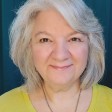
Dr. Tanya English
Transforming grief into joy through music and intuitive healing

Patricia Wagner
Channeling divine insights to elevate your energy and purpose
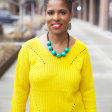
Natolie Warren
Therapist & Wellness Expert
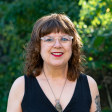
Christi Clemons Hoffman
Helping You Navigate Life with Wisdom and Higher Awareness

Dr David. Lemmon
“Cancer Cells Can’t Survive In A Healthy Body.”

Roger Hawkins
Wellness Educator and Coach Empowering Seniors to Thrive With Vitality and Purpose
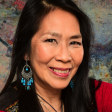

Susie Pearl
Survivor of brain cancer, healed tumour with NDE, seen the after life, sharing wisdom for living fully.
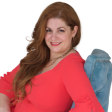
Eva Vennari
World Renowned Healer, Eva Vennari is an international speaker, bestselling author, Founder of The Elevate Institute.

richard tierney
a trauma recovery coach teaching children & adults that their feelings and emotions are not mental disorders, rather their instincts
What Makes a Great Healing Arts Speaker
A great healing arts speaker knows how to connect deeply, whether they're guiding a virtual summit audience through breathwork or explaining the science behind Reiki to a skeptical crowd. They're grounded in their practice but flexible in their delivery. Think of someone like Deepak Chopra-he can speak to a room full of scientists or spiritual seekers and still land his message.
Authenticity is key. Audiences today are sharp. They can spot fluff from a mile away. So the best healing arts speakers are those who live what they teach. They're not afraid to share their own healing journey, but they do it in service of the listener, not as a self-indulgent monologue.
And finally, they're educators at heart. Whether they're talking about sound healing, Ayurveda, or trauma-informed yoga, they break down complex ideas into digestible insights. They make you feel smarter, calmer, and more empowered-all in one session. That's not just talent. That's mastery.
How to Select the Best Healing Arts Speaker for Your Show
1. Define Your Audience and Theme.
- Who are you serving? Are they beginners exploring holistic wellness or seasoned practitioners?
- What's the core theme of your show? Energy healing, integrative medicine, spiritual entrepreneurship?
- Tip: If your audience is mostly corporate professionals, a speaker who bridges science and spirituality (like Dr. Joe Dispenza) might resonate more than someone purely esoteric.
2. Research Speaker Profiles.
- Use platforms like Talks.co to browse speaker pages with bios, topics, and past appearances.
- Look for video clips or past interviews to assess their speaking style and energy.
- Tip: Check for testimonials from other hosts. A strong speaker often leaves a trail of rave reviews.
3. Evaluate Content Fit.
- Do their topics match your event goals? Are they offering something fresh?
- Avoid speakers who only deliver generic wellness talks. Look for those who tailor their message.
- Example: A sound healer who integrates neuroscience might stand out in a tech-forward summit.
4. Consider Logistics and Engagement.
- Are they comfortable with live Q&A? Do they have a strong online presence to help promote?
- Tip: Speakers who engage with your audience before and after the event can boost retention and trust.
5. Reach Out Thoughtfully.
- Personalize your message. Mention why you think they're a fit.
- Use Talks.co to connect directly or find their media kit for booking info.
The best healing arts speaker isn't just the most famous-it's the one who meets your audience where they are and takes them somewhere new.
How to Book a Healing Arts Speaker
1. Start with a Clear Invitation.
- Outline the event format (live summit, podcast, workshop), audience type, and topic focus.
- Example: 'We're hosting a 3-day virtual summit on integrative healing for busy professionals. Would you be open to joining as a speaker on energy alignment techniques?'
2. Use a Trusted Platform.
- Platforms like Talks.co make it easy to browse, contact, and book speakers.
- You can view speaker pages with bios, topics, and availability, then message them directly.
3. Confirm the Details Early.
- Lock in the date, time zone, and session format (live or pre-recorded).
- Clarify expectations: length of talk, Q&A, promotional responsibilities, and tech setup.
- Tip: Use a shared Google Doc or Airtable to track all logistics.
4. Provide a Speaker Brief.
- Include audience demographics, event goals, preferred topics, and any branding guidelines.
- Example: 'Our audience is 80% women aged 35-55, interested in holistic wellness and personal growth. We'd love a session that's both experiential and educational.'
5. Promote Collaboratively.
- Share graphics, swipe copy, and hashtags for them to promote.
- Encourage them to share with their community to boost reach.
6. Follow Up with Gratitude.
- After the event, send a thank-you note, feedback, and any recordings or testimonials.
- Tip: If it went well, invite them back or refer them to other hosts.
Booking a healing arts speaker is about building a relationship, not just filling a slot. Treat them like a partner, and you'll both win.
Common Questions on Healing Arts Speakers
What is a healing arts speaker
Unlike traditional health experts, healing arts speakers often blend ancient wisdom with modern science. They might speak on the chakra system one moment and cite peer-reviewed studies the next. Their goal? To help people reconnect with their bodies, emotions, and inner wisdom.
You'll find healing arts speakers in a variety of settings: virtual wellness summits, corporate mindfulness events, podcasts, retreats, and even medical conferences. Their topics can range from trauma-informed breathwork to integrative nutrition to the role of spirituality in healing.
The key distinction is that they're educators and facilitators, not just practitioners. They don't just offer services-they offer frameworks, stories, and tools that empower others to explore their own healing journey.
In short, a healing arts speaker is a guide. They help audiences navigate the complex intersection of health, energy, and consciousness through the spoken word.
Why is a healing arts speaker important
Healing arts speakers are crucial because they bridge gaps. They connect ancient traditions with modern audiences, and they translate complex healing modalities into accessible, actionable insights. Whether it's a corporate team learning mindfulness or a rural community exploring herbal medicine, these speakers make wellness inclusive.
They also challenge the status quo. By introducing ideas like trauma-informed care, energetic boundaries, or the role of intuition in healing, they expand what's possible in both personal and collective health. This is especially valuable in regions or industries where alternative healing is still misunderstood or stigmatized.
Another reason they matter? They create safe spaces. A skilled healing arts speaker doesn't just inform-they hold space for transformation. They guide people through breathwork, meditation, or reflection in real time, helping audiences experience healing, not just hear about it.
So whether you're running a global summit or a small community event, including a healing arts speaker isn't just a nice touch. It's a strategic move toward deeper, more holistic impact.
What do healing arts speakers do
Here's what they typically do:
- Educate on Holistic Practices. They explain healing modalities like Reiki, Ayurveda, sound therapy, or somatic movement in a way that's accessible to a broad audience. Think of someone like Marisa Peer breaking down subconscious reprogramming in a keynote.
- Lead Experiential Sessions. Many healing arts speakers guide live practices during their sessions. This might include breathwork, guided meditation, or energy balancing exercises. These aren't just lectures-they're immersive experiences.
- Bridge Science and Spirituality. They often back up their teachings with neuroscience, psychology, or epigenetics. For example, a speaker might explain how chanting affects the vagus nerve and reduces stress.
- Inspire Personal Growth. Through storytelling and vulnerability, they help audiences reflect on their own healing journey. This emotional resonance is what makes their sessions memorable.
- Collaborate with Hosts and Brands. Many healing arts speakers co-create content with event organizers, tailoring their message to fit the audience. They may also contribute to panel discussions, workshops, or post-event resources.
In essence, healing arts speakers are facilitators of awareness. They help people reconnect with themselves in a world that often pulls them away.
How to become a healing arts speaker
1. Define Your Niche and Message.
- Are you focused on energy healing, sound therapy, Reiki, or integrative wellness? Get specific.
- Craft a core message that resonates. For example, 'How sound healing can reduce workplace stress' or 'The science behind Reiki for chronic pain'.
2. Build Credibility.
- Get certified or trained in your healing modality if you haven't already.
- Publish articles, contribute to wellness blogs, or start a podcast. This builds authority.
- Collect testimonials from clients or event hosts to showcase your impact.
3. Create a Speaker Page.
- Use platforms like Talks.co to build a professional speaker profile.
- Include a compelling bio, high-quality headshots, a speaker reel (even if it's just a Zoom clip), and a list of your talk topics.
4. Start Speaking - Anywhere.
- Offer free talks at yoga studios, wellness expos, or online summits.
- Reach out to podcast hosts, Facebook group admins, or local meetup organizers.
- Use Talks.co to connect with event hosts looking for healing arts experts.
5. Collect and Leverage Feedback.
- Ask for reviews and video snippets from each event.
- Use these to improve your delivery and update your speaker page.
6. Scale Your Reach.
- Pitch to larger conferences, TEDx events, or international wellness festivals.
- Collaborate with other speakers or hosts to co-create events.
- Consider hosting your own virtual summits to grow your audience and authority.
Becoming a healing arts speaker is about consistency, clarity, and connection. Keep showing up, refining your message, and building relationships with aligned communities.
What do you need to be a healing arts speaker
Foundational Expertise
You don't need to be a doctor, but you do need to know your stuff. Whether it's Reiki, Ayurveda, sound healing, or somatic therapy, formal training or certification helps build trust. Many speakers also have personal healing journeys that inform their message, but professional grounding adds weight.
A Clear Message
Healing arts is a broad field. Your message needs to cut through the noise. Are you helping corporate teams manage burnout through breathwork? Or guiding trauma survivors with somatic practices? The clearer your focus, the easier it is to attract the right audience.
Speaking Skills
You don't need to be Tony Robbins, but you do need to communicate clearly and with heart. Practice in front of small groups, join a Toastmasters club, or record yourself to refine your delivery. Storytelling is key in the healing space. People connect with vulnerability and authenticity.
A Digital Presence
Platforms like Talks.co let you create a speaker page that acts as your digital resume. Include your bio, talk topics, testimonials, and a short video. This makes it easy for event hosts to find and book you.
Connections with Hosts and Communities
Healing arts speakers thrive in community-driven spaces. Reach out to wellness event organizers, podcast hosts, and online summit creators. Talks.co is also a great tool for connecting with aligned hosts looking for speakers in the healing space.
In short, you need a mix of knowledge, clarity, and visibility. When those align, your voice becomes a powerful tool for transformation.
Do healing arts speakers get paid
Factors That Influence Payment
- Experience Level: New speakers may start with unpaid gigs to build credibility. Seasoned speakers with a strong track record can command higher fees.
- Event Type: Corporate wellness events tend to pay more than local yoga festivals. Online summits may offer affiliate commissions instead of flat fees.
- Audience Size: A keynote at a 5,000-person conference will pay more than a 20-person workshop.
Common Payment Models
- Flat Speaking Fee: Ranges from $200 to $5,000+ depending on the speaker's reputation.
- Revenue Share: Some events offer a percentage of ticket sales or product upsells.
- Affiliate Commissions: Especially common in virtual summits. You promote the event and earn a cut of sales.
Pros and Cons
| Pros | Cons |
|---|---|
| Opportunity to monetize | Inconsistent income at first |
| Builds authority and reach | Some events only offer exposure |
| Can lead to coaching clients | Travel and prep time may not be paid |
How do healing arts speakers make money
1. Paid Speaking Engagements
- Conferences, retreats, and corporate wellness programs often pay for healing-focused talks.
- Rates vary, but experienced speakers can earn $1,000 to $10,000 per event.
2. Workshops and Trainings
- Many speakers offer full-day or weekend workshops on topics like chakra balancing, sound healing, or trauma-informed yoga.
- These can be in-person or virtual, with ticket prices ranging from $50 to $500 per attendee.
3. Online Courses and Memberships
- Speakers often turn their talks into evergreen content.
- Platforms like Teachable or Kajabi allow them to sell courses on breathwork, energy healing, or intuitive development.
4. Coaching or Private Sessions
- After a talk, audience members may want to work 1-on-1.
- This can lead to high-ticket coaching packages or healing sessions.
5. Affiliate and Product Sales
- Speakers may promote wellness tools, books, or supplements and earn commissions.
- Some create their own product lines: think crystal kits, journals, or guided meditations.
6. Hosting Their Own Events
- By running their own summits or retreats, speakers control the revenue.
- Tools like Talks.co help them connect with other speakers and grow their audience.
In short, speaking is often the gateway to a broader wellness business. The most successful healing arts speakers diversify their income while staying aligned with their mission.
How much do healing arts speakers make
Typical Speaking Fees
- Beginner (0-2 years): $0 to $500 per event. Many start with free gigs to build credibility.
- Mid-level (2-5 years): $500 to $2,500 per talk, especially if they have a niche following.
- Established (5+ years): $3,000 to $10,000+ per keynote, especially at wellness conferences or corporate events.
Annual Income Ranges
| Speaker Type | Estimated Annual Income |
|---|---|
| Part-time speaker | $5,000 - $30,000 |
| Full-time speaker | $40,000 - $150,000+ |
| Speaker-entrepreneur | $100,000 - $500,000+ |
- Audience Size: Bigger audiences often mean higher fees.
- Niche Demand: Topics like trauma healing or corporate mindfulness are in high demand.
- Product Ecosystem: Speakers who offer courses, coaching, or retreats can 10x their income.
- Platform Presence: A Talks.co speaker page or strong social media following boosts bookings.
In essence, the more value you deliver and the more channels you monetize, the higher your earning potential.
How much do healing arts speakers cost
Cost Tiers
- Emerging Speakers: $0 - $500. Often newer to the scene, these speakers may speak for free at local events or for exposure.
- Mid-Level Speakers: $500 - $2,500. These individuals have a few years of experience, a speaker page (like on Talks.co), and solid testimonials.
- Top-Tier Speakers: $3,000 - $10,000+. These are well-known names in the wellness world, often authors or retreat leaders.
What Influences Cost
- Event Type: Corporate wellness events usually pay more than community yoga festivals.
- Duration: A 20-minute talk costs less than a full-day workshop.
- Travel Requirements: If the speaker needs to fly in, cover accommodation and travel.
- Customization: Tailored talks or interactive sessions may cost more.
Virtual vs In-Person
- Virtual talks are generally more affordable ($250 - $1,500).
- In-person events often require a higher fee due to travel and prep time.
Tips for Hiring
- Use platforms like Talks.co to compare speaker profiles and pricing.
- Ask about package deals if you want multiple sessions or workshops.
- Consider offering affiliate commissions if you're running a paid event.
Ultimately, the cost reflects the speaker's ability to engage, educate, and inspire your audience. Choose someone aligned with your event's goals and values.
Who are the best healing arts speakers ever
- Deepak Chopra: A pioneer in integrative medicine, Chopra blends science with spirituality. His talks on consciousness, energy, and holistic health have shaped the global wellness movement.
- Caroline Myss: Known for her work in medical intuition and energy anatomy, Myss has delivered powerful lectures on healing archetypes and the spiritual causes of illness.
- Marianne Williamson: While also known for her political activism, Williamson's talks on forgiveness, love, and spiritual healing (especially through 'A Course in Miracles') have made her a staple in the healing arts world.
- Dr. Andrew Weil: A physician who brought integrative medicine into the mainstream, Weil's speaking engagements often bridge the gap between Western science and holistic healing.
- Donna Eden: A pioneer in energy medicine, Eden's live demonstrations and talks have helped popularize energy healing techniques worldwide.
- Gabrielle Bernstein: A modern voice in spiritual wellness, Bernstein's talks focus on healing trauma, shifting mindset, and connecting with inner guidance.
- Bruce Lipton: A cell biologist turned speaker, Lipton's work on epigenetics and the biology of belief has inspired many in the healing arts space.
- Michael Beckwith: Founder of Agape International, Beckwith's talks blend spiritual principles with practical healing strategies.
- Anita Moorjani: After a near-death experience, Moorjani became a sought-after speaker on healing, consciousness, and the power of authenticity.
Who are the best healing arts speakers in the world
- Dr. Joe Dispenza (USA): A neuroscientist and speaker whose work on meditation, quantum healing, and brain rewiring has gained global traction. His events sell out worldwide.
- Marisa Peer (UK): A therapist and speaker who focuses on rapid transformational therapy. Her talks on healing subconscious beliefs have reached audiences in over 30 countries.
- Dr. Gabor Maté (Canada): A physician and speaker known for his work on trauma, addiction, and mind-body healing. His talks are deeply researched and emotionally resonant.
- Sri Sri Ravi Shankar (India): Founder of the Art of Living Foundation, his global talks on breathwork, stress relief, and emotional healing have impacted millions.
- Teal Swan (USA/Iceland): A controversial but widely followed speaker in the spiritual healing space. Her talks focus on shadow work, trauma healing, and emotional authenticity.
- Dr. Alberto Villoldo (Peru/USA): A medical anthropologist who bridges shamanic healing with modern science. His global workshops and talks attract spiritual seekers worldwide.
- Mooji (Jamaica/Portugal): A spiritual teacher whose talks often touch on healing through presence and self-inquiry. He draws audiences from Europe, Africa, and the Americas.
- Lissa Rankin (USA): A physician-turned-speaker who explores the science of self-healing and the role of intuition in medicine.
- Arielle Ford (USA): Known for her work in conscious relationships and spiritual healing, her talks often blend personal growth with metaphysical insights.
Common myths about healing arts speakers
- Myth 1: Healing arts speakers are only relevant in wellness or spiritual circles.
Not true. While many healing arts speakers do work within wellness communities, their reach goes far beyond. For example, corporate retreats often bring in healing arts speakers to address burnout, stress management, and emotional intelligence. In 2022, a major tech company in Singapore invited a sound healing expert to lead sessions during their annual leadership summit. The feedback? Overwhelmingly positive, especially from senior engineers who had never engaged in anything like it before.
- Myth 2: You need to be a certified healer or therapist to speak in this space.
Credentials can help, but they're not a requirement. What matters more is lived experience, clarity of message, and the ability to connect with an audience. Some of the most impactful healing arts speakers are artists, survivors, or community leaders who've developed their own methodologies. Think of someone like Malidoma Somé, who brought indigenous wisdom to Western audiences without holding a Western therapy license.
- Myth 3: Healing arts talks are always soft, vague, or 'woo-woo'.
This stereotype is outdated. Today's healing arts speakers often blend neuroscience, trauma research, and practical tools with traditional or intuitive practices. Dr. Gabor Maté, for instance, combines Western medicine with compassionate inquiry. His talks are grounded, research-backed, and deeply human.
- Myth 4: There's no real demand for healing arts speakers.
Actually, demand is growing. Conferences, podcasts, and online summits are increasingly seeking out voices who can speak to mental health, resilience, and holistic leadership. Platforms like Talks.co have seen a spike in requests for guests who bring a healing lens to business, education, and even tech.
Bottom line: Healing arts speakers are more diverse, relevant, and in-demand than many people assume. If you're considering stepping into this space, don't let outdated myths hold you back.
Case studies of successful healing arts speakers
In 2019, a former nurse from Toronto named Amina shifted from bedside care to stage presence. She had spent over a decade in palliative care, witnessing the emotional toll of unprocessed grief. After training in breathwork and storytelling, she began speaking at medical conferences about emotional resilience in caregiving. Her TEDx talk, 'The Grief We Carry,' went viral, not because of flashy production, but because her message was raw and deeply relatable. Now, she runs workshops for healthcare professionals across North America.
Then there's Diego, a Chilean sound therapist who started by offering small group sessions in Santiago. He didn't plan to become a speaker. But when a local university invited him to explain the science behind his work, he realized he had something unique to offer. Diego began combining live sound demonstrations with neuroscience research. His talks now draw audiences from both academic and artistic communities. He's been featured on wellness podcasts in both Spanish and English, expanding his reach globally.
Another example: Priya, a yoga teacher from Bangalore, noticed that her students were struggling with anxiety post-lockdown. She began integrating somatic practices and trauma-informed language into her sessions. When she shared her approach on Instagram, a mental health nonprofit invited her to speak at their virtual summit. That single talk led to multiple podcast interviews, a guest lecture at a university in the UK, and a book deal focused on healing through movement.
What ties these stories together? None of these speakers started with a massive platform. They each leaned into a specific experience, built trust in their communities, and said 'yes' to opportunities that aligned with their values. Their success wasn't overnight, but it was intentional. And it shows that healing arts speakers can come from anywhere, as long as they bring clarity, authenticity, and a willingness to serve.
Future trends for healing arts speakers
- Hybrid experiences are becoming the norm.
Post-pandemic, audiences expect more than just a talk. Healing arts speakers are now blending live sessions with digital follow-ups: think guided meditations via app, post-event journaling prompts, or interactive Q&A circles on Zoom. This layered approach keeps engagement high and extends the impact beyond the stage.
- Corporate wellness is opening new doors.
Companies are investing more in employee well-being, and they're looking for speakers who can address burnout, emotional regulation, and purpose-driven leadership. Healing arts speakers who can translate their message into business language are landing gigs with startups and Fortune 500s alike. Expect more crossovers between healing arts and leadership development.
- Cultural specificity is gaining traction.
Global audiences are craving authenticity. Speakers who bring indigenous practices, ancestral wisdom, or culturally rooted healing methods are being sought out-not as token voices, but as essential contributors to a more inclusive wellness landscape. This is especially true in regions like Southeast Asia, West Africa, and Latin America, where local healing traditions are being revalued.
- AI and tech integration is on the rise.
Some healing arts speakers are experimenting with AI-generated soundscapes, VR meditation environments, or biofeedback tools to enhance their presentations. While not for everyone, this trend is growing in tech-forward spaces like Silicon Valley and Berlin.
- Niche summits and micro-communities are thriving.
Instead of aiming for massive general audiences, many healing arts speakers are finding success by focusing on specific groups: trauma survivors, LGBTQ+ youth, BIPOC entrepreneurs, or caregivers. These micro-communities are highly engaged and often more loyal than broader audiences.
In short, the future is about depth, not just reach. Healing arts speakers who can adapt to new formats, speak across cultures, and offer real transformation-not just inspiration-will be the ones shaping the next wave.
Tools and resources for aspiring healing arts speakers
- SpeakerHub. A directory where you can list your speaker profile, browse events, and connect with event organizers. Make sure your bio includes your unique healing modality and the outcomes you help audiences achieve.
- Insight Timer. While not a speaking platform per se, this meditation app allows you to publish guided sessions. Many healing arts speakers use it to build an audience and demonstrate their voice and style. It's a great way to get discovered by people who value inner work.
- Canva. Use it to create speaker one-sheets, workshop slides, or branded social media posts. Visual consistency helps you stand out when pitching to event organizers.
- Zoom Pro Account. If you're running virtual workshops or speaking at online summits, invest in a pro Zoom account. It gives you more control, better recording quality, and access to breakout rooms for interactive sessions.
- AirTable. Organize your speaking leads, contacts, and follow-ups in one place. You can also track which events you've applied to, what topics you've pitched, and where you've gotten traction.
- The Speaker Lab Podcast. While not healing arts-specific, this podcast offers solid advice on building a speaking business. Look for episodes on niche positioning and storytelling.
These tools won't do the work for you, but they'll make the path smoother. Combine them with a clear message, consistent outreach, and a willingness to refine your craft, and you'll be well on your way.
