Healing Journey Speakers
Some days you scroll through endless speaker lists and still feel unsure who can genuinely connect with your audience.
If you are trying to figure out how to find the right healing journey speakers, it can quickly feel like too many choices and not enough clarity.
Maybe you want someone who can speak honestly about growth, struggle, and personal change without drifting into vague advice.
Or you just want a guest who makes people feel understood and ready to reflect in their own way.
I've seen how a thoughtful speaker can shift the tone of a room, whether it is a small workshop or a big online event.
Healing journey speakers often bring a grounded mix of lived insight and practical takeaways, and they tend to resonate with listeners who value real conversation over hype.
You might be planning a conference, a podcast episode, or a video series and want someone who can hold space while still keeping things engaging.
This page highlights voices who do exactly that so you can focus on choosing the one that feels right for your audience.
Take a look through the featured healing journey speakers and find someone ready to bring depth and clarity to your event.
Top Healing Journey Speakers List for 2026

Dr. Tanya English
Transforming grief into joy through music and intuitive healing

Kim Hodous
From grief to happiness: Helping moms heal and connect directly with their child on the other side.

Brandi Pugh
Faith-driven motivational speaker helping people break cycles, heal loudly, and step into who they were created to be.

Malisa Hepner
Turning pain into power and survival into soul

Patricia Wagner
Channeling divine insights to elevate your energy and purpose

Wiley B
From breakdowns to breakthroughs, helping audiences embrace healing, growth, and purpose.

Hailey Nielson
Every time we choose presence over perfection we crown our children with courage. Healing is our inheritance, connection is our legacy.

Jen Rigley
Rediscovering happiness in midlife after challenges & grief.
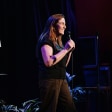

Margaret Selby
Empowering women to embrace their enoughness and heal together
What Makes a Great Healing Journey Speaker
What makes them powerful is the mix of emotional honesty and practical insight. They do not rush to offer quick fixes. Instead, they describe how choices, setbacks, and micro shifts can change the course of someone's life. One speaker might share how they navigated trauma through mindfulness-based practices from community programs in Southeast Asia, while another might describe the role of structured therapy common in Western mental health frameworks. Different paths, same theme... healing is rarely linear.
You can also feel when a healing journey speaker has learned to pause. They leave space for reflection, letting their words breathe, giving the audience time to actually process. That patience is often what makes their message relatable for people from different cultures or backgrounds.
In the end, a great healing journey speaker connects emotional truth with guidance people can use right away. Not lofty platitudes, but grounded direction that helps someone think, Today I can take one step. And that blend of presence and practicality is what keeps their impact lasting after the session ends.
How to Select the Best Healing Journey Speaker for Your Show
1. Clarify the specific outcome you want.
- Think about whether your show needs emotional storytelling, mental health strategies, spiritual guidance, or science backed insights. Some speakers lean more toward personal transformation, others are more clinical or research focused, and some blend the two.
- Example: If your audience includes entrepreneurs managing burnout, look for someone who speaks about resilience and nervous system regulation instead of general wellness.
2. Review their digital footprint.
- Check their Talks.co profile if they have one, especially the speaker page that outlines their topics and past interviews. Look at their videos on social platforms and pay attention to tone, pacing, and clarity.
- A strong healing journey speaker will deliver insights without drifting into vague storytelling.
3. Match their communication style to your audience.
- Some audiences prefer structured, step based delivery. Others lean toward a more reflective and emotional format. Make sure the speaker naturally fits what your listeners respond to.
- If your show serves a global audience, consider whether the speaker incorporates culturally diverse perspectives.
4. Gauge their reliability.
- Hosts often forget this part, but it matters. Look for consistency in past collaborations, prompt communication, and clear boundaries around topics.
- You can also check reviews or endorsements written by other hosts, especially on platforms like Talks.co where hosts and guests connect.
5. Confirm alignment on expectations.
- Before finalizing anything, review the scope of the conversation, your show's style, and any sensitivities around trauma aware language or practices.
- This step prevents mismatches that can disrupt the flow of your episode.
Follow these steps and you will land on a healing journey speaker who elevates the conversation rather than simply filling time.
How to Book a Healing Journey Speaker
1. Start by finding the right candidate.
- Use platforms like Talks.co, where speaker profiles outline expertise, preferred topics, and availability. Search for healing related categories or specific themes like emotional recovery, trauma informed practices, or integrative wellness.
- Narrow your list to speakers whose tone matches your show.
2. Reach out with a clear pitch.
- In your initial message, include the purpose of your show, the audience demographic, and why you believe their perspective would be valuable.
- Add the proposed interview format, whether live, recorded, remote, or in person.
3. Share scheduling options.
- Provide several time slots or use a scheduling tool to simplify booking. The smoother this step is, the quicker you will confirm the date.
- Clarify time zones to avoid confusion, especially when dealing with speakers based in different countries.
4. Confirm the agenda.
- Outline the flow of the conversation, highlight sensitive areas, and share any boundaries or language considerations. Healing oriented topics often require clarity about what is appropriate to discuss.
- This step ensures that, as mentioned in How to Select the Best healing journey speaker for Your Show, both parties stay aligned.
5. Finalize technical setup.
- Send details about recording tools, audio requirements, and backup options. A short checklist helps prevent issues on the day of the interview.
- If you are using Talks.co, confirm whether the built in recording tools or external platforms will be used.
Once these steps are complete, you are ready to host your healing journey speaker with confidence and structure.
Common Questions on Healing Journey Speakers
What is a healing journey speaker
These speakers typically address issues like trauma awareness, emotional wellbeing, energy healing, somatic practices, or integrative mental health approaches. The term healing journey acknowledges that recovery is not a single moment but a progression with meaningful shifts along the way.
A healing journey speaker also serves as an interpreter of complex emotional or psychological concepts. They take ideas from psychology, wellness, neuroscience, or cultural traditions and translate them into language that everyday audiences can understand. This helps listeners apply those ideas in practical ways.
Different shows or events bring in healing journey speakers for varied reasons. A corporate program might want someone who explains burnout recovery. A community event might look for someone who covers generational healing. A wellness summit might invite someone who blends scientific and spiritual frameworks. The core purpose stays the same... provide guidance, clarity, and tools for people navigating their own healing.
Why is a healing journey speaker important
These speakers also bring structure to conversations that tend to feel messy or complicated. Healing involves emotions, habits, social influences, and sometimes cultural or spiritual beliefs. Without guidance, it can be difficult for someone to figure out which direction to take. A healing journey speaker helps audiences understand how these layers interact and where they might start.
There is also a practical value in hearing from someone who can connect healing concepts to different real world contexts. For example, a tech professional dealing with stress may benefit from cognitive reframe strategies, while a rural community coping with collective grief might resonate more with community based approaches rooted in local traditions. One speaker cannot cover all contexts, but they can offer frameworks that audiences can adapt.
In group settings like conferences, podcasts, or summits, healing journey speakers also help normalize emotional conversations. This reduces stigma and encourages people to take supportive steps that they may have delayed or avoided.
What do healing journey speakers do
- Offer frameworks that make healing more understandable. They explain concepts like trauma response patterns, habitual thought cycles, breath based regulation, or energy based practices in ways that non experts can grasp.
- Provide actionable tools. These might include reflection prompts, grounding exercises, journaling structures, communication methods for relationships, or decision making strategies that support healthier patterns.
- Share personal or research based insights. Some speakers reference cross cultural healing traditions, while others lean on psychological studies or wellness industry trends. The variety helps audiences connect the ideas to their own backgrounds.
- Facilitate emotional awareness. A healing journey speaker often guides listeners to recognize signals within their body or mind that indicate stress, overwhelm, or unresolved tension.
- Support mindset shifts. They help individuals understand how narratives, beliefs, and past experiences shape their responses... and how to begin changing them.
Across these activities, healing journey speakers create conversations that encourage people to make steady progress on their own healing paths, using approaches that feel safe, practical, and achievable.
How to become a healing journey speaker
1. Clarify the core framework of your healing journey. Spend time outlining the themes you can speak on. This could involve emotional recovery, wellness practices, trauma informed tools, or spiritual growth. Make the framework simple enough for audiences to follow but deep enough to offer something meaningful. A clear framework also helps event hosts quickly understand what you offer.
2. Build signature talks that you can deliver repeatedly. A powerful talk usually includes a clear beginning, middle, and end, plus actionable steps the audience can use. You might prepare versions for different settings like corporate wellness, community gatherings, or online summits. If you use Talks.co, this is the content you will feature on your speaker page.
3. Create a speaker page that represents your message accurately. This page should include your topics, a concise bio, past speaking formats, and a short video introduction. Hosts browse speaker pages to match guests to their events, so clarity helps you get more invitations.
4. Connect with hosts in your niche. Many healing journey speakers begin through podcasts, virtual summits, or small workshops. Platforms like Talks.co simplify this because you can discover hosts and let them discover you without outreach guesswork.
5. Practice your delivery and gather social proof. Record mock talks, deliver your message in community spaces, and collect feedback. Testimonials from early events help you grow faster. As you expand, gradually shift toward larger events and more specialized audiences.
Following these steps gives you a reliable structure to progress. The more consistent you are with building relationships and refining your message, the easier it becomes for hosts to book you on podcasts, summits, and stages.
What do you need to be a healing journey speaker
At the foundation is a clear transformation story. This does not require dramatic events. It simply needs a before and after that people can understand. Audiences connect when you explain how you moved from struggle to solution in a way that teaches them something. People look for specificity, so knowing how your journey applies to emotional health, wellness, spirituality, or mindset helps you stand out.
You also need a set of practical resources that hosts expect. These usually include a speaker bio, talk descriptions, headshots, and a short intro video. A platform like Talks.co makes organizing these simple because your speaker page becomes the central place hosts use to evaluate you. Instead of sending large files, you can keep everything in one link.
Technical readiness matters too. Since many healing journey speakers start through virtual events, ensure you have dependable audio, lighting, and a stable connection. Being easy for hosts to work with helps them trust you and increases your chances of being rebooked.
Finally, you need a willingness to engage with diverse audiences. People in different regions, cultures, and environments approach healing differently. When you adapt your examples and language respectfully, you become more versatile and more appealing to event organizers who want globally relevant voices.
Do healing journey speakers get paid
In many wellness, personal development, or trauma recovery spaces, smaller events lean toward unpaid or low paid sessions because they operate on limited budgets. However, corporate wellness programs, mental health conferences, and high profile retreats typically allocate funds for expert speakers. Reports from event industry surveys consistently show that personal development topics earn less than corporate training but more than general motivational speaking.
There are pros and cons to relying on fees. Paid sessions provide consistent income, but securing them requires established authority. Unpaid sessions can reach highly engaged audiences but rely on follow up offers to generate revenue.
Key factors influencing payment include:
- Credibility indicators. Certifications or published work.
- Audience type. Corporate or clinical settings often pay more.
- Event size. Larger venues usually offer structured budgets.
- Market demand. Healing topics trend differently across countries and seasons.
Overall, healing journey speakers do get paid, but the model is flexible and often a mix of fees and indirect income streams.
How do healing journey speakers make money
The first channel is direct speaking fees. These usually come from conferences, corporate wellness programs, training workshops, or private organizations. Rates can vary dramatically, so many speakers use speaking as an anchor rather than the entire business.
A second channel is digital products. Healing journey speakers frequently create courses, workbooks, or guided programs that help audiences apply their teachings. After appearing on a podcast or summit through platforms like Zoom, speakers often promote these offerings to attendees. This creates an ongoing revenue cycle.
A third channel involves coaching or consulting. Many people who connect with a speaker's message want deeper guidance. This leads to one on one support or group programs. In some regions, such as Southeast Asia or Eastern Europe, group programs are more common due to affordability preferences. In North America or Western Europe, private coaching is more prevalent.
A fourth option is paid memberships or communities. Speakers build online groups where individuals can engage in extended healing work. Some speakers also partner with wellness brands for affiliate income.
Key revenue routes include:
- Speaking fees. Live or virtual.
- Online programs. Courses or live workshops.
- Coaching packages. Individual or group.
- Books and journals. Both digital and print.
- Brand partnerships. Wellness, mental health, or lifestyle collaborations.
Most successful healing journey speakers use at least two or three of these at the same time.
How much do healing journey speakers make
Entry level speakers may earn between 0 and 500 dollars per event, with many accepting unpaid opportunities to gain visibility. Mid level speakers, especially those with strong online presences, typically earn 500 to 5000 dollars per talk. At the top end, well known healing journey speakers with books or major media exposure can command 5,000 to 20,000 dollars or more for a keynote.
Income also depends on how many talks a speaker delivers annually. Some focus on 5 to 10 high value events per year, while others appear in dozens of virtual sessions. Combining speaking fees with other income streams, many full time healing journey speakers report annual revenue between 60,000 and 250,000 dollars. At the highest levels, revenue can exceed that range due to product sales and coaching programs.
Here are rough ranges often reported:
- New speakers. 0 to 500 dollars per session.
- Developing speakers. 500 to 5,000 dollars.
- Established speakers. 5,000 to 20,000 dollars.
- Top tier speakers. 20,000 dollars or more.
These numbers shift based on geography, audience budgets, and the type of healing content being presented.
How much do healing journey speakers cost
For local events, fees often fall between 200 and 1,000 dollars. Virtual summits sometimes offer honorariums from 50 to 300 dollars, although many rely on joint venture promotions instead of cash payments. In mid tier environments like wellness retreats or regional conferences, organizers typically spend 1,000 to 7,500 dollars per speaker.
High profile healing journey speakers with strong reputations may charge 10,000 to 20,000 dollars or more. Costs are influenced by factors such as travel, customization of content, and additional workshops.
Common price ranges include:
- Small events. 0 to 1,000 dollars.
- Virtual events. 50 to 1,500 dollars.
- Retreats and conferences. 1,000 to 7,500 dollars.
- Top speakers. 10,000 to 20,000 dollars or higher.
Organizers should evaluate not only the fee but also the speaker's audience alignment, delivery style, and the outcomes they help achieve.
Who are the best healing journey speakers ever
- Brene Brown. Known for vulnerability, emotional resilience, and powerful explanations of human behavior.
- Iyanla Vanzant. Focuses on personal restoration, relational healing, and spiritual alignment.
- Eckhart Tolle. Offers insights on presence, consciousness, and internal peace.
- Louise Hay. One of the earliest voices in self healing and affirmational work.
- Gabor Mate. Blends trauma awareness with psychological insight.
- Deepak Chopra. Known globally for blending mind body healing approaches.
- Marianne Williamson. Influential in spiritual healing and emotional recovery topics.
- Pema Chodron. Shares Buddhist perspectives on emotional resilience.
- Michael Beckwith. Known for spiritual growth and personal transformation teachings.
- Don Miguel Ruiz. Author of teachings focused on emotional clarity and liberation.
These figures shaped foundational ideas behind healing journeys across cultures and generations.
Who are the best healing journey speakers in the world
- Jay Shetty. Shares accessible lessons on emotional balance and purpose.
- Mel Robbins. Known for clear strategies that help people move out of stuck patterns.
- Dr. Nicole LePera. Popular for practical approaches to holistic healing.
- Yung Pueblo. Writes and speaks about emotional clarity and personal evolution.
- Dr. Joe Dispenza. Focuses on mind body transformation with a neuroscience angle.
- Lori Gottlieb. Brings therapy based insights into accessible public conversations.
- Gabby Bernstein. Known for spiritual and emotional wellness teachings.
- Sadhguru. Shares perspectives on inner wellbeing and self mastery across cultures.
- Jon Kabat Zinn. Influential in mindfulness and stress reduction practices.
- Susan David. Known for emotional agility and psychological resilience.
These speakers reach audiences across North America, Europe, Asia, and beyond, making them influential voices in the global healing landscape.
Common myths about healing journey speakers
Another misconception is that healing journey speakers only talk about trauma. In reality, many cover growth in diverse areas like financial recovery, identity shifts, post-career reinvention, cultural belonging, or transitions after setbacks. For example, speakers in tech communities sometimes focus on rebuilding confidence after burnout, while those in creative industries might discuss rediscovering purpose after long periods of stagnation. The field is a lot broader than a single category.
People also tend to assume that healing journey speakers speak slowly or softly because their content is emotional. This is not always the case. Some deliver energetic sessions, others use humor, and some approach the topic with a strategic or clinical tone. It depends on the audience and the speaker's style. Consider well known wellness advocates who use research driven presentations, or community leaders who blend storytelling with direct teaching.
A final myth is that these speakers rely solely on personal experience without any framework or expertise. Many bring certifications, academic backgrounds, or long term professional practice in areas like psychology, coaching, or cultural studies. Others partner with therapists or researchers to ensure depth and accuracy. This combination of lived experience and structured insight is what often makes their sessions so grounded and useful.
Case studies of successful healing journey speakers
Another example comes from a speaker who grew up navigating identity challenges in a multicultural household. She started presenting to small community groups, then grew into corporate audiences that wanted guidance on emotional resilience. Companies in different regions invited her because she offered a grounded framework for addressing personal transitions in diverse workplaces. Her emphasis on cultural nuance helped teams understand how healing differs across backgrounds.
There is also the case of a healthcare professional who initially spoke on burnout and compassion fatigue in rural clinics. Over time, his sessions expanded to urban hospitals and international health forums. Attendees appreciated how he merged clinical knowledge with practical tools that frontline workers could apply immediately. His trajectory shows how a niche topic can gain wider relevance.
A final example involves an artist who used storytelling and creative expression to explore recovery after career setbacks. Her talks grew popular at entrepreneurship events where founders often deal with invisible emotional obstacles. Her blend of narrative and creative exercises encouraged audiences to rethink how they frame failure. This kind of approach shows how healing journey speakers can cross into fields like business, innovation, or creative leadership.
Future trends for healing journey speakers
Digital formats continue to shape the field too. Interactive virtual events, small group workshops, and hybrid summits are gaining traction because they allow for deeper connection without requiring travel. These formats let speakers reach audiences in regions that previously had limited access to wellness or personal development events. Some are layering in audio only office hours or short micro sessions to meet the needs of overwhelmed attendees.
Another significant trend is the integration of data informed approaches. Speakers who combine qualitative stories with quantitative research are becoming highly requested. For example, referencing mental health studies, cross cultural surveys, or workplace wellbeing data helps reach corporate, academic, and nonprofit clients who want structured insights.
Key trends shaping the next few years include:
- Highly focused topic niches.
- More global speaking opportunities thanks to virtual formats.
- Expanded collaboration between speakers and mental health professionals.
- Increased demand for evidence backed content.
- Audience interactive sessions that encourage participation.
These changes suggest that healing journey speakers will have many new pathways to connect with people in meaningful and practical ways.
Tools and resources for aspiring healing journey speakers
1. Talks.co - A matching platform that helps speakers connect with podcast hosts. Podcasts are often the fastest way to test your message, refine your delivery, and build an audience.
2. Canva - A design tool for creating slide decks, social posts, worksheets, or event one sheets. Try using templates for clarity rather than visual complexity.
3. Notion - A flexible workspace for organizing research, collecting stories, building talk outlines, and tracking outreach. Many speakers use it as a central hub for everything.
4. Zoom - Essential for virtual sessions. Use the practice mode to rehearse transitions, screen shares, and timing.
5. Descript - Helpful for editing video clips from your talks or podcast appearances. Clean clips are useful for speaker reels.
6. Eventbrite - A straightforward way to host small workshops or test new topics before pitching conferences.
7. Insight Timer - A platform where wellness oriented speakers can share guided sessions or short teachings. This can help establish credibility in the healing space.
8. Google Scholar - Use this to pull citations or research that supports your frameworks. Evidence backed insights can strengthen your pitch to organizations.
These tools give aspiring healing journey speakers a mix of visibility, structure, and professional polish without requiring a large budget.
