Holistic Healing Speakers
You've got an event to plan, and someone suggests bringing in a speaker on holistic healing.
Great idea... but now what?
How do you find holistic healing speakers who actually connect with your audience?
The kind who can speak with clarity, bring experience, and still keep things grounded.
It's easy to get lost in wellness jargon or book someone who's just not the right fit.
I've seen how the best holistic healing speakers make things click-they talk about real tools, real stories, and real transformation.
Whether you're organizing a conference, running a podcast, or hosting a wellness panel, the right speakers help people tune in instead of tuning out.
This guide makes it easier to find those voices.
You'll get a feel for what holistic healing speakers actually do, who they're great for, and how to pick someone who fits your vibe and your audience.
Take a look around, explore top holistic healing speakers, or go ahead and book someone who fits your next event perfectly.
Top Holistic Healing Speakers List for 2026
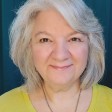
Dr. Tanya English
Transforming grief into joy through music and intuitive healing

Natolie Warren
Therapist & Wellness Expert
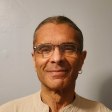
Ronnie Figueroa
Licensed Counselor, Energy Healer Life Coach, Public Speaker
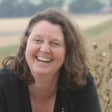
Terri Moon
Embracing growth, healing, and joy—one day at a time

Patricia Wagner
Channeling divine insights to elevate your energy and purpose
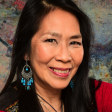

Dr David. Lemmon
“Cancer Cells Can’t Survive In A Healthy Body.”

Robert Koppen
A Traditional Physician Goes Beyond the Limitations of His Medical Background and Embraces the World of Holistic Health.

Louise Swartswalter
Transforming lives through holistic healing and energetic breakthroughs

Susie Pearl
Survivor of brain cancer, healed tumour with NDE, seen the after life, sharing wisdom for living fully.
What Makes a Great Holistic Healing Speaker
Take someone like Deepak Chopra. He doesn't just talk about mind-body connection-he lives it. That authenticity is magnetic. A great speaker in this space weaves science, spirituality, and personal transformation into a cohesive story that resonates across cultures and belief systems. They're not afraid to go deep, but they also know when to lighten the mood with a relatable anecdote or a moment of humor.
What separates the good from the great? Storytelling. A great holistic healing speaker can take a concept like energy alignment or breathwork and make it feel urgent and accessible. They might share how a client overcame chronic pain through meditation, or how a community in rural India embraced Ayurveda to improve public health. These stories stick.
And finally, great holistic healing speakers are generous with their wisdom. They don't gatekeep. They offer actionable insights-whether it's a breathing technique, a journaling prompt, or a new way to think about food as medicine. They leave the audience not just inspired, but equipped.
So if you're looking for someone to elevate your event, look for that rare mix of presence, purpose, and practical wisdom. That's the trifecta.
How to Select the Best Holistic Healing Speaker for Your Show
1. Define Your Show's Intent.
- Clarify the theme. Are you focusing on mental health, alternative medicine, or spiritual wellness?
- Know your audience. Are they beginners exploring holistic practices or seasoned practitioners looking for depth?
2. Search with Purpose.
- Use platforms like Talks.co to browse speaker profiles by niche, topic, and availability.
- Look for speakers who have appeared on similar shows or summits. Check their past topics and audience engagement.
3. Evaluate Their Content.
- Watch or listen to previous talks. Are they engaging? Do they offer unique insights?
- Read their blog posts or books if available. This gives you a sense of their philosophy and communication style.
4. Check for Alignment.
- Does their message complement your show's mission?
- Are they inclusive and culturally sensitive? Holistic healing spans traditions-make sure they honor that diversity.
5. Reach Out Strategically.
- Use the contact form on their Talks.co speaker page or their personal website.
- Be clear about your show's format, audience size, and what you're looking for in a guest.
6. Ask the Right Questions.
- What topics are they most passionate about?
- Can they tailor their message to your audience's level of experience?
7. Test the Waters.
- If possible, do a short pre-interview or casual Zoom chat to feel out the chemistry.
The best holistic healing speaker for your show is someone who not only educates but elevates-someone who brings clarity, calm, and curiosity to your audience's wellness journey.
How to Book a Holistic Healing Speaker
1. Start with Research.
- Use Talks.co to browse holistic healing speakers by specialty-think energy medicine, integrative nutrition, or trauma-informed mindfulness.
- Look at their speaker page for testimonials, past appearances, and topic summaries.
2. Shortlist Based on Fit.
- Choose 2-3 speakers who align with your show's theme and tone.
- Consider diversity-gender, cultural background, healing modality-to offer your audience a richer perspective.
3. Reach Out Professionally.
- Send a concise message via their Talks.co profile or email. Include:
- Your show's name and focus.
- Why you think they'd be a great fit.
- Proposed date(s) and format (live, recorded, panel, etc).
4. Confirm the Details.
- Once they express interest, lock in:
- Topic and title of the talk.
- Time zone and preferred recording platform.
- Promotional expectations (e.g. will they share the episode?).
5. Send a Booking Confirmation.
- Include a calendar invite, prep questions, and any tech requirements.
- Offer a short onboarding doc if it's their first time on your platform.
6. Follow Up.
- A week before the session, send a reminder with the topic outline.
- After the recording, thank them and share the release date.
Booking a holistic healing speaker is about creating a smooth, respectful experience. When you make it easy for them to say yes, you increase your chances of landing high-quality guests who bring real value to your audience.
Common Questions on Holistic Healing Speakers
What is a holistic healing speaker
They often draw from a wide range of disciplines: integrative medicine, energy healing, nutrition, mindfulness, traditional practices like Ayurveda or Traditional Chinese Medicine, and even modern neuroscience. What ties it all together is the belief that true healing happens when all aspects of a person's life are in balance.
Holistic healing speakers typically appear at wellness summits, corporate retreats, virtual events, and podcasts. Their goal is to help people understand the interconnectedness of their physical health, emotional wellbeing, mental clarity, and spiritual purpose. They might speak on topics like reducing stress through breathwork, aligning daily habits with circadian rhythms, or healing trauma through somatic practices.
These speakers are not just educators-they're facilitators of transformation. They help audiences shift from passive consumers of health advice to active participants in their own healing journey. Whether they're sharing ancient wisdom or evidence-based practices, their message is clear: healing is not just about fixing what's broken, but nurturing what's whole.
Why is a holistic healing speaker important
In corporate settings, for example, bringing in a holistic healing speaker can help employees reconnect with their purpose, reduce anxiety, and improve productivity. Companies like Google and SAP have hosted mindfulness and wellness experts to support mental health and emotional resilience in the workplace.
For virtual summits and online communities, these speakers offer a bridge between science and soul. They help audiences make sense of complex health information and apply it in a way that feels personal and empowering. Whether it's a parent managing stress at home or a health coach looking to deepen their toolkit, the speaker's role is to translate holistic wisdom into real-world action.
They're also crucial in expanding the conversation around health equity. By honoring diverse healing traditions-from Indigenous medicine to African herbalism-holistic healing speakers help decolonize wellness and make it more inclusive.
In short, they don't just inform-they transform. Their presence can shift the energy of an event, spark new habits, and inspire long-term change. That's why they matter.
What do holistic healing speakers do
1. Educate on Whole-Person Wellness.
- They explain how physical, emotional, mental, and spiritual health are interconnected.
- Topics might include gut-brain connection, energy balancing, or trauma-informed self-care.
2. Translate Complex Concepts.
- They make ancient wisdom and modern science accessible to a wide audience.
- For example, they might simplify Ayurvedic doshas or explain how cortisol affects sleep.
3. Inspire Personal Transformation.
- Through storytelling and lived philosophy, they motivate people to take ownership of their health.
- They often share case studies or client journeys to illustrate what's possible.
4. Offer Practical Tools.
- Many provide guided meditations, breathwork exercises, or journaling prompts during their sessions.
- Some also offer downloadable resources or follow-up workshops.
5. Adapt to Different Platforms.
- Whether it's a podcast, virtual summit, corporate event, or wellness retreat, they tailor their message to the audience and format.
- For instance, a speaker might focus on burnout recovery for tech professionals or ancestral healing for BIPOC communities.
In essence, holistic healing speakers are educators, guides, and catalysts. They help people reconnect with themselves and make informed, intuitive choices about their wellbeing.
How to become a holistic healing speaker
1. Define Your Niche.
- Holistic healing is broad. Are you focused on Ayurveda, Reiki, energy medicine, integrative nutrition, or trauma-informed wellness? Pick a lane so your message is clear.
- Tip: Check out Talks.co to see how other speakers position themselves. It'll help you refine your angle.
2. Build Your Credibility.
- You don't need a PhD, but you do need experience. Whether you're a certified practitioner, a published author, or a coach with client results, make sure you're walking the talk.
- Consider certifications from reputable institutions like the Institute for Integrative Nutrition or the National Certification Commission for Acupuncture and Oriental Medicine.
3. Craft Your Signature Talk.
- Your keynote should solve a problem or inspire transformation. Think: 'How to Heal Burnout with Ancient Wisdom' or 'The Science of Energy Alignment for Entrepreneurs'.
- Practice it. Record it. Refine it. Then post clips on your speaker page or social media.
4. Create a Speaker Page.
- This is your digital business card. Include your bio, talk titles, testimonials, and a reel. Platforms like Talks.co make this easy and help connect you with event hosts.
5. Start Speaking - Anywhere.
- Local wellness expos, online summits, yoga studios, podcasts... say yes to small gigs to build momentum.
- Use Talks.co to find virtual summits and connect with hosts looking for guests in the holistic space.
6. Collect Testimonials and Refine.
- After each talk, ask for feedback and a testimonial. These are gold when pitching bigger events.
7. Pitch Strategically.
- Reach out to event organizers in your niche. Personalize your pitch. Show them how your talk adds value to their audience.
Consistency is key. The more you speak, the more you're seen. And the more you're seen, the more you're booked.
What do you need to be a holistic healing speaker
Foundational Knowledge
You should have a solid understanding of holistic health principles. This might come from formal education, certifications, or years of hands-on experience. Whether you're trained in Traditional Chinese Medicine, functional nutrition, or energy healing, your depth of knowledge matters.
Clear Messaging
Your message should be specific and compelling. Holistic healing is a broad field, so narrowing your focus helps you stand out. For example, instead of saying 'I speak on wellness', say 'I help corporate leaders manage stress using breathwork and mindfulness'.
Speaking Skills
You don't need to be a TEDx veteran, but you do need to engage an audience. Practice storytelling, pacing, and using visuals. Consider joining a local Toastmasters group or hiring a speaking coach to sharpen your delivery.
Digital Presence
In today's world, you need to be findable. A speaker page on Talks.co is a great start. Include your bio, talk topics, past appearances, and a short video reel. This helps event organizers quickly assess your fit.
Connections and Visibility
Networking is crucial. Connect with podcast hosts, summit organizers, and other speakers. Platforms like Talks.co are designed to bridge that gap between speakers and hosts, making it easier to get booked.
Adaptability
Whether you're speaking at a yoga retreat in Bali or a corporate wellness summit in New York, you need to tailor your message to the audience. That flexibility makes you more bookable and impactful.
In short, being a holistic healing speaker means combining deep knowledge with clear communication and smart positioning. It's not just about what you say, but how and where you say it.
Do holistic healing speakers get paid
The Short Answer
Many holistic healing speakers earn income from speaking engagements, especially as demand for wellness content grows. However, not all gigs are paid, especially early on.
Paid vs. Unpaid Opportunities
- Paid: Keynotes at wellness conferences, corporate wellness programs, retreats, and online summits with budgets.
- Unpaid: Podcasts, community events, or early-stage summits. These often offer exposure instead of cash.
Factors That Influence Pay
- Experience: New speakers may speak for free or low fees. Seasoned speakers with a track record can command thousands per talk.
- Audience Size: A 500-person corporate event pays more than a 20-person yoga studio workshop.
- Topic Relevance: Speakers addressing trending issues like burnout recovery or trauma-informed care are in higher demand.
Data Snapshot
- Entry-level holistic speakers: $0 - $500 per talk.
- Mid-tier (with a niche and some visibility): $500 - $2,500.
- Top-tier (published authors, media appearances): $3,000 - $10,000+.
Pros
- Growing demand in corporate wellness and online summits.
- Opportunities to monetize beyond the stage (see next section).
Cons
- Inconsistent pay early on.
- Requires self-promotion and networking.
So yes, holistic healing speakers do get paid - especially those who treat speaking as a business, not just a passion project.
How do holistic healing speakers make money
1. Speaking Fees
This is the most obvious one. Speakers charge for live or virtual appearances at events, summits, retreats, and corporate wellness programs. Rates vary based on experience, topic, and audience size.
2. Product Sales
Many speakers sell books, courses, or wellness products. For example:
- A speaker on gut health might sell a 6-week online program.
- A Reiki expert could offer guided meditation downloads or energy tools.
3. Coaching and Consulting
After a talk, attendees often want more. Speakers can offer:
- 1:1 coaching packages.
- Group programs.
- Corporate consulting on wellness strategy.
4. Affiliate Marketing
Some speakers partner with brands or platforms aligned with their message. For instance, a speaker might promote a supplement line or a meditation app and earn commissions.
5. Sponsorships
If a speaker has a strong following or podcast, they can attract sponsors. Brands pay to be mentioned during talks, webinars, or newsletters.
6. Hosting Events
Some speakers flip the script and host their own events - online summits, retreats, or workshops. Using platforms like Talks.co, they can feature other experts and monetize through ticket sales or upsells.
7. Licensing Content
Speakers with strong frameworks or methodologies can license their content to other coaches or organizations.
In short, speaking is often just the gateway. The real revenue comes from what you offer before and after the talk. The most successful holistic healing speakers treat their speaking career like a business ecosystem.
How much do holistic healing speakers make
Entry-Level Speakers
- Typically earn $0 to $500 per speaking engagement.
- Often speak for free to build credibility and collect testimonials.
- May rely on backend offers like coaching or product sales.
Mid-Tier Speakers
- Earn between $500 and $2,500 per talk.
- Have a defined niche, polished speaker page (like on Talks.co), and a few media appearances or summits under their belt.
- Often supplement income with online programs or consulting.
Top-Tier Speakers
- Can command $3,000 to $10,000+ per keynote.
- Usually have published books, a strong online presence, and a track record of delivering results.
- Often speak at corporate events, large wellness expos, or international retreats.
Annual Income Ranges
| Speaker Level | Estimated Annual Income |
|---|---|
| Entry-Level | $5,000 - $25,000 |
| Mid-Tier | $30,000 - $100,000 |
| Top-Tier | $100,000 - $500,000+ |
- Number of gigs per year.
- Backend monetization (courses, coaching).
- Geographic market (e.g., U.S. vs. Southeast Asia).
- Virtual vs. in-person events.
Some holistic healing speakers make a full-time income from speaking alone, but most combine it with other revenue streams. As mentioned in 'How do holistic healing speakers make money', the smartest ones diversify.
How much do holistic healing speakers cost
Cost by Experience Level
- New/Emerging Speakers: $0 - $500. Often speak for exposure or to promote a product.
- Mid-Level Speakers: $500 - $2,500. These speakers have a niche, testimonials, and some media or summit experience.
- High-Profile Speakers: $3,000 - $10,000+. These are published authors, TEDx speakers, or influencers with a strong brand.
Cost by Event Type
- Podcasts: Usually free, though some charge a small fee or trade promotion.
- Online Summits: Often unpaid, but some offer honorariums ($100 - $500).
- Corporate Wellness Events: $2,000 - $10,000 depending on scope.
- Retreats or Workshops: $1,000 - $5,000, plus travel and accommodations.
Other Cost Factors
- Customization: Tailored talks or workshops cost more.
- Travel: In-person events often require covering flights, lodging, and per diem.
- Duration: A 20-minute keynote costs less than a full-day training.
Hiring Tips
- Use platforms like Talks.co to compare speaker profiles and rates.
- Ask about bundled offers (e.g., talk + workshop + coaching).
- Clarify deliverables: slides, handouts, Q&A time, etc.
In short, holistic healing speakers can fit a wide range of budgets. The key is matching the speaker's expertise with your event's goals and audience.
Who are the best holistic healing speakers ever
Louise Hay. Founder of Hay House and author of 'You Can Heal Your Life', she was a trailblazer in affirmations and emotional healing.
Dr. Andrew Weil. Known for integrating Western and Eastern medicine, he's influenced generations of holistic practitioners and spoken at major medical and wellness conferences.
Caroline Myss. A medical intuitive and spiritual teacher, her talks on energy anatomy and healing have reached millions worldwide.
Gabrielle Bernstein. A motivational speaker and author blending spirituality, trauma healing, and personal development, she's a go-to voice for modern holistic wellness.
Marianne Williamson. Though known for politics, her decades of speaking on spiritual healing and A Course in Miracles make her a standout in holistic circles.
Dr. Joe Dispenza. Fusing neuroscience and energy healing, his talks on reprogramming the mind for health have made waves globally.
Anita Moorjani. After a near-death experience, her story and talks on self-love and healing have inspired audiences worldwide.
Don Miguel Ruiz. Author of 'The Four Agreements', his teachings on Toltec wisdom have shaped holistic thought for decades.
Bruce Lipton. A stem cell biologist turned speaker, his work on epigenetics and belief systems has redefined the science of healing.
Who are the best holistic healing speakers in the world
Dr. Gabor Maté (Canada). Known for his work on trauma, addiction, and mind-body health, his talks are deeply researched and emotionally resonant.
Marisa Peer (UK). A therapist and speaker, she combines hypnotherapy with holistic psychology to help people heal from within.
Dr. Rangan Chatterjee (UK). A physician and podcaster, he brings holistic health to mainstream audiences with science-backed talks.
Sahara Rose (USA). A modern voice in Ayurveda, she speaks on balancing ancient healing with modern lifestyle, especially for millennials.
Dr. Shefali Tsabary (USA/India). A clinical psychologist blending Eastern philosophy with Western psychology, she's a powerful speaker on conscious living.
Wim Hof (Netherlands). Known as 'The Iceman', his talks on breathwork, cold therapy, and holistic resilience have gained global traction.
Dr. Mindy Pelz (USA). A fasting expert and speaker, she educates on metabolic health and women's wellness through a holistic lens.
Dr. B.J. Miller (USA). A palliative care physician and speaker, he brings a deeply human perspective to healing, death, and holistic care.
Vani Hari (USA). Also known as 'The Food Babe', she speaks on clean eating, food activism, and holistic nutrition across global stages.
Common myths about holistic healing speakers
1. Myth: Holistic healing speakers are anti-science.
This one pops up a lot, especially in more traditional or corporate circles. But here's the truth: many holistic healing speakers are deeply informed by science. They often integrate evidence-based practices like mindfulness-based stress reduction (MBSR), functional nutrition, and even neuroscience into their talks. Think of speakers like Dr. Joe Dispenza, who blends quantum physics with meditation research, or Dr. Deepak Chopra, who collaborates with medical researchers. The idea that holistic equals anti-science just doesn't hold up.
2. Myth: They only talk about crystals and energy.
Sure, some speakers include energy work or metaphysical elements, but to paint the entire field with that brush is like saying all tech speakers only talk about coding. Holistic healing covers a wide range of modalities: breathwork, trauma-informed care, integrative medicine, somatic therapy, and more. Speakers tailor their content to their audience-whether that's a wellness retreat in Bali or a corporate resilience workshop in Berlin.
3. Myth: It's all fluff with no real outcomes.
This one's especially common among skeptics. But the reality is, many holistic healing speakers are brought into Fortune 500 companies, hospitals, and universities because their methods improve productivity, reduce burnout, and support mental health. For example, Gabrielle Bernstein's talks on emotional wellbeing have been used by leadership teams to foster healthier workplace dynamics. Results are measurable when the right frameworks are applied.
4. Myth: You have to be a guru or spiritual leader to succeed.
Nope. Some of the most impactful holistic healing speakers come from backgrounds in psychology, education, or even tech. What matters is authenticity, clarity, and the ability to connect. You don't need a robe or a mantra-you need a message that resonates and tools that help people feel better.
So if you've been holding back from stepping into this space because of these myths, it might be time to rethink what's actually true.
Case studies of successful holistic healing speakers
Then there's Jay Shetty. He started as a monk. Literally. But when he transitioned into public speaking, he didn't just bring spiritual stories-he brought strategy. His talks blend mindfulness with neuroscience, storytelling with social media savvy. Now, he's spoken at Google, Facebook, and even the World Economic Forum. His success shows that holistic healing doesn't have to be niche-it can be mainstream, if delivered with clarity and relevance.
In a different corner of the world, Dr. Haidar Al Hakim, a UK-based physician and speaker, integrates holistic healing into medical training. His talks focus on emotional intelligence, stress management, and the human side of medicine. He's spoken at hospitals and universities across Europe, proving that holistic healing isn't just for yoga retreats-it's for operating rooms and lecture halls too.
And let's not forget the grassroots heroes. In Kenya, holistic speaker and wellness advocate Wanjiru Njenga runs community-based programs on trauma healing and mental health. Her talks combine indigenous practices with modern therapy, reaching underserved populations with limited access to traditional healthcare. Her story reminds us that success isn't just about fame-it's about impact.
These speakers didn't follow a single path. Some came from medicine, others from media, and some from personal transformation. But they all share one thing: a commitment to helping people heal, grow, and thrive-on their own terms.
Future trends for holistic healing speakers
- Hybrid wellness models. More speakers are blending ancient practices with modern science. Think breathwork paired with biometric tracking, or sound healing sessions backed by neuroscience. Audiences want both the experience and the evidence.
- Corporate wellness integration. Companies are no longer just hiring motivational speakers-they're bringing in holistic healing speakers to address burnout, emotional resilience, and team dynamics. Platforms like LinkedIn Learning and Headspace for Work are opening doors for speakers who can translate healing into productivity.
- Localized healing narratives. There's growing demand for speakers who bring cultural specificity to their talks. Whether it's integrating Maori healing traditions in New Zealand or Ayurveda in India, audiences are craving authenticity rooted in place and heritage.
- Virtual-first speaking formats. Thanks to platforms like Zoom and Circle, holistic healing speakers are building global audiences without ever stepping on a plane. Expect more interactive webinars, digital retreats, and even VR-based healing experiences.
- Data-driven storytelling. Speakers who can back up their insights with data-whether from psychology studies or user feedback-are gaining traction. It's not about being clinical, it's about being credible.
Looking ahead, holistic healing speakers who adapt to these shifts will find more opportunities across industries. From tech startups seeking mindful leadership to schools looking for trauma-informed education, the landscape is expanding. The key? Stay flexible, stay informed, and stay human.
Tools and resources for aspiring holistic healing speakers
1. Talks.co. This podcast guest matching platform is a goldmine for new speakers. You can pitch yourself to hosts looking for experts on wellness, healing, and personal growth. Tip: tailor your pitch to show how your message aligns with their audience.
2. SpeakerHub. A directory where you can list your speaker profile, topics, and availability. It's used by event organizers worldwide. Make sure your profile includes a short video clip-it boosts your chances of getting booked.
3. Canva. Whether you're creating slides for a keynote or designing your speaker one-sheet, Canva makes it easy. Use their templates to keep your visuals clean and professional.
4. Insight Timer. Not just for meditation, this platform allows holistic practitioners to build a following through audio content. Many speakers use it to share guided practices and then funnel listeners to their live events.
5. Teachable. Want to turn your talk into a course? Teachable lets you create and sell online programs. It's a great way to monetize your message and deepen your impact.
6. Zoom. Still the go-to for virtual workshops and webinars. Pro tip: use breakout rooms for small group exercises during your talk-it keeps engagement high.
7. The Speaker Lab Podcast. Hosted by Grant Baldwin, this podcast offers tactical advice on pricing, positioning, and pitching as a speaker. While not holistic-specific, the insights are super relevant.
Each of these tools serves a different purpose-some help you get booked, others help you deliver better, and a few help you scale. Start with one or two, get comfortable, then expand your toolkit as your speaking career grows.
