Inclusive Culture Speakers
You've got the stage, the mic, the audience... but now you need someone who can actually speak to real inclusion without sounding like a corporate memo.
Maybe you're planning a summit or podcast episode and thinking, how do I find the right inclusive culture speakers who actually know what they're talking about?
Not just buzzwords, but voices with lived insight and clarity.
This guide pulls together inclusive culture speakers who do more than tick a box.
These are people who've worked across industries, helped teams rethink workplace culture, and know how to talk about diversity, equity, and belonging in a way that makes sense to real people.
Whether you're building out an event lineup or curating guests for a series, this list makes it easier to identify speakers who bring honesty, nuance, and practical tools to the conversation.
I've seen how the right speaker can shift how an entire room thinks about inclusion.
That's why making the right choice matters.
Scroll down to explore inclusive culture speakers who bring substance, clarity, and real perspective.
You might just find the perfect fit for your next event or episode.
Top Inclusive Culture Speakers List for 2026

Rikki Arundel
Award winning Keynote and virtual Speaker, Speaking/TEDx/Storytelling Coach and Gender and LGBTQ Inclusion expert.

Irma Goosen
Empowering Change Through Immigrant Stories - Championing Leadership & Innovation
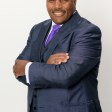
Lyman Montgomery
Bridging faith, culture, and leadership — one real conversation at a time.

Sharon Love
Inspire, empower, and thrive—unlock your speaking superpowers

Joan Michelson
Harnessing the power of sustainable innovation

Amber Cabral
I teach people how to be good humans. | leadership and workplace strategist | award-winning facilitator, executive coach, 2x author

Dr. Steve Yacovelli
Empowering all leaders to create a more welcoming and inclusive workplace

Amber Cabral
Amber Cabral helps people human better at work and beyond.

William Davis
Leadership is, and will always be, about human relationships

AJ Lauer
Building STEM workplaces that work for everyone.
What Makes a Great Inclusive Culture Speaker
A great inclusive culture speaker doesn't just talk about diversity-they embody it. They draw from a wide range of perspectives, whether it's navigating corporate structures as a woman of color, advocating for neurodivergent professionals in tech, or building bridges between generations in the workplace. Their stories are layered, real, and often uncomfortable in the best way. They challenge assumptions without alienating, and they educate without preaching.
Take someone like Verna Myers, VP of Inclusion Strategy at Netflix. She doesn't just present data-she tells stories that make the data human. Or consider speakers like Ruchika Tulshyan, who brings a global lens to inclusion, helping audiences understand how equity looks different in Singapore than in Seattle. These speakers don't rely on buzzwords. They use language that resonates because it's rooted in authenticity.
And here's the kicker: great inclusive culture speakers are also great listeners. They adapt their message to the room, whether that room is full of startup founders in Berlin or public school educators in Detroit. They know when to push and when to pause. That emotional intelligence? It's what separates a decent speaker from a transformative one.
So if you're looking for someone who can do more than just tick a DEI box, look for someone who can hold space for complexity, nuance, and growth. That's what makes an inclusive culture speaker truly great.
How to Select the Best Inclusive Culture Speaker for Your Show
1. Define Your Show's Purpose and Audience.
- Are you targeting HR professionals, startup founders, educators, or global teams?
- What's the tone of your show-casual, data-driven, inspirational?
- Knowing your audience helps you filter speakers who can speak their language.
2. Identify the Type of Inclusion You Want to Highlight.
- Inclusion isn't one-size-fits-all. Are you focusing on racial equity, LGBTQ+ inclusion, accessibility, or intersectionality?
- For example, if your audience is in the tech industry, someone like Aubrey Blanche (Culture Amp) might bring the right mix of data and storytelling.
3. Browse Speaker Platforms Like Talks.co.
- Use the Talks.co speaker page to filter by topic, industry, and region.
- Look for speakers with video clips, testimonials, and clear topic outlines.
- Bonus: Talks.co connects hosts and guests directly, saving you time.
4. Review Their Content and Delivery Style.
- Watch previous talks or podcast appearances. Are they engaging? Do they adapt to different formats?
- Read their blog posts or LinkedIn articles to assess depth of thought.
5. Reach Out and Ask the Right Questions.
- Ask how they tailor their message to different audiences.
- Inquire about their experience with virtual vs. in-person formats.
- Gauge their openness to pre-show collaboration or Q&A sessions.
Selecting the best inclusive culture speaker is about more than credentials-it's about connection, clarity, and shared purpose. Take your time, do your homework, and trust your gut when someone resonates with your show's mission.
How to Book an Inclusive Culture Speaker
1. Start with a Shortlist.
- Use platforms like Talks.co to find vetted speakers with a focus on inclusion.
- Filter by industry, topic, and availability.
- Check out their speaker profiles for videos, bios, and past appearances.
2. Reach Out with a Clear Ask.
- Be specific about your event: date, format (live, virtual, hybrid), audience size, and goals.
- Include why you think they're a good fit-mention a talk or article of theirs that stood out.
- Example: "We're hosting a virtual summit for remote team leaders and loved your TEDx talk on inclusive hiring. Would you be open to joining as a guest speaker?"
3. Discuss Logistics and Expectations.
- Confirm the time zone, tech setup, and length of the session.
- Clarify if they'll be doing a keynote, panel, or workshop.
- Talk about compensation early-many inclusive culture speakers are professionals who deserve fair pay.
4. Collaborate on Content.
- Share your audience's background and any themes you want them to touch on.
- Ask if they're open to a prep call or reviewing questions in advance.
- This helps them tailor their message and keeps your show cohesive.
5. Confirm and Promote.
- Send a confirmation email with all details, including links, times, and contact info.
- Promote the speaker on your event page, social media, and email list.
- Tag them in posts to boost visibility and engagement.
Booking an inclusive culture speaker is about building a partnership, not just filling a slot. When you approach it with clarity and collaboration, you'll set the stage for a powerful, authentic conversation.
Common Questions on Inclusive Culture Speakers
What is an inclusive culture speaker
Unlike general motivational speakers, inclusive culture speakers zero in on the systems and behaviors that shape workplace dynamics. They might address unconscious bias, inclusive leadership, accessibility, or intersectionality. Their goal isn't just to raise awareness-it's to spark action.
Inclusive culture speakers can come from a variety of backgrounds: corporate executives, DEI consultants, educators, activists, or even artists. What unites them is a deep understanding of how culture is created and sustained, and how it can be transformed. For instance, someone like Minda Harts speaks directly to the experiences of women of color in corporate America, while someone like John Amaechi brings a psychologist's lens to leadership and inclusion.
These speakers are often invited to conferences, summits, podcasts, and internal company events. Whether it's a keynote at a Fortune 500 retreat or a panel at a local nonprofit, their role is to challenge assumptions and offer tools for change.
In short, an inclusive culture speaker helps audiences see what they've been missing-and gives them the language and strategies to do something about it.
Why is an inclusive culture speaker important
These speakers bring clarity to complex issues. Whether it's explaining how microaggressions affect team dynamics or why representation matters in leadership, they translate abstract concepts into everyday language. This makes inclusion accessible to people at all levels, from interns to executives.
They also create space for uncomfortable but necessary conversations. For example, a speaker addressing anti-racism in a predominantly white organization can help surface blind spots that internal teams might avoid. Or in a global company, a speaker might highlight how inclusion looks different across cultures-what works in Toronto might not resonate in Tokyo.
Inclusive culture speakers also drive accountability. By sharing data, case studies, and lived experiences, they help organizations move from performative gestures to meaningful change. Think of speakers like Lily Zheng, who challenge companies to back up their DEI statements with action.
Ultimately, these speakers are important because they help shift mindsets. They don't just inform-they inspire people to think differently, act intentionally, and lead more inclusively. And in a world where talent, customers, and communities are more diverse than ever, that shift isn't optional-it's essential.
What do inclusive culture speakers do
Here's a breakdown of what they actually do:
- Deliver Keynotes and Talks. They speak at conferences, summits, webinars, and internal events. Topics can range from inclusive leadership and unconscious bias to intersectionality and accessibility.
- Facilitate Workshops and Trainings. Many go beyond the stage to lead interactive sessions. These might include role-playing scenarios, group discussions, or strategic planning exercises.
- Consult on Organizational Culture. Some inclusive culture speakers also work as consultants, helping companies audit their culture, policies, and practices. They might analyze hiring pipelines, review internal communications, or assess employee engagement data.
- Create Custom Content. Whether it's writing thought leadership articles, recording podcast episodes, or developing e-learning modules, they tailor their message to different formats and audiences.
- Support Change Agents. Inclusive culture speakers often mentor or coach internal DEI champions, helping them build influence and resilience within their organizations.
Their impact isn't limited to corporate settings. You'll find them in schools, nonprofits, government agencies, and global forums. And while their methods vary, their mission is consistent: to help people understand each other better and build cultures where everyone belongs.
How to become an inclusive culture speaker
1. Define Your Message and Niche
- Inclusive culture covers a lot: race, gender, accessibility, neurodiversity, LGBTQ+ inclusion, and more. Pick your focus.
- Ask yourself: What unique perspective do I bring? Who needs to hear it?
- Example: If you're a DEI consultant in tech, your talks might focus on inclusive hiring practices in startups.
2. Build Your Expertise
- Speak from experience or deep research. Certifications in DEI, HR, or organizational psychology help.
- Stay updated with global trends: follow thought leaders like Verna Myers or Dr. Robin DiAngelo.
- Read widely: academic journals, case studies, and real-world reports from companies like McKinsey or Deloitte.
3. Create Your Speaker Page
- Use platforms like Talks.co to build a professional speaker profile.
- Include a strong bio, talk topics, testimonials, and a short video reel.
- Make it easy for hosts to find and book you.
4. Start Speaking - Anywhere
- Begin with local events, webinars, or internal company workshops.
- Offer to speak at schools, nonprofits, or community groups.
- Record every talk. Build a portfolio.
5. Connect with Hosts and Organizers
- Use Talks.co to get matched with event hosts looking for inclusive culture speakers.
- Reach out on LinkedIn, join speaker bureaus, or pitch directly to conferences.
- Tip: Tailor your pitch to show how your message aligns with their audience's needs.
6. Keep Learning and Evolving
- Attend other speakers' sessions. Get feedback. Refine your delivery.
- Inclusive culture is dynamic. Stay relevant by continuously updating your content.
Remember, this isn't just about getting on stage. It's about creating real change through your voice.
What do you need to be an inclusive culture speaker
1. Subject Matter Expertise
You don't need a PhD, but you do need depth. Whether you come from lived experience, academic study, or professional practice, your insights must be grounded. For example, if you're speaking on racial equity in the workplace, referencing data from the Harvard Implicit Bias Project or McKinsey's Diversity Wins report adds weight.
2. Communication Skills
You're not just informing - you're inspiring. That means:
- Storytelling that resonates.
- Clear, jargon-free language.
- The ability to handle tough questions with empathy and authority.
3. A Platform to Showcase Your Work
This is where Talks.co comes in. A speaker page helps you:
- List your talk topics and availability.
- Share testimonials and videos.
- Get discovered by event organizers actively seeking inclusive culture speakers.
4. Cultural Competence and Sensitivity
You'll be speaking to diverse audiences. That means:
- Understanding intersectionality.
- Avoiding tokenism.
- Being open to feedback and growth.
5. A Network and Visibility Strategy
You need to be seen to be booked. That includes:
- Posting thought leadership on LinkedIn.
- Joining DEI communities.
- Speaking at virtual summits, podcasts, or panels to build visibility.
Bottom line: being an inclusive culture speaker is a responsibility. You're not just representing yourself - you're shaping how people think about belonging, equity, and respect.
Do inclusive culture speakers get paid
Factors That Influence Payment:
- Experience Level: New speakers might start with free gigs or honorariums. Seasoned experts with a strong portfolio can command thousands per talk.
- Audience Size and Type: A keynote at a Fortune 500 company pays more than a panel at a local nonprofit.
- Format: In-person keynotes often pay more than virtual webinars, though the gap is narrowing.
Typical Payment Ranges:
| Speaker Level | Typical Fee (USD) |
|---|---|
| Emerging Speaker | $0 - $1,000 |
| Mid-Level Speaker | $1,000 - $5,000 |
| High-Profile Speaker | $5,000 - $25,000+ |
- Builds credibility and positions you as a thought leader.
- Can lead to additional revenue streams (consulting, training, books).
Cons:
- Competitive field - not every event has a budget.
- Requires constant outreach and branding to stay visible.
Many speakers use platforms like Talks.co to connect with paying hosts and streamline the booking process. If you're just starting, consider a mix of paid and strategic unpaid gigs to build your portfolio.
How do inclusive culture speakers make money
1. Paid Speaking Engagements
- Keynotes at conferences, corporate events, and summits.
- Panel moderation or participation.
- Workshops and breakout sessions.
2. Corporate Training and Consulting
Many companies bring in inclusive culture speakers to:
- Audit DEI practices.
- Lead internal training sessions.
- Advise on inclusive hiring or policy development.
3. Online Courses and Webinars
Speakers often package their knowledge into:
- On-demand courses (via Teachable, Kajabi, etc.).
- Live webinars for HR teams or leadership groups.
- Subscription-based learning communities.
4. Books and Publications
Publishing a book can:
- Establish authority.
- Create passive income.
- Lead to more speaking invitations.
5. Affiliate and Platform Revenue
- Some use platforms like Talks.co to get booked and earn through referral or platform bonuses.
- Others monetize newsletters, podcasts, or YouTube channels with sponsorships.
6. Coaching and Mentorship
- One-on-one coaching for DEI professionals.
- Group programs for aspiring inclusive culture speakers.
The most successful speakers diversify their income streams. They don't rely solely on stage time. They build ecosystems around their message.
How much do inclusive culture speakers make
1. Per Engagement Rates
- Entry-Level: $500 - $1,500 per talk.
- Mid-Tier: $2,000 - $7,500 per keynote.
- Top-Tier: $10,000 - $25,000+ per event.
2. Annual Income Ranges
| Speaker Type | Estimated Annual Income |
|---|---|
| Part-Time Speaker | $10,000 - $50,000 |
| Full-Time Speaker | $60,000 - $150,000 |
| Celebrity/Elite | $200,000+ |
- Frequency of Events: A speaker doing 4 gigs/month at $3,000 each earns $144,000/year.
- Diversification: Those offering consulting, courses, or books can double or triple their income.
- Geographic Reach: Speakers with global appeal or multilingual content often earn more.
4. Industry Trends
- Post-2020, demand for DEI speakers surged, especially in tech, education, and healthcare.
- Virtual events have increased volume but sometimes lowered per-event fees.
To maximize income, many speakers use platforms like Talks.co to stay booked consistently and reach new audiences.
How much do inclusive culture speakers cost
1. Cost by Experience Level
| Speaker Level | Typical Fee Range (USD) |
|---|---|
| Emerging Speaker | $500 - $1,500 |
| Mid-Level Speaker | $2,000 - $7,500 |
| High-Profile Speaker | $10,000 - $25,000+ |
- Workshops (2-4 hours): $2,000 - $10,000 depending on customization.
- Keynotes (30-60 minutes): $1,500 - $20,000 depending on profile.
- Panel Appearances: Often lower, $500 - $3,000, or included as part of a package.
3. Virtual vs. In-Person
- Virtual events typically cost 20-40% less.
- In-person events may require travel, accommodation, and per diem fees.
4. Additional Costs
- Custom content development.
- Follow-up consulting or training.
- Licensing fees for recorded content.
5. Budget-Smart Tips
- Use platforms like Talks.co to find speakers within your budget.
- Consider emerging voices who bring fresh perspectives at lower rates.
- Bundle services (e.g., keynote + workshop) for better value.
Hiring an inclusive culture speaker is an investment in your organization's growth. The right speaker can shift mindsets, spark action, and build long-term inclusion strategies.
Who are the best inclusive culture speakers ever
1. Verna Myers
- VP of Inclusion Strategy at Netflix.
- Known for her TED Talk 'How to Overcome Our Biases?'
- Author of 'Moving Diversity Forward'.
2. Dr. Robin DiAngelo
- Author of 'White Fragility'.
- Focuses on systemic racism and white identity.
- Popular in academic and corporate circles.
3. Brené Brown
- While known for vulnerability research, her work on belonging and inclusion is widely cited.
- Her Netflix special and books have global reach.
4. Ijeoma Oluo
- Author of 'So You Want to Talk About Race'.
- Blends personal narrative with structural analysis.
5. John Amaechi OBE
- Former NBA player turned organizational psychologist.
- Known for his work on inclusive leadership in Europe.
6. Kimberlé Crenshaw
- Coined the term 'intersectionality'.
- A foundational voice in inclusive culture theory.
7. Janet Stovall
- TED speaker and executive communications expert.
- Focuses on business-driven inclusion strategies.
8. Rohini Anand
- Former SVP of Corporate Responsibility at Sodexo.
- Global DEI strategist with a focus on measurable impact.
These speakers have shaped how we think, talk, and act on inclusion. Their influence spans boardrooms, classrooms, and communities.
Who are the best inclusive culture speakers in the world
1. Layla F. Saad (UK)
- Author of 'Me and White Supremacy'.
- Focuses on anti-racism and identity work.
- Popular in both corporate and educational settings.
2. Dr. Pragya Agarwal (India/UK)
- Behavioral scientist and author of 'Sway: Unravelling Unconscious Bias'.
- Brings a data-driven lens to inclusion.
3. Minda Harts (USA)
- Author of 'The Memo'.
- Advocates for women of color in corporate America.
4. Yassmin Abdel-Magied (Australia)
- Engineer, writer, and speaker on race, gender, and faith.
- Known for her TED Talk 'What Does My Headscarf Mean to You?'
5. Dr. Michael Kimmel (USA)
- Expert on gender and masculinity.
- Helps organizations engage men in inclusion efforts.
6. Sophie Williams (UK)
- Author of 'Millennial Black' and 'Anti-Racist Ally'.
- Focuses on workplace equity and generational inclusion.
7. Asif Sadiq MBE (UK)
- Global Head of Diversity & Inclusion at Warner Bros. Discovery.
- Known for implementing large-scale DEI strategies.
8. Caroline Casey (Ireland)
- Founder of The Valuable 500.
- Advocates for disability inclusion in global business.
9. Dr. Doyin Atewologun (UK/Nigeria)
- Organizational psychologist and leadership expert.
- Specializes in intersectionality and inclusive leadership.
10. Ritu Bhasin (Canada)
- DEI consultant and author of 'The Authenticity Principle'.
- Focuses on inclusive leadership and cultural competence.
These speakers are shaping inclusive culture not just in their home countries, but on the global stage. They bring diverse perspectives that resonate across industries and borders.
Common myths about inclusive culture speakers
This is a narrow view of what inclusion means. While race and gender are important dimensions, inclusive culture speakers often address a much broader spectrum: neurodiversity, ageism, socioeconomic background, language inclusion, and even geographic bias. For example, speakers like Verna Myers and Lily Zheng have tackled topics like LGBTQ+ inclusion in corporate policy and how class privilege affects hiring practices.
Myth 2: You need to be from a marginalized group to be an inclusive culture speaker.
While lived experience can add depth, it's not a requirement. What matters is a deep understanding of systemic barriers and the ability to communicate strategies for dismantling them. Many effective speakers come from positions of privilege and use their platforms to amplify underrepresented voices. The key is authenticity, research, and a commitment to equity.
Myth 3: Inclusive culture speakers are too 'political' for business settings.
This misconception often stems from discomfort with change. But inclusion isn't politics, it's strategy. Companies like Accenture and Salesforce have brought in inclusive culture speakers to drive innovation and employee engagement. These talks often lead to measurable outcomes like reduced turnover and improved team performance.
Myth 4: They just give motivational talks without real solutions.
The best inclusive culture speakers go beyond inspiration. They offer frameworks, toolkits, and actionable steps. For instance, Ruchika Tulshyan's talks often include data-backed strategies for inclusive hiring and onboarding. It's not fluff - it's a roadmap.
Myth 5: Inclusive culture speakers are only relevant for HR teams.
Inclusion affects every department. Product design, marketing, customer service - all benefit from inclusive thinking. Tech companies like Google have brought in speakers to help engineers understand algorithmic bias. It's not just about people policies, it's about business outcomes.
Case studies of successful inclusive culture speakers
Then there's Minda Harts, whose talks on equity for women of color in corporate America have sparked real change. After a keynote at a Fortune 500 company's leadership retreat, the firm launched a mentorship program specifically for Black and Latina women. Within a year, internal promotions for those groups increased by 18%.
In the Asia-Pacific region, Kenji Yoshino's work on covering - the ways people downplay parts of their identity to fit in - resonated deeply with Japanese and Korean firms. His sessions led to a shift in how companies approached dress codes and team-building activities, making space for more authentic expression.
And in the startup world, speaker Lily Zheng helped a fast-growing fintech company in Berlin rethink its hiring pipeline. By introducing inclusive job descriptions and bias interrupters in interviews, they doubled the percentage of women and nonbinary hires in tech roles in just two quarters.
These aren't just feel-good stories. They're proof that inclusive culture speakers can drive tangible, measurable shifts across industries and regions. Whether it's a legacy bank in New York or a mobile gaming company in Nairobi, the impact is real when the message lands and the leadership listens.
Future trends for inclusive culture speakers
- Data-Driven Inclusion. Speakers are increasingly expected to bring metrics. Think dashboards, KPIs, and ROI on inclusion efforts. Expect more talks that include case studies with hard numbers.
- Virtual-First Speaking Engagements. With hybrid work here to stay, inclusive culture speakers are adapting to digital formats. But it's not just Zoom calls - we're talking interactive workshops, breakout rooms, and even VR-based empathy training.
- Global and Local Balance. There's rising demand for speakers who can contextualize inclusion across cultures. A talk that works in Toronto might not resonate in Jakarta. Speakers who can localize their message without losing core principles will stand out.
- Intersectionality as Standard. The next wave of speakers won't silo topics. They'll talk about how race, gender, disability, and class intersect. This holistic approach is becoming the norm, not the exception.
- Audience-Specific Customization. Whether it's frontline workers, C-suite execs, or product teams, talks are being tailored more precisely. One-size-fits-all keynotes are fading out.
In short, the future belongs to inclusive culture speakers who can blend storytelling with strategy, and inspiration with implementation. The bar is higher, but so is the opportunity to create lasting change.
Tools and resources for aspiring inclusive culture speakers
- The Inclusion Nudges Guidebook. Packed with behavioral science-backed strategies for driving inclusion. Use it to add evidence-based insights to your talks and workshops.
- LinkedIn Learning. Courses like 'Inclusive Leadership' or 'Unconscious Bias' can help you sharpen your content and stay current. Tip: Complete a course, then share your takeaways in a post to boost your thought leadership.
- Canva. Not just for design - it's a lifesaver for creating inclusive visuals. Use their accessibility templates to ensure your slides are readable and representative.
- Google Scholar. Want to cite real research in your talks? This is your go-to. Search for peer-reviewed studies on inclusion, belonging, or workplace bias.
- SpeakerHub. A directory where you can list your speaker profile and get discovered by event organizers. Tip: Include video clips of past talks to boost credibility.
- The Diversity Gap Podcast. Hosted by Bethaney Wilkinson, this show explores the disconnect between good intentions and actual outcomes. A goldmine for story ideas and framing your message.
- Notion. Use it to organize your speaking topics, client notes, and workshop frameworks. Create a reusable template for each talk so you can scale your prep process.
Whether you're just starting or scaling up, these tools can help you build authority, stay relevant, and deliver talks that actually move the needle.
