Marriage Coaching Speakers
You've got a relationship-focused event or podcast coming up, but finding someone who can speak about marriage with clarity, empathy, and actual expertise?
That's tougher than it should be.
There are plenty of voices out there, but how do you find marriage coaching speakers who actually resonate with your audience, share useful tools, and keep things real?
If you're wondering what makes a great marriage coaching speaker, who they're for, or how to choose the right one, you're in the right place.
I've seen how the best ones don't just talk about love and commitment - they connect, challenge, and help people think differently about their relationships.
Whether it's couples retreats, relationship summits, or podcasts about personal growth, marriage coaching speakers bring grounded advice and relatable stories that land.
This guide will help you quickly spot speakers who are experienced, engaging, and aligned with your goals.
Take a look, explore your options, and book someone who's right for your event.
Top Marriage Coaching Speakers List for 2026
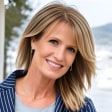
Jane Copier
Empowering midlife women to transform relationships and embrace joy

Deborah Walker
Transforming speakers into storytellers, one powerful speech at a time

Kelly DuPee
I help couples avoid the pain of divorce and have the marriage God wants them to have.

Kaneshi Hart
Transforming first-time managers from chaos to confident leaders

Mike McQuillan
Transforming stories into powerful speeches, one voice at a time

Dr. Jeni Wahlig
The Relationship Rebel with a PhD—on a mission to revolutionize women’s experience of marriage so they can finally experience the powerful

Kathy Rushing
What if your relationship got the same strategic attention as your business?


Jennifer Reid-Walker
Empowering hearts through forgiveness and authentic connections.

Anousha Mohon
A human striving to get better everyday! All am saying is “Out of your vulnerabilities will come your strength!”
What Makes a Great Marriage Coaching Speaker
What sets the best apart is their ability to connect emotionally. They don't just talk about communication-they model it. They don't just preach empathy-they show it in how they interact with hosts, audiences, and even tough questions. You can feel their authenticity. That's what makes people lean in.
Another trait? Relevance. A great marriage coaching speaker doesn't recycle the same generic advice. They tailor their message to the audience-whether it's newlyweds in their 20s, long-time couples navigating retirement, or even entrepreneurs trying to balance business and marriage. They speak to the moment.
And finally, delivery matters. The best speakers know how to pace their talk, use silence for impact, and shift tone to keep things dynamic. They're not reading slides. They're guiding a journey. That's what transforms a good speaker into a great one.
So, if you're scouting for someone to headline your next summit or podcast, look for that rare mix: expertise, empathy, adaptability, and stage presence. It's not common-but when you find it, you'll know.
How to Select the Best Marriage Coaching Speaker for Your Show
1. Define Your Audience and Theme
- Are you targeting newlyweds, long-term couples, or professionals balancing love and career?
- Clarify the tone: Do you want a speaker who's clinical and research-based, or someone more conversational and story-driven?
2. Browse Trusted Platforms
- Use platforms like Talks.co to discover vetted speakers with experience in relationship coaching.
- Check their speaker pages for past appearances, audience reviews, and video clips.
3. Evaluate Their Content Style
- Watch at least two full-length talks or interviews.
- Look for speakers who balance practical advice with engaging storytelling. Someone who can explain attachment theory and still make you laugh is gold.
4. Check for Alignment with Your Show's Values
- If your show promotes inclusivity, make sure the speaker's language and examples reflect diverse relationship dynamics.
- Review their social media and website to ensure consistency.
5. Reach Out and Ask the Right Questions
- Ask how they tailor talks for different audiences.
- Inquire about their most requested topics and whether they're open to customizing content.
6. Test the Fit
- If possible, do a short pre-interview or test segment.
- This helps you gauge chemistry and flow before committing to a full episode or summit slot.
The best marriage coaching speaker isn't just the most famous-it's the one who resonates with your audience and elevates your brand. Choose wisely, and your audience will thank you.
How to Book a Marriage Coaching Speaker
1. Identify Your Ideal Speaker
- Use Talks.co or similar platforms to filter by topic, availability, and speaking style.
- Look for someone who has experience with your type of audience-whether it's couples, therapists, or business professionals.
2. Reach Out with a Clear Ask
- Send a concise message outlining your event, audience, and what you're looking for.
- Example: "Hi [Name], I'm hosting a virtual summit focused on relationship resilience for entrepreneurs. I'd love to feature you as a speaker on the topic of communication under stress."
3. Discuss Logistics Early
- Confirm the date, time zone, and format (live, recorded, panel, etc.).
- Ask about their tech setup-do they have a good mic, camera, and lighting?
4. Share Your Speaker Page or Event Info
- If you're using Talks.co, send them a link to your event page so they can see who else is involved.
- Include details like audience size, promotional plan, and whether the session will be monetized.
5. Finalize the Agreement
- If there's a speaker fee, confirm it in writing.
- Share a simple agreement or email confirmation outlining expectations, deadlines, and deliverables.
6. Prep Together
- Schedule a quick call to align on talking points and audience expectations.
- Share any promotional assets they'll need (graphics, hashtags, links).
7. Follow Up Post-Event
- Send a thank-you note and any relevant links (recordings, feedback, etc.).
- Ask if they'd be open to future collaborations.
Booking the right speaker is about clarity, communication, and mutual respect. Do it well, and you'll build lasting relationships that go beyond a single event.
Common Questions on Marriage Coaching Speakers
What is a marriage coaching speaker
They often come from diverse backgrounds: some are certified relationship coaches, others are licensed therapists, and a few are authors or educators with a deep understanding of human connection. What unites them is their ability to translate complex emotional dynamics into accessible, actionable advice.
Marriage coaching speakers typically address topics like communication, conflict resolution, intimacy, trust, and balancing career with personal life. Some specialize in specific niches-like intercultural marriages, blended families, or long-distance relationships-while others take a broader approach.
Their role isn't just to inform, but to inspire change. They use storytelling, research, and real-world examples to help couples see their challenges in a new light. Whether they're speaking to a room of 500 or a podcast audience of 5,000, their goal is to spark insight and encourage growth.
In short, a marriage coaching speaker is a communicator, educator, and motivator-someone who helps people build stronger, healthier partnerships through the power of words.
Why is a marriage coaching speaker important
These speakers provide accessible, often preventative support. Instead of waiting until a relationship is in crisis, they offer tools and insights that help couples navigate challenges before they escalate. Think of them as early intervention specialists, but with a microphone.
They also normalize the conversation around relationship struggles. In many cultures, talking openly about marital issues is still taboo. A skilled speaker can break that silence, making it easier for people to seek help, ask questions, and feel less alone.
From a media and event perspective, marriage coaching speakers bring high engagement. Relationship topics consistently rank among the most downloaded podcast episodes and most-watched YouTube content. People are hungry for guidance-and when it's delivered by someone who's both credible and compelling, it sticks.
Finally, these speakers often serve as bridges between personal growth and professional development. For example, in entrepreneurial circles, speakers like Lori Harder or Lewis Howes often touch on how personal relationships impact business success. That crossover makes marriage coaching speakers uniquely valuable in diverse event lineups.
What do marriage coaching speakers do
- Deliver Keynote Talks and Workshops. They speak at virtual summits, conferences, and retreats, often covering topics like emotional intimacy, communication breakdowns, or rebuilding trust after betrayal.
- Create Custom Content for Specific Audiences. Whether it's a podcast for millennial couples or a webinar for faith-based communities, they tailor their message to resonate with the group's unique needs.
- Translate Research into Actionable Advice. Many speakers draw from psychology, neuroscience, or sociology to explain why couples behave the way they do-and what to do about it.
- Engage in Media and Public Education. They appear on podcasts, YouTube channels, and social media to reach broader audiences. Their goal is to make relationship education mainstream and accessible.
- Support Hosts and Event Organizers. Great speakers don't just show up and talk-they collaborate with hosts to align on goals, promote the event, and ensure a smooth experience for everyone involved.
- Inspire Change Through Storytelling. They share real-life examples (with permission or anonymized) to help audiences see themselves in the stories. This emotional connection often leads to deeper reflection and action.
In essence, marriage coaching speakers are catalysts for growth. They combine expertise with empathy to help couples move from stuck to thriving-all through the power of conversation.
How to become a marriage coaching speaker
1. Define Your Niche and Message.
- Are you focused on conflict resolution, communication, or intimacy? Maybe you're passionate about helping couples navigate cultural differences or long-distance relationships. Be specific.
- Craft a signature talk that clearly communicates your unique perspective and value.
2. Build Your Credentials.
- While formal education in psychology or counseling helps, real-world experience and certifications (like Gottman Method or Prepare/Enrich) can boost your authority.
- Testimonials from couples you've coached are gold. Collect them early.
3. Create a Speaker Page.
- Use platforms like Talks.co to showcase your bio, topics, testimonials, and past appearances.
- Include a short video reel of you speaking, even if it's from a local event or webinar.
4. Start Small, Then Scale.
- Offer free talks at local community centers, churches, or online summits. These build your confidence and portfolio.
- Record every talk. Use clips for social media and your speaker reel.
5. Connect With Hosts and Event Organizers.
- Use Talks.co to find virtual event hosts looking for marriage-focused speakers.
- Reach out with a short, personalized pitch. Mention how your talk helps their audience solve a specific problem.
6. Keep Improving.
- Join speaker communities, attend workshops, and get feedback.
- Watch top speakers in your niche. Analyze their pacing, tone, and storytelling.
Once you've got momentum, opportunities will start coming to you. But it all starts with clarity, consistency, and connection.
What do you need to be a marriage coaching speaker
Foundational Knowledge
Marriage coaching speakers typically come from backgrounds in relationship counseling, psychology, coaching, or even ministry. But formal education isn't the only path. What matters is that you understand relationship dynamics deeply and can translate that into actionable advice. Certifications like the Gottman Institute's training or Tony Robbins' Strategic Intervention model can add credibility.
Speaking Skills
Being a great coach doesn't automatically make you a great speaker. You need to learn how to:
- Structure a compelling talk.
- Use storytelling to make your message resonate.
- Engage both live and virtual audiences.
Practicing at Toastmasters or hiring a speaking coach can help polish your delivery.
A Platform to Be Found
You need a speaker page. This is your digital resume. Platforms like Talks.co make it easy to set one up. Include your bio, topics you speak on, testimonials, and a short video clip. This helps event hosts quickly assess if you're a fit.
Networking and Outreach
You'll also need to be proactive. Connect with virtual summit hosts, podcast producers, and event organizers. Talks.co is a great place to start because it connects speakers with hosts looking for specific expertise.
Tech Setup for Virtual Talks
If you're speaking online, invest in a good mic, webcam, and lighting. A poor setup can distract from your message.
In short, to be a marriage coaching speaker, you need expertise, presentation skills, a discoverable platform, and the tools to deliver your message professionally. The good news? All of these are learnable and buildable over time.
Do marriage coaching speakers get paid
Paid vs. Unpaid Opportunities
- Paid Events: These include corporate retreats, large conferences, and ticketed workshops. Established speakers can command $2,000 to $10,000 per talk.
- Unpaid Events: Many newer speakers start with free gigs at online summits or community events. These build credibility and generate leads for coaching services.
Factors That Influence Pay
- Experience Level: A speaker with 10 years of coaching and a bestselling book will earn more than someone just starting out.
- Audience Size: Speaking to 500 people at a national conference pays more than a 20-person webinar.
- Topic Relevance: If your talk addresses a trending issue (e.g., post-pandemic relationship stress), you're more likely to get booked and paid.
Virtual vs. In-Person
- Virtual events often pay less, but they're more frequent and scalable.
- In-person events might cover travel and lodging in addition to a speaking fee.
Examples
- A marriage coaching speaker at a church retreat might earn $500 plus expenses.
- A keynote at a relationship summit could pay $3,000 or more.
So yes, they get paid. But like in any speaking niche, it often starts with building your brand and proving your value before the big checks roll in.
How do marriage coaching speakers make money
1. Speaking Fees
- Paid keynotes, breakout sessions, and workshops at conferences, churches, and retreats.
- Virtual summits and webinars often pay smaller fees but offer more frequency.
2. Coaching Packages
- Many speakers offer 1:1 or group coaching after their talks.
- Speaking serves as a lead generator. For example, a free webinar might lead to $5,000 in coaching sales.
3. Online Courses and Memberships
- Pre-recorded courses on communication, conflict resolution, or intimacy.
- Monthly memberships with live Q&A sessions, community forums, and bonus content.
4. Books and Products
- Self-published books, workbooks, or journals.
- Some bundle these with speaking engagements.
5. Affiliate Marketing and Sponsorships
- Promoting tools like BetterHelp or relationship apps during talks.
- Sponsored content on podcasts or YouTube channels.
6. Hosting Their Own Events
- Retreats, bootcamps, or online summits where they control ticket sales and upsells.
Example Breakdown:
| Income Stream | % of Total Income (Typical) |
|---|---|
| Speaking Fees | 20-30% |
| Coaching Services | 30-40% |
| Courses/Memberships | 15-25% |
| Books/Products | 5-10% |
| Sponsorships/Affiliates | 5-10% |
How much do marriage coaching speakers make
Entry-Level Speakers
- Often unpaid or earning $100 to $500 per talk.
- Many use speaking to promote coaching services or online products.
Mid-Level Speakers
- Typically earn $1,000 to $5,000 per event.
- May speak at industry conferences, corporate wellness events, or large virtual summits.
Top-Tier Speakers
- Can command $10,000+ per keynote.
- Often have bestselling books, media appearances, or a large following.
Annual Income Ranges
| Level | Estimated Annual Income |
|---|---|
| Beginner | $10,000 - $30,000 |
| Mid-Level | $40,000 - $100,000 |
| Top-Tier | $150,000+ |
- Geography: Speakers in the U.S., U.K., and Australia often earn more due to higher event budgets.
- Virtual vs. In-Person: Virtual talks are more scalable but often pay less per event.
- Niche Demand: Speakers who address high-conflict couples or multicultural relationships may find more specialized, higher-paying gigs.
So while the range is wide, the ceiling is high for those who build a strong brand and leverage multiple income streams.
How much do marriage coaching speakers cost
Typical Cost Ranges
| Speaker Level | Virtual Event Fee | In-Person Event Fee |
|---|---|---|
| New/Emerging | $100 - $500 | $500 - $1,500 |
| Mid-Level | $500 - $2,000 | $2,000 - $5,000 |
| High-Profile | $3,000 - $10,000+ | $5,000 - $25,000+ |
- Event Type: A corporate retreat pays more than a local church seminar.
- Length of Talk: A 20-minute keynote costs less than a full-day workshop.
- Customization: Tailored content or interactive workshops often come with a premium.
- Travel and Lodging: For in-person events, organizers usually cover these costs separately.
Virtual vs. In-Person
- Virtual events are cheaper overall. No travel, and speakers can do multiple gigs in a day.
- In-person events offer deeper engagement but require more logistics and budget.
Tips for Booking Smart
- Use platforms like Talks.co to compare speakers and see their rates upfront.
- Ask about bundled services like post-event coaching or access to digital courses.
So whether you're a small nonprofit or a global summit host, there's a marriage coaching speaker for your budget. Just be clear on your goals and audience needs.
Who are the best marriage coaching speakers ever
1. Dr. Gary Chapman
- Author of 'The 5 Love Languages'.
- His framework has become a global standard in relationship coaching.
2. Drs. John and Julie Gottman
- Founders of The Gottman Institute.
- Their research-based approach has transformed how therapists and speakers address marriage.
3. Tony Robbins
- While not exclusively a marriage coach, his interventions on relationships during events like Date with Destiny are legendary.
4. Harville Hendrix and Helen LaKelly Hunt
- Creators of Imago Relationship Therapy.
- Their workshops and talks have helped couples worldwide.
5. Esther Perel
- Known for her TED Talks and books like 'Mating in Captivity'.
- Brings a cross-cultural, modern lens to intimacy and desire.
6. Les and Leslie Parrott
- Psychologists and authors of 'Saving Your Marriage Before It Starts'.
- Frequently speak at churches and marriage conferences.
7. Mark Gungor
- Known for his humorous yet practical 'Laugh Your Way to a Better Marriage' seminars.
8. Dr. Laura Schlessinger
- Radio host and author with a strong stance on marital ethics and responsibility.
These speakers have not only delivered powerful talks but also created frameworks, books, and tools that continue to influence the field.
Who are the best marriage coaching speakers in the world
1. Esther Perel (Belgium/USA)
- Fluent in nine languages and speaks globally on intimacy, infidelity, and modern love.
- TED Talks have over 30 million views.
2. Drs. John and Julie Gottman (USA)
- Their research is used by therapists and coaches worldwide.
- Regularly speak at international psychology and relationship conferences.
3. Gary Thomas (USA)
- Christian speaker and author of 'Sacred Marriage'.
- Popular in church-based marriage retreats across North America and Asia.
4. Michele Weiner-Davis (USA)
- Known for 'Divorce Busting' and solution-focused marriage coaching.
- Speaks at both clinical and layperson events globally.
5. Shaunti Feldhahn (USA)
- Researcher and speaker with a data-driven approach to marriage.
- Her talks are popular in corporate and faith-based settings.
6. Dr. Shefali Tsabary (India/USA)
- Though more known for conscious parenting, her talks often explore marital dynamics.
- Speaks at global wellness and personal development events.
7. Jimmy Evans (USA)
- Founder of XO Marriage.
- Hosts large-scale marriage conferences in the U.S. and abroad.
8. Paul and Jenny Speed (South Africa)
- Known for their transparency and trauma-informed marriage coaching.
- Speak at international missions and recovery-focused events.
9. Debra Fileta (USA)
- Licensed counselor and speaker with a multicultural audience.
- Popular on podcasts and virtual summits.
These speakers are not only experts in their field but also culturally aware and globally relevant, making them some of the most sought-after voices in marriage coaching today.
Common myths about marriage coaching speakers
1. "Marriage coaching speakers are just therapists with microphones."
This one comes up a lot. While both roles aim to support relationships, marriage coaching speakers are not therapists. They don't diagnose or treat mental health conditions. Instead, they focus on communication strategies, mindset shifts, and practical tools for couples. Think of them more like facilitators of transformation than clinical professionals. For example, speakers like Les Parrott or Sheila Wray Gregoire use storytelling and frameworks to empower couples, not diagnose them.
2. "They only speak to married couples."
Not true. Many marriage coaching speakers tailor their talks to singles, engaged couples, or even corporate teams looking to improve interpersonal dynamics. The skills they teach-empathy, active listening, conflict resolution-are relevant far beyond marriage. In fact, some speakers are booked by HR departments to help teams communicate better.
3. "You need to be married for decades to be credible."
Longevity in marriage can add depth, sure, but it's not the only qualifier. What matters more is the speaker's ability to connect, educate, and offer actionable insights. Some of the most impactful voices in the space are younger professionals who've studied relationship dynamics extensively or have overcome significant challenges early in their marriages.
4. "It's all about faith-based content."
While many marriage coaching speakers do come from religious backgrounds, the field is far more diverse than people assume. There are secular speakers who focus on neuroscience, psychology, or even financial compatibility. For example, Esther Perel blends cultural anthropology with modern relationship theory, and she's one of the most sought-after voices globally.
5. "It's not a real speaking niche."
This one's flat-out wrong. Marriage coaching is a growing niche with real demand-from churches and retreats to podcasts and online summits. Just check the speaker lineups at events like the Smart Marriages Conference or virtual summits hosted on platforms like Zoom. The demand is real, and the impact is measurable.
Case studies of successful marriage coaching speakers
Take Dave and Ashley Willis, for example. They started with a blog and a passion for helping couples reconnect. Over time, their authenticity and practical advice led them to speaking gigs at churches, conferences, and even military bases. What set them apart? They didn't try to be perfect. They shared their struggles, offered real tools, and kept their tone relatable. That transparency built trust-and trust built their brand.
Then there's Dr. Gary Chapman. You've probably heard of the '5 Love Languages.' What began as a book turned into a global movement. Chapman didn't just write and speak-he created a framework that people could apply instantly. His talks are now staples at marriage retreats and corporate wellness events. The key? Simplicity. He made complex emotional needs digestible.
In a different lane, we've got Debra Fileta. A licensed counselor turned speaker, she blends clinical insight with storytelling. Her talks resonate with both faith-based and secular audiences because she doesn't shy away from tough topics-mental health, boundaries, and trauma. She's been featured on podcasts, summits, and even YouTube series. Her success shows that you don't have to water down your message to go wide.
And let's not forget international voices. In South Africa, speakers like Mpoomy Ledwaba are using digital platforms to reach young couples navigating modern relationships. Her YouTube channel and speaking engagements focus on emotional intelligence and spiritual alignment. She's proof that geography isn't a barrier when your message is clear and your delivery is strong.
Each of these speakers took a different path. Some started with books, others with blogs or podcasts. But they all share one thing: a commitment to helping couples grow. And they've used speaking as a way to scale that impact.
Future trends for marriage coaching speakers
- Micro-niching is gaining traction. Instead of broad 'marriage advice,' speakers are zooming in on specific pain points: blended families, long-distance relationships, neurodiverse partnerships. This laser focus helps speakers stand out and connect more deeply with their audience.
- Virtual summits and hybrid events are becoming the norm. With platforms like Talks.co making it easier to match with podcast hosts and event organizers, marriage coaching speakers are no longer limited to physical stages. Expect more speakers to build authority through online keynotes, webinars, and even Instagram Lives.
- Data-driven content is on the rise. Audiences are hungry for evidence-backed insights. Speakers who incorporate relationship research, neuroscience, or even AI-driven assessments into their talks will have a competitive edge. Think of it as moving from 'feel-good advice' to 'field-tested frameworks.'
- Global reach is more accessible than ever. Thanks to translation tools and international platforms, speakers from Nairobi to Nashville are sharing stages. Cultural relevance and adaptability will be key. Those who can tailor their message to diverse audiences-without diluting it-will thrive.
- Interactive formats are replacing lectures. People don't just want to listen-they want to engage. Expect more marriage coaching speakers to use live polls, breakout discussions, and real-time Q&A to keep audiences involved. The TEDx-style monologue is evolving into a dialogue.
In short, the future isn't about being louder-it's about being sharper, more specific, and more connected. Whether you're just starting out or scaling up, staying ahead of these trends will help you stay relevant and booked.
Tools and resources for aspiring marriage coaching speakers
1. Talks.co - A podcast guest matching tool that connects speakers with relevant hosts. Great for building authority and reaching new audiences. Tip: Use keyword filters like 'relationships' or 'marriage' to find niche-aligned shows.
2. SpeakerHub - A platform to showcase your speaker profile, get discovered by event organizers, and apply for speaking gigs. Make sure to include video clips and testimonials to boost credibility.
3. Canva - Design professional-looking slide decks, social media graphics, and speaker one-sheets. Use templates to save time while keeping your brand consistent.
4. Zoom - Still the go-to for virtual workshops and webinars. Pro tip: Use breakout rooms for couple exercises during your sessions to increase engagement.
5. Teachable - Create and sell online courses to complement your speaking. Many marriage coaching speakers use this to offer deeper dives into their frameworks post-event.
6. Google Scholar - For those who want to back their talks with research. Search peer-reviewed studies on communication, attachment theory, or conflict resolution to add depth to your content.
7. Calendly - Simplify your booking process. Whether it's discovery calls with event organizers or pre-event consultations with hosts, this tool keeps your calendar organized.
Each of these tools serves a different purpose-visibility, credibility, content creation, or delivery. Use them strategically based on where you are in your speaking journey.
