Massage Techniques Speakers
You've got a wellness event coming up, and you're staring at a long speaker list that doesn't quite fit.
You want someone who knows massage-but not just anyone with a certification.
You need massage techniques speakers who can actually communicate, teach, and connect with your audience.
But how do you find the right massage techniques speakers who won't just talk shop but can break it down for real people?
Whether you're planning a health summit, podcast episode, or retreat lineup, this page is designed to help you get crystal clear on what massage techniques speakers bring to the table, what makes them stand out, and how to choose one that fits your goals.
I've seen how the right speaker can make a crowd lean in, ask better questions, and walk away with something useful.
So if you're tired of generic bios and vague promises, scroll through the list below.
You'll meet speakers who are hands-on, practical, and surprisingly engaging.
Take a look, and book someone who'll bring clarity, energy, and skill to your session.
Top Massage Techniques Speakers List for 2026

Sam Small
Grow and Protect Your Massage Career as a Specialist in Medical Massage

Imperial Xaguar-Moon
Elevating Consciousness Through Remembrance
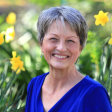
Deborah Myers
Empowering wellness at your fingertips—stress relief made simple
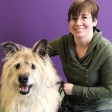
Lisa Ruthig
Helping Pet and Horse Owners Use the Power of Touch to Support Health, Graceful Aging and Deeper Bonds.
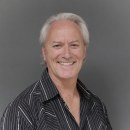
Colin Chenery
Health and Lifestyle Counsellor, Coach and Author on Mindfulness and Self Awareness

Alan Rathburn
Transforming lives through chiropractic care and wellness expertise!
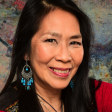
Dr. Tanya English
Transforming grief into joy through music and intuitive healing


Greg Yuen
Empowering self-healing for a vibrant, drug-free life!
What Makes a Great Massage Techniques Speaker
The best speakers in this niche don't just recite anatomy or list out modalities. They translate complex techniques into relatable insights. They might explain how lymphatic drainage supports immune health, then tie it to a story about a client who overcame chronic fatigue. That kind of storytelling sticks.
Authenticity is another big one. Audiences can smell a sales pitch from a mile away. The most impactful massage techniques speakers speak from a place of service, not self-promotion. They're generous with their knowledge, open about their journey, and willing to admit what they're still learning.
And let's not forget delivery. A speaker's tone, pace, and energy can make or break a session. Great speakers know when to slow down for emphasis, when to inject humor, and when to pause and let a concept land. They read the room, whether it's a virtual summit or a live wellness expo.
Bottom line? A great massage techniques speaker doesn't just inform. They inspire, educate, and leave the audience with tools they can actually use. That's the kind of speaker who gets invited back-and recommended widely.
How to Select the Best Massage Techniques Speaker for Your Show
1. Define Your Audience and Goals
- Are you targeting massage therapists, spa owners, or wellness-curious consumers?
- Do you want a technical deep dive, a motivational story, or a practical how-to session?
- Clarifying this upfront helps you filter out speakers who might be great-but not right for your show.
2. Search Strategically
- Use platforms like Talks.co to browse speaker profiles by niche and topic.
- Look at speaker directories, LinkedIn, and even YouTube to see who's actively sharing valuable content.
- Check out industry-specific events like the American Massage Therapy Association (AMTA) conference to see who's speaking there.
3. Evaluate Their Content
- Watch past talks or webinars. Are they engaging? Do they explain things clearly?
- Read reviews or testimonials. What do past hosts and attendees say?
- Look for diversity in their speaking experience-virtual, in-person, small groups, large audiences.
4. Check Fit and Availability
- Reach out via their Talks.co speaker page or personal site. Ask about availability, fees, and customization options.
- Share your audience profile and goals. A good speaker will tailor their talk accordingly.
5. Do a Quick Chemistry Check
- Hop on a short call. Are they easy to communicate with? Do they understand your vision?
- Trust your gut. If they're passionate, professional, and aligned with your audience, you're on the right track.
Selecting the best massage techniques speaker is part art, part strategy. Take your time, ask the right questions, and you'll land someone who elevates your entire event.
How to Book a Massage Techniques Speaker
1. Start with a Shortlist
- Use Talks.co to browse vetted speakers in the wellness and massage space.
- Filter by topic, availability, and format (virtual, hybrid, in-person).
- Save profiles that align with your event goals.
2. Reach Out with a Clear Ask
- Send a message via their Talks.co speaker page or email.
- Include your event name, date, audience type, and what you're looking for (e.g., 30-minute keynote on trigger point therapy).
- Ask about their availability and speaking fee or honorarium.
3. Review Their Proposal
- Many speakers will send a one-sheet or proposal outlining their talk title, description, and outcomes.
- Make sure it aligns with your audience's needs and your event theme.
- Ask if they can customize the talk or include interactive elements.
4. Confirm the Details
- Once you've agreed on content and fee, send a simple agreement outlining:
* Date and time
* Format (live, pre-recorded, Q&A)
* Tech requirements
* Promotion expectations (e.g., will they share with their audience?)
5. Prep for Success
- Schedule a pre-event call to align on flow and logistics.
- Share your event run-of-show, audience demographics, and any branding guidelines.
- Promote the speaker in your marketing materials and tag them on social media.
Booking a massage techniques speaker is about more than filling a time slot. It's about creating a moment that educates and energizes your audience. With the right process, you'll make it seamless-for you and for them.
Common Questions on Massage Techniques Speakers
What is a massage techniques speaker
Unlike massage instructors who focus on hands-on training, massage techniques speakers are often brought in to inspire, inform, and introduce new ideas. Their talks might cover the science behind massage, emerging trends in bodywork, or practical tips for improving technique and client outcomes.
These speakers can come from diverse backgrounds-licensed massage therapists, physical therapists, researchers, or even product developers in the wellness space. What unites them is their ability to communicate complex techniques in a way that's accessible and actionable.
In virtual summits, for example, a massage techniques speaker might walk through the neurological benefits of craniosacral therapy, using visuals and client stories to make the topic resonate. In a corporate wellness session, they might focus on self-massage techniques employees can use at their desks.
Ultimately, a massage techniques speaker bridges the gap between clinical expertise and public understanding. They make the world of massage more approachable, whether you're a seasoned therapist or just massage-curious.
Why is a massage techniques speaker important
First, they bring credibility. A well-qualified massage techniques speaker often has years of hands-on experience, certifications, and industry recognition. Their presence signals to your audience that your event is serious about delivering expert-level content.
Second, they translate science into action. Massage therapy is rooted in anatomy, physiology, and biomechanics. A great speaker can take those complex ideas and turn them into digestible, usable insights. For example, explaining how fascia responds to sustained pressure can help both practitioners and clients understand why certain techniques work.
Third, they elevate the conversation. While general wellness speakers might touch on relaxation or stress relief, a massage techniques speaker dives into specifics-like how to use trigger point therapy for chronic migraines or how prenatal massage supports hormonal balance. That level of detail attracts a more engaged, knowledgeable audience.
And finally, they help differentiate your event. In a crowded online summit space, having a niche expert like a massage techniques speaker can set your lineup apart. Whether your audience is global or local, professional or beginner, this kind of speaker adds depth and authority.
So if you're building a speaker lineup that educates and empowers, this is one expert you don't want to overlook.
What do massage techniques speakers do
1. Educate on Modalities. They explain various massage techniques-like Shiatsu, lymphatic drainage, or neuromuscular therapy-in a way that's clear and engaging. Whether they're speaking to other professionals or the general public, they tailor their language to match the audience's level of understanding.
2. Demonstrate Techniques. Many massage techniques speakers include live or video demonstrations in their talks. For example, they might show how to perform a basic myofascial release on the forearm or explain the hand positioning for reflexology. These demos help audiences visualize and retain the information.
3. Share Research and Trends. They often present the latest studies on massage efficacy, such as how massage supports recovery in athletes or reduces anxiety in hospital patients. This is especially valuable for events that want to stay cutting-edge.
4. Inspire Professional Growth. For massage therapists and wellness practitioners, these speakers offer career insights, business tips, and continuing education. They might talk about how to build a referral network, integrate new tools like percussive therapy, or avoid burnout.
5. Engage in Q&A and Networking. After their talk, many speakers stick around for live Q&A sessions or participate in panels. This interaction helps deepen the learning and builds community among attendees.
In short, massage techniques speakers do more than talk-they teach, demonstrate, connect, and elevate the entire conversation around therapeutic touch.
How to become a massage techniques speaker
1. Define Your Niche and Message.
- Are you an expert in sports massage, Thai massage, or trigger point therapy? Get specific.
- Craft a signature talk that solves a problem or inspires action. For example, 'How Deep Tissue Massage Can Reduce Chronic Pain in Athletes' is more compelling than 'Massage Basics'.
2. Build Your Authority.
- Start by publishing content: blog posts, YouTube videos, or even short Instagram reels demonstrating techniques.
- Get featured on podcasts or contribute to wellness publications. Talks.co is a great place to list yourself as a speaker and connect with event hosts.
3. Create a Speaker Page.
- Include your bio, headshots, sample talk titles, testimonials, and a video reel. This is your digital resume.
- Make it easy for hosts to book you. Add a contact form or booking link.
4. Network with Event Organizers.
- Attend wellness expos, massage therapy conferences, and virtual summits. Introduce yourself to organizers and offer to speak.
- Use platforms like Talks.co to pitch yourself for online events or collaborate with other experts.
5. Practice and Refine.
- Start small: local workshops, webinars, or Facebook Lives.
- Record your talks, review them, and get feedback. Every great speaker evolves with practice.
Becoming a massage techniques speaker isn't just about knowing massage... it's about knowing how to communicate your value in a way that resonates with audiences. Start where you are, and build from there.
What do you need to be a massage techniques speaker
First, you need expertise. Whether you're certified in Swedish massage, Shiatsu, or neuromuscular therapy, your credibility starts with your training and experience. If you've worked with athletes, in clinical settings, or run your own practice, those stories and insights are gold for your audience.
Second, you need presentation skills. This doesn't mean being a polished TED Talk veteran, but you should be able to explain techniques clearly, use visuals or demonstrations effectively, and keep your audience engaged. Consider taking a public speaking course or joining a group like Toastmasters to sharpen your delivery.
Third, you need a platform. This is where Talks.co comes in. By creating a speaker page, you can showcase your topics, upload a demo reel, and connect with event organizers looking for experts in massage and wellness. It's a shortcut to visibility.
Finally, you need a strategy. Who is your audience? Massage therapists seeking CE credits? Wellness retreat attendees? Corporate HR teams looking to reduce workplace stress? Tailor your message and your marketing to meet their needs.
In short: combine your massage expertise with strong communication skills, a clear audience focus, and the right tools (like Talks.co), and you're on your way to becoming a sought-after massage techniques speaker.
Do massage techniques speakers get paid
Let's break it down:
- Paid vs. Unpaid Gigs: New speakers often start with unpaid or low-paid opportunities to build their portfolio. Think local wellness fairs, massage schools, or online summits. As your reputation grows, so does your fee.
- Event Type Matters: Corporate wellness events, industry conferences, and CEU workshops typically offer higher pay than community events or podcasts.
- Geography and Format: A speaker in New York or London may command higher fees than one in a smaller market, but virtual events can level the playing field. Talks.co, for instance, connects speakers with global audiences, increasing earning potential.
Here's a quick comparison:
| Speaker Level | Typical Fee Range | Example Event |
|---|---|---|
| Beginner | $0 - $500 | Local massage school workshop |
| Intermediate | $500 - $2,000 | Regional wellness conference |
| Expert | $2,000 - $10,000+ | National expo or corporate keynote |
How do massage techniques speakers make money
1. Speaking Fees
- This is the most direct method. Event organizers pay you to speak at conferences, workshops, or retreats. Rates vary based on experience, audience size, and event budget.
2. Online Courses and Webinars
- Turn your talk into a digital product. Platforms like Teachable or Kajabi let you sell courses on topics like 'Advanced Trigger Point Therapy' or 'Massage for Desk Workers'.
- You can also host paid webinars or virtual workshops. Talks.co helps you connect with virtual event hosts who are looking for niche experts.
3. Affiliate Marketing and Product Sales
- Recommend massage tools, oils, or books and earn a commission. If you're speaking to therapists, this can be a great upsell.
- Some speakers even launch their own product lines.
4. Consulting and Coaching
- Offer 1:1 coaching for massage therapists looking to grow their business or improve technique.
- Corporate consulting is another avenue: helping companies design in-house wellness programs.
5. Licensing and CEU Programs
- If you're certified to teach continuing education, you can license your content to massage schools or associations.
In short, speaking is often the gateway. But the real money comes when you turn your knowledge into scalable offers that serve your audience beyond the stage.
How much do massage techniques speakers make
- Entry-Level Speakers: Those just starting out might earn $250 to $500 per event. These gigs are often local workshops, online summits, or guest lectures at massage schools.
- Mid-Level Speakers: With a few years of experience and a solid speaker page (like on Talks.co), you might command $1,000 to $3,000 per talk. These speakers often supplement their income with online courses or coaching.
- Top-Tier Experts: If you're a recognized authority with media appearances, books, or a large following, you could earn $5,000 to $15,000 per keynote. Some massage techniques speakers also land corporate contracts or licensing deals that push their annual income into six figures.
Here's a sample breakdown:
| Activity Type | Income Potential |
|---|---|
| Speaking Engagements | $500 - $15,000/event |
| Online Courses/Webinars | $1,000 - $50,000/year |
| Coaching/Consulting | $100 - $300/hour |
| Product Sales/Affiliates | Varies widely |
How much do massage techniques speakers cost
- Local Workshops or Schools: If you're hiring a speaker for a massage school or small wellness event, expect to pay between $300 and $1,000. These are often educational sessions or technique demos.
- Virtual Events: Online summits or webinars usually cost less to host. Speakers might charge $500 to $2,000, especially if the event is pre-recorded or part of a panel.
- Industry Conferences: For larger events with professional audiences, fees range from $2,000 to $7,500. These speakers often bring a polished presentation, CEU accreditation, and promotional reach.
- Corporate or International Events: If you're booking a top-tier speaker for a corporate wellness program or international expo, costs can exceed $10,000. Travel, accommodations, and licensing fees may be extra.
Here's a quick reference:
| Event Type | Cost Range |
|---|---|
| Local Workshop | $300 - $1,000 |
| Virtual Summit | $500 - $2,000 |
| National Conference | $2,000 - $7,500 |
| Corporate Keynote | $5,000 - $15,000+ |
Who are the best massage techniques speakers ever
- Art Riggs: Known for his deep tissue and myofascial release expertise, Art has trained thousands of therapists and regularly speaks at international massage conferences.
- Irene Diamond: Creator of the Active Myofascial Therapy method, Irene is a sought-after speaker on pain relief and client-centered care.
- Til Luchau: A faculty member at Advanced-Trainings.com, Til is known for his engaging presentations on structural integration and pain science.
- Ruth Werner: Author of 'A Massage Therapist's Guide to Pathology', Ruth is a respected educator and speaker on massage safety and ethics.
- Ben Benjamin: With a Ph.D. in sports medicine and decades of experience, Ben is a frequent keynote speaker and CEU provider.
- Whitney Lowe: Founder of the Academy of Clinical Massage, Whitney is known for his evidence-based approach and clear, structured presentations.
- Susan Salvo: Author of several massage textbooks, Susan is a dynamic speaker who bridges academic knowledge with real-world practice.
These speakers have shaped the massage industry through their research, teaching, and public speaking. They've spoken at major events like the AMTA National Convention and the World Massage Conference.
Who are the best massage techniques speakers in the world
- Shari Auth (USA): Co-founder of WTHN in New York, Shari blends Eastern and Western modalities in her talks, making her a favorite at wellness summits.
- Jing Advanced Massage Training (UK): While not a single speaker, this UK-based team regularly presents at global events and is known for their high-energy, hands-on workshops.
- Dr. Ananda Balayogi Bhavanani (India): A medical doctor and yoga therapist, Dr. Bhavanani speaks internationally on the integration of massage, Ayurveda, and yoga.
- Robert Schleip (Germany): A fascia researcher and bodyworker, Robert is a top speaker at international fascia and massage conferences.
- Noam Tyroler (Israel): A leading voice in Thai massage, Noam teaches and speaks around the world, especially in Asia and Europe.
- Yasuko Kawamura (Japan): Known for her work in acupressure and Shiatsu, Yasuko has brought Japanese massage techniques to international audiences.
- Arianna Aunon (UK): A rising voice in holistic bodywork, Arianna speaks on the connection between massage, nutrition, and emotional health.
These speakers bring global perspectives, cultural depth, and technical mastery to the stage. Whether you're attending a summit in Tokyo or a retreat in Costa Rica, these names are worth watching.
Common myths about massage techniques speakers
1. Myth: Massage techniques speakers are only for spa professionals.
This one's common, but it's off the mark. While wellness professionals do make up a portion of the audience, massage techniques speakers often present at medical conferences, corporate wellness events, and even tech summits focused on human performance. For instance, speakers like Tiffany Field, who discusses the science of touch, regularly speak to healthcare providers and researchers, not just massage therapists.
2. Myth: You need to be a licensed massage therapist to speak on massage techniques.
Not necessarily. While credibility is key, many successful speakers in this niche come from backgrounds in kinesiology, physical therapy, or even neuroscience. What matters is expertise and the ability to communicate it clearly. For example, Dr. Jo Nijs, a physiotherapist and pain researcher, often speaks on manual therapy techniques without being a traditional massage therapist.
3. Myth: There's no real demand for massage techniques speakers.
This couldn't be further from the truth. With the rise of corporate wellness programs, virtual summits, and integrative health education, demand is growing. Companies like Google and Salesforce have hosted wellness weeks where massage education is part of the lineup. And platforms like Talks.co are seeing more event organizers seeking niche wellness experts.
4. Myth: It's all about demonstrating techniques on stage.
Nope. Many massage techniques speakers focus on theory, research, or case studies. Some use storytelling to explain the emotional and psychological benefits of touch. Others dive into biomechanics or cultural traditions. The format is flexible, and the best speakers tailor their content to the audience-whether it's hands-on or high-level.
5. Myth: Speaking on massage techniques won't lead to other opportunities.
Actually, it often opens doors. Many speakers use it as a launchpad for online courses, books, or consulting gigs. Take someone like Ruth Werner, who speaks on pathology and massage-her speaking career helped her become a published author and educator in multiple countries.
Bottom line: If you're thinking about becoming a massage techniques speaker, don't let these myths hold you back. The field is broader, more diverse, and more dynamic than most people realize.
Case studies of successful massage techniques speakers
Take Benny Vaughn, for example. He started as a sports massage therapist and eventually became a sought-after speaker in athletic and Olympic training circles. His talks blend practical technique with deep insights into athlete care, making him a favorite at sports medicine conferences. What makes Benny stand out isn't just his knowledge-it's how he connects with audiences, weaving in stories from the field that resonate with both rookies and pros.
Then there's Susan Salvo, who took her experience as a massage educator and turned it into a speaking career that spans continents. She's spoken at international conferences, led workshops in Asia and Europe, and even contributed to curriculum development for massage schools. Her talks often focus on integrating evidence-based practices into massage education, making her a bridge between academia and hands-on practice.
In a different lane, David Lauterstein co-founded a massage school and became known for his talks on the 'deep massage' approach. What's unique about David is how he blends philosophy, anatomy, and technique into a narrative that feels more like a TED Talk than a classroom lecture. He's spoken at events like the American Massage Therapy Association (AMTA) conference, where his sessions often sell out.
And let's not forget the digital-first speakers. Some, like Whitney Lowe, have built entire online empires around massage education. His webinars and virtual summits draw thousands of attendees. He's proof that you don't need to be on a physical stage to be a successful massage techniques speaker. Virtual platforms have opened up new ways to reach global audiences, especially in the post-2020 world.
These stories show that there's no one path to success. Whether you're speaking to athletes, students, or researchers, what matters is your ability to deliver value, stay curious, and adapt your message to the room-or the Zoom.
Future trends for massage techniques speakers
First, expect more integration with tech. As wearable health devices and AI-driven diagnostics become more mainstream, speakers who can bridge the gap between traditional massage techniques and modern health tech will stand out. Imagine a speaker who can explain how massage impacts heart rate variability, backed by data from Oura Rings or WHOOP bands. That's the kind of crossover content event organizers are craving.
Second, virtual and hybrid events are here to stay. While in-person workshops still matter, many summits and conferences are keeping a digital component. This means speakers need to get comfortable with camera presence, screen-sharing demos, and engaging audiences through chat and polls. Tools like StreamYard and Zoom Webinar are becoming as essential as a good mic.
Third, there's a growing demand for culturally inclusive content. Audiences are more global than ever, and they're looking for speakers who can speak to diverse traditions-like Thai massage, Ayurvedic practices, or Indigenous healing touch. Those who can respectfully and knowledgeably present these topics will find more doors opening.
Here are a few key trends to watch:
- Data-informed massage education. Talks that include research-backed outcomes will be prioritized.
- Cross-disciplinary speaking. Expect more massage speakers at fitness, mental health, and even tech events.
- Short-form content. Micro-keynotes and 15-minute TED-style talks are gaining popularity.
- Interactive formats. Live Q&A, breakout rooms, and hands-on demos (even virtually) are becoming standard.
In short, the future favors those who can blend expertise with adaptability. Whether you're speaking to a room of therapists or a global Zoom audience, staying ahead means staying curious and connected.
Tools and resources for aspiring massage techniques speakers
1. Talks.co. This podcast guest matching tool is a goldmine for speakers looking to get featured. Create a profile, highlight your niche (massage techniques, sports recovery, etc.), and get matched with podcast hosts looking for your expertise. Tip: Use keywords like 'manual therapy' or 'wellness education' to broaden your match pool.
2. SpeakerHub. A global directory of speakers and events. You can list your profile, browse speaking opportunities, and connect with event organizers. It's especially useful for finding niche wellness and healthcare events.
3. Canva. Need to create a killer slide deck or speaker one-sheet? Canva's templates are easy to customize and look professional. Pro tip: Use their 'Health & Wellness' templates for a more targeted design feel.
4. Zoom and StreamYard. For virtual speaking, these are essential. Zoom is great for interactive workshops, while StreamYard lets you stream to multiple platforms at once. Learn the basics of lighting, framing, and screen sharing to boost your presence.
5. Massage Therapy Foundation. This nonprofit offers research grants, educational resources, and speaking opportunities at their events. If you want to add more science to your talks, their database is a great place to start.
6. Coursera or Udemy. Look for public speaking or instructional design courses. Even if you're an expert in massage, learning how to teach or speak effectively is a separate skill set.
7. LinkedIn. Not just for networking-use it to publish thought leadership articles, share clips from your talks, and connect with event organizers. Join groups like 'Massage Educators' or 'Wellness Speakers Network' to stay in the loop.
8. Calendly. Make it easy for podcast hosts, event planners, or collaborators to book time with you. Embed it in your speaker bio or email signature.
With these tools in your kit, you're not just preparing to speak-you're building a brand. Combine them with the insights from the other sections, and you'll be well on your way to becoming a standout massage techniques speaker.
