Neurodivergent Speakers
Some days you search for a speaker who can bring clarity and real perspective, and every option starts to sound the same.
Then you wonder how to find neurodivergent speakers who actually understand the experiences and topics your audience cares about.
It can feel like you are guessing at what makes someone the right fit.
If that sounds familiar, you are in the right place.
Neurodivergent speakers bring a mix of lived insight, practical thinking, and honest storytelling.
In my experience working with a wide range of presenters, the sessions led by neurodivergent speakers often stand out for their directness and depth.
They speak to audiences who want more than buzzwords, and they connect well with events focused on workplace culture, education, mental health, creativity, leadership, or personal growth.
Here, you will find a simple way to explore who these speakers are, what they talk about, and why they might be the right match for your conference, podcast, YouTube show, summit, or interview series.
Take a look below, get a feel for each voice, and find the neurodivergent speaker who fits your needs.
Top Neurodivergent Speakers List for 2026

Benjamin Meyer
Empowering neurodiverse lives through empathy, education, and connection.

Karin Visser
Unlocking Potential, One Brain at a Time with Neurodiv Sisters

Janine McDonald
Transforming chaos into clarity, one space at a time

Antonella Di Franco
Empowering neurodivergent women to thrive in business!

Nimisha Patel
Empowering neurodiversity through coaching and compassionate connection
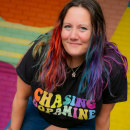
Maddy Alexander-Grout
Empowering neurodivergents to master money and thrive!

Jheri South
Teen Parenting Coach and ADHD Specialist

Pollie Rafferty
I help female business owners and speakers bridge the trust gap through teaching storytelling strategies using my star storytelling system

Emma Fisher
Unlocking Communication in Parenting a Neurodiverse Child
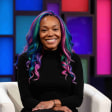
April Ratchford
Autistic OT Mom & Podcast Powerhouse: Unmasking ND Chaos with Fierce OT Hacks—Keep Fierce, Keep Focused, Keep Adulting with Autism.
What Makes a Great Neurodivergent Speaker
Great neurodivergent speakers excel when they lean into their natural communication rhythms. Some speak with rapid-fire precision, firing off insights like a tech innovator presenting a prototype they have been refining for years. Others take thoughtful pauses, building ideas step by step, inviting the audience to follow a clear internal logic. What matters is not the style, but the authenticity. When a speaker embraces their neurodivergent traits instead of masking them, the audience picks up on that alignment instantly.
Another defining characteristic is clarity of purpose. Many neurodivergent speakers have spent years navigating systems that were not designed for them. That experience often sharpens their understanding of inclusivity, productivity, or creative thinking. Whether the topic is entrepreneurship, mental health, education, or workplace culture, their message often carries a crispness shaped by real problem-solving.
And then there is the depth factor. Whether discussing hyperfocus, sensory awareness, or alternative pattern recognition, great neurodivergent speakers often bring layers of insight that challenge assumptions. They do not rely on fluff or filler. They speak from deep thinking, sometimes from years of observing what others overlook. That blend of personal truth, analytical clarity, and unapologetic delivery is what makes them stand out.
If you have ever listened to someone break down a concept so efficiently that you immediately rethink your own habits, you have tasted what a powerful neurodivergent speaker can offer. They do not try to be different. They simply are, and that is exactly what makes them exceptional.
How to Select the Best Neurodivergent Speaker for Your Show
1. Define the transformation your audience needs.
- Think about whether you want clarity on workplace inclusion, innovation, mental health, personal growth, or leadership. For example, a show aimed at startup founders might benefit from a speaker who specializes in neurodivergent creativity or systems thinking.
- Keep your goals visible throughout the selection process so every decision aligns with what your listeners actually need.
2. Review speaker profiles in detail.
- Platforms like Talks.co make this easy by offering speaker pages with bios, topics, clips, and audience reviews. Watch short videos or listen to audio snippets to understand their pace, tone, and energy.
- Look for speakers who communicate in a style that will complement your show's format. A high energy speaker might be great for a live virtual summit, while a slower paced analytical speaker might shine in a deep dive interview.
3. Match the speaker's strengths to your format.
- Some neurodivergent speakers thrive with structured questions, while others deliver their best insights through narrative style discussions. If your show is conversational, choose someone comfortable with spontaneity. If it is more instructional, select someone who excels with frameworks.
4. Confirm logistical details before committing.
- Availability, time zones, tech comfort, and accessibility needs matter. Someone doing frequent global events may need more lead time. Others prefer pre recorded formats. Clarify this early to avoid friction later.
5. Reach out through the right channel.
- Talks.co connects hosts and guests directly, making outreach easier and more organized. When reaching out, summarize your show's mission, your audience, and why you believe this specific neurodivergent speaker aligns with your goals. A concise, clear message leads to better responses.
Selecting the right guest is less about popularity and more about synergy with your audience. When you choose someone whose strengths match your goals, the conversation flows naturally and your listeners walk away with real value.
How to Book a Neurodivergent Speaker
1. Start with a targeted shortlist.
- Instead of browsing endlessly, pick three to five potential speakers who fit your topic and audience needs. Use speaker directories, event archives, or platforms like Talks.co where you can filter by expertise.
2. Review their availability and event requirements.
- Many neurodivergent speakers have specific preferences around timing, environment, or communication style. Check their speaker page for details like presentation formats, accessibility notes, or whether they prefer virtual or live setups.
3. Reach out with a concise, respectful pitch.
- Your first message should include your event name, your audience profile, the topic you want them to cover, the time commitment, and compensation details if applicable. Speakers respond faster when expectations are transparent.
4. Ask about accommodations early.
- Not all neurodivergent speakers require accommodations, but some prefer things like early access to questions, a structured timeline, or clarity on sensory environments. Addressing this upfront sets a collaborative tone.
5. Confirm the agreement.
- Once both sides agree, put the details in writing... date, time, tech setup, promotional assets, and any rehearsal needs. Use a simple agreement or rely on the built in workflow from a platform like Talks.co if you want everything in one place.
6. Keep lines of communication open.
- Share promotional materials early, send reminders, and confirm any final details a few days before the event. As mentioned in the selection section, clarity keeps everything running smoothly.
Booking a neurodivergent speaker becomes effortless when you follow a predictable process. You reduce back and forth, build trust, and set up both your guest and your audience for a standout experience.
Common Questions on Neurodivergent Speakers
What is a neurodivergent speaker
Unlike general speakers who focus primarily on their topic expertise, a neurodivergent speaker often weaves in perspectives shaped by their cognitive style. Some highlight how their neurodivergence supports creativity, memory, pattern recognition, or problem solving. Others address workplace culture, accessibility, or organizational change.
Many organizations look to neurodivergent speakers when they want clarity on inclusion, performance, or innovation. For example, tech companies might bring in a neurodivergent speaker to break down how non linear thinking leads to breakthroughs. Schools and nonprofits might invite speakers to help educators understand the diversity of learning styles.
A neurodivergent speaker is not defined by a diagnosis but by the lens they bring to their subject. They contribute to leadership development, productivity training, creativity sessions, DEI initiatives, and mental health conversations. Their work helps audiences understand how diverse brains function and how environments can adapt to support more people.
Ultimately, a neurodivergent speaker is someone who uses their communication style and lived understanding of neurodivergence to educate, challenge assumptions, and offer solutions that apply across industries.
Why is a neurodivergent speaker important
One major reason is that discussions about workplace performance, creativity, and well being often assume a neurotypical baseline. A neurodivergent speaker disrupts that default by showing how different thinking styles contribute to stronger outcomes. For example, a speaker with ADHD might explain how rapid idea generation supports marketing innovation, while an autistic speaker might demonstrate how structured analytical thinking improves quality control.
Another factor is education. Many people still hold outdated beliefs about neurodivergence, especially in global workplaces where awareness varies by region. A neurodivergent speaker helps clarify misconceptions, teaches practical communication strategies, and illustrates how inclusive environments benefit everyone, not just neurodivergent individuals.
These speakers also influence policy and culture inside companies. HR teams, leadership groups, and managers often invite neurodivergent speakers to help shape employee training or accessibility initiatives. Their expertise becomes a foundation for better systems.
If you want your audience to understand how diverse cognitive styles affect collaboration, problem solving, and innovation, bringing in a neurodivergent speaker delivers insights that are grounded, precise, and applicable across industries.
What do neurodivergent speakers do
In many cases, neurodivergent speakers deliver keynote talks that highlight themes like creativity, executive function, accessibility, or leadership. A speaker focusing on dyslexia might discuss how non linear thinking improves design processes, while someone with autism might break down pattern recognition strategies that help organizations analyze data more effectively. These presentations provide direct value for audiences seeking practical clarity.
They also run workshops and training sessions. These can cover communication methods, alternative productivity strategies, inclusive team structures, or sensory friendly environments. For example, a company might bring in a neurodivergent speaker to guide managers on how to give instructions that support different processing styles.
Another common activity is participating in podcasts, virtual summits, or expert panels. Here, neurodivergent speakers contribute perspective based commentary, respond to questions, and offer actionable tools for audiences. As noted in the section on booking, many speakers share materials or frameworks that hosts can integrate directly into their show.
Beyond teaching, neurodivergent speakers sometimes consult with organizations. They help refine onboarding processes, accessibility systems, or project workflows. Their input often leads to smoother collaboration and reduced miscommunication.
Overall, neurodivergent speakers use their voice, expertise, and cognitive insights to educate, inform, and guide people across industries. Their role adapts depending on the audience, but the goal is consistent... to help others understand how diverse thinking styles contribute to better outcomes.
How to become a neurodivergent speaker
2. Build a signature talk. A signature talk helps you stand out and communicate your ideas in a structured way. Create a basic outline: an engaging introduction, three or four core points, and a practical takeaway. You do not need to memorize a script, but you do need clarity. You can test your talk in smaller community events, online meetups, or podcast interviews that you discover by connecting with hosts and guests through platforms like Talks.co.
3. Create your speaker page. Whether you are building it on your own site or using Talks.co, your speaker page should include a strong bio, your topics, previous appearances, and a short video clip. Hosts want to see how you communicate, so even a short, informal recording is helpful. Keep the page simple, accessible, and easy for event organizers to review.
4. Start pitching relevant events. Begin with webinars, virtual summits, industry meetups, or community groups that openly invite new speakers. Check event directories, LinkedIn groups, and the guest-host matching features on Talks.co. Send brief pitches: who you are, why your topic matters, and what outcomes their audience will gain.
5. Gather social proof. After every talk, ask for a testimonial and keep track of audience feedback. Positive responses help you book more opportunities. Over time, you can add media features, podcast appearances, and workshop footage to your speaker page, creating a professional presence that event hosts trust.
6. Grow through consistency. The more you speak, the better you get. Keep refining your message and updating your materials. As I mentioned earlier about building your signature talk, everything evolves as you do, so treat your speaking career as a continuous improvement cycle.
What do you need to be a neurodivergent speaker
You also need support systems that help you deliver at your best. For some neurodivergent speakers, this means requesting accommodations like receiving questions in advance, limiting background noise, or avoiding last minute schedule changes. Others may rely on tech tools for scripting, timers for pacing, or visual aids to stay on track. You get to design the setup that suits you.
Professional materials are crucial as well. A speaker page, a clear bio, topic list, and a short intro video can make a big difference. Talks.co is helpful for this because it keeps things streamlined, allows you to connect with hosts and guests, and gives you a place to present your message without overwhelm. Event hosts often appreciate when everything is easy to locate.
Finally, you need a willingness to practice. Speaking is a skill like any other. Even the most recognized experts refine their delivery over time. Have you ever wondered why some speakers seem so natural on stage or online? It is usually because they practiced in small settings first, experimented with formats, and discovered what works for them.
When you combine message clarity, supportive tools, accessible materials, and consistent development, you create a solid foundation for a sustainable speaking journey.
Do neurodivergent speakers get paid
Analytically, the speaking industry follows a tiered model. Entry level speakers often earn little or nothing as they build their portfolio. Mid level speakers typically earn anywhere from a few hundred to a few thousand dollars per talk. High demand specialists can command significantly higher rates, especially in fields like tech, education, diversity training, and mental health.
Neurodivergent speakers are increasingly sought after because organizations are investing more in inclusion topics, employee wellbeing, and new perspectives on productivity. This shift increases opportunities for paid engagements.
Pros of being paid:
- Income for your time and expertise.
- Increased perception of authority.
- More selective event opportunities.
Cons:
- Higher expectations around customization.
- More administrative work, such as contracts and invoicing.
Data from industry surveys shows that roughly 30 to 40 percent of emerging speakers start earning fees within the first year if they consistently pitch themselves and maintain a strong online presence.
How do neurodivergent speakers make money
One major income channel is keynote speaking. These are high visibility sessions at conferences or corporate events. Fees vary widely, but keynotes generally pay more because they set the tone for the entire event. Another revenue stream is workshops or training sessions, which offer deeper engagement and often pay by the hour or by the full session.
Some neurodivergent speakers also earn income through digital products. These may include online courses, templates, ebooks, or prerecorded workshops. Offering asynchronous resources works well when your audience spans global regions or different time zones.
Additional revenue channels include:
- Consulting services that complement speaking topics.
- Sponsored content or partnerships.
- Group programs or coaching.
- Podcast guesting that leads to client referrals.
Analytically, the combination strategy tends to outperform single stream models. Speakers who use platforms like Talks.co to connect with hosts and maintain an updated speaker page often secure more opportunities, which supports long term monetization.
How much do neurodivergent speakers make
Entry level neurodivergent speakers might earn between 0 and 500 dollars per talk as they build exposure and collect testimonials. Mid level speakers regularly earn anywhere from 500 to 5,000 dollars per engagement, depending on the depth of the topic. Established experts with specialized experience can earn between 5,000 and 25,000 dollars per keynote, especially if they cover subjects like workplace accessibility, leadership communication, or neurodiversity research.
For comparison, general industry benchmarks show:
- Community events: often unpaid.
- Virtual corporate sessions: typically 300 to 3,000 dollars.
- In person corporate sessions: 2,000 to 20,000 dollars.
- Workshops: 1,000 to 10,000 dollars, depending on length.
While the ranges are broad, speakers who maintain visibility, keep a polished speaker page, and consistently connect with event hosts tend to move up the rate tiers faster.
How much do neurodivergent speakers cost
Analytically, most events fall into three pricing categories. Lower budget events, such as nonprofits or grassroots organizations, may allocate between 0 and 800 dollars for speaker fees. Mid tier events, such as professional associations or local conferences, generally invest between 1,000 and 8,000 dollars per speaker. Large corporate or global conferences often pay between 8,000 and 25,000 dollars for specialists.
Costs can also include travel, accommodation, and additional prep work. Some neurodivergent speakers charge separate fees for custom modules or follow up workshops. Virtual events tend to be more affordable because they remove travel expenses.
If an organizer uses platforms like Talks.co to review speaker pages and compare options, it becomes easier to find someone whose pricing aligns with the event budget. This reduces back and forth communication and helps match expectations early.
Who are the best neurodivergent speakers ever
2. Greta Thunberg. Recognized globally for climate activism, she integrates her autistic identity into her communication style with clarity and focus.
3. Daniel Tammet. A writer and autistic savant who speaks about learning, language, and cognitive diversity.
4. Chris Packham. A naturalist and broadcaster who uses his platform to advocate for autistic individuals and environmental awareness.
5. Jonathan Mooney. A speaker and author who addresses learning differences, ADHD, and inclusive education.
6. Lydia X. Z. Brown. An advocate who focuses on disability justice and policy reform.
7. Haley Moss. An attorney and speaker who often presents on accessibility and neurodiversity in professional environments.
8. Stephen Shore. Known for his education work and contributions to understanding autism across the lifespan.
Who are the best neurodivergent speakers in the world
2. Greta Thunberg, Sweden. Known for direct and impactful public communication.
3. Chris Packham, United Kingdom. Widely recognized for environmental advocacy with a neurodivergent perspective.
4. Daniel Tammet, United Kingdom and France. Celebrated for talks on mathematics and human cognition.
5. Haley Moss, United States. Focuses on accessibility and neurodiversity in modern workplaces.
6. Naoki Higashida, Japan. His insights influence global conversations about non speaking autistic communication.
7. Siena Castellon, Ireland. Known for youth advocacy and neurodiversity education.
8. Morénike Giwa Onaiwu, United States. A leader in disability justice and global health discussions.
Common myths about neurodivergent speakers
Another idea that circulates is the claim that neurodivergent speakers struggle with audience engagement. This one falls apart quickly when you look at public talks where speakers use hyper focus and pattern recognition to craft narratives that feel fresh. Think about tech founders who explain complex systems with concise visual metaphors, or creators in gaming and digital art who bring audiences into their thinking process. Engagement emerges from authenticity, not from a fixed personality type.
A third misconception states that neurodivergent speakers are too unpredictable for professional settings. In reality, many develop preparation systems that outperform typical workflows. For example, some use structured scripts with color coding, while others rely on visual mapping tools to break down a talk into highly digestible segments. This often leads to talks that stay tightly aligned with the event agenda. So the real issue is not unpredictability, but assumptions about what preparation should look like.
There is also a belief that neurodivergent speakers will only resonate with niche audiences. Yet conferences in education, fintech, design, and health care frequently feature speakers who bring neurodivergent perspectives to mainstream stages. Their insights benefit broad audiences because they highlight patterns, inefficiencies, or opportunities that others miss. In settings where innovation matters, that diversity of thought becomes a strategic advantage.
Finally, some organizers assume that neurodivergent speakers need excessive accommodations. While accessibility steps are always helpful for any presenter, many neurodivergent speakers simply ask for clear communication, predictable schedules, or lighting adjustments. These requests support all speakers, not just neurodivergent ones. The myth persists mostly because people misunderstand what accessibility actually involves.
Case studies of successful neurodivergent speakers
Travel to a community entrepreneurship event, and you might encounter a social advocate known for direct messaging. Their speaking style is brisk, almost staccato at moments, then surprisingly reflective. They describe strategies for creating supportive work environments, drawing on patterns they observe in communication dynamics. Leaders in small towns and large cities alike often reference these ideas when building more inclusive teams.
At a global wellness forum, an autistic mental health educator shares practical tools for stress management. Their pacing is gentle, their tone steady. People in the room soften as they realize the talk is less about performance and more about clarity. The speaker uses concrete demonstrations instead of abstract claims, helping attendees apply techniques on the spot. The feedback often highlights how well the presentation balances depth with accessibility.
Another example comes from the entertainment world where a filmmaker discusses sensory sensitivity in creative production. They tell a story about how noticing tiny details in sound design helps them build immersive worlds. The audience, full of producers and students, starts rethinking their own workflow. The speaker's vivid descriptions shift how attendees understand craftsmanship.
Across these stories, you see different personalities, different rhythms, and different sectors, yet a shared thread emerges. Each speaker uses neurodivergence as a lens for clarity, structure, or creativity rather than treating it as a constraint. Their impact comes from leaning into the way they naturally think, not from fitting into a template.
Future trends for neurodivergent speakers
A growing emphasis on specialized knowledge is also changing the landscape. Companies in cybersecurity, data analytics, sustainable design, and game development increasingly seek speakers who can break down complex topics quickly. This aligns well with many neurodivergent communication styles that focus on precision. You might notice more opportunities at industry summits where detail oriented thinking is valued.
Technology is another driver. AI powered captioning, customizable stage lighting, and modular presentation tools mean speakers can shape the environment to match their processing preferences. These improvements reduce friction for all presenters, but neurodivergent speakers often benefit the most because they can adapt the setup to fit their workflow without stress.
Here are several trends shaping the next few years:
- Increased demand for expert micro talks that deliver insight in short segments.
- Rise of hybrid stages where speakers contribute live, prerecorded, or interactive sessions.
- More collaboration between organizers and speakers on accessibility layouts.
- Expanded global platforms that highlight underrepresented communication styles.
As these trends continue, audiences begin valuing substance over theatrical polish, and that opens doors for speakers who bring structured thinking, sensory awareness, or unconventional insight to the forefront.
Tools and resources for aspiring neurodivergent speakers
1. Talks.co. A podcast guest matching tool that helps speakers land interviews. Great for building confidence with conversational formats. Tip: use their filtering options to find hosts who welcome detailed technical discussions.
2. Otter.ai. A transcription tool that captures ideas in real time. Many speakers use it to turn brainstorming sessions into draft outlines. Tip: record short voice notes throughout the week, then organize them into clusters.
3. Notion. A flexible workspace for planning presentations, tracking outreach, and building content libraries. Tip: create templates for recurring talk formats so preparation becomes predictable.
4. Canva. A design platform for slides with easy visual controls. Ideal for speakers who think in images or need structure to simplify ideas. Tip: start with minimal templates to avoid visual overwhelm.
5. Rev.com. Useful for captioning videos or talk recordings. Tip: upload short clips from practice runs to improve clarity and pacing.
6. StreamYard. A simple live streaming tool great for hosting virtual workshops or Q and A sessions. Tip: use the private broadcast mode to rehearse without distraction.
7. MindMeister. A mind mapping tool that helps speakers visualize complex topics. Tip: use color coding to separate story flow, data points, and audience takeaways.
8. Coursera. Offers courses in communication, storytelling, and industry specific knowledge. Tip: look for modules that focus on structure rather than performance flair.
This mix of platforms gives aspiring neurodivergent speakers a foundation for preparation, visibility, and ongoing development. Each tool supports different learning and communication preferences, so experimenting with a few can help you find your ideal workflow.
