Overcoming Doubt Speakers
You've got a crowd ready to hear something real, but finding someone who speaks to the inner critic we all wrestle with?
Not so simple.
You're probably asking yourself, how do I find the right overcoming doubt speakers who actually connect with people, not just recite talking points?
That's where this guide helps.
It breaks down what overcoming doubt speakers actually do, what sets them apart, and why they're often the most memorable part of an event or interview.
We're talking about people who've been through it-who know self-doubt isn't just a buzzword, and who can speak with clarity, humor, and truth.
I've seen how these types of guests can shift a room, or give a podcast episode that rare spark.
Whether you're hosting a summit, leading a panel, or producing a show, the right overcoming doubt speaker can make your audience feel seen.
Explore the list below to find and book someone who fits your vibe.
Top Overcoming Doubt Speakers List for 2026

Aleksandra Rehar
Empowering you to lead with purpose and authenticity

J. Lumen
The life you want doesn’t begin when your circumstances change. It begins the moment you realize you still have choices inside them.

Semonna McNeil
Helping women find freedom from fear, doubt and shame through faith


Ana Velingard
Awaken unshakable self-belief so doubt, fear, and failure can't steal your dreams
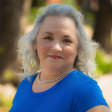
Lisa Giesler
Uncluttered and Finding joy and purpose in life's

Teresa Phillips
Unlock your potential and embrace a fulfilling life


Robin Owen
Helping you speak with confidence and leave a lasting impression
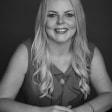
Louise Slattery- The MindLady
Transforming self-doubt into unstoppable confidence, one mind at a time.
What Makes a Great Overcoming Doubt Speaker
Take someone like Brené Brown. She doesn't just talk about vulnerability - she lives it on stage. A great overcoming doubt speaker has that same quality. They're not there to impress you with polished perfection. They're there to connect. That connection comes from authenticity, relatability, and a deep understanding of the emotional terrain their audience is navigating.
But it's not just about being vulnerable. Great speakers in this space also bring structure to their message. They know how to guide listeners from confusion to confidence. They use frameworks, metaphors, and clear takeaways that stick. Think of Mel Robbins and her 5-second rule - simple, actionable, and unforgettable.
And finally, tone matters. A great overcoming doubt speaker knows how to balance empathy with empowerment. They don't coddle, but they don't bulldoze either. They challenge their audience to rise, while making them feel seen. That's a rare skill - and it's what separates the good from the truly great in this space.
How to Select the Best Overcoming Doubt Speaker for Your Show
1. Define Your Audience's Doubts.
- Are they entrepreneurs struggling with imposter syndrome? Students facing career uncertainty? Creators battling perfectionism? The more specific you are, the better your speaker match will be.
2. Search Speaker Platforms Like Talks.co.
- Use platforms like Talks.co to browse speaker profiles. Look for those who specialize in mindset, resilience, or personal transformation. Check their video clips, testimonials, and topic outlines.
3. Review Their Content Across Channels.
- Dive into their YouTube talks, LinkedIn posts, or podcast interviews. Are they consistent? Do they offer depth, or just surface-level motivation? A great overcoming doubt speaker should have substance.
4. Check for Audience Fit.
- If your audience is corporate, look for someone who's worked with executive teams. If it's a wellness summit, someone with a background in mental health might resonate more. Match tone and experience to your crowd.
5. Reach Out and Ask the Right Questions.
- Ask about their approach to doubt. Do they use stories, science, or strategy? Can they tailor their talk to your theme? A quick Zoom call can reveal a lot about their energy and flexibility.
6. Look at Past Engagement Results.
- Have they moved audiences to action? Increased sign-ups, sales, or engagement? Testimonials and post-event feedback can give you a sense of their real-world impact.
Selecting the right speaker is about more than credentials - it's about connection. Do your homework, and your audience will thank you.
How to Book an Overcoming Doubt Speaker
1. Start With a Clear Brief.
- Outline your event goals, audience demographics, and the kind of transformation you want attendees to experience. Are you aiming to inspire action? Build confidence? Reduce fear of failure?
2. Use a Speaker Platform Like Talks.co.
- Talks.co is a great place to discover vetted speakers. You can filter by topic, availability, and even see ratings from past hosts. Each speaker has a dedicated page with bios, videos, and booking options.
3. Reach Out With a Personalized Pitch.
- When contacting a speaker, be specific. Mention why you think they're a fit, what your audience needs, and what format you're envisioning (keynote, panel, fireside chat, etc). This shows you've done your research.
4. Discuss Logistics Early.
- Talk about fees, travel (if in-person), tech requirements, and timing. If you're hosting a virtual summit, make sure they're comfortable with your platform and time zone.
5. Confirm With a Contract.
- Always use a speaker agreement. It should cover deliverables, cancellation policies, and promotion expectations (like sharing the event on their social media).
6. Prep Them for Success.
- Share audience insights, event branding, and any key themes. The more context they have, the more tailored and impactful their talk will be.
Booking doesn't end with a signed contract - it's about setting the speaker up to shine. When you do that, your audience wins.
Common Questions on Overcoming Doubt Speakers
What is an overcoming doubt speaker
They often draw from personal experience, psychological research, or coaching frameworks to guide listeners from hesitation to action. Their talks are typically structured around mindset shifts, practical tools, and real-life examples that make the abstract concept of 'doubt' feel tangible and solvable.
Overcoming doubt speakers can come from a wide range of backgrounds - from mental health professionals and life coaches to entrepreneurs and athletes. What unites them is their ability to speak directly to the inner critic that lives in all of us.
Their sessions are especially popular in settings where confidence is key: entrepreneurship events, leadership retreats, creative workshops, and student development programs. Whether live or virtual, their role is to help people see that doubt isn't a dead end - it's a doorway.
So, when we talk about an overcoming doubt speaker, we're talking about someone who doesn't just inspire - they equip. They give people the tools to move forward, even when their inner voice says they can't.
Why is an overcoming doubt speaker important
Doubt shows up differently depending on the context. In a startup, it might look like second-guessing every decision. In a corporate setting, it could be a leader hesitating to innovate. In education, it might be students who don't believe they're capable. A speaker who understands these nuances can tailor their message to meet people where they are.
These speakers help normalize the experience of doubt. They strip away the shame and show that even the most successful people wrestle with uncertainty. That alone can be transformative - especially in high-performance cultures where vulnerability is often hidden.
They also provide frameworks and language that help people name what they're feeling. Once you can name doubt, you can work with it. That's a game-changer for teams, entrepreneurs, and individuals alike.
In short, an overcoming doubt speaker doesn't just motivate - they activate. They help people move from stuck to strategic, from hesitant to hopeful. And in today's fast-paced, high-pressure world, that shift is more than helpful... it's essential.
What do overcoming doubt speakers do
Here's what they typically do:
- Deliver Keynotes and Workshops. They speak at events, summits, and conferences, often focusing on themes like imposter syndrome, fear of failure, or self-sabotage. Their talks are both inspiring and practical.
- Facilitate Breakout Sessions or Panels. In more interactive formats, they guide discussions that help participants unpack their own doubts and build actionable strategies.
- Create Content and Resources. Many overcoming doubt speakers also write books, host podcasts, or develop online courses. These resources extend their impact beyond the stage.
- Consult with Teams or Organizations. In corporate or nonprofit settings, they may work with leadership teams to address cultural or mindset blocks that are slowing progress.
- Coach Individuals One-on-One. Some speakers also offer coaching services, helping clients work through personal or professional doubts in a more intimate setting.
Their work is especially relevant in industries where performance and innovation are key - like tech, education, entrepreneurship, and healthcare. But their message resonates everywhere, because doubt is universal. And overcoming it? That's where transformation begins.
How to become an overcoming doubt speaker
1. Define Your Core Message.
- What specific doubts have you overcome? Is it self-doubt, imposter syndrome, fear of failure?
- Narrow it down to a clear transformation story that others can relate to.
- Tip: Use frameworks like 'Before-After-Bridge' to structure your narrative.
2. Build Your Signature Talk.
- Create a 20- to 45-minute talk that outlines your journey, key lessons, and actionable takeaways.
- Include personal anecdotes, but also data or quotes that support your message.
- Practice it live or virtually to refine your delivery.
3. Create Your Speaker Page.
- Use platforms like Talks.co to build a professional speaker profile.
- Include your bio, headshot, talk titles, testimonials, and a short video clip of you speaking.
- This acts as your digital resume for event organizers.
4. Start Small, Then Scale.
- Begin with local meetups, podcasts, or virtual summits.
- Use these opportunities to get feedback and testimonials.
- Gradually pitch to larger conferences, corporate events, or TEDx stages.
5. Connect with Hosts and Event Planners.
- Use Talks.co to match with hosts looking for speakers in your niche.
- Reach out on LinkedIn, join speaker groups, and attend networking events.
- Always follow up with a clear pitch and a link to your speaker page.
Remember, becoming an overcoming doubt speaker is a journey. The more you speak, the more refined your message becomes-and the more impact you'll have.
What do you need to be an overcoming doubt speaker
1. A Clear Transformation Story
Your story is your foundation. But it's not just about what happened to you-it's about how you overcame doubt and what others can learn from it. Whether you battled imposter syndrome in tech or self-doubt as a solo entrepreneur, your journey must be relatable and structured.
2. Speaking Skills and Presence
You don't need to be a polished TED speaker from day one, but you do need to communicate with confidence and clarity. Practice helps. So does feedback. Join Toastmasters, rehearse with peers, or record yourself and review. Presence matters-your tone, body language, and pacing all contribute to how your message lands.
3. A Platform to Be Found
You need visibility. That's where a speaker page on Talks.co comes in. It acts as your portfolio, showcasing your talk topics, testimonials, and video clips. Event hosts use platforms like this to find and book speakers, so having a professional presence is key.
4. A Network of Hosts and Collaborators
You'll need to connect with podcast hosts, summit organizers, and event planners. Building relationships in these circles helps you get booked and referred. Talks.co also helps by connecting speakers with hosts actively looking for experts.
5. A Commitment to Serve
Finally, you need a mindset of service. Overcoming doubt is a deeply personal topic. Audiences are looking for hope, tools, and authenticity. If you're showing up to help-not just to be seen-you'll build trust and impact faster.
Being an overcoming doubt speaker is about more than just talking. It's about leading others through the very path you've walked-and giving them the courage to keep going.
Do overcoming doubt speakers get paid
The Speaking Industry Landscape
Public speaking is a $2 billion+ global industry. While top-tier keynote speakers can command $10,000 or more per talk, most overcoming doubt speakers start with smaller fees or unpaid gigs to build credibility.
When Do They Get Paid?
- Keynote or Conference Speakers: Often paid, especially at corporate or association events.
- Podcast Guests: Usually unpaid, but great for exposure.
- Virtual Summits: Some offer honorariums or affiliate commissions.
- Workshops or Trainings: Typically paid, especially in corporate or educational settings.
Pros of Paid Speaking
- Builds authority and income.
- Opens doors to consulting, coaching, and product sales.
- Validates your message in the marketplace.
Cons or Challenges
- Competitive space-many speakers are vying for the same slots.
- Some events offer exposure instead of cash.
- Requires ongoing marketing and outreach.
In short, yes-overcoming doubt speakers can and do get paid. But like any business, it takes strategy, positioning, and persistence to turn it into a consistent income stream.
How do overcoming doubt speakers make money
1. Paid Speaking Engagements
- Keynotes, panels, and breakout sessions at conferences.
- Corporate trainings and workshops focused on mindset, resilience, or leadership.
- Rates vary based on experience, audience size, and location.
2. Online Summits and Virtual Events
- Many overcoming doubt speakers participate in virtual summits.
- Some events pay flat fees, while others offer affiliate commissions for ticket or product sales.
- Platforms like Talks.co help speakers get matched with relevant events.
3. Coaching and Consulting
- After a talk, audience members often want deeper support.
- Speakers offer 1:1 coaching, group programs, or mindset consulting.
- This can become a high-ticket revenue stream.
4. Digital Products and Courses
- Ebooks, online courses, or membership communities focused on overcoming doubt.
- These products scale well and provide passive income.
5. Books and Publishing Deals
- Many speakers write books to expand their reach and credibility.
- Book sales, speaking tours, and media appearances often follow.
6. Sponsorships and Brand Partnerships
- Speakers with a strong personal brand may partner with companies aligned with their message.
- This could include sponsored content, co-branded workshops, or product endorsements.
In essence, successful overcoming doubt speakers treat their speaking as a business. They diversify income streams and build ecosystems around their message.
How much do overcoming doubt speakers make
| Speaker Level | Typical Fee per Talk | Annual Income Range |
|---|---|---|
| Beginner | $0 - $500 | $0 - $10,000 |
| Intermediate | $500 - $2,500 | $10,000 - $50,000 |
| Experienced | $2,500 - $10,000 | $50,000 - $150,000 |
| Celebrity/Top-Tier | $10,000+ | $150,000 - $1M+ |
- Niche Demand: Overcoming doubt is a universal theme, but speakers who tailor it to specific industries (e.g., tech, education, healthcare) can charge more.
- Geographic Reach: Speakers who work internationally or virtually can scale faster.
- Product Ecosystem: Those who sell coaching, courses, or books often earn more than those relying on speaking fees alone.
Example: A mid-level speaker doing 2 paid talks per month at $1,500 each, plus a $5,000/month coaching program, could earn over $100,000 annually.
So while some overcoming doubt speakers start with modest fees, the ceiling is high for those who build a brand and diversify their offerings.
How much do overcoming doubt speakers cost
1. Free or Low-Cost ($0 - $500)
- Local meetups, community events, or podcasts.
- New speakers looking to build experience.
- Often compensated with exposure or testimonials.
2. Mid-Tier ($500 - $5,000)
- Virtual summits, corporate webinars, or niche conferences.
- Speakers with a few years of experience and a solid speaker page on platforms like Talks.co.
- May include Q&A sessions, custom content, or follow-up resources.
3. High-End ($5,000 - $20,000+)
- Keynote speakers for national conferences or corporate retreats.
- Includes travel, prep calls, and sometimes licensing of talk content.
- Often booked through speaker bureaus or directly via platforms like Talks.co.
Additional Costs to Consider
- Travel and accommodation (if in-person).
- Customization fees for tailored content.
- Add-ons like workshops, breakout sessions, or book bundles.
Tip for Event Planners: If budget is tight, consider offering affiliate commissions, product sales opportunities, or bundled packages with other services.
In short, the cost of an overcoming doubt speaker depends on their experience, the event size, and the value they bring to your audience.
Who are the best overcoming doubt speakers ever
1. Brené Brown
- Known for her research on vulnerability and shame.
- Her TED Talk 'The Power of Vulnerability' has over 60 million views.
- She's helped normalize self-doubt as part of growth.
2. Les Brown
- Rose from poverty and learning challenges to become one of the most powerful motivational speakers.
- Famous for saying, 'You have greatness within you.'
3. Mel Robbins
- Creator of the 5 Second Rule.
- Her work focuses on breaking through hesitation and self-doubt with simple, science-backed tools.
4. Tony Robbins
- While known for peak performance, much of his work centers on overcoming limiting beliefs.
- His seminars have helped millions rewire doubt into action.
5. Lisa Nichols
- Went from public assistance to global speaker.
- Her talks on self-worth and belief are staples in personal development circles.
6. Nick Vujicic
- Born without limbs, he speaks globally on overcoming physical and emotional limitations.
- A powerful example of turning doubt into purpose.
7. Eric Thomas (ET The Hip Hop Preacher)
- From homelessness to PhD, his raw, passionate delivery inspires resilience.
8. Susan Cain
- Author of 'Quiet', she speaks about the power of introverts and overcoming the doubt of not fitting the extrovert mold.
These speakers have shaped the way we talk about doubt, fear, and self-belief-each with a unique voice and background.
Who are the best overcoming doubt speakers in the world
1. Jay Shetty (UK/Global)
- Former monk turned storyteller.
- His content blends ancient wisdom with modern self-doubt challenges.
- Host of 'On Purpose' podcast, reaching millions.
2. Marie Forleo (USA)
- Entrepreneur and author of 'Everything is Figureoutable'.
- Focuses on overcoming fear and self-doubt in business and life.
3. Vishen Lakhiani (Malaysia/Global)
- Founder of Mindvalley.
- Speaks on reprogramming limiting beliefs and societal conditioning.
4. Muniba Mazari (Pakistan)
- Artist, activist, and wheelchair-bound speaker.
- Known as the 'Iron Lady of Pakistan', she speaks on resilience after a life-changing accident.
5. Simon Sinek (UK/USA)
- Though known for 'Start With Why', much of his work addresses doubt in leadership and purpose.
6. Trent Shelton (USA)
- Former NFL player turned motivational speaker.
- His raw, emotional videos on self-worth and doubt have gone viral globally.
7. Najwa Zebian (Canada/Lebanon)
- Poet and speaker who explores self-doubt, healing, and empowerment.
- Her talks resonate deeply with immigrant and trauma-survivor communities.
8. Mo Gawdat (Egypt/Global)
- Former Google X exec and author of 'Solve for Happy'.
- Speaks on overcoming doubt through logic, science, and personal loss.
9. Jessica Huie (UK)
- Entrepreneur and speaker on authenticity and overcoming imposter syndrome.
10. Dr. Thema Bryant (USA)
- Psychologist and speaker blending faith, trauma recovery, and empowerment.
These speakers are not just inspiring-they're equipping audiences with tools to face doubt head-on, no matter where they are in the world.
Common myths about overcoming doubt speakers
This one trips up a lot of people. The assumption is that if you're speaking about overcoming doubt, you must be 100% confident, all the time. In reality, many successful speakers in this space still wrestle with imposter syndrome or self-doubt. Brené Brown, for example, has openly discussed her own vulnerability even while leading conversations on courage. The truth? Being an overcoming doubt speaker doesn't mean you're immune to doubt - it means you've developed tools to navigate it and are willing to share that journey.
Myth 2: Only psychologists or therapists can be overcoming doubt speakers.
While clinical professionals bring valuable insights, the field is filled with entrepreneurs, athletes, artists, and educators who speak from lived experience. Take Mel Robbins, whose 5 Second Rule wasn't born in a lab but from personal struggle. Her talks resonate because they're relatable, not clinical. If you've overcome doubt in your own way - whether in a startup, on stage, or in a small town classroom - your voice matters.
Myth 3: You need a dramatic backstory to be taken seriously.
Sure, some speakers have faced extreme adversity. But not every story needs to be headline-worthy to be impactful. Audiences connect with authenticity, not theatrics. A software engineer who overcame fear of public speaking to lead a team can be just as inspiring as someone who survived a life-altering event. It's about how you tell the story, not how dramatic it is.
Myth 4: The market is too saturated.
This myth often stops people before they start. Yes, there are many voices out there - but there's only one you. Your cultural background, your industry, your delivery style... all of that creates a unique perspective. Plus, demand is growing across sectors: from corporate wellness to education to online summits. If you're worried about standing out, focus on specificity. The more niche your message, the more magnetic it becomes.
Myth 5: You have to be a polished, charismatic performer.
Not true. Some of the most powerful overcoming doubt speakers are soft-spoken, introverted, or even awkward. What matters is clarity, conviction, and connection. Think of Susan Cain, whose quiet presence on stage amplified her message about the power of introverts. It's not about being flashy - it's about being real.
Case studies of successful overcoming doubt speakers
Take Lisa Nichols. Before she became a globally recognized speaker, she was a single mom on public assistance. Her breakthrough came not from a viral moment, but from years of showing up, sharing her truth, and refining her message. Today, she speaks to thousands about self-worth and possibility, but her early talks were in community centers and church basements. Her rise wasn't instant - it was intentional.
Then there's Jay Shetty. A former monk turned storyteller, Jay didn't start as a speaker. He began by creating short videos about purpose and mindset. His calm delivery and relatable insights caught fire online, leading to speaking gigs, a bestselling book, and a podcast that reaches millions. His message? Doubt is natural - but it doesn't have to define you.
In the startup world, there's Arlan Hamilton. As a Black LGBTQ+ woman breaking into venture capital, she faced constant skepticism. Her talks about overcoming doubt in male-dominated spaces have resonated with founders and funders alike. She didn't wait for permission - she built her own stage, literally and figuratively.
And in education, Sal Khan of Khan Academy didn't set out to be a speaker. But his TED Talk on reimagining education - born from his own doubts about traditional systems - has inspired millions. His calm, data-backed delivery proves that you don't need theatrics to be impactful. You just need a message that matters.
What ties these stories together? None of them waited to feel 'ready'. They started where they were, with what they had, and spoke from experience. That's what makes an overcoming doubt speaker powerful: not perfection, but presence.
Future trends for overcoming doubt speakers
One major trend: micro-communities. Instead of massive conferences, we're seeing more curated, intimate events - think mastermind retreats, private summits, and niche online groups. Speakers who can tailor their message to specific audiences (like female founders in fintech or first-gen college students) are gaining traction.
Another shift is happening in delivery formats. Virtual summits and hybrid events are here to stay, but now there's a push for more interactive experiences. Audiences want to engage, not just consume. That means speakers who can facilitate workshops, Q&As, or even live coaching sessions are in high demand.
We're also seeing a rise in asynchronous speaking. Platforms like YouTube, LinkedIn Learning, and even TikTok are giving speakers a way to reach global audiences without ever stepping on stage. This opens doors for those in rural areas or non-English-speaking regions to build influence and income.
Here are a few key trends to watch:
- Niche positioning. General motivation is out. Specific, relatable stories are in.
- Cultural relevance. Speakers who address doubt through the lens of race, gender, disability, or geography are resonating more deeply.
- Data-backed storytelling. Audiences want both inspiration and insight. Combining personal stories with research or frameworks is becoming the norm.
- Subscription-based speaking. Some speakers are launching Patreon-style memberships or private communities where they share exclusive content, Q&As, or group coaching.
In short, the future belongs to those who are adaptable, specific, and willing to meet audiences where they are - whether that's in a boardroom, a browser, or a WhatsApp group.
Tools and resources for aspiring overcoming doubt speakers
SpeakerHub. A global directory where you can list your profile, find speaking gigs, and connect with event organizers. Ideal for those just starting out or looking to expand internationally.
Storyworthy by Matthew Dicks. This book is a goldmine for learning how to craft compelling personal stories - a must-have skill for any overcoming doubt speaker.
Canva. Not just for designers. Use it to create slide decks, social media promos, or even digital workbooks for your talks. Their templates make it easy to look pro, even if you're not a graphic designer.
Zoom Webinars. Still one of the most accessible tools for hosting virtual talks or workshops. Use breakout rooms for engagement, and record sessions for future content.
Mindvalley Speaker Certification. While not cheap, this program helps speakers refine their message, stage presence, and brand. Especially useful if you're aiming for transformational or personal development audiences.
Notion. Organize your talk outlines, story ideas, pitch emails, and event contacts all in one place. Bonus: Create a public Notion page as a speaker media kit.
Toastmasters International. A classic for a reason. Local chapters around the world offer a supportive space to practice public speaking and get feedback. Especially helpful for building confidence if you're just getting started.
